

Free Umatac Bay Travel Guide & Mobile App
Explore Umatac Bay with free travel guides. Discover regional history, expert tips, proposed trips, and audio guides on web or mobile app.


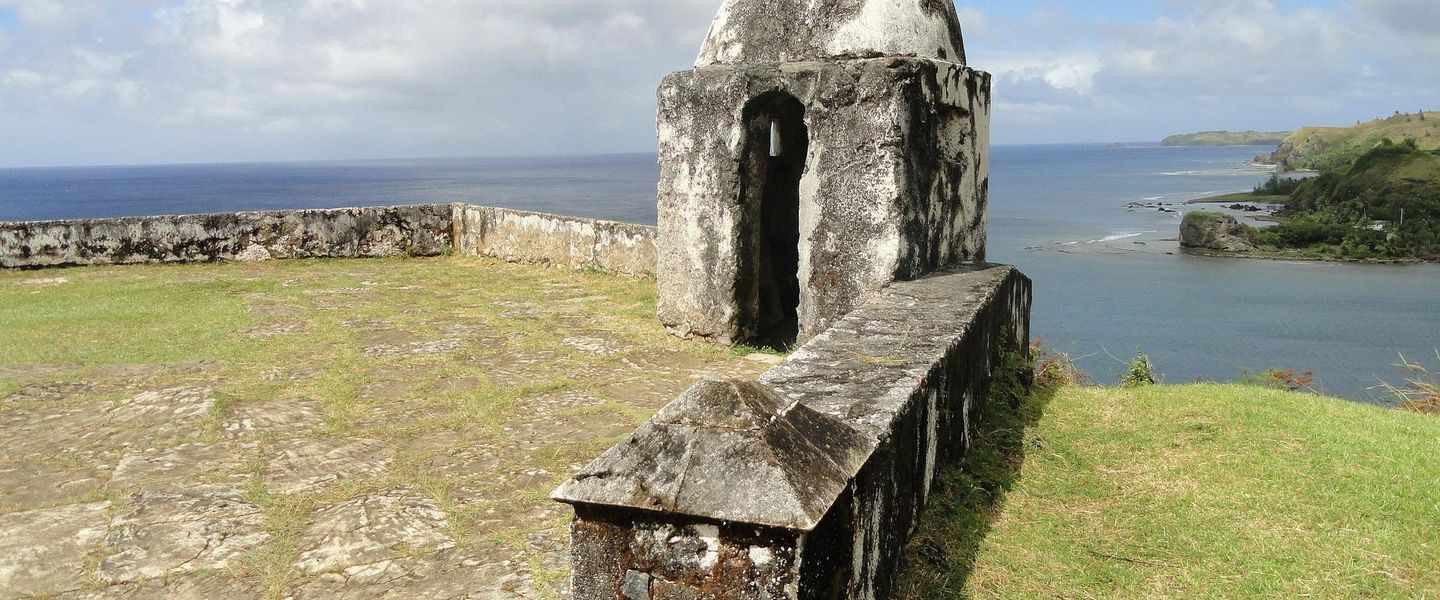


Explore Umatac Bay in southern Guam for Chamorro history, Spanish-era ruins, coastal views and a quiet village setting.
Read more about Umatac Bay
When is the best time to visit Umatac Bay?
Best: January–March · 30°C| Month | High (°C) | Rainfall (mm) |
|---|---|---|
| January (best) | 30 | 105 |
| February (best) | 30 | 90 |
| March (best) | 30 | 110 |
| April | 30 | 115 |
| May | 31 | 140 |
| June | 31 | 170 |
| July | 31 | 200 |
| August | 31 | 220 |
| September | 31 | 240 |
| October | 30 | 230 |
| November | 30 | 190 |
| December | 30 | 150 |
Getting to and around Umatac Bay
How to get there
Transportation
Best attractions in Umatac Bay
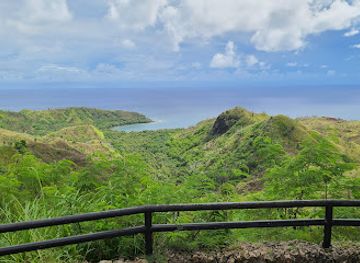
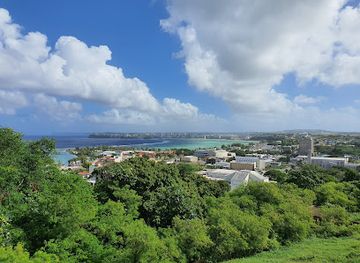
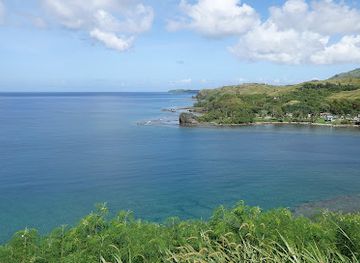
Umatac Bay’s attractions are concentrated around history, scenery and the southern Guam road experience rather than large entertainments. The shoreline and village provide a compact introduction to the bay’s maritime setting, while the Magellan monument marks the area’s association with the first European voyage to reach the Marianas. Above the settlement, Fort Nuestra Señora de la Soledad is the principal heritage site, combining Spanish-period remains with wide views over the water and forested hills. San Dionisio Borromeo Church adds an important religious and community dimension to the village’s story. Visitors interested in archaeology and Chamorro culture can use Umatac as one stop within a wider exploration of southern Guam, where traditional settlements, coastal routes and colonial places are encountered across several districts. The bay is also a useful scenic pause on Route 4, with opportunities for photography and quiet observation of reef-fringed waters. Facilities are limited, and the exposed fort approach can be hot or slippery, so Umatac Bay is best treated as a daylight cultural and landscape visit rather than a base for extensive activities.
-
Tourist attraction
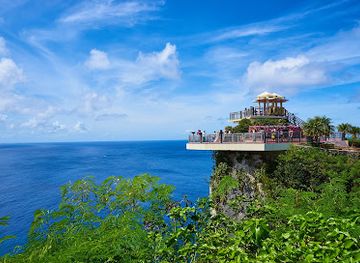
Two Lover’s Point
Experience Guam's breathtaking views and rich history at this iconic cliffside landmark, steeped in the tragic love story of Two Lovers Point.
-
Tourist attraction
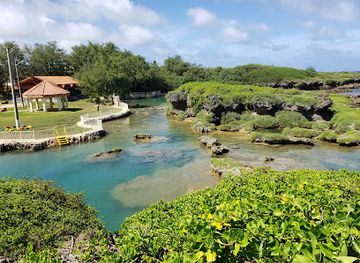
Inarajan Natural Pool
Discover Inarajan Natural Pool: A serene Guam paradise with crystal-clear waters, vibrant marine life, and rich Chamorro culture. Perfect for swimming and snorkeling.
-
Park
Ypao Beach
Discover Ypao Beach Park in Guam: a tropical paradise with clear waters, cultural events, and family-friendly fun in the heart of Tumon.
-
Historical landmark
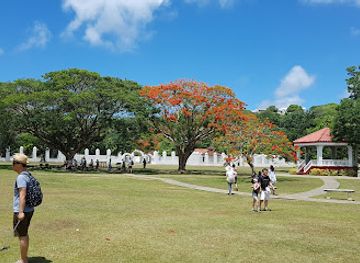
Plaza de España
Explore Guam's colonial past at Plaza de España in Hagåtña, where Spanish history comes to life amidst gardens and architecture.

Best landmarks in Umatac Bay
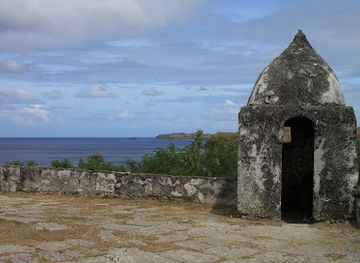
Fort Nuestra Señora de la Soledad is Umatac Bay’s defining built landmark. Set on a hillside above the village, its Spanish-period remains express Guam’s former role in Pacific colonial defence while the elevated position creates a strong visual relationship between fort, bay and surrounding ridges. At the water’s edge, the Magellan monument gives the shoreline a prominent commemorative marker linked to the 1521 voyage and the first recorded European contact traditionally associated with Umatac. Its importance is historical and symbolic, even though scholars have debated the exact details of the expedition’s anchorage. San Dionisio Borromeo Church is another key village landmark, reflecting the continuing importance of Catholic worship in a community shaped by centuries of mission history. Together these places form a compact sequence: coastal contact and navigation, colonial military control, and living religious heritage. The hills and reef-fringed bay are themselves essential natural landmarks, providing the setting that explains why Umatac offered both a sheltered anchorage and a defensible vantage point.
-
Historical place
Fort Nuestra Señora de la Soledad
Discover the rich history and breathtaking views at Fort Nuestra Señora de la Soledad in Humåtak, Guam, a must-visit destination for history lovers.
-
Hiking area
Cetti Bay Overlook
Discover unmatched coastal views at Cetti Bay Overlook, a must-see hiking area in Guam that captures the island's natural beauty and tranquility.
-
Historical landmark
Fort Santa Agueda
Experience the captivating history and stunning vistas at Fort Santa Agueda, a must-visit historical landmark in Guam.
-
Memorial park
Asan Bay Overlook
Discover the serene beauty and rich history of Asan Bay Overlook, a memorial park in Guam offering stunning ocean views and historical insights.
Explore Umatac Bay on the map
Plan your trip on one map. See where the top cities, national parks and sights are, and book hotels and experiences in a few clicks.
Best hotels in Umatac Bay
Best restaurants in Umatac Bay
Umatac Bay has a small-scale dining scene rather than a concentration of destination restaurants. Visitors are more likely to find informal local food, convenience provisions or occasional roadside options than a broad choice of cafés and full-service establishments. Chamorro cooking across Guam commonly features rice, grilled meats, seafood, soups and dishes influenced by Spanish, Filipino, Micronesian and American culinary traditions; local food encountered in the south should be understood within that wider island culture rather than assigned exclusively to Umatac. Fiesta-style dishes and food prepared for family or community gatherings can be especially important expressions of hospitality, though availability varies. Plan substantial meals and specialist dietary requirements in larger Guam communities before driving south, and carry water for the fort and coastal stops. In Umatac itself, dining is best approached as a practical part of a road itinerary, with respect for small businesses and residential surroundings rather than expectations of a formal restaurant district.
-
Grill
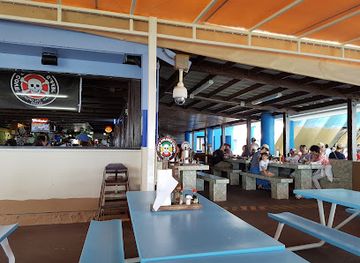
Jeff's Pirates Cove
Experience the unique pirate-themed dining at Jeff's Pirates Cove in Guam - where delicious grilled dishes meet stunning ocean views.
-
American
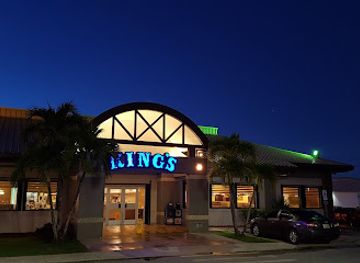
King's Restaurant
Experience the best of American cuisine blended with local flavors at King's Restaurant in Guam's Chalan Premier Outlets.
-
Restaurant
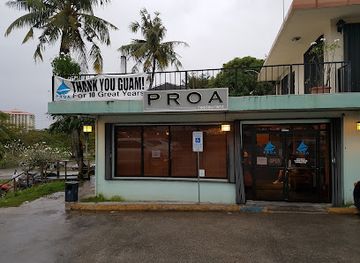
Proa Restaurant
Discover the vibrant tastes of Guam at Proa Restaurant - where local flavors meet stunning views.
-
Pizza
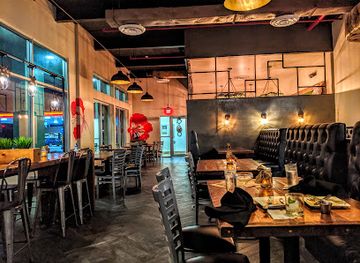
Crust Pizzeria Napoletana
Savor authentic Neapolitan pizza at Crust Pizzeria Napoletana in Hagåtña, Guam - where every bite transports you to Italy.
Best bars in Umatac Bay
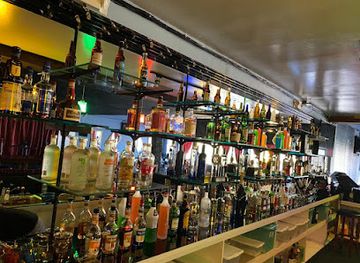
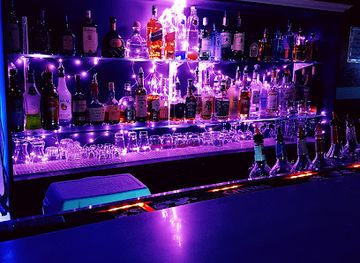
Umatac Bay has no substantial nightclub district, and evening activity is generally quiet and community-oriented. The area is better suited to a daytime heritage visit than to a late-night entertainment stop. Across Guam, nightlife is concentrated in the northern resort areas and larger population centres, where visitors can find hotel bars, restaurants, live music and other evening venues; these are outside Umatac Bay and require a drive. In the south, evening social life is more likely to centre on homes, family gatherings and occasional community events than on purpose-built clubs. Anyone driving the southern roads after dark should allow for limited lighting, winding sections and fewer open services. Visitors should not enter private gatherings without invitation, and alcohol should never be combined with driving.
-
Grill
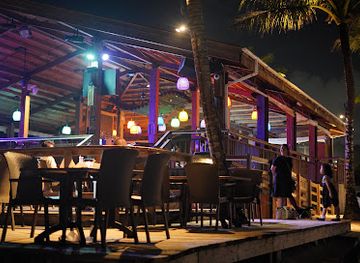
The Beach Restaurant & Bar Guam
Experience the vibrant flavors and stunning views at The Beach Restaurant & Bar Guam, where tropical dining meets local culture.
-
Grill
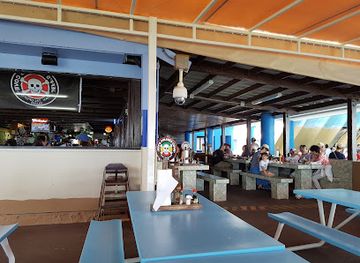
Jeff's Pirates Cove
Experience the vibrant atmosphere and delicious grilled specialties at Jeff's Pirates Cove in Guam, where every meal is an adventure.
-
Bar
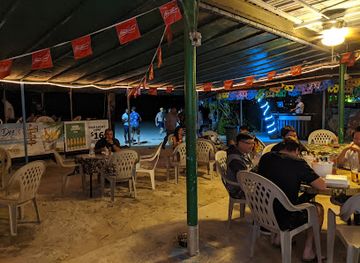
Jimmy Dee's Paradise Beach Resort & Bar
Discover the vibrant atmosphere of Jimmy Dee's Paradise Beach Resort & Bar, where tropical relaxation meets lively entertainment in Guam's beautiful surroundings.
-
Tiki bar
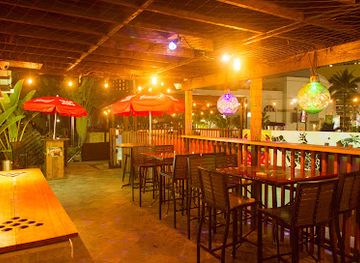
Green Lizzard Tiki Bar
Experience the vibrant nightlife of Tumon, Guam at the Green Lizzard Tiki Bar, where exotic cocktails meet live music in a tropical setting.
Best nightclubs in Umatac Bay
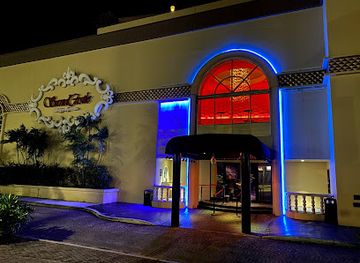
Umatac Bay has no substantial nightclub district, and evening activity is generally quiet and community-oriented. The area is better suited to a daytime heritage visit than to a late-night entertainment stop. Across Guam, nightlife is concentrated in the northern resort areas and larger population centres, where visitors can find hotel bars, restaurants, live music and other evening venues; these are outside Umatac Bay and require a drive. In the south, evening social life is more likely to centre on homes, family gatherings and occasional community events than on purpose-built clubs. Anyone driving the southern roads after dark should allow for limited lighting, winding sections and fewer open services. Visitors should not enter private gatherings without invitation, and alcohol should never be combined with driving.
-
Lounge
Gudtaym Lounge
Discover the lively Gudtaym Lounge in Guam, featuring vibrant live music, engaging karaoke sessions, and a welcoming atmosphere for all.
-
Adult entertainment club
CLUB U.S.A.
Experience the vibrant nightlife of Guam at CLUB U.S.A., where strong drinks and stunning performances await in a lively atmosphere.
-
Dance club
ZOH Nightclub
Discover the nightlife at ZOH Nightclub, a premier dance club in Tumon, Guam, where music, cocktails, and an electric atmosphere await.
-
Karaoke bar
Kawai Lounge
Discover the vibrant atmosphere of Kawai Lounge, Guam's ultimate karaoke destination for unforgettable nights filled with music and fun.

Best shops in Umatac Bay
Shopping in Umatac Bay is limited and local in character. Small stores and roadside provisions may serve immediate needs, but the village does not have a large shopping centre, specialist craft quarter or extensive market. Visitors seeking Guam-produced food, artwork, books, clothing or more varied souvenirs will find a wider choice in Hagåtña, Tamuning and the northern resort districts, all outside Umatac Bay. In the south, purchases are more likely to consist of drinks, snacks and practical supplies for a road journey. Look for locally made products where they are clearly identified, and remember that Chamorro cultural designs and imagery should be treated as heritage rather than disposable decoration. Buying directly from legitimate local makers and following any restrictions on bringing food, plants or shells across borders are sensible ways to support communities without removing natural materials from the coast.
-
Outlet mall
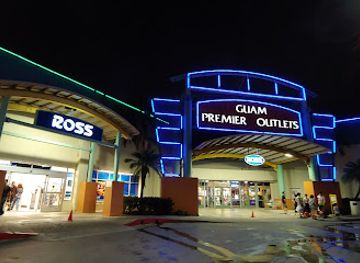
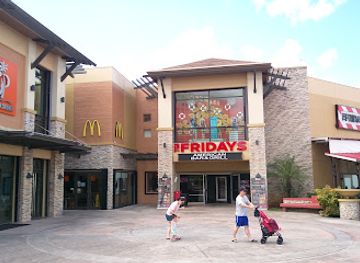
Guam Premier Outlets
Discover unbeatable deals and a vibrant shopping experience at Guam Premier Outlets, the ultimate destination for retail therapy on the island.
-
Shopping mall
JP Superstore
Discover unique souvenirs and local treasures at JP Superstore, the premier shopping destination in Tumon, Guam.
-
General store
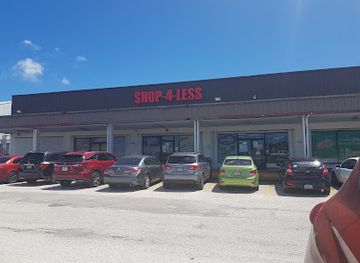
Shop 4 Less
Explore Shop 4 Less in Mongmong for a delightful variety of crafts, office supplies, and party essentials at budget-friendly prices.
-
Cannabis store
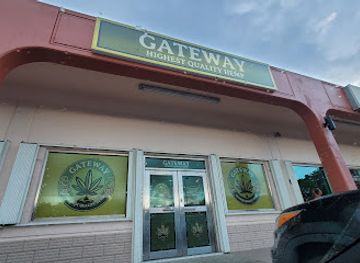
Gateway Ordot
Explore the unique cannabis offerings at Gateway Ordot, where quality meets local culture in a welcoming atmosphere.
Get your free copy of our complete guide to Umatac Bay, delivered straight to you.
Everything on this page, from attractions and restaurants to essentials and local phrases, in one PDF you can read offline, print or share.
Already have an account? Sign in
Your Umatac Bay guide is ready.
We'll send it to · Not you? Sign out

Getting your guide ready…
We are putting together a fresh copy of the Umatac Bay guide. This can take up to a minute.
This can take a few moments. If your browser asks, choose Allow so the download can start. You'll find the guide in your Downloads folder.
Nothing happened? Download it again
Sorry, the guide is taking longer than usual. Please try again in a minute, or get it by email instead.
Umatac Bay essentials
Currency and Payment
Safety
Emergency Situations
Do's and Don'ts
Local Tips
From Eve
Local phrases worth knowing
You don't need to get them perfect. A few words go a long way, and locals appreciate the effort.
Basics
| English | Local | Say it |
|---|---|---|
| Hello | Håfa Adai | [HAH-fah ah-DAI] |
| Goodbye | Adios | [AH-dee-ohs] |
| Yes | Åhe | [AH-heh] |
| No | Ti si | [TEE see] |
| Please/You’re welcome | Por favor | [POHR fah-VOHR] |
| Thank you | Si Yu'os Ma'åse' | [SEE yoo-OS mah-AH-seh] |
| Excuse me/Sorry | Dispensa | [dis-PEN-sah] |
| How are you? | Kumu i che'cho? | [KOO-moo ee CHEH-cho] |
| Fine. And you? | Malu. Håfa deh? | [MAH-loo. HAH-fah deh?] |
| Do you speak English? | Kåo na'ån i Ingles? | [KOW nah-AHN ee ING-les] |
| I don't understand | Ti guaha yo' na'ån | [TEE goo-AH-ha yoh nah-AHN] |
Eating & Drinking
| English | Local | Say it |
|---|---|---|
| I’d like to see the menu, please | Hu guaiya un menu, por favor | [HOO gwai-yah oon MEH-noo, POHR fah-VOHR] |
| I don't eat meat | Ti yo' guaiya karné | [TEE yoh gwai-yah kahr-NEH] |
| Cheers! | Salud! | [sah-LOOD] |
| I would like to pay, please | Hu guaiya un che'lu, por favor | [HOO gwai-yah oon CHEH-loo, POHR fah-VOHR] |
Emergencies
| English | Local | Say it |
|---|---|---|
| Help! | Båsta! | [BAH-stah] |
| Go away! | Bai hu ginen! | [BAI hoo GEE-nen] |
| Call the Police! | Tåya i Polisi! | [TAH-yah ee poh-LI-see] |
| Call a doctor! | Tåya un dokto! | [TAH-yah oon DOK-toh] |
| I’m lost | Hu na'ån i ma'åti | [HOO nah-AHN ee mah-AH-ti] |
| I’m ill | Hu malångu | [HOO mah-LANG-goo] |
Shopping
| English | Local | Say it |
|---|---|---|
| I’d like to buy... | Hu guaiya un prùm, | [HOO gwai-yah oon PROOM] |
| I’m just looking | Hu na'ån i cha'gu | [HOO nah-AHN ee CHA-goo] |
| How much is it? | Kumu i ginen? | [KOO-moo ee GEE-nen] |
| That’s too expensive | Sao i mas takhilo | [SAH-oh ee mahs tah-KEE-lo] |
| Can you lower the price? | Kåo siña mu'ti i prisi? | [KOW SEE-nya moo-TEE ee PREE-see] |
Time & Numbers
| English | Local | Say it |
|---|---|---|
| What time is it? | Kumu i tiempo? | [KOO-moo ee TYEHM-po] |
| It’s one o'clock | I uno na ora | [EE OO-no nah OH-rah] |
| Half past (10) | Mediu na (10) | [MEH-dee-oo nah (10)] |
| Morning | Mañana | [mahn-YAH-nah] |
| Afternoon | Panget | [PAN-get] |
| Evening | Sangra | [SANG-rah] |
| Yesterday | Inas | [EE-nahs] |
| Today | Aman | [AH-mahn] |
| Tomorrow | Bai | [BAY] |
| 1 | Uno | [OO-no] |
| 2 | Dos | [DOSS] |
| 3 | Tres | [TRESS] |
| 4 | Kuåttro | [KOO-at-troh] |
| 5 | Singko | [SING-koh] |
| 6 | Sais | [SICE] |
| 7 | Siete | [SYET-ay] |
| 8 | Ocho | [OH-cho] |
| 9 | Nueve | [NWEH-vay] |
| 10 | Diyes | [DEE-yes] |
Transport & Directions
| English | Local | Say it |
|---|---|---|
| Where's a/the...? | Kåo i...? | [KOW ee...?] |
| What’s the address? | Kumu i direksion? | [KOO-moo ee dee-rek-SYON] |
| Can you show me (on the map)? | Kåo siña mu show yo' (i mapa)? | [KOW seen-yah moo SHOW yoh (ee MAH-pah)?] |
| When’s the next (bus)? | Kåo i sumas (bus)? | [KOW ee SOO-mas (bus)?] |
| A ticket (to ....) | Un tikita (para ....) | [OON tee-KEE-tah (PAH-rah ....)] |
History of Umatac Bay
Ancient Chamorro Settlement and Seafaring
Long before European contact, the area around Umatac Bay formed part of the inhabited coastal landscape of the Chamorro people, whose ancestors reached the Mariana Islands by long-distance ocean voyaging. Communities used coastal waters and inshore reefs for fishing, transport and exchange while maintaining connections with settlements elsewhere on Guam and neighbouring islands. Latte stones and other archaeological remains across Guam testify to the social and architectural traditions of this period, although not every surviving site is located directly at Umatac Bay. The bay’s sheltered coastline helped make the area significant within southern Guam’s wider network of settlements.
Magellan’s Voyage and European Contact, 1521
Umatac is traditionally linked with the arrival of Ferdinand Magellan’s expedition in March 1521, during the first circumnavigation of the globe. Accounts of the encounter describe contact between the expedition and Chamorro communities in the Marianas, but interpretations of the precise anchorage and events vary. A monument at Umatac Bay commemorates this episode and its place in global maritime history. The arrival brought European descriptions of the islands, while also forming part of a much longer history of indigenous navigation and settlement that preceded Spanish contact by centuries.
Spanish Rule and Catholic Missionisation
Spain established lasting colonial control over Guam in the late seventeenth century, and Umatac became an important southern settlement during the Spanish period. Catholic missionisation reshaped religious and community life, while Spanish administration connected Guam to the wider colonial system centred on Manila. Churches, roads and military works were developed in and around the village. San Dionisio Borromeo Church represents the continuing local legacy of this period, though the present structure and later alterations should not be confused with every earlier phase of Spanish mission history.
Fort Nuestra Señora de la Soledad
Fort Nuestra Señora de la Soledad was constructed during Spanish rule to help protect Guam’s southwestern coast and monitor maritime approaches. Its elevated position above Umatac Bay gave defenders a commanding view of the shoreline, although the fort was modest in scale compared with major fortifications elsewhere in the Spanish empire. The surviving masonry and foundations have substantial heritage value because they show how Guam’s geography shaped colonial defence. Today the site also provides one of southern Guam’s clearest views over the bay and surrounding hills.
War, Occupation and the Battle for Guam
Guam was captured by Japan in 1941 and remained under occupation until American forces retook the island in 1944. The principal fighting and landings occurred in other parts of Guam, but the war affected communities throughout the island, including the south. Military roads, communications and wartime movements altered the landscape, while residents experienced displacement, shortages and occupation controls. Umatac Bay’s present quiet appearance therefore sits within a wider twentieth-century history of strategic rivalry in the western Pacific and the profound disruption caused by the Second World War.
Contemporary Umatac and Heritage Preservation
After the war, Guam developed increasingly around military installations, government services and tourism, with the greatest commercial growth concentrated in the north and central districts. Umatac retained a smaller-scale, village-oriented character and became valued for its association with Chamorro heritage, Spanish-era history and the southern coast. Preservation of Fort Soledad, church-related sites and commemorative places reflects broader efforts to interpret Guam’s indigenous, colonial and American histories together. Contemporary Umatac is consequently less a commercial resort than a living community within a historically layered landscape.
Umatac Bay in Photos
Browse through our photo collection highlighting the charm and character of the destination.
Neighbouring regions of Umatac Bay
The closest regions to Umatac Bay, if you have time for more than one.
-

-

-

-

-


Swipe for more regions
Explore more
Explore more of Guam
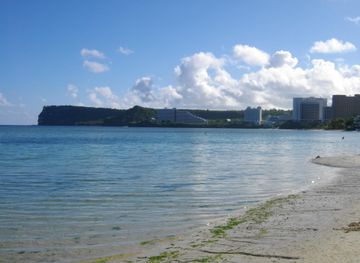
Discover Guam: A tropical paradise offering pristine beaches, rich Chamorro culture, and diverse marine life, perfect for adventure seekers and relaxation enthusiasts alike.
Explore Guam