

Free Mount Lamlam Travel Guide & Mobile App
Explore Mount Lamlam with free travel guides. Discover regional history, expert tips, proposed trips, and audio guides on web or mobile app.


Mount Lamlam in southern Guam offers a tropical summit hike, limestone landscapes, coastal views and a close look at the island’s layered history.
Read more about Mount Lamlam
When is the best time to visit Mount Lamlam?
Best: January–March · 29°C| Month | High (°C) | Rainfall (mm) |
|---|---|---|
| January (best) | 29 | 86 |
| February (best) | 29 | 97 |
| March (best) | 29 | 102 |
| April | 29 | 107 |
| May | 30 | 132 |
| June | 30 | 234 |
| July | 30 | 310 |
| August | 30 | 361 |
| September | 30 | 335 |
| October | 29 | 310 |
| November | 29 | 224 |
| December | 29 | 142 |
Getting to and around Mount Lamlam
How to get there
Transportation
Top city travel guides in Mount Lamlam
The cities of Mount Lamlam, and the easiest places to base yourself.
-

-


Swipe for more cities
Destinations in Mount Lamlam
Resorts, valleys and scenic spots worth a trip of their own.

Swipe for more destinations
Best attractions in Mount Lamlam
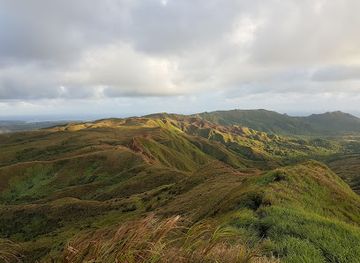
The principal attraction is the ascent of Mount Lamlam itself, which combines a physically demanding tropical walk with wide views over southern Guam and the western Pacific. The route is more about terrain, weather and landscape than constructed facilities, so visitors should bring water, sun protection and suitable footwear. The mountain’s limestone ridges and forested slopes provide a useful introduction to Guam’s geology, while the summit cross gives the climb a recognisable destination. Nearby, but separate from Mount Lamlam, southern Route 2 offers roadside views towards Cetti Bay and the coast. The villages of Agat and Umatac add historical and cultural context through churches, community landscapes and maritime connections, although they should be visited as neighbouring destinations rather than treated as attractions on the mountain. Outdoor travellers can extend the day with photography, birdwatching and scenic driving, provided they remain attentive to access rules and weather. There is no substantial visitor centre, cable car, organised attraction complex or dependable refreshment service at Mount Lamlam, and that absence is part of its character.
-
Tourist attraction
Fish Eye Marine Park - Visitor Center
Explore Guam's underwater wonders at Fish Eye Marine Park: Micronesia's only underwater observatory in the Piti Bay Marine Preserve.
-
Beach
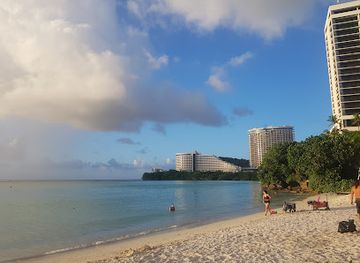
Tumon Beach
Experience Guam's best: Tumon Beach offers pristine sands, crystal waters, and endless activities in a vibrant, tropical setting.
-
Tourist attraction
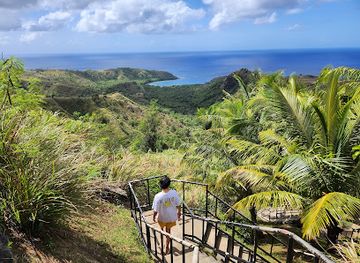
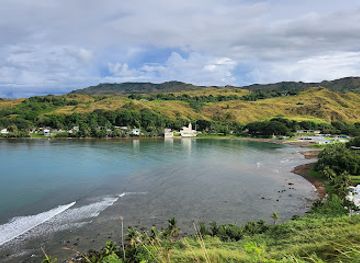
Cetti Bay Overlook
Discover panoramic views of Guam's volcanic landscape and ancient history at Cetti Bay Overlook, a must-see destination in Umatac.
-
Dinner theater
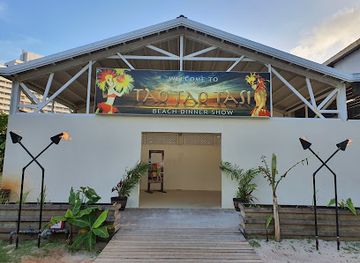
Taotao Tasi Guam
Experience Guam's #1 island show with vibrant cultural performances, delicious BBQ, and stunning sunset views on Tumon's Gun Beach.
Best landmarks in Mount Lamlam
Mount Lamlam is itself the defining landmark: Guam’s highest summit by elevation, a prominent southern ridge and a familiar reference point from surrounding roads and coastal areas. The summit cross is the mountain’s most recognisable human-made feature, marking the outlook without turning the site into a developed monument. Its visual importance is amplified by the unusual Mariana Trench comparison, which measures the mountain from the ocean floor rather than from sea level; this explains the popular geographical claim associated with Mount Lamlam but does not change its official elevation. The surrounding limestone ridgeline, forested slopes and views towards the Philippine Sea form a natural landmark system with the summit at its centre. Cetti Bay viewpoints and historic places in nearby Umatac may be seen on the same southern excursion, but they are separate landmarks outside Mount Lamlam itself and should not be confused with the mountain’s summit.
-
Tourist attraction
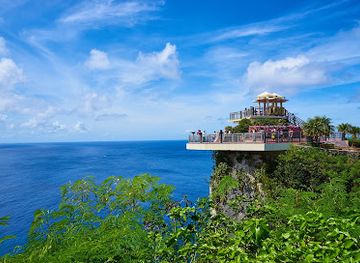
Two Lover’s Point
Discover Guam's legendary Two Lover's Point: breathtaking views, rich culture, and a timeless tale of eternal love and sacrifice.
-
Park
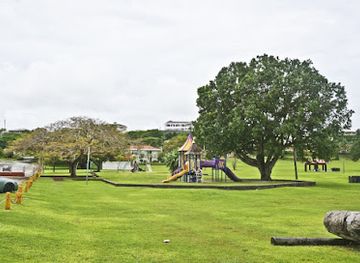
Ypao Beach
Discover Ypao Beach in Guam: a family-friendly tropical escape with clear waters, cultural history, and stunning sunsets in Tumon.
-
Historical landmark
Plaza de España
Explore Guam's colonial past at Plaza de España in Hagåtña, where history comes alive amidst Spanish ruins and cultural landmarks.
-
Historical place
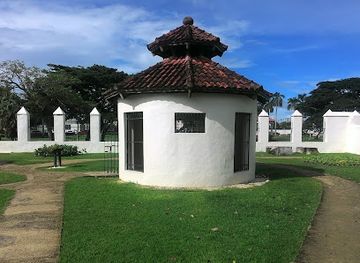
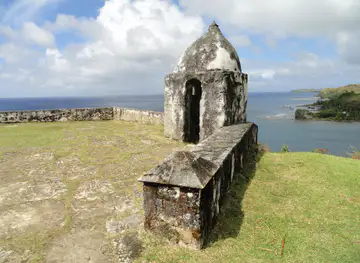
Fort Nuestra Señora de la Soledad
Explore Guam's history at Fort Soledad: panoramic views, Spanish-era ruins, and a glimpse into the island's strategic past.
Explore Mount Lamlam on the map
Plan your trip on one map. See where the top cities, national parks and sights are, and book hotels and experiences in a few clicks.
Best hotels in Mount Lamlam
Best restaurants in Mount Lamlam
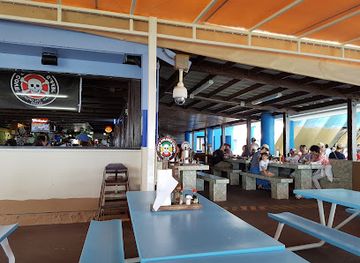
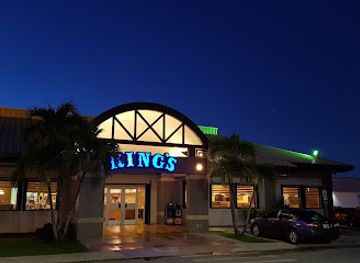
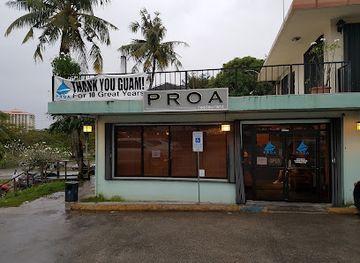
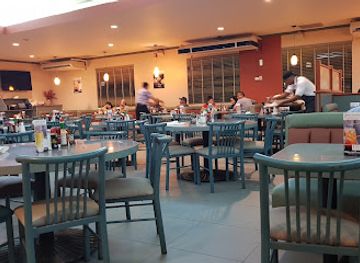
Mount Lamlam has no established summit restaurants or dependable food outlets, so dining requires planning before or after the walk. The wider southern villages provide a more local, informal food setting than Guam’s main hotel districts, with restaurants, takeaways and small shops serving familiar Chamorro and Pacific-influenced dishes alongside American-style meals. Visitors may encounter kelaguen, a finely chopped and seasoned meat or seafood preparation, red rice, barbecue, soups and seafood, although recipes and availability vary between establishments. Coconut, local fish and grilled meats are common features of Guam’s broader food culture, while bakeries and convenience shops are useful for carrying breakfast, snacks and drinks to the trailhead. Agat and Umatac are practical areas to consider for a meal near a southern itinerary, but opening arrangements can change and should be checked locally. Carry out all food packaging and avoid leaving leftovers or litter in the mountain environment.
-
Grill
Jeff's Pirates Cove
Experience culinary delights at Jeff's Pirates Cove - Guam's top grill featuring fresh seafood and vibrant atmosphere.
-
American
King's Restaurant
Discover King’s Restaurant: A fusion of American and local flavors awaits you in Guam's dining scene.
-
Restaurant
Proa Restaurant
Experience authentic Chamorro cuisine at Proa Restaurant in Tumon, Guam – where every dish tells a story of island culture.
-
Family-friendly
Shirley's Restaurant
Experience authentic Guam cuisine at Shirley's Restaurant - perfect for families seeking delicious meals in a welcoming atmosphere.
Best bars in Mount Lamlam
Mount Lamlam is not a nightlife destination, and there are no reliable bars or clubs at the summit or on the surrounding hiking routes. Evening activity in southern Guam is generally quieter than in the hotel and entertainment areas around Tumon, focusing on local restaurants, family gatherings and occasional informal social venues rather than a concentrated club scene. Visitors staying near Agat or travelling through Umatac may find places for a relaxed meal or drink, while a wider choice of cocktail bars, live entertainment and late-night venues is available farther north in Guam’s urban and resort districts. Because distances are significant by island standards and rural roads are poorly suited to unfamiliar late-night driving, arrange transport in advance and never drive after drinking. The mountain is best visited in daylight, with the return journey planned before darkness.
-
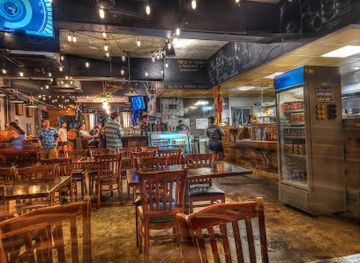
Brewpub
Carabao Brewing
Experience local flavors at Carabao Brewing, a vibrant brewpub in Hagåtña, Guam, offering craft beers and delicious food in a lively atmosphere.
-
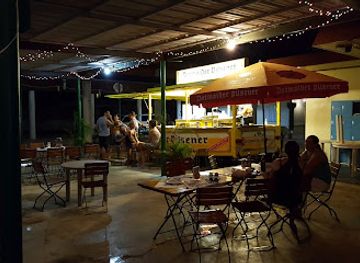
Bar
Jimmy Dee's Paradise Beach Resort & Bar
Discover the vibrant atmosphere and stunning views at Jimmy Dee's Paradise Beach Resort & Bar, your beachside retreat in Guam.
-
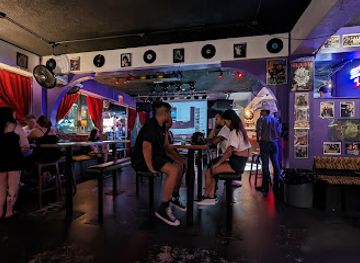
Bar
Porky's
Discover the vibrant nightlife at Porky's in Tumon, Guam, where live music and refreshing drinks create unforgettable memories.
-
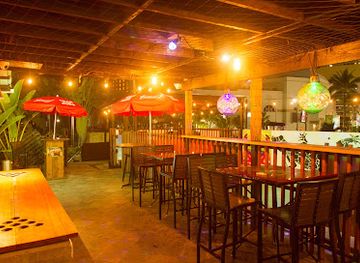
Tiki bar
Green Lizzard Tiki Bar
Experience the vibrant atmosphere and tropical flavors at Green Lizzard Tiki Bar in Tumon, a perfect getaway for relaxation and fun.
Best nightclubs in Mount Lamlam
Mount Lamlam is not a nightlife destination, and there are no reliable bars or clubs at the summit or on the surrounding hiking routes. Evening activity in southern Guam is generally quieter than in the hotel and entertainment areas around Tumon, focusing on local restaurants, family gatherings and occasional informal social venues rather than a concentrated club scene. Visitors staying near Agat or travelling through Umatac may find places for a relaxed meal or drink, while a wider choice of cocktail bars, live entertainment and late-night venues is available farther north in Guam’s urban and resort districts. Because distances are significant by island standards and rural roads are poorly suited to unfamiliar late-night driving, arrange transport in advance and never drive after drinking. The mountain is best visited in daylight, with the return journey planned before darkness.
-
Karaoke bar
Lava Lounge
Discover the ultimate karaoke experience in Guam at Lava Lounge, where vibrant nightlife meets unforgettable fun and connection.
-
Lounge
Regency Club
Experience the serene ambiance and exquisite offerings of Regency Club, Guam's premier lounge for relaxation and leisure.
-
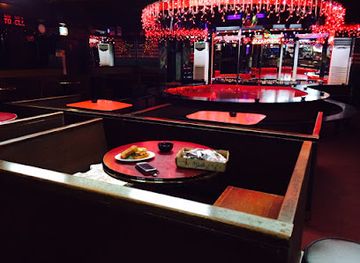
Adult entertainment club
CLUB U.S.A.
Discover the nightlife at CLUB U.S.A., Tumon's premier adult entertainment spot featuring stunning performances and a lively atmosphere.
-
Dance club
ZOH Nightclub
Discover the heartbeat of Tumon's nightlife at ZOH Nightclub, where music, dancing, and vibrant entertainment come together for an unforgettable experience.


Best shops in Mount Lamlam
Mount Lamlam has no shops, market or craft centre, so visitors should purchase water, snacks, sun protection and hiking essentials before reaching the trail area. Shopping associated with a Mount Lamlam visit is found mainly in Guam’s larger settlements, where convenience stores and supermarkets are useful for provisions and shops sell locally themed food, clothing and souvenirs. Southern villages offer a quieter, less concentrated retail experience than the commercial districts around Tumon, with small stores and local food outlets rather than extensive designer or department-store shopping. For regional gifts, look for Chamorro-inspired artwork, locally produced food items, woven goods and handicrafts, checking that products are genuinely made in Guam and that materials are legally sourced. A summit visit should not be used as a reason to remove stones, plants or other natural objects from the mountain.
-
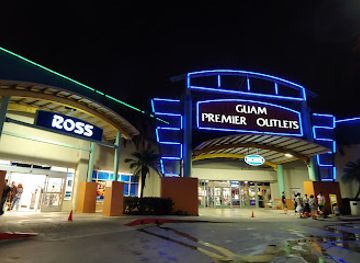
Outlet mall
Guam Premier Outlets
Explore Guam Premier Outlets: Your ultimate shopping destination for unbeatable deals and local flavors in the heart of Guam.
-
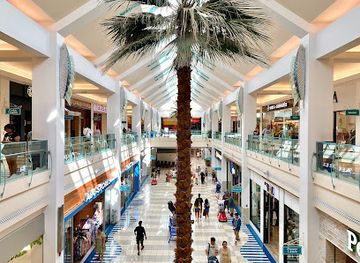
Shopping mall
Micronesia Mall
Explore Micronesia Mall in Guam: A shopper's paradise with diverse stores, delightful dining, and vibrant events.
-
Shopping mall
JP Superstore
Explore the diverse shopping experience at JP Superstore in Tumon, Guam, where local culture meets international brands.
-
General store
Shop 4 Less
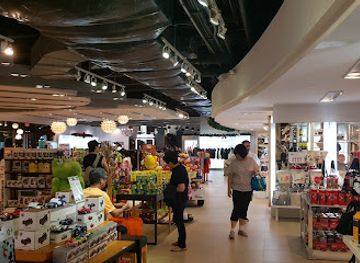
Discover unique crafts, office supplies, and party essentials at Shop 4 Less, your ultimate shopping destination in Guam.
Get your free copy of our complete guide to Mount Lamlam, delivered straight to you.
Everything on this page, from attractions and restaurants to essentials and local phrases, in one PDF you can read offline, print or share.
Already have an account? Sign in
Your Mount Lamlam guide is ready.
We'll send it to · Not you? Sign out

Getting your guide ready…
We are putting together a fresh copy of the Mount Lamlam guide. This can take up to a minute.
This can take a few moments. If your browser asks, choose Allow so the download can start. You'll find the guide in your Downloads folder.
Nothing happened? Download it again
Sorry, the guide is taking longer than usual. Please try again in a minute, or get it by email instead.
Mount Lamlam essentials
Currency and Payment
Safety
Emergency Situations
Do's and Don'ts
Local Tips
From Eve
Local phrases worth knowing
You don't need to get them perfect. A few words go a long way, and locals appreciate the effort.
Basics
| English | Local | Say it |
|---|---|---|
| Hello | Håfa Adai | [Hah-fah Ah-dye] |
| Goodbye | Adios | [Ah-dee-ohs] |
| Yes | Åhe | [Ah-hey] |
| No | Ayo | [Ah-yoh] |
| Please/You're welcome | Si Yu'os Ma'åse' | [See Yoo-os Mah-ah-seh] |
| Thank you | Si Yu'os | [See Yoo-os] |
| Excuse me/Sorry | Dispensa | [Dee-spen-sah] |
| How are you? | Kao manåo? | [Kah-oh mah-nah-oh] |
| Fine. And you? | Malamåte. I taotao? | [Mah-lah-mah-teh. Ee tah-oh-tah-oh?] |
| Do you speak English? | Hu guaiya i Ingles? | [Hoo gwah-ee-yah ee Een-glehs?] |
| I don't understand | Tåya' guinaiya | [Tah-yah ghee-nai-yah] |
Eating & Drinking
| English | Local | Say it |
|---|---|---|
| I'd like to see the menu, please | Kao guaiya i menu, si yu'os | [Kah-oh gwah-ee-yah ee meh-noo, see yoo-os] |
| I don't eat meat | Tåya' guinai i karne | [Tah-yah ghee-nai ee kar-neh] |
| Cheers! | Biba! | [Bee-bah!] |
| I would like to pay, please | Kao guaiya para u ma'pay, si yu'os | [Kah-oh gwah-ee-yah pah-rah oo mah-pay, see yoo-os] |
Emergencies
| English | Local | Say it |
|---|---|---|
| Help! | Måhu! | [Mah-hoo!] |
| Go away! | Sige na'! | [See-geh nah!] |
| Call the Police! | Tåya' i Polisia! | [Tah-yah ee Poh-lee-see-ah!] |
| Call a doctor! | Tåya' i doktora! | [Tah-yah ee dok-toh-rah!] |
| I'm lost | Guahu siña | [Goo-ah-hoo see-nyah] |
| I'm ill | Guahu siña malångu | [Goo-ah-hoo see-nyah mah-lahng-oo] |
Shopping
| English | Local | Say it |
|---|---|---|
| I'd like to buy... | Kao guaiya para u ma'åle... | [Kah-oh gwah-ee-yah pah-rah oo mah-ah-leh...] |
| I'm just looking | Guahu na' guinai | [Goo-ah-hoo nah ghee-nai] |
| How much is it? | Hao much i esta? | [How much ee es-tah?] |
| That's too expensive | Eståbu siña | [Es-tah-boo see-nyah] |
| Can you lower the price? | Hu ma'puente i prisu? | [Hoo mah-pwen-teh ee pree-soo?] |
Time & Numbers
| English | Local | Say it |
|---|---|---|
| What time is it? | Hao tiempo i esta? | [How tee-em-poh ee es-tah?] |
| It's one o'clock | I uno na ora | [Ee oo-no nah oh-rah] |
| Half past (10) | Medio na (10) | [Meh-dee-oh nah (10)] |
| Morning | Mañana | [Mah-nyah-nah] |
| Afternoon | Tarde | [Tar-deh] |
| Evening | Natt | [Naht] |
| Yesterday | Inafa'maolek | [Ee-na-fah-mah-oh-lek] |
| Today | Dåtid | [Dah-teed] |
| Tomorrow | Mañåhåfan | [Mah-nyah-hah-fahn] |
| 1 | Uno | [Oo-no] |
| 2 | Dos | [Dohs] |
| 3 | Tres | [Tres] |
| 4 | Kåtro | [Kah-troh] |
| 5 | Singko | [Sing-koh] |
| 6 | Sais | [Sah-ees] |
| 7 | Siete | [See-eh-teh] |
| 8 | Ocho | [Oh-cho] |
| 9 | Nueve | [Nweh-veh] |
| 10 | Diez | [Dyez] |
Transport & Directions
| English | Local | Say it |
|---|---|---|
| Where's a/the...? | Onde i...? | [On-dee ee...?] |
| What's the address? | Hao i direksion? | [How ee dee-rek-see-on?] |
| Can you show me (on the map)? | Hu ma'para i mapa? | [Hoo mah-pah-rah ee mah-pah?] |
| When's the next (bus)? | Kando i sunu (bus)? | [Kahn-doh ee soo-noo (boos)?] |
| A ticket (to ....) | Un tiket (para ...) | [Oon tee-ket (pah-rah ...)] |
History of Mount Lamlam
Ancient Chamorro settlement and limestone landscapes
The Mariana Islands have been inhabited by the Chamorro people for thousands of years, and Guam’s southern uplands formed part of a wider island environment of forests, freshwater sources, coastal fishing grounds and limestone terrain. Mount Lamlam itself is principally a natural landmark rather than a single archaeological monument, but the surrounding island contains evidence of long-established Chamorro settlement, including latte architecture and traditional connections between inland and coastal areas. Understanding this older landscape helps explain why the mountain should not be treated as an empty wilderness separated from Guam’s cultural history.
Spanish colonial rule from the seventeenth century
Spanish missionaries established a permanent Catholic presence on Guam in the late seventeenth century, beginning a colonial period that lasted until 1898. Southern communities such as Agat and Umatac became part of the island’s network of villages, churches, roads and maritime contacts. Spanish influence remains visible in place names, Catholic traditions and historic sites across Guam, although colonial rule also brought disease, disruption and profound changes to Chamorro society. Mount Lamlam’s surrounding villages should therefore be read within this wider history rather than as isolated rural settlements.
Guam under American administration after 1898
Following the Spanish-American War, Spain ceded Guam to the United States in 1898. The island was administered by the US Navy for much of the first half of the twentieth century, a period in which communications, government and economic life developed along a different path from neighbouring Spanish and Micronesian territories. Southern Guam remained less urban than areas around Hagåtña and the later hotel district, helping preserve the rural setting in which Mount Lamlam is experienced today. American influence is also reflected in the island’s roads, institutions and use of the US dollar.
Japanese occupation and the Second World War
Japanese forces captured Guam in December 1941 and occupied the island until American forces returned in 1944. The occupation brought severe restrictions, forced labour and violence, while the liberation campaign caused further destruction and displacement. Southern Guam was affected by military operations and wartime movement, and the island’s hills and ridges formed part of a strategically important landscape. Reminders of the war are found in museums, memorials and surviving sites around Guam, even though Mount Lamlam is primarily visited for its natural setting rather than as a preserved battlefield.
Post-war reconstruction and military land use
After 1944, Guam underwent extensive reconstruction and became an important American military and transport centre in the western Pacific. Roads, utilities and new settlements connected the island more closely, while large areas remained subject to military or other controlled land use. These arrangements continue to influence how visitors move through southern Guam and why access to some hills, tracks and open areas must be checked rather than assumed. Mount Lamlam’s relative quiet reflects both its rural geography and the broader pattern of uneven development across Guam.
Modern Guam and the growth of outdoor tourism
Contemporary Guam combines Chamorro cultural identity, American political and economic influence, a substantial military presence and an international visitor economy centred largely on the north-western hotel areas. Mount Lamlam represents a different strand of the island’s tourism: self-guided walking, landscape appreciation and interest in geology and geography. The mountain’s reputation as Guam’s highest summit, together with the dramatic Mariana Trench comparison, has made it a recognisable destination while leaving its immediate surroundings comparatively low-key.
Mount Lamlam in Photos
Browse through our photo collection highlighting the charm and character of the destination.
Neighbouring regions of Mount Lamlam
The closest regions to Mount Lamlam, if you have time for more than one.
-

-

-
-

-


Swipe for more regions
Explore more
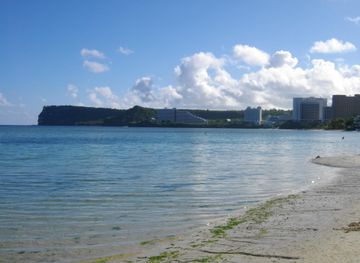
Explore more of Guam
Discover Guam: A tropical paradise offering pristine beaches, rich Chamorro culture, and diverse marine life, perfect for adventure seekers and relaxation enthusiasts alike.
Explore Guam