

Ypao Beach Park Travel Guide - Free Web & App
Your ultimate guide to Ypao Beach Park. Discover top landmarks, proposed trips, and local tips. Free on the web or via the Evendo companion app.


Ypao Beach Park in Guam combines a family-friendly sandy shore, reef waters, shaded lawns, Chamorro culture and memorable western-coast sunsets.
Coastal Setting
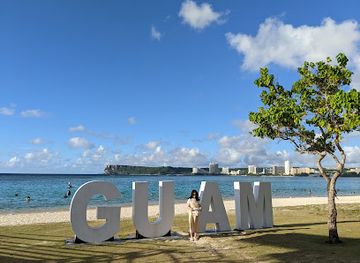
Ypao Beach Park occupies a broad stretch of Guam’s western coastline in Tamuning, at the southern end of the busy Tumon Bay area. Its sandy beach, shallow nearshore water and open lawns make it one of the island’s most accessible places for a relaxed seaside visit. The reef-fringed coast is characteristic of Guam’s limestone shoreline, where clear tropical water meets a shallow platform shaped by coral growth and wave action. Conditions vary with weather, tides and swell, so the appearance and suitability of the water can change during the day.Read more about Ypao Beach Park
Park Life and Local Character
Exploring the Area
When is the best time to visit Ypao Beach Park?
Best: January–March · 29–30°C| Month | High (°C) |
|---|---|
| January (best) | 29 |
| February (best) | 29 |
| March (best) | 30 |
| April | 30 |
| May | 30 |
| June | 30 |
| July | 31 |
| August | 31 |
| September | 30 |
| October | 30 |
| November | 30 |
| December | 30 |
Getting to and around Ypao Beach Park
How to get there
Transportation
Best attractions in Ypao Beach Park
Ypao Beach Park’s main attraction is its sandy western shoreline, where shallow reef water, open lawns and public picnic space create an accessible setting for swimming, coastal walks and family outings when conditions permit. The park’s position near Tumon Bay makes it a useful base for experiencing Guam’s developed visitor coast without being confined to a hotel beach. Its broad grassy areas are used for gatherings and community events, while the seaward edge provides changing views of reef flats, offshore water and evening skies. Nearby Tumon offers additional beaches, hotel facilities and visitor services, but these should be understood as part of the surrounding urban district rather than the park itself. Visitors interested in Guam’s history and natural environment can use Ypao as one stop in a wider island itinerary that includes CHamoru cultural sites, wartime heritage and other coastal landscapes, taking care to distinguish public park amenities from attractions requiring separate access or arrangements.
-
Tourist attraction
Guam Adventures
Experience thrilling adventures with stunning Tumon Bay views at Guam Adventures. Ziplining, water sports, off-road tours, and more await!
-
Park
Gov. Joseph Flores Beach Park (Ipao Beach Park)
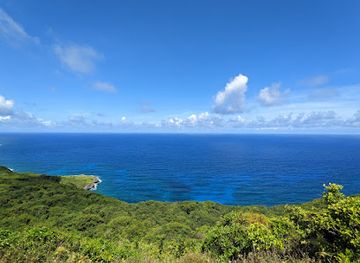
Discover Guam's tropical paradise at Ipao Beach Park: pristine sands, clear waters, vibrant marine life, and unforgettable sunsets await!
Best landmarks in Ypao Beach Park
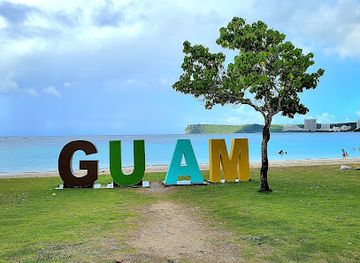
The defining landmark of Ypao Beach Park is its public beach and reef-fringed western coastline, a natural setting shaped by Guam’s raised limestone island and surrounding coral ecosystems. The shoreline’s shallow water and broad coastal outlook distinguish it from the denser hotel frontage farther along Tumon Bay. The park’s lawns, picnic shelters and open gathering spaces are important community landmarks in their own right, representing public access to a coast where much visitor activity is associated with resorts. Beyond the park, Tumon Bay forms the principal geographic reference for the surrounding district, while Guam’s wider landscape includes CHamoru cultural sites and Second World War remains that require separate visits. Ypao is therefore most significant as an accessible meeting point between Guam’s everyday public life, its coastal environment and the developed tourism landscape of western Tamuning.
-
Park
Ypao Beach
Experience the beauty and tranquility of Ypao Beach in Tumon, Guam - a perfect destination for relaxation, water sports, and stunning sunsets.
-
Park
Gov. Joseph Flores Beach Park (Ipao Beach Park)
Discover the beauty of Gov. Joseph Flores Beach Park, a serene coastal escape in Tumon, Guam, perfect for relaxation, family picnics, and stunning sunsets.
-
Landmark
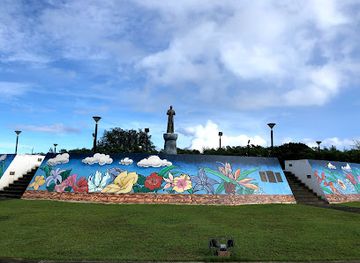
Archbishop Felixberto Flores Memorial Circle
Explore the Archbishop Felixberto Flores Memorial Circle in Oka, Guam - a peaceful landmark celebrating heritage amidst lush gardens.
-
Parking lot
Ypao Beach Parking
Discover the beauty of Guam with convenient access to Ypao Beach Parking, your ultimate starting point for sun-soaked adventures.
Explore Ypao Beach Park on the map
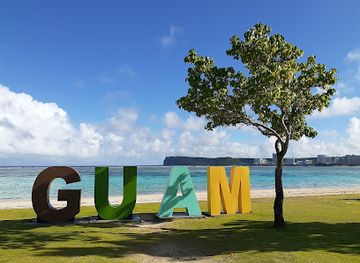
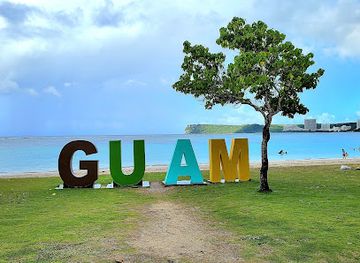
Plan your trip on one map. See where the top attractions, landmarks, restaurants and hotels are, and book hotels and experiences in a few clicks.
Best hotels in Ypao Beach Park
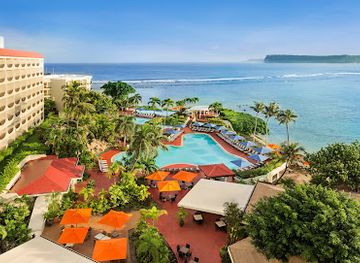
Best restaurants in Ypao Beach Park
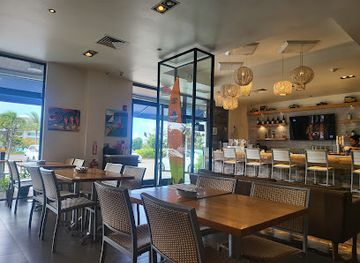
Ypao Beach Park is primarily a public recreation area, so dining is concentrated in the surrounding Tamuning and Tumon districts rather than within the park itself. Nearby hotels, shopping areas and local businesses provide restaurants, cafés and casual eating places, with choices ranging from international resort dining to food influenced by CHamoru tastes and Guam’s Pacific location. Visitors may encounter dishes and ingredients associated with island cooking, including rice-based meals, grilled meats, seafood and kelaguen, a CHamoru preparation commonly made with citrus, onions and meat or seafood. Availability varies by venue, and not every establishment serves traditional food. A picnic from a nearby shop or restaurant can suit a daytime park visit, but visitors should follow local rules about bringing food, disposing of rubbish and protecting the beach environment.
-
Seafood
Beachin' Shrimp Flame Tree Plaza
Discover Beachin' Shrimp at Flame Tree Plaza - where fresh seafood meets island charm in beautiful Guam.
-
Jamaican
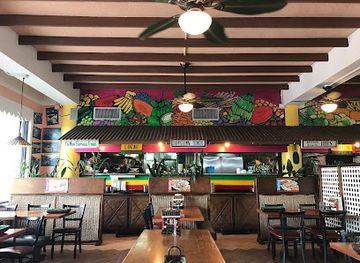
Jamaican Grill
Experience authentic Jamaican cuisine in Guam's vibrant atmosphere at Jamaican Grill - where every bite transports you to the Caribbean.
-
Hawaiian
Roy's Restaurant
Experience authentic Hawaiian flavors at Roy's Restaurant in Tumon Bay - where culinary artistry meets island charm.
-
Restaurant
Fisherman's Cove
Experience the best seafood dining at Fisherman's Cove in Tumon—where fresh catches meet breathtaking ocean views.

Best bars in Ypao Beach Park
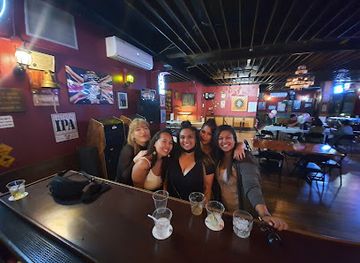
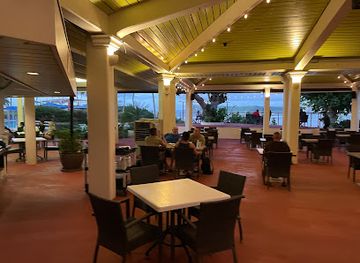
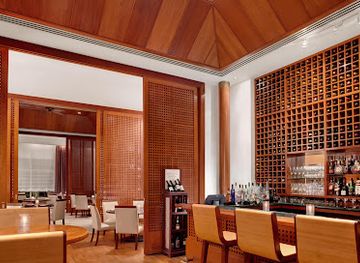
Ypao Beach Park itself is not a nightlife district and becomes relatively quiet after daytime recreation, although sunset visits and occasional community events can extend its use into the evening. The surrounding Tumon and Tamuning hotel areas provide Guam’s main concentration of bars, hotel lounges, casual pubs and evening dining, with entertainment patterns varying by season and venue. Visitors seeking a quieter evening can watch the western sunset from the coast before returning to a nearby accommodation area, while those wanting organised entertainment should look in Tumon rather than expect permanent facilities at the park. Alcohol consumption should follow posted park rules and local regulations, and the beach should not be treated as a venue for noisy or unsafe late-night gatherings.
-
Pub
Tower of London
Explore the Tower of London: A captivating blend of history, culture, and local cuisine awaits you in this iconic fortress.
-
Bar
Tree Bar
Discover the vibrant atmosphere and stunning ocean views at Tree Bar, the perfect tropical retreat in Tumon, Guam.
-
Karaoke bar
RAKU
Discover RAKU, Guam's premier karaoke bar where every night transforms into a celebration of music and joy.
-
Lounge
Roy's Lounge
Experience the ultimate relaxation at Roy's Lounge, a tropical retreat in Guam's Hilton Resort, with stunning ocean views and exquisite cocktails.

Best nightclubs in Ypao Beach Park
Ypao Beach Park itself is not a nightlife district and becomes relatively quiet after daytime recreation, although sunset visits and occasional community events can extend its use into the evening. The surrounding Tumon and Tamuning hotel areas provide Guam’s main concentration of bars, hotel lounges, casual pubs and evening dining, with entertainment patterns varying by season and venue. Visitors seeking a quieter evening can watch the western sunset from the coast before returning to a nearby accommodation area, while those wanting organised entertainment should look in Tumon rather than expect permanent facilities at the park. Alcohol consumption should follow posted park rules and local regulations, and the beach should not be treated as a venue for noisy or unsafe late-night gatherings.
-
Lounge
Roy's Lounge
Experience the vibrant ambiance and refreshing cocktails at Roy's Lounge, the perfect retreat in Tumon, Guam for tourists and locals alike.
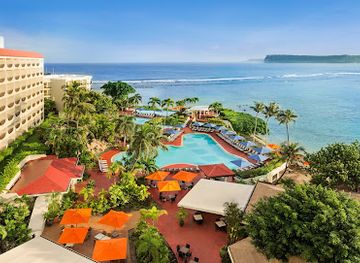
Best shops in Ypao Beach Park
There is little conventional shopping inside Ypao Beach Park, and visitors should use the commercial areas of nearby Tamuning and Tumon for supplies, souvenirs and practical beach equipment. The surrounding district includes hotel shops, larger retail centres, convenience stores and businesses serving Guam’s visitor economy, while broader Tamuning offers more substantial shopping than the park itself. Useful purchases may include drinking water, sun protection, swimwear and locally made food products. Visitors looking for gifts can seek out CHamoru-inspired crafts, island food specialities and artwork through established local retailers or cultural outlets, checking provenance rather than assuming every souvenir is locally produced. Retail availability and opening arrangements vary, so a park visit is best planned with essential supplies obtained beforehand, especially when travelling onward to less developed parts of Guam.
-
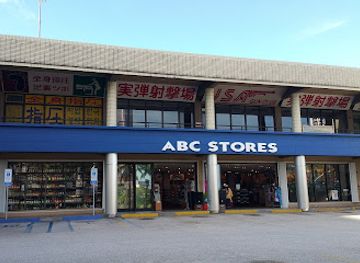
Gift shop
ABC Stores #509
Explore the best of Guam at ABC Stores #509, your go-to destination for unique gifts, local delights, and everyday essentials.
-
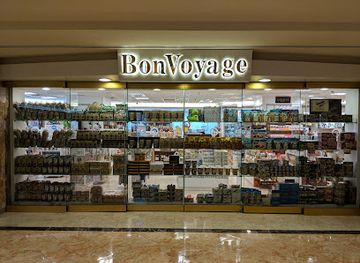
Duty free store
Bon Voyage
Discover luxury and local treasures at Bon Voyage, Tumon's premier duty-free shopping destination offering unbeatable prices and a welcoming atmosphere.
-
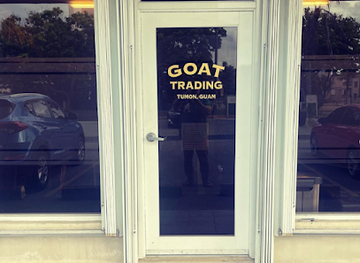
Sports card store
Goat Guam
Explore Goat Guam, the ultimate sports card store in Tumon, offering an extensive selection and a welcoming community for collectors.
Get your free copy of our complete guide to Ypao Beach Park, delivered straight to you.
Everything on this page, from attractions and restaurants to essentials and local phrases, in one PDF you can read offline, print or share.
Already have an account? Sign in
Your Ypao Beach Park guide is ready.
We'll send it to · Not you? Sign out

Getting your guide ready…
We are putting together a fresh copy of the Ypao Beach Park guide. This can take up to a minute.
This can take a few moments. If your browser asks, choose Allow so the download can start. You'll find the guide in your Downloads folder.
Nothing happened? Download it again
Sorry, the guide is taking longer than usual. Please try again in a minute, or get it by email instead.
Ypao Beach Park essentials
Currency and Payment
Safety
Emergency Situations
Do's and Don'ts
Local Tips
From Eve
Local phrases worth knowing
You don't need to get them perfect. A few words go a long way, and locals appreciate the effort.
Basics
| English | Local | Say it |
|---|---|---|
| Hello | Håfa Adai | [HAH-fah ah-DIE] |
| Goodbye | Adios | [ah-DYOHSS] |
| Yes | Hao | [HOW] |
| No | Ti | [TEE] |
| Please/You're welcome | Palang | [pah-LAHNG] |
| Thank you | Si Yu'os Ma'åse | [see YOO-ohss mah-AH-seh] |
| Excuse me/Sorry | Dispensa | [dees-PEN-sah] |
| How are you? | Cómo hao? | [KOH-moh HOW] |
| Fine. And you? | Maolek. Lao? | [ma-OH-lek. lao?] |
| Do you speak English? | Lao hao ingles? | [lao how EENG-lehs?] |
| I don't understand | Ti hu tungo | [TEE hoo TOONG-oh] |
Eating & Drinking
| English | Local | Say it |
|---|---|---|
| I'd like to see the menu, please | Bai hu ekungo i menyu, palang | [bah-ee hoo eh-KOONG-oh ee MEN-yoo, pah-LAHNG] |
| I don't eat meat | Ti hu manfåhi nana' | [TEE hoo mahn-FAH-hee NAH-nah] |
| Cheers! | Biba! | [BEE-bah] |
| I would like to pay, please | Bai hu estoria, palang | [bah-ee hoo es-TOH-ree-yah, pah-LAHNG] |
Emergencies
| English | Local | Say it |
|---|---|---|
| Help! | Ayuda! | [ah-YOO-dah!] |
| Go away! | Largåhi! | [lahr-GAH-hee!] |
| Call the Police! | Linå'la' Polis! | [lee-NAH-lah POH-lees!] |
| Call a doctor! | Linå'la' dotå! | [lee-NAH-lah doh-TAH!] |
| I'm lost | Tåya' hu malost | [TAH-yah hoo mah-LOHST] |
| I'm ill | Tåya' hu manmåta | [TAH-yah hoo mahn-MAH-tah] |
Shopping
| English | Local | Say it |
|---|---|---|
| I'd like to buy... | Bai hu sumåhi... | [bah-ee hoo soo-MAH-hee...] |
| I'm just looking | Ayo lang hu manhåhåyi | [ah-YOH lahng hoo mahn-HAH-hah-ee] |
| How much is it? | Fino' este? | [FEE-noh EH-steh?] |
| That's too expensive | Må'pos na kanton | [mah-POHS nah KAHN-tohn] |
| Can you lower the price? | Åmot este na prisu? | [AH-moht EH-steh nah PREE-soo?] |
Time & Numbers
| English | Local | Say it |
|---|---|---|
| What time is it? | Sumå' este na tiempo? | [soo-MAH EH-steh nah tee-EM-poh?] |
| It's one o'clock | Linotkilo na uno | [lee-noht-KEE-loh nah OO-noh] |
| Half past (10) | Månotte (10) | [mah-NOT-teh (10)] |
| Morning | Manåna | [mah-NAH-nah] |
| Afternoon | Manana-taotao | [mah-NAH-nah TAH-oh-TAH-oh] |
| Evening | Gå'i | [GAH-ee] |
| Yesterday | Kåkara | [KAH-kah-rah] |
| Today | Uma'åna | [oo-mah-AH-nah] |
| Tomorrow | Ginnen | [gee-NEHN] |
| 1 | Uno | [OO-noh] |
| 2 | Dos | [dohss] |
| 3 | Tres | [trehss] |
| 4 | Kuåtro | [KWAH-troh] |
| 5 | Sinko | [SIN-koh] |
| 6 | Sais | [sah-EESS] |
| 7 | Siette | [see-EH-tteh] |
| 8 | Ocho | [OH-choh] |
| 9 | Nuebi | [NWEH-bee] |
| 10 | Dies | [dee-ESS] |
Transport & Directions
| English | Local | Say it |
|---|---|---|
| Where's a/the...? | Nihi i... | [NEE-hee ee...] |
| What's the address? | Ha'åni i direksion? | [HAH-AH-nee ee dee-rehk-see-ohn?] |
| Can you show me (on the map)? | Åfu' i mapå? | [AH-foo ee mah-PAH?] |
| When's the next (bus)? | Ki manmama'go (bus)? | [kee mahn-mah-mah-GOH (boos)?] |
| A ticket (to ....) | Un tiket (para ....) | [oon tee-KEHT (PAH-rah ....)] |
History of Ypao Beach Park
An Ancient Chamorro Coast
The shoreline around Ypao belongs to the long-settled western coast of Guam, where Indigenous CHamoru communities developed villages, cultivated food, fished and travelled by sea. Guam’s coastal environment provided access to reef resources and sheltered waters, while limestone terraces and freshwater sources influenced settlement patterns. The broader island preserves evidence of ancient CHamoru society, including latte architecture and continued cultural traditions, although Ypao Beach Park itself is primarily a modern public recreation area rather than a major archaeological site. Understanding the coast through its Indigenous relationship with land and sea is important to appreciating the park beyond its recreational role.
Spanish Colonial Guam
Spanish missionary and colonial rule began on Guam in the seventeenth century and reshaped settlement, religion, administration and trade across the island. Coastal communities experienced population disruption and changing patterns of land use as villages were reorganised around Spanish authority and Catholic missions. The western shore, including the area now associated with Tumon and Tamuning, remained connected to fishing, cultivation and movement between settlements. Few visible features at Ypao Beach Park independently narrate this period, but the surrounding district forms part of Guam’s wider colonial landscape, in which CHamoru traditions persisted alongside introduced institutions and customs.
War and Postwar Transformation
Guam was occupied by Japan from 1941 until American forces recaptured the island in 1944 during the Second World War. The conflict left physical and social traces across Guam, while the postwar period brought major changes in roads, settlement, military activity and access to the coast. Tamuning and Tumon later developed as important residential, commercial and visitor areas, replacing a largely rural coastal context with a more urbanised landscape. Ypao’s present character is therefore linked to the broader transformation of western Guam after the war, rather than to a single surviving historic structure within the park.
A Public Waterfront Park
As Tamuning and the Tumon area grew, accessible shoreline became increasingly valuable for public recreation as well as tourism. Ypao Beach Park developed as a community-oriented waterfront space with beach access, lawns, picnic facilities and room for gatherings. Its role reflects Guam’s balance between a substantial visitor economy and strong everyday use by local residents. Public events, family outings and outdoor leisure continue to give the park a different atmosphere from the private or hotel-managed beaches nearby. Modern management also involves maintaining public amenities while protecting the reef and coastal environment from damaging use.
Ypao Beach Park in Photos
Browse through our photo collection highlighting the charm and character of the destination.
Neighbouring destination travel guides
The closest destinations to Ypao Beach Park, if you have time for more than one.
-

-

-
-

-


Swipe for more destinations
Explore more

Explore more of Central Guam
Explore Central Guam: A blend of rich cultural heritage, stunning beaches, and lush landscapes in the heart of the Pacific.
Explore Central Guam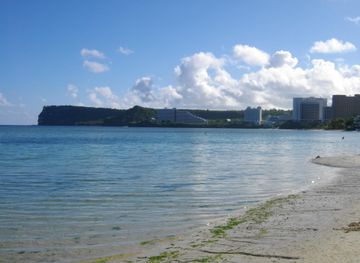
Explore more of Guam
Discover Guam: A tropical paradise offering pristine beaches, rich Chamorro culture, and diverse marine life, perfect for adventure seekers and relaxation enthusiasts alike.
Explore Guam