

Tamuning Beach Travel Guide - Free Web & App
Your ultimate guide to Tamuning Beach. Discover top landmarks, proposed trips, and local tips. Free on the web or via the Evendo companion app.


Tamuning Beach, Guam offers calm western-Pacific shores, swimming, sunsets and easy access to Chamorro culture, Tumon Bay and island adventures.
Coastal Setting
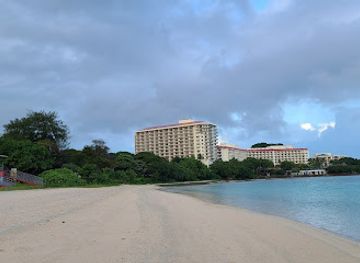
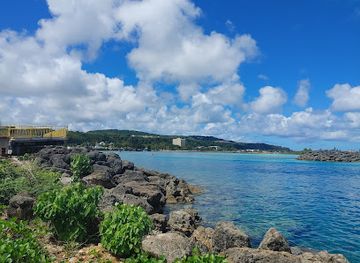
Tamuning Beach lies on Guam’s developed western coast, within the municipality of Tamuning and close to the island’s principal visitor district around Tumon Bay. Its setting combines a tropical shoreline with a densely settled coastal plain, where roads, hotels, restaurants and commercial areas sit close to the reef-fringed sea. The beach is best understood as part of Tamuning’s wider coastal environment rather than as an isolated wilderness destination. Conditions vary with weather, tides and the condition of the nearshore water, so visitors should observe local notices and use only areas where swimming is considered appropriate.Read more about Tamuning Beach
Island Culture and History
Exploring Tamuning
When is the best time to visit Tamuning Beach?
Best: December–February · 30–31°C| Month | High (°C) | Rainfall (mm) |
|---|---|---|
| January (best) | 30 | 100 |
| February (best) | 30 | 100 |
| March | 31 | 100 |
| April | 31 | 100 |
| May | 31 | 100 |
| June | 31 | 100 |
| July | 32 | 100 |
| August | 32 | 100 |
| September | 31 | 100 |
| October | 31 | 100 |
| November | 31 | 100 |
| December (best) | 31 | 100 |
Getting to and around Tamuning Beach
How to get there
Transportation
Best attractions in Tamuning Beach
The main attraction is Tamuning’s accessible western shoreline, where visitors can enjoy coastal views, tropical light and, when conditions permit, swimming or quiet time beside the Pacific. The beach sits within a developed part of Guam, so its appeal comes partly from the ease of combining the coast with restaurants, shops and accommodation in Tamuning. Nearby public waterfront areas in the wider municipality, including Ypao Beach Park and Matapang Beach Park, offer additional places to experience Guam’s coastal landscape, but they are separate sites rather than parts of Tamuning Beach itself. Immediately north, Tumon Bay has Guam’s most concentrated resort and marine-recreation environment. Beyond the western coast, island-wide excursions can reach Hagåtña’s historic core, southern villages, inland waterfalls and Second World War sites, although these are outside the beach destination and require road travel. The surrounding reef environment also provides an important setting for observing Guam’s marine ecology without disturbing coral or wildlife.
-
Tourist attraction
Ypao Beach
Discover Ypao Beach in Guam: Pristine sands, clear waters, vibrant marine life, and a rich cultural hub for an unforgettable tropical escape.
-
Tourist attraction
Agat Unit | Ga'an Point
Explore WWII history at Ga'an Point in Guam's War in the Pacific National Historical Park. Discover preserved fortifications and serene beaches.
-
Tourist attraction
Family Beach
Discover Family Beach in Guam: a perfect blend of relaxation, family fun, and stunning sunsets on the island's beautiful coastline.
-
Tourist attraction
Guam Star Sand Jungle Adventure
Experience thrilling jungle rides and discover the unique star sand beach at Guam Star Sand Jungle Adventure. A must-see natural wonder in Dededo, Guam.
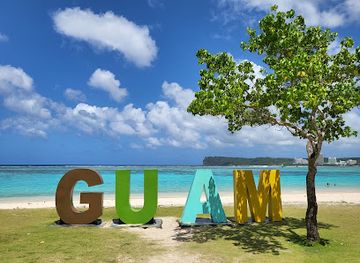
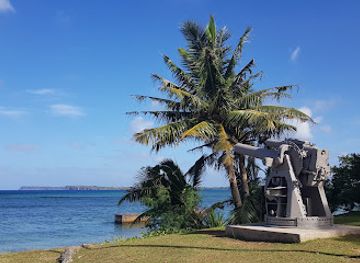
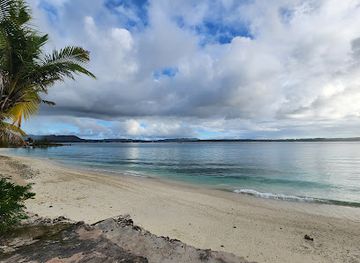
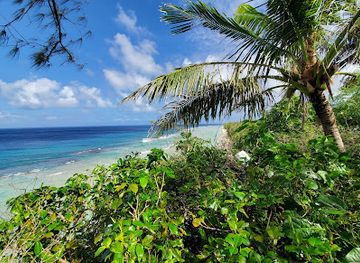
Best landmarks in Tamuning Beach
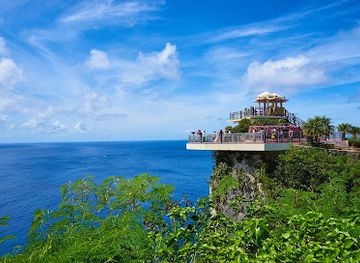
Tamuning Beach is itself a coastal landmark within Guam’s built-up western shore, representing the meeting of an urbanised island community with a reef-fringed Pacific coast. Its significance lies less in monumental architecture than in its relationship to Guam’s marine environment and the tourism landscape extending towards Tumon Bay. Nearby Ypao Beach Park and Matapang Beach Park are separate public waterfront landmarks within the wider Tamuning area, while Two Lovers Point lies farther north in Dededo and should not be described as part of the beach. Guam’s most important historic landmarks are found elsewhere, including the Spanish-era and civic heritage of Hagåtña, CHamoru latte-stone sites and surviving Second World War locations. Together, these places show how the island’s natural shoreline, indigenous heritage, colonial history and strategic Pacific position have shaped its identity.
-
Tourist attraction
Two Lover’s Point
Experience the breathtaking views and romantic legend of Two Lover’s Point, a must-see tourist attraction in Guam.
-
Park
Ypao Beach
Discover the serene beauty of Ypao Beach in Tumon, Guam - a must-visit destination for sun, sea, and vibrant marine life.
-
Hotel
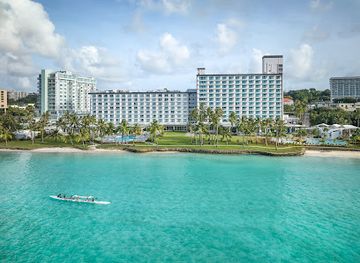
Crowne Plaza Resort Guam, an IHG Hotel
Experience luxury and relaxation at Crowne Plaza Resort Guam, your perfect beachfront getaway in Tumon with stunning views and top-notch amenities.
-
Historical landmark
Plaza de España
Explore the historical charm of Plaza de España, a vibrant hub of culture and heritage in Guam, perfect for memorable experiences and picturesque views.
Explore Tamuning Beach on the map
Plan your trip on one map. See where the top attractions, landmarks, restaurants and hotels are, and book hotels and experiences in a few clicks.
Best hotels in Tamuning Beach
Best restaurants in Tamuning Beach
Dining is more developed around Tamuning and neighbouring Tumon than on the beach itself, with choices ranging from casual cafés and family restaurants to hotel dining rooms and international establishments. Guam’s culinary identity reflects CHamoru traditions alongside Spanish, American, Filipino, Japanese, Korean and wider Pacific influences. Visitors may encounter kelaguen, usually prepared with citrus, coconut and seasoned meat or seafood, red rice, finadene sauce and titiyas, while locally available seafood and tropical produce also feature in island cooking. Tamuning’s commercial areas are useful for everyday meals and takeaway food, whereas Tumon offers a denser concentration of restaurants aimed at visitors. Exact availability varies by business and season, and beachgoers should not assume that food service operates directly on the sand. Local markets, festivals and family-run food businesses can provide further insight into Guam’s food culture when operating.
-
Hamburger
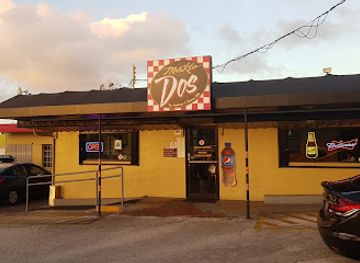
Meskla Dos - Upper Tumon
Experience delicious burgers and local flavors at Meskla Dos in Upper Tumon - where culinary tradition meets modern dining.
-
Grill
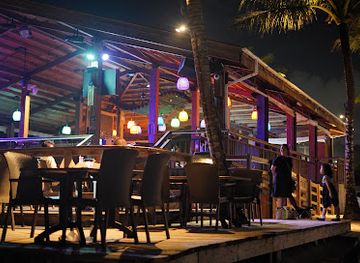
The Beach Restaurant & Bar Guam
Discover The Beach Restaurant & Bar Guam - where delicious grilled cuisine meets stunning ocean views in Tumon Bay.
-
Restaurant
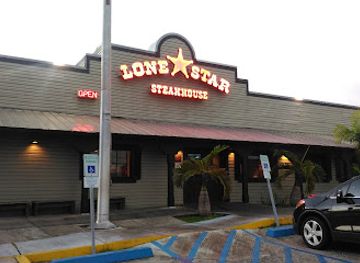
Lone Star Steakhouse
Experience the ultimate steak lover's paradise at Lone Star Steakhouse - where flavor meets hospitality in Guam.
-
Restaurant
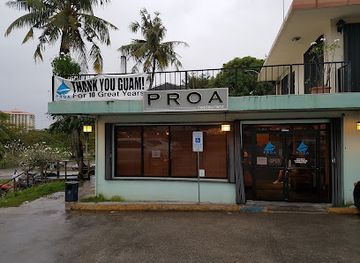
Proa Restaurant
Experience authentic Chamorro cuisine at Proa Restaurant in Tumon, Guam—where flavor meets island hospitality.
Best bars in Tamuning Beach
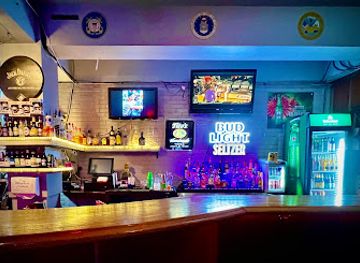
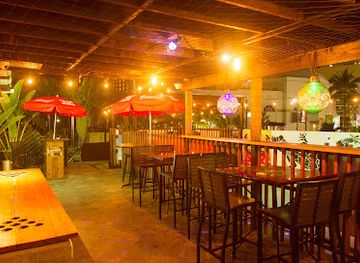
Tamuning Beach itself is not a dedicated nightlife district, and evening activity on the shore is generally quieter than in the neighbouring resort areas. Visitors staying nearby can find casual hotel bars, restaurants and social venues in Tamuning and Tumon, with the greatest concentration of evening hospitality around the main hotel and commercial strip rather than at the beach. Entertainment may include relaxed dining, conversation, occasional live performances or resort-based events, but schedules and availability change. Guam’s evenings are also shaped by family gatherings and local food culture, so a meal can be a more characteristic experience than a late-night club. Visitors walking after dark should use well-lit routes, respect private or residential areas and follow any beach access guidance.
-
Grill
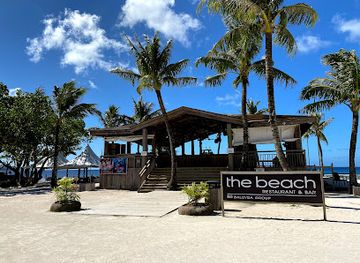
The Beach Restaurant & Bar Guam
Experience the vibrant flavors and stunning ocean views at The Beach Restaurant & Bar Guam, your perfect beachside dining destination.
-
Bar
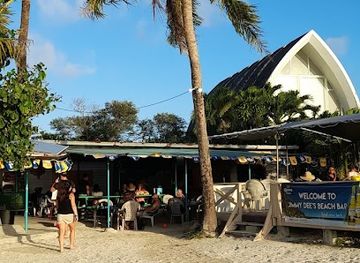
Jimmy Dee's Paradise Beach Resort & Bar
Experience tropical bliss at Jimmy Dee's Paradise Beach Resort & Bar, where stunning ocean views and delicious drinks await every visitor.
-
Bar
Porky's
Experience the vibrant nightlife at Porky's, Tumon's favorite bar, offering a lively atmosphere and a diverse drink menu.
-
Tiki bar
Green Lizzard Tiki Bar
Experience the vibrant energy and tropical flavors at Green Lizzard Tiki Bar, Tumon's ultimate destination for fun and relaxation.
Best nightclubs in Tamuning Beach
Tamuning Beach itself is not a dedicated nightlife district, and evening activity on the shore is generally quieter than in the neighbouring resort areas. Visitors staying nearby can find casual hotel bars, restaurants and social venues in Tamuning and Tumon, with the greatest concentration of evening hospitality around the main hotel and commercial strip rather than at the beach. Entertainment may include relaxed dining, conversation, occasional live performances or resort-based events, but schedules and availability change. Guam’s evenings are also shaped by family gatherings and local food culture, so a meal can be a more characteristic experience than a late-night club. Visitors walking after dark should use well-lit routes, respect private or residential areas and follow any beach access guidance.
-
Karaoke bar
Lava Lounge
Experience vibrant nightlife at Lava Lounge, Tumon's go-to karaoke bar for a fun-filled evening of singing and socializing.
-
Bar
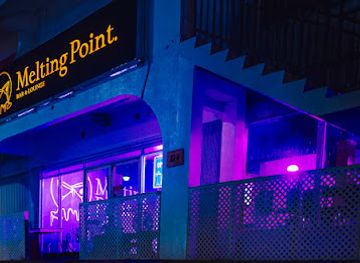
Melting Point, Guam
Discover the lively nightlife at Melting Point, Guam's premier bar and lounge, featuring delicious cocktails and unforgettable karaoke entertainment.
-
Night club
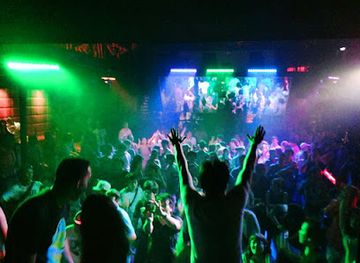
ZOH Nightclub
Experience the electrifying nightlife of ZOH Nightclub in Tumon, Guam, where music, dance, and unforgettable moments await every weekend.
-
Night club
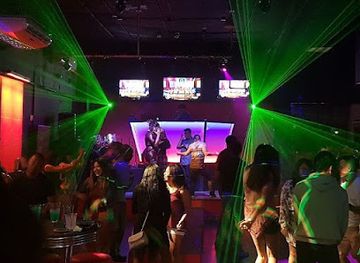
Club Icon
Unleash your night at Club Icon, Tumon's premier night club, where vibrant music and electrifying energy await every party enthusiast.

Best shops in Tamuning Beach
Shopping is concentrated in Tamuning’s commercial areas and nearby Tumon rather than along the narrow beach itself. Visitors can find everyday supplies, beach equipment, souvenirs, clothing, food products and locally themed gifts in established retail areas, while larger resort and shopping complexes serve the island’s visitor economy. Guam-inspired purchases may include CHamoru food products, locally made art, cultural designs and island-themed crafts, although provenance and availability vary between sellers. Small shops and markets may offer a more useful connection with daily life than resort retail, but their opening patterns are not uniform. Tamuning is also a practical place to obtain essentials before travelling to Guam’s less developed southern and inland areas, where retail choices become more limited. Do not remove coral, shells containing living organisms or artefacts from the coast as souvenirs.
-
Outlet mall
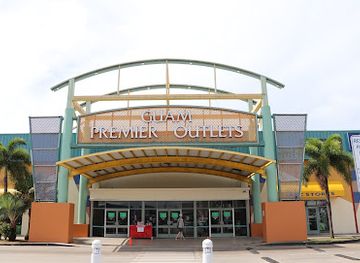
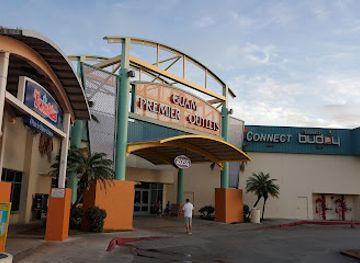
Guam Premier Outlets
Experience the ultimate shopping haven at Guam Premier Outlets, where international brands meet local treasures in a tropical paradise.
-
Duty free store
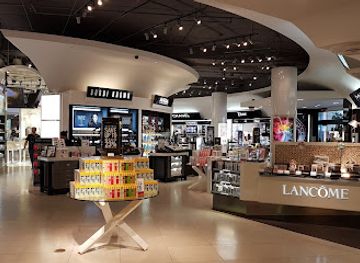
T Galleria By DFS, Guam
Discover luxury and local treasures at T Galleria By DFS in Guam, your ultimate duty-free shopping destination for an exquisite retail experience.
-
Clothing store
Ross Dress for Less
Discover unbeatable deals on a wide selection of fashionable clothing and accessories at Ross Dress for Less in Guam, perfect for budget-conscious travelers.
-
Department store
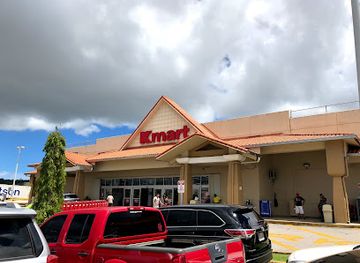
Kmart
Discover Kmart Guam, your ultimate shopping destination for clothing, home goods, and unique local products, all at affordable prices.
Get your free copy of our complete guide to Tamuning Beach, delivered straight to you.
Everything on this page, from attractions and restaurants to essentials and local phrases, in one PDF you can read offline, print or share.
Already have an account? Sign in
Your Tamuning Beach guide is ready.
We'll send it to · Not you? Sign out

Getting your guide ready…
We are putting together a fresh copy of the Tamuning Beach guide. This can take up to a minute.
This can take a few moments. If your browser asks, choose Allow so the download can start. You'll find the guide in your Downloads folder.
Nothing happened? Download it again
Sorry, the guide is taking longer than usual. Please try again in a minute, or get it by email instead.
Tamuning Beach essentials
Currency and Payment
Safety
Emergency Situations
Do's and Don'ts
Local Tips
From Eve
Local phrases worth knowing
You don't need to get them perfect. A few words go a long way, and locals appreciate the effort.
Basics
| English | Local | Say it |
|---|---|---|
| Hello | Håfa Adai | [HA-fa A-dai] |
| Goodbye | Adios | [A-dios] |
| Yes | Hågu | [HA-gu] |
| No | Ti | [Ti] |
| Please/You're welcome | Por Favor | [Por Fa-vor] |
| Thank you | Si Yu'os Ma'åse | [See Yu-os Ma-ah-se] |
| Excuse me/Sorry | Dispensa | [Dis-pen-sa] |
| How are you? | Cómo estás? | [Co-mo es-tas] |
| Fine. And you? | Maolek. Yan iyo? | [Ma-olek. Yan i-yo] |
| Do you speak English? | Un tungo' i Ingles? | [Un tun-go i Ing-les] |
| I don't understand | Ti hu tungo' | [Ti hu tun-go] |
Eating & Drinking
| English | Local | Say it |
|---|---|---|
| I'd like to see the menu, please | Ha na'lå'la' i menyu, por favor | [Ha na-la-la i men-yu, por fa-vor] |
| I don't eat meat | Ti hu manngge karne | [Ti hu man-ge kar-ne] |
| Cheers! | Biba! | [Bee-ba] |
| I would like to pay, please | Ha na'få'na' i kuenta, por favor | [Ha na-fa-na i kwen-ta, por fa-vor] |
Emergencies
| English | Local | Say it |
|---|---|---|
| Help! | Ayuda! | [A-yu-da] |
| Go away! | Chao! | [Chao] |
| Call the Police! | Yute i Polisia! | [Yute i Po-li-sia] |
| Call a doctor! | Yute i dottot! | [Yute i dot-tot] |
| I'm lost | Hu kuentusi | [Hu kwen-tu-si] |
| I'm ill | Hu manmåtai | [Hu man-ma-tai] |
Shopping
| English | Local | Say it |
|---|---|---|
| I'd like to buy... | Ha na'siña... | [Ha na-sin-ya] |
| I'm just looking | Åtgan iyo | [At-gan i-yo] |
| How much is it? | Fino'? | [Fi-no] |
| That's too expensive | Mismo na kareta | [Mis-mo na ka-re-ta] |
| Can you lower the price? | Mungga este na kuenta? | [Mung-ga es-te na kwen-ta] |
Time & Numbers
| English | Local | Say it |
|---|---|---|
| What time is it? | Ki tiempo esta? | [Ki tiem-po es-ta] |
| It's one o'clock | Kada una | [Ka-da u-na] |
| Half past (10) | Mungga (10) | [Mung-ga (10)] |
| Morning | Manana | [Ma-na-na] |
| Afternoon | Tarde | [Tar-de] |
| Evening | Kåle | [Ka-le] |
| Yesterday | Kahapon | [Ka-ha-pon] |
| Today | Ñåñu | [Nya-nyu] |
| Tomorrow | Bås | [Bas] |
| 1 | Uno | [U-no] |
| 2 | Dos | [Dos] |
| 3 | Tres | [Tres] |
| 4 | Kuatro | [Kwa-tro] |
| 5 | Singko | [Sing-ko] |
| 6 | Seis | [Seis] |
| 7 | Siete | [Sie-te] |
| 8 | Ocho | [O-cho] |
| 9 | Nuebe | [Nue-be] |
| 10 | Dyes | [Dyes] |
Transport & Directions
| English | Local | Say it |
|---|---|---|
| Where's a/the...? | Åfådå... | [A-fa-da] |
| What's the address? | Ki diresion? | [Ki di-re-sion] |
| Can you show me (on the map)? | Mungga kumuentusi (gi mapan)? | [Mung-ga ku-men-tu-si (gi ma-pan)] |
| When's the next (bus)? | Ki ora i mas siguiente? | [Ki ora i mas sin-gui-en-te] |
| A ticket (to ....) | Un bilite (gi...) | [Un bi-li-te (gi)] |
History of Tamuning Beach
A Reef-Shaped Pacific Coast
Guam is the largest and southernmost island in the Mariana archipelago, shaped by volcanic origins, uplifted limestone and the continuing action of the Pacific Ocean. Tamuning’s coast belongs to Guam’s western marine environment, where shallow reefs and sheltered bays influence the character of the shoreline. These natural conditions helped create beaches and coastal flats suitable for settlement, agriculture and, later, the roads and urban development that now distinguish the Tamuning and Tumon area.
CHamoru Settlement and Seafaring
The CHamoru people have inhabited the Mariana Islands for thousands of years, developing ocean-going skills, agricultural practices and social traditions adapted to island life. Archaeological evidence across Guam includes latte stones, the distinctive paired pillars and capstones associated with CHamoru houses and community structures, although Tamuning Beach itself should not be assumed to contain a visible archaeological monument. The sea remained important for travel, fishing, food and cultural connection, linking coastal communities with the wider Mariana region.
Spanish Colonial Guam
Spanish missionaries established a permanent presence on Guam in 1668, beginning a period of colonial rule that profoundly changed settlement patterns, religion, governance and population. Hagåtña became the principal colonial centre, while villages across the island were drawn into a new administrative and Catholic order. Tamuning’s present-day urban landscape is largely modern, but its location sits within this longer history of coastal settlement and the cultural changes experienced by CHamoru communities under Spanish rule.
War, Liberation and Reconstruction
Guam was captured by Japan in 1941 and remained under Japanese occupation until United States forces returned in 1944. The fighting caused extensive destruction and displacement, and its memory remains visible in Guam’s museums, memorials and wartime sites. After the war, American administration, military activity, new roads and economic investment accelerated the growth of western Guam. Tamuning developed into a major residential, commercial and tourism area, with the coastal strip increasingly connected to the visitor economy centred on nearby Tumon.
Tourism and Coastal Stewardship
From the later twentieth century, Guam’s western coast became the island’s principal tourism zone, supported by improved air connections, hotels, retail and marine recreation. This growth brought employment and infrastructure but also placed pressure on reefs, beaches and coastal water quality. Contemporary visits to Tamuning Beach take place within that managed, developed setting. Reef protection, responsible swimming, careful waste disposal and respect for marine life are part of the continuing effort to balance tourism with Guam’s fragile tropical coastal environment.
Tamuning Beach in Photos
Browse through our photo collection highlighting the charm and character of the destination.
Cities in Tamuning Beach
The towns and cities of Tamuning Beach, and the easiest places to base yourself.
-

-

-

-

-

-


Swipe for more cities
Neighbouring destination travel guides
The closest destinations to Tamuning Beach, if you have time for more than one.
-

-
-

-

-


Swipe for more destinations
Explore more

Explore more of Central Guam
Explore Central Guam: A blend of rich cultural heritage, stunning beaches, and lush landscapes in the heart of the Pacific.
Explore Central Guam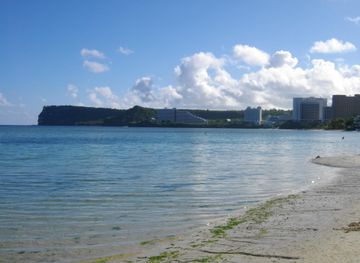
Explore more of Guam
Discover Guam: A tropical paradise offering pristine beaches, rich Chamorro culture, and diverse marine life, perfect for adventure seekers and relaxation enthusiasts alike.
Explore Guam