

Free Alderney Travel Guide & Mobile App
Explore Alderney with free travel guides. Discover regional history, expert tips, proposed trips, and audio guides on web or mobile app.


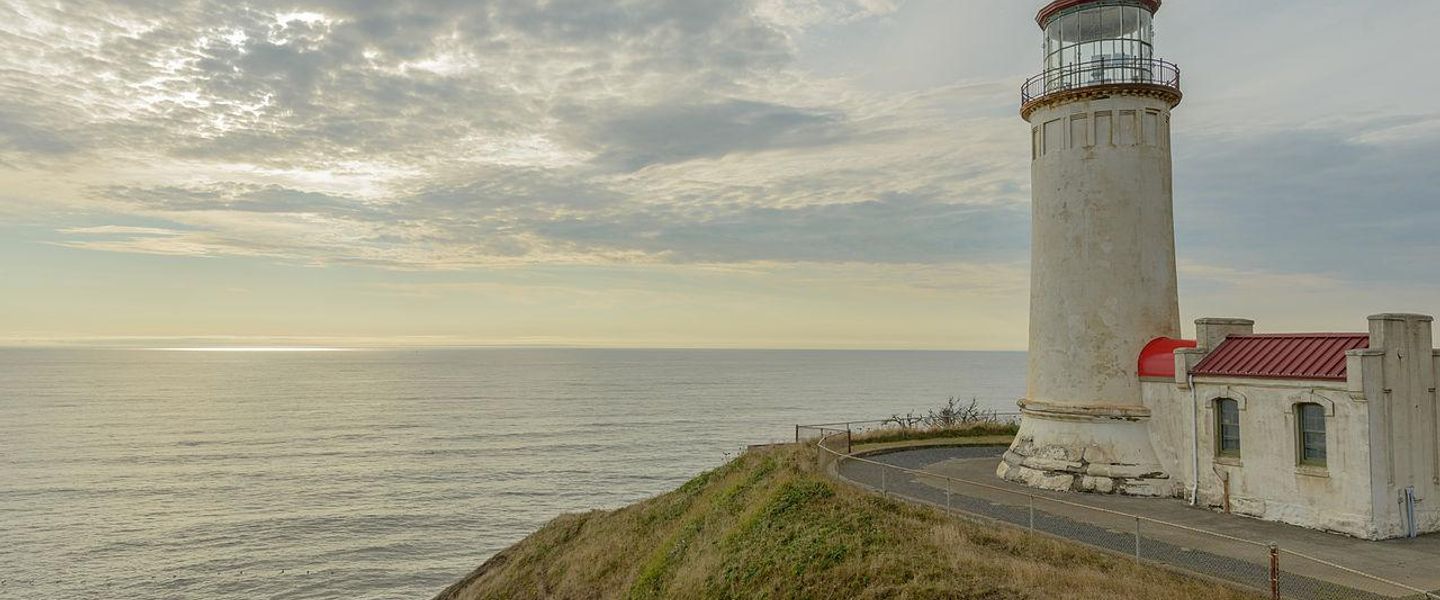


Discover Alderney in Guernsey: a compact Channel Island of coastal walks, wildlife, Victorian forts, wartime history and quiet sandy bays.
Read more about Alderney
When is the best time to visit Alderney?
Best: June–August · 19–21°C| Month | High (°C) | Rainfall (mm) |
|---|---|---|
| January | 9 | 85 |
| February | 10 | 75 |
| March | 12 | 70 |
| April | 14 | 65 |
| May | 16 | 60 |
| June (best) | 19 | 55 |
| July (best) | 21 | 50 |
| August (best) | 21 | 55 |
| September | 19 | 60 |
| October | 17 | 70 |
| November | 13 | 80 |
| December | 10 | 85 |
Getting to and around Alderney
How to get there
Transportation
Top city travel guides in Alderney
The cities of Alderney, and the easiest places to base yourself.

Swipe for more cities
Best attractions in Alderney
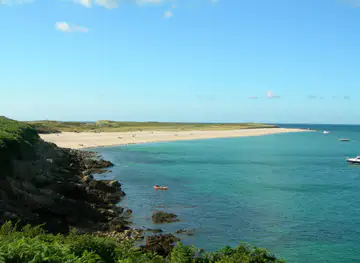
Alderney’s attractions are concentrated in its coastline, wildlife and unusually dense military heritage rather than in a large collection of commercial sights. Coastal walking is central, with routes linking sandy bays, cliff-top grassland, granite outcrops and viewpoints across the Channel. Saye, Longis, Corblets and Platte Saline offer different combinations of beach, rock pools and open sea, while the harbour and breakwater at Braye reveal the island’s continuing maritime character. Historic sites include the Roman fort known as The Nunnery, Victorian forts such as Fort Albert and Fort Clonque, and a wide scatter of German occupation structures. The Alderney Museum provides useful context for archaeology, local life and the twentieth-century occupation. Nature-focused visitors can look for seabirds, seals and the island’s distinctive blonde hedgehogs, with conservation work led by local organisations. Boat trips, kayaking, fishing, diving and seasonal wildlife excursions depend on weather and tides. St Anne’s streets, galleries, church and small museums add cultural interest, while the island’s low traffic and dark skies make simple walking and landscape observation attractions in their own right.
-
Fortress
Fort Tourgis
Explore the historic Fort Tourgis in St. Anne, Guernsey, where military heritage meets breathtaking coastal views, perfect for history buffs and nature lovers alike.
-
Tourist attraction
Fort Clonque
Explore a historic 19th-century fort on a tidal island, offering stunning views and a unique self-catering experience in the Channel Islands.


Best landmarks in Alderney
Alderney’s most recognisable landmarks express its strategic position and exposed maritime setting. The breakwater at Braye is one of the island’s defining engineering works, extending into the harbour and reflecting the Victorian effort to create a secure naval anchorage. Fort Albert occupies a prominent height above the eastern side and forms part of the nineteenth-century defensive system, while Fort Clonque stands dramatically on a rocky peninsula reached by a causeway at low tide; access and safety conditions should be checked before approaching. The Nunnery near Longis is an important Roman fortification whose thick walls make the island’s ancient military significance tangible. Around the coast, German bunkers, gun emplacements and observation posts remain visible, though they are reminders of occupation and forced labour as well as military architecture. St Anne’s church and the compact historic streets of the island’s principal settlement provide a gentler civic landmark, while the coast itself supplies natural points of reference through cliffs, bays and headlands. Together these places give Alderney a distinctive visual identity shaped by stone, sea and defence.
-
Museum
Castle Cornet
Explore the rich history and stunning views at Castle Cornet, a medieval fortress in Guernsey that showcases the island's maritime heritage and captivating past.
-
Chapel
The Little Chapel
Experience the whimsical beauty of The Little Chapel in Guernsey, a serene masterpiece of art and spirituality that enchants every visitor.
-
Museum
Hauteville House
Explore Hauteville House, the enchanting museum of Victor Hugo in Guernsey, where literary history meets stunning architecture and breathtaking views.
-
Tourist attraction
Oatlands Village
Explore the vibrant Oatlands Village in Guernsey, a perfect blend of local culture, charming cafes, and unique shops.


Explore Alderney on the map
Plan your trip on one map. See where the top cities, national parks and sights are, and book hotels and experiences in a few clicks.
Best hotels in Alderney
Best restaurants in Alderney
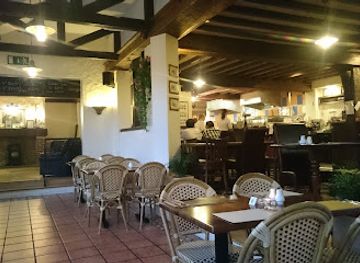
Dining on Alderney is informal and closely tied to the island’s small scale. St Anne contains most of the cafés, pubs and restaurants, while the harbour area provides a maritime setting for eating and drinking. Menus commonly draw on British and Channel Island habits, with seafood, locally sourced meat, seasonal vegetables, cakes and traditional pub fare appearing alongside contemporary dishes. Alderney’s surrounding waters make fish and shellfish a natural part of the culinary identity, although availability varies with landings, weather and supply. Breakfasts, light lunches and cream teas suit walkers, while evening meals are generally relaxed rather than highly formal. Visitors should not assume that every establishment serves throughout the day or late into the evening, particularly outside summer, and booking can be prudent at busy times. Local shops and small food outlets are useful for picnics before setting out along the coast, and a meal in St Anne can be paired with locally produced drinks or Channel Island ingredients without expecting the extensive restaurant choice found on Guernsey or the mainland.
-
Restaurant
Crabby Jack's
Experience fresh seafood delights at Crabby Jack's with stunning views of Vazon Bay – your perfect dining spot in Guernsey.
-
Brasserie
Christies Brasserie
Discover Christies Brasserie in Guernsey: A perfect blend of local flavors and modern cuisine in an inviting atmosphere.
-
Gastropub
The Deerhound
Discover The Deerhound in Guernsey - where rustic charm meets exquisite dining in a delightful gastropub atmosphere.
-
Restaurant
Ship & Crown
Experience delectable cuisine with breathtaking views at Ship & Crown in Guernsey – where every meal is a celebration of local flavors.



Best bars in Alderney
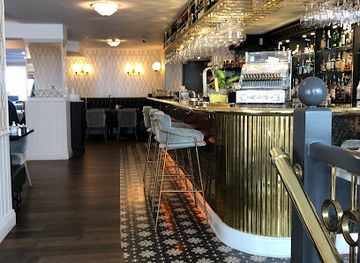
Alderney’s evening life is modest and community-oriented rather than centred on nightclubs. St Anne’s pubs and hotel bars provide the main places for a drink, conversation and occasional live entertainment, while restaurants and cafés offer quieter evenings. The harbour area can also be sociable during the warmer months, particularly when visitors return from boat trips or outdoor activities. There is no large late-night club district, and opening arrangements may be seasonal or change according to local demand. Traditional pub culture is more representative of Alderney than a major party scene, with local residents and visitors sharing a small number of familiar venues. Those seeking an evening out should check availability locally and avoid assuming that transport or taxis will operate late across the island. Clear skies, coastal walks and relaxed meals are often as important to the island’s night-time character as organised entertainment.
-
Gastropub
The Pony Inn & Brasserie
Experience the heart of Guernsey's culinary scene at The Pony Inn & Brasserie, where traditional pub fare meets modern gastronomy.
-
Bar
The Georgian House
Discover the perfect blend of local flavor and welcoming ambiance at The Georgian House in St Anne, Guernsey.
-
Pub
Albion House Tavern
Discover the vibrant atmosphere and rich flavors at Albion House Tavern, a beloved pub in the heart of Guernsey.
-
Bar
The Moorings
Discover the heart of St. Anne at The Moorings, a lively bar with a charming garden, perfect for enjoying local drinks and unwinding with friends.


Best nightclubs in Alderney
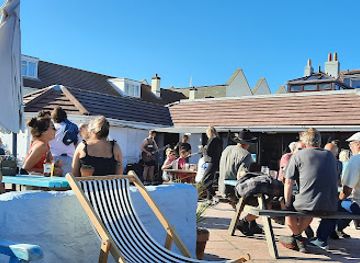
Alderney’s evening life is modest and community-oriented rather than centred on nightclubs. St Anne’s pubs and hotel bars provide the main places for a drink, conversation and occasional live entertainment, while restaurants and cafés offer quieter evenings. The harbour area can also be sociable during the warmer months, particularly when visitors return from boat trips or outdoor activities. There is no large late-night club district, and opening arrangements may be seasonal or change according to local demand. Traditional pub culture is more representative of Alderney than a major party scene, with local residents and visitors sharing a small number of familiar venues. Those seeking an evening out should check availability locally and avoid assuming that transport or taxis will operate late across the island. Clear skies, coastal walks and relaxed meals are often as important to the island’s night-time character as organised entertainment.
-
Bar
The Moorings
Unwind at The Moorings, a charming bar in St. Anne, with stunning views, local drinks, and a cozy atmosphere perfect for tourists seeking relaxation.
-
Pub
The Campania
Experience The Campania Pub in St Anne, Guernsey - a charming spot for local drinks, traditional fare, and a welcoming atmosphere.
-
Pub
The Divers Inn
Discover Alderney's charm at The Divers Inn, a beloved pub offering local flavors, vibrant atmosphere, and stunning coastal views.
-
Bar
PingQuay
Experience the vibrant nightlife and local charm at PingQuay, Guernsey's beloved bar offering delicious drinks and lively entertainment.


Best shops in Alderney
Shopping on Alderney is small-scale and practical, with most options concentrated in St Anne. Independent shops provide everyday supplies, books, gifts, clothing and locally themed souvenirs, while galleries and craft outlets may offer paintings, prints, ceramics, jewellery or textile work inspired by the island’s coast and wildlife. Food gifts can include regional or Channel Island produce, confectionery, preserves and drinks, though selection depends on deliveries and the season. The island is not a destination for extensive retail or designer shopping, and visitors should buy specialist outdoor equipment or large provisions before arrival if necessary. Local shops are useful for picnic supplies before a coastal walk, while harbour and heritage-related outlets may stock maps, books and historical material. Retail hours can be shorter outside the main visitor season, especially at weekends, so do not leave essential purchases until late in the day. The most rewarding shopping tends to be modest and locally connected: artwork, craft objects, books about Alderney and carefully chosen food products rather than mass-produced souvenirs.
-
Store
Oatlands Village
Explore the unique shops, delightful cafes, and vibrant atmosphere of Oatlands Village, a charming destination in Guernsey.
-
Gift shop
Guernsey Candles
Discover the charm of Guernsey Candles, where handcrafted candles and unique gifts illuminate your island experience.
-
Surf shop
Yakwax Surf & Skate Shop
Explore Yakwax Surf & Skate Shop in Guernsey for top-notch surf and skate gear, stylish apparel, and a taste of the coastal adventure.
-
Museum
Alderney Museum
Explore the captivating history of Alderney at the Alderney Museum, a cultural gem showcasing the island's rich heritage and vibrant stories.


Get your free copy of our complete guide to Alderney, delivered straight to you.
Everything on this page, from attractions and restaurants to essentials and local phrases, in one PDF you can read offline, print or share.
Already have an account? Sign in
Your Alderney guide is ready.
We'll send it to · Not you? Sign out

Getting your guide ready…
We are putting together a fresh copy of the Alderney guide. This can take up to a minute.
This can take a few moments. If your browser asks, choose Allow so the download can start. You'll find the guide in your Downloads folder.
Nothing happened? Download it again
Sorry, the guide is taking longer than usual. Please try again in a minute, or get it by email instead.
Alderney essentials
Currency and Payment
Safety
Emergency Situations
Do's and Don'ts
Local Tips
From Eve
Local phrases worth knowing
You don't need to get them perfect. A few words go a long way, and locals appreciate the effort.
Basics
| English | Local | Say it |
|---|---|---|
| Hello | Hello | [həˈloʊ] |
| Goodbye | Goodbye | [ɡʊdˈbaɪ] |
| Yes | Yes | [jɛs] |
| No | No | [noʊ] |
| Please/You're welcome | Please/You're welcome | [pliz/jʊr ˈwɛlkəm] |
| Thank you | Thank you | [θæŋk ju] |
| Excuse me/Sorry | Excuse me/Sorry | [ɪkˈskjus mi/ˈsɔri] |
| How are you? | How are you? | [haʊ ɑr ju] |
| Fine. And you? | Fine. And you? | [faɪn. ənd ju] |
| Do you speak English? | Do you speak English? | [du ju spik ˈɪŋɡlɪʃ] |
| I don't understand | I don't understand | [aɪ doʊnt ˌʌndərˈstænd] |
Eating & Drinking
| English | Local | Say it |
|---|---|---|
| I'd like to see the menu, please | I'd like to see the menu, please | [aɪd laɪk tə si ðə ˈmɛnju, pliz] |
| I don't eat meat | I don't eat meat | [aɪ doʊnt it mit] |
| Cheers! | Cheers! | [ʧɪrz] |
| I would like to pay, please | I would like to pay, please | [aɪ wʊd laɪk tə peɪ, pliz] |
Emergencies
| English | Local | Say it |
|---|---|---|
| Help! | Help! | [hɛlp] |
| Go away! | Go away! | [ɡoʊ əˈweɪ] |
| Call the Police! | Call the Police! | [kɔl ðə pəˈlis] |
| Call a doctor! | Call a doctor! | [kɔl ə ˈdɑktər] |
| I'm lost | I'm lost | [aɪm lɔst] |
| I'm ill | I'm ill | [aɪm ɪl] |
Shopping
| English | Local | Say it |
|---|---|---|
| I'd like to buy... | I'd like to buy... | [aɪd laɪk tə baɪ...] |
| I'm just looking | I'm just looking | [aɪm dʒʌst ˈlʊkɪŋ] |
| How much is it? | How much is it? | [haʊ mʌʧ ɪz ɪt] |
| That's too expensive | That's too expensive | [ðæts tu ɪkˈspɛnsɪv] |
| Can you lower the price? | Can you lower the price? | [kæn ju ˈloʊər ðə praɪs] |
Time & Numbers
| English | Local | Say it |
|---|---|---|
| What time is it? | What time is it? | [wʌt taɪm ɪz ɪt] |
| It's one o'clock | It's one o'clock | [ɪts wʌn əˈklɑk] |
| Half past (10) | Half past (10) | [hæf pæst (10)] |
| Morning | Morning | [ˈmɔrnɪŋ] |
| Afternoon | Afternoon | [ˌæf.tərˈnun] |
| Evening | Evening | [ˈivnɪŋ] |
| Yesterday | Yesterday | [ˈjɛstərdeɪ] |
| Today | Today | [təˈdeɪ] |
| Tomorrow | Tomorrow | [təˈmɔroʊ] |
| 1 | 1 | [wʌn] |
| 2 | 2 | [tu] |
| 3 | 3 | [θri] |
| 4 | 4 | [fɔr] |
| 5 | 5 | [faɪv] |
| 6 | 6 | [sɪks] |
| 7 | 7 | [sɛvən] |
| 8 | 8 | [eɪt] |
| 9 | 9 | [naɪn] |
| 10 | 10 | [tɛn] |
Transport & Directions
| English | Local | Say it |
|---|---|---|
| Where's a/the...? | Where's a/the...? | [wɛrz ə/ðə...?] |
| What's the address? | What's the address? | [wʌts ði əˈdrɛs] |
| Can you show me (on the map)? | Can you show me (on the map)? | [kæn ju ʃoʊ mi (ɑn ðə mæp)?] |
| When's the next (bus)? | When's the next (bus)? | [wɛn'z ðə nɛkst (bʌs)?] |
| A ticket (to ....) | A ticket (to ....) | [ə ˈtɪkɪt (tə ....)] |
History of Alderney
Prehistoric Settlement and Megalithic Remains
Alderney was occupied long before written records, and its landscape preserves evidence of prehistoric communities. The most notable remains include the Longis Neolithic house, a rare surviving example of an early domestic structure in the Channel Islands, together with megalithic and burial features elsewhere on the island. These remains show that Alderney was part of wider maritime networks linking the islands and the nearby continental coast. Its position made seafaring and seasonal movement important from an early period, while fertile pockets of land and sheltered coastal areas supported settlement.
Roman Alderney and The Nunnery
Roman influence is represented most clearly by The Nunnery, a substantial Roman fort near Longis Bay. Although traditionally associated with a nunnery because of later interpretations, the structure is now understood as a Roman military or fortified site, probably connected with the defence and control of maritime routes around the Channel. Its walls and later alterations illustrate Alderney’s strategic value between Britain and Gaul. The site is one of the most important visible reminders that the island occupied a significant position within the Roman world, despite its small size.
Medieval Seigneurial and Norman Connections
After the Norman Conquest of England, the Channel Islands remained linked politically and culturally to the Norman world and later to the English Crown. Alderney developed as a small seigneurial community within these changing arrangements, with its inhabitants dependent on farming, fishing and maritime trade. Medieval settlement was concentrated around the island’s sheltered areas, while religious and administrative structures reflected connections with Guernsey, Normandy and England. The survival of old lanes, field patterns and historic building traditions provides muted evidence of this long period of cross-Channel association.
Tudor Fortification and the Elizabethan Ear
Alderney’s strategic importance increased as England confronted European rivals and sought to secure the Channel. The Tudor period saw the construction of fortifications, and the Elizabethan fort known as the Ear was established as part of this defensive response. Although later military works altered the island’s appearance, the surviving early structures demonstrate how Alderney’s harbour and coastline were viewed through a naval and military lens. The island’s position made it a useful outpost, but its small population and exposed setting also made defence a persistent challenge.
Victorian Military Expansion
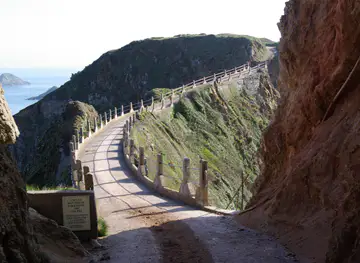
During the nineteenth century, Britain built an extensive system of forts and batteries on Alderney to protect the harbour and deter French naval attack. Fort Albert, Fort Clonque and numerous coastal positions belong chiefly to this period, when the island was transformed into a fortified outpost. The breakwater and harbour works were equally important, creating a more secure anchorage and supporting military logistics. Many of these installations are now atmospheric landmarks, though visitors should not enter unsafe ruins or assume that every structure is publicly accessible.
German Occupation, 1940–1945
Alderney was occupied by German forces during the Second World War after the island’s civilian population had been evacuated in 1940. The occupiers built extensive defences as part of the Atlantic Wall, including bunkers, gun positions, minefields and communications infrastructure. Forced labourers from several countries were brought to the island, and camps including Lager Sylt were associated with severe brutality. Alderney was liberated in 1945, but the occupation left an unusually dense military landscape and a painful historical legacy. The island’s museums and surviving sites are essential to understanding this period responsibly.
Post-war Recovery and Conservation
After the war, Alderney faced the difficult task of rebuilding a community and economy after evacuation, military occupation and physical damage. Agriculture, fishing, harbour activity and later tourism all contributed to recovery, while St Anne became the island’s principal service and cultural centre. In recent decades, conservation has gained greater importance as residents and organisations protect coastal habitats, seabirds, archaeological remains and the island’s distinctive dark skies. Alderney’s modern identity therefore combines a small working community with a growing emphasis on heritage and environmental stewardship.
Alderney in Photos
Browse through our photo collection highlighting the charm and character of the destination.
Neighbouring regions of Alderney
The closest regions to Alderney, if you have time for more than one.
-
-
-
-

-


Swipe for more regions
Explore more

Explore more of Guernsey
Discover Guernsey, where French and British cultures blend seamlessly amidst stunning coastal scenery, rich history, and delectable cuisine in the charming Channel Islands.
Explore Guernsey