

Free St. Pierre du Bois Travel Guide & Mobile App
Explore St. Pierre du Bois with free travel guides. Discover regional history, expert tips, proposed trips, and audio guides on web or mobile app.


St Pierre du Bois reveals rural Guernsey through medieval heritage, granite lanes, farmland and easy access to the island’s south-west coast.
Read more about St. Pierre du Bois
When is the best time to visit St. Pierre du Bois?
Best: June–August · 19–21°C| Month | High (°C) | Rainfall (mm) |
|---|---|---|
| January | 9 | 91 |
| February | 9 | 80 |
| March | 11 | 76 |
| April | 13 | 66 |
| May | 17 | 61 |
| June (best) | 19 | 56 |
| July (best) | 21 | 51 |
| August (best) | 21 | 56 |
| September | 19 | 65 |
| October | 16 | 75 |
| November | 12 | 85 |
| December | 10 | 91 |
Getting to and around St. Pierre du Bois
How to get there
Transportation
Top city travel guides in St. Pierre du Bois
The cities of St. Pierre du Bois, and the easiest places to base yourself.
-

-


Swipe for more cities
Destinations in St. Pierre du Bois
Resorts, valleys and scenic spots worth a trip of their own.
-
-


Swipe for more destinations
Best attractions in St. Pierre du Bois
The principal attraction of St Pierre du Bois is its rural setting rather than a large collection of commercial visitor sites. St Pierre du Bois Church provides the parish’s main historic focus, while the surrounding lanes lead through fields, granite walls, farmsteads and scattered houses that express Guernsey’s traditional settlement pattern. Short walks can be combined with longer routes towards the island’s south-western cliffs and bays, although those coastal destinations lie in neighbouring parishes and should be treated as separate excursions. The parish is also well positioned for exploring Guernsey’s wider heritage, including occupation history, maritime landscapes, country estates and island museums elsewhere. Visitors interested in nature will find changing hedgerows, meadow edges and agricultural scenery rather than a formal nature park. The experience is especially suited to walking, landscape photography, cycling for confident riders and slow exploration of local architecture. For families, the parish is more about open-air discovery and combining several nearby stops than about a dedicated attraction. Allow time for church access arrangements, respect private property and use a map, since many of the most rewarding features are encountered along lanes rather than gathered at a single site.
-
Tourist attraction
Le Creux es Faies
Discover the ancient wonders of Le Creux es Faies in Guernsey, a prehistoric passage tomb steeped in history and surrounded by breathtaking landscapes.
-
Tourist attraction
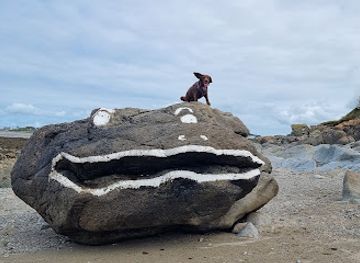
Frog Rock
Explore Frog Rock at Fort Saumarez, a unique geological wonder in Guernsey offering stunning coastal views and rich historical significance.
-
The Millennium Walk
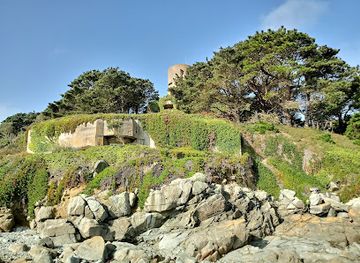
Experience the natural beauty of Guernsey at The Millennium Walk, a serene nature preserve perfect for leisurely strolls and breathtaking views.
Best landmarks in St. Pierre du Bois
St Pierre du Bois Church is the parish’s defining landmark, standing among the lanes and fields that give the area its name and visual identity. Its medieval foundation and continued role as a place of worship connect the modern parish with Guernsey’s long history of parish organisation. The churchyard and surrounding approach are also valuable for understanding the relationship between religious buildings, settlement and farmland on the island. Beyond the church, the most characteristic landmarks are less monumental: granite boundary walls, old farmhouses, enclosed fields and winding green lanes form a coherent rural landscape shaped over generations. These features are not isolated monuments, but together they distinguish St Pierre du Bois from the denser streets of St Peter Port. Dramatic cliffs, bays and coastal viewpoints can be reached from the parish area, but many lie across boundaries in neighbouring parishes and should be labelled accordingly when planning a walk. The landscape itself is therefore the principal geographical landmark, revealing Guernsey’s small scale, exposed maritime setting and persistent agricultural structure.
-
Museum
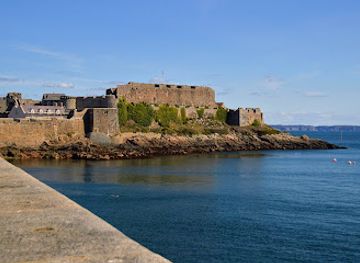
Castle Cornet
Discover the captivating history and stunning views at Castle Cornet, Guernsey's iconic fortress and museum.
-
 Hotel
HotelSt Pierre Park Hotel, Spa & Golf Resort
Experience unparalleled luxury and relaxation at St Pierre Park Hotel, Spa & Golf Resort in Guernsey, where elegance meets nature in a stunning setting.
-
War museum
German Occupation Museum
Discover the profound history of Guernsey at the German Occupation Museum, where artifacts and stories illuminate the island's wartime experiences.
-
Historical place museum
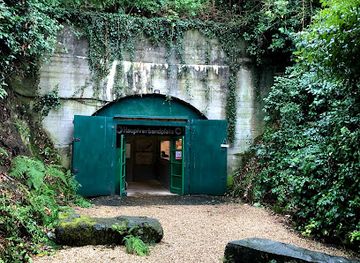
German Underground Hospital
Unearth the secrets of World War II at the German Underground Hospital, a historical museum that reveals Guernsey's wartime past.

Explore St. Pierre du Bois on the map
Plan your trip on one map. See where the top cities, national parks and sights are, and book hotels and experiences in a few clicks.
Best hotels in St. Pierre du Bois
Best restaurants in St. Pierre du Bois
St Pierre du Bois has a limited, dispersed dining offer, so most visitors eat in nearby villages or travel to Guernsey’s larger settlements and coastal areas. The parish’s rural surroundings connect it with the island’s agricultural traditions, including Guernsey dairy produce, locally grown vegetables, orchard fruit, seafood from the wider Bailiwick and the island’s long association with cider. Cafés, village pubs, farm shops and island markets are useful places to encounter these ingredients, while restaurants elsewhere in Guernsey provide the broadest choice, from straightforward pub meals to contemporary cooking and seafood-focused menus. Guernsey gâche, a traditional fruit bread, is a familiar local speciality, while gâche mélasse is a sweeter variation associated with the island. Availability of farm produce and seasonal dishes changes through the year, and small roadside stalls may operate on an informal basis. Visitors staying in self-catering accommodation can make good use of local produce, but should not expect a dense restaurant cluster within the parish itself.
-
Brasserie
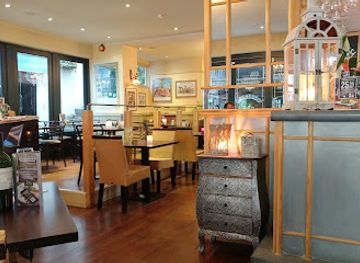
Dix Neuf
Experience the essence of Guernsey's culinary scene at Dix Neuf—a delightful brasserie offering exquisite dishes and an extensive wine selection.
-
Gastropub
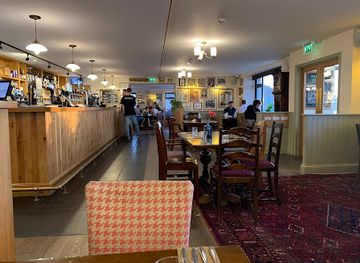
The Rockmount - Randalls
Discover the flavors of Guernsey at The Rockmount - Randalls, where exquisite cuisine meets breathtaking coastal views.
-
Brasserie
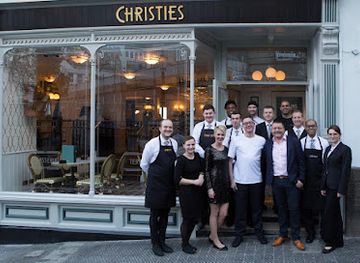
Christies Brasserie
Experience delightful dining at Christies Brasserie in St. Peter Port, where local flavors meet global cuisine in a charming atmosphere.
-
Restaurant
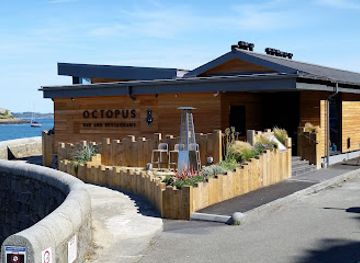
Octopus Restaurant
Discover fresh seafood delights and breathtaking views at Octopus Restaurant in St. Peter Port's scenic Havelet Bay.
Best bars in St. Pierre du Bois
Evening life in St Pierre du Bois is quiet and community-oriented, with any local socialising centred on pubs, private gatherings and parish events rather than a dedicated nightlife district. The wider island offers a broader choice of traditional pubs, restaurants, hotel bars, live music and occasional late venues, especially around St Peter Port, which is outside the parish and requires planned transport for the journey back. Rural Guernsey’s evening rhythm is generally suited to a meal, a drink in a relaxed setting or a walk before dark rather than clubbing. Visitors should check current opening arrangements and the availability of buses or taxis, as late transport is less convenient than in a major city. Local cider and island produce may appear on drinks menus, but alcohol is not central to experiencing the parish’s character.
-
Gastropub
The Rockmount - Randalls
Discover The Rockmount - Randalls, a charming gastropub on the Côbo Coast, offering exquisite local cuisine and stunning ocean views.
-
Pub
Thomas De La Rue
Experience the vibrant atmosphere and delightful cuisine at Thomas De La Rue, Guernsey's favorite gastropub and bar.
-
Gastropub
The Deerhound
Experience the charm of The Deerhound, a gastropub offering local flavors and a cozy retreat in the heart of Guernsey.
-
Bar
Ship & Crown
Discover the vibrant atmosphere and delicious local cuisine at Ship & Crown, a must-visit bar and restaurant in Guernsey.

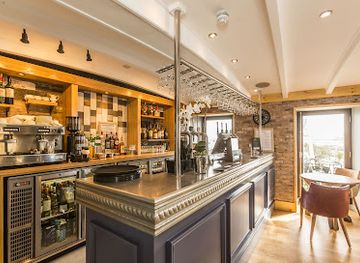
Best nightclubs in St. Pierre du Bois
Evening life in St Pierre du Bois is quiet and community-oriented, with any local socialising centred on pubs, private gatherings and parish events rather than a dedicated nightlife district. The wider island offers a broader choice of traditional pubs, restaurants, hotel bars, live music and occasional late venues, especially around St Peter Port, which is outside the parish and requires planned transport for the journey back. Rural Guernsey’s evening rhythm is generally suited to a meal, a drink in a relaxed setting or a walk before dark rather than clubbing. Visitors should check current opening arrangements and the availability of buses or taxis, as late transport is less convenient than in a major city. Local cider and island produce may appear on drinks menus, but alcohol is not central to experiencing the parish’s character.
-
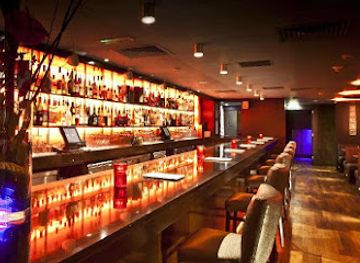
Cocktail bar
Amigos
Experience the vibrant nightlife at Amigos, Guernsey's premier cocktail bar, known for its creative drinks and lively atmosphere.
-
Pub
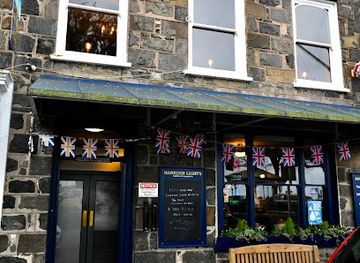
Harbour Lights
Discover the charm of Harbour Lights in St. Peter Port, where stunning views, delicious food, and local brews create an unforgettable pub experience.
-
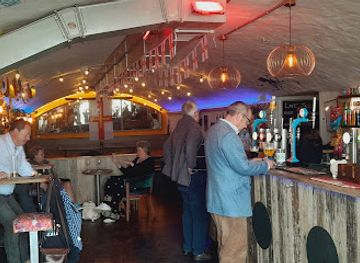
Bar
Mojito
Experience the vibrant nightlife of Guernsey at Mojito, where exquisite cocktails and a lively atmosphere await you.
-
Bar
PingQuay
Discover the vibrant atmosphere of PingQuay, a lively bar in Guernsey offering stunning views, live music, and a taste of local culture.

Best shops in St. Pierre du Bois
Shopping in St Pierre du Bois is modest and local in character, with no major retail centre or concentrated high street. Visitors may encounter farm-gate sales, seasonal produce and small roadside stalls, but availability is variable and payment arrangements are not always the same as in larger shops. For a wider choice, island markets, farm shops, food halls, galleries and independent retailers elsewhere in Guernsey offer local dairy products, preserves, cider, confectionery, pottery, jewellery, textiles, artwork and practical souvenirs. The main commercial shopping streets are outside the parish, particularly around St Peter Port, while village shops around the island are useful for everyday provisions. Look for products made or grown in Guernsey rather than generic island-branded merchandise, and remember that Guernsey notes may not be readily accepted after returning to the United Kingdom. Shopping is best treated as part of a wider island itinerary rather than a principal activity within St Pierre du Bois itself.
-
Garden center
Le Friquet Home of Garden & Living
Explore the serene beauty of Le Friquet Home of Garden & Living in Guernsey, where vibrant gardens meet a delightful cafe experience.
-
Store
Oatlands Village
Explore Oatlands Village, Guernsey - a charming destination with unique shops, delightful cafes, and a taste of local culture.
-
Gift shop
Earlswood Garden Centre & Café
Discover the perfect blend of shopping, dining, and nature at Earlswood Garden Centre & Café in beautiful Guernsey.
-
Jewelry store
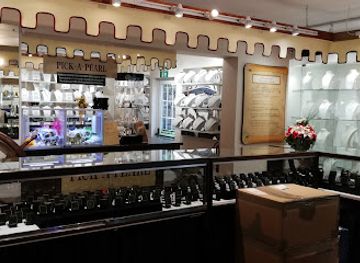
Guernsey Pearl
Explore Guernsey Pearl, where local craftsmanship meets exquisite jewelry design in the heart of Guernsey.

Get your free copy of our complete guide to St. Pierre du Bois, delivered straight to you.
Everything on this page, from attractions and restaurants to essentials and local phrases, in one PDF you can read offline, print or share.
Already have an account? Sign in
Your St. Pierre du Bois guide is ready.
We'll send it to · Not you? Sign out

Getting your guide ready…
We are putting together a fresh copy of the St. Pierre du Bois guide. This can take up to a minute.
This can take a few moments. If your browser asks, choose Allow so the download can start. You'll find the guide in your Downloads folder.
Nothing happened? Download it again
Sorry, the guide is taking longer than usual. Please try again in a minute, or get it by email instead.
St. Pierre du Bois essentials
Currency and Payment
Safety
Emergency Situations
Do's and Don'ts
Local Tips
From Eve
Local phrases worth knowing
You don't need to get them perfect. A few words go a long way, and locals appreciate the effort.
Basics
| English | Local | Say it |
|---|---|---|
| Hello | Bonjour | [bɔ̃ʒuʁ] |
| Goodbye | Au revoir | [o ʁəvwaʁ] |
| Yes | Oui | [wi] |
| No | Non | [nɔ̃] |
| Please/You're welcome | S'il vous plaît | [sil vu plɛ] |
| Thank you | Merci | [mɛʁsi] |
| Excuse me/Sorry | Excusez-moi | [ɛkskyze mwa] |
| How are you? | Comment ça va? | [kɔmɑ̃ sa va] |
| Fine. And you? | Bien. Et vous? | [bjɛ̃ e vu] |
| Do you speak English? | Parlez-vous anglais? | [paʁle vu ɑ̃ɡlɛ] |
| I don't understand | Je ne comprends pas | [ʒə nə kɔ̃pʁɑ̃ pa] |
Eating & Drinking
| English | Local | Say it |
|---|---|---|
| I'd like to see the menu, please | Je voudrais voir le menu, s'il vous plaît | [ʒə vudʁɛ vwaʁ lə məny s'il vu plɛ] |
| I don't eat meat | Je ne mange pas de viande | [ʒə nə mɑ̃ʒ pa də vjɑ̃d] |
| Cheers! | Santé! | [sɑ̃te] |
| I would like to pay, please | Je voudrais payer, s'il vous plaît | [ʒə vudʁɛ peje s'il vu plɛ] |
Emergencies
| English | Local | Say it |
|---|---|---|
| Help! | Au secours! | [o səkuʁ] |
| Go away! | Allez-vous-en! | [ale vu zɑ̃] |
| Call the Police! | Appelez la police! | [apəle la pɔlis] |
| Call a doctor! | Appelez un docteur! | [apəle ɛ̃ dɔktœʁ] |
| I'm lost | Je suis perdu | [ʒə sɥi pɛʁdy] |
| I'm ill | Je suis malade | [ʒə sɥi malad] |
Shopping
| English | Local | Say it |
|---|---|---|
| I'd like to buy... | Je voudrais acheter... | [ʒə vudʁɛ aʃtə] |
| I'm just looking | Je regarde juste | [ʒə ʁəɡaʁd ʒyst] |
| How much is it? | C'est combien? | [se kɔ̃bjɛ̃] |
| That's too expensive | C'est trop cher | [se tʁo ʃɛʁ] |
| Can you lower the price? | Pouvez-vous baisser le prix? | [puve vu bɛse lə pʁi] |
Time & Numbers
| English | Local | Say it |
|---|---|---|
| What time is it? | Quelle heure est-il? | [kɛl œʁ ɛ t il] |
| It's one o'clock | Il est une heure | [il ɛ yn œʁ] |
| Half past (10) | Dix heures et demie | [dis œʁ e dəmi] |
| Morning | Matin | [matɛ̃] |
| Afternoon | Après-midi | [apʁɛ midi] |
| Evening | Soir | [swaʁ] |
| Yesterday | Hier | [jɛʁ] |
| Today | Aujourd'hui | [oʒuʁdɥi] |
| Tomorrow | Demain | [dəmɛ̃] |
| 1 | Un | [ɛ̃] |
| 2 | Deux | [dø] |
| 3 | Trois | [tʁwa] |
| 4 | Quatre | [katʁ] |
| 5 | Cinq | [sɛ̃k] |
| 6 | Six | [sis] |
| 7 | Sept | [sɛt] |
| 8 | Huit | [ɥit] |
| 9 | Neuf | [nœf] |
| 10 | Dix | [dis] |
Transport & Directions
| English | Local | Say it |
|---|---|---|
| Where's a/the...? | Où est un/une...? | [u ɛ ɛ̃/yn] |
| What's the address? | Quelle est l'adresse? | [kɛl ɛ l'adrɛs] |
| Can you show me (on the map)? | Pouvez-vous me montrer (sur la carte)? | [puve vu mə mɔ̃tʁe syʁ la kaʁt] |
| When's the next (bus)? | Quand est le prochain (bus)? | [kɑ̃ ɛ lə pʁɔʃɛ̃] |
| A ticket (to ....) | Un billet (pour ...) | [ɛ̃ bijɛ (puʁ ...)] |
History of St. Pierre du Bois
Prehistoric Guernsey and the Island Landscape
Guernsey’s earliest communities lived in a landscape shaped by farming, woodland clearance and contact with neighbouring islands and the European mainland. Although the most famous prehistoric monuments are not concentrated in St Pierre du Bois, the parish forms part of the same ancient island environment in which field systems, tracks and settlement patterns developed over many centuries. The surrounding countryside retains clues to this long agricultural history through enclosed fields, banks, lanes and the continuing relationship between settlement and cultivated land.
The Norman and Medieval Parish
Guernsey became connected to the Duchy of Normandy in the medieval period and remained linked to the English Crown after the Norman Conquest of England. Parish organisation, Christian worship and landholding developed within this wider Norman and later English political framework. St Pierre du Bois Church is the clearest surviving local expression of that medieval inheritance. Its dedication to Saint Peter and its historic churchyard helped establish the parish as both a religious community and a practical unit of local administration.
Farming, Cider and Rural Tenancy
For centuries, St Pierre du Bois was shaped by small-scale farming rather than urban industry. Guernsey’s rural economy traditionally combined livestock, arable cultivation, orchards and household production, with cider-making an important island tradition. The parish’s lanes, granite farm buildings, field boundaries and dispersed houses reflect this pattern of land use. Agricultural life changed as imported food, new employment and modern transport altered the island economy, but the rural structure remains visible and helps distinguish the parish from the development around St Peter Port.
Guernsey’s Constitutional Distinctiveness
Guernsey is a Crown Dependency rather than part of the United Kingdom, with its own legislature, courts and historic system of parish administration. The parishes, including St Pierre du Bois, retain an important civic identity through institutions such as the Douzaine, the traditional parish body. This arrangement developed from the island’s medieval ties to Normandy and the English Crown and has continued through modern political change. Visitors will encounter British cultural influences, but Guernsey’s constitutional and legal position is distinct.
German Occupation, 1940–1945
Guernsey was occupied by German forces during the Second World War, and the experience affected every parish through military construction, restrictions, shortages and the departure or displacement of residents. St Pierre du Bois, like the rest of the island, formed part of an occupied landscape in which roads, fields and buildings were subject to wartime controls. Much of Guernsey’s most extensive German military heritage is located elsewhere, but the occupation remains essential to understanding local family memories, parish history and the island’s commemorative culture.
Post-war Change and the Modern Parish
After liberation in 1945, Guernsey underwent major social and economic changes. Traditional agriculture declined in relative importance, while finance, tourism, construction and service industries expanded. Better roads and widespread car ownership connected St Pierre du Bois more closely to the rest of the island, even as planning controls helped preserve much of its rural character. Today the parish is a living residential and agricultural area, where historic lanes and church traditions coexist with the practical demands of a modern Crown Dependency.
St. Pierre du Bois in Photos
Browse through our photo collection highlighting the charm and character of the destination.
Neighbouring regions of St. Pierre du Bois
The closest regions to St. Pierre du Bois, if you have time for more than one.
-

-
-
-
-


Swipe for more regions
Explore more

Explore more of Guernsey
Discover Guernsey, where French and British cultures blend seamlessly amidst stunning coastal scenery, rich history, and delectable cuisine in the charming Channel Islands.
Explore Guernsey