

Free Sark Travel Guide & Mobile App
Explore Sark with free travel guides. Discover regional history, expert tips, proposed trips, and audio guides on web or mobile app.


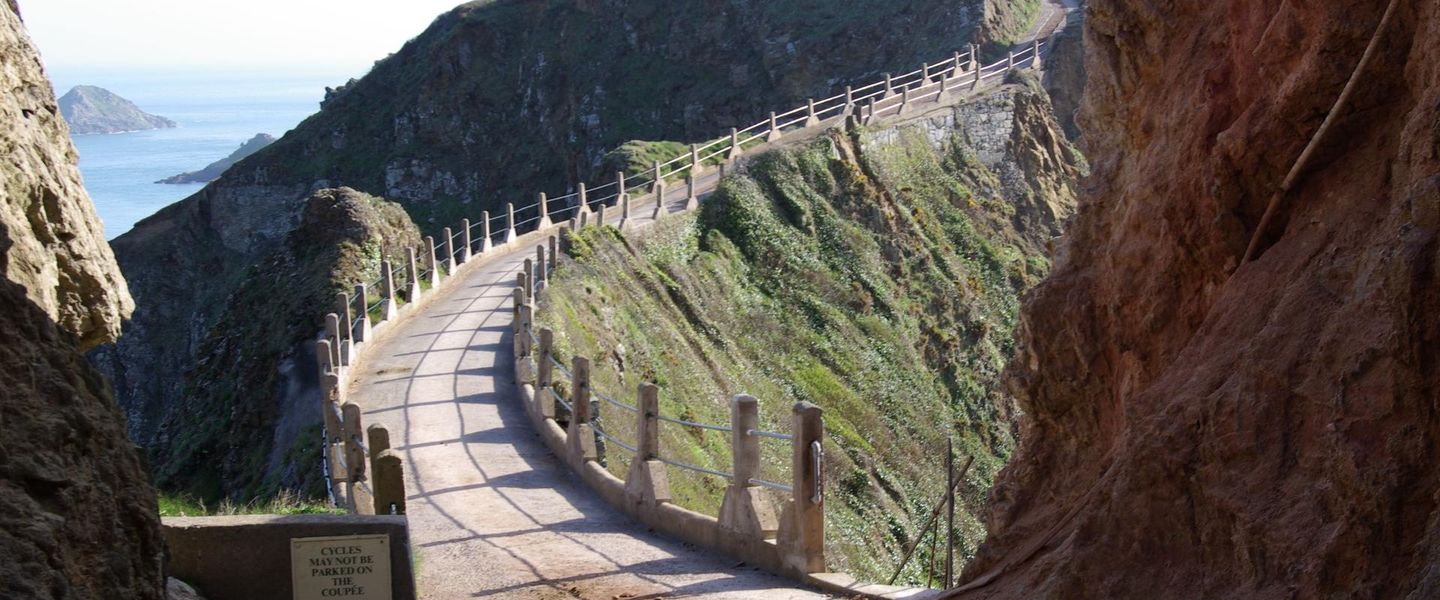


Sark in Guernsey offers car-free lanes, cliff walks, historic estates, quiet coves and exceptionally dark skies in a compact Channel Island setting.
Read more about Sark
When is the best time to visit Sark?
Best: June–August · 19–21°C| Month | High (°C) | Rainfall (mm) |
|---|---|---|
| January | 10 | 80 |
| February | 10 | 70 |
| March | 12 | 70 |
| April | 14 | 60 |
| May | 16 | 60 |
| June (best) | 19 | 50 |
| July (best) | 21 | 50 |
| August (best) | 21 | 60 |
| September | 19 | 60 |
| October | 17 | 80 |
| November | 13 | 80 |
| December | 11 | 80 |
Getting to and around Sark
How to get there
Transportation
Best attractions in Sark
Sark's attractions are principally its landscape, heritage and the slow ways of moving between them. The Seigneurie and its gardens provide the island's most substantial historic and horticultural visit, while the ruins and defensive traces around the estate help explain Sark's long strategic importance. Walkers can follow cliff paths around Greater Sark, cross the narrow La Coupée to Little Sark, explore the wooded Dixcart Valley and seek out coves, rock pools and sea views shaped by strong tides. Prehistoric monuments such as Le Creux ès Faïes add archaeological depth, while the old Sark Prison and traditional lanes offer insight into local institutions and everyday life. Boat excursions, when sea conditions allow, reveal the island's reefs, caves and seabird habitat from offshore. Cycling is an attraction in its own right, providing access to quiet interior lanes and farm country without introducing conventional traffic. After sunset, the International Dark Sky Community designation makes stargazing a significant part of the visitor offering. Sark's appeal lies less in a long list of formal attractions than in the close relationship between its paths, fields, cliffs, gardens and maritime setting.
-
Tourist attraction
Hauteville House
Discover the literary legacy of Victor Hugo at Hauteville House, a captivating museum offering rich history and stunning views in Guernsey.
-
Tourist attraction
German Occupation Museum
Explore the German Occupation Museum in Guernsey for an insightful journey into World War II history, featuring artifacts and personal stories.
-
Public beach
Moulin Huet Bay
Discover the serene beauty of Moulin Huet Bay, a stunning public beach in Guernsey, perfect for sunbathing, swimming, and exploring marine life.
-
Garden
La Seigneurie, House and Gardens
Experience the breathtaking beauty and rich heritage of La Seigneurie, House and Gardens in Sark, a perfect retreat for nature lovers and history enthusiasts.


Best landmarks in Sark
La Coupée is Sark's defining natural and engineered landmark: a narrow ridge linking Greater Sark with Little Sark, with steep drops towards the sea and wide views across the surrounding Channel. The present bridge and protective railings make the crossing more accessible than it was historically, but wind and exposure remain part of its character. The Seigneurie is the island's principal architectural landmark, representing the long history of the Seigneurship and surrounded by formal gardens and estate grounds. Le Creux ès Faïes, a prehistoric dolmen, connects Sark to the ancient archaeological landscape of the Channel Islands, while the old Sark Prison reflects the unusual survival of local institutions. At the coast, headlands, sea stacks, caves and offshore reefs form a constantly changing natural architecture best appreciated from cliff paths or the water. The island's darkness is also a landmark of sorts: the absence of urban lighting, recognised through its International Dark Sky status, gives Sark a night-time identity as distinctive as its cliffs and lanes.
-
Museum
Castle Cornet
Discover the rich history, stunning views, and engaging exhibits at Castle Cornet, Guernsey's iconic fortress and museum.
-
Chapel
The Little Chapel
Discover the enchanting Little Chapel in Guernsey, an artistic wonder adorned with colorful mosaics and serene gardens, a perfect spot for reflection.
-
Pub
Thomas De La Rue
Discover the vibrant atmosphere and delightful flavors at Thomas De La Rue, a quintessential pub in the heart of Guernsey, perfect for tourists and locals alike.
-
Park
Saumarez Park
Experience the captivating beauty of Saumarez Park in Guernsey, a lush oasis ideal for nature lovers and history enthusiasts alike.


Explore Sark on the map
Plan your trip on one map. See where the top cities, national parks and sights are, and book hotels and experiences in a few clicks.
Best hotels in Sark
Best restaurants in Sark
Sark's dining scene is small and closely connected to its hotels, guesthouses, cafés and village services rather than to a large restaurant industry. Menus commonly draw on the wider Channel Islands and British traditions, with seafood, local dairy, seasonal vegetables, meat, soups, pies, cakes and cream-based desserts appearing according to supply and season. Traditional pubs and hotel restaurants provide substantial meals, while cafés are useful for breakfast, packed lunches, tea and simple food before a day on the cliffs. Local produce may include island-grown vegetables, eggs, preserves and baked goods, though availability is seasonal and not every ingredient served on Sark is locally produced. Guernsey and Jersey specialities may also appear, but visitors should distinguish these wider island traditions from dishes that are specifically Sark's own. Because the number of dining venues is limited, advance booking is sensible during summer and on weekends, particularly for evening meals. Self-catering visitors will find that shopping is modest, so it is wise to plan provisions rather than expect the choice available in a mainland town.
-
Restaurant
Thomas De La Rue
Discover the best of Guernsey’s cuisine at Thomas De La Rue—where local flavors meet vibrant hospitality in a charming gastropub setting.
-
 Restaurant
St Pierre Park Hotel, Spa & Golf Resort
Discover the perfect blend of luxury and leisure at St Pierre Park Hotel, Spa & Golf Resort in Guernsey – where relaxation meets recreation.
-
Restaurant
Ship & Crown
Discover local flavors at Ship & Crown - Guernsey's premier restaurant and bar offering stunning coastal views and delightful cuisine.
-
Restaurant
Les Rocquettes Hotel
Discover Les Rocquettes Hotel - A culinary gem in St. Peter Port blending exceptional dining with warm hospitality.


Best bars in Sark
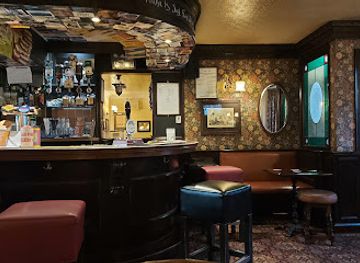
Sark does not have a conventional nightclub scene, and evenings are generally centred on pubs, hotel bars, restaurant dining and conversation rather than late-night entertainment. The village contains the main concentration of places to eat and drink, while accommodation-based bars provide a quieter option after a day outdoors. Some evenings may include informal live music or seasonal entertainment, but programmes and opening arrangements change, so current local information is more reliable than assuming a fixed schedule. The island's most distinctive evening activity is outside: on a clear night, visitors can walk a short distance from artificial light to see the stars and, in suitable conditions, the Milky Way. Drink-driving is particularly inappropriate where travel is by bicycle or on foot along dark lanes, and visitors should plan their return route before settling in for the evening.
-
Bar
Ship & Crown
Discover Ship & Crown: A vibrant bar and restaurant on Guernsey's North Esplanade, blending local flavors with stunning coastal views.
-
Pub
Mermaid Tavern & Restaurant
Discover the charm of Herm Island at Mermaid Tavern & Restaurant, where local flavors and a warm atmosphere await.
-
Pub
Bel Air Inn
Experience the cozy charm of Bel Air Inn, a vibrant pub in Guernsey offering fine beers, wines, and a friendly atmosphere for all visitors.
-
Pub
Dorset Arms
Experience the vibrant charm of Guernsey at the Dorset Arms, where local culture meets delicious cuisine and a friendly atmosphere.


Best nightclubs in Sark
Sark does not have a conventional nightclub scene, and evenings are generally centred on pubs, hotel bars, restaurant dining and conversation rather than late-night entertainment. The village contains the main concentration of places to eat and drink, while accommodation-based bars provide a quieter option after a day outdoors. Some evenings may include informal live music or seasonal entertainment, but programmes and opening arrangements change, so current local information is more reliable than assuming a fixed schedule. The island's most distinctive evening activity is outside: on a clear night, visitors can walk a short distance from artificial light to see the stars and, in suitable conditions, the Milky Way. Drink-driving is particularly inappropriate where travel is by bicycle or on foot along dark lanes, and visitors should plan their return route before settling in for the evening.
-
Pub
Bel Air Inn
Discover the warm atmosphere and delicious local flavors at Bel Air Inn, a charming pub in Guernsey, perfect for a relaxing evening.
-
Cafe
Bon Marin Café & Captain's Bar
Discover Bon Marin Café & Captain's Bar in Guernsey - a culinary haven with stunning views and a charming atmosphere.
-
Bar
Mermaid Tavern
Experience the cozy atmosphere and local charm at Mermaid Tavern, Sark's favorite bar for drinks and good company.
-
Bistro
The Old Hall Sark
Experience the best of Guernsey's cuisine at The Old Hall Sark, a beloved bistro and pub offering local flavors and a welcoming atmosphere.


Best shops in Sark
Shopping on Sark is compact and practical, with the main choice concentrated around the Avenue and the village. Small independent shops and galleries offer postcards, books, clothing, artwork, pottery, jewellery, locally themed gifts and supplies for walkers and cyclists. Visitors may also find island produce such as preserves, baked goods or other food items, although availability changes with season and deliveries. The most meaningful souvenirs tend to reflect Sark's landscape and working traditions rather than mass-produced luxury goods: locally made crafts, photographs, illustrated maps and products associated with the island's dark skies or maritime setting. There is no extensive shopping centre or large high-street retail district, so visitors seeking specialised equipment or a broad supermarket selection should obtain it in Guernsey before sailing. Retail hours can be seasonal and many businesses are small, making daytime visits more reliable than late-evening shopping.
-
Supermarket
Waitrose & Partners
Explore Guernsey's finest local produce and gourmet specialties at Waitrose & Partners, your go-to supermarket for quality ingredients.
-
Gift shop
Guernsey Candles
Explore Guernsey Candles, where craftsmanship meets creativity in the heart of Guernsey. Experience handcrafted candles and unique gifts today!
-
Game store
Just Games
Explore Just Games in Guernsey for an extensive selection of video games, board games, and unique gaming merchandise.
-
Chocolate shop
Caragh Chocolates
Discover the sweet taste of Sark at Caragh Chocolates, where handcrafted delights and a cozy café await every visitor.


Get your free copy of our complete guide to Sark, delivered straight to you.
Everything on this page, from attractions and restaurants to essentials and local phrases, in one PDF you can read offline, print or share.
Already have an account? Sign in
Your Sark guide is ready.
We'll send it to · Not you? Sign out

Getting your guide ready…
We are putting together a fresh copy of the Sark guide. This can take up to a minute.
This can take a few moments. If your browser asks, choose Allow so the download can start. You'll find the guide in your Downloads folder.
Nothing happened? Download it again
Sorry, the guide is taking longer than usual. Please try again in a minute, or get it by email instead.
Sark essentials
Currency and Payment
Safety
Emergency Situations
Do's and Don'ts
Local Tips
From Eve
Local phrases worth knowing
You don't need to get them perfect. A few words go a long way, and locals appreciate the effort.
Basics
| English | Local | Say it |
|---|---|---|
| Hello | Hello | [həˈloʊ] |
| Goodbye | Goodbye | [ɡʊdˈbaɪ] |
| Yes | Yes | [jɛs] |
| No | No | [noʊ] |
| Please/You're welcome | Please/You're welcome | [pliz/jʊr ˈwɛlkəm] |
| Thank you | Thank you | [θæŋk ju] |
| Excuse me/Sorry | Excuse me/Sorry | [ɪkˈskjuz mi/ˈsɔri] |
| How are you? | How are you? | [haʊ ɑr ju] |
| Fine. And you? | Fine. And you? | [faɪn. ənd ju] |
| Do you speak English? | Do you speak English? | [du ju spik ˈɪŋɡlɪʃ] |
| I don't understand | I don't understand | [aɪ doʊnt ˌʌndərˈstænd] |
Eating & Drinking
| English | Local | Say it |
|---|---|---|
| I'd like to see the menu, please | I'd like to see the menu, please | [aɪd laɪk tə si ðə ˈmɛnju, pliz] |
| I don't eat meat | I don't eat meat | [aɪ doʊnt it mit] |
| Cheers! | Cheers! | [tʃɪrz] |
| I would like to pay, please | I would like to pay, please | [aɪ wʊd laɪk tə peɪ, pliz] |
Emergencies
| English | Local | Say it |
|---|---|---|
| Help! | Help! | [hɛlp] |
| Go away! | Go away! | [ɡoʊ əˈweɪ] |
| Call the Police! | Call the Police! | [kɔl ðə pəˈlis] |
| Call a doctor! | Call a doctor! | [kɔl ə ˈdɑktər] |
| I'm lost | I'm lost | [aɪm lɔst] |
| I'm ill | I'm ill | [aɪm ɪl] |
Shopping
| English | Local | Say it |
|---|---|---|
| I'd like to buy... | I'd like to buy... | [aɪd laɪk tə baɪ...] |
| I'm just looking | I'm just looking | [aɪm dʒʌst ˈlʊkɪŋ] |
| How much is it? | How much is it? | [haʊ mʌtʃ ɪz ɪt] |
| That's too expensive | That's too expensive | [ðæts tu ɪkˈspɛnsɪv] |
| Can you lower the price? | Can you lower the price? | [kæn ju ˈloʊər ðə praɪs] |
Time & Numbers
| English | Local | Say it |
|---|---|---|
| What time is it? | What time is it? | [wʌt taɪm ɪz ɪt] |
| It's one o'clock | It's one o'clock | [ɪts wʌn əˈklɑk] |
| Half past (10) | Half past (10) | [hæf pæst (10)] |
| Morning | Morning | [ˈmɔrnɪŋ] |
| Afternoon | Afternoon | [ˌæf.tərˈnun] |
| Evening | Evening | [ˈiv.nɪŋ] |
| Yesterday | Yesterday | [ˈjɛstərdeɪ] |
| Today | Today | [təˈdeɪ] |
| Tomorrow | Tomorrow | [təˈmɔroʊ] |
| 1 | 1 | [wʌn] |
| 2 | 2 | [tu] |
| 3 | 3 | [θri] |
| 4 | 4 | [fɔr] |
| 5 | 5 | [faɪv] |
| 6 | 6 | [sɪks] |
| 7 | 7 | [sɛvən] |
| 8 | 8 | [eɪt] |
| 9 | 9 | [naɪn] |
| 10 | 10 | [tɛn] |
Transport & Directions
| English | Local | Say it |
|---|---|---|
| Where's a/the...? | Where's a/the...? | [wɛrz ə/ðə...?] |
| What's the address? | What's the address? | [wʌts ði əˈdrɛs] |
| Can you show me (on the map)? | Can you show me (on the map)? | [kæn ju ʃoʊ mi (ɑn ðə mæp)?] |
| When's the next (bus)? | When's the next (bus)? | [wɛn ðə nɛkst (bʌs)?] |
| A ticket (to ....) | A ticket (to ....) | [ə ˈtɪkɪt (tə ....)] |
History of Sark
Neolithic and Earlier Settlement
Sark's prehistoric monuments show that the island was used by communities long before the medieval settlement. The dolmen known as Le Creux ès Faïes, together with other archaeological remains, points to funerary and ceremonial activity during the Neolithic period. These sites are important because they place Sark within the wider prehistoric seascape of the Channel Islands, where communities travelled, farmed and maintained connections across what is now open water. The island's cliffs and isolated position may appear timeless, but its archaeological landscape records repeated human engagement with the coast and surrounding islands.
Medieval Monastic and Seigneurial Connections
During the medieval period, Sark was associated with the Abbey of Mont-Saint-Magloire on nearby Sark? No, the island was granted to Mont-Saint-Magloire in the 6th century tradition, and later to Mont-Saint-Magloire? Historical certainty is limited. More securely, the island formed part of the Norman world and was linked to the Duchy of Normandy before the English Crown retained the Channel Islands after the Norman Conquest of England. Medieval religious foundations and landholding shaped the island's agricultural organisation, while its position made it relevant to the maritime routes around Normandy and the Channel Islands.
The Seigneurship and Resettlement, 1565
Sark was largely uninhabited when Elizabeth I granted it in 1565 to Hellier de Carteret, Seigneur of Sark, on the condition that he established settlers and maintained a small defensive community. The island was divided into holdings associated with forty families, a pattern traditionally linked to the island's later political structure. This resettlement created the basis of the Seigneurship, a distinctive feudal institution that survived, in modified form, into the modern era. The planned settlement and long narrow fields still influence Sark's landscape and sense of local identity.
Privateering, Smuggling and Coastal Defence
Sark's position near the French coast brought both opportunity and danger. During periods of conflict between Britain and France, the island's waters were used by privateers and affected by smuggling, while its cliffs and coves required vigilance against raids. Defensive features were added or adapted, including the stonework associated with the Seigneurie's fortifications and coastal gun positions. These remains should be understood in the context of the Channel Islands' strategic location: Sark was not a major naval base, but its inhabitants lived within a maritime frontier where commerce, warfare and illicit trade were closely connected.
The Victorian Tourist Island
Improved steamship links during the nineteenth century made Sark more accessible to visitors from Guernsey and the British mainland. Tourism gradually became an important complement to agriculture, encouraging hotels, carriage services, scenic walks and interest in the island's cliffs and gardens. Writers and artists were drawn to its isolation and distinctive political traditions, while visitors came for sea air and coastal scenery. The growth of tourism did not transform Sark into an urban resort; instead, it reinforced the value of its lanes, views and quiet agricultural setting.
German Occupation, 1940–1945
German forces occupied Sark during the Second World War as part of the occupation of the Channel Islands. The island's population remained in place, but daily life was controlled by military authorities and shaped by shortages, restrictions and the wider wartime situation. Military installations and occupation traces form part of Sark's twentieth-century history, although the island is less heavily fortified than some other Channel Islands. The occupation remains an important subject in local memory and is represented through historical interpretation and surviving features rather than through a single large battlefield site.
Political Reform and the Elected Chief Pleas
For centuries Sark was governed through the Chief Pleas, a body that reflected the island's seigneurial and landholding traditions. Modern constitutional reform gradually altered that arrangement, and in 2008 Sark introduced a fully elected legislature. The Seigneurship remains a distinctive constitutional feature of the island, but contemporary administration operates through representative institutions and within the wider Bailiwick of Guernsey. This transition illustrates how Sark has retained historic forms and symbols while adapting its governance to modern expectations of democratic representation.
Dark-Sky Recognition and Sustainable Tourism
Sark's limited road traffic, small population and low levels of artificial lighting helped it gain recognition as an International Dark Sky Community in 2011. The designation reflects both the quality of the night sky and local efforts to protect it. Dark-sky tourism has developed alongside established interests in walking, heritage and wildlife, giving visitors another way to appreciate the island's geography. It also highlights a continuing tension familiar to small islands: welcoming visitors while conserving the quiet, low-impact environment on which local life and tourism depend.
Sark in Photos
Browse through our photo collection highlighting the charm and character of the destination.
Neighbouring regions of Sark
The closest regions to Sark, if you have time for more than one.
-

-
-
-

-


Swipe for more regions
Explore more

Explore more of Guernsey
Discover Guernsey, where French and British cultures blend seamlessly amidst stunning coastal scenery, rich history, and delectable cuisine in the charming Channel Islands.
Explore Guernsey