

Free Brecqhou Travel Guide & Mobile App
Explore Brecqhou with free travel guides. Discover regional history, expert tips, proposed trips, and audio guides on web or mobile app.


Brecqhou, beside Sark in Guernsey’s Bailiwick, offers a rare Channel Islands perspective on private island life, rugged coast and maritime history.
Read more about Brecqhou
When is the best time to visit Brecqhou?
Best: June–August · 18–20°C| Month | High (°C) | Rainfall (mm) |
|---|---|---|
| January | 9 | 80 |
| February | 9 | 70 |
| March | 11 | 70 |
| April | 12 | 60 |
| May | 15 | 60 |
| June (best) | 18 | 50 |
| July (best) | 20 | 50 |
| August (best) | 20 | 50 |
| September | 18 | 60 |
| October | 16 | 70 |
| November | 13 | 80 |
| December | 11 | 80 |
Getting to and around Brecqhou
How to get there
Transportation
Best attractions in Brecqhou
Brecqhou does not have a public attraction circuit in the usual sense. Its principal interest is the island itself: a privately held fragment of the Sark landscape with rocky shores, open ground, maritime views and a history tied to the distinctive constitutional arrangements of the Bailiwick of Guernsey. Visitors without permission can experience Brecqhou only indirectly, usually by viewing it from appropriate places on Sark or from an authorised boat. There are no public museums, gardens, beaches with visitor facilities, restaurants or organised activities on the island. The surrounding waters are scenically important but demand considerable caution because of tides, reefs and exposed conditions. For a fuller travel experience, visitors normally combine an observation of Brecqhou with Sark’s public heritage, coastal walking and countryside, while keeping the two islands clearly separate. Any landing or guided approach must be privately arranged and confirmed in advance; a sightseeing cruise does not automatically grant access to shore. This limited accessibility is not a deficiency to be worked around but a defining fact of Brecqhou’s present character.
-
Park
Saumarez Park
Explore Guernsey's largest park: a blend of history, nature, and family fun in a beautiful garden setting. Open year-round, dawn till dusk.
-
Tourist attraction
Oatlands Village
Discover Guernsey's charm at Oatlands Village: historic kilns, local crafts, family fun, and delicious treats await!
-
Tourist attraction
Sausmarez Manor
Explore Guernsey's Sausmarez Manor: a historic house, sculpture park, and subtropical gardens blend history and nature.
-
Scenic spot
Grandes Rocques Beach
Discover Grandes Rocques Beach: Guernsey's scenic sandy haven with pink granite rocks, stunning sunsets, and family-friendly fun.


Best landmarks in Brecqhou
Brecqhou’s most important landmark is its privately held island landscape, recognisable from Sark as a compact, rocky outpost separated by a narrow and tide-affected channel. Its shoreline and elevated ground express the exposed geography of the northern Channel Islands, while the island’s buildings and cultivated areas reflect its long use as a managed estate. These features are private rather than public monuments and should be viewed from authorised locations only. Brecqhou’s strongest landmark value is therefore historical and geographical: it illustrates the enduring connection between Sark and its surrounding holdings, the survival of seigneurial traditions within the Bailiwick, and the way private ownership can shape access to an entire island. There is no public castle, church, museum or civic centre to visit, and nearby landmarks on Sark should not be mislabelled as belonging to Brecqhou. For travellers, the island’s silhouette, coastal setting and unusual constitutional story form a more accurate landmark experience than any attempted inventory of inaccessible buildings.
-
Museum
Castle Cornet
Experience the rich maritime history and breathtaking views at Castle Cornet, Guernsey's iconic fortress and museum.
-
Chapel
The Little Chapel
Discover the enchanting Little Chapel in Guernsey, a miniature masterpiece adorned with stunning mosaics and serene gardens for a peaceful retreat.
-
Museum
Hauteville House
Explore the enchanting Hauteville House, Victor Hugo's museum in Guernsey, showcasing his literary legacy and stunning architecture.
-
War museum
German Occupation Museum
Discover the resilience of Guernsey during World War II at the German Occupation Museum, where history comes alive through personal stories and artifacts.


Explore Brecqhou on the map
Plan your trip on one map. See where the top cities, national parks and sights are, and book hotels and experiences in a few clicks.
Best hotels in Brecqhou
Best restaurants in Brecqhou
Brecqhou has no public restaurants, cafés, pubs, food shops or established dining trade. Visitors therefore need to eat before or after any authorised visit, using the hospitality available on Guernsey or Sark rather than expecting provisions on the island. A trip based on Sark can be paired with the island’s own cafés, pubs, restaurants and self-catering arrangements, though availability and opening patterns can vary by season. Boat operators may set their own rules about food and drink, but visitors should not assume that an excursion includes catering. Because there is no public settlement or regular visitor service on Brecqhou, carrying food ashore would also require permission and careful attention to litter and wildlife. The culinary interest of the wider area is best explored on Guernsey and Sark through Channel Islands produce, seafood, dairy products, baking and pub-style meals, without attributing those broader traditions specifically to Brecqhou.
-
Brasserie
Dix Neuf
Discover Dix Neuf in Guernsey: A perfect blend of casual brasserie charm and gourmet flavors awaits you.
-
Brasserie
Christies Brasserie
Experience local flavors at Christies Brasserie in Guernsey – where culinary tradition meets contemporary dining.
-
Restaurant
The Boathouse
Experience coastal dining at its finest at The Boathouse in Guernsey, where fresh local flavors meet stunning harbor views.
-
Brasserie
Coco
Discover Coco, Guernsey's favorite brasserie for delightful breakfasts and stunning seaside views.


Best bars in Brecqhou
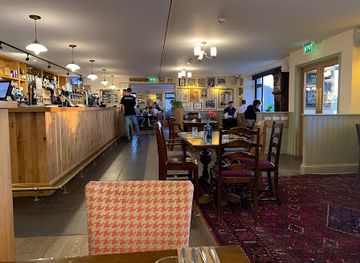
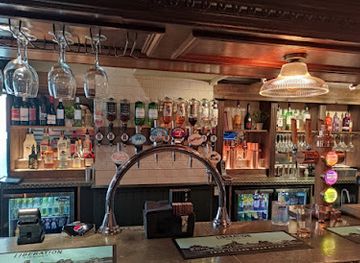
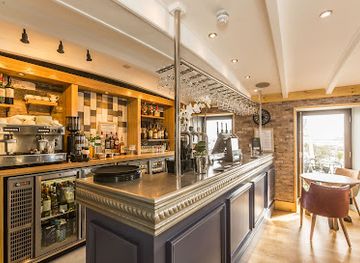
Brecqhou has no bars, nightclubs or public evening venues. Its lack of a permanent visitor infrastructure means that nightlife is not part of the island experience, and any authorised visit is normally organised around daylight, tides and sea conditions. Travellers using Sark as a base can find a quieter evening scene centred on pubs, restaurants and seasonal hospitality rather than a large club district. Guernsey offers the Bailiwick’s broadest choice of evening venues, but it is a separate island and should not be presented as part of Brecqhou. Visitors should plan their return transport and accommodation before any boat excursion, since there is no public after-dark landing arrangement or local service network on Brecqhou.
-
Gastropub
The Rockmount - Randalls
Savor gourmet dishes and local brews at The Rockmount - Randalls, Guernsey's premier gastropub with stunning coastal views.
-
Pub
Thomas De La Rue
Experience the vibrant atmosphere and delectable cuisine at Thomas De La Rue, Guernsey's beloved gastropub and event venue.
-
Gastropub
The Deerhound
Discover the taste of Guernsey at The Deerhound, an inviting gastropub and inn offering locally sourced cuisine and a cozy atmosphere.
-
Restaurant
Ship & Crown
Discover the perfect blend of local cuisine and stunning coastal views at Ship & Crown, a must-visit restaurant and bar in Guernsey.

Best nightclubs in Brecqhou
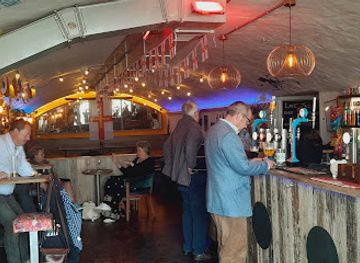
Brecqhou has no bars, nightclubs or public evening venues. Its lack of a permanent visitor infrastructure means that nightlife is not part of the island experience, and any authorised visit is normally organised around daylight, tides and sea conditions. Travellers using Sark as a base can find a quieter evening scene centred on pubs, restaurants and seasonal hospitality rather than a large club district. Guernsey offers the Bailiwick’s broadest choice of evening venues, but it is a separate island and should not be presented as part of Brecqhou. Visitors should plan their return transport and accommodation before any boat excursion, since there is no public after-dark landing arrangement or local service network on Brecqhou.
-
Cocktail bar
Amigos
Experience the vibrant nightlife of Guernsey at Amigos, where creative cocktails and a lively atmosphere combine for an unforgettable evening.
-
Restaurant
JB Parkers' Bar & Cellar
Experience the best of Guernsey's dining at JB Parkers' Bar & Cellar, where exquisite cuisine meets a sophisticated cocktail and wine experience.
-
Bar
PingQuay
Discover the lively atmosphere of PingQuay, your go-to bar in Guernsey for great drinks and live music in a picturesque setting.
-
Bar
The Crown Club at Old Government House Hotel
Experience the ultimate blend of luxury, comfort, and exquisite cocktails at The Crown Club in Guernsey.


Best shops in Brecqhou
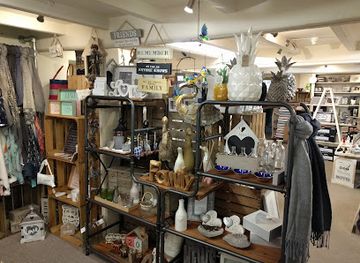
Brecqhou has no shops, market, gallery, craft outlet or public retail facilities. Visitors should purchase food, water, outdoor equipment and any practical supplies on Guernsey or Sark before travelling, particularly because there is no dependable opportunity to obtain provisions on or near the island. Shopping connected with a Brecqhou visit is therefore limited to arranging authorised transport and any permitted services through providers elsewhere in the Bailiwick. Sark offers small-scale island retail, local food products, crafts and practical goods, while Guernsey provides the widest choice of shops and markets in the Bailiwick; neither should be represented as shopping on Brecqhou itself. Visitors should not remove stones, plants, shells or other natural material as souvenirs, and any photography or publication involving private property should respect the permissions attached to the visit.
-
Gift shop
Earlswood Garden Centre & Café
Experience the beauty of nature, delightful shopping, and delicious café treats at Earlswood Garden Centre & Café in Guernsey.
-
Home improvement store
B&Q St Peter Port - Guernsey
Discover a vast range of home improvement products at B&Q St Peter Port, Guernsey's premier DIY and home essentials destination.
-
Gift shop
Guernsey Candles
Discover the exquisite art of candle making at Guernsey Candles, where handcrafted beauty meets local craftsmanship in a charming gift shop.
-
Game store
Just Games
Explore Just Games in Guernsey for an unforgettable gaming experience, featuring a wide selection of video games, board games, and unique merchandise.



Get your free copy of our complete guide to Brecqhou, delivered straight to you.
Everything on this page, from attractions and restaurants to essentials and local phrases, in one PDF you can read offline, print or share.
Already have an account? Sign in
Your Brecqhou guide is ready.
We'll send it to · Not you? Sign out

Getting your guide ready…
We are putting together a fresh copy of the Brecqhou guide. This can take up to a minute.
This can take a few moments. If your browser asks, choose Allow so the download can start. You'll find the guide in your Downloads folder.
Nothing happened? Download it again
Sorry, the guide is taking longer than usual. Please try again in a minute, or get it by email instead.
Brecqhou essentials
Currency and Payment
Safety
Emergency Situations
Do's and Don'ts
Local Tips
From Eve
Local phrases worth knowing
You don't need to get them perfect. A few words go a long way, and locals appreciate the effort.
Basics
| English | Local | Say it |
|---|---|---|
| Hello | Bonjour | [bɔ̃ʒuʁ] |
| Goodbye | Au revoir | [o ʁə.vwaʁ] |
| Yes | Oui | [wi] |
| No | Non | [nɔ̃] |
| Please/You're welcome | S'il vous plaît | [sil vu plɛ] |
| Thank you | Merci | [mɛʁ.si] |
| Excuse me/Sorry | Excusez-moi | [ɛkskyze mwa] |
| How are you? | Comment ça va? | [kɔ.mɑ̃ sa va] |
| Fine. And you? | Bien. Et vous? | [bjɛ̃ e vu] |
| Do you speak English? | Parlez-vous anglais? | [paʁ.le vu ɑ̃ɡ.le] |
| I don't understand | Je ne comprends pas | [ʒə nə kɔ̃.pʁɑ̃ pa] |
Eating & Drinking
| English | Local | Say it |
|---|---|---|
| I'd like to see the menu, please | Je voudrais voir le menu, s'il vous plaît | [ʒə vudʁɛ vwaʁ lə mə.ny sil vu plɛ] |
| I don't eat meat | Je ne mange pas de viande | [ʒə nə mɑ̃ʒ pa də vjɑ̃d] |
| Cheers! | Santé! | [sɑ̃.te] |
| I would like to pay, please | Je voudrais payer, s'il vous plaît | [ʒə vudʁɛ pe.je sil vu plɛ] |
Emergencies
| English | Local | Say it |
|---|---|---|
| Help! | Au secours! | [o sə.kuʁ] |
| Go away! | Allez-vous en! | [a.le vu zɑ̃] |
| Call the Police! | Appelez la police! | [a.pə.le la pɔ.lis] |
| Call a doctor! | Appelez un médecin! | [a.pə.le ɛ̃ mɛ.dɛ.sɛ̃] |
| I'm lost | Je suis perdu | [ʒə sɥi pɛʁ.dy] |
| I'm ill | Je suis malade | [ʒə sɥi ma.lad] |
Shopping
| English | Local | Say it |
|---|---|---|
| I'd like to buy... | Je voudrais acheter... | [ʒə vudʁɛ aʃ.te] |
| I'm just looking | Je regarde juste | [ʒə ʁə.ɡaʁd ʒyst] |
| How much is it? | C'est combien? | [sɛ kɔ̃.bjɛ̃] |
| That's too expensive | C'est trop cher | [sɛ tʁo ʃɛʁ] |
| Can you lower the price? | Pouvez-vous baisser le prix? | [pu.ve vu bɛ.se lə pʁi] |
Time & Numbers
| English | Local | Say it |
|---|---|---|
| What time is it? | Quelle heure est-il? | [kɛl œʁ ɛt il] |
| It's one o'clock | Il est une heure | [il ɛt yn œʁ] |
| Half past (10) | Dix heures et demie | [di.zœʁ e də.mi] |
| Morning | Matin | [ma.tɛ̃] |
| Afternoon | Après-midi | [a.pʁɛ.mi.di] |
| Evening | Soir | [swaʁ] |
| Yesterday | Hier | [jɛʁ] |
| Today | Aujourd'hui | [o.ʒuʁ.dɥi] |
| Tomorrow | Demain | [də.mɛ̃] |
| 1 | Un | [ɛ̃] |
| 2 | Deux | [dø] |
| 3 | Trois | [tʁwa] |
| 4 | Quatre | [katʁ] |
| 5 | Cinq | [sɛ̃k] |
| 6 | Six | [sis] |
| 7 | Sept | [sɛt] |
| 8 | Huit | [ɥit] |
| 9 | Neuf | [nœf] |
| 10 | Dix | [di] |
Transport & Directions
| English | Local | Say it |
|---|---|---|
| Where's a/the...? | Où est un/une...? | [u ɛ ɛ̃/yn] |
| What's the address? | Quelle est l'adresse? | [kɛl ɛ l.a.dʁɛs] |
| Can you show me (on the map)? | Pouvez-vous me montrer (sur la carte)? | [pu.ve vu mə mɔ̃.tʁe (syʁ la kaʁt)] |
| When's the next (bus)? | Quand est le prochain (bus)? | [kɑ̃ ɛ lə pʁɔ.ʃɛ̃ (bys)] |
| A ticket (to ....) | Un billet (pour....) | [ɛ̃ bi.jɛ (puʁ....)] |
History of Brecqhou
Early Channel Islands Settlement
Brecqhou forms part of an island group occupied and used by people since prehistoric times, although the small island’s surviving evidence is less prominent than the archaeological remains found elsewhere in the Bailiwick. Its exposed position made farming, fishing and movement between islands dependent on weather and tides. The wider Channel Islands were influenced by communities moving through the coastal zone between southern Britain and Normandy, leaving a long background of maritime exchange behind the later medieval political arrangements.
Norman and Seigneurial Connections
The Channel Islands became linked to the Duchy of Normandy during the medieval period and remained associated with the English Crown after the Norman conquest of England. Brecqhou’s later history is closely connected to Sark, whose landholding system developed around a Seigneur. This connection explains why Brecqhou is generally discussed as part of Sark’s historical and political setting rather than as a separate island community. Medieval and early modern control of the islands reflected both feudal landholding and the strategic importance of the Channel.
Sark’s Sixteenth-Century Settlement
In the sixteenth century, Sark was settled under Seigneurial authority as English and Channel Island interests sought to strengthen the island against French activity and privateering. Brecqhou was incorporated into the same local framework and was used as part of the surrounding agricultural and maritime landscape. The settlement of Sark created the institutional relationship that still matters when Brecqhou’s political status is explained today: it is associated with Sark within the Bailiwick of Guernsey, not administered as an ordinary parish or open public island.
Agriculture and Maritime Isolation
For much of its modern history, Brecqhou was valued chiefly as a small agricultural holding rather than as a resort. Its fields, rocky margins and isolation required local use of boats and careful attention to tides. As with other small Channel Islands, the economy and everyday life were shaped by limited land, maritime weather and proximity to both Guernsey and the French coast. The absence of a substantial permanent population helped preserve its distinct character but also meant that public services and visitor facilities never developed there.
Modern Private Ownership and Restricted Access
Brecqhou’s contemporary identity has been strongly shaped by private ownership and the resulting limits on public access. Modern discussion of the island often concerns its relationship with Sark, property rights and the boundaries between private land and the wider public interest. These issues have made Brecqhou notable far beyond its physical size, particularly in accounts of the Channel Islands’ distinctive constitutional arrangements. For visitors, the practical consequence is clear: Brecqhou is not operated as a general tourist attraction and must be approached with permission.
Brecqhou in Photos
Browse through our photo collection highlighting the charm and character of the destination.
Neighbouring regions of Brecqhou
The closest regions to Brecqhou, if you have time for more than one.
-
-
-
-

-


Swipe for more regions
Explore more

Explore more of Guernsey
Discover Guernsey, where French and British cultures blend seamlessly amidst stunning coastal scenery, rich history, and delectable cuisine in the charming Channel Islands.
Explore Guernsey