

Free Torteval Travel Guide & Mobile App
Explore Torteval with free travel guides. Discover regional history, expert tips, proposed trips, and audio guides on web or mobile app.





Explore Torteval in western Guernsey for Atlantic cliffs, Portelet Bay, German Occupation history, rural lanes and rewarding coastal walks.
Read more about Torteval
When is the best time to visit Torteval?
Best: June–August · 18–20°C| Month | High (°C) | Rainfall (mm) |
|---|---|---|
| January | 9 | 70 |
| February | 9 | 60 |
| March | 11 | 60 |
| April | 13 | 50 |
| May | 15 | 50 |
| June (best) | 18 | 40 |
| July (best) | 20 | 40 |
| August (best) | 20 | 50 |
| September | 19 | 50 |
| October | 16 | 60 |
| November | 13 | 70 |
| December | 10 | 80 |
Getting to and around Torteval
How to get there
Transportation
Top city travel guides in Torteval
The cities of Torteval, and the easiest places to base yourself.

Swipe for more cities
Destinations in Torteval
Resorts, valleys and scenic spots worth a trip of their own.

Swipe for more destinations
Best attractions in Torteval
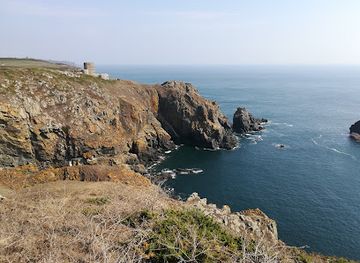
Torteval’s attractions are concentrated along its exposed western and south-western coast and in its quiet rural interior. Pleinmont is the parish’s principal outdoor destination, combining high coastal scenery, walking paths and surviving German Occupation fortifications. The headland offers views across the Atlantic and towards other Channel Islands, while its military structures add historical depth to what might otherwise appear to be a purely natural landscape. Portelet Bay provides a contrasting setting, with a small beach reached by steps between steep rocky sides. St Philippe de Torteval is important for its medieval associations and distinctive octagonal tower. Away from the coast, narrow lanes, field banks and scattered farmhouses reward visitors who explore by bicycle or on foot. Torteval is not a parish of large museums, formal gardens or extensive family attractions; its appeal lies in combining landscape, local history and a slower rural pace. Walkers should allow for uneven surfaces, exposed sections and changing weather, while visitors interested in military history can use the coast to understand how Guernsey was incorporated into the Atlantic Wall during the Occupation.
-
Tourist attraction
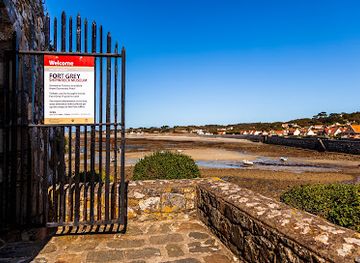
Fort Grey Shipwreck Museum
Explore maritime history and shipwreck tales at Fort Grey Shipwreck Museum in Rocquaine Bay, a captivating experience for all ages.
-
Historical landmark
Bunker
Discover the depths of Guernsey's history at the Bunker, a remarkable World War II landmark offering a glimpse into the island's wartime past.
-
Protestant church
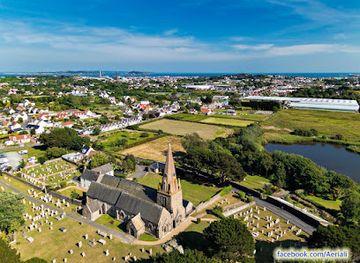
Vale Parish Church
Explore the serene Vale Parish Church, a beautiful Protestant church in Guernsey, surrounded by lush landscapes and rich history.
-
Protestant church
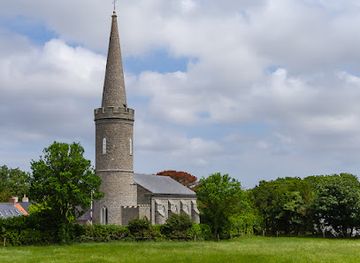
Torteval Parish Church
Explore the tranquil beauty of Torteval Parish Church in Guernsey, a stunning Protestant church with rich history and unique architecture.
Best landmarks in Torteval
Pleinmont Headland is Torteval’s defining geographical landmark, projecting into the Atlantic at the island’s south-western edge and framing long views over open water. Its cliffs and grass-covered slopes are visually striking, but their deeper significance comes from the military remains built during the German Occupation. Concrete observation structures and bunkers form part of the wider Atlantic Wall system and give the headland a strong historical presence. Portelet Bay is another important physical feature: its enclosed beach, steep sides and stepped approach create a marked contrast with the exposed cliffs above Pleinmont. Inland, the parish church of St Philippe de Torteval stands out through its octagonal tower and medieval origins, offering an architectural landmark within an otherwise dispersed landscape. The parish’s lanes, earth banks and farm fields are less monumental but equally revealing, preserving the pattern of a long-established agricultural community. These places are best understood together, as expressions of Torteval’s position between cultivated island countryside, a strategically important wartime coast and the open Atlantic.
-
Museum
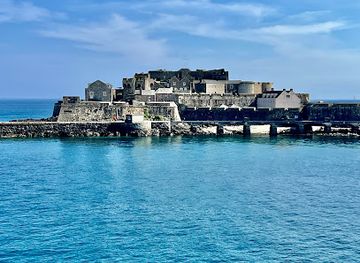
Castle Cornet
Discover the rich history and breathtaking views at Castle Cornet, Guernsey's iconic fortress and museum, a must-visit destination for every traveler.
-
Gastropub
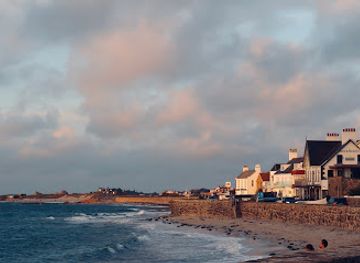
The Rockmount - Randalls
Experience local flavors with stunning coastal views at The Rockmount, Guernsey's top gastropub for tourists seeking a memorable meal.
-
Chapel
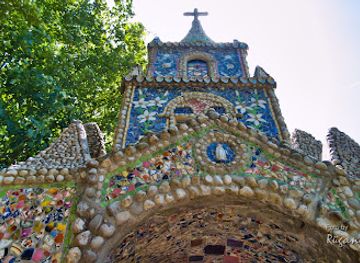
The Little Chapel
Discover the artistic wonder of The Little Chapel in Guernsey, an exquisite blend of faith and creativity amid stunning surroundings.
-
Pub
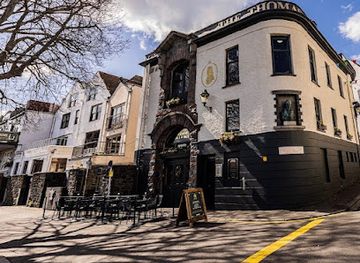
Thomas De La Rue
Discover the vibrant atmosphere and delicious cuisine at Thomas De La Rue, Guernsey's premier gastropub and bar, perfect for all occasions.
Explore Torteval on the map
Plan your trip on one map. See where the top cities, national parks and sights are, and book hotels and experiences in a few clicks.
Best hotels in Torteval
Best restaurants in Torteval
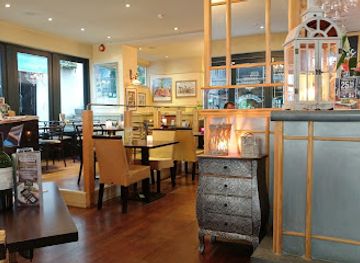
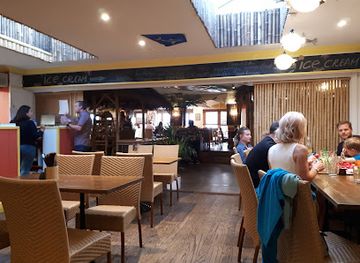
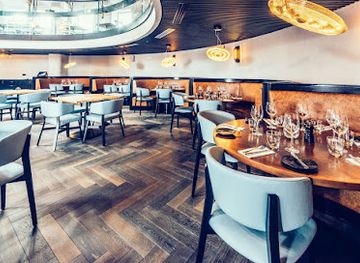
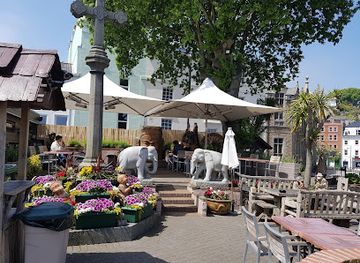
Torteval has limited dining provision within the parish itself, so visitors should plan meals around the wider island rather than expect a concentrated restaurant quarter. The food culture is rooted in Guernsey’s broader island traditions: seafood, locally produced dairy, seasonal vegetables, baked goods and hearty pub-style cooking are more representative than a narrowly defined Torteval cuisine. Guernsey Gâche, a fruit bread traditionally associated with the island, is a familiar local speciality, while Guernsey milk and dairy products reflect the importance of the island’s agricultural heritage. Rural inns and cafés elsewhere in Guernsey provide useful stops before or after a west-coast walk, and farm shops or markets may offer local produce when operating. Coastal outings should not assume that refreshments are available at every viewpoint or bay, particularly outside the main visitor season. For a wider choice of restaurants, cafés and takeaway food, visitors generally travel beyond Torteval to larger settlements, especially St Peter Port, which is outside the parish.
-
Brasserie
Dix Neuf
Discover the charm of Dix Neuf in Guernsey - A brasserie offering exquisite cuisine and an extensive wine selection in a warm atmosphere.
-
Restaurant
Crabby Jack's
Experience exquisite seafood dining at Crabby Jack's in Guernsey, where fresh flavors meet stunning coastal views.
-
Restaurant
Slaughterhouse - Randalls
Discover exquisite dining at Slaughterhouse - Randalls in Guernsey, where fresh local ingredients meet stunning harbor views.
-
Thai
The Terrace Garden Cafe
Discover authentic Thai flavors amidst tranquil surroundings at The Terrace Garden Cafe in Guernsey.
Best bars in Torteval
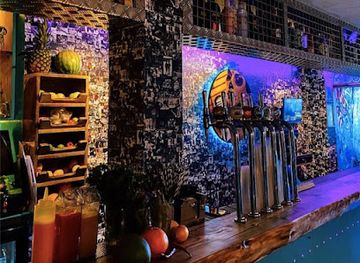
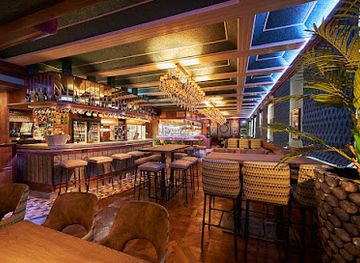
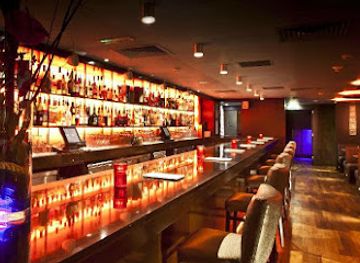
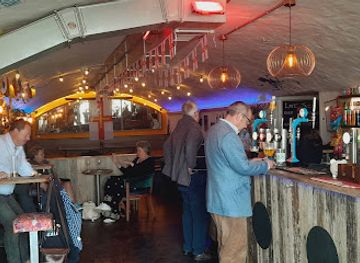
Evening life in Torteval is quiet and rural, with no significant concentration of nightclubs or late-night venues. The parish is better suited to an early meal, a sunset walk when conditions are safe, or a drink in a traditional island pub elsewhere on Guernsey. Its scattered settlement pattern means that visitors should not expect a walkable nightlife district around Pleinmont or Portelet Bay, and transport should be arranged in advance if returning from another part of the island after dark. A broader selection of pubs, bars, restaurants, live entertainment and occasional late-night venues is found in St Peter Port and other built-up areas outside Torteval. Guernsey’s evening culture is generally modest in scale compared with a major city, with social life spread between pubs, dining rooms and seasonal events rather than centred on a large club scene.
-
Gastropub
The Rockmount - Randalls
Experience the best of Guernsey's culinary scene at The Rockmount - Randalls, a charming gastropub along the stunning Côbo Coast.
-
Pub
Thomas De La Rue
Discover the charm of Guernsey at Thomas De La Rue, a delightful gastropub offering local flavors and a vibrant atmosphere.
-
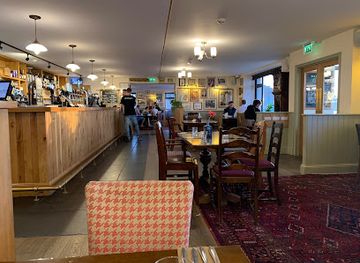
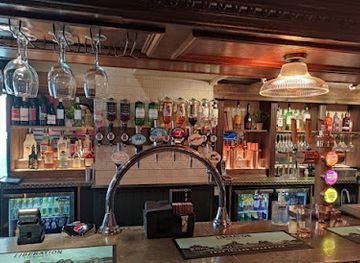
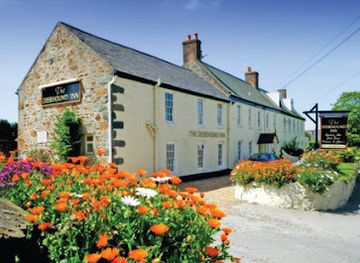
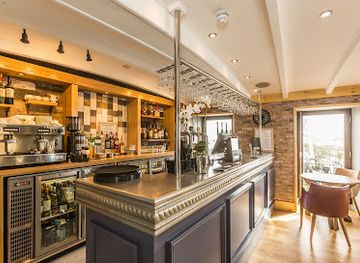
Gastropub
The Deerhound
Experience the heart of Guernsey at The Deerhound Inn, where traditional flavors meet modern gastropub excellence in a cozy setting.
-
Bar
Ship & Crown
Discover the vibrant atmosphere and local flavors of Ship & Crown, a charming bar and restaurant in Guernsey offering stunning coastal views.
Best nightclubs in Torteval
Evening life in Torteval is quiet and rural, with no significant concentration of nightclubs or late-night venues. The parish is better suited to an early meal, a sunset walk when conditions are safe, or a drink in a traditional island pub elsewhere on Guernsey. Its scattered settlement pattern means that visitors should not expect a walkable nightlife district around Pleinmont or Portelet Bay, and transport should be arranged in advance if returning from another part of the island after dark. A broader selection of pubs, bars, restaurants, live entertainment and occasional late-night venues is found in St Peter Port and other built-up areas outside Torteval. Guernsey’s evening culture is generally modest in scale compared with a major city, with social life spread between pubs, dining rooms and seasonal events rather than centred on a large club scene.
-
Cocktail bar
Amigos
Experience the vibrant nightlife of Guernsey at Amigos, a top cocktail bar offering creative drinks and a lively atmosphere for unforgettable nights out.
-
Restaurant
JB Parkers' Bar & Cellar
Experience the unique ambiance, exquisite cocktails, and curated wine selection at JB Parkers' Bar & Cellar in Guernsey.
-
Bar
Mojito
Experience the vibrant nightlife of Guernsey at Mojito, where creative cocktails and a lively atmosphere await you.
-
Bar
PingQuay
Discover the lively ambiance and signature jazz nights at PingQuay, the premier bar in Guernsey’s beautiful Channel Islands.
Best shops in Torteval
Torteval itself has little conventional shopping, and visitors should not expect a high street, large supermarket or concentrated craft quarter. Shopping associated with the parish is more likely to involve local food, small-scale produce and practical supplies obtained elsewhere on Guernsey before heading to the western coast. The island’s larger settlements provide independent shops, galleries, bookshops, bakeries and food retailers, while markets and farm-oriented outlets may offer seasonal produce when operating. Guernsey dairy products, locally made foods, traditional baked goods and island-themed crafts make more meaningful souvenirs than generic coastal merchandise. St Peter Port, outside Torteval, has the island’s broadest retail choice, including the main selection of independent businesses and everyday shops. Visitors travelling by bus or bicycle should plan purchases around their route, since rural west-coast stops do not generally provide extensive opportunities for browsing or stocking up.
-
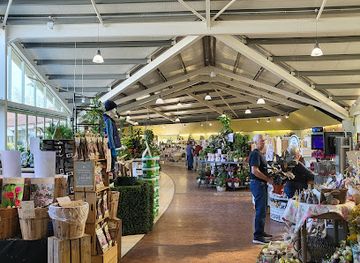
Garden center
Le Friquet Home of Garden & Living
Unwind in nature’s embrace at Le Friquet Home of Garden & Living, where lush gardens meet a cozy café in the heart of Guernsey.
-
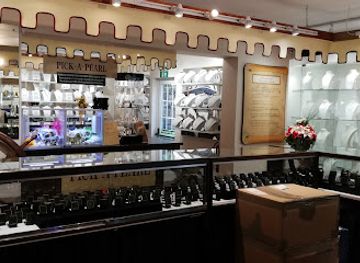
Jewelry store
Guernsey Pearl
Explore exquisite jewelry at Guernsey Pearl, where local craftsmanship meets stunning design, perfect for unique souvenirs.
-
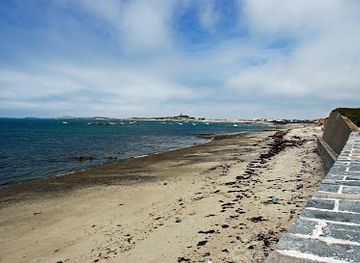
Public beach
Portelet Bay
Explore the tranquil beauty of Portelet Bay, a public beach in Guernsey perfect for relaxation and coastal adventures amidst stunning scenery.
-
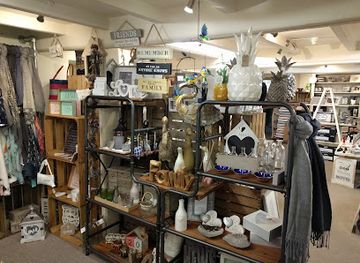
Gift shop
Guernsey Candles
Explore the enchanting world of handmade candles at Guernsey Candles, a unique gift shop highlighting local artistry and craftsmanship.
Get your free copy of our complete guide to Torteval, delivered straight to you.
Everything on this page, from attractions and restaurants to essentials and local phrases, in one PDF you can read offline, print or share.
Already have an account? Sign in
Your Torteval guide is ready.
We'll send it to · Not you? Sign out

Getting your guide ready…
We are putting together a fresh copy of the Torteval guide. This can take up to a minute.
This can take a few moments. If your browser asks, choose Allow so the download can start. You'll find the guide in your Downloads folder.
Nothing happened? Download it again
Sorry, the guide is taking longer than usual. Please try again in a minute, or get it by email instead.
Torteval essentials
Currency and Payment
Safety
Emergency Situations
Do's and Don'ts
Local Tips
From Eve
Local phrases worth knowing
You don't need to get them perfect. A few words go a long way, and locals appreciate the effort.
Basics
| English | Local | Say it |
|---|---|---|
| Hello | Bonjour | [bɔ̃ʒuʁ] |
| Goodbye | Au revoir | [o ʁə.vwaʁ] |
| Yes | Oui | [wi] |
| No | Non | [nɔ̃] |
| Please/You're welcome | S'il vous plaît | [sil vu plɛ] |
| Thank you | Merci | [mɛʁ.si] |
| Excuse me/Sorry | Excusez-moi | [ɛkskyze mwa] |
| How are you? | Comment ça va? | [kɔ.mɑ̃ sa va] |
| Fine. And you? | Bien. Et vous? | [bjɛ̃ e vu] |
| Do you speak English? | Parlez-vous anglais? | [paʁ.le vu ɑ̃ɡ.le] |
| I don't understand | Je ne comprends pas | [ʒə nə kɔ̃pʁɑ̃ pa] |
Eating & Drinking
| English | Local | Say it |
|---|---|---|
| I'd like to see the menu, please | Je voudrais voir le menu, s'il vous plaît | [ʒə vudʁɛ vwaʁ lə məny, sil vu plɛ] |
| I don't eat meat | Je ne mange pas de viande | [ʒə nə mɑ̃ʒ pa də vjɑ̃d] |
| Cheers! | Santé! | [sɑ̃.te] |
| I would like to pay, please | Je voudrais payer, s'il vous plaît | [ʒə vudʁɛ pe.je, sil vu plɛ] |
Emergencies
| English | Local | Say it |
|---|---|---|
| Help! | Au secours! | [o sə.kuʁ] |
| Go away! | Allez-vous-en! | [a.le vu zɑ̃] |
| Call the Police! | Appelez la police! | [a.pe.le la pɔ.lis] |
| Call a doctor! | Appelez un médecin! | [a.pe.le ɛ̃ mɛ.də.sɛ̃] |
| I'm lost | Je suis perdu | [ʒə sɥi pɛʁ.dy] |
| I'm ill | Je suis malade | [ʒə sɥi ma.lad] |
Shopping
| English | Local | Say it |
|---|---|---|
| I'd like to buy... | Je voudrais acheter... | [ʒə vudʁɛ aʃ.te] |
| I'm just looking | Je regarde juste | [ʒə ʁə.ɡaʁd ʒyst] |
| How much is it? | C'est combien? | [se kɔ̃.bjɛ̃] |
| That's too expensive | C'est trop cher | [se tʁo ʃɛʁ] |
| Can you lower the price? | Pouvez-vous baisser le prix? | [pu.ve vu bɛ.se lə pʁi] |
Time & Numbers
| English | Local | Say it |
|---|---|---|
| What time is it? | Quelle heure est-il? | [kɛl œʁ ɛ til] |
| It's one o'clock | Il est une heure | [il ɛ yn œʁ] |
| Half past (10) | Dix heures et demie | [dis œʁ e də.mi] |
| Morning | Matin | [ma.tɛ̃] |
| Afternoon | Après-midi | [a.pʁɛ.mi.di] |
| Evening | Soir | [swaʁ] |
| Yesterday | Hier | [jɛʁ] |
| Today | Aujourd'hui | [o.ʒuʁ dɥi] |
| Tomorrow | Demain | [də.mɛ̃] |
| 1 | Un | [œ̃] |
| 2 | Deux | [dø] |
| 3 | Trois | [tʁwa] |
| 4 | Quatre | [katʁ] |
| 5 | Cinq | [sɛ̃k] |
| 6 | Six | [sis] |
| 7 | Sept | [sɛt] |
| 8 | Huit | [ɥit] |
| 9 | Neuf | [nœf] |
| 10 | Dix | [dis] |
Transport & Directions
| English | Local | Say it |
|---|---|---|
| Where's a/the...? | Où est un/une...? | [u ɛ ɛ̃/yn] |
| What's the address? | Quelle est l'adresse? | [kɛl ɛ l‿a.dʁɛs] |
| Can you show me (on the map)? | Pouvez-vous me montrer (sur la carte)? | [pu.ve vu mə mɔ̃.tʁe syʁ la kaʁt] |
| When's the next (bus)? | Quand est le prochain (bus)? | [kɑ̃ ɛ lə pʁɔ.ʃɛ̃] |
| A ticket (to ....) | Un billet (pour ....) | [ɛ̃ bi.jɛ (puʁ ....)] |
History of Torteval
Prehistoric settlement and the western landscape
Guernsey’s prehistoric communities used its western headlands, valleys and coastal areas for farming, burial and seasonal activity, although Torteval’s surviving archaeological landscape is less densely marked than some other parts of the island. The parish’s cliffs and headlands formed part of a wider island environment shaped by changing sea levels, erosion and cultivation. Earth banks, field patterns and ancient lanes preserve traces of how later communities divided and worked the land.
The medieval parish and St Philippe de Torteval
Torteval developed as one of Guernsey’s ecclesiastical parishes during the medieval period, when parish churches structured both worship and local administration. St Philippe de Torteval retains medieval associations and is notable for its unusual octagonal tower, a feature that gives the small parish a strong architectural identity. The church also reflects Guernsey’s position between Norman and English cultural spheres, with the island’s historic links to Normandy remaining visible in place names and religious traditions.
Norman and English island connections
After the Norman Conquest, the Channel Islands remained linked to the English Crown while retaining deep connections with Normandy. Torteval’s language, field names and settlement pattern developed within this distinctive island society. For centuries, most residents lived through a combination of small-scale agriculture, fishing, maritime work and trade. The parish’s dispersed settlement pattern, rather than a conventional village, reflects the wider rural character of Guernsey and the limited space available on the island.
Agriculture, cider and rural change
Before tourism transformed Guernsey’s economy, Torteval was primarily an agricultural parish. Small fields, grazing land, orchards and household gardens supported local livelihoods, while cider-making formed part of traditional island rural life. Guernsey’s famous greenhouse cultivation later became particularly important elsewhere on the island, but Torteval retained a more open, pastoral character. Mechanisation, changing markets and the decline of smallholdings gradually altered the countryside without erasing its lanes, banks and farmsteads.
The German Occupation, 1940–1945
Guernsey was occupied by German forces during the Second World War, and Torteval’s western position made its coast strategically important. Pleinmont contains bunkers, observation posts and other elements of the Atlantic Wall defensive system, built to monitor and protect the occupied Channel Islands. The military remains are now among the parish’s most visible historical features. They also provide a sombre reminder that the island’s scenic coast was once a heavily controlled and fortified frontier.
Post-war heritage and coastal conservation
After liberation in 1945, Guernsey’s military structures gradually became part of the island’s historic landscape rather than active defences. Torteval’s cliffs, bays and rural lanes have since been valued for walking, scenery and heritage interpretation. The parish’s contemporary identity rests on this combination of open countryside and preserved Occupation remains. Coastal management, responsible access and the protection of fragile cliff environments remain important as visitors explore the western edge.
Torteval in Photos
Browse through our photo collection highlighting the charm and character of the destination.
Neighbouring regions of Torteval
The closest regions to Torteval, if you have time for more than one.
-

-

-
-
-


Swipe for more regions

