

Free Lihou Travel Guide & Mobile App
Explore Lihou with free travel guides. Discover regional history, expert tips, proposed trips, and audio guides on web or mobile app.


Explore Lihou, Guernsey’s tidal island, for a medieval priory, rocky coast, Venus Pool and a carefully timed causeway crossing.
Read more about Lihou
When is the best time to visit Lihou?
Best: June–August · 18–20°C| Month | High (°C) | Rainfall (mm) |
|---|---|---|
| January | 9 | 85 |
| February | 9 | 75 |
| March | 10 | 65 |
| April | 12 | 55 |
| May | 15 | 45 |
| June (best) | 18 | 35 |
| July (best) | 20 | 35 |
| August (best) | 20 | 45 |
| September | 18 | 55 |
| October | 15 | 65 |
| November | 12 | 75 |
| December | 10 | 85 |
Getting to and around Lihou
How to get there
Transportation
Best attractions in Lihou
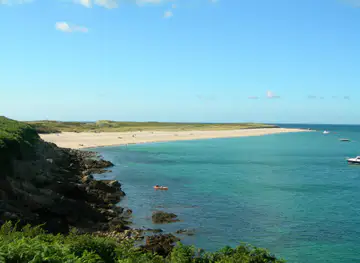
Lihou’s attractions are concentrated in a small area, but they combine history, tidal geography and outdoor exploration in a way that is unusual even within the Channel Islands. The approach across the causeway is the defining experience, with the route appearing and disappearing according to the tide. On the island, the remains of Lihou Priory provide the principal historic focus, while the surrounding grassland and shore offer space for quiet walking, photography and wildlife observation. The Venus Pool is the best-known natural feature and may be suitable for swimming at appropriate states of the tide, although it is neither supervised nor free from coastal hazards. Rocky platforms, small coves and exposed shoreline reveal changing marine life as the water falls. Visitors interested in birds and coastal ecology should explore patiently and avoid nesting areas or fragile habitats. Lihou House and associated accommodation add a distinctive dimension for those with a confirmed booking, but the island has no conventional visitor infrastructure. Lihou is therefore less a collection of separate attractions than a compact landscape in which a tidal crossing, medieval ruins, open coast and natural bathing pool are closely connected.
-
Museum
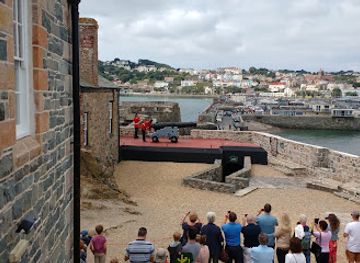
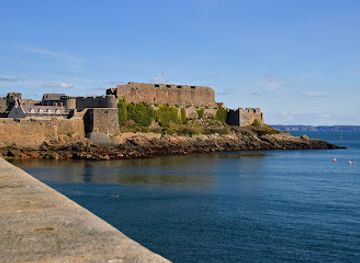
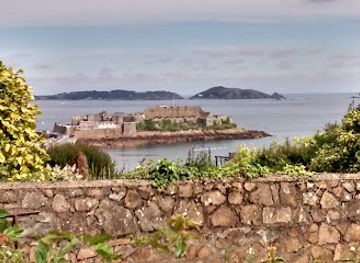
Castle Cornet
Explore Castle Cornet, a historic fortress in Guernsey offering rich exhibits, panoramic views, and beautiful gardens amidst a stunning coastal backdrop.
-
Chapel
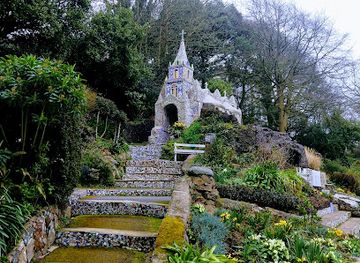
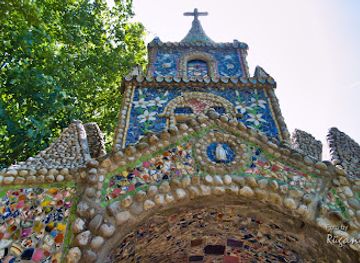
The Little Chapel
Explore the enchanting Little Chapel in Guernsey, a stunning mosaic marvel offering tranquility and a unique spiritual experience.
-
Leisure centre
Beau Sejour Leisure Centre
Experience fun and fitness at Beau Sejour Leisure Centre, Guernsey's premier destination for recreation and relaxation.
-
Museum
Guernsey Museum & Art Gallery
Immerse yourself in Guernsey's history and art at the Guernsey Museum & Art Gallery, a must-visit cultural hub for every tourist.

Best landmarks in Lihou
The most recognisable landmark is the Lihou causeway, a constructed route across the tidal shore that links the island to Guernsey only during limited periods. Its changing visibility expresses the physical condition that defines Lihou and makes it more than an ordinary coastal footpath. Lihou Priory is the island’s principal historic landmark: the surviving medieval masonry marks the former religious foundation associated with Mont Saint-Michel and places the small island within the medieval ecclesiastical geography of the Channel. The ruins are valued for their setting as much as for their scale, standing amid open ground and sea horizons rather than a developed settlement. The Venus Pool is Lihou’s best-known natural landmark, a rock pool shaped by the tides and frequently used for bathing when conditions permit. Around these features, the low cliffs and granite shore form a continuous coastal landmark, with broad views over the waters west of Guernsey. None should be treated as a conventional, fully serviced monument; their significance depends on tide, weather, conservation and the visitor’s ability to approach them responsibly.
-
Museum
Castle Cornet
Explore the fascinating history and stunning views of Castle Cornet, Guernsey's iconic fortress and museum, rich in military heritage.
-
Chapel
The Little Chapel
Discover the enchanting beauty of The Little Chapel in Guernsey, a captivating blend of art, tranquility, and spiritual reflection.
-
Museum
Hauteville House
Explore the enchanting Hauteville House, the historic home of Victor Hugo in Guernsey, where literature and history come alive in a captivating museum experience.
-
Castle
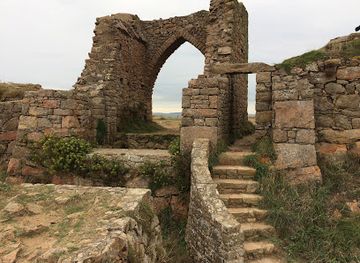
Grosnez Castle
Explore Grosnez Castle in Jersey: a historic gem with stunning coastal views and a deep connection to the island's past.
Explore Lihou on the map
Plan your trip on one map. See where the top cities, national parks and sights are, and book hotels and experiences in a few clicks.
Best hotels in Lihou
Best restaurants in Lihou
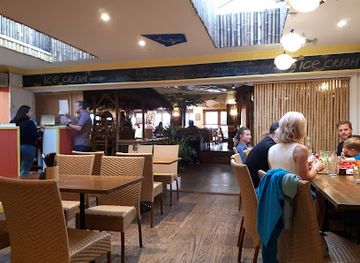
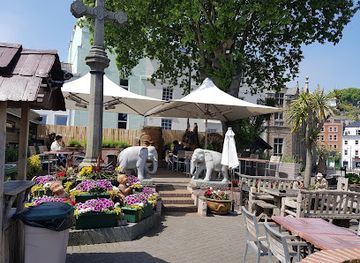
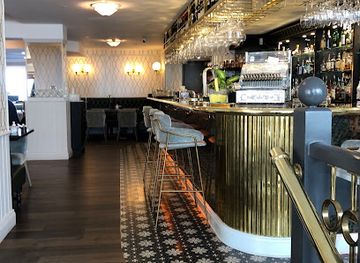
Lihou has no restaurant, café, shop or pub, so dining requires preparation on Guernsey or arrangements made in advance for an accommodation stay. Visitors making a day trip should carry food and water, taking care to remove all packaging and leftovers. The practical contrast with Lihou is found on the main island, where Guernsey’s food culture includes seafood, dairy produce, local vegetables, orchard fruit, traditional baking and dishes associated with the wider Channel Islands. Around Guernsey, visitors can find pubs, cafés, restaurants and food shops rather than a dining scene on Lihou itself. Guernsey Gâche, a fruit bread traditionally associated with the island, is a useful local bakery reference, while Guernsey milk and seafood reflect the Bailiwick’s farming and maritime setting. Any food brought to Lihou should be simple, securely packed and suitable for outdoor conditions, with no expectation of purchasing provisions after crossing the causeway.
-
Brasserie
Dix Neuf
Experience the flavors of Guernsey at Dix Neuf, where local ingredients meet brasserie charm for unforgettable meals.
-
Restaurant
Crabby Jack's
Experience exquisite seafood dining at Crabby Jack's in Guernsey, where fresh ingredients meet breathtaking coastal views.
-
Thai
The Terrace Garden Cafe
Discover vibrant Thai flavors amidst serene gardens at The Terrace Garden Cafe in Guernsey – perfect for food enthusiasts!
-
Brasserie
Christies Brasserie
Discover the culinary delights at Christies Brasserie in Guernsey - where local flavors meet stunning bay views.
Best bars in Lihou
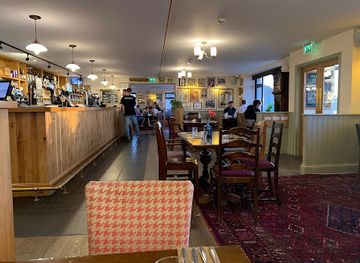
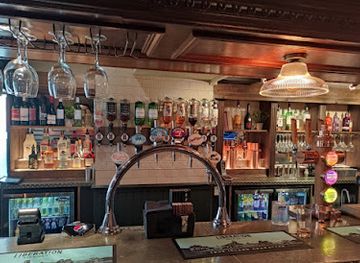
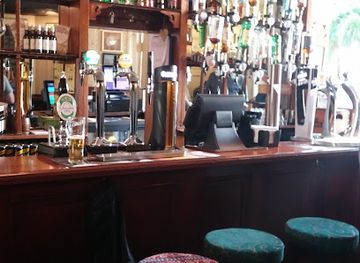
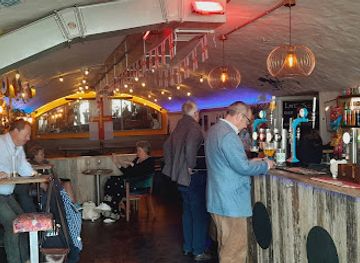
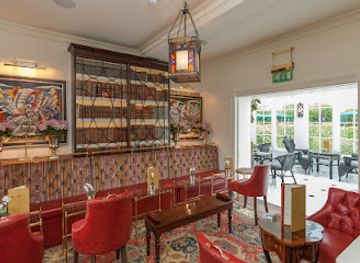
Lihou has no bars, nightclubs or evening entertainment venues. After the final safe crossing, the island’s atmosphere is shaped by wind, darkness, the sound of the sea and the quiet of its rural setting rather than organised nightlife. Visitors seeking a drink, live music or a later evening meal need to remain on Guernsey, where the main concentration of pubs, bars and entertainment is in and around St Peter Port, outside the Lihou region. On the main island, traditional pubs and restaurants provide a more typical Channel Island evening, while nightlife is generally modest compared with a large mainland city. Anyone staying on Lihou should plan evening provisions in advance and should never postpone the return crossing in order to extend time elsewhere. The island is best suited to sunset observation, conversation and low-key accommodation rather than a club-oriented visit.
-
Gastropub
The Rockmount - Randalls
Experience the flavors of Guernsey at The Rockmount - Randalls, a seaside gastropub offering a perfect blend of local cuisine and stunning views.
-
Pub
Thomas De La Rue
Experience Guernsey's vibrant pub culture at Thomas De La Rue, where local flavors and friendly atmospheres meet.
-
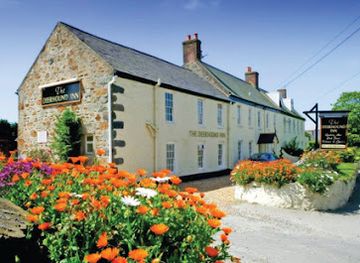
Gastropub
The Deerhound
Experience the exquisite flavors of Guernsey at The Deerhound, a charming gastropub and inn in the heart of Le Bourg.
-
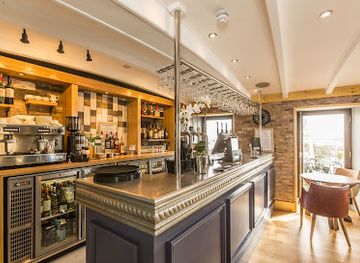
Bar
Ship & Crown
Experience the coastal charm of Guernsey at Ship & Crown, a vibrant bar and restaurant perfect for relaxing and enjoying delicious local cuisine.
Best nightclubs in Lihou
Lihou has no bars, nightclubs or evening entertainment venues. After the final safe crossing, the island’s atmosphere is shaped by wind, darkness, the sound of the sea and the quiet of its rural setting rather than organised nightlife. Visitors seeking a drink, live music or a later evening meal need to remain on Guernsey, where the main concentration of pubs, bars and entertainment is in and around St Peter Port, outside the Lihou region. On the main island, traditional pubs and restaurants provide a more typical Channel Island evening, while nightlife is generally modest compared with a large mainland city. Anyone staying on Lihou should plan evening provisions in advance and should never postpone the return crossing in order to extend time elsewhere. The island is best suited to sunset observation, conversation and low-key accommodation rather than a club-oriented visit.
-
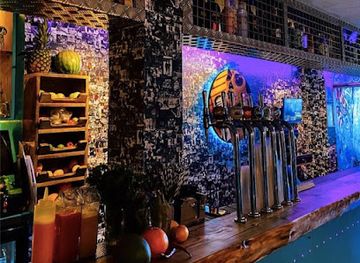
Cocktail bar
Amigos
Experience the vibrant nightlife of Guernsey at Amigos – a cocktail bar known for its creative drinks and friendly atmosphere.
-
Bar
The Swan Inn
Experience the vibrant atmosphere at The Swan Inn in Guernsey, where local charm and great drinks come together for an unforgettable night.
-
Bar
PingQuay
Experience the enchanting ambiance of PingQuay, a picturesque bar in Guernsey with stunning harbor views and a wide selection of drinks.
-
Bar
The Crown Club at Old Government House Hotel
Experience luxury at The Crown Club in Guernsey, where elegant cocktails meet gourmet dining in a historic setting.
Best shops in Lihou
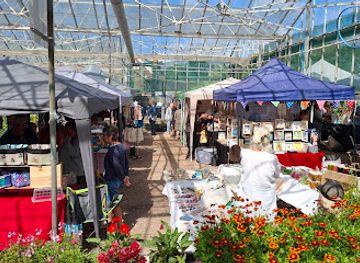
There is no shopping on Lihou, so visitors must buy food, drink, outdoor equipment and any souvenirs on Guernsey before making the crossing. The island’s appropriate souvenirs are therefore memories, photographs and an appreciation of its landscape rather than purchases made on site. On Guernsey, shopping ranges from independent stores and food shops in St Peter Port to village businesses, galleries, craft outlets and market-style food sellers elsewhere on the main island. Regional products can include Guernsey dairy goods, local preserves, baked items, seafood and crafts inspired by the Bailiwick’s maritime and rural identity. Visitors should distinguish products genuinely made in Guernsey from generic Channel Islands merchandise. Because Lihou is environmentally sensitive, avoid leaving packaging or collecting stones, shells, plants or historic fragments as souvenirs. Practical shopping is best completed before checking the tide, since there is no opportunity to obtain supplies after crossing.
-
Garden center
Le Friquet Home of Garden & Living
Explore the beauty of nature at Le Friquet Home of Garden & Living, a garden center and café in Castel, Guernsey, perfect for plant lovers and casual visitors.
-
Gift shop
Earlswood Garden Centre & Café
Explore the delightful Earlswood Garden Centre & Café in Guernsey – a perfect blend of nature, shopping, and culinary delights for every traveler.
-
Jewelry store
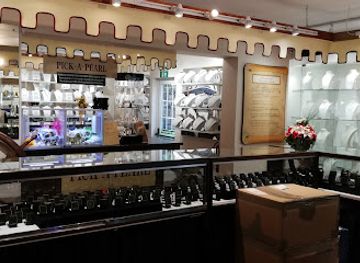
Guernsey Pearl
Experience the exquisite craftsmanship of Guernsey Pearl, a jewelry store that captures the beauty and essence of Guernsey.
-
Home improvement store
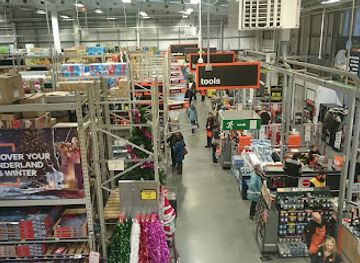
B&Q St Peter Port - Guernsey
Explore B&Q St Peter Port for all your home improvement needs, from DIY tools to festive decorations and everything in between.

Get your free copy of our complete guide to Lihou, delivered straight to you.
Everything on this page, from attractions and restaurants to essentials and local phrases, in one PDF you can read offline, print or share.
Already have an account? Sign in
Your Lihou guide is ready.
We'll send it to · Not you? Sign out

Getting your guide ready…
We are putting together a fresh copy of the Lihou guide. This can take up to a minute.
This can take a few moments. If your browser asks, choose Allow so the download can start. You'll find the guide in your Downloads folder.
Nothing happened? Download it again
Sorry, the guide is taking longer than usual. Please try again in a minute, or get it by email instead.
Lihou essentials
Currency and Payment
Safety
Emergency Situations
Do's and Don'ts
Local Tips
From Eve
Local phrases worth knowing
You don't need to get them perfect. A few words go a long way, and locals appreciate the effort.
Basics
| English | Local | Say it |
|---|---|---|
| Hello | Bonjour | [bawn-zhoor] |
| Goodbye | Au revoir | [oh ruh-vwahr] |
| Yes | Oui | [wee] |
| No | Non | [noh] |
| Please/You're welcome | S'il vous plaît | [seel voo pleh] |
| Thank you | Merci | [mehr-see] |
| Excuse me/Sorry | Pardon | [par-dohn] |
| How are you? | Comment ça va? | [koh-mahn sah vah] |
| Fine. And you? | Bien. Et vous? | [byan. eh voo] |
| Do you speak English? | Parlez-vous anglais? | [par-lay voo ahn-glay] |
| I don't understand | Je ne comprends pas | [zhuh nuh kom-prahn pah] |
Eating & Drinking
| English | Local | Say it |
|---|---|---|
| I'd like to see the menu, please | Je voudrais voir le menu, s'il vous plaît | [zhuh voo-dray vwar luh meh-nu, seel voo pleh] |
| I don't eat meat | Je ne mange pas de viande | [zhuh nuh mahnj pah duh vyahnd] |
| Cheers! | Santé! | [sahn-tay] |
| I would like to pay, please | Je voudrais payer, s'il vous plaît | [zhuh voo-dray pay-ay, seel voo pleh] |
Emergencies
| English | Local | Say it |
|---|---|---|
| Help! | Au secours! | [oh se-koor] |
| Go away! | Allez-vous-en! | [ah-lay voo zahn] |
| Call the Police! | Appelez la police! | [ah-peh-lay lah poh-lees] |
| Call a doctor! | Appelez un docteur! | [ah-peh-lay uhn doh-kteur] |
| I'm lost | Je suis perdu | [zhuh swee pair-due] |
| I'm ill | Je suis malade | [zhuh swee mah-lahd] |
Shopping
| English | Local | Say it |
|---|---|---|
| I'd like to buy... | Je voudrais acheter... | [zhuh voo-dray ah-sheh-tay] |
| I'm just looking | Je regarde juste | [zhuh ruh-gard zhoost] |
| How much is it? | C'est combien? | [say kom-byen] |
| That's too expensive | C'est trop cher | [say troh shair] |
| Can you lower the price? | Pouvez-vous baisser le prix? | [poo-vay voo beh-say luh pree] |
Time & Numbers
| English | Local | Say it |
|---|---|---|
| What time is it? | Quelle heure est-il? | [kel uhr eh-teel] |
| It's one o'clock | Il est une heure | [eel eh ewn uhr] |
| Half past (10) | Dix heures et demie | [dees uhr eh duh-mee] |
| Morning | Matin | [mah-tahn] |
| Afternoon | Après-midi | [ah-pray mee-dee] |
| Evening | Soir | [swahr] |
| Yesterday | Hier | [ee-air] |
| Today | Aujourd'hui | [oh-zhoor dwee] |
| Tomorrow | Demain | [duh-mahn] |
| 1 | Un | [uhn] |
| 2 | Deux | [duh] |
| 3 | Trois | [trwah] |
| 4 | Quatre | [katr] |
| 5 | Cinq | [sank] |
| 6 | Six | [sees] |
| 7 | Sept | [set] |
| 8 | Huit | [weet] |
| 9 | Neuf | [nuhf] |
| 10 | Dix | [dees] |
Transport & Directions
| English | Local | Say it |
|---|---|---|
| Where's a/the...? | Où est un/une...? | [oo eh uhn/oon] |
| What's the address? | Quelle est l'adresse? | [kel eh lah-dress] |
| Can you show me (on the map)? | Pouvez-vous me montrer (sur la carte)? | [poo-vay voo muh mohn-tray (sur lah kart)] |
| When's the next (bus)? | Quand est le prochain (bus)? | [kahn eh luh pro-shen (boos)] |
| A ticket (to ....) | Un billet (pour....) | [uhn bee-yay (poor....)] |
History of Lihou
Early Coastal Settlement and Use
Lihou’s position beside Guernsey’s western shore placed it within a wider landscape used by people long before the modern causeway existed. The surrounding coast contains evidence of prehistoric activity, although the island is better known for its later religious remains than for a single, fully documented prehistoric monument. Its rocky foreshore, fresh-air exposure and access to marine resources would have connected it to the seasonal patterns of the main island. The archaeological record of the wider Bailiwick shows that Guernsey’s small islands and headlands were part of a long-lived maritime environment rather than isolated spaces without human influence.
The Medieval Priory
During the medieval period, Lihou became the site of a priory dedicated to the Virgin Mary and linked to the Benedictine abbey of Mont Saint-Michel. The foundation formed part of the religious and maritime world joining Normandy, the Channel Islands and the coast of France. Monastic communities used such outlying sites for worship, administration and retreat, while their presence also gave the island a place in regional networks of landholding and ecclesiastical authority. The surviving ruins are fragmentary, but they remain the clearest physical reminder of Lihou’s medieval importance.
The Reformation and Dissolution
The priory’s religious role ended during the Reformation, when the English Crown dissolved monasteries and religious houses in the sixteenth century. Communities associated with continental abbeys were particularly vulnerable to political change because their possessions and loyalties crossed the Channel. After the dissolution, Lihou ceased to function as a monastic foundation and its buildings gradually lost their original purpose. The later history of the island was shaped more by private ownership, agriculture and coastal use than by ecclesiastical life, leaving the ruined priory as a historical layer within a working and changing landscape.
Private Estate and Agricultural Island
Following the end of the priory, Lihou was incorporated into private landholding on Guernsey’s western side. The island was used as a small estate and agricultural holding, with buildings adapted to changing practical needs rather than preserved as a medieval complex. Its history reflects the wider transformation of Channel Island religious properties after the Reformation, when former monastic land passed into secular ownership. The surviving house, outbuildings and field patterns are reminders that Lihou was not only a place of ruins and coastal scenery but also a lived and managed rural property.
The German Occupation of Guernsey, 1940–1945
Lihou formed part of the occupied landscape of Guernsey during the Second World War, when German forces controlled the Bailiwick from 1940 until Liberation in 1945. The occupation altered movement, land use and coastal security throughout the islands. Lihou’s exposed position made the surrounding coastline part of a militarised environment, even though the principal surviving story of the island remains its priory and natural setting. The period is important in understanding why apparently remote parts of Guernsey cannot be separated entirely from the strategic history of the Channel Islands.
Conservation and Public Stewardship
In the late twentieth and early twenty-first centuries, Lihou’s future increasingly centred on conservation, public access and the protection of its historic and natural character. The island came under public and charitable stewardship, with accommodation and visitor arrangements developed in ways intended to support education and responsible enjoyment. The causeway remains governed by the tides, while the priory ruins and coastline require care rather than intensive development. Contemporary Lihou is therefore the product of several layers of management: medieval religious use, private estate ownership, wartime occupation and modern community-minded conservation.
Lihou in Photos
Browse through our photo collection highlighting the charm and character of the destination.
Neighbouring regions of Lihou
The closest regions to Lihou, if you have time for more than one.
-

-
-
-
-


Swipe for more regions
Explore more

Explore more of Guernsey
Discover Guernsey, where French and British cultures blend seamlessly amidst stunning coastal scenery, rich history, and delectable cuisine in the charming Channel Islands.
Explore Guernsey