

Free East Berbice-Corentyne Travel Guide & Mobile App
Explore East Berbice-Corentyne with free travel guides. Discover regional history, expert tips, proposed trips, and audio guides on web or mobile app.


Explore East Berbice-Corentyne in Guyana for river heritage, New Amsterdam, plantation history, rice country and richly varied coastal culture.
Read more about East Berbice-Corentyne
When is the best time to visit East Berbice-Corentyne?
Best: December–February · 31°C| Month | High (°C) | Rainfall (mm) |
|---|---|---|
| January (best) | 31 | 100 |
| February (best) | 31 | 90 |
| March | 32 | 120 |
| April | 32 | 140 |
| May | 32 | 160 |
| June | 32 | 200 |
| July | 32 | 180 |
| August | 32 | 170 |
| September | 32 | 150 |
| October | 31 | 130 |
| November | 31 | 110 |
| December (best) | 31 | 100 |
Getting to and around East Berbice-Corentyne
How to get there
Transportation
Top city travel guides in East Berbice-Corentyne
The cities of East Berbice-Corentyne, and the easiest places to base yourself.
-

-
-


Swipe for more cities
Best attractions in East Berbice-Corentyne
East Berbice-Corentyne’s attractions are spread across a working agricultural landscape rather than concentrated in a formal sightseeing circuit. New Amsterdam provides the strongest base for heritage walks, markets, churches and civic architecture, while the Berbice riverfront and surrounding waterways introduce visitors to the region’s historic dependence on river transport. Excursions by boat can reveal mangroves, wetlands, fishing activity and birdlife, but should be arranged with local operators who understand the channels and tides. Inland and coastal drives pass rice fields, sugar lands, drainage canals and villages shaped by successive waves of settlement. History-minded travellers can explore the story of Dutch Berbice, Fort Nassau and the 1763 rebellion through local interpretation and carefully planned visits to river districts. The Corentyne corridor offers glimpses of plantation heritage, market life and Hindu and Muslim religious culture, while rural areas are suited to birdwatching and landscape photography. The region’s appeal lies in seeing how agriculture, water management, migration and colonial history continue to shape an inhabited landscape.
-
Museum
Guyana National Museum
Explore the rich cultural heritage and natural wonders of Guyana at the National Museum located in Georgetown, a must-visit tourist attraction.
-
Park
Promenade Gardens Guyana
Explore the lush landscapes of Promenade Gardens in Georgetown, Guyana - a serene oasis for relaxation and cultural discovery.
-
Market
Rose Hall Market
Experience the vibrant culture, delicious food, and unique crafts at Rose Hall Market in Port Mourant, Guyana.
-
Market
Skeldon Market
Explore the lively Skeldon Market in Guyana, where fresh produce, local delicacies, and vibrant culture come together in a unique shopping experience.


Best landmarks in East Berbice-Corentyne
New Amsterdam’s historic townscape is the region’s most accessible architectural landmark, with old churches, civic buildings, commercial premises and established streets recalling its development as a colonial administrative and trading centre. The Berbice River itself is a geographical and historical landmark: its broad channels connected plantations, forts, settlements and markets long before modern roads crossed the coastal plain. Farther upstream, the remains of Fort Nassau are associated with the early Dutch colony of Berbice and the strategic importance of river transport, although the site is remote and should be approached with local guidance. The communities and plantation districts of the Corentyne preserve a less monumental but equally significant landscape of sugar estates, rice fields, canals, kokers and drainage works. The Berbice River Bridge is a modern transport landmark linking the eastern region with the rest of Guyana, while market towns, temples, mosques and churches express the layered cultural history created through emancipation, indentureship and migration.
-
Monument
The 1763 Monument
Discover the historical significance of The 1763 Monument in Georgetown, a powerful symbol of freedom and resilience in Guyana's rich history.
-
Market
Rose Hall Market
Discover the authentic flavors and vibrant culture at Rose Hall Market, a must-visit destination in Port Mourant for every traveler.
-
Tour agency
Blackwater Adventures
Discover the beauty of Guyana's wilderness with Blackwater Adventures, offering exceptional fishing charters and unforgettable eco-tours.
-
Beach
Number 63 Beach
Experience the tranquility of Number 63 Beach in Guyana, a perfect blend of natural beauty and local culture for an unforgettable beach getaway.


Explore East Berbice-Corentyne on the map
Plan your trip on one map. See where the top cities, national parks and sights are, and book hotels and experiences in a few clicks.
Best hotels in East Berbice-Corentyne
Best restaurants in East Berbice-Corentyne
Dining in East Berbice-Corentyne is generally informal and closely linked to local households, markets, roadside stalls, cafés and small restaurants. Rice is central to the everyday table, appearing with curries, stews, fish, chicken, vegetables and Guyanese-style cook-up rice. Roti, dhal puri, pepperpot and metemgee reflect the region’s African, Indian, Indigenous and wider Caribbean influences, while fresh river and coastal fish are common in areas connected to fishing communities. New Amsterdam and the larger Corentyne towns offer the broadest choice of sit-down food, takeaway counters and bakeries; rural villages may have fewer options and earlier closing times. Seasonal fruit, cassava, plantain and locally grown vegetables appear in markets and home cooking. Visitors should ask about spice levels, ingredients and preparation methods, especially where dietary requirements matter. The most distinctive meals are often found through local recommendations rather than formal fine-dining venues.
-
Restaurant
Big B's Baksh Restaurant (Halall) - Rosignol
Experience authentic Guyanese halal cuisine at Big B's Baksh Restaurant in Rosignol - where every bite tells a story.
-
Restaurant
La Caribe Diner
Experience authentic Caribbean cuisine at La Caribe Diner in New Amsterdam - where flavor meets culture.
-
Halal
Ali's Halaal Snackette
Discover authentic Halal cuisine at Ali's Halaal Snackette in Port Mourant – where flavor meets tradition.
-
 Lounge
Sha'veh Restaurant And Lounge
Experience vibrant dining at Sha'veh Restaurant And Lounge in Port Mourant, where local flavors meet international flair in an inviting atmosphere.


Best bars in East Berbice-Corentyne
Evening life in East Berbice-Corentyne is centred on rum shops, neighbourhood bars, restaurants, social clubs, family gatherings and occasional live music rather than a large, concentrated nightclub scene. New Amsterdam has the widest choice of places to eat and meet after dark, while Rose Hall, Corriverton and other larger settlements provide more modest local options. Guyanese rum, beer and soft drinks are widely available, and music may include chutney, reggae, soca, dancehall and Indian film music, reflecting the region’s mixed cultural heritage. Some venues are oriented towards regular local patrons rather than visitors, so courteous behaviour and sensible dress are advisable. Rural nightlife is quieter and transport becomes less convenient at night; arrange a trusted taxi or return journey in advance rather than relying on infrequent public transport. Festivals, weddings and community events can create livelier evenings at particular times of year.
-
Sports bar
704 Sports Bar
Experience the thrill of live sports at 704 Sports Bar in Georgetown, where every game is an event and every meal is a delight.
-
Restaurant
Big B's Baksh Restaurant (Halall) - Rosignol
Experience the authentic taste of Guyana at Big B's Baksh Restaurant in Rosignol, where halal meets flavor in a cozy atmosphere.
-
Market
Rose Hall Market
Explore the bustling Rose Hall Market in Port Mourant, where vibrant culture, local flavors, and artisan crafts await every traveler.
-
Bar
Caribbean Inn Inc.
Discover a vibrant getaway at Caribbean Inn Inc. in Guyana, where delicious cuisine, refreshing drinks, and comfortable accommodations await you.


Best nightclubs in East Berbice-Corentyne
Evening life in East Berbice-Corentyne is centred on rum shops, neighbourhood bars, restaurants, social clubs, family gatherings and occasional live music rather than a large, concentrated nightclub scene. New Amsterdam has the widest choice of places to eat and meet after dark, while Rose Hall, Corriverton and other larger settlements provide more modest local options. Guyanese rum, beer and soft drinks are widely available, and music may include chutney, reggae, soca, dancehall and Indian film music, reflecting the region’s mixed cultural heritage. Some venues are oriented towards regular local patrons rather than visitors, so courteous behaviour and sensible dress are advisable. Rural nightlife is quieter and transport becomes less convenient at night; arrange a trusted taxi or return journey in advance rather than relying on infrequent public transport. Festivals, weddings and community events can create livelier evenings at particular times of year.
-
Night club
Palm Court
Palm Court in Georgetown: A lively night club offering an electrifying atmosphere, diverse music, and unforgettable nights filled with fun and excitement.
-
Disco club
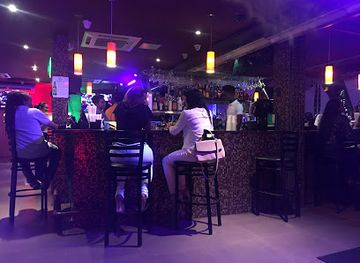
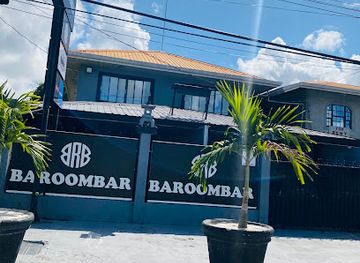
Baroombar
Experience Georgetown's vibrant nightlife at Baroombar, a premier disco club known for its energetic atmosphere and unforgettable dance parties.
-
Lounge
Sha'veh Restaurant And Lounge
Discover the vibrant flavors of Guyana at Sha'veh Restaurant And Lounge, where culinary artistry meets a relaxed atmosphere in Port Mourant.
-
Bar
Old Broom Lounge
Experience the vibrant local culture at Old Broom Lounge in Port Mourant, a cozy bar offering delicious drinks and a welcoming atmosphere.
Best shops in East Berbice-Corentyne
Shopping in East Berbice-Corentyne is practical, local and dispersed across New Amsterdam, Rose Hall, Corriverton, Skeldon and smaller market settlements. New Amsterdam has the broadest selection of supermarkets, pharmacies, clothing shops, hardware stores, bakeries and everyday supplies, while town markets are useful for fruit, vegetables, spices, provisions and prepared snacks. Along the Corentyne, smaller shops and roadside sellers reflect the agricultural economy, with rice, cassava products, plantains, pepper sauces and seasonal produce among the items visitors may encounter. Look for locally made food products and Guyanese staples rather than a large dedicated souvenir industry. Small craft items, clothing, religious goods and household wares are more readily found in general markets than in specialist boutiques. Availability and opening arrangements can vary, particularly outside the main towns, so buy essentials before travelling into rural districts. Prices are normally displayed or discussed in Guyanese dollars, and modest cash is helpful for market purchases.
-
Shopping mall
Giftland Mall
Explore Giftland Mall in Georgetown, your ultimate shopping destination with diverse retail, dining, and entertainment options for an unforgettable experience.
-
Shopping mall
Shopping City Mall
Discover Shopping City Mall in Georgetown, the vibrant shopping hub with diverse stores, delicious dining options, and a lively atmosphere for all visitors.
-
Restaurant
Big B's Baksh Restaurant (Halall) - Rosignol
Discover the flavors of Guyana at Big B's Baksh Restaurant in Rosignol, where Halal dining meets warm hospitality.
-
Market
Rose Hall Market
Experience the vibrant local culture and flavors at Rose Hall Market, a must-visit destination in Port Mourant for every traveler.


Get your free copy of our complete guide to East Berbice-Corentyne, delivered straight to you.
Everything on this page, from attractions and restaurants to essentials and local phrases, in one PDF you can read offline, print or share.
Already have an account? Sign in
Your East Berbice-Corentyne guide is ready.
We'll send it to · Not you? Sign out

Getting your guide ready…
We are putting together a fresh copy of the East Berbice-Corentyne guide. This can take up to a minute.
This can take a few moments. If your browser asks, choose Allow so the download can start. You'll find the guide in your Downloads folder.
Nothing happened? Download it again
Sorry, the guide is taking longer than usual. Please try again in a minute, or get it by email instead.
East Berbice-Corentyne essentials
Currency and Payment
Safety
Emergency Situations
Do's and Don'ts
Local Tips
From Eve
Local phrases worth knowing
You don't need to get them perfect. A few words go a long way, and locals appreciate the effort.
Basics
| English | Local | Say it |
|---|---|---|
| Hello | Hey | [Hey] |
| Goodbye | Bye | [Bye] |
| Yes | Yes | [Yes] |
| No | No | [No] |
| Please/You're welcome | Please/No problem | [Please/No problem] |
| Thank you | Thanks | [Thanks] |
| Excuse me/Sorry | Sorry | [Sorry] |
| How are you? | How yuh doin'? | [How yuh doin'?] |
| Fine. And you? | I good. And yuh? | [I good. And yuh?] |
| Do you speak English? | Yuh speak English? | [Yuh speak English?] |
| I don't understand | I no understand | [I no understand] |
Eating & Drinking
| English | Local | Say it |
|---|---|---|
| I'd like to see the menu, please | Can I see the menu? | [Can I see de menu?] |
| I don't eat meat | I don't eat meat | [I don't eat meat] |
| Cheers! | Cheers! | [Cheers!] |
| I would like to pay, please | I would like to pay | [I would like to pay] |
Emergencies
| English | Local | Say it |
|---|---|---|
| Help! | Help! | [Help!] |
| Go away! | Go way! | [Go way!] |
| Call the Police! | Call di Police! | [Call di Police!] |
| Call a doctor! | Call a doctor! | [Call a doctor!] |
| I'm lost | I lost | [I lost] |
| I'm ill | I sick | [I sick] |
Shopping
| English | Local | Say it |
|---|---|---|
| I'd like to buy... | I want to buy... | [I want to buy...] |
| I'm just looking | I just looking | [I just looking] |
| How much is it? | How much it cost? | [How much it cost?] |
| That's too expensive | Dat too high | [Dat too high] |
| Can you lower the price? | Can yuh lower di price? | [Can yuh lower di price?] |
Time & Numbers
| English | Local | Say it |
|---|---|---|
| What time is it? | Wah time it? | [Wah time it?] |
| It's one o'clock | It one o'clock | [It one o'clock] |
| Half past (10) | Half past ten | [Half past ten] |
| Morning | Mornin' | [Mornin'] |
| Afternoon | Afternoon | [Afternoon] |
| Evening | Evenin' | [Evenin'] |
| Yesterday | Yesterday | [Yesterday] |
| Today | Today | [Today] |
| Tomorrow | Tomorrow | [Tomorrow] |
| 1 | One | [One] |
| 2 | Two | [Two] |
| 3 | Three | [Three] |
| 4 | Four | [Four] |
| 5 | Five | [Five] |
| 6 | Six | [Six] |
| 7 | Seven | [Seven] |
| 8 | Eight | [Eight] |
| 9 | Nine | [Nine] |
| 10 | Ten | [Ten] |
Transport & Directions
| English | Local | Say it |
|---|---|---|
| Where's a/the...? | Wheh de...? | [Wheh de...?] |
| What's the address? | Wah di address? | [Wah di address?] |
| Can you show me (on the map)? | Can yuh show me (pon di map)? | [Can yuh show me (pon di map)?] |
| When's the next (bus)? | When di next (bus)? | [When di next (bus)?] |
| A ticket (to ....) | A ticket (to ....) | [A ticket (to ....)] |
History of East Berbice-Corentyne
Indigenous Communities and the Berbice River
Before European colonisation, the rivers and coastal forests of eastern Guyana supported Indigenous communities whose knowledge of waterways, soils and seasonal resources remains part of the region’s deeper history. The Berbice and Canje river systems provided routes through a landscape that was difficult for outsiders to cross. Archaeological evidence and surviving cultural knowledge point to long patterns of movement, fishing, cultivation and exchange rather than an empty wilderness awaiting plantation settlement. Modern East Berbice-Corentyne is heavily transformed by agriculture and drainage works, but its geography still reflects the importance of the rivers and wetlands that shaped earlier life.
Dutch Berbice and Fort Nassau, Seventeenth Century
The Dutch established the colony of Berbice in the seventeenth century, developing plantations along the Berbice River and creating an administrative network dependent on river transport. Fort Nassau, built upstream, served as an important colonial centre before the focus of settlement shifted towards the coast. Dutch influence is visible less through intact architecture than through the historical pattern of plantations, waterways and town development. The colony formed part of the wider Dutch plantation world on the Guiana coast, where commercial production depended on enslaved African labour and close control of river access.
The Berbice Slave Rebellion of 1763
In February 1763, an uprising of enslaved people began on plantations in Berbice and spread along the river. Led by Kofi, also known as Cuffy, the rebellion challenged Dutch authority and briefly established an alternative political order in the colony. Internal divisions, military pressure and intervention by colonial forces eventually ended the revolt, but its significance endured. In Guyana, Cuffy is commemorated as a national hero and the events of 1763 are central to the country’s history of resistance to slavery. The rebellion gives the Berbice landscape an importance that extends well beyond its surviving physical ruins.
British Rule and Plantation Expansion
Britain took control of Berbice during the European wars of the late eighteenth and early nineteenth centuries, and the colony was formally incorporated into British Guiana in 1831. Under British rule, sugar estates expanded and transport, drainage and administrative systems developed around plantation production. New Amsterdam grew as a commercial and governmental centre, while roads, canals and river landings connected estates to markets. The plantation economy brought wealth to colonial owners but rested on coercive labour and entrenched racial inequality, legacies that shaped the region’s settlement and social structure long after slavery ended.
Emancipation and Indian Indentureship
The end of slavery in the British Empire in the 1830s transformed labour relations without ending the plantation economy. After emancipation, indentured workers from India were brought to British Guiana, including the Berbice districts, to work on sugar estates. Their descendants form a major part of the region’s population and have contributed decisively to its religious, linguistic, musical and culinary life. Hindu temples, Muslim communities, rice cultivation and foods such as roti and curry are among the visible results of this demographic transformation. African, Indian, Indigenous and European influences developed alongside one another rather than replacing one another completely.
Rice, Sugar and Modern Agricultural Change
During the twentieth century, rice became increasingly important across the coastal plain, alongside the established sugar industry. Both depended on extensive drainage and irrigation systems in a low-lying environment vulnerable to flooding and saltwater intrusion. Roads, bridges and improved river crossings connected villages and market towns more closely, while mechanisation and changing agricultural policy altered rural employment. Sugar remains part of the region’s historical identity, especially around the Corentyne, but contemporary East Berbice-Corentyne is also defined by rice farming, livestock, small businesses and cross-border commercial links.
East Berbice-Corentyne in Independent Guyana
Guyana became independent in 1966, and the former plantation districts continued to evolve within the new national state. East Berbice-Corentyne remained a major agricultural region, with New Amsterdam serving as an important eastern centre and the Corentyne corridor linking communities towards Suriname. The region’s post-independence history includes changes in land use, public services, transport infrastructure and relations between urban settlements and villages. Today its identity is both distinctly eastern Guyanese and deeply connected to national debates about agriculture, heritage, migration, development and the management of low-lying coastal land.
East Berbice-Corentyne in Photos
Browse through our photo collection highlighting the charm and character of the destination.
Neighbouring regions of East Berbice-Corentyne
The closest regions to East Berbice-Corentyne, if you have time for more than one.
-

-
-

-

-


Swipe for more regions
Explore more

Explore more of Guyana
Discover Guyana, where the Amazon Rainforest meets Caribbean charm, offering everything from stunning waterfalls to vibrant cities and rich cultural experiences.
Explore Guyana