

Free Potaro-Siparuni Travel Guide & Mobile App
Explore Potaro-Siparuni with free travel guides. Discover regional history, expert tips, proposed trips, and audio guides on web or mobile app.


Explore Potaro-Siparuni in Guyana for Kaieteur Falls, rainforest, Indigenous heritage, gold-mining towns and demanding interior adventures.
Read more about Potaro-Siparuni
When is the best time to visit Potaro-Siparuni?
Best: December–February · 30–31°C| Month | High (°C) | Rainfall (mm) |
|---|---|---|
| January (best) | 30 | 150 |
| February (best) | 31 | 130 |
| March | 31 | 140 |
| April | 32 | 150 |
| May | 31 | 170 |
| June | 31 | 200 |
| July | 31 | 190 |
| August | 31 | 180 |
| September | 31 | 170 |
| October | 31 | 160 |
| November | 31 | 150 |
| December (best) | 30 | 140 |
Getting to and around Potaro-Siparuni
How to get there
Transportation
Top city travel guides in Potaro-Siparuni
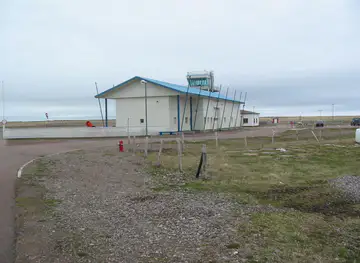
The cities of Potaro-Siparuni, and the easiest places to base yourself.
-
-


Swipe for more cities
Best attractions in Potaro-Siparuni
-
 Tourist attraction
Speightland beach
Experience the tranquil beauty of Speightland Beach in Linden, a serene escape for nature lovers and beach enthusiasts alike.
-
Park
Nature's Beautiful Fruits Farm
Explore the lush landscapes and vibrant fruit orchards of Nature's Beautiful Fruits Farm, a serene retreat in Berbice perfect for nature lovers and families.
Best landmarks in Potaro-Siparuni
Kaieteur Falls is Potaro-Siparuni's defining landmark and one of Guyana's most recognisable natural symbols. The Potaro River crosses the edge of the Pakaraima landscape before dropping over a broad sandstone and conglomerate ledge, creating a powerful isolated fall framed by rainforest. Its importance is geological as well as visual: the escarpment records the ancient stability and erosion of the Guiana Shield. The surrounding protected forest adds another layer of significance, supporting distinctive species including the golden rocket frog, which lives in the wet environment associated with the falls. The Potaro River itself is a landmarking presence, linking the waterfall with rapids, forest corridors and distant interior routes. Mahdia's role as a gold-mining service town provides a less monumental but equally revealing human landmark, expressing the economic history of Guyana's interior through its roads, shops, air connections and supply traffic. In the wider region, forested ridges, open patches of upland savannah and river crossings are valued for their geographical character rather than for formal monuments. Access to all remote natural sites should be arranged with local guides, since apparently simple terrain can conceal cliffs, unstable banks and difficult navigation.
-
Nature preserve
Iwokrama Forest
Discover the breathtaking Iwokrama Forest, a biodiversity hotspot where adventure and tranquility coexist in the heart of Guyana's rainforest.
-
Tourist attraction
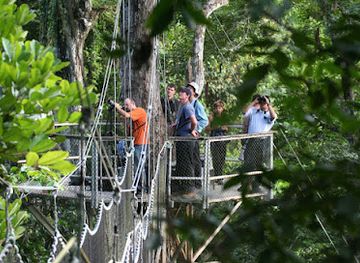
Iwokrama Canopy Walkway
Discover the breathtaking heights and vibrant wildlife of the Iwokrama Canopy Walkway, a unique adventure in Guyana's rainforest.
-
Water
Siparuni River
Discover the tranquil beauty of Siparuni River, a serene escape in Guyana’s lush landscape, perfect for adventure and relaxation.
Explore Potaro-Siparuni on the map
Plan your trip on one map. See where the top cities, national parks and sights are, and book hotels and experiences in a few clicks.
Best hotels in Potaro-Siparuni
Best restaurants in Potaro-Siparuni
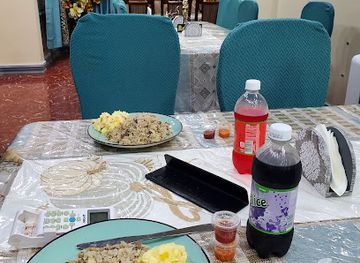
Dining in Potaro-Siparuni is practical, local and closely tied to the supply difficulties of the interior. Mahdia has the widest choice, with simple restaurants, cookshops and takeaway counters serving Guyanese staples such as rice, curry, roti, chow mein, fried fish, chicken and hearty stews. On organised expeditions, meals are often prepared by cooks using rice, canned provisions, fresh vegetables where available, river fish and cassava products. Pepperpot, a slow-cooked meat stew traditionally associated with Guyana, may appear, although availability varies. Indigenous food traditions can include cassava bread, farine and other preparations made from bitter cassava, but visitors should ask about ingredients and preparation rather than treating community food as a tourist performance. Kaieteur visits generally involve packed or simple catered meals rather than a restaurant scene. Carry snacks that tolerate heat and humidity, and confirm dietary requirements well before departure because replacement supplies may be impossible once inland. Alcohol is less relevant than hydration, and safe drinking water should be arranged for every excursion.
-
Restaurant
Margaret & David Enterprise
Experience authentic Guyanese cuisine at Margaret & David Enterprise in Tumatumari - where tradition meets flavor.
-
Restaurant
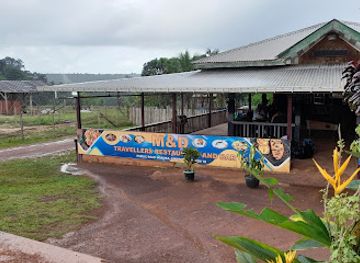
M & D Travellers Resturant and Bar
Experience authentic local cuisine at M & D Travellers Restaurant and Bar in Pubu - where flavor meets warmth.
-
Restaurant
New Triving
Experience authentic Guyanese cuisine at New Triving - where every dish tells a story and every visit feels like home.
-
Pizza
Pizza hut diamond
Experience delicious pizzas and a warm atmosphere at Pizza Hut Diamond – perfect for family meals and gatherings.
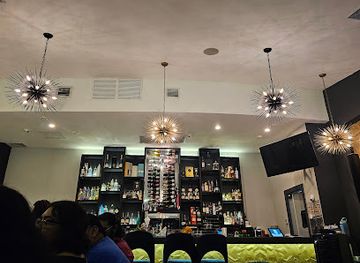
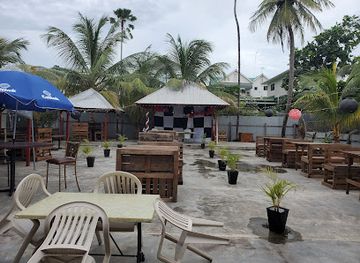
Best bars in Potaro-Siparuni
Potaro-Siparuni does not have a major nightclub or late-night entertainment scene. In Mahdia, evening social life is concentrated in straightforward bars, rum shops, small restaurants and informal gatherings, with music and conversation more likely than a defined nightlife district. Some establishments cater to workers connected with mining and interior commerce, and the atmosphere can vary, so visitors should follow local guidance and avoid displaying valuables. In smaller settlements and on expeditions, evenings are generally spent at a lodge, camp or guesthouse, often around conversation, music or an early meal. Kaieteur National Park is a daytime destination and offers no conventional nightlife. A few lodges or tour camps may provide drinks, but supplies and licensing arrangements should not be assumed. Low-impact evening activities such as listening to rainforest sounds or viewing the night sky are more appropriate than expecting organised entertainment.
-
Bar
Bistro Wine & Champagne Bar
Experience the perfect blend of fine wines and gourmet cuisine at Bistro Wine & Champagne Bar in Georgetown, an unforgettable dining destination.
-
Grill
PlayBoys Restaurant &Bar
Experience a delightful fusion of local flavors at PlayBoys Restaurant & Bar, a vibrant grill in Success that promises a memorable dining experience.
-
Cocktail bar
World of Cocktails & Casetello's Grill
Discover the perfect blend of handcrafted cocktails and delicious grilled dishes at Georgetown's vibrant World of Cocktails & Casetello's Grill.
-
Restaurant
Cocktails hotspot bar and grill
Experience the lively atmosphere and delicious flavors at Cocktails Hotspot Bar and Grill in Georgetown, the ultimate destination for food and cocktails.


Best nightclubs in Potaro-Siparuni
Potaro-Siparuni does not have a major nightclub or late-night entertainment scene. In Mahdia, evening social life is concentrated in straightforward bars, rum shops, small restaurants and informal gatherings, with music and conversation more likely than a defined nightlife district. Some establishments cater to workers connected with mining and interior commerce, and the atmosphere can vary, so visitors should follow local guidance and avoid displaying valuables. In smaller settlements and on expeditions, evenings are generally spent at a lodge, camp or guesthouse, often around conversation, music or an early meal. Kaieteur National Park is a daytime destination and offers no conventional nightlife. A few lodges or tour camps may provide drinks, but supplies and licensing arrangements should not be assumed. Low-impact evening activities such as listening to rainforest sounds or viewing the night sky are more appropriate than expecting organised entertainment.
-
Night club
Club RainArena
Discover the electrifying nightlife at Club RainArena, where music, dance, and unforgettable moments await in East Coast Demerara.

Best shops in Potaro-Siparuni
Shopping in Potaro-Siparuni is limited and functional rather than centred on a formal retail district. Mahdia is the principal place to buy food, fuel, toiletries, phone credit, basic outdoor supplies and locally used household goods, although stock changes with transport and mining demand. Visitors should purchase specialist medicines, reliable rainwear, insect repellent and other expedition essentials before leaving Georgetown. Small community shops and roadside stalls may sell snacks, drinks, cassava products or simple local items, but selection is unpredictable. Appropriate souvenirs include Guyanese food products, books, locally made craftwork and items purchased directly from Indigenous artisans through a respectful, agreed transaction. Do not buy wildlife, archaeological objects, unverified gold or forest products whose origin is unclear. In Indigenous communities, ask whether crafts are available for sale and avoid bargaining aggressively over hand-made work. The most useful regional purchase may be locally produced cassava bread or other durable provisions, provided packaging, freshness and transport conditions are suitable.
-
Clothing store
MELTORÉ INTERNATIONAL
Explore the latest trends and exceptional service at MELTORÉ INTERNATIONAL, the ultimate clothing store for fashion lovers.
-
Supermarket
Robin Grocery
Experience the best of local shopping at Robin Grocery in Timehri, where fresh produce and local flavors await every traveler.
-
General store
Ace Shopping Centre
Explore Ace Shopping Centre for a vibrant shopping experience with local crafts, global brands, and a taste of local culture in every corner.
-
Pharmacy
Amir’s Pharmacy
Discover Amir’s Pharmacy in Demerara for all your health needs; a trusted pharmacy with a friendly staff ready to assist you.



Get your free copy of our complete guide to Potaro-Siparuni, delivered straight to you.
Everything on this page, from attractions and restaurants to essentials and local phrases, in one PDF you can read offline, print or share.
Already have an account? Sign in
Your Potaro-Siparuni guide is ready.
We'll send it to · Not you? Sign out

Getting your guide ready…
We are putting together a fresh copy of the Potaro-Siparuni guide. This can take up to a minute.
This can take a few moments. If your browser asks, choose Allow so the download can start. You'll find the guide in your Downloads folder.
Nothing happened? Download it again
Sorry, the guide is taking longer than usual. Please try again in a minute, or get it by email instead.
Potaro-Siparuni essentials
Currency and Payment
Safety
Emergency Situations
Do's and Don'ts
Local Tips
From Eve
Local phrases worth knowing
You don't need to get them perfect. A few words go a long way, and locals appreciate the effort.
Basics
| English | Local | Say it |
|---|---|---|
| Hello | Naim | [Nime] |
| Goodbye | Sayo | [Sayo] |
| Yes | Yea | [Yea] |
| No | Nae | [Nae] |
| Please/You're welcome | Pleeze | [Pleeze] |
| Thank you | Tenk yuh | [Tenk yuh] |
| Excuse me/Sorry | Scuse me | [Scuse me] |
| How are you? | Ow yuh doin? | [Ow yuh doin?] |
| Fine. And you? | All good. An yuh? | [All good. An yuh?] |
| Do you speak English? | Yuh speak English? | [Yuh speak English?] |
| I don't understand | I no understand | [I no understand] |
Eating & Drinking
| English | Local | Say it |
|---|---|---|
| I'd like to see the menu, please | Me wan see di menu, pleeze | [Me wan see di menu, pleeze] |
| I don't eat meat | I no eat meat | [I no eat meat] |
| Cheers! | Cheers! | [Cheers!] |
| I would like to pay, please | Me wan pay, pleeze | [Me wan pay, pleeze] |
Emergencies
| English | Local | Say it |
|---|---|---|
| Help! | Help! | [Help!] |
| Go away! | Guh way! | [Guh way!] |
| Call the Police! | Call di Police! | [Call di Police!] |
| Call a doctor! | Call a docta! | [Call a docta!] |
| I'm lost | Me lost | [Me lost] |
| I'm ill | Me sick | [Me sick] |
Shopping
| English | Local | Say it |
|---|---|---|
| I'd like to buy... | Me wan buy... | [Me wan buy...] |
| I'm just looking | Me just lookin | [Me just lookin] |
| How much is it? | How much it cost? | [How much it cost?] |
| That's too expensive | Dat too high | [Dat too high] |
| Can you lower the price? | Yuh can bring down di price? | [Yuh can bring down di price?] |
Time & Numbers
| English | Local | Say it |
|---|---|---|
| What time is it? | Wah time it deh? | [Wah time it deh?] |
| It's one o'clock | It one o'clock | [It one o'clock] |
| Half past (10) | Half past ten | [Half past ten] |
| Morning | Mornin | [Mornin] |
| Afternoon | Afternoon | [Afternoon] |
| Evening | Evenin | [Evenin] |
| Yesterday | Yestaday | [Yestaday] |
| Today | Today | [Today] |
| Tomorrow | Tomorrow | [Tomorrow] |
| 1 | One | [One] |
| 2 | Two | [Two] |
| 3 | Three | [Three] |
| 4 | Four | [Four] |
| 5 | Five | [Five] |
| 6 | Six | [Six] |
| 7 | Seven | [Seven] |
| 8 | Eight | [Eight] |
| 9 | Nine | [Nine] |
| 10 | Ten | [Ten] |
Transport & Directions
| English | Local | Say it |
|---|---|---|
| Where's a/the...? | Wah deh a di...? | [Wah deh a di...?] |
| What's the address? | Wah di address? | [Wah di address?] |
| Can you show me (on the map)? | Yuh can show me (pon di map)? | [Yuh can show me (pon di map)?] |
| When's the next (bus)? | Wen di next (bus)? | [Wen di next (bus)?] |
| A ticket (to ....) | One ticket (to ....) | [One ticket (to ....)] |
History of Potaro-Siparuni
Indigenous Landscapes and Patamona Heritage
Long before European exploration, the forests, rivers and uplands of Potaro-Siparuni were inhabited and travelled by Indigenous peoples, including Patamona and Macushi communities. Their knowledge of plants, river routes, hunting grounds and seasonal conditions remains important to life in the interior. Archaeological evidence across the Guiana Shield points to long histories of settlement, movement and landscape management, although much of the region's past is preserved through oral history rather than monumental remains. Visitors should understand that the rainforest is a lived cultural landscape, not an empty wilderness.
European Exploration and the Potaro River
European interest in the interior of present-day Guyana developed gradually under Dutch and later British colonial rule, with rivers serving as the principal routes of exploration and trade. The Potaro River became known to outside travellers through expeditions into the difficult interior. British geologist Charles Barrington Brown is generally credited with bringing Kaieteur Falls to wider European attention in 1870, although the Patamona already knew the falls and the surrounding country. Colonial maps and reports helped turn the area into a subject of scientific and geographical interest.
British Guiana and the Interior Frontier
After Britain consolidated control of the colony that became British Guiana, the interior was administered very differently from the coastal plantation belt. Rivers, forests and mountain tracks limited government access, while missionaries, surveyors, traders and officials travelled along established Indigenous routes. The region remained sparsely settled by colonial standards, and many communities preserved considerable autonomy. This uneven development left a lasting contrast between Georgetown and the coast, where colonial institutions and commercial agriculture were concentrated, and the interior, where transport and public services remain more challenging.
Kaieteur and the Creation of Protected Nature
Kaieteur's geological form and exceptional setting gradually made it a symbol of Guyana's natural heritage. Kaieteur National Park was established in 1929, making it one of the country's earliest protected areas and placing the waterfall within a wider rainforest conservation framework. Protection has not removed the need to manage tourism, aircraft access, waste, hunting pressures and surrounding development. The park's significance therefore lies not only in the waterfall's height and volume, but also in the effort to safeguard a distinctive section of the Guiana Shield and its specialised wildlife.
Gold Mining and Interior Economic Change
Gold has shaped Potaro-Siparuni since the late nineteenth-century gold rushes and remains one of the region's major economic forces. Mining brought new settlements, supply networks, roads and airstrips, while attracting workers from other parts of Guyana and beyond. Mahdia developed as an important service centre in this economy. Small-scale and medium-scale mining also carries serious environmental consequences, including forest clearance, disturbed river systems and mercury contamination. Contemporary Potaro-Siparuni is consequently defined by both the opportunities and the difficult legacies of resource extraction.
Independent Guyana and Interior Development
Guyana became independent in 1966, after which successive governments faced the continuing challenge of connecting the interior with the coastal population centres while protecting Indigenous rights and forest ecosystems. Roads, airstrips, schools, telecommunications and public services have expanded unevenly. Mahdia's growth reflects this wider process, while Kaieteur remains a national emblem and an important visitor destination. Debates over mining, conservation, Indigenous land rights and sustainable development continue to shape the region's future.
Potaro-Siparuni in Photos
Browse through our photo collection highlighting the charm and character of the destination.
Neighbouring regions of Potaro-Siparuni
The closest regions to Potaro-Siparuni, if you have time for more than one.
-

-

-

-

-


Swipe for more regions
Explore more

Explore more of Guyana
Discover Guyana, where the Amazon Rainforest meets Caribbean charm, offering everything from stunning waterfalls to vibrant cities and rich cultural experiences.
Explore Guyana