

Free Upper Takutu-Upper Essequibo Travel Guide & Mobile App
Explore Upper Takutu-Upper Essequibo with free travel guides. Discover regional history, expert tips, proposed trips, and audio guides on web or mobile app.


Explore Guyana’s Rupununi savannas, Kanuku Mountains, Indigenous communities and wildlife from the frontier town of Lethem.
Read more about Upper Takutu-Upper Essequibo
When is the best time to visit Upper Takutu-Upper Essequibo?
Best: December–February · 31°C| Month | High (°C) | Rainfall (mm) |
|---|---|---|
| January (best) | 31 | 42 |
| February (best) | 31 | 37 |
| March | 32 | 61 |
| April | 32 | 112 |
| May | 32 | 198 |
| June | 32 | 223 |
| July | 32 | 192 |
| August | 32 | 145 |
| September | 32 | 83 |
| October | 31 | 65 |
| November | 31 | 76 |
| December (best) | 31 | 52 |
Getting to and around Upper Takutu-Upper Essequibo
How to get there
Transportation
Top city travel guides in Upper Takutu-Upper Essequibo
The cities of Upper Takutu-Upper Essequibo, and the easiest places to base yourself.

Swipe for more cities
Best attractions in Upper Takutu-Upper Essequibo
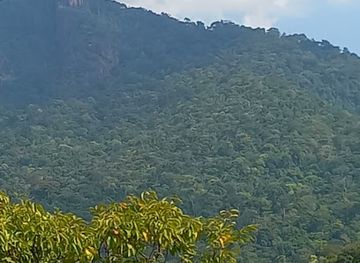
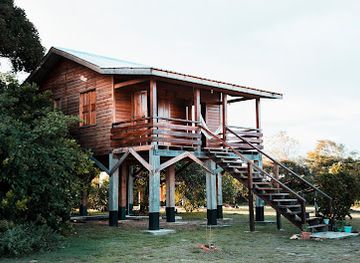
The principal attractions of Upper Takutu-Upper Essequibo are landscape-based and spread across a large area. Around Lethem, the Rupununi savanna offers broad horizons, seasonal wetlands and opportunities for birdwatching, guided walks, photography and horseback riding. The Kanuku Mountains provide a contrasting world of forested ridges, streams and exceptional wildlife habitat, best explored with experienced local guides and suitable accommodation. River excursions on the Rupununi and its tributaries can reveal giant river otters, caimans, capybaras and birdlife, although sightings depend on season and patience. Community-led tourism in Macushi and Wapishana settlements may include craft demonstrations, food, storytelling, nature interpretation or visits arranged through local organisations. Cattle ranches and the historic Dadanawa Ranch area illustrate the region’s pastoral economy and long-distance overland culture. In the south, remote villages and tracks towards the Pakaraima foothills appeal to travellers prepared for basic facilities and careful planning. Lethem’s markets, craft activity and cross-border setting provide a useful cultural introduction, while the Takutu crossing offers a glimpse of the region’s connection with Brazil rather than an attraction to be treated as a casual border excursion.
-
 Hotel
HotelSURAMA ECO-LODGE
Discover the pristine beauty and rich culture of Guyana at Surama Eco-Lodge, your perfect eco-friendly retreat in the rainforest.
-
Tourist attraction
Kumu
Explore the serene beauty and rich culture of Kumu in Lethem, a captivating tourist attraction for nature lovers and cultural enthusiasts alike.
-
Lodge
Wichabai Ranch and Guest Houses
Experience the beauty of Guyana at Wichabai Ranch and Guest Houses, where nature and comfort meet in a tranquil setting.
-
Tourist attraction
Blue Lake Linden
Experience the tranquility and beauty of Blue Lake Linden, a hidden gem in Guyana perfect for relaxation and outdoor adventures.
Best landmarks in Upper Takutu-Upper Essequibo
Lethem’s most recognisable modern landmark is the Takutu River Bridge, which connects Guyana with Bonfim in Brazil and symbolises the Rupununi’s role as a cross-border meeting point. The surrounding savanna is itself a defining geographical landmark, with the Kanuku Mountains rising prominently from the grasslands and providing one of the region’s clearest visual contrasts. The Takutu and Rupununi rivers give the landscape much of its structure, supporting travel, wildlife and settlement while changing character between wet and dry seasons. Dadanawa Ranch, in the southern Rupununi, represents the long history of cattle ranching and the expansive overland culture associated with the interior, although access is remote and should be arranged in advance. Around Lethem and nearby communities, churches, public buildings, markets and craft spaces are modest but important markers of contemporary regional life. The most meaningful landmarks are therefore not confined to monumental architecture: they include mountain silhouettes, river crossings, ranch landscapes and community places whose significance lies in the relationship between geography, livelihood and Indigenous history.
-
Tourist attraction
Kaieteur Falls - Guyana
Experience the breathtaking beauty and power of Kaieteur Falls, one of the tallest waterfalls in the world, located in the heart of Guyana's lush rainforest.
-
Monument
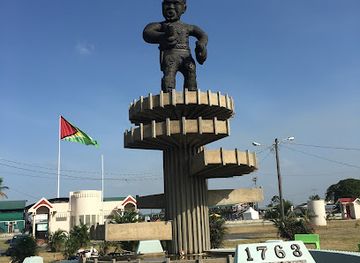
The 1763 Monument
Explore the 1763 Monument in Georgetown, Guyana – a symbol of resilience and a tribute to the fight for freedom in the nation's history.
-
River
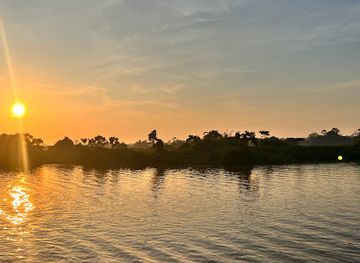
Essequibo River
Discover the breathtaking beauty and adventure of the Essequibo River, Guyana's longest river, rich in wildlife, culture, and natural wonders.
-
Tourist attraction
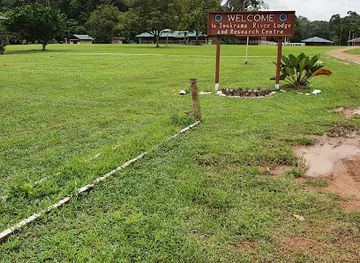
Iwokrama River Lodge
Explore the pristine beauty of Guyana at Iwokrama River Lodge, your gateway to unforgettable rainforest adventures and rich biodiversity.
Explore Upper Takutu-Upper Essequibo on the map
Plan your trip on one map. See where the top cities, national parks and sights are, and book hotels and experiences in a few clicks.
Best hotels in Upper Takutu-Upper Essequibo
Best restaurants in Upper Takutu-Upper Essequibo
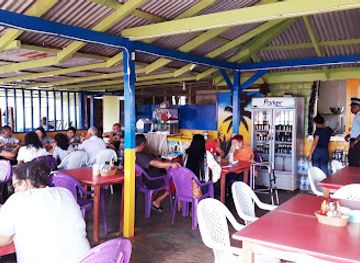
Dining in Upper Takutu-Upper Essequibo is shaped by home cooking, small eateries, market food, ranch hospitality and the provisions available in Lethem rather than by a large restaurant industry. Visitors may encounter dishes based on cassava, farine, rice, plantain, fish, chicken and locally available game, although hunting and wildlife consumption should never be assumed or encouraged in protected areas. Cassava bread and cassareep-based flavours reflect wider Guyanese and Indigenous food traditions, while Brazilian influence is noticeable in some frontier cooking and drinks near Lethem. Community tourism and lodges may serve meals using local ingredients, often with advance notice essential because supplies are transported over long distances. Lethem has the region’s broadest choice of cafés, takeaway counters and grocery provisions, but options become simpler in villages and remote camps. Carrying snacks and confirming meal arrangements is sensible, especially for full-day excursions. Visitors should ask about ingredients, drinking water and dietary requirements before leaving town, and should treat food shared by hosts with courtesy while respecting community protocols.
-
Restaurant
Restaurante Brasileiro
Discover authentic Brazilian cuisine at Restaurante Brasileiro in Lethem - where every meal tells a story.
-
Indian
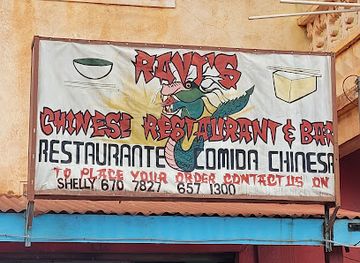
Ravi's Restaurant & Bar
Experience authentic Indian flavors at Ravi's Restaurant & Bar in Lethem - where every meal is a journey through India's rich culinary heritage.
-
Hotel
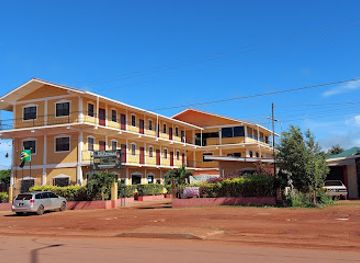
Hotel Amazon
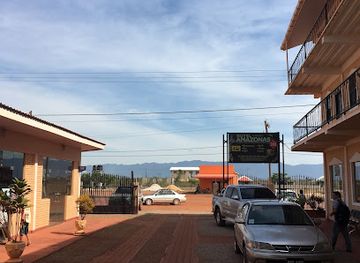
Discover tranquility at Hotel Amazon, where comfort meets nature's beauty in Lethem.
-
Bar
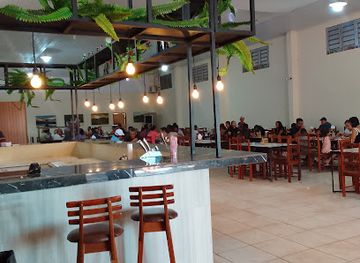
Wayka’s Churrascaria
Discover authentic Brazilian barbecue at Wayka’s Churrascaria in Lethem – where flavors meet fun in a vibrant atmosphere.
Best bars in Upper Takutu-Upper Essequibo
Evening life in Upper Takutu-Upper Essequibo is concentrated in Lethem and is generally more social and informal than club-oriented. Small bars, restaurants and licensed premises provide places to meet, while music and dancing may be part of weekend activity or special occasions. Near the frontier, Brazilian cultural and commercial connections add another element to the evening atmosphere, but nightlife remains modest compared with Georgetown and should not be approached with expectations of a large entertainment district. Outside Lethem, evenings at lodges, ranches and community stays usually centre on conversation, food, stargazing, wildlife interpretation or quiet time after long journeys. Some accommodation providers may organise cultural performances or music, but these should be understood as arranged experiences rather than permanent public events. Drink responsibly, arrange transport before going out and respect the privacy of local communities, particularly in villages where homes and visitor facilities are closely connected.
-
Grill
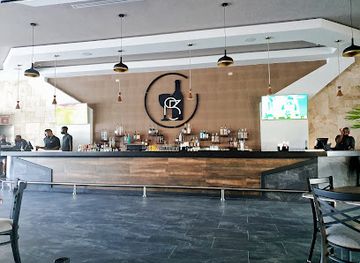
Rs53RestoBar & Lounge
Experience flavorful grilled dishes and vibrant nightlife at Rs53RestoBar & Lounge in Georgetown, a must-visit dining destination for tourists.
-
Bar
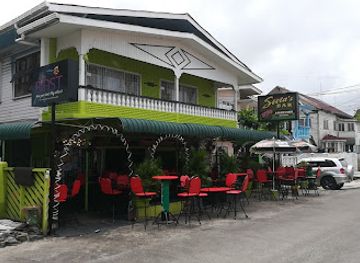
Seeta's Bar
Experience the vibrant nightlife at Seeta's Bar in Georgetown - where cold drinks meet great music and unforgettable moments.
-
Bar
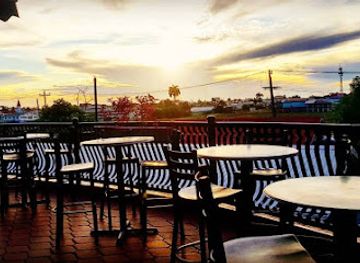
Altitude
Experience Georgetown's vibrant nightlife at Altitude, the perfect bar for unwinding with friends and enjoying local flavors.
-
Bar
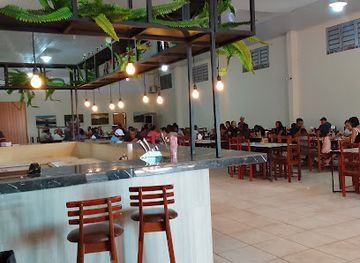
Wayka’s Churrascaria
Discover the vibrant culinary scene of Lethem at Wayka’s Churrascaria, where traditional flavors meet a lively bar atmosphere.
Best nightclubs in Upper Takutu-Upper Essequibo
Evening life in Upper Takutu-Upper Essequibo is concentrated in Lethem and is generally more social and informal than club-oriented. Small bars, restaurants and licensed premises provide places to meet, while music and dancing may be part of weekend activity or special occasions. Near the frontier, Brazilian cultural and commercial connections add another element to the evening atmosphere, but nightlife remains modest compared with Georgetown and should not be approached with expectations of a large entertainment district. Outside Lethem, evenings at lodges, ranches and community stays usually centre on conversation, food, stargazing, wildlife interpretation or quiet time after long journeys. Some accommodation providers may organise cultural performances or music, but these should be understood as arranged experiences rather than permanent public events. Drink responsibly, arrange transport before going out and respect the privacy of local communities, particularly in villages where homes and visitor facilities are closely connected.
-
Night club
Palm Court
Discover the vibrant nightlife of Georgetown at Palm Court, the premier night club offering great music, dancing, and an unforgettable atmosphere.
-
Bar
Wayka’s Churrascaria
Discover the vibrant culinary scene at Wayka’s Churrascaria, where grilled meats and local flavors come together in a lively bar setting.
-
Brazilian
Amazonas Bistrô
Experience the rich flavors of Brazil at Amazonas Bistrô in Lethem, offering authentic dishes and a warm, inviting atmosphere for all food lovers.
-
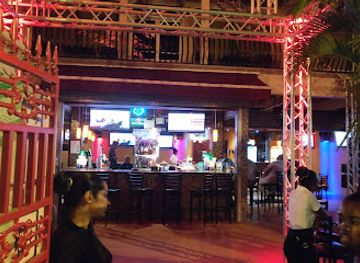
Night club
Sowiya Night Club
Experience the vibrant nightlife at Sowiya Night Club in Anna Regina, where music, dancing, and unforgettable memories await.

Best shops in Upper Takutu-Upper Essequibo
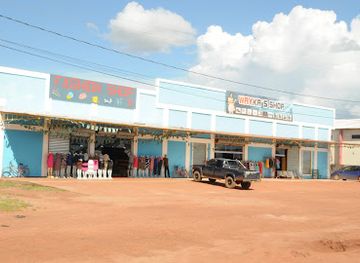
Lethem is the region’s main shopping centre, with small supermarkets, general stores, market stalls and shops supplying visitors before they travel into the Rupununi. Shopping is practical rather than extensive, and remote excursions require provisions to be organised in advance. Indigenous craftwork is the most distinctive purchase, including woven items, baskets, hammocks, carvings and other work associated with Macushi and Wapishana makers. Buy directly from recognised artisans or community organisations where possible, ask about the maker and avoid products made from protected wildlife or materials of uncertain origin. Local food products such as cassava bread, farine and preserved ingredients may be available through markets or hosts, subject to transport and seasonal supply. The frontier brings some Brazilian goods and currency into circulation, but shopping across the border involves customs and immigration rules. Bargaining should be polite and moderate, while photographs of craftspeople and stalls should be taken only with permission. Visitors heading beyond Lethem should not expect reliable retail facilities and should carry essential personal items from Georgetown or Lethem.
-
Gift shop
Bliss
Explore Bliss in Lethem for unique gifts and local crafts that embody the spirit of Guyana, perfect for souvenirs and treasured keepsakes.
-
Clothing store
American Store
Discover unique local fashion at the American Store in Lethem, where vibrant clothing reflects the culture and spirit of Guyana.
-
Clothing store
Loja Vermelha
Discover unique fashion at Loja Vermelha, Lethem's vibrant clothing store offering a blend of local culture and contemporary styles.
-
Department store
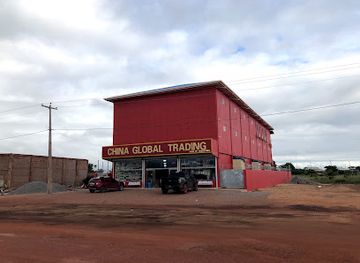
CHINA GLOBAL TRADING
Explore the essence of Lethem at China Global Trading, your one-stop destination for diverse shopping experiences and local treasures.



Get your free copy of our complete guide to Upper Takutu-Upper Essequibo, delivered straight to you.
Everything on this page, from attractions and restaurants to essentials and local phrases, in one PDF you can read offline, print or share.
Already have an account? Sign in
Your Upper Takutu-Upper Essequibo guide is ready.
We'll send it to · Not you? Sign out

Getting your guide ready…
We are putting together a fresh copy of the Upper Takutu-Upper Essequibo guide. This can take up to a minute.
This can take a few moments. If your browser asks, choose Allow so the download can start. You'll find the guide in your Downloads folder.
Nothing happened? Download it again
Sorry, the guide is taking longer than usual. Please try again in a minute, or get it by email instead.
Upper Takutu-Upper Essequibo essentials
Currency and Payment
Safety
Emergency Situations
Do's and Don'ts
Local Tips
From Eve
Local phrases worth knowing
You don't need to get them perfect. A few words go a long way, and locals appreciate the effort.
Basics
| English | Local | Say it |
|---|---|---|
| Hello | Kumaka | [koo-mah-kah] |
| Goodbye | Sakapa | [sah-kah-pah] |
| Yes | Ayo | [ah-yoh] |
| No | Nai | [nai] |
| Please/You're welcome | Wai | [wy] |
| Thank you | Tenk yu | [tenk yoo] |
| Excuse me/Sorry | Sori | [soh-ree] |
| How are you? | Dai wuk? | [dai wook] |
| Fine. And you? | Mi fain. A yu? | [mee fine. ah yoo] |
| Do you speak English? | Yu sabi inglish? | [yoo sah-bee ing-lish] |
| I don't understand | Mi no sabi | [mee noh sah-bee] |
Eating & Drinking
| English | Local | Say it |
|---|---|---|
| I'd like to see the menu, please | Mi wan si de menu, wai | [mee wan see deh meh-noo, wy] |
| I don't eat meat | Mi no et mit | [mee noh et meet] |
| Cheers! | Sante! | [sahn-teh] |
| I would like to pay, please | Mi wan pay, wai | [mee wan pay, wy] |
Emergencies
| English | Local | Say it |
|---|---|---|
| Help! | Help! | [help] |
| Go away! | Gwa way! | [gwa way] |
| Call the Police! | Call di Polic! | [kawl dee poh-lees] |
| Call a doctor! | Call a Daktah! | [kawl ah dahk-tah] |
| I'm lost | Mi los | [mee los] |
| I'm ill | Mi sik | [mee sik] |
Shopping
| English | Local | Say it |
|---|---|---|
| I'd like to buy... | Mi wan bai... | [mee wan bye] |
| I'm just looking | Mi jus luking | [mee jus loo-king] |
| How much is it? | Ow mach it cost? | [ow mahch it cost] |
| That's too expensive | Dat too expensiv | [daht too ex-pen-siv] |
| Can you lower the price? | Yu can lower de prais? | [yoo kan loh-er deh prahys] |
Time & Numbers
| English | Local | Say it |
|---|---|---|
| What time is it? | Wat taim it? | [wat tym it] |
| It's one o'clock | It one o'clock | [it wun oh-clock] |
| Half past (10) | Half past ten | [half pahst ten] |
| Morning | Mornin' | [mor-ning] |
| Afternoon | Aftanun | [af-ta-nun] |
| Evening | Ivenin' | [ee-ven-ing] |
| Yesterday | Yestaday | [yes-ta-day] |
| Today | Tudeh | [too-deh] |
| Tomorrow | Tomorrah | [toh-mor-rah] |
| 1 | Wan | [wan] |
| 2 | Tu | [too] |
| 3 | Tri | [tree] |
| 4 | Foh | [foh] |
| 5 | Fiv | [fiv] |
| 6 | Siks | [siks] |
| 7 | Sev | [sev] |
| 8 | Eit | [eight] |
| 9 | Nain | [nine] |
| 10 | Ten | [ten] |
Transport & Directions
| English | Local | Say it |
|---|---|---|
| Where's a/the...? | Wheh de...? | [weh deh] |
| What's the address? | Wat di address? | [wat dee ad-dress] |
| Can you show me (on the map)? | Yu can show mi (pan di map)? | [yoo kan show mee (pan dee map)] |
| When's the next (bus)? | Wen de next (bus)? | [wen deh nekst (bus)] |
| A ticket (to ....) | Wan tiket (to....) | [wan ti-ket (to....)] |
History of Upper Takutu-Upper Essequibo
Indigenous Rupununi societies before colonisation
The Rupununi has long been inhabited by Indigenous peoples, particularly Macushi communities in the north and Wapishana communities in the south and around the borderlands. Their histories include seasonal movement between savanna and forest, fishing, hunting, cultivation and extensive knowledge of local plants and animals. Rivers and mountain routes connected settlements across what are now Guyana and Brazil, long before the modern international boundary. Contemporary villages, languages, land rights and community institutions remain central to understanding the region; the Rupununi is not an empty wilderness but an occupied and culturally managed landscape.
European mapping and the southern frontier
European knowledge of the interior expanded gradually through rivers, missionary journeys, trading activity and colonial surveying. The region’s remoteness limited permanent colonial settlement compared with Guyana’s coast, but its rivers and savannas became important to mapping and administration. The boundary around the Takutu and Ireng river systems was shaped by the wider territorial dispute between British Guiana and Brazil, ultimately addressed through the 1904 arbitration settlement. The frontier remains significant today, with Lethem linked by road to Bonfim in Brazil.
Ranching and the Rupununi economy
Cattle ranching became an important economic activity on the Rupununi savannas during the colonial period and remains part of the region’s identity. Large ranches used the open grasslands for seasonal grazing, while smaller settlements combined livestock with farming, fishing and forest-based livelihoods. Ranching also helped create the overland routes that connected distant communities with Lethem and the coast. The economy has since diversified through transport, border trade, tourism and conservation, although roads, fuel supply and access to services continue to shape commercial life.
The Rupununi uprising of 1969
In January 1969, a group of ranchers and political opponents launched an armed uprising centred on the Rupununi, seeking to challenge the government of newly independent Guyana. The revolt was quickly suppressed, with fighting and reprisals affecting communities and ranch properties. The episode was connected to anxieties over political power, land, ethnicity and the relationship between the southern interior and the coastal state. Its legacy is still part of regional memory, but it should be discussed with care: accounts differ, and the events affected Indigenous residents as well as ranching interests.
Indigenous rights and regional self-determination
From the late twentieth century, Indigenous organisations in the Rupununi played an increasingly prominent role in securing recognition of customary land, community governance and participation in decisions about development. Wapishana and Macushi communities have pursued land demarcation, education, cultural preservation and sustainable economic opportunities. The process has been neither simple nor uniform, and questions of state authority, resource use and representation remain important. For visitors, this history explains why community-owned tourism and locally negotiated access are significant features of travel in the region.
Conservation, tourism and changing connections
The Rupununi’s ecological importance became more widely recognised through conservation initiatives involving local communities, researchers and national organisations. Protection efforts have focused on savanna, forest, wetlands and the Kanuku Mountains, while tourism has grown around wildlife observation, river travel, ranch visits and cultural experiences. Better aviation, the road connection through Linden and the Takutu River Bridge have made the region more accessible, but have not removed its logistical challenges. Modern Upper Takutu-Upper Essequibo is therefore shaped by a continuing balance between connectivity, livelihoods, conservation and Indigenous authority.
Upper Takutu-Upper Essequibo in Photos
Browse through our photo collection highlighting the charm and character of the destination.
Neighbouring regions of Upper Takutu-Upper Essequibo
The closest regions to Upper Takutu-Upper Essequibo, if you have time for more than one.
-

-

-

-

-


Swipe for more regions
Explore more

Explore more of Guyana
Discover Guyana, where the Amazon Rainforest meets Caribbean charm, offering everything from stunning waterfalls to vibrant cities and rich cultural experiences.
Explore Guyana