

Free Kaieteur National Park Travel Guide & Mobile App
Explore Kaieteur National Park with free travel guides. Discover regional history, expert tips, proposed trips, and audio guides on web or mobile app.


Kaieteur National Park brings Guyana’s rainforest, Indigenous heritage and immense Potaro River waterfall together in a remote wilderness visit.
Read more about Kaieteur National Park
When is the best time to visit Kaieteur National Park?
Best: February–April · 30–31°C| Month | High (°C) | Rainfall (mm) |
|---|---|---|
| January | 29 | 200 |
| February (best) | 30 | 150 |
| March (best) | 30 | 170 |
| April (best) | 31 | 180 |
| May | 31 | 190 |
| June | 32 | 200 |
| July | 32 | 210 |
| August | 32 | 220 |
| September | 32 | 230 |
| October | 31 | 240 |
| November | 31 | 250 |
| December | 30 | 200 |
Getting to and around Kaieteur National Park
How to get there
Transportation
Best attractions in Kaieteur National Park
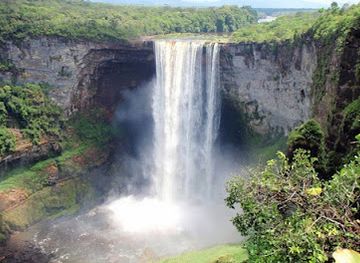
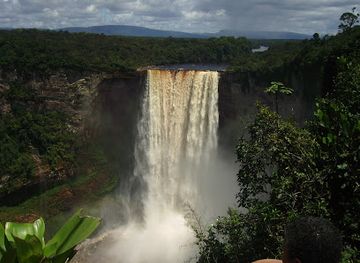
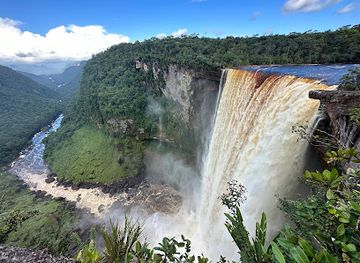
The central attraction is Kaieteur Falls, where the Potaro River drops over a high sandstone rim into a forested gorge. Viewpoints along the short visitor trails present different perspectives: some look directly across the plunge, while others reveal the river continuing through the canyon and the scale of the surrounding rainforest. The wider park offers a quiet nature experience rather than a dense programme of facilities. Guided walks can introduce visitors to bromeliads, orchids, palms, insects, birds and amphibians, including the small golden rocket frog associated with the Kaieteur area. Wildlife sightings are seasonal and never guaranteed, so the emphasis is on close observation of habitat and river ecology. Birdwatching and photography are popular, provided they do not disturb wildlife or obstruct other visitors. The airstrip and trails form the practical arrival framework, while longer overland approaches may add river crossings, forest walking and a stronger sense of the park’s isolation. There are no conventional amusement attractions, shopping streets or developed family entertainment facilities inside the protected area; its appeal lies in geology, rainforest, Indigenous interpretation and the changing volume of the Potaro River.
-
Tourist attraction
Kaieteur Falls - Guyana
Discover the breathtaking beauty of Kaieteur Falls, a hidden gem in Guyana's lush rainforest, where nature's power meets serene tranquility.
-
National park
National Park
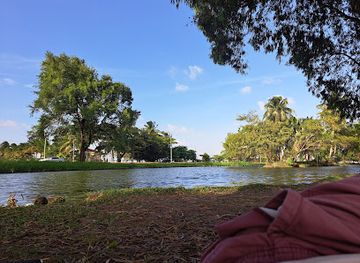
Immerse Yourself in the Natural Beauty and Biodiversity of Georgetown's National Park - A True Adventure Awaits.
-
Tourist attraction
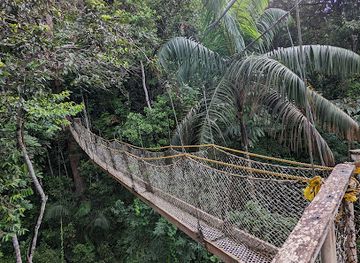
Iwokrama Canopy Walkway
Experience the breathtaking heights of the Iwokrama Canopy Walkway, where nature and adventure combine in the heart of Guyana's rainforest.
Best landmarks in Kaieteur National Park
Kaieteur Falls is Guyana’s defining natural landmark: the Potaro River gathers above a broad rock lip before making its long plunge into the gorge below. Its scale is best understood from several authorised viewpoints, where the relationship between the waterfall, river and forested escarpment becomes clearer than in a single photograph. The Potaro Gorge is a second important landmark, recording the long geological work of the river through the Guiana Shield and giving the falls their dramatic setting. Kaieteur airstrip is less a monument than a distinctive sign of the park’s remoteness, marking the point where many visitors arrive before following forest paths towards the river. The surrounding sandstone terraces, exposed rock and large bromeliads provide smaller geographical reference points along the trail. Together, these features form a landmark landscape rather than a concentration of built architecture: the park’s significance lies in the waterfall, gorge, ancient geology and protected rainforest, with Indigenous associations adding cultural depth to the physical setting.
-
Tourist attraction
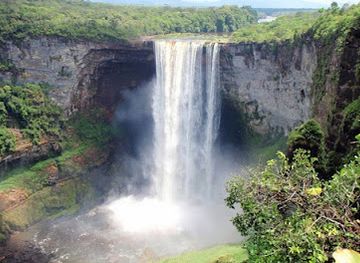
Kaieteur Falls - Guyana
Discover the awe-inspiring Kaieteur Falls in Guyana, a magnificent waterfall surrounded by lush rainforest and diverse wildlife.
-
Monument
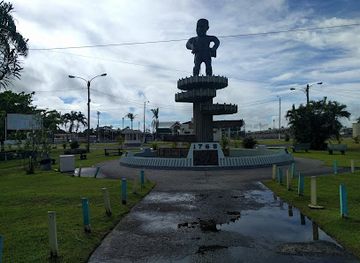
The 1763 Monument
Explore the 1763 Monument in Georgetown, Guyana, a powerful symbol of resistance and freedom, celebrating the rich history and culture of the nation.
-
National park
Kaieteur National Park
Explore the breathtaking beauty of Kaieteur National Park, home to the majestic Kaieteur Falls and diverse wildlife in the heart of Guyana's rainforest.
Explore Kaieteur National Park on the map
Plan your trip on one map. See where the top cities, national parks and sights are, and book hotels and experiences in a few clicks.
Best hotels in Kaieteur National Park
Best restaurants in Kaieteur National Park
Kaieteur National Park does not have a conventional restaurant scene, cafés or a choice of places to eat. Most short visits are sold as guided excursions, with a packed breakfast or lunch, drinks and other provisions arranged before departure. Confirm these details in advance rather than assuming that food can be bought at the airstrip or viewpoints. Guyanese cooking encountered before or after the trip may include rice-based meals, dhal, roti, stews, pepperpot and fresh fruit, while Georgetown provides the country’s broadest range of restaurants and international dining. In the wider interior, food traditions reflect Indigenous, African, Indian, European and Caribbean influences, but visitors should not assume that all regional dishes are prepared inside the park. Carry water and follow operator guidance on food storage, as scraps can attract animals and all waste should leave the protected area with you.
-
Grill
Fireside Grill and Chill
Discover delicious grilled delights at Fireside Grill and Chill in Georgetown – where flavor meets comfort in a vibrant setting.
-
Asian
Asian Restaurant - NEW THRIVING
Experience authentic Asian cuisine in Georgetown at New Thriving Restaurant - where every bite tells a story.
-
American
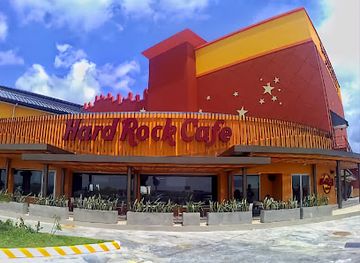
Hard Rock Cafe Guyana
Discover American cuisine infused with rock 'n' roll at Hard Rock Cafe Guyana in Movie Towne - where every meal is an experience.
-
Indian
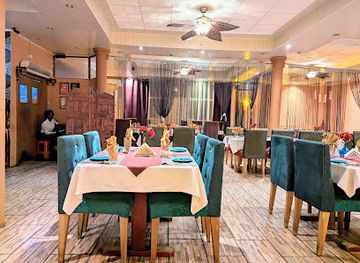
Aagman Indian Restaurant
Savor authentic Indian flavors at Aagman Indian Restaurant in Georgetown—where every dish tells a story.
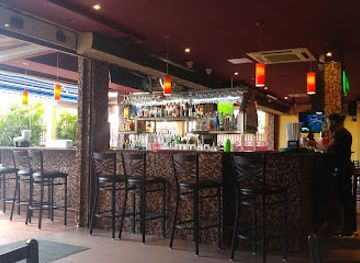
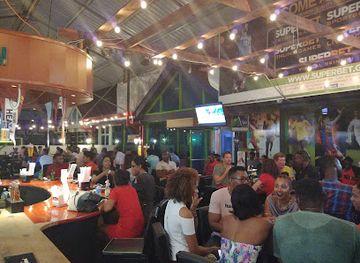
Best bars in Kaieteur National Park
Kaieteur National Park has no nightlife district, bar or nightclub. Most visits are daytime excursions, and the remote airstrip, trails and viewpoints are suited to quiet observation rather than evening entertainment. There is no normal accommodation base inside the park from which to plan a late night, so socialising generally takes place before departure or after returning to Georgetown or another Guyanese town. Georgetown offers the country’s widest selection of bars, restaurants, live music and evening venues, while interior travel tends to centre on community spaces, guesthouse meals and occasional local gatherings rather than a formal club scene. Visitors should avoid drinking before flights, river crossings or walks beside the gorge. The evening character of Kaieteur is instead defined by rainforest sounds, darkness and the practical need to leave the protected area or settle into an approved expedition arrangement before nightfall.
-
American
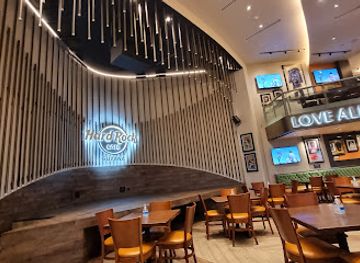
Hard Rock Cafe Guyana
Discover the unique blend of American cuisine and rock 'n' roll culture at Hard Rock Cafe Guyana in the heart of Georgetown's Movie Towne.
-
Restaurant
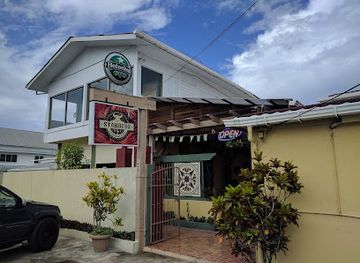
Starbuds
Experience the vibrant flavors of Georgetown at Starbuds, where every meal is a delightful culinary adventure that captures the essence of local cuisine.
-
Night club
Palm Court
Discover Georgetown's vibrant nightlife at Palm Court, a dynamic night club offering electrifying music and an unforgettable party atmosphere.
-
Sports bar
The Boardroom
Experience the excitement of live sports and delicious dining at The Boardroom, Georgetown's ultimate sports bar and entertainment destination.
Best nightclubs in Kaieteur National Park
Kaieteur National Park has no nightlife district, bar or nightclub. Most visits are daytime excursions, and the remote airstrip, trails and viewpoints are suited to quiet observation rather than evening entertainment. There is no normal accommodation base inside the park from which to plan a late night, so socialising generally takes place before departure or after returning to Georgetown or another Guyanese town. Georgetown offers the country’s widest selection of bars, restaurants, live music and evening venues, while interior travel tends to centre on community spaces, guesthouse meals and occasional local gatherings rather than a formal club scene. Visitors should avoid drinking before flights, river crossings or walks beside the gorge. The evening character of Kaieteur is instead defined by rainforest sounds, darkness and the practical need to leave the protected area or settle into an approved expedition arrangement before nightfall.
-
Night club
Palm Court
Experience the vibrant nightlife at Palm Court, Georgetown's top night club known for its music, drinks, and lively atmosphere.
-
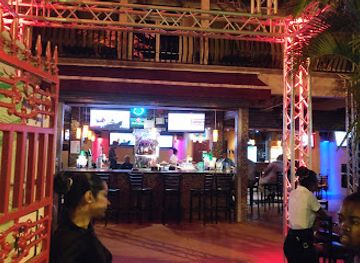
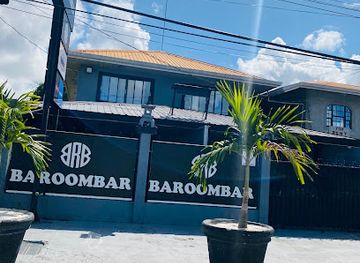
Disco club
Baroombar
Experience Georgetown's vibrant nightlife at Baroombar, where dancing, music, and fun come together in an unforgettable disco atmosphere.
-
 Night club
Club Red Dragon
Experience the vibrant nightlife of Georgetown at Club Red Dragon, where top DJs and an electric ambiance await you.
-
Night club
Gravity Lounge
Discover Georgetown's nightlife at Gravity Lounge, a vibrant night club where music and energy come alive for an unforgettable evening.
Best shops in Kaieteur National Park
Shopping is extremely limited at Kaieteur National Park. Visitors should not expect a high street, market, craft centre, cash machine or dependable souvenir shop at the waterfall, and essential purchases should be made before leaving Georgetown or the departure point. The most appropriate souvenirs are generally acquired elsewhere in Guyana, where visitors may find books, locally made crafts, jewellery, textiles, artwork and packaged food products through established shops, galleries and markets. If a guided excursion includes a small visitor facility or locally produced items, availability can vary and should not be assumed. Respect any restrictions on buying products made from wildlife, protected plants or archaeological material. Do not remove stones, flowers, seeds or pieces of vegetation from the park. For a durable memento, choose photography, a field guide or a responsibly produced craft purchased through a legitimate seller rather than collecting anything from the rainforest.
-
Tourist attraction
Kaieteur Falls - Guyana
Discover the breathtaking beauty of Kaieteur Falls, a natural wonder and one of the world's tallest waterfalls nestled in Guyana's lush rainforest.
-
Shopping mall
Giftland Mall
Discover a vibrant shopping and entertainment destination at Giftland Mall in Georgetown, where culture meets commerce for an unforgettable experience.
-
Shopping mall
Shopping City Mall
Discover a world of shopping and dining at Shopping City Mall in Georgetown, where retail therapy meets vibrant Caribbean culture.
-
Shopping mall
Amazonia Mall
Discover Amazonia Mall in Georgetown, a vibrant shopping and dining hub offering local and international brands, entertainment, and a unique cultural experience.


Get your free copy of our complete guide to Kaieteur National Park, delivered straight to you.
Everything on this page, from attractions and restaurants to essentials and local phrases, in one PDF you can read offline, print or share.
Already have an account? Sign in
Your Kaieteur National Park guide is ready.
We'll send it to · Not you? Sign out

Getting your guide ready…
We are putting together a fresh copy of the Kaieteur National Park guide. This can take up to a minute.
This can take a few moments. If your browser asks, choose Allow so the download can start. You'll find the guide in your Downloads folder.
Nothing happened? Download it again
Sorry, the guide is taking longer than usual. Please try again in a minute, or get it by email instead.
Kaieteur National Park essentials
Currency and Payment
Safety
Emergency Situations
Do's and Don'ts
Local Tips
From Eve
Local phrases worth knowing
You don't need to get them perfect. A few words go a long way, and locals appreciate the effort.
Basics
| English | Local | Say it |
|---|---|---|
| Hello | Wah Gwaan | [Wah Gwaan] |
| Goodbye | Lata | [Lata] |
| Yes | Yea | [Yea] |
| No | Nah | [Nah] |
| Please/You're welcome | Pleas | [Pleas] |
| Thank you | Tanks | [Tanks] |
| Excuse me/Sorry | Scuse me | [Skewz mee] |
| How are you? | How yuh doin? | [How yuh doin?] |
| Fine. And you? | Fine. An yuh? | [Fine. An yuh?] |
| Do you speak English? | Yuh speak English? | [Yuh speak English?] |
| I don't understand | Mi nah understand | [Mi nah understand] |
Eating & Drinking
| English | Local | Say it |
|---|---|---|
| I'd like to see the menu, please | Mi wan si di menu, please | [Mi wan si di menu, pleez] |
| I don't eat meat | Mi nah eat meat | [Mi nah eat meet] |
| Cheers! | Cheers! | [Cheers!] |
| I would like to pay, please | Mi wan pay, please | [Mi wan pay, pleez] |
Emergencies
| English | Local | Say it |
|---|---|---|
| Help! | Help! | [Help!] |
| Go away! | Guh way! | [Guh way!] |
| Call the Police! | Call di Police! | [Call di Police!] |
| Call a doctor! | Call a doctor! | [Call a doctor!] |
| I'm lost | Mi lost | [Mi lost] |
| I'm ill | Mi sick | [Mi sick] |
Shopping
| English | Local | Say it |
|---|---|---|
| I'd like to buy... | Mi wan buy... | [Mi wan buy...] |
| I'm just looking | Mi jus a look | [Mi jus a look] |
| How much is it? | Wha di price? | [Wha di price?] |
| That's too expensive | Dat too expensive | [Dat too expensive] |
| Can you lower the price? | Yuh can lower di price? | [Yuh can lower di price?] |
Time & Numbers
| English | Local | Say it |
|---|---|---|
| What time is it? | Wha time it? | [Wha time it?] |
| It's one o'clock | It one o’clock | [It one o’clock] |
| Half past (10) | Half past ten | [Half past ten] |
| Morning | Mornin | [Mornin] |
| Afternoon | Afternoon | [Afternoon] |
| Evening | Evenin | [Evenin] |
| Yesterday | Yesterday | [Yesterday] |
| Today | Today | [Today] |
| Tomorrow | Tomorrow | [Tomorrow] |
| 1 | One | [One] |
| 2 | Two | [Two] |
| 3 | Three | [Three] |
| 4 | Four | [Four] |
| 5 | Five | [Five] |
| 6 | Six | [Six] |
| 7 | Seven | [Seven] |
| 8 | Eight | [Eight] |
| 9 | Nine | [Nine] |
| 10 | Ten | [Ten] |
Transport & Directions
| English | Local | Say it |
|---|---|---|
| Where's a/the...? | Wheh di...? | [Wheh di...?] |
| What's the address? | Wha di address? | [Wha di address?] |
| Can you show me (on the map)? | Yuh can show mi (pon di map)? | [Yuh can show mi (pon di map)?] |
| When's the next (bus)? | When di next (bus)? | [When di next (bus)?] |
| A ticket (to ....) | A ticket (to ....) | [A ticket (to ....)] |
History of Kaieteur National Park
Patamona Knowledge and the Kaieteur Tradition
The falls and surrounding forests have long been known to Indigenous peoples, particularly the Patamona communities of Guyana’s interior. The name Kaieteur is commonly connected with the story of Chief Kaie, who is said to have sacrificed himself to save his people, although versions of the tradition vary. Such accounts are part of a living cultural landscape rather than merely an explanation of a place name. They also underline that European descriptions of Kaieteur came after generations of Indigenous travel, use and environmental knowledge.
Geological Formation of the Potaro Gorge
Kaieteur lies on the ancient Guiana Shield, a geological region formed from some of the oldest rocks on Earth. Over immense periods, the Potaro River cut through resistant sandstone and conglomerate, creating the escarpment and gorge visible today. Erosion continues gradually, while seasonal changes in rainfall alter the volume and colour of the falling water. The geology explains why the waterfall is so prominent in an otherwise heavily forested landscape and why its viewpoints reveal both a broad river basin and a sharply incised gorge.
European Recording in the Nineteenth Century
British geologist Charles Barrington is generally credited with bringing Kaieteur to wider European attention after visiting the falls in 1870, though Indigenous communities already knew the site. His account contributed to the waterfall’s place in colonial-era geographical writing and scientific interest in the Guiana interior. Later explorers, surveyors and naturalists added observations of the region’s geology, plants and wildlife. These records should be understood within the wider history of European exploration, which depended heavily on Indigenous guides and knowledge.
The Creation of Kaieteur National Park, 1929
Kaieteur National Park was established in 1929 during the period when British Guiana was developing formal systems for protecting notable landscapes. The designation placed the waterfall and a substantial area of surrounding rainforest under conservation management. It also reflected an international interest in preserving scenic and scientifically valuable sites, although early protected-area models often gave insufficient attention to Indigenous rights and local participation. The park remains central to Guyana’s national conservation identity and to efforts to protect the Potaro watershed.
Guyana’s Post-Independence Conservation Era
After Guyana became independent in 1966, Kaieteur continued to serve as one of the country’s most recognisable natural symbols. Conservation policy increasingly connected the park with rainforest protection, biodiversity research and the role of Indigenous communities in managing interior landscapes. Access has remained limited compared with mass-tourism waterfalls elsewhere, partly because of the park’s remoteness and partly because its setting is treated as a protected wilderness. Modern discussions therefore balance tourism, scientific interest, infrastructure and long-term ecological stewardship.
Contemporary Ecotourism and Indigenous Perspectives
Today, visits to Kaieteur are usually organised as guided air excursions or demanding overland journeys, bringing tourism income and international attention to Guyana’s interior. The park’s appeal rests on its natural scale rather than extensive visitor development. Contemporary interpretation increasingly recognises Patamona connections, local knowledge and the need for conservation decisions to involve communities affected by protected-area policies. Sustainable visitation requires careful management of aircraft access, trails, waste, wildlife disturbance and the expectations created by growing interest in Guyana’s rainforest.
Kaieteur National Park in Photos
Browse through our photo collection highlighting the charm and character of the destination.
Neighbouring regions of Kaieteur National Park
The closest regions to Kaieteur National Park, if you have time for more than one.
-

-

-

-

-


Swipe for more regions
Explore more

Explore more of Guyana
Discover Guyana, where the Amazon Rainforest meets Caribbean charm, offering everything from stunning waterfalls to vibrant cities and rich cultural experiences.
Explore Guyana