

Free Cuyuni-Mazaruni Travel Guide & Mobile App
Explore Cuyuni-Mazaruni with free travel guides. Discover regional history, expert tips, proposed trips, and audio guides on web or mobile app.


Explore Cuyuni-Mazaruni in Guyana for river journeys, rainforest scenery, Indigenous culture and the historic goldfields around Bartica.
Read more about Cuyuni-Mazaruni
When is the best time to visit Cuyuni-Mazaruni?
Best: January–March · 33°C| Month | High (°C) | Rainfall (mm) |
|---|---|---|
| January (best) | 33 | 100 |
| February (best) | 33 | 90 |
| March (best) | 33 | 110 |
| April | 33 | 120 |
| May | 33 | 130 |
| June | 33 | 140 |
| July | 33 | 150 |
| August | 33 | 160 |
| September | 33 | 170 |
| October | 33 | 180 |
| November | 33 | 160 |
| December | 32 | 140 |
Getting to and around Cuyuni-Mazaruni
How to get there
Transportation
Top city travel guides in Cuyuni-Mazaruni
The cities of Cuyuni-Mazaruni, and the easiest places to base yourself.
-

-
-

-

-
-


Swipe for more cities
Destinations in Cuyuni-Mazaruni
Resorts, valleys and scenic spots worth a trip of their own.
-

-


Swipe for more destinations
Best attractions in Cuyuni-Mazaruni
Cuyuni-Mazaruni’s attractions are shaped by rivers, rainforest and the practical realities of the interior. Bartica provides access to boat excursions on the Essequibo, Cuyuni and Mazaruni systems, with forested islands, creeks, fishing grounds and waterfalls forming the main recreational landscape. Around the town, visitors can arrange swimming, birdwatching, photography and river journeys, while the Bartica Regatta brings a lively focus to boat racing and community activity when scheduled. Farther inland, the Upper Mazaruni offers a more remote combination of forest, mountain scenery and Indigenous culture, usually reached by chartered aircraft, river transport and local guides. Small settlements such as Kamarang and Imbaimadai are gateways rather than conventional attractions, and visits require advance planning. The region also contains active and historic gold and diamond workings, but these should be viewed only with permission and appropriate safety guidance. Cuyuni-Mazaruni is not a landscape of heavily developed visitor sites: its appeal lies in scale, waterborne travel, wildlife possibilities and the opportunity to learn how communities and industries function in a forest environment.
-
National park
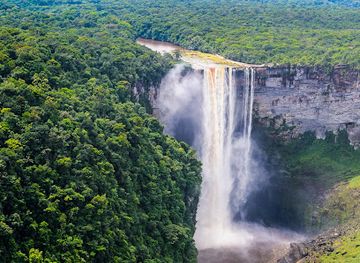
Kaieteur National Park
Explore the untouched beauty of Kaieteur National Park, home to breathtaking waterfalls and diverse wildlife in the heart of Guyana's rainforest.
-
 Resort hotel
Baganara Island Resort
Experience the serene beauty and luxurious accommodations of Baganara Island Resort, your perfect tropical escape in the Essequibo River.
-
Tourist attraction
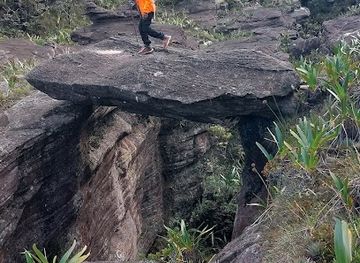
Mount Roraima - Guyana
Explore Mount Roraima, a breathtaking tepui in Guyana, known for its unique geological formations and rich biodiversity, perfect for adventurous travelers.
-
Hiking area
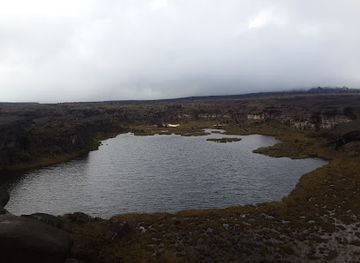
Gladys Lake (Mount Roraima - Guyana)
Experience the breathtaking beauty of Gladys Lake at Mount Roraima, a hidden gem in Guyana perfect for hiking and nature exploration.
Best landmarks in Cuyuni-Mazaruni
Bartica’s most significant landmark is its setting at the meeting of the Essequibo, Cuyuni and Mazaruni rivers, a geographical feature that explains the town’s commercial and transport importance. Its waterfront and boat landings offer the clearest visual expression of an interior settlement organised around water rather than railways or major highways. The rivers themselves are regional landmarks, changing from broad open reaches near Bartica to narrower channels bordered by forest and rocky banks farther inland. In the Upper Mazaruni, the surrounding Pakaraima landscape introduces more rugged uplands and dramatic horizons, although access is remote and conditions are highly variable. The region’s goldfields and mining landscapes are also historically important physical markers of the resource economy, but many are active workplaces rather than visitor sites. Indigenous villages and community spaces carry cultural significance, yet they should be approached as living settlements with permission, not treated as open-air museums. The most meaningful landmarks here are therefore a combination of river confluences, forested waterways, upland scenery and places that reveal how transport, settlement and extraction have shaped western Guyana.
-
Historical landmark
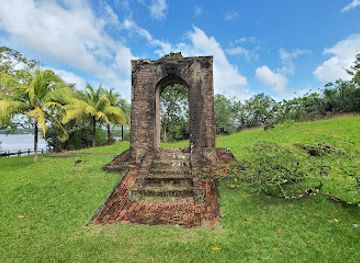
Fort Kyk-Over-Al
Immerse yourself in the captivating history and stunning views at Fort Kyk-Over-Al, a historical landmark overlooking the Essequibo River.
-
River
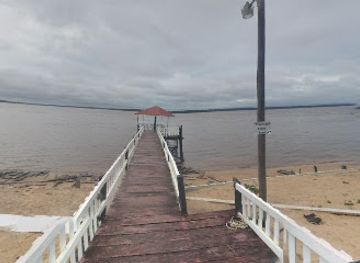
Mazaruni River
Experience the tranquil beauty and adventure of the Mazaruni River in Guyana, an ideal destination for nature lovers and outdoor activities.
-
Hotel
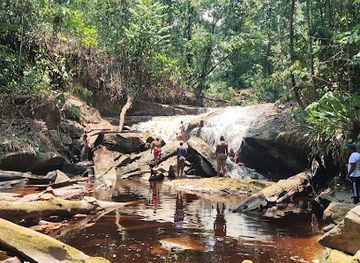
Marshall Falls, Bartica
Experience the breathtaking beauty of Marshall Falls in Bartica, a serene destination perfect for nature lovers and adventure seekers alike.
-
Mine
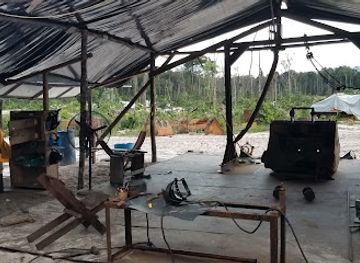
Toroparu District, Cuyuni Mazaruni
Explore the breathtaking Toroparu District in Guyana, a hidden gem of mining culture and stunning natural scenery perfect for adventurous travelers.
Explore Cuyuni-Mazaruni on the map
Plan your trip on one map. See where the top cities, national parks and sights are, and book hotels and experiences in a few clicks.
Best hotels in Cuyuni-Mazaruni
Best restaurants in Cuyuni-Mazaruni
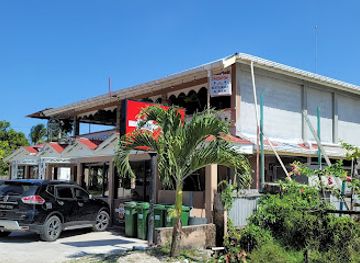
Dining in Cuyuni-Mazaruni is concentrated in Bartica and in small, practical establishments serving residents, river travellers and workers. Menus commonly reflect Guyanese cooking, with rice, provisions such as cassava and plantain, chicken, fish, stews, soups and pepper sauces appearing in different combinations. Fresh river fish may be available, although supply and choice vary with season and location. Roadside stalls, takeaway counters and modest cafés are generally more significant than a formal restaurant scene, while guesthouses and lodges may provide pre-arranged meals for visitors travelling beyond the town. Local produce, including fruit and ground provisions, is worth seeking when available. Travellers heading inland should confirm meal arrangements in advance and carry suitable snacks, as shops and food services become increasingly sparse away from Bartica. Drinking water should come from a reliable treated or sealed source, particularly during river journeys and in remote communities.
-
Restaurant
Jagdesh Duck Curry Bar
Experience authentic Guyanese cuisine at Jagdesh Duck Curry Bar - home of the best duck curry in Anna Regina.
-
Creole
The Cottage - Restaurant & Cafe'
Discover authentic Creole cuisine at The Cottage - Restaurant & Cafe', where every dish tells a story of Guyana's rich culinary heritage.
-
Restaurant
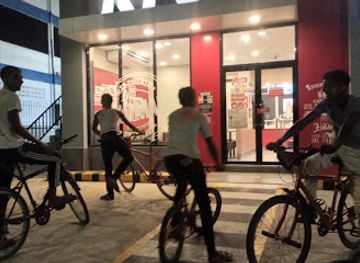
KFC
Discover the taste of familiar fast food flavors at KFC Parika while exploring the vibrant culture of Guyana.
-
Fast Food
Keisser Burgers
Experience the taste sensation of Keisser Burgers in Port Kaituma - where delicious fast food meets friendly service.

Best bars in Cuyuni-Mazaruni
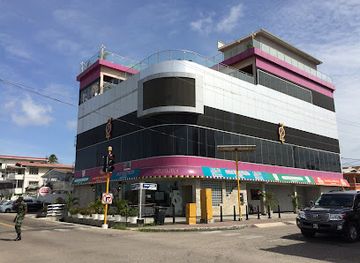
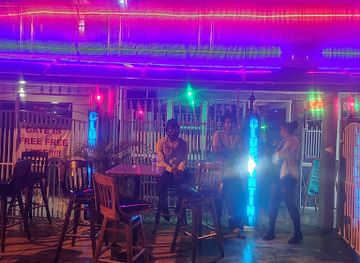
Evening life in Cuyuni-Mazaruni is centred on Bartica, where rum shops, bars, casual eateries and occasional music provide a social setting for residents and visitors. The town may become busier around public holidays, community celebrations and regatta-related activity, but it does not have the dense nightclub circuit associated with larger Caribbean cities. In smaller settlements and interior camps, evenings are quieter and usually revolve around guesthouse meals, conversation, music and the rhythms of river or mining work. Some lodges may serve drinks, but arrangements and closing times vary, so visitors should not assume that supplies will be available late. Drink responsibly, keep clear of river edges after dark and respect communities where noise, alcohol and photography may be inappropriate. Georgetown, Guyana’s principal urban nightlife centre, lies outside the region and is not a practical evening excursion from remote Cuyuni-Mazaruni.
-
Sports bar
704 Sports Bar
Enjoy live sports, delicious food, and a vibrant atmosphere at 704 Sports Bar in Georgetown, the ultimate destination for sports fans.
-
Restaurant
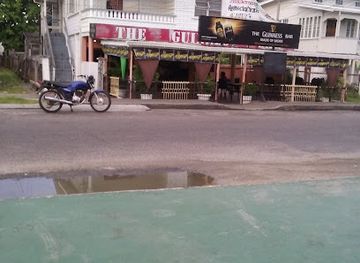
Guinness Bar
Experience the vibrant flavors of Georgetown at The Guinness Bar, where local cuisine meets a lively atmosphere.
-
Bar
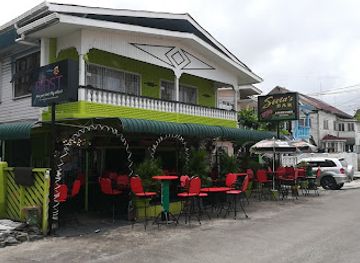
Seeta's Bar
Discover the lively atmosphere of Seeta's Bar in Georgetown, where cold drinks and good music create unforgettable nights.
-
Bar
Canje Bistro and Lounge
Experience the vibrant flavors and welcoming atmosphere at Canje Bistro and Lounge in Wismar, Linden, a hidden gem for food lovers.
Best nightclubs in Cuyuni-Mazaruni
Evening life in Cuyuni-Mazaruni is centred on Bartica, where rum shops, bars, casual eateries and occasional music provide a social setting for residents and visitors. The town may become busier around public holidays, community celebrations and regatta-related activity, but it does not have the dense nightclub circuit associated with larger Caribbean cities. In smaller settlements and interior camps, evenings are quieter and usually revolve around guesthouse meals, conversation, music and the rhythms of river or mining work. Some lodges may serve drinks, but arrangements and closing times vary, so visitors should not assume that supplies will be available late. Drink responsibly, keep clear of river edges after dark and respect communities where noise, alcohol and photography may be inappropriate. Georgetown, Guyana’s principal urban nightlife centre, lies outside the region and is not a practical evening excursion from remote Cuyuni-Mazaruni.
-
Night club
Palm Court
Discover the electrifying atmosphere of Palm Court, Georgetown's premier night club for unforgettable nights filled with music, dancing, and fun.
-
Disco club
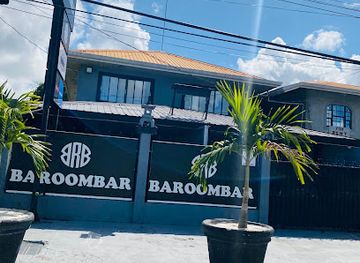
Baroombar
Experience the vibrant nightlife of Georgetown at Baroombar, where music, dance, and local culture blend for an unforgettable night out.
-
Night club
Club Martini Inc
Unleash your night at Club Martini Inc, a top nightlife destination in Georgetown with great music, vibrant atmosphere, and unforgettable experiences.
-
Night club
Gravity Lounge
Discover the vibrant nightlife at Gravity Lounge, Georgetown's top night club for music, dancing, and unforgettable experiences.

Best shops in Cuyuni-Mazaruni
Shopping in Cuyuni-Mazaruni is practical and locally focused, with Bartica offering the widest choice of groceries, clothing, hardware, phone services and everyday supplies. Small shops and market stalls may sell fruit, vegetables, cassava products, cooked food and other provisions for river journeys, while availability changes with deliveries and seasonal production. Visitors can look for locally made craftwork or community-produced items through legitimate cultural organisations and guide networks, but should ask about appropriate purchasing and avoid pressuring artisans to sell personal or ceremonial objects. Gold and diamonds are closely associated with the region, yet buying unverified minerals creates legal and ethical risks; use only properly licensed businesses with clear documentation if making such a purchase. Beyond Bartica, retail options are extremely limited, so carry essentials and do not expect conventional souvenir shops. Local food products, useful outdoor supplies and modest handicrafts are generally more representative purchases than imported luxury goods.
-
Craft store
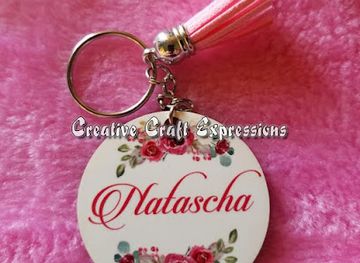
Creative Craft Expressions
Explore the vibrant world of handmade crafts at Creative Craft Expressions, where creativity and local artistry come together.
-
Clothing store
MELTORÉ INTERNATIONAL
Shop stylish clothing and enjoy exceptional service at MELTORÉ INTERNATIONAL, a top destination for fashion enthusiasts.
-
Grocery store
MARk Interior Communication,Supermarket
Explore local flavors and fresh produce at MARk Interior Communication, Peters Mine's go-to grocery store for tourists and locals.
-
General store
Ace Shopping Centre
Explore the vibrant Ace Shopping Centre, where local culture meets shopping convenience in a delightful general store experience.

Get your free copy of our complete guide to Cuyuni-Mazaruni, delivered straight to you.
Everything on this page, from attractions and restaurants to essentials and local phrases, in one PDF you can read offline, print or share.
Already have an account? Sign in
Your Cuyuni-Mazaruni guide is ready.
We'll send it to · Not you? Sign out

Getting your guide ready…
We are putting together a fresh copy of the Cuyuni-Mazaruni guide. This can take up to a minute.
This can take a few moments. If your browser asks, choose Allow so the download can start. You'll find the guide in your Downloads folder.
Nothing happened? Download it again
Sorry, the guide is taking longer than usual. Please try again in a minute, or get it by email instead.
Cuyuni-Mazaruni essentials
Currency and Payment
Safety
Emergency Situations
Do's and Don'ts
Local Tips
From Eve
Local phrases worth knowing
You don't need to get them perfect. A few words go a long way, and locals appreciate the effort.
Basics
| English | Local | Say it |
|---|---|---|
| Hello | Kumaka | [koo-mah-kah] |
| Goodbye | Arienda | [ah-ree-en-dah] |
| Yes | Ede | [eh-deh] |
| No | Noh | [noh] |
| Please/You're welcome | Tanki | [tahn-kee] |
| Thank you | Tenki | [tehn-kee] |
| Excuse me/Sorry | Sori | [soh-ree] |
| How are you? | Wuh deh do? | [woo deh doh] |
| Fine. And you? | A de fine. A wah you? | [ah deh fine. ah wah you] |
| Do you speak English? | You deh spik English? | [you deh speak English] |
| I don't understand | Mi no undastand | [mee noh un-dah-stand] |
Eating & Drinking
| English | Local | Say it |
|---|---|---|
| I'd like to see the menu, please | Mi wan see di menu, please | [mee wan see dee men-yoo, pleez] |
| I don't eat meat | Mi no eat meat | [mee noh eat meet] |
| Cheers! | Prost! | [prohst] |
| I would like to pay, please | Mi wan pay, please | [mee wan pay, pleez] |
Emergencies
| English | Local | Say it |
|---|---|---|
| Help! | Help! | [help] |
| Go away! | Geh way! | [geh weh] |
| Call the Police! | Call di Police! | [call dee po-leese] |
| Call a doctor! | Call a doctor! | [call a doctor] |
| I'm lost | Mi lost | [mee lost] |
| I'm ill | Mi sick | [mee sick] |
Shopping
| English | Local | Say it |
|---|---|---|
| I'd like to buy... | Mi wan buy... | [mee wan buy] |
| I'm just looking | Mi jus de luk | [mee jus deh look] |
| How much is it? | Ow much it cost? | [ow much it cost] |
| That's too expensive | Dat too high | [dat too high] |
| Can you lower the price? | You can lower di price? | [you can loh-er dee price] |
Time & Numbers
| English | Local | Say it |
|---|---|---|
| What time is it? | Wuh time it deh? | [woo time it deh] |
| It's one o'clock | It one o'clock | [it wun o'clock] |
| Half past (10) | Half past ten | [half past ten] |
| Morning | Mornin' | [mor-nin] |
| Afternoon | Afternoon | [af-ter-noon] |
| Evening | Evening | [ee-ven-ing] |
| Yesterday | Yesterday | [yes-ter-day] |
| Today | Today | [to-day] |
| Tomorrow | Tomorrow | [to-mor-row] |
| 1 | Wan | [wan] |
| 2 | Tu | [too] |
| 3 | Tri | [tree] |
| 4 | Foh | [foh] |
| 5 | Faiv | [fahiv] |
| 6 | Siks | [siks] |
| 7 | Sev'n | [sev-en] |
| 8 | Eit | [ate] |
| 9 | Nain | [nine] |
| 10 | Ten | [ten] |
Transport & Directions
| English | Local | Say it |
|---|---|---|
| Where's a/the...? | Wheh deh...? | [weh deh] |
| What's the address? | Wuh deh address? | [woo deh ad-dress] |
| Can you show me (on the map)? | You can show me (pon di map)? | [you can show me pon dee map] |
| When's the next (bus)? | Wen di next (bus)? | [wen dee next bus] |
| A ticket (to ....) | A ticket (fa ...) | [a ticket fa] |
History of Cuyuni-Mazaruni
Indigenous settlement and Upper Mazaruni cultures
Long before European involvement, the river valleys and uplands of Cuyuni-Mazaruni were inhabited and travelled by Indigenous peoples whose descendants include Akawaio and other communities of the Upper Mazaruni. Rivers supported movement, fishing, cultivation and exchange, while knowledge of forest plants, seasonal conditions and mountain routes shaped daily life. Indigenous languages, social institutions and relationships with the land remain central to the region. Visitors should understand that remote communities are not simply cultural attractions: they are living places with their own authority, customs and expectations.
European exploration and contested frontiers
European interest in the interior developed through river exploration, trade and the search for mineral wealth. Under Dutch and later British rule, the Essequibo and its tributaries formed the practical routes into the hinterland, although maps and territorial claims were disputed. The western frontier became the subject of a major disagreement between British Guiana and Venezuela, with the Cuyuni basin at the centre of competing interpretations. The legacy of this history still gives the region’s western geography wider political significance.
The 1899 boundary arbitration
The Anglo-Venezuelan boundary dispute was referred to international arbitration, and the 1899 Paris Award assigned the territory that includes Cuyuni-Mazaruni to British Guiana. The decision established the frontier used by Guyana after independence, although Venezuela has continued to challenge the settlement and to assert a claim to the Essequibo territory. This is an important regional context rather than a routine tourist subject; visitors should avoid treating sensitive border questions casually and should follow current official travel guidance when approaching frontier districts.
Goldfields and river commerce
Gold discoveries in the late nineteenth century drew prospectors, merchants and transport workers into the interior and helped establish the commercial importance of river settlements. Bartica developed as a gateway where supplies, labour and mining equipment moved towards the Cuyuni and Mazaruni basins. Later diamond mining and timber extraction added to the region’s resource economy. Although the forms of extraction have changed, mining continues to influence employment, settlement patterns, river traffic and debates about environmental protection.
Bartica and the development of regional services
Bartica’s position near the meeting of the Essequibo, Cuyuni and Mazaruni rivers made it a natural administrative and commercial centre. Its growth reflects the practical geography of Guyana’s interior: goods and people often travel by boat before continuing along rough roads, tracks or air routes. Schools, health services, shops, boat landings and government functions increasingly concentrated there, while smaller settlements remained more dependent on river connections and local community networks.
Independence and contemporary regional change
Guyana became independent from Britain in 1966, and Cuyuni-Mazaruni subsequently developed within the country’s regional administrative system. Modern pressures include mining expansion, forest conservation, improved communications, demand for reliable transport and the protection of Indigenous rights. Tourism has grown cautiously around Bartica and selected interior journeys, but infrastructure remains limited. The region’s future depends on balancing economic opportunity with river health, forest stewardship and the authority of communities whose livelihoods are closely tied to the landscape.
Cuyuni-Mazaruni in Photos
Browse through our photo collection highlighting the charm and character of the destination.
Neighbouring regions of Cuyuni-Mazaruni
The closest regions to Cuyuni-Mazaruni, if you have time for more than one.
-

-

-

-

-


Swipe for more regions
Explore more

Explore more of Guyana
Discover Guyana, where the Amazon Rainforest meets Caribbean charm, offering everything from stunning waterfalls to vibrant cities and rich cultural experiences.
Explore Guyana