

Free Debrecen Travel Guide & Mobile App
Plan your Debrecen trip with Evendo. Get free guides to top attractions, restaurants, hotels, and bars. Web access or download the mobile app.


Debrecen, Hungary’s Great Plain city, combines Reformed heritage, thermal baths, museums, lively festivals and the Hortobágy’s open landscapes nearby.
A Reformed City on the Great Plain
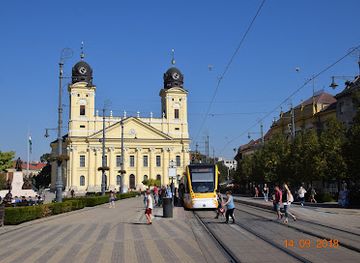
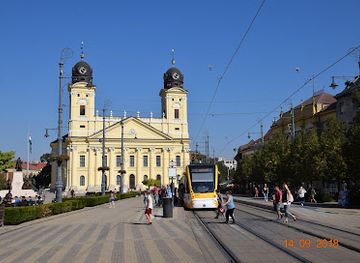
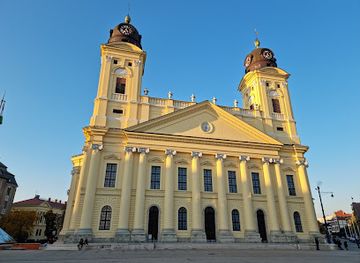
Debrecen is Hungary’s second-largest city and the principal urban centre of the country’s eastern Great Plain. Broad avenues, tree-lined squares and a relatively spacious street plan reflect its role as a regional market town, university city and administrative centre. At its historic core, Kossuth tér is dominated by the twin-towered Reformed Great Church, whose pale neoclassical façade has become the city’s defining image. Nearby streets lead to civic buildings, museums, cafés and the Nagytemplom’s calm interior, where Debrecen’s Protestant identity is especially visible.Read more about Debrecen
Museums, Music and University Life
The Great Plain Beyond the City
When is the best time to visit Debrecen?
Best: May–June, September · 24–30°C| Month | High (°C) | Rainfall (mm) |
|---|---|---|
| January | 3 | 22 |
| February | 4 | 18 |
| March | 10 | 20 |
| April | 17 | 30 |
| May (best) | 24 | 40 |
| June (best) | 30 | 50 |
| July | 33 | 60 |
| August | 31 | 50 |
| September (best) | 24 | 30 |
| October | 18 | 25 |
| November | 10 | 22 |
| December | 4 | 20 |
Getting to and around Debrecen
How to get there
Transportation
Best attractions in Debrecen
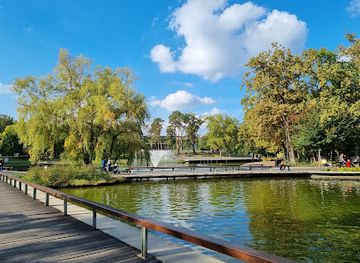
Debrecen’s principal sightseeing area centres on Kossuth tér, where the Reformed Great Church provides a powerful introduction to the city’s Protestant history and civic identity. The Déri Museum combines local history, archaeology and fine art in an imposing early twentieth-century building, while MODEM presents modern and contemporary exhibitions close to the historic core. The Reformed College offers insight into the city’s long educational tradition, and the University of Debrecen’s main building adds a grand academic landmark to the Nagyerdő district. North of the centre, the Great Forest provides shaded paths, open-air recreation and access to Aquaticum’s thermal and leisure facilities. Families and science enthusiasts may also enjoy the nearby Agora Science Centre. Seasonal events, particularly the Flower Carnival, give the city a different character through floral displays, music and street performances.
-
Tourist attraction
Great Forest Park
Discover the natural beauty and recreational wonders of Great Forest Park in the heart of Debrecen, Hungary, perfect for families and outdoor lovers.
7 min drive · 2.3 km from city centre
-
Zoo
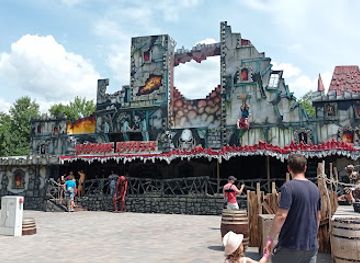
Debrecen Zoo and Amusement Park
Explore the vibrant wildlife, thrilling rides, and serene gardens at Debrecen Zoo and Amusement Park, a perfect family-friendly destination in Hungary.
7 min drive · 2.4 km from city centre
-
Reformed church
Reformed Great Church of Debrecen
Discover the splendor of the Reformed Great Church of Debrecen, a stunning architectural marvel and cultural landmark in Hungary.
1 min walk · 0.1 km from city centre
-
Tourist attraction
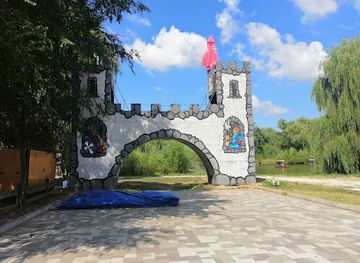
Round Forest Adventure Park
Discover the thrill of adventure at Round Forest Adventure Park in Debrecen, where exhilarating outdoor activities await for the whole family.
16 min drive · 5.3 km from city centre

Best landmarks in Debrecen
The Reformed Great Church, or Nagytemplom, is Debrecen’s principal landmark and a defining example of the city’s Reformed identity, with its austere neoclassical exterior facing Kossuth tér. Inside, the building is closely associated with the revolutionary National Assembly of 1849. The nearby Reformed College represents centuries of education, theology and Hungarian intellectual life, while the beautifully detailed County Hall reflects the civic importance of Hajdú-Bihar’s regional capital. The University of Debrecen’s main building, set within the Great Forest, gives the city an imposing twentieth-century academic landmark. Along Piac Street, the former Golden Bull Hotel and other historic façades recall the commercial artery of the old town. Together these buildings show how religion, education, commerce and public administration shaped Debrecen’s urban character.
-
Park
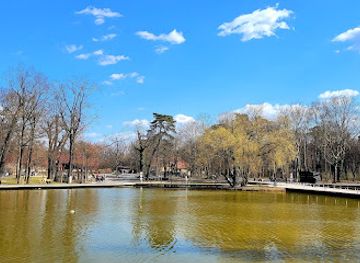
Great Forest Park
Explore the lush landscapes and vibrant atmosphere of Great Forest Park in Debrecen, Hungary, a perfect getaway for nature lovers and families.
7 min drive · 2.3 km from city centre
-
Zoo
Debrecen Zoo and Amusement Park
Discover the enchanting Debrecen Zoo and Amusement Park, blending wildlife excitement with thrilling rides and botanical beauty in Hungary.
7 min drive · 2.4 km from city centre
-
Reformed church
Reformed Great Church of Debrecen
Explore the Reformed Great Church of Debrecen, a breathtaking architectural gem with rich historical significance and cultural heritage in Hungary.
1 min walk · 0.1 km from city centre
-
Tourist attraction
Round Forest Adventure Park
Experience adventure and serenity at Round Forest Adventure Park, the ultimate nature escape in Debrecen, Hungary, perfect for family fun and outdoor activities.
16 min drive · 5.3 km from city centre
Explore Debrecen on the map
Plan your Debrecen trip on one map. See where the top attractions, landmarks, restaurants, bars and hotels are, find what's near where you're staying, and book hotels and experiences in a few clicks.
Best hotels in Debrecen
Best restaurants in Debrecen
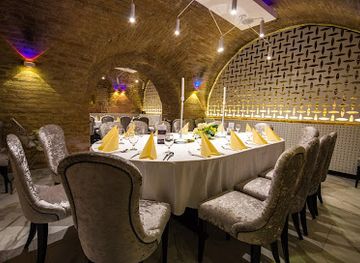
Debrecen’s food culture reflects the agricultural abundance and hearty cooking of the Great Plain. Traditional menus may include rich soups, stews, dumplings, roast meats and dishes seasoned with paprika, while Debrecziner sausage, known in Hungarian as debreceni páros kolbász, is the city’s best-known culinary association. Around the centre, especially near Piac Street and the market area, visitors find cafés, bakeries, casual restaurants and contemporary kitchens alongside establishments serving Hungarian classics. Regional produce, sour cream, cottage cheese and seasonal fruit appear frequently in everyday cooking, while pastry shops provide sweet specialities and coffee-house traditions. The Great Market Hall offers a glimpse of local shopping habits and ingredients rather than a dedicated street-food quarter. Dining in Debrecen is generally more relaxed and less concentrated than in Budapest, with university life contributing a younger, more international influence.
-
Sushi
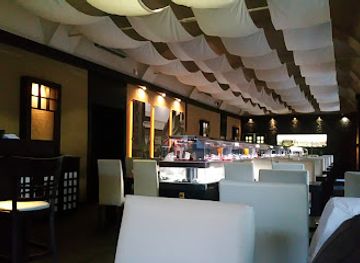
Wasabi Running Sushi & Wok Restaurant - Debrecen
Discover the vibrant flavors of sushi at Wasabi Running Sushi & Wok Restaurant in Debrecen - a must-visit destination for food lovers.
2 min walk · 0.2 km from city centre
-
Restaurant
Csokonai Étterem
Experience authentic Hungarian flavors at Csokonai Étterem in Debrecen – where culinary tradition meets modern dining.
5 min walk · 0.4 km from city centre
-
Restaurant
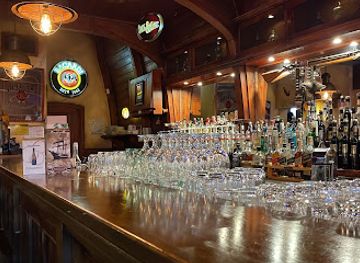
Calico Jack Pub
Experience vibrant dining at Calico Jack Pub in Debrecen - where delicious food meets lively atmosphere.
15 min walk · 1.2 km from city centre
-
Restaurant
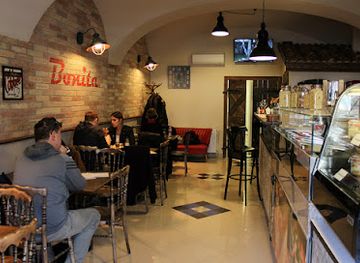
Bonita Bistro
Experience authentic Hungarian flavors at Bonita Bistro in Debrecen - where every dish tells a story of tradition and taste.
3 min walk · 0.2 km from city centre
Best bars in Debrecen
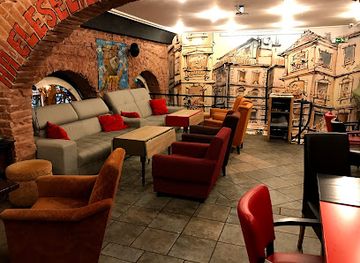
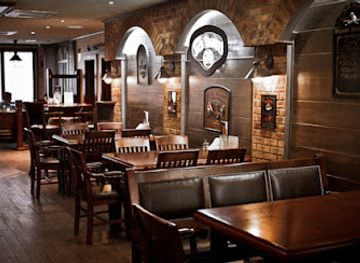
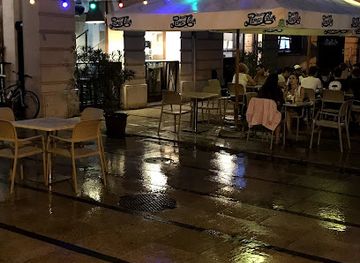
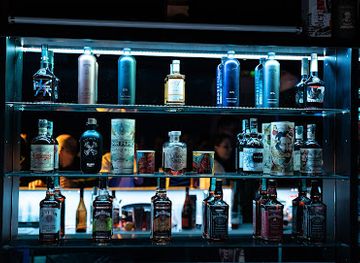
Debrecen’s evening life is shaped by its university population, central cafés and cultural programme rather than by a single dense nightlife district. Around the city centre, bars and café-bars provide places for conversation, beer, Hungarian wine and cocktails, while venues close to the university attract students and younger residents. The Nagyerdő adds theatres, concerts and seasonal outdoor events, including performances associated with the city’s major festival calendar. The Csokonai National Theatre and other cultural spaces offer an alternative to late-night drinking, with drama, music and dance forming an important part of local evenings. Nightclubs and live-music events exist, but their schedules and locations can change, so current listings are more reliable than assuming a permanent club circuit. Public celebrations bring the liveliest atmosphere at particular times of year.
-
Restaurant
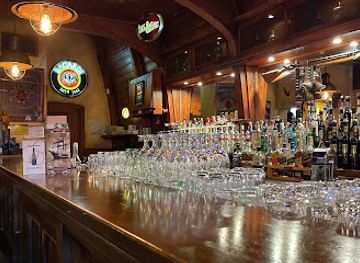
Calico Jack Pub
Discover the vibrant flavors and lively atmosphere of Calico Jack Pub in Debrecen, where delicious cuisine meets a welcoming spirit.
15 min walk · 1.2 km from city centre
-
Bar
Maszek - az utcabár | bár & étterem
Discover the lively ambiance and delicious cuisine at Maszek, Debrecen's favorite bar and restaurant, perfect for every occasion.
3 min walk · 0.2 km from city centre
-
Gastropub
Jack Pub
Discover the lively atmosphere and delicious flavors at Jack Pub, a top gastropub in Debrecen perfect for food lovers and social gatherings.
5 min drive · 1.7 km from city centre
-
Bar
Drink Bar Mokka
Discover the essence of Debrecen’s nightlife at Drink Bar Mokka, where exquisite drinks and vibrant atmosphere meet.
3 min walk · 0.3 km from city centre
Best nightclubs in Debrecen
Debrecen’s evening life is shaped by its university population, central cafés and cultural programme rather than by a single dense nightlife district. Around the city centre, bars and café-bars provide places for conversation, beer, Hungarian wine and cocktails, while venues close to the university attract students and younger residents. The Nagyerdő adds theatres, concerts and seasonal outdoor events, including performances associated with the city’s major festival calendar. The Csokonai National Theatre and other cultural spaces offer an alternative to late-night drinking, with drama, music and dance forming an important part of local evenings. Nightclubs and live-music events exist, but their schedules and locations can change, so current listings are more reliable than assuming a permanent club circuit. Public celebrations bring the liveliest atmosphere at particular times of year.
-
Night club
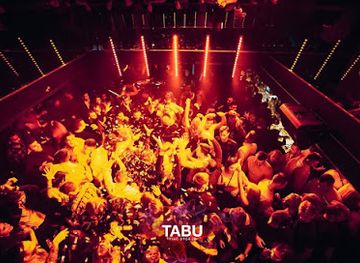
TABU Debrecen
Discover the vibrant nightlife of Debrecen at TABU, where music, dance, and excitement await every party enthusiast.
5 min walk · 0.4 km from city centre
-
Bar
Chicago Club
Discover the pulse of Debrecen's nightlife at Chicago Club, where vibrant music and lively crowds create unforgettable nights of fun and excitement.
4 min walk · 0.3 km from city centre
-
Night club
Honey Bár & Club
Discover the heartbeat of Debrecen's nightlife at Honey Bár & Club, where vibrant music and lively ambiance create unforgettable experiences.
3 min walk · 0.3 km from city centre
-
Night club
Deluxe Debrecen
Discover the pulse of Debrecen's nightlife at Deluxe Debrecen, where unforgettable moments and vibrant celebrations await you.
6 min walk · 0.4 km from city centre


Best shops in Debrecen
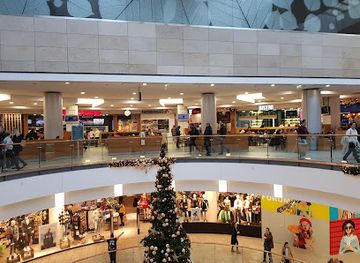
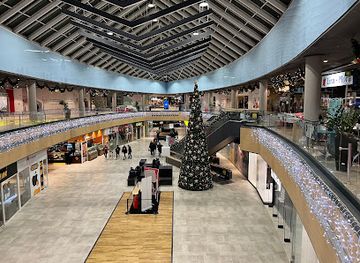
Shopping in Debrecen combines everyday Hungarian retail with market traditions and a modest independent scene. The Great Market Hall is the most useful place to encounter local produce, meat, cheese, fruit, vegetables and seasonal goods, while the surrounding Piac Street area mixes shops, cafés and services. Central streets and the Forum Debrecen shopping centre provide mainstream fashion, books, cosmetics and practical purchases, with smaller boutiques interspersed among larger retailers. Visitors seeking edible souvenirs can look for paprika, honey, preserves, regional spirits and packaged Hungarian specialities, while locally made crafts appear at seasonal fairs and cultural events rather than in one dedicated artisan quarter. Traditional embroidery and folk-inspired goods are more reliably found through museum shops, festival stalls and specialist sellers than through generic souvenir outlets.
-
Shopping mall
Debrecen Forum
Discover the vibrant Debrecen Forum, the premier shopping mall in Hungary offering diverse shops, dining, and entertainment for an unforgettable experience.
5 min walk · 0.4 km from city centre
-
Shopping mall
Debrecen Plaza
Experience the best of shopping and dining at Debrecen Plaza, the premier shopping mall in Debrecen, Hungary, offering a lively atmosphere and diverse options.
4 min walk · 0.4 km from city centre
-
Shopping mall
STOP SHOP
Explore the heart of Debrecen at Stop Shop, a vibrant shopping mall offering retail, dining, and entertainment for every visitor.
11 min drive · 3.6 km from city centre
-
Clothing store
Best Ruházat
Explore the latest fashion trends at Best Ruházat in Debrecen, where style meets quality and affordability.
13 min walk · 1.0 km from city centre
Get your free copy of our complete guide to Debrecen, delivered straight to you.
Everything on this page, from attractions and restaurants to essentials and local phrases, in one PDF you can read offline, print or share.
Already have an account? Sign in
Your Debrecen guide is ready.
We'll send it to · Not you? Sign out

Getting your guide ready…
We are putting together a fresh copy of the Debrecen guide. This can take up to a minute.
This can take a few moments. If your browser asks, choose Allow so the download can start. You'll find the guide in your Downloads folder.
Nothing happened? Download it again
Sorry, the guide is taking longer than usual. Please try again in a minute, or get it by email instead.
Debrecen essentials
Currency and Payment
Safety
Emergency Situations
Do's and Don'ts
Local Tips
From Eve
Local phrases worth knowing
You don't need to get them perfect. A few words go a long way, and locals appreciate the effort.
Basics
| English | Local | Say it |
|---|---|---|
| Hello | Helló | [heh-loh] |
| Goodbye | Viszontlátásra | [vee-son-tlaa-taash-ra] |
| Yes | Igen | [ee-gen] |
| No | Nem | [nem] |
| Please/You're welcome | Kérem | [keh-rem] |
| Thank you | Köszönöm | [koe-szoe-noem] |
| Excuse me/Sorry | Elnézést | [el-ney-zeest] |
| How are you? | Hogy vagy? | [ho-dj va-dj] |
| Fine. And you? | Jól vagyok. És te? | [yoel va-djok eesh te] |
| Do you speak English? | Beszélsz angolul? | [be-szeyl-s ang-oh-lool] |
| I don't understand | Nem értem | [nem ehr-tem] |
Eating & Drinking
| English | Local | Say it |
|---|---|---|
| I'd like to see the menu, please | Szeretnék megnézni az étlapot, kérem | [seh-reht-nayk meh-nyez-nee az eht-la-pot, keh-rem] |
| I don't eat meat | Nem eszem húst | [nem es-em hoost] |
| Cheers! | Egészségedre! | [eh-gehs-say-gehd-reh] |
| I would like to pay, please | Fizetni szeretnék, kérem | [fee-zeht-nee seh-reht-nayk, keh-rem] |
Emergencies
| English | Local | Say it |
|---|---|---|
| Help! | Segítség! | [she-gheet-saeg] |
| Go away! | Menj el! | [men-y el] |
| Call the Police! | Hívja a rendőrséget! | [hee-vya ah rehn-dur-say-get] |
| Call a doctor! | Hívjon orvost! | [hee-vyon or-vosht] |
| I'm lost | El vagyok tévedve | [el va-djok tey-ved-ve] |
| I'm ill | Beteg vagyok | [be-teg va-djok] |
Shopping
| English | Local | Say it |
|---|---|---|
| I'd like to buy... | Szeretnék vásárolni... | [seh-reht-nayk va-sha-roel-nee] |
| I'm just looking | Csak nézelődöm | [chak ne-zeh-loe-dum] |
| How much is it? | Mennyibe kerül? | [men-yi-be keh-roel] |
| That's too expensive | Ez túl drága | [ez tool draa-ga] |
| Can you lower the price? | Le tudnád engedni az árat? | [leh tud-naad eng-ed-nee az aa-rat] |
Time & Numbers
| English | Local | Say it |
|---|---|---|
| What time is it? | Mennyi az idő? | [men-yee az ee-doe] |
| It's one o'clock | Egy óra van | [edj o-ra van] |
| Half past (10) | Fél tizenegy | [feyl tee-zen-edge] |
| Morning | Reggel | [re-ggel] |
| Afternoon | Délután | [deh-lu-taan] |
| Evening | Este | [es-te] |
| Yesterday | Tegnap | [teg-nap] |
| Today | Ma | [ma] |
| Tomorrow | Holnap | [hol-nap] |
| 1 | Egy | [edj] |
| 2 | Kettő | [ket-toe] |
| 3 | Három | [haa-rom] |
| 4 | Négy | [neydg] |
| 5 | Öt | [oet] |
| 6 | Hat | [haat] |
| 7 | Hét | [hey-t] |
| 8 | Nyolc | [nyolts] |
| 9 | Kilenc | [kee-lents] |
| 10 | Tíz | [tees] |
Transport & Directions
| English | Local | Say it |
|---|---|---|
| Where's a/the...? | Hol van a... | [hol van a] |
| What's the address? | Mi a cím? | [mee ah cheem] |
| Can you show me (on the map)? | Megmutatnád (a térképen)? | [meg-moo-tat-naad ah tehr-keh-pen] |
| When's the next (bus)? | Mikor jön a következő (busz)? | [me-kor yoen ah ke-vek-toe (boos)] |
| A ticket (to ....) | Egy jegyet (....-ra) | [edj ye-gyet ra] |
History of Debrecen
Medieval Market Settlement
The settlement that became Debrecen developed during the medieval period at a meeting point of routes across the Great Plain. Its name is recorded in written sources in the thirteenth century, and the town grew through the consolidation of nearby villages and estates. Rather than forming around a single castle, Debrecen’s importance rested on commerce, agriculture and its position between western Hungary, Transylvania and the wider plains. Markets dealing in livestock, grain and craft goods supported an increasingly influential urban community. This mercantile character helped shape the broad civic centre and commercial traditions that remain part of the city’s identity.
Reformation and Civic Autonomy
During the sixteenth century, Debrecen became a major centre of Hungarian Calvinism. The Reformation transformed religious life and strengthened the authority of the town’s civic institutions, while the settlement navigated the competing power of the Habsburgs, the Ottoman Empire and the Principality of Transylvania. Debrecen was often described as the ‘Calvinist Rome’ because of its influence among Hungarian Reformed communities. The city’s Protestant educational tradition also developed during this period, laying foundations for the institution that later became the Reformed College. Religious and civic identity continued to shape its architecture, public culture and political importance.
The Reformed College Tradition
The Reformed College of Debrecen became one of the most important educational institutions in Hungary. Its roots reach back to the sixteenth century, and over time the college educated ministers, teachers, writers and public figures who contributed to Hungarian intellectual life. The institution preserved books and manuscripts, supported theological study and helped maintain Hungarian-language culture during periods when political authority was divided. Its buildings and collections remain central to the city’s heritage. The college’s influence also reinforced Debrecen’s reputation as a place of learning, a role continued by the modern University of Debrecen.
Revolution and the National Government
Debrecen played a decisive role during the Hungarian Revolution and War of Independence of 1848–49. After the Habsburg forces occupied Pest-Buda, the Hungarian government and National Defence Committee moved to Debrecen in early 1849. The Great Church hosted the session at which the National Assembly declared the Habsburg dynasty dethroned on 14 April 1849, with Lajos Kossuth serving as governor-president. The city consequently became the temporary political centre of revolutionary Hungary. The conflict was defeated later that year, but the association with national independence remains visible in Kossuth tér and in the city’s historical memory.
Railways, Industry and Urban Growth
The arrival of railway connections in the nineteenth century strengthened Debrecen’s links with Budapest, eastern Hungary and Transylvania, accelerating trade and urban expansion. The city developed beyond its historic core as new civic, educational and industrial functions appeared. Its economy continued to draw on the surrounding agricultural region, while schools, printing houses and cultural institutions expanded Debrecen’s public life. The Great Forest also emerged as an important recreational and institutional area. These changes helped transform a largely market-based town into a modern regional centre without erasing its characteristic relationship with the Great Plain.
War, Reconstruction and the Modern City
Debrecen suffered severe damage during the Second World War, and in late 1944 it briefly became the seat of the Provisional National Government of Hungary. Post-war reconstruction altered parts of the urban fabric while preserving major historic buildings, including the Reformed Great Church and the Reformed College. The second half of the twentieth century brought industrial development, housing expansion and the growth of higher education. Since the democratic transition, Debrecen has strengthened its roles in medicine, research, manufacturing and culture. Today, the historic centre, university quarter and Nagyerdő together express the city’s layered development from market town to regional capital.
Travel experiences inspired by this city


Swipe for more travel diaries
Debrecen in Photos
Browse through our photo collection highlighting the charm and character of the destination.
Cities near Debrecen
The closest cities to Debrecen, if you have time for more than one stop.
-

-

-

-

-


Swipe for more cities
Explore more

Explore more of Hungary
Discover Hungary: A land of historic cities, scenic landscapes, thermal baths, and rich culinary traditions in the heart of Europe.
Explore Hungary