

Free Nyiregyhaza Travel Guide & Mobile App
Plan your Nyiregyhaza trip with Evendo. Get free guides to top attractions, restaurants, hotels, and bars. Web access or download the mobile app.


Nyíregyháza combines Szabolcs history, leafy Sóstó, a celebrated zoo, spa culture, museums and authentic northeastern Hungarian food for curious travellers.
A Northeastern Hungarian City
Nyíregyháza lies in northeastern Hungary, in the historic Szabolcs region between the Tisza River and the sandy landscapes of the Nyírség. Its broad streets, leafy public spaces and spacious central squares give it a gentler rhythm than the country's largest cities, while a substantial student population and active cultural institutions keep the centre lively. The city is especially known for Sóstó, a wooded resort area a few kilometres from the centre, where thermal waters, lakes, museums and the Nyíregyháza Zoo form the principal focus of visitor life.Read more about Nyiregyhaza
Heritage and Civic Architecture
Sóstó and the Nyírség
When is the best time to visit Nyiregyhaza?
Best: May–June, September · 24–29°C| Month | High (°C) | Rainfall (mm) |
|---|---|---|
| January | 3 | 30 |
| February | 4 | 25 |
| March | 9 | 30 |
| April | 16 | 35 |
| May (best) | 24 | 40 |
| June (best) | 29 | 45 |
| July | 32 | 40 |
| August | 32 | 40 |
| September (best) | 25 | 35 |
| October | 19 | 30 |
| November | 9 | 30 |
| December | 4 | 30 |
Getting to and around Nyiregyhaza
How to get there
Transportation
Best attractions in Nyiregyhaza
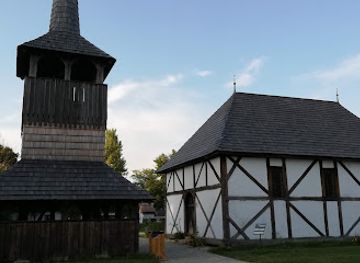
Nyíregyháza's principal attractions are divided between its compact centre and the wooded Sóstó resort. In town, the Jósa András Museum introduces the archaeology, art and social history of Szabolcs, while the Móricz Zsigmond Theatre anchors the city's performing-arts life. Sóstó is the larger leisure district: Nyíregyháza Zoo presents animals in a forested setting, the Sóstó Museum Village recreates rural buildings and traditions from northeastern Hungary, and Aquarius offers thermal bathing and water-based recreation. The lakes and surrounding woodland provide space for walks between visits, with the resort's atmosphere changing markedly through the seasons. Back in the centre, Kossuth Square, the churches and the Town Hall create an approachable architectural circuit, while the Kállay Collection adds historical and political context. Together these sites show a regional city whose appeal rests on museums, nature, family activities and local heritage rather than on a single monumental sight.
-
Tourist attraction
Nyíregyháza Animal Park, Sóstó Zoo
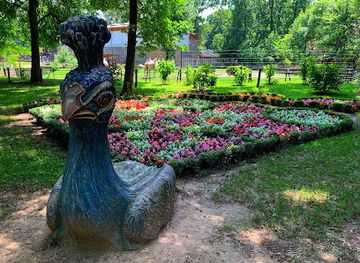
Experience the beauty of wildlife at Nyíregyháza Animal Park, Hungary's premier zoo with over 500 species and immersive animal encounters.
16 min drive · 5.2 km from city centre
-
Tourist attraction
Sóstói Múzeumfalu
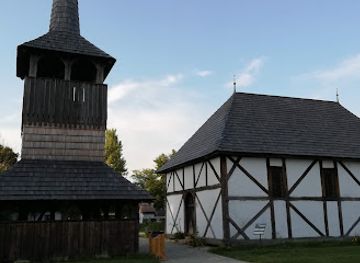
Explore the rich cultural heritage of Hungary at Sóstói Múzeumfalu, an open-air museum showcasing traditional village life.
17 min drive · 5.8 km from city centre
-
Tourist attraction
Ócenárium
Discover the enchanting world of wildlife and marine life at Ócenárium in Nyíregyháza, where adventure and education come together in a vibrant setting.
15 min drive · 5.0 km from city centre
-
Tourist attraction
Szökőkút
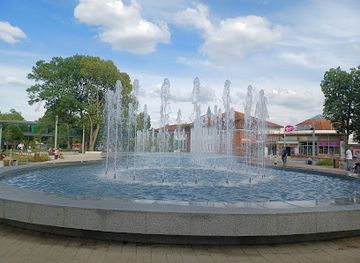
Explore the breathtaking Szökőkut in Nyíregyháza, where nature, tranquility, and family fun come together for an unforgettable experience.
16 min drive · 5.4 km from city centre
Best landmarks in Nyiregyhaza
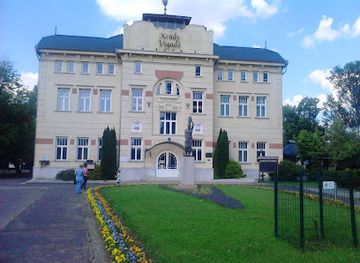
Nyíregyháza's landmarks express the religious and civic history of a city rebuilt and enlarged after its 18th-century resettlement. Kossuth Square forms the central urban stage, with the ornate Town Hall representing the civic confidence of the modern county centre. The Lutheran church recalls the Slovak settlers whose arrival in 1753 helped repopulate the town, while the Roman Catholic Co-Cathedral of Our Lady and the Greek Catholic church reflect the region's plural religious traditions. The Jósa András Museum is significant not only for its collections but also as a cultural institution connecting the city with the wider archaeology and history of Szabolcs. In Sóstó, the historic-style buildings of the Sóstó Museum Village function as a different kind of landmark, preserving regional rural architecture and demonstrating how villages, farms and craft traditions shaped the landscape around Nyíregyháza.
-
Zoo
Nyíregyháza Animal Park, Sóstó Zoo
Discover the enchanting wildlife at Nyíregyháza Animal Park, Sóstó Zoo - a premier destination for nature lovers and families in Hungary.
16 min drive · 5.2 km from city centre
-
Museum
Sóstói Múzeumfalu
Discover Hungary's cultural heritage at Sóstói Múzeumfalu, an open-air museum showcasing traditional architecture and folk crafts.
17 min drive · 5.8 km from city centre
-
Zoo
Ócenárium
Explore Ócenárium in Nyíregyháza: A captivating zoo experience that combines conservation, education, and fun for the whole family.
15 min drive · 5.0 km from city centre
-
 Hotel
HotelHotel Pagony Wellness & Conference
Discover the tranquil elegance of Hotel Pagony Wellness & Conference in Nyíregyháza, where relaxation meets modern amenities for an unforgettable stay.
8 min drive · 2.8 km from city centre
Explore Nyiregyhaza on the map
Plan your Nyiregyhaza trip on one map. See where the top attractions, landmarks, restaurants, bars and hotels are, find what's near where you're staying, and book hotels and experiences in a few clicks.
Best hotels in Nyiregyhaza
Best restaurants in Nyiregyhaza
Nyíregyháza's food culture reflects the produce and traditions of Szabolcs-Szatmár-Bereg, where orchards, market gardens and the broader Great Plain have shaped local cooking. Szabolcsi töltött káposzta, cabbage leaves filled in a regional style, is among the area's best-known specialities, while apples from the Nyírség appear in desserts, preserves, juices and seasonal products. Restaurants in the centre and around Sóstó serve familiar Hungarian dishes alongside international fare, and cafés provide cake, coffee and light meals during city visits. The Búza tér market area and other local food shops offer opportunities to see regional fruit, vegetables, smoked goods and pantry ingredients rather than a highly formalised street-food scene. Visitors may also encounter paprika-seasoned stews, soups and pastries typical of northeastern Hungarian home cooking, with menus changing according to season and the character of each establishment.
-
American
Colorado Steak House
Experience authentic American cuisine at Colorado Steak House in Nyíregyháza – where every meal is a celebration of flavor and quality.
15 min drive · 5.1 km from city centre
-
Restaurant
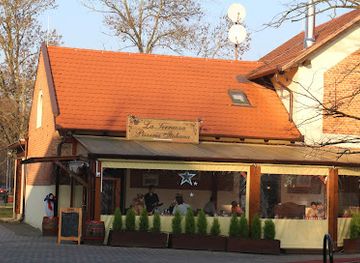
La Terrazza
Experience authentic Italian cuisine at La Terrazza in Nyíregyháza - home of exquisite pizzas and delightful ice creams.
17 min drive · 5.7 km from city centre
-
Restaurant
424 Irish Pub
Discover authentic Irish cuisine and hospitality at 424 Irish Pub in Nyíregyháza – where every meal feels like home.
16 min drive · 5.5 km from city centre
-
Restaurant
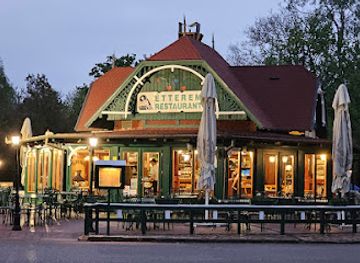
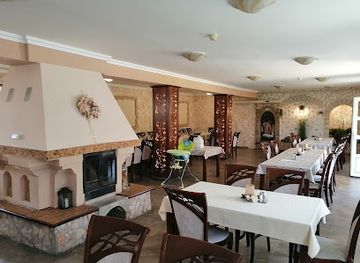
Sziklakert Étterem és Panzió
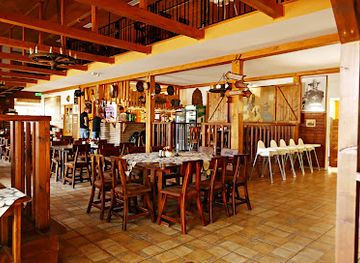
Experience authentic Hungarian cuisine and warm hospitality at Sziklakert Étterem és Panzió in Nyíregyháza.
17 min walk · 1.4 km from city centre
Best bars in Nyiregyhaza
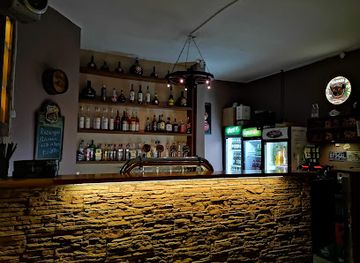
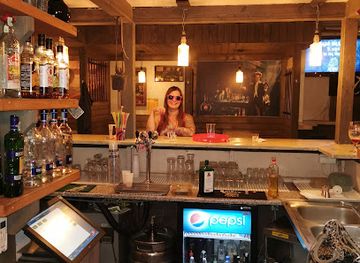
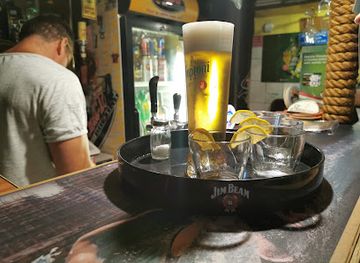
Nyíregyháza's evening life is centred more on cafés, restaurants, student activity and cultural performances than on a large club circuit. The central area around Kossuth Square and the main commercial streets has places for an unhurried drink, while bars and casual venues near the university and shopping districts create a younger atmosphere at certain times. The Móricz Zsigmond Theatre provides an important alternative to nightlife based on drinking, with drama, music and other performances forming part of the city's evening calendar. Sóstó can be pleasant after a day outdoors, particularly when seasonal events or concerts are taking place, but it is not a continuous late-night entertainment district. Local programmes vary, so checking current theatre, concert and cultural listings is more reliable than assuming every venue operates late or every night.
-
Sports bar
Fun City Bowling Bar Nyíregyháza
Experience the ultimate blend of excitement and relaxation at Fun City Bowling Bar in Nyíregyháza, where fun meets flavor in a vibrant atmosphere.
5 min walk · 0.4 km from city centre
-
Bar
Blues Café
Discover the lively ambiance of Blues Café, where great music and delicious drinks come together in the heart of Nyíregyháza for an unforgettable night.
7 min walk · 0.6 km from city centre
-
Bar
Szmog Pub
Experience the vibrant nightlife of Nyíregyháza at Szmog Pub, where great drinks, live music, and a welcoming atmosphere await you.
8 min walk · 0.6 km from city centre
-
Pub
Yes Söröző
Discover the lively ambiance and extensive drink selection at Yes Söröző, a top pub in Nyíregyháza's vibrant nightlife.
2 min walk · 0.2 km from city centre
Best nightclubs in Nyiregyhaza
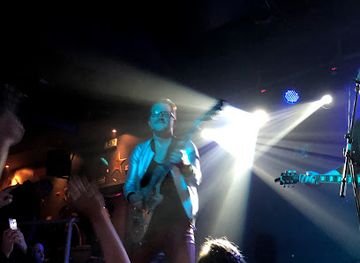
Nyíregyháza's evening life is centred more on cafés, restaurants, student activity and cultural performances than on a large club circuit. The central area around Kossuth Square and the main commercial streets has places for an unhurried drink, while bars and casual venues near the university and shopping districts create a younger atmosphere at certain times. The Móricz Zsigmond Theatre provides an important alternative to nightlife based on drinking, with drama, music and other performances forming part of the city's evening calendar. Sóstó can be pleasant after a day outdoors, particularly when seasonal events or concerts are taking place, but it is not a continuous late-night entertainment district. Local programmes vary, so checking current theatre, concert and cultural listings is more reliable than assuming every venue operates late or every night.
-
Bar
Nox Club
Discover the ultimate nightlife experience at Nox Club in Nyíregyháza, where vibrant atmosphere meets exceptional drinks.
8 min walk · 0.6 km from city centre
-
Night club
Móricz Kert
Experience the lively nightlife of Nyíregyháza at Móricz Kert, a unique night club with a garden ambiance and fantastic live music.
7 min walk · 0.5 km from city centre
-
Night club
Hollywood
Experience the vibrant nightlife at Hollywood Night Club in Nyíregyháza, where music, dancing, and fun collide for an unforgettable evening.
6 min walk · 0.5 km from city centre
-
Night club
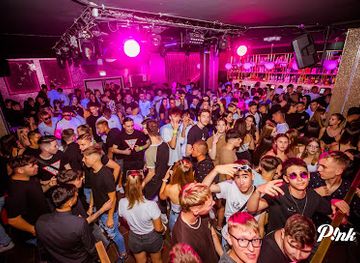
Pink Club
Experience the vibrant nightlife of Nyíregyháza at Pink Club, where electrifying music and an unforgettable atmosphere await.
6 min drive · 1.8 km from city centre


Best shops in Nyiregyhaza
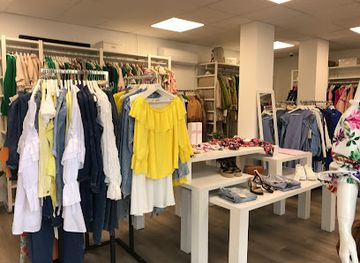
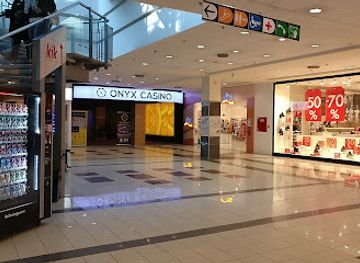
Shopping in Nyíregyháza combines ordinary regional retail with opportunities to find food and craft products associated with the Nyírség. The Búza tér market is the most useful place to look for seasonal fruit, vegetables, preserves and other everyday produce, while central streets and the Korzó shopping centre provide fashion, cafés, services and contemporary retail. Nyír Plaza adds another modern commercial option outside the historic core. Specialist food shops and market stalls may carry Szabolcs apples, juices, jams, paprika and other pantry goods, although availability changes with the season. The Sóstó Museum Village is more valuable for understanding traditional buildings and crafts than for extensive shopping, but cultural events may include locally made items. Visitors seeking souvenirs should favour regional food, ceramics, textiles or small craft products over generic objects presented as local.
-
Dress store
Minibox Nyíregyháza
Explore the best of fashion at Minibox Nyíregyháza, where style meets affordability in a vibrant shopping atmosphere.
6 min walk · 0.5 km from city centre
-
Shopping mall
Nyír Pláza
Explore Nyír Pláza, the ultimate shopping and entertainment hub in Nyíregyháza, offering diverse stores, delicious dining, and family fun.
15 min walk · 1.2 km from city centre
-
Store
Korzó
Discover Korzó, the ultimate shopping mall in Nyíregyháza, offering diverse shops, delicious dining, and vibrant entertainment for all visitors.
4 min walk · 0.3 km from city centre
-
Home improvement store
OBI Nyíregyháza
Explore OBI Nyíregyháza for all your home improvement needs, from building materials to expert advice, making your renovation dreams come true.
10 min walk · 0.8 km from city centre

Get your free copy of our complete guide to Nyiregyhaza, delivered straight to you.
Everything on this page, from attractions and restaurants to essentials and local phrases, in one PDF you can read offline, print or share.
Already have an account? Sign in
Your Nyiregyhaza guide is ready.
We'll send it to · Not you? Sign out

Getting your guide ready…
We are putting together a fresh copy of the Nyiregyhaza guide. This can take up to a minute.
This can take a few moments. If your browser asks, choose Allow so the download can start. You'll find the guide in your Downloads folder.
Nothing happened? Download it again
Sorry, the guide is taking longer than usual. Please try again in a minute, or get it by email instead.
Nyiregyhaza essentials
Currency and Payment
Safety
Emergency Situations
Do's and Don'ts
Local Tips
From Eve
Local phrases worth knowing
You don't need to get them perfect. A few words go a long way, and locals appreciate the effort.
Basics
| English | Local | Say it |
|---|---|---|
| Hello | Helló | [heh-loh] |
| Goodbye | Viszontlátásra | [vee-zont-la-taash-ra] |
| Yes | Igen | [ee-gen] |
| No | Nem | [nem] |
| Please/You're welcome | Kérem | [keh-rem] |
| Thank you | Köszönöm | [kœ-sœ-nœm] |
| Excuse me/Sorry | Elnézést | [el-neh-zaysh-t] |
| How are you? | Hogy vagy? | [hoj vahdj] |
| Fine. And you? | Jól vagyok. És te? | [yool vahdj-ok. ays te] |
| Do you speak English? | Beszélsz angolul? | [bes-ails on-goh-lool] |
| I don't understand | Nem értem | [nem air-tem] |
Eating & Drinking
| English | Local | Say it |
|---|---|---|
| I'd like to see the menu, please | Szeretnék látni az étlapot, kérem | [seh-reht-nayk laht-nee az ayt-la-pot, keh-rem] |
| I don't eat meat | Nem eszem húst | [nem es-em hoo-st] |
| Cheers! | Egészségedre! | [ay-gaysh-shay-ged-reh] |
| I would like to pay, please | Szeretnék fizetni, kérem | [seh-reht-nayk fee-zeht-nee, keh-rem] |
Emergencies
| English | Local | Say it |
|---|---|---|
| Help! | Segítség! | [she-gheet-shayg] |
| Go away! | Menj el! | [men yel] |
| Call the Police! | Hívd a rendőrséget! | [heed ah ren-dœr-say-get] |
| Call a doctor! | Hívd az orvost! | [heed az or-vosht] |
| I'm lost | Elvesztem | [el-veh-stem] |
| I'm ill | Beteg vagyok | [beh-teg vahdj-ok] |
Shopping
| English | Local | Say it |
|---|---|---|
| I'd like to buy... | Szeretnék vásárolni... | [seh-reht-nayk va-shah-rol-nee] |
| I'm just looking | Csak nézelődöm | [chahk ne-zeh-loh-dœm] |
| How much is it? | Mennyibe kerül? | [men-yee-beh keh-rool] |
| That's too expensive | Túl drága | [tool draa-ga] |
| Can you lower the price? | Le tudnád engedni az árat? | [leh too-dnaad eng-ed-nee az ah-rat] |
Time & Numbers
| English | Local | Say it |
|---|---|---|
| What time is it? | Mennyi az idő? | [men-yee az ee-dœ] |
| It's one o'clock | Egy óra van | [edj oh-ra van] |
| Half past (10) | Fél tizenegy van | [fayl tee-zen-ayk van] |
| Morning | Reggel | [reh-ggel] |
| Afternoon | Délután | [day-loo-taan] |
| Evening | Este | [eh-shteh] |
| Yesterday | Tegnap | [teg-nap] |
| Today | Ma | [ma] |
| Tomorrow | Holnap | [hohl-nap] |
| 1 | Egy | [edj] |
| 2 | Kettő | [ket-toh] |
| 3 | Három | [hah-rom] |
| 4 | Négy | [naydj] |
| 5 | Öt | [œt] |
| 6 | Hat | [haht] |
| 7 | Hét | [hayt] |
| 8 | Nyolc | [nyolts] |
| 9 | Kilenc | [keel-ents] |
| 10 | Tíz | [teaze] |
Transport & Directions
| English | Local | Say it |
|---|---|---|
| Where's a/the...? | Hol van a...? | [hohl van ah] |
| What's the address? | Mi a cím? | [mee ah cheem] |
| Can you show me (on the map)? | Meg tudnád mutatni (a térképen)? | [mehg too-dnaad moo-taht-nee ah tare-kay-pen] |
| When's the next (bus)? | Mikor jön a következő (busz)? | [mee-kor yœn ah keh-veht-keh-zœ bus] |
| A ticket (to ....) | Egy jegyet (....-ra) | [edj yehg-yet rah] |
History of Nyiregyhaza
Medieval Szabolcs Settlement
The settlement that developed into Nyíregyháza belonged to the historical Szabolcs area of northeastern Hungary, a region shaped by the proximity of the Tisza and by routes linking the Great Plain with territories farther east. Written references to the place appear in the medieval period, when villages in the Nyírség were organised around agriculture, local estates and parish life. Like many settlements in the region, it experienced the disruption caused by the Mongol invasion of 1241–42 and by later political and military instability. Its early history was not that of a major royal centre, but of a rural community whose fortunes were tied to landholding, cultivation and the wider development of Szabolcs.
Ottoman Borderland and Decline
During the 16th and 17th centuries, northeastern Hungary lay within a contested frontier zone affected by the Ottoman expansion, the Principality of Transylvania and Habsburg rule. Warfare, taxation and population movements weakened many settlements across the Nyírség, and Nyíregyháza declined significantly. The village's reduced population and uncertain economic position continued into the early 18th century, when the end of the great conflicts created conditions for planned repopulation. This period helps explain why much of the city's later identity derives from a deliberate 18th-century renewal rather than from an uninterrupted medieval urban tradition.
The Eighteenth-Century Resettlement
A decisive change came in 1753, when Ferenc Károlyi encouraged settlers to repopulate Nyíregyháza. Slovak, or 'Tót', settlers arrived in substantial numbers, alongside other inhabitants, and helped establish the town's distinctive Lutheran and multilingual character. The resettlement stimulated farming, crafts and trade, while the granting of privileges made the community more attractive to newcomers. Religious institutions, schools and markets developed as the population grew. The legacy of this movement remains visible in the town's Lutheran heritage and in the cultural links between Nyíregyháza and the Slovak communities that contributed to its early modern development.
Trade, Railways and Urban Growth
In the 19th century Nyíregyháza grew from a large agricultural settlement into the principal urban centre of its region. Improvements in administration, commerce and education were reinforced by railway connections, which integrated the town more closely with Debrecen, Budapest and the northeastern borderlands. The railway encouraged the movement of grain, fruit, livestock and manufactured goods, while civic buildings and churches gave the centre a more urban appearance. The wider Szabolcs area also became associated with orchards, especially apple cultivation. These economic and infrastructural changes established the foundations of the modern city and strengthened its regional importance.
Twentieth-Century Transformation
The 20th century brought political upheaval, the territorial changes that followed the First World War, the Second World War and the socialist reorganisation of Hungary. Nyíregyháza remained the administrative and commercial focus of Szabolcs, although war and political change affected its institutions and population. After 1945, new housing, public buildings and industrial workplaces expanded the city beyond its historic core. The county capital gained further importance through education, healthcare and cultural development. In the later decades, Sóstó was consolidated as a recreational district, drawing on its woodland setting and thermal waters as the city broadened its role as a regional destination.
Nyíregyháza in Contemporary Hungary
Since the democratic transition of 1989–90, Nyíregyháza has combined regional administration and commerce with a growing cultural and leisure economy. The development of the Sóstó resort area, including the zoo, museum village and thermal facilities, has given the city a recognisable visitor focus, while central museums, theatres and educational institutions sustain local cultural life. Restoration and continued use of churches and civic buildings preserve links with the city's multi-confessional past. Today Nyíregyháza is best understood as a regional Hungarian centre shaped by planned resettlement, agricultural wealth, railway-era growth and the landscapes of the Nyírség.
Travel experiences inspired by this city


Swipe for more travel diaries
Nyiregyhaza in Photos
Browse through our photo collection highlighting the charm and character of the destination.
Cities near Nyiregyhaza
The closest cities to Nyiregyhaza, if you have time for more than one stop.
-

-

-

-

-


Swipe for more cities
Explore more

Explore more of Hungary
Discover Hungary: A land of historic cities, scenic landscapes, thermal baths, and rich culinary traditions in the heart of Europe.
Explore Hungary