

Free Miskolc Travel Guide & Mobile App
Plan your Miskolc trip with Evendo. Get free guides to top attractions, restaurants, hotels, and bars. Web access or download the mobile app.


Miskolc, Hungary blends medieval castles, thermal caves, Bükk Mountain landscapes, industrial heritage, museums and distinctive northern Hungarian culture.
A City Between Mountain and Plain
Miskolc occupies a distinctive position in north-eastern Hungary, where the Great Plain begins to rise towards the forested Bükk Mountains. Its centre is shaped by broad avenues, tram lines and layers of urban development, while the city's outer districts lead quickly into wooded valleys, limestone landscapes and historic resort settlements. This combination gives Miskolc a character unlike Hungary's more uniformly lowland cities: industrial and urban in its central districts, yet closely connected to springs, caves and mountain trails.Read more about Miskolc
History in Streets and Stone
Forests, Caves and Thermal Water
When is the best time to visit Miskolc?
Best: June–August · 25–26°C| Month | High (°C) | Rainfall (mm) |
|---|---|---|
| January | 2 | 26 |
| February | 4 | 24 |
| March | 8 | 28 |
| April | 15 | 32 |
| May | 22 | 37 |
| June (best) | 25 | 46 |
| July (best) | 26 | 53 |
| August (best) | 26 | 43 |
| September | 20 | 39 |
| October | 15 | 33 |
| November | 10 | 31 |
| December | 5 | 28 |
Getting to and around Miskolc
How to get there
Transportation
Best attractions in Miskolc
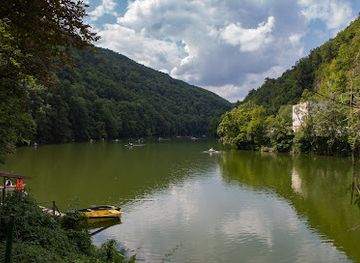
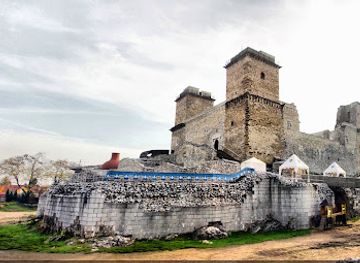
Miskolc's attractions range from urban museums to wooded mountain resorts. The Diósgyőr Castle complex introduces the city's medieval royal history through its fortified courtyards and exhibitions, while the Herman Ottó Museum and its Pannon Sea Museum branch explore regional archaeology, natural history and geology. In Miskolctapolca, the natural cave environment and thermal-bathing tradition are central to the district's identity, though current access and facilities should be checked before visiting. Lillafüred offers a very different setting, with Lake Hámor, the Szinva waterfall, forest paths and the Palace Hotel set among steep Bükk slopes. The Lillafüred State Forest Railway provides a scenic journey towards Garadna, and the Avas hillside combines a historic church tower, views across the city and rows of wine cellars. In the centre, the Miskolc National Theatre and pedestrianised sections of Széchenyi István út add cultural and architectural interest.
-
Tourist attraction
Szinva waterfall
Discover the breathtaking Szinva Waterfall in Lillafüred, a perfect escape for nature lovers and photographers seeking tranquility and beauty.
31 min drive · 11 km from city centre
-
Tourist attraction
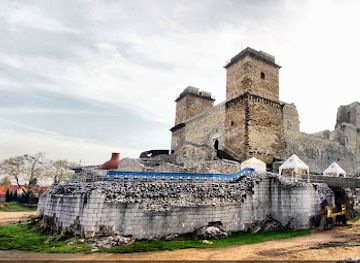
Diósgyőr Castle
Uncover the rich history and stunning architecture of Diásgyőr Castle in Miskolc, Hungary, a captivating destination for every traveler.
20 min drive · 6.6 km from city centre
-
Tourist attraction
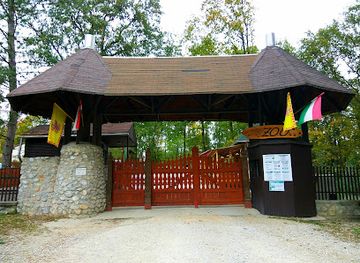
Miskolc Zoo
Discover the enchanting Miskolc Zoo in Csanyik Valley, where wildlife encounters and stunning nature await every traveler.
28 min drive · 9.4 km from city centre
-
Tourist attraction
Lillafüredi Libegő
Discover Lillafüredi Libegő: A breathtaking mountain cable car experience with stunning views and thrilling hiking trails in Miskolc, Hungary.
32 min drive · 12 km from city centre
Best landmarks in Miskolc
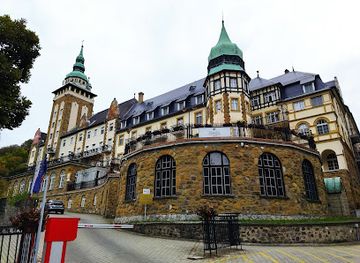
Diósgyőr Castle is Miskolc's most prominent medieval landmark, a fortified royal residence whose restored towers and courtyards evoke the period when Louis I developed the site as a royal centre. In the old centre, the Miskolc National Theatre represents the city's civic and cultural development, while the Avas Reformed Church and its separate Gothic-style bell tower form a historic presence above the urban core. The Avas hillside is also marked by wine-cellar rows cut into the slope, evidence of the area's long viticultural tradition. Lillafüred's Palace Hotel, built in the interwar period in a historicist style, is a distinctive architectural feature of the mountain resort beside Lake Hámor. Together, these landmarks trace Miskolc's transformation from medieval settlement to industrial and cultural regional centre.
-
Thermal baths
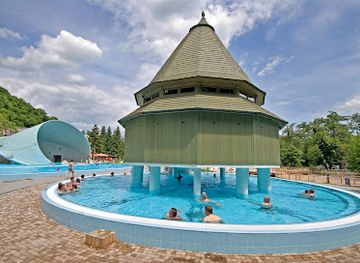
Miskolctapolca Cave Bath
Discover the magical Miskolctapolca Cave Bath, where thermal waters meet stunning cave formations in a relaxing paradise.
16 min drive · 5.4 km from city centre
-
Tourist attraction
Szinva waterfall
Discover the breathtaking Szinva Waterfall in Lillafüred, Hungary, where nature's beauty meets adventure and tranquility in a stunning landscape.
31 min drive · 11 km from city centre
-
Museum
Diósgyőr Castle
Explore the enchanting Diósgyőr Castle in Miskolc, Hungary, where history and beauty intertwine for a memorable experience.
20 min drive · 6.6 km from city centre
-
Zoo
Miskolc Zoo
Discover the captivating wildlife and educational experiences at Miskolc Zoo, a must-visit tourist attraction in Hungary's beautiful Csanyik Valley.
28 min drive · 9.4 km from city centre
Explore Miskolc on the map
Plan your Miskolc trip on one map. See where the top attractions, landmarks, restaurants, bars and hotels are, find what's near where you're staying, and book hotels and experiences in a few clicks.
Best hotels in Miskolc
Best restaurants in Miskolc
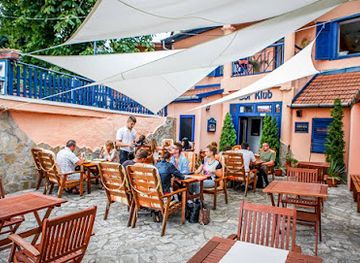
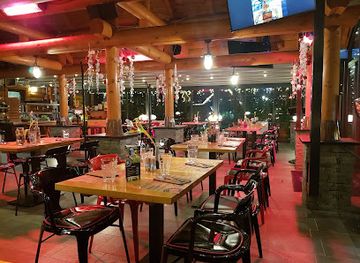
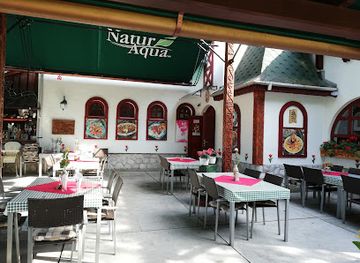
Miskolc's food culture is rooted in northern Hungarian home cooking, with hearty soups, stews, paprika-seasoned meats, dumplings and rustic pastries appearing alongside more contemporary interpretations. The city is particularly associated with kocsonya, a traditional savoury jellied pork dish celebrated in local culinary culture, while Bükk-region ingredients and game may appear on seasonal menus. Restaurants, bakeries and cafés are concentrated around Széchenyi István út and the central streets, with further choices in residential districts and the resort areas of Miskolctapolca and Lillafüred. Búza tér offers a useful introduction to everyday produce and market foods rather than a formal restaurant experience. Hungarian wines from the nearby Bükk wine region and northern vineyards complement local dishes, and the Avas cellars provide historical context for the area's long relationship with viticulture.
-
Restaurant
Creppy PalacsintaHáz Étterem & Center Miskolc
Discover Creppy PalacsintaHáz in Miskolc for an unforgettable pancake experience with delicious flavors and cozy ambiance.
6 min walk · 0.5 km from city centre
-
Restaurant
Avalon Ristorante
Experience authentic Italian cuisine at Avalon Ristorante in Miskolc - where every dish tells a story of flavor and tradition.
17 min drive · 5.5 km from city centre
-
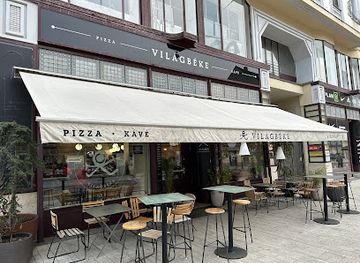
Pizza
Pizza,Kávé,Világbéke
Discover authentic Italian pizza in Miskolc at Pizza, Kávé, Világbéke - where flavor meets tradition in every slice.
4 min walk · 0.3 km from city centre
-
Restaurant
Molnár Csárda Étterem
Experience authentic Hungarian cuisine at Molnár Csárda Étterem in Miskolc's stunning Lillafüred region—where tradition meets breathtaking nature.
30 min drive · 10 km from city centre
Best bars in Miskolc
Miskolc's evening life is concentrated mainly in the centre, where bars, cafés and casual venues gather around Széchenyi István út, the Szinva terraces and nearby streets. The atmosphere is more regional and student-oriented than hedonistic, shaped by Miskolc University, theatre audiences and the city's sizeable local population. The Miskolc National Theatre provides an important alternative to bar culture, with drama, opera, musical theatre and other performances forming part of the city's night-time calendar. Smaller venues may offer live music, cultural programmes or relaxed drinks, while the Avas cellars are associated with wine and local social traditions rather than late-night clubbing. Activity becomes quieter in Lillafüred and Miskolctapolca after daytime visitors depart, so evening options outside the centre tend to be more limited and seasonal.
-
Restaurant
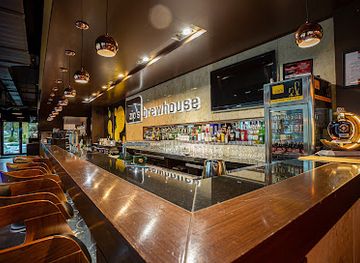
zip's gastro & bar
Discover the culinary delights of Zip's Gastro & Bar in Miskolc, where local flavors meet inviting ambiance for an unforgettable dining experience.
10 min walk · 0.8 km from city centre
-
Bar
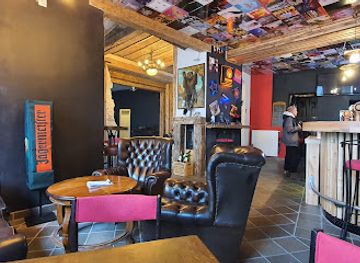
Grizzly Music Pub and Brewery
Experience the lively atmosphere and unique craft beers at Grizzly Music Pub and Brewery in Miskolc, a perfect blend of music and brewing culture.
1 min walk · 0.1 km from city centre
-
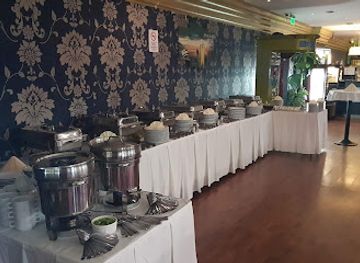
Sports bar
Fun City Bowling
Explore Fun City Bowling in Miskolc for an unforgettable blend of bowling, arcade games, and delightful café treats in a dynamic atmosphere.
13 min walk · 1.1 km from city centre
-
Bar
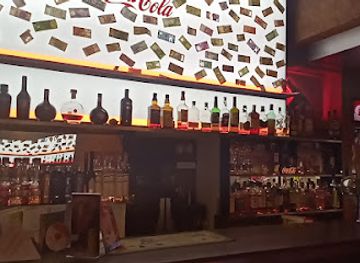
Abszurd
Discover the vibrant atmosphere of Abszurd Bar in Miskolc, where local drinks and lively entertainment create unforgettable moments.
8 min walk · 0.6 km from city centre
Best nightclubs in Miskolc
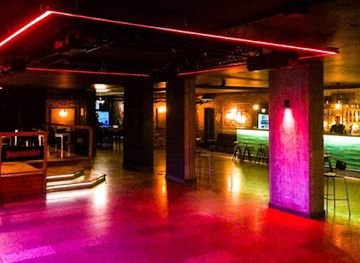
Miskolc's evening life is concentrated mainly in the centre, where bars, cafés and casual venues gather around Széchenyi István út, the Szinva terraces and nearby streets. The atmosphere is more regional and student-oriented than hedonistic, shaped by Miskolc University, theatre audiences and the city's sizeable local population. The Miskolc National Theatre provides an important alternative to bar culture, with drama, opera, musical theatre and other performances forming part of the city's night-time calendar. Smaller venues may offer live music, cultural programmes or relaxed drinks, while the Avas cellars are associated with wine and local social traditions rather than late-night clubbing. Activity becomes quieter in Lillafüred and Miskolctapolca after daytime visitors depart, so evening options outside the centre tend to be more limited and seasonal.
-
Night club
Rockwell Club
Rockwell Club in Miskolc offers an electrifying nightlife experience with pulsating music, vibrant decor, and a lively crowd, perfect for dance lovers.
8 min drive · 2.7 km from city centre
-
Night club
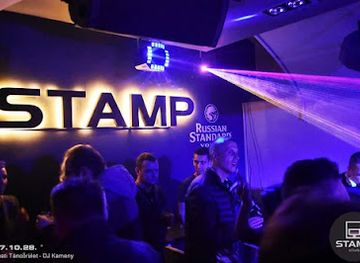
Stamp Club
Discover Miskolc's vibrant nightlife at Stamp Club, where music, cocktails, and unforgettable experiences await every night.
7 min walk · 0.6 km from city centre
-
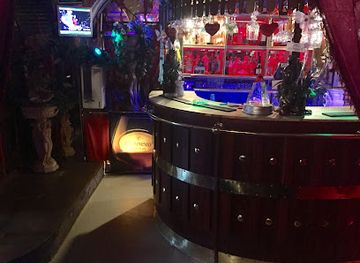
Bar
Mandarin Nightclub and Bar Streaptease
Mandarin Nightclub and Bar in Miskolc: A vibrant nightlife destination for cocktails, dancing, and unforgettable memories.
6 min walk · 0.5 km from city centre
-
Bar
Diamond Night Club - Miskolc
Discover the vibrant nightlife of Miskolc at Diamond Night Club, where music, drinks, and unforgettable memories await you.
9 min walk · 0.8 km from city centre

Best shops in Miskolc
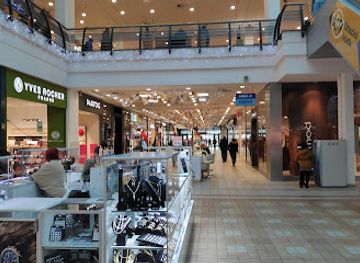
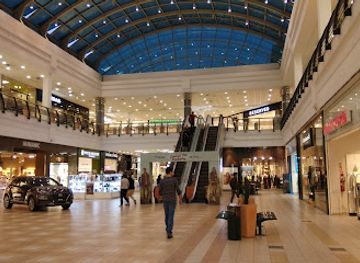
Shopping in Miskolc combines ordinary regional retail with markets and products connected to northern Hungarian traditions. Búza tér is the city's principal market area, where seasonal fruit and vegetables, cheeses, preserves and other everyday goods give visitors a more local perspective than a modern shopping centre. The central streets around Széchenyi István út contain cafés, bookshops, fashion retailers and independent businesses, with larger malls available for conventional high-street shopping. Specialist shops and market stalls may offer paprika, honey, pálinka, Bükk wines and packaged regional foods, while craft items can sometimes be found through cultural events or artisan sellers rather than permanent tourist boutiques. Pottery, woodwork and embroidered textiles reflect wider Hungarian craft traditions; buyers should distinguish locally made goods from mass-produced souvenirs and ask about provenance when it matters.
-
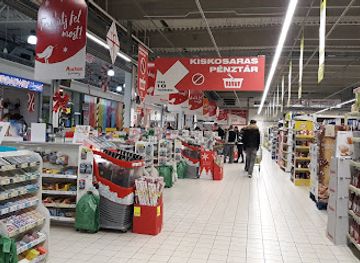
Hypermarket
Auchan
Immerse yourself in the shopping paradise of Auchan in Miskolc, where variety meets convenience for an unforgettable retail experience.
13 min drive · 4.4 km from city centre
-
Shopping mall
Miskolc Pláza
Discover Miskolc Pláza, Hungary's vibrant shopping mall, offering fashion, dining, and entertainment for a delightful day out.
11 min walk · 0.9 km from city centre
-
Shopping mall
STOP SHOP
Experience shopping, dining, and entertainment all under one roof at STOP SHOP in Miskolc, Hungary's vibrant retail destination.
8 min drive · 2.7 km from city centre
-
Watch store
BL Watch shop
Discover exquisite timepieces at BL Watch Shop in Miskolc, where craftsmanship meets elegance in every watch.
11 min walk · 0.9 km from city centre
Get your free copy of our complete guide to Miskolc, delivered straight to you.
Everything on this page, from attractions and restaurants to essentials and local phrases, in one PDF you can read offline, print or share.
Already have an account? Sign in
Your Miskolc guide is ready.
We'll send it to · Not you? Sign out

Getting your guide ready…
We are putting together a fresh copy of the Miskolc guide. This can take up to a minute.
This can take a few moments. If your browser asks, choose Allow so the download can start. You'll find the guide in your Downloads folder.
Nothing happened? Download it again
Sorry, the guide is taking longer than usual. Please try again in a minute, or get it by email instead.
Miskolc essentials
Currency and Payment
Safety
Emergency Situations
Do's and Don'ts
Local Tips
From Eve
Local phrases worth knowing
You don't need to get them perfect. A few words go a long way, and locals appreciate the effort.
Basics
| English | Local | Say it |
|---|---|---|
| Hello | Szia | [see-ah] |
| Goodbye | Viszlát | [vees-laht] |
| Yes | Igen | [ee-gen] |
| No | Nem | [nem] |
| Please/You're welcome | Kérem | [keh-rem] |
| Thank you | Köszönöm | [kur-suh-nuhm] |
| Excuse me/Sorry | Elnézést | [el-nay-zayst] |
| How are you? | Hogy vagy? | [hohdj vahdj] |
| Fine. And you? | Jól vagyok. És te? | [yol vahdjok ays teh] |
| Do you speak English? | Beszélsz angolul? | [bes-ayl-s ang-oh-lool] |
| I don't understand | Nem értem | [nem ayr-tem] |
Eating & Drinking
| English | Local | Say it |
|---|---|---|
| I'd like to see the menu, please | Szeretnék látni a menüt, kérem | [seh-reht-nayk laht-nee ah meh-nooht, keh-rem] |
| I don't eat meat | Nem eszem húst | [nem es-em hoo-sht] |
| Cheers! | Egészségedre! | [egg-ay-sheh-ged-reh] |
| I would like to pay, please | Fizetnék, kérem | [fee-zeht-nayk, keh-rem] |
Emergencies
| English | Local | Say it |
|---|---|---|
| Help! | Segítség! | [sheh-geet-sayg] |
| Go away! | Menj el! | [meyn yel] |
| Call the Police! | Hívj rendőrt! | [heev rayn-durt] |
| Call a doctor! | Hívj orvost! | [heev or-vosht] |
| I'm lost | Elvesztem | [el-veh-stem] |
| I'm ill | Beteg vagyok | [beh-teg vahdjok] |
Shopping
| English | Local | Say it |
|---|---|---|
| I'd like to buy... | Szeretnék venni... | [seh-reht-nayk vehn-nee] |
| I'm just looking | Csak nézelődöm | [chahk nay-zeh-loh-dohm] |
| How much is it? | Mennyibe kerül? | [men-nyi-beh keh-rool] |
| That's too expensive | Túl drága | [tool draa-gah] |
| Can you lower the price? | Le tudnád engedni az árat? | [leh too-dnaad eng-ed-nee ahs ah-raht] |
Time & Numbers
| English | Local | Say it |
|---|---|---|
| What time is it? | Mennyi az idő? | [men-nyi ahz eed-uh] |
| It's one o'clock | Egy óra van | [edj oh-rah vahn] |
| Half past (10) | Fél tizenegy | [fayl tee-zen-ayk] |
| Morning | Reggel | [rehg-gehl] |
| Afternoon | Délelőtt | [day-leh-loht] |
| Evening | Este | [eh-shteh] |
| Yesterday | Tegnap | [teg-nahp] |
| Today | Ma | [mah] |
| Tomorrow | Holnap | [hol-nahp] |
| 1 | Egy | [edj] |
| 2 | Kettő | [ket-toh] |
| 3 | Három | [haa-rom] |
| 4 | Négy | [neyg] |
| 5 | Öt | [uht] |
| 6 | Hat | [haht] |
| 7 | Hét | [hayt] |
| 8 | Nyolc | [nyoltz] |
| 9 | Kilenc | [keelents] |
| 10 | Tíz | [teeez] |
Transport & Directions
| English | Local | Say it |
|---|---|---|
| Where's a/the...? | Hol van a... | [hol vahn ah] |
| What's the address? | Mi a cím? | [mee ah cheem] |
| Can you show me (on the map)? | Megmutatnád (a térképen)? | [meg-moo-taht-naad ah tayr-kay-pen] |
| When's the next (bus)? | Mikor jön a következő (busz)? | [mee-kor yoyn ah koh-vet-keh-zoh boobs] |
| A ticket (to ....) | Egy jegy (....-ra) | [edj yedj rah] |
History of Miskolc
Prehistoric Valleys and Early Settlement
The Miskolc area has been inhabited since prehistoric times, helped by its position between the Bükk Mountains and the northern edge of the Great Plain. Caves in the Bükk preserve evidence of Palaeolithic communities, while later settlements benefited from water, woodland resources and routes crossing the region. The modern city did not emerge from one single ancient urban foundation; rather, it developed from several villages and estates whose importance changed over the centuries. The surrounding landscape supported hunting, agriculture, craft production and movement between the Hungarian lowlands and the mountain region. This long human presence remains especially visible in the archaeological collections associated with northern Hungary and in the cave landscapes beyond the built-up centre.
Medieval Miskolc and Royal Diósgyőr
Miskolc grew as a medieval settlement belonging to the influential Miskolc kindred, whose name is recorded in written sources from the twelfth century. Its position on regional routes encouraged trade and agricultural development, while nearby Diósgyőr acquired exceptional status under the Hungarian kings. Louis I of Hungary developed Diósgyőr Castle in the fourteenth century as a royal residence, and the settlement became associated with the queens of Hungary. The castle's surviving walls and reconstructed interior spaces reflect this period of royal presence, although the monument has undergone extensive restoration. Medieval religious foundations, roads and market functions established the framework from which the later town expanded.
Ottoman Frontier and Town Development
During the sixteenth and seventeenth centuries, Miskolc lay within a contested zone affected by the expansion of the Ottoman Empire and the political division of the Hungarian Kingdom. The town experienced taxation, military pressure and changing authority, while nearby fortifications such as Diósgyőr formed part of the wider defensive landscape. Despite disruption, local agriculture, viticulture and commerce continued, and Miskolc gradually strengthened its role as a market settlement. The Avas hillside became associated with vineyards and wine cellars, a tradition that helps explain the surviving cellar rows and the area's distinctive topography. The town's later civic growth built on these commercial and agricultural foundations.
Trade, Reform and the Rise of Industry
Miskolc expanded considerably in the eighteenth and nineteenth centuries as roads, markets and regional commerce increased its importance. The town absorbed or closely connected with neighbouring settlements, including Diósgyőr, and became a centre for crafts, trade and administration. Industrialisation transformed the surrounding area, particularly through ironworking in the Diósgyőr valley, where modern works developed during the nineteenth century. Rail connections further strengthened Miskolc's position between Budapest, northern Hungary and the broader Carpathian region. This era produced civic buildings, theatres and commercial streets in the centre, while the industrial districts introduced a new working population and a more complex urban society.
Industrial City in the Twentieth Century
The twentieth century brought major political changes and a decisive expansion of Miskolc's industrial role. After the Second World War, socialist industrial policy supported steel, engineering and heavy manufacturing, attracting workers and encouraging large-scale housing development. Miskolc became one of Hungary's principal industrial cities, with Diósgyőr at the centre of its manufacturing identity. New districts, transport infrastructure and public institutions altered the older townscape, while the Miskolc University campus added an important educational presence. The industrial system later faced severe restructuring after the end of state socialism, leaving both economic challenges and a substantial built heritage of factories, workers' districts and transport corridors.
A Regional City Reframing Its Heritage
Since the political and economic changes of the late twentieth century, Miskolc has worked to broaden its identity beyond heavy industry. Cultural institutions, historic restoration and tourism have given renewed attention to Diósgyőr Castle, the city centre, the Avas and the Miskolc National Theatre. At the same time, Miskolctapolca and Lillafüred continue to connect the city with thermal water, forest recreation and the Bükk landscape. The legacy of factories remains part of Miskolc's character rather than a subject entirely removed from public life. Contemporary Miskolc is therefore best understood as a regional centre negotiating between industrial memory, civic culture and access to one of Hungary's most important mountain environments.
Travel experiences inspired by this city


Swipe for more travel diaries
Miskolc in Photos
Browse through our photo collection highlighting the charm and character of the destination.
Cities near Miskolc
The closest cities to Miskolc, if you have time for more than one stop.
-

-

-

-

-


Swipe for more cities
Explore more

Explore more of Hungary
Discover Hungary: A land of historic cities, scenic landscapes, thermal baths, and rich culinary traditions in the heart of Europe.
Explore Hungary