

Free Szombathely Travel Guide & Mobile App
Plan your Szombathely trip with Evendo. Get free guides to top attractions, restaurants, hotels, and bars. Web access or download the mobile app.


Szombathely reveals Roman Savaria, Baroque treasures, museums, leafy parks and western Hungary’s distinctive history, culture and local traditions.
Roman Origins and Historic Streets
Szombathely stands in western Hungary near the Austrian border, where the modern city has grown around the remains of Savaria, one of the Roman Empire’s important settlements in the province of Pannonia. Founded in the first century AD, the town developed along major imperial roads and retained its importance through successive centuries. Today, Roman fragments, Baroque churches, civic buildings and contemporary cultural institutions occupy the same compact centre, making the city particularly rewarding to explore on foot.Read more about Szombathely
Culture Around Fő Tér
Green Spaces and Contemporary Life
When is the best time to visit Szombathely?
Best: May, August–September · 23–28°C| Month | High (°C) | Rainfall (mm) |
|---|---|---|
| January | 5 | 31 |
| February | 8 | 25 |
| March | 12 | 28 |
| April | 19 | 38 |
| May (best) | 23 | 56 |
| June | 27 | 74 |
| July | 28 | 70 |
| August (best) | 28 | 54 |
| September (best) | 23 | 46 |
| October | 17 | 53 |
| November | 11 | 42 |
| December | 7 | 35 |
Getting to and around Szombathely
How to get there
Transportation
Best attractions in Szombathely
Szombathely’s principal attractions reveal the city in layers. The Iseum Savariense presents the remains of a Roman sanctuary dedicated to Isis and uses archaeological interpretation to explain the religious life of ancient Savaria. At the Savaria Museum, collections cover Roman archaeology, local history and the natural world of Vas County. The Garden of Ruins preserves sections of the Roman settlement in an open-air setting, while the cathedral precinct introduces the city’s later ecclesiastical importance. Around Fő tér, historic façades, cafés and civic buildings create an easy walking route through the centre. For a greener excursion, the Kámon Arboretum contains a wide range of trees and shrubs in landscaped grounds, and the Csónakázó-tó provides lakeside paths and recreation. Cultural visitors can also look to the Weöres Sándor Theatre and the AGORA cultural centre for exhibitions and performances.
-
Fountain
Main Square Fountain
Discover Szombathely's Main Square Fountain, a serene oasis of beauty and history in the heart of the city, perfect for leisurely strolls and cultural experiences.
1 min walk · 0.1 km from city centre
-
Arboretum
Kámoni arborétum
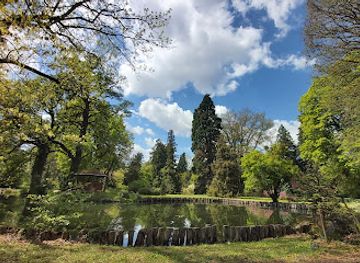
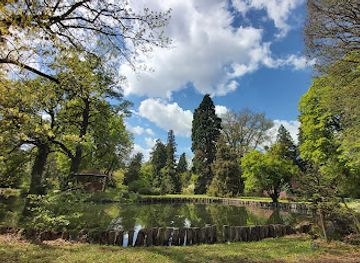
Explore the stunning Kámóni Arborétum in Szombathely, Hungary, a serene paradise showcasing diverse plant life and picturesque landscapes.
8 min drive · 2.6 km from city centre
-
Tourist attraction
Our Lady of the Visitation Cathedral, Szombathely
Discover the architectural beauty and spiritual significance of Our Lady of the Visitation Cathedral in Szombathely, a must-see cultural landmark.
4 min walk · 0.3 km from city centre
-
Open air museum
Vasi Skanzen
Explore Vasi Skanzen, an enchanting open-air museum in Szombathely, Hungary, showcasing the beauty of rural heritage and traditional crafts.
6 min drive · 2.1 km from city centre



Best landmarks in Szombathely
The Cathedral of the Visitation is Szombathely’s most imposing ecclesiastical landmark, a late eighteenth-century building commissioned after the creation of the diocese and associated with the city’s Baroque transformation. Beside it, the Bishop’s Palace represents the institutional and artistic ambitions of that period, with interiors and collections linked to the episcopal centre. Fő tér forms the principal civic setting, its façades showing the evolution of the city from a regional market town into a modern county capital. The Iseum Savariense and Garden of Ruins mark a much older layer: one interprets a Roman religious complex, while the other preserves archaeological remains of Savaria. The former Synagogue, now used as a cultural venue, also reflects the Jewish community that contributed to Szombathely’s urban and commercial life before the devastation of the twentieth century.
-
Fountain
Main Square Fountain
Discover the enchanting Main Square Fountain in Szombathely, a captivating landmark that embodies the city's rich history and vibrant culture.
1 min walk · 0.1 km from city centre
-
Arboretum
Kámoni arborétum
Explore the lush landscapes and diverse plant life at Kámoni Arborétum, a tranquil haven in Szombathely perfect for nature lovers and families.
8 min drive · 2.6 km from city centre
-
Cathedral
Our Lady of the Visitation Cathedral, Szombathely
Explore the Our Lady of the Visitation Cathedral in Szombathely, Hungary – a stunning neoclassical architectural gem rich in history and spiritual significance.
4 min walk · 0.3 km from city centre
-
Open air museum
Vasi Skanzen
Experience the rich cultural heritage of Hungary at Vasi Skanzen, a captivating open-air museum showcasing traditional architecture and crafts.
6 min drive · 2.1 km from city centre



Explore Szombathely on the map
Plan your Szombathely trip on one map. See where the top attractions, landmarks, restaurants, bars and hotels are, find what's near where you're staying, and book hotels and experiences in a few clicks.
Best hotels in Szombathely
Best restaurants in Szombathely
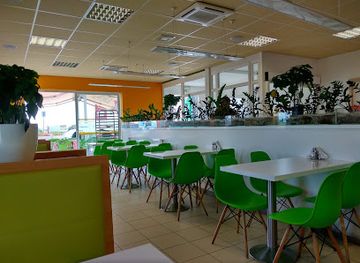
Szombathely’s dining scene reflects western Hungarian home cooking, regional produce and the practical traditions of a county capital. Menus commonly draw on paprika, onions, pork, poultry, potatoes and seasonal vegetables, while dishes such as dödölle—a rustic potato preparation associated with western Hungary—offer a taste of local culinary culture. Goulash, soups, schnitzel-style meals and savoury pancakes appear alongside pastries and cakes in central cafés. Restaurants and informal eateries are concentrated around the historic centre, especially near Fő tér, while the market provides an opportunity to see seasonal fruit, vegetables, baked goods and locally sourced ingredients. Austrian proximity has also encouraged cross-border influences, although the everyday character remains recognisably Hungarian. Visitors seeking a regional flavour should look beyond international menus and ask about daily specials, local desserts and dishes prepared with pumpkin seed oil or other western Hungarian ingredients.
-
Restaurant
Kispityer halászcsárda
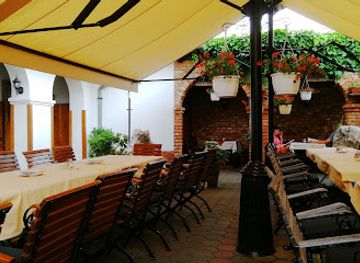
Discover the authentic flavors of Hungary at Kispityer Halászcsárda in Szombathely – where every meal is a celebration.
11 min walk · 0.9 km from city centre
-
Restaurant
Deck Bistro & Bar
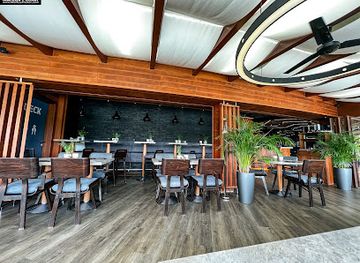
Discover culinary excellence at Deck Bistro & Bar in Szombathely - where every dish tells a story of flavor and creativity.
5 min drive · 1.7 km from city centre
-
Restaurant
Best Food Grill
Experience authentic Hungarian flavors at Best Food Grill in Szombathely, where expertly grilled dishes meet inviting hospitality.
8 min drive · 2.7 km from city centre
-
Restaurant
Öreg Sam Étterem
Discover the essence of Hungarian cuisine at Öreg Sam Étterem in Szombathely - where tradition meets taste in a family-friendly setting.
11 min walk · 0.9 km from city centre

Best bars in Szombathely
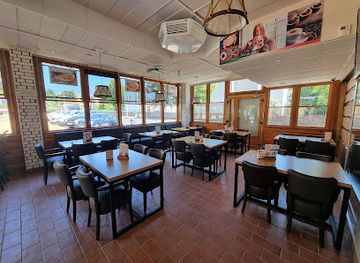
Szombathely’s evening scene is modest but sociable, centred largely on cafés, wine bars, pubs and restaurants around Fő tér and nearby central streets rather than a large clubbing district. Students and younger residents give some venues a later rhythm, while traditional pub settings offer Hungarian beer, wine and conversation in a more relaxed atmosphere. The Weöres Sándor Theatre and AGORA Savaria provide alternatives to drinking, with drama, concerts, talks, exhibitions and other cultural programmes depending on the season. During the Savaria Historical Carnival, public performances, music and evening events bring an unusual energy to the centre. Nightlife is generally local in scale, so visitors should expect a regional city atmosphere rather than an all-night entertainment capital, with cultural calendars often more useful than club listings.
-
Restaurant
Gekko Pub és Étterem
Experience the best of Szombathely at Gekko Pub és Étterem, a delightful gastropub offering traditional dishes and gourmet pizzas in a cozy atmosphere.
6 min walk · 0.5 km from city centre
-
Bar
Anita Cafe
Discover the vibrant flavors of Szombathely at Anita Cafe, a delightful gastropub offering delicious food and a lively atmosphere for all visitors.
18 min walk · 1.4 km from city centre
-
Pub
Spricc Romkocsma
Experience the vibrant nightlife of Szombathely at Spricc Romkocsma, a delightful pub offering delicious food and a wide selection of drinks.
2 min walk · 0.2 km from city centre
-
Wine bar
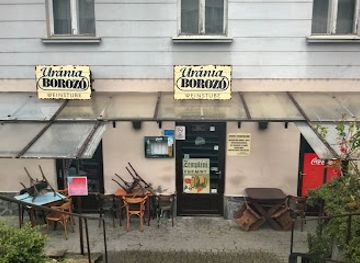
Uránia Borozó
Discover the rich flavors of Hungarian wines at Uránia Borozó, Szombathely's charming wine bar offering an inviting atmosphere and local delicacies.
2 min walk · 0.1 km from city centre


Best nightclubs in Szombathely
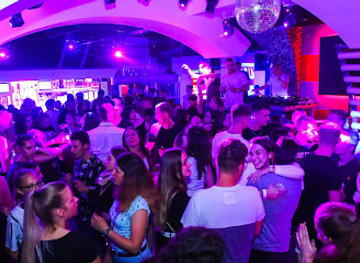
Szombathely’s evening scene is modest but sociable, centred largely on cafés, wine bars, pubs and restaurants around Fő tér and nearby central streets rather than a large clubbing district. Students and younger residents give some venues a later rhythm, while traditional pub settings offer Hungarian beer, wine and conversation in a more relaxed atmosphere. The Weöres Sándor Theatre and AGORA Savaria provide alternatives to drinking, with drama, concerts, talks, exhibitions and other cultural programmes depending on the season. During the Savaria Historical Carnival, public performances, music and evening events bring an unusual energy to the centre. Nightlife is generally local in scale, so visitors should expect a regional city atmosphere rather than an all-night entertainment capital, with cultural calendars often more useful than club listings.
-
Disco club
Maxxx club
Experience the electrifying nightlife at Maxxx Club in Szombathely, where unforgettable dance parties and vibrant events await every visitor.
18 min walk · 1.4 km from city centre
-
Night club
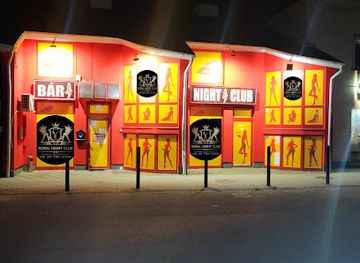
Royal Night Club
Immerse yourself in the electrifying nightlife at Royal Night Club, Szombathely's premier destination for music, dance, and unforgettable experiences.
7 min drive · 2.3 km from city centre
-
Night club
Premier Lounge & Bar
Experience vibrant nightlife at Premier Lounge & Bar in Szombathely, where music, cocktails, and good vibes come together.
2 min walk · 0.1 km from city centre
-
Night club
Romkert Club & Mojito Bar
Discover the electrifying nightlife of Szombathely at Romkert Club & Mojito Bar, where great music meets delicious mojitos.
6 min walk · 0.5 km from city centre

Best shops in Szombathely
Shopping in Szombathely combines practical local commerce with small-scale central retail. The streets around Fő tér contain cafés, fashion shops, bookshops, specialist retailers and independently run businesses, while the Vásárcsarnok market hall offers a more everyday view of the city through seasonal produce, baked goods and regional food. Savaria Plaza provides a modern indoor shopping environment outside the historic core. Visitors looking for distinctive purchases can seek Hungarian paprika and other food products, confectionery, wines from western Hungary, local crafts and traditional souvenirs, although availability varies between shops. The centre is more suited to browsing independent stores and buying provisions than to luxury shopping. Market visits are particularly useful for understanding how Szombathely functions as the commercial centre of Vas County, with shoppers arriving from surrounding towns and villages.
-
Shopping mall
Family Center
Explore the Family Center in Szombathely, where shopping meets family fun in a vibrant and welcoming atmosphere.
8 min drive · 2.6 km from city centre
-
Shopping mall
Szombathely Center
Experience the vibrant shopping atmosphere at Szombathely Center, where retail, dining, and entertainment come together in Hungary's charming city.
8 min drive · 2.7 km from city centre
-
Sporting goods store
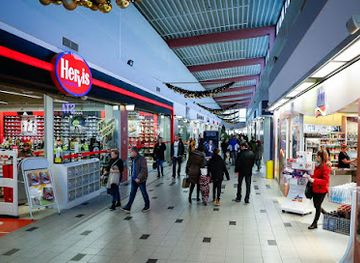
Hervis Szombathely
Discover a diverse selection of sports gear and apparel at Hervis Szombathely, your go-to destination for all things sports in Hungary.
8 min drive · 2.5 km from city centre
-
Clothing store
NEW YORKER
Explore trendy fashion at NEW YORKER in Szombathely, where style meets affordability for the modern shopper.
8 min drive · 2.5 km from city centre


Get your free copy of our complete guide to Szombathely, delivered straight to you.
Everything on this page, from attractions and restaurants to essentials and local phrases, in one PDF you can read offline, print or share.
Already have an account? Sign in
Your Szombathely guide is ready.
We'll send it to · Not you? Sign out

Getting your guide ready…
We are putting together a fresh copy of the Szombathely guide. This can take up to a minute.
This can take a few moments. If your browser asks, choose Allow so the download can start. You'll find the guide in your Downloads folder.
Nothing happened? Download it again
Sorry, the guide is taking longer than usual. Please try again in a minute, or get it by email instead.
Szombathely essentials
Currency and Payment
Safety
Emergency Situations
Do's and Don'ts
Local Tips
From Eve
Local phrases worth knowing
You don't need to get them perfect. A few words go a long way, and locals appreciate the effort.
Basics
| English | Local | Say it |
|---|---|---|
| Hello | Helló | [hel-loh] |
| Goodbye | Viszlát | [vee-slaat] |
| Yes | Igen | [ee-gen] |
| No | Nem | [nem] |
| Please/You're welcome | Kérem | [keh-rem] |
| Thank you | Köszönöm | [koes-noem] |
| Excuse me/Sorry | Elnézést | [el-neh-zayst] |
| How are you? | Hogy vagy? | [ho-dj vahdj] |
| Fine. And you? | Jól vagyok. És te? | [yol vahdj-ok. ays te?] |
| Do you speak English? | Beszélsz angolul? | [bes-ayls ang-oh-lul] |
| I don't understand | Nem értem | [nem ayr-tem] |
Eating & Drinking
| English | Local | Say it |
|---|---|---|
| I'd like to see the menu, please | Szeretnék látni a menüt, kérem | [seh-reht-nek laht-nee ah meh-noot, keh-rem] |
| I don't eat meat | Nem eszem húst | [nem es-em hoost] |
| Cheers! | Egészségedre! | [eg-aysh-shay-gehd-reh] |
| I would like to pay, please | Fizetnék, kérem | [feez-et-nayk, keh-rem] |
Emergencies
| English | Local | Say it |
|---|---|---|
| Help! | Segítség! | [she-geet-sayg] |
| Go away! | Menj el! | [men yel] |
| Call the Police! | Hívd a rendőrséget! | [heed ah ren-dersh-ay-get] |
| Call a doctor! | Hívd az orvost! | [heed az or-vosht] |
| I'm lost | El vagyok tévedve | [el vahdj-ok tay-ved-veh] |
| I'm ill | Beteg vagyok | [beh-teg vahdj-ok] |
Shopping
| English | Local | Say it |
|---|---|---|
| I'd like to buy... | Szeretnék vásárolni... | [seh-reht-nek vah-shah-rohl-nee] |
| I'm just looking | Csak nézelődöm | [chahk nay-zeh-loh-dohm] |
| How much is it? | Mennyibe kerül? | [men-nyi-beh keh-rool] |
| That's too expensive | Ez túl drága | [ez tool draa-gah] |
| Can you lower the price? | Le tudnád engedni az árat? | [leh too-dnaad eng-ed-nee az aar-at] |
Time & Numbers
| English | Local | Say it |
|---|---|---|
| What time is it? | Mennyi az idő? | [men-nyi az ee-doh] |
| It's one o'clock | Egy óra van | [edj oh-rah vahn] |
| Half past (10) | Fél tizenegy van | [fayl tee-zen-ay vhahn] |
| Morning | Reggel | [rehg-gel] |
| Afternoon | Délelőtt | [deh-leh-loht] |
| Evening | Este | [ehs-teh] |
| Yesterday | Tegnap | [teg-nahp] |
| Today | Ma | [mah] |
| Tomorrow | Holnap | [hol-nahp] |
| 1 | Egy | [edj] |
| 2 | Kettő | [ket-toh] |
| 3 | Három | [ha-rom] |
| 4 | Négy | [nayg] |
| 5 | Öt | [oht] |
| 6 | Hat | [haht] |
| 7 | Hét | [hayt] |
| 8 | Nyolc | [nyolts] |
| 9 | Kilenc | [keel-ents] |
| 10 | Tíz | [teaz] |
Transport & Directions
| English | Local | Say it |
|---|---|---|
| Where's a/the...? | Hol van a... | [hol vahn ah] |
| What's the address? | Mi a cím? | [mee ah cheem] |
| Can you show me (on the map)? | Megmutatnád nekem (a térképen)? | [meg-moo-taht-naad ne-kem ah tair-kay-pen] |
| When's the next (bus)? | Mikor jön a következő (busz)? | [mee-kor yoen ah koo-vet-kay-zoh boos] |
| A ticket (to ....) | Egy jegyet (.... felé) | [edj ye-geht fel-eh] |
History of Szombathely
Roman Savaria and the Amber Road
Szombathely developed from Savaria, founded during the reign of the emperor Claudius in the first century AD. The settlement stood on an important route linking the Adriatic region with the northern provinces, commonly associated with the Amber Road, and became the administrative centre of Pannonia Superior. Its location supported trade, military movement and civic growth. Roman remains discovered beneath the modern city include streets, buildings, religious structures and mosaics, demonstrating that Savaria was more than a frontier outpost. The city is also traditionally associated with Saint Martin of Tours, who was born here in the fourth century, adding an important Christian dimension to its Roman heritage.
Late Antiquity and Medieval Continuity
The decline of Roman imperial authority brought political and demographic changes to Savaria, but the settlement did not disappear completely. Its strategic position in western Pannonia continued to shape its fortunes as control of the region shifted among different powers. During the medieval period, Szombathely emerged as a town with ecclesiastical and commercial functions, although much of its Roman urban fabric was gradually covered or reused. The medieval settlement formed the basis for the later city, while the memory of Savaria survived in scattered ruins and in the name of the surrounding county, Vas. Archaeology has been central to reconstructing this long transition.
Medieval Town and Fortified Region
In the Middle Ages, Szombathely occupied a strategically sensitive position close to the western frontier of the Hungarian Kingdom. Its development was tied to local estates, church institutions and regional trade, while the surrounding area experienced the pressures of conflict between Hungary and neighbouring powers. The town’s religious importance increased over time, and later traditions connected it strongly with Saint Martin. Although few medieval structures remain intact in the present streetscape, the city’s later ecclesiastical buildings and urban plan reflect the continuing importance it acquired as a regional centre. Its frontier setting remained a defining feature well into the early modern period.
Baroque Reconstruction and Episcopal Influence
Ottoman-era warfare and the political upheavals affecting western Hungary altered the town’s fortunes, but Szombathely entered a period of reconstruction in the eighteenth century. The establishment of the Diocese of Szombathely in 1777 transformed the city’s cultural and architectural profile. Bishop János Szily commissioned major buildings, including the Cathedral of the Visitation and the Bishop’s Palace, and helped create an ecclesiastical centre with educational and artistic ambitions. These Baroque and early Neoclassical buildings remain among the city’s most prominent landmarks. Their scale and decoration show how church patronage reshaped Szombathely after centuries of frontier insecurity.
Nineteenth-Century Urban Growth
The nineteenth century brought administrative development, improved communications and a more modern urban identity. Szombathely became an increasingly important regional centre as roads and railway connections linked western Hungary with larger markets and neighbouring towns. Civic institutions, public buildings and new residential streets expanded beyond the older core, while commerce and professional life grew around the main squares. The city’s population became more socially and culturally diverse, and its institutions supported education, local administration and the arts. The resulting urban fabric combines earlier ecclesiastical architecture with the civic confidence of the late nineteenth and early twentieth centuries.
Twentieth-Century Change and Cultural Renewal
The twentieth century brought the disruption of two world wars, changes in national borders and the political transformation of Hungary after 1945. Szombathely remained the administrative centre of Vas County and developed as a regional hub for education, healthcare, manufacturing and public services. Urban expansion altered the city beyond its historic centre, while archaeological work increasingly revealed the importance of Roman Savaria beneath modern streets. Since the end of state socialism, museums, cultural organisations and heritage projects have given greater prominence to the city’s ancient past. The Savaria Historical Carnival, established in the modern era, expresses that heritage through public performance and civic celebration.
Travel experiences inspired by this city

Swipe for more travel diaries
Szombathely in Photos
Browse through our photo collection highlighting the charm and character of the destination.
Cities near Szombathely
The closest cities to Szombathely, if you have time for more than one stop.
-

-

-

-

-


Swipe for more cities
Explore more

Explore more of Hungary
Discover Hungary: A land of historic cities, scenic landscapes, thermal baths, and rich culinary traditions in the heart of Europe.
Explore Hungary