

Free Gyor Travel Guide & Mobile App
Plan your Gyor trip with Evendo. Get free guides to top attractions, restaurants, hotels, and bars. Web access or download the mobile app.


Győr, Hungary, blends Baroque squares, Roman heritage, riverside walks, thermal bathing and lively cafés between Budapest and Vienna for rewarding city breaks.
A Meeting Place of Rivers and Roads
Győr stands in north-western Hungary where the Danube, Rába and Rábca waterways shape a compact city with an unusually layered past. Positioned between Budapest and Vienna, it has long been influenced by trade, military movement and cultural exchange, yet its historic centre remains pleasantly walkable and distinctly local. Baroque façades line intimate squares, the riverbanks open into leafy promenades, and broad modern streets lead towards neighbourhoods shaped by the city’s industrial and educational life.Read more about Gyor
Baroque Streets and Roman Foundations
Culture, Water and Contemporary Life
When is the best time to visit Gyor?
Best: May–June, September · 24–29°C| Month | High (°C) | Rainfall (mm) |
|---|---|---|
| January | 3 | 24 |
| February | 4 | 20 |
| March | 10 | 25 |
| April | 16 | 30 |
| May (best) | 25 | 45 |
| June (best) | 29 | 55 |
| July | 32 | 60 |
| August | 32 | 55 |
| September (best) | 24 | 35 |
| October | 18 | 30 |
| November | 10 | 25 |
| December | 4 | 25 |
Getting to and around Gyor
How to get there
Transportation
Best attractions in Gyor
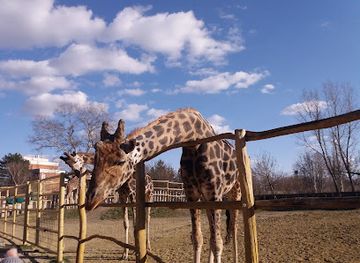
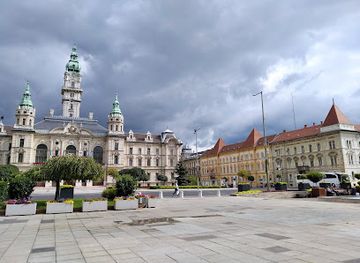
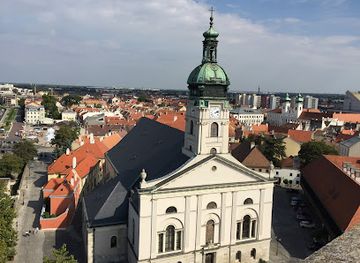
Győr’s principal sights are concentrated within a manageable historic centre. Széchenyi tér forms the architectural focus, surrounded by Baroque town houses, churches and civic buildings, while the Rómer Flóris Art and Historical Museum provides archaeological, artistic and local historical context. On Káptalan Hill, the cathedral precinct and Bishop’s Castle reveal the city’s long ecclesiastical importance, and the tower offers a sense of Győr’s strategic position above the waterways. Dunakapu tér marks the northern approach to the old town and leads towards the rivers, while Radó Island offers tree-lined paths and views across the Rába. The Püspökerdő woodland and the Rába banks extend the city’s recreational side beyond the dense centre. Families may also consider the Xantus János Zoo, whose animal collections and grounds provide a change from architecture and museums. Together, these attractions show Győr as a city of layered history, water and everyday urban life.
-
Tourist attraction
Xantus János Állatkert
Explore the diverse animal kingdom at Xantus János Állatkert in Győr, a delightful family-friendly zoo with engaging exhibits and lush landscapes.
9 min drive · 2.9 km from city centre
-
Abbey
Pannonhalma Archabbey
Explore the majestic Pannonhalma Archabbey, a UNESCO World Heritage site in Hungary, featuring stunning architecture and a rich monastic heritage.
37 min drive · 17 km from city centre
-
Art museum
Danubiana Meulensteen Art Museum
Explore the Danubiana Meulensteen Art Museum, a cultural oasis of contemporary art on the banks of the Danube in Bratislava.
1 h 9 min drive · 49 km from city centre
-
Tourist attraction
Fountain
Experience the tranquil beauty of the Fountain in Győr, a delightful tourist attraction blending art, nature, and history in a serene setting.
1 min walk · 0.1 km from city centre


Best landmarks in Gyor
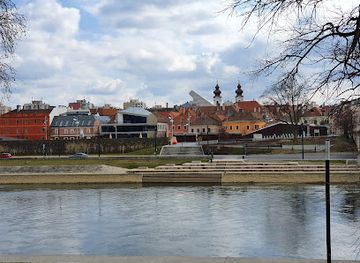
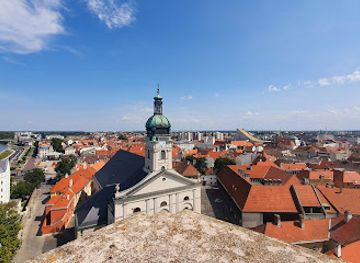
Győr’s landmarks express the city’s transition from Roman frontier settlement to medieval bishopric, fortified stronghold and Baroque civic centre. The Cathedral Basilica of the Assumption on Káptalan Hill is the principal ecclesiastical landmark, while the Bishop’s Castle tower and adjacent fortress remains recall the hill’s religious and defensive importance. Széchenyi tér is framed by Baroque buildings, including the Benedictine Church of St Ignatius and the former Jesuit complex, whose façades give the square its formal character. The ornate Ark of the Covenant monument adds a distinctive eighteenth-century feature, and nearby Dunakapu tér marks the former fortified approach towards the waterways. The Iron Rooster, associated with the old town’s civic identity, is another recognisable detail in the historic streets. Together these buildings and monuments preserve the visual structure of a city repeatedly rebuilt around its strategic river crossing.
-
Bridge
Kossuth Bridge
Discover the enchanting Kossuth Bridge in Győr, a stunning architectural gem connecting history and scenic beauty along the Rába River.
10 min walk · 0.8 km from city centre
-
Historical landmark
Püspökvár-Toronykilátó
Experience breathtaking views and rich history at Püspökvár-Toronykilátó, a must-visit landmark in Győr, Hungary.
8 min walk · 0.7 km from city centre
-
Catholic cathedral
Basilica of Győr
Explore the Basilica of Győr, a stunning baroque masterpiece and a symbol of Hungary's rich religious heritage and architectural splendor.
8 min walk · 0.6 km from city centre
-
 Hotel
HotelBarokk Hotel Promenád Győr
Experience the charm of Barokk Hotel Promenád in Győr, where elegance meets modern luxury amidst Hungary's rich culture.
8 min walk · 0.6 km from city centre
Explore Gyor on the map
Plan your Gyor trip on one map. See where the top attractions, landmarks, restaurants, bars and hotels are, find what's near where you're staying, and book hotels and experiences in a few clicks.
Best hotels in Gyor
Best restaurants in Gyor
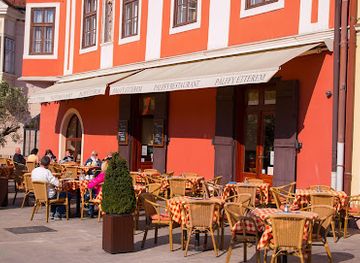
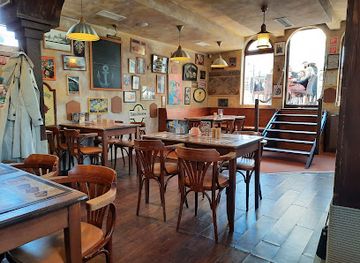
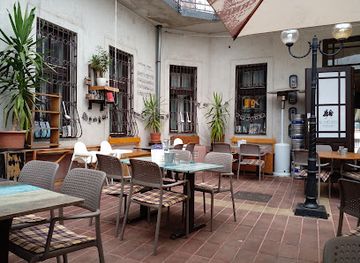
Győr’s dining scene reflects western Hungary’s position between the Danube region and the Pannonian plain. Traditional menus may include hearty soups, stews, freshwater fish, roast meats, dumplings and seasonal vegetables, while cafés and bakeries provide pastries, cakes and coffee for pauses between visits. Lángos remains a familiar Hungarian street-food choice, although the city’s restaurants also offer lighter modern interpretations of regional ingredients. The streets around Széchenyi tér and the pedestrian centre contain the broadest selection of restaurants, cafés and wine-focused venues, while the market area is useful for seeing local produce and everyday shopping habits. Wines from the wider Pannonhalma-Sokoróalja area appear on regional lists, linking the city’s table to nearby vineyards. Contemporary restaurants increasingly combine Hungarian flavours with international techniques, but the most characteristic meals remain informal, seasonal and shaped by Central European traditions.
-
Restaurant
Palffy Restaurant
Discover authentic Hungarian flavors at Palffy Restaurant in Győr - where every dish tells a story.
7 min walk · 0.6 km from city centre
-
Restaurant
Westy Hajó Étterem & Pub
Experience exquisite Hungarian cuisine by the river at Westy Hajó Étterem & Pub in Győr – where flavor meets scenic beauty.
11 min walk · 0.8 km from city centre
-
Restaurant
Komédiás Étterem
Experience authentic Hungarian cuisine at Komédiás Étterem in Győr - where tradition meets taste.
4 min walk · 0.3 km from city centre
-
Restaurant
Arany Szarvas Fogadó és Captain Drake's Pub
Discover authentic Hungarian cuisine at Arany Szarvas Fogadó és Captain Drake's Pub in Győr - where every meal is a memorable experience.
7 min walk · 0.5 km from city centre
Best bars in Gyor
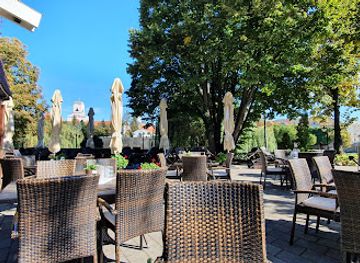
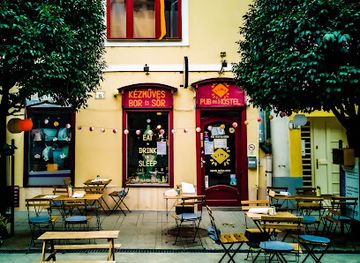
Győr’s evening life is concentrated around the pedestrian historic centre, where cafés, wine bars and small pubs fill the squares and side streets after work and into the evening. The atmosphere is more sociable and understated than that of Budapest, with students, theatre-goers and local residents sharing the central venues. Bars around Széchenyi tér and the adjoining streets are suited to conversation, Hungarian wines and craft beers, while larger events and performances bring activity to the theatre and concert calendar. During warmer months, outdoor terraces and riverside settings become particularly appealing. Nightclubs and late venues exist, but Győr is not primarily a clubbing destination; evening entertainment is equally connected with live music, cultural programmes and relaxed socialising. Visitors should check current programmes rather than assume that every venue operates nightly.
-
Restaurant
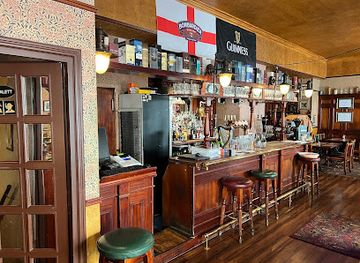
John Bull Pub
Discover authentic Hungarian cuisine and vibrant nightlife at John Bull Pub, a beloved restaurant in the heart of Győr, Hungary.
5 min walk · 0.4 km from city centre
-
Cocktail bar
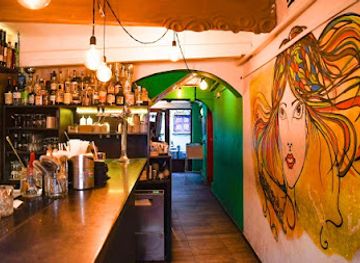
Szomszéd Koktélbár és Kávézó
Discover the vibrant Szomszéd Koktélbár és Kávézó, a cocktail and coffee haven in Győr, perfect for socializing and relaxation.
5 min walk · 0.4 km from city centre
-
Bar
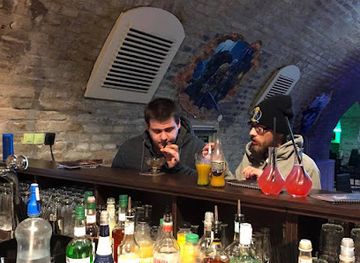
Bar of Legends
Experience the lively nightlife of Győr at Bar of Legends, where great drinks and vibrant atmosphere meet.
6 min walk · 0.5 km from city centre
-
Brasserie
Lima Cafe
Discover the delightful flavors of Győr at Lima Cafe, a bustling brasserie and wine bar offering local wines and a cozy atmosphere.
4 min walk · 0.4 km from city centre
Best nightclubs in Gyor
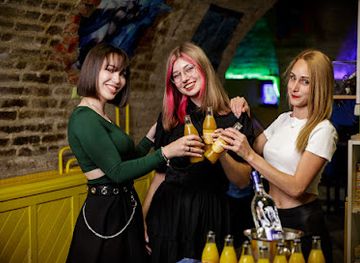
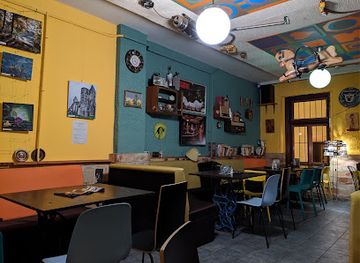
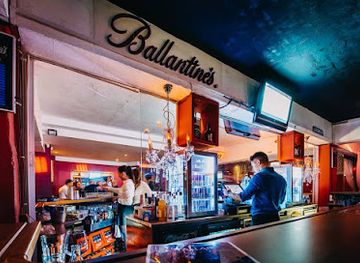
Győr’s evening life is concentrated around the pedestrian historic centre, where cafés, wine bars and small pubs fill the squares and side streets after work and into the evening. The atmosphere is more sociable and understated than that of Budapest, with students, theatre-goers and local residents sharing the central venues. Bars around Széchenyi tér and the adjoining streets are suited to conversation, Hungarian wines and craft beers, while larger events and performances bring activity to the theatre and concert calendar. During warmer months, outdoor terraces and riverside settings become particularly appealing. Nightclubs and late venues exist, but Győr is not primarily a clubbing destination; evening entertainment is equally connected with live music, cultural programmes and relaxed socialising. Visitors should check current programmes rather than assume that every venue operates nightly.
-
Bar
Bar of Legends
Discover the lively nightlife of Győr at Bar of Legends, where exceptional drinks and vibrant ambiance come together for an unforgettable experience.
6 min walk · 0.5 km from city centre
-
Pub
Stars EzPresszó
Discover the lively atmosphere of Stars EzPresszó in Győr, where great drinks and a vibrant social scene await you.
6 min walk · 0.5 km from city centre
-
Night club
Club Mamma Mia - Gyor
Discover the electric atmosphere and vibrant nightlife at Club Mamma Mia in Gyor - the ultimate destination for party lovers.
6 min walk · 0.5 km from city centre
-
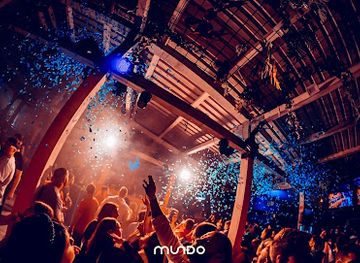
Disco club
Club Mundo
Unleash your inner party spirit at Club Mundo, Győr's premier disco club, where unforgettable nights and electrifying music await.
14 min drive · 4.8 km from city centre
Best shops in Gyor
Shopping in Győr is centred on the pedestrian streets and squares of the old town, where independent shops, cafés, bookshops, galleries and everyday retailers occupy historic frontages. The local market offers a more practical view of city life, with seasonal produce, pantry goods and familiar Hungarian specialities rather than a purely souvenir-oriented atmosphere. Visitors may find paprika, honey, preserves, confectionery, regional wines and small craft products suitable for taking home, while specialist shops provide textiles, ceramics and contemporary gifts. Modern retail is available outside the historic core, including larger shopping facilities and supermarkets serving residents. The best purchases are connected to Hungary’s food culture and regional craft traditions rather than generic branded souvenirs. Opening patterns can vary, particularly for small independent businesses, so the compact centre is most rewarding during ordinary daytime shopping hours.
-
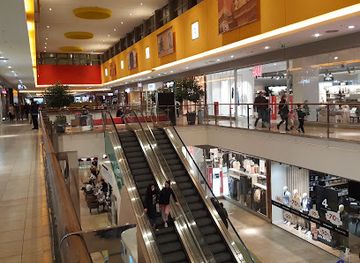
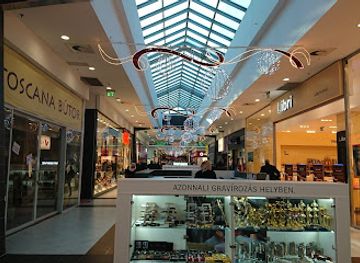
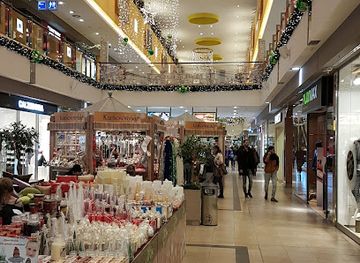
Shopping mall
ÁRKÁD
Discover shopping bliss at ÁRKÁD in Győr, where local culture and global brands unite for an unforgettable retail experience.
14 min walk · 1.1 km from city centre
-
Shopping mall
GYŐR PLÁZA
Discover Győr Plaza, a shopping haven with a variety of stores and dining options perfect for tourists and locals alike in Győr, Hungary.
6 min drive · 2.1 km from city centre
-
Mattress store
Dormeo Matracáruház Győr
Discover unmatched comfort and quality at Dormeo Matracáruház Győr, your ultimate destination for premium mattresses and bedding solutions.
14 min walk · 1.1 km from city centre
-
Clothing store
Market Hall
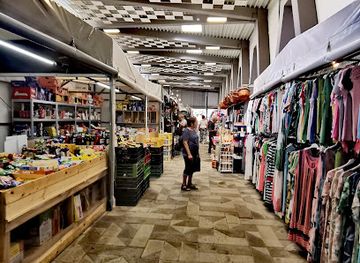
Discover the vibrant Market Hall in Győr, where local fashion meets cultural experiences in a lively shopping atmosphere.
13 min walk · 1.1 km from city centre
Get your free copy of our complete guide to Gyor, delivered straight to you.
Everything on this page, from attractions and restaurants to essentials and local phrases, in one PDF you can read offline, print or share.
Already have an account? Sign in
Your Gyor guide is ready.
We'll send it to · Not you? Sign out

Getting your guide ready…
We are putting together a fresh copy of the Gyor guide. This can take up to a minute.
This can take a few moments. If your browser asks, choose Allow so the download can start. You'll find the guide in your Downloads folder.
Nothing happened? Download it again
Sorry, the guide is taking longer than usual. Please try again in a minute, or get it by email instead.
Gyor essentials
Currency and Payment
Safety
Emergency Situations
Do's and Don'ts
Local Tips
From Eve
Local phrases worth knowing
You don't need to get them perfect. A few words go a long way, and locals appreciate the effort.
Basics
| English | Local | Say it |
|---|---|---|
| Hello | Szia | [see-ah] |
| Goodbye | Viszlát | [vee-slaht] |
| Yes | Igen | [ee-gen] |
| No | Nem | [nem] |
| Please/You're welcome | Kérlek | [kehr-lek] |
| Thank you | Köszönöm | [kur-suh-nuhm] |
| Excuse me/Sorry | Elnézést | [ehl-nay-zayst] |
| How are you? | Hogy vagy? | [hoh-dj vahdj] |
| Fine. And you? | Jól. És te? | [yohl. ays teh?] |
| Do you speak English? | Beszélsz angolul? | [be-seylz ahn-goh-lool] |
| I don't understand | Nem értem | [nem ayr-tem] |
Eating & Drinking
| English | Local | Say it |
|---|---|---|
| I'd like to see the menu, please | Szeretnék látni az étlapot, kérem | [seh-reht-nayk laht-nee ahz ayt-lah-pot, keh-rem] |
| I don't eat meat | Nem eszem húst | [nem es-em hoost] |
| Cheers! | Egészségedre! | [eh-geh-zsheh-gehd-reh] |
| I would like to pay, please | Fizetnék, kérem | [fee-zeht-nayk, keh-rem] |
Emergencies
| English | Local | Say it |
|---|---|---|
| Help! | Segítség! | [sheh-geet-sayg] |
| Go away! | Menj el! | [men yel] |
| Call the Police! | Hívja a rendőrséget! | [hee-vyah ah rehn-dur-say-get] |
| Call a doctor! | Hívjon egy orvost! | [hee-vyon edj ohr-vosht] |
| I'm lost | Elvesztem | [ehl-veh-stem] |
| I'm ill | Beteg vagyok | [beh-teg vahdj-ok] |
Shopping
| English | Local | Say it |
|---|---|---|
| I'd like to buy... | Szeretnék vásárolni... | [seh-reht-nayk vah-shah-rohl-nee] |
| I'm just looking | Csak nézelődöm | [chahk nay-zeh-loh-dohm] |
| How much is it? | Mennyibe kerül? | [men-yee-beh keh-rool] |
| That's too expensive | Ez túl drága | [ehz tool drah-gah] |
| Can you lower the price? | Le tudnád engedni az árat? | [leh too-dnahd ehn-geh-dnee ahz ah-raht] |
Time & Numbers
| English | Local | Say it |
|---|---|---|
| What time is it? | Mennyi az idő? | [men-yee ahz ee-deh] |
| It's one o'clock | Egy óra van | [edj oh-rah vahn] |
| Half past (10) | Fél tizenegy | [feyl tee-zen-egy] |
| Morning | Reggel | [reh-ggel] |
| Afternoon | Délután | [dehl-oo-tahn] |
| Evening | Este | [eh-shteh] |
| Yesterday | Tegnap | [teg-nahp] |
| Today | Ma | [mah] |
| Tomorrow | Holnap | [hol-nahp] |
| 1 | Egy | [edj] |
| 2 | Kettő | [ket-toh] |
| 3 | Három | [ha-rohm] |
| 4 | Négy | [neyg] |
| 5 | Öt | [oht] |
| 6 | Hat | [haht] |
| 7 | Hét | [hayt] |
| 8 | Nyolc | [nyolts] |
| 9 | Kilenc | [kee-lents] |
| 10 | Tíz | [teaz] |
Transport & Directions
| English | Local | Say it |
|---|---|---|
| Where's a/the...? | Hol van a... | [hol vahn ah] |
| What's the address? | Mi a cím? | [mee ah cheem] |
| Can you show me (on the map)? | Mutatnád meg (a térképen)? | [moo-taht-nahd mehg ah tair-kay-pehn] |
| When's the next (bus)? | Mikor jön a következő (busz)? | [me-kor yuhn ah kuh-veht-keh-zoh boos] |
| A ticket (to ....) | Egy jegyet (....-ra) | [edj yeh-geh-et rah] |
History of Gyor
Arrabona and the Roman Frontier
Győr developed around Arrabona, a Roman military and civil settlement established in the first century AD near important waterways and routes linking the Danube frontier with the interior of Pannonia. The site’s position made it useful for controlling movement across the region, and archaeological remains testify to Roman administration, trade and military life. Although much of the visible city belongs to later centuries, the Roman foundation explains Győr’s enduring strategic importance. Finds connected with Arrabona are displayed in local collections, including those of the Rómer Flóris Art and Historical Museum, allowing the ancient settlement to be understood within the wider history of western Hungary.
Medieval Győr and Episcopal Power
After the Roman period, a settlement continued to occupy this strategically placed area, and Győr became an important ecclesiastical and regional centre during the medieval Kingdom of Hungary. The town’s bishop played a major role in its political and cultural life, while the cathedral precinct on Káptalan Hill developed as the core of religious authority. Medieval fortifications and institutions were repeatedly altered as the town responded to changing military conditions. The cathedral’s later appearance reflects centuries of rebuilding, but the hill still conveys the importance of the medieval episcopal settlement and its relationship with the royal routes crossing north-western Hungary.
Ottoman Wars and Fortress Győr
Győr occupied a dangerous position during the Ottoman wars, standing between the Habsburg lands and the territories controlled by the Ottoman Empire. Its fortifications were strengthened and the town became a military stronghold, with engineers reshaping the defensive town according to early modern principles. Ottoman forces captured Győr in 1594, but Habsburg troops retook it in 1598. The struggle left a lasting imprint on the city’s layout and memory. Parts of the later Baroque centre developed within or beside the former fortress area, while surviving fragments and street patterns still hint at the fortified town that once dominated the waterways.
Baroque Reconstruction and Civic Renewal
Following the military upheavals of the sixteenth and seventeenth centuries, Győr entered a period of reconstruction and religious renewal. Churches, monasteries, episcopal buildings and private houses were rebuilt or remodelled, gradually giving the centre the Baroque character associated with it today. Széchenyi tér and the surrounding streets acquired elaborate façades, sculptural decoration and a more formal civic appearance. This transformation reflected both Catholic renewal and the recovery of commerce and administration. The concentration of Baroque architecture around the old centre remains one of the clearest physical records of Győr’s recovery from its frontier-town past.
Commerce, Industry and the Railway Age
During the nineteenth century, Győr benefited from improved roads, waterways and railway connections, strengthening its role as a commercial centre between Vienna, Bratislava and Budapest. Grain trading, food processing and manufacturing expanded, while the town’s civic institutions and educational life developed alongside economic growth. Railway access encouraged further movement of people and goods, helping Győr grow beyond its historic core. The period also brought new urban forms, including broader streets and buildings that stood apart from the Baroque centre. This commercial and industrial foundation later supported the city’s importance as one of Hungary’s major western manufacturing locations.
Twentieth-Century Change and Modern Győr
The twentieth century brought political upheaval, war, reconstruction and rapid industrialisation. Győr’s economy became increasingly associated with engineering and vehicle production, while modern housing and infrastructure extended the urban area beyond the historic centre. The city’s cultural institutions, including museums and theatres, helped preserve regional memory during these changes. After the transition to a market economy, Győr strengthened its connections with neighbouring European regions and developed a more service-oriented visitor economy without losing its industrial identity. Today, restored historic streets, riverside public spaces, universities and manufacturing districts coexist within a city shaped by both heritage and modern mobility.
Gyor in Photos
Browse through our photo collection highlighting the charm and character of the destination.
Cities near Gyor
The closest cities to Gyor, if you have time for more than one stop.
-

-

-

-

-


Swipe for more cities
Explore more

Explore more of Hungary
Discover Hungary: A land of historic cities, scenic landscapes, thermal baths, and rich culinary traditions in the heart of Europe.
Explore Hungary