

Free Kopavogur Travel Guide & Mobile App
Plan your Kopavogur trip with Evendo. Get free guides to top attractions, restaurants, hotels, and bars. Web access or download the mobile app.




Kópavogur offers Icelandic coastal walks, Sky Lagoon bathing, modern culture, local museums and easy access to Reykjavík’s landmarks and volcanic landscapes.
A Modern Coastal Municipality
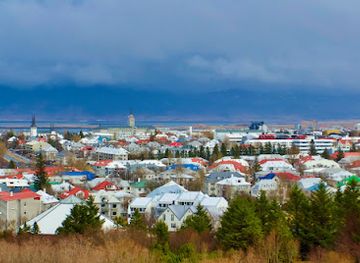
Kópavogur stretches along the southern shore of Faxaflói Bay, immediately south of Reykjavík, yet it has a distinct identity as Iceland’s second-largest municipality. Its landscapes combine residential neighbourhoods, low volcanic hills, sheltered inlets and broad views across the bay towards the mountains beyond the capital region. The town is less defined by a single historic centre than by a series of cultural, commercial and waterfront districts, making it a useful base for visitors who want Reykjavík within easy reach while staying close to quieter coastal paths.Read more about Kopavogur
Culture at Hamraborg
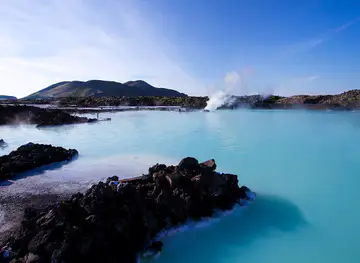
Hot Water and Open Horizons
When is the best time to visit Kopavogur?
Best: June–August · 14–16°C| Month | High (°C) | Rainfall (mm) |
|---|---|---|
| January | 0 | 70 |
| February | 0 | 60 |
| March | 2 | 60 |
| April | 5 | 50 |
| May | 10 | 40 |
| June (best) | 14 | 30 |
| July (best) | 16 | 30 |
| August (best) | 16 | 40 |
| September | 12 | 50 |
| October | 7 | 60 |
| November | 4 | 70 |
| December | 1 | 70 |
Getting to and around Kopavogur
How to get there
Transportation
Best attractions in Kopavogur
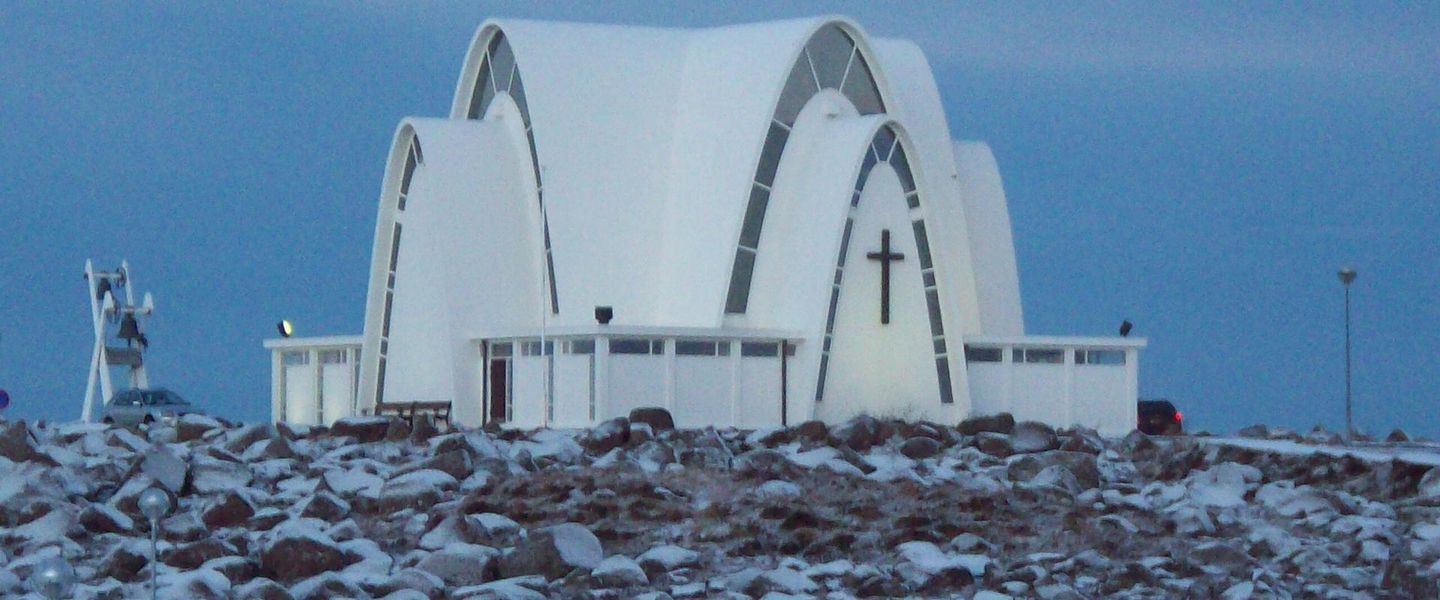
Kópavogur’s attractions are varied enough to fill a day without relying entirely on central Reykjavík. The Kópavogur Museum introduces local history and community life, while the Natural History Museum of Kópavogur presents Icelandic wildlife and natural science in an accessible setting. At Hamraborg, Salurinn concert hall and the Gerpla cultural centre provide opportunities for music, performance and community events, subject to current programmes. Kópavogskirkja stands prominently on a hill and offers one of the municipality’s clearest architectural reference points. Along Kársnes, the shoreline opens towards Faxaflói Bay, with walking routes, maritime views and the modern Sky Lagoon geothermal bathing complex. Smáralind provides a distinctly contemporary contrast through its shops and services, while wooded areas and local paths offer low-key outdoor exploration. Together these places reveal Kópavogur as a municipality where cultural institutions, suburban life, geothermal bathing and open coastal scenery sit close together.
-
Event venue
Harpa Concert Hall and Conference Centre
Explore the architectural wonder of Harpa Concert Hall, a cultural center in Reykjavik offering concerts, exhibitions, and picturesque views.
13 min drive · 4.3 km from city centre
-
Sculpture
Sun Voyager
Explore the stunning Sun Voyager in Reykjavik, a symbol of Iceland's maritime heritage, offering breathtaking views and rich cultural insights.
12 min drive · 4.0 km from city centre
-
Tourist attraction
Perlan
Experience the breathtaking views and unique exhibits at Perlan, Reykjavik's must-visit attraction blending nature, culture, and history.
6 min drive · 1.9 km from city centre
-
Thermal baths
Sky Lagoon
Discover the soothing warmth of Sky Lagoon, a premier thermal bath in Kópavogur, Iceland, offering breathtaking views and wellness treatments.
5 min drive · 1.7 km from city centre



Best landmarks in Kopavogur
Kópavogskirkja is Kópavogur’s most recognisable architectural landmark, occupying a prominent hilltop position above the surrounding neighbourhoods and forming part of the municipality’s civic visual identity. Nearby, the historic Kópavogur Assembly site commemorates the 1662 meeting at which Icelandic representatives accepted the Danish monarchy’s introduction of absolute rule; its importance is political and historical rather than monumental in scale. Hamraborg’s cultural buildings, including Salurinn concert hall, represent the municipality’s later development as an independent urban centre with an active public cultural life. The Kársnes shoreline provides a more landscape-based landmark, where the peninsula, open bay and geothermal facilities express the city’s relationship with sea and hot water. Smáratorg and the surrounding commercial architecture, meanwhile, embody the capital region’s late twentieth- and early twenty-first-century expansion beyond Reykjavík’s traditional core.
-
 Natural history museum
Perlan
Discover Perlan, Reykjavik's iconic natural history museum, where Iceland's stunning landscapes and rich culture come to life through captivating exhibits and breathtaking views.
6 min drive · 1.9 km from city centre
-
Thermal baths
Sky Lagoon
Discover the tranquility of Sky Lagoon, where Icelandic geothermal waters meet stunning ocean views for a rejuvenating spa experience.
5 min drive · 1.7 km from city centre
-
Museum
Árbær Open Air Museum
Explore Iceland's history and culture at the enchanting Árbæjarsafn Open Air Museum, featuring traditional buildings and engaging exhibits.
14 min drive · 4.8 km from city centre
-
Tourist attraction
Þúfa
Discover Þúfa, a stunning mound in Reykjavík blending art and nature, offering breathtaking views and a serene escape in Iceland.
14 min drive · 4.8 km from city centre


Explore Kopavogur on the map
Plan your Kopavogur trip on one map. See where the top attractions, landmarks, restaurants, bars and hotels are, find what's near where you're staying, and book hotels and experiences in a few clicks.
Best hotels in Kopavogur
Best restaurants in Kopavogur
Kópavogur’s dining scene reflects its position within the Reykjavík capital region rather than a separate, formal culinary tradition. Restaurants and cafés are concentrated around Hamraborg, Kársnes and the commercial areas near Smáralind, with further options linked to shopping and leisure facilities. Menus commonly draw on Icelandic ingredients such as cod, haddock, lamb, dairy products, rye bread and seasonal vegetables, while international cooking is strongly represented in the capital region. Cafés provide a natural setting for coffee, pastries and the social ritual of taking a warm break from changeable weather. Visitors interested in local flavours may encounter seafood, lamb, skyr and Icelandic baked goods alongside contemporary Nordic cooking, but should expect a mixture of everyday dining, casual takeaway and modern restaurants rather than a concentrated old-town food quarter. Markets and specialist food shops in the wider capital region broaden the choice further.
-
Icelandic
Íslenski barinn
Experience authentic Icelandic cuisine at Íslenski Barinn in Reykjavík - your gateway to traditional flavors and local brews.
12 min drive · 4.0 km from city centre
-
Seafood
Seabaron
Experience the best of Icelandic cuisine at Seabaron - where fresh seafood meets local tradition in Reykjavík.
14 min drive · 4.5 km from city centre
-
Seafood
Messinn
Discover Messinn in Reykjavík: A Seafood Haven Celebrating Icelandic Flavors with Fresh Ingredients and Cozy Atmosphere.
12 min drive · 4.0 km from city centre
-
Icelandic
Grillmarkaðurinn
Experience authentic Icelandic cuisine at Grillmarkaðurinn in Reykjavík, where fresh local ingredients meet modern culinary artistry.
12 min drive · 4.1 km from city centre


Best bars in Kopavogur
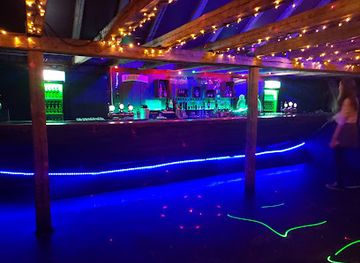
Kópavogur has a quieter evening character than central Reykjavík, with nightlife centred more on restaurants, cultural programming and leisure facilities than on a dense concentration of clubs. Salurinn hosts concerts and other performances, while Gerpla provides a broader cultural setting for community events and organised activities. The municipality’s cafés and licensed restaurants offer relaxed places for an evening meal or drink, particularly around Hamraborg and the commercial districts, but many visitors seeking late-night clubbing continue into Reykjavík. The Sky Lagoon area provides a different kind of evening experience through geothermal bathing and social relaxation, subject to current opening arrangements. Seasonal light, weather and the suburban layout all influence the rhythm after dark, making Kópavogur better suited to a measured cultural or leisure evening than to a street-by-street bar crawl.
-
Bar
Lebowski Bar
Enjoy a whimsical bar experience inspired by 'The Big Lebowski' at Reykjavík's iconic Lebowski Bar, serving great drinks and vibrant ambiance.
11 min drive · 3.8 km from city centre
-
Restaurant
Sæta Svínið Gastropub
Discover a unique blend of tradition and innovation at Sæta Svínið Gastropub, Reykjavik's premier destination for unforgettable dining experiences.
13 min drive · 4.2 km from city centre
-
Bar
Frederiksen Ale House
Discover Reykjavik's vibrant nightlife at Frederiksen Ale House, where craft beers and a warm atmosphere await.
13 min drive · 4.2 km from city centre
-
Bar
Bravó
Discover Bravó, Reykjavík’s lively bar that combines delightful cocktails, live music, and an eclectic atmosphere for unforgettable nights out.
11 min drive · 3.8 km from city centre


Best nightclubs in Kopavogur
Kópavogur has a quieter evening character than central Reykjavík, with nightlife centred more on restaurants, cultural programming and leisure facilities than on a dense concentration of clubs. Salurinn hosts concerts and other performances, while Gerpla provides a broader cultural setting for community events and organised activities. The municipality’s cafés and licensed restaurants offer relaxed places for an evening meal or drink, particularly around Hamraborg and the commercial districts, but many visitors seeking late-night clubbing continue into Reykjavík. The Sky Lagoon area provides a different kind of evening experience through geothermal bathing and social relaxation, subject to current opening arrangements. Seasonal light, weather and the suburban layout all influence the rhythm after dark, making Kópavogur better suited to a measured cultural or leisure evening than to a street-by-street bar crawl.
-
Night club
Pablo Discobar
Experience the vibrant nightlife of Reykjavík at Pablo Discobar, where creative cocktails meet electrifying music in a stylish setting.
13 min drive · 4.2 km from city centre
-
Gay bar
Kíkí Queer Bar
Discover the lively atmosphere and vibrant nightlife of Kíkí Queer Bar, a top destination for inclusivity and fun in Reykjavík.
11 min drive · 3.8 km from city centre
-
Bar
Microbar Kópavogur
Experience the best of Icelandic craft beer at Microbar Kópavogur, a cozy brewpub and sports bar in Kópavogur.
11 min walk · 0.9 km from city centre
-
Club
Paloma Club
Discover Reykjavík's nightlife at Paloma Club, where music, dancing, and unforgettable moments await you in Iceland's party capital.
13 min drive · 4.2 km from city centre


Best shops in Kopavogur
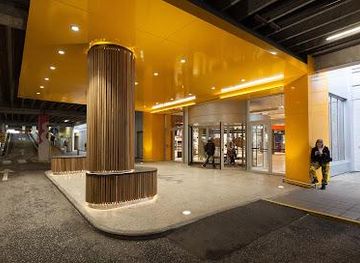
Shopping in Kópavogur ranges from a large modern centre to practical local retail and smaller commercial clusters. Smáralind is the municipality’s principal shopping destination, bringing together fashion, services, cafés and everyday shopping in an indoor setting suited to Iceland’s changeable weather. The surrounding Smáratorg area has a more commercial and business-oriented character, while Hamraborg offers local services and a useful stop when visiting the cultural quarter. Visitors looking for Icelandic gifts can find woollen goods, design objects, skincare, food products and other items associated with the country’s wider retail culture, though these are not exclusive to Kópavogur. Independent shops and specialist retailers are more dispersed than in central Reykjavík, so browsing is best combined with other errands or nearby attractions. For traditional market experiences and a larger concentration of design shops, Reykjavík remains the capital region’s main complement.
-
Shopping mall
Kringlan
Discover Kringlan, Reykjavík's premier shopping mall, featuring a wide range of stores, dining options, and entertainment for all ages.
6 min drive · 2.1 km from city centre
-
Shopping mall
Smáralind
Explore Smáralind, Iceland's largest shopping mall, where shopping, dining, and entertainment come together for a delightful experience.
6 min drive · 1.9 km from city centre
-
Christmas store
Litla Jólabúðin
Explore Litla Jólabúðin in Reykjavík, a Christmas store brimming with unique Icelandic ornaments, gifts, and seasonal treats all year round.
12 min drive · 3.9 km from city centre
-
Asian grocery store
Fiska.is - Asian supermarket
Explore Fiska.is, the premier Asian supermarket in Kópavogur, offering a diverse selection of authentic ingredients and culinary delights from Asia.
10 min walk · 0.8 km from city centre


Get your free copy of our complete guide to Kopavogur, delivered straight to you.
Everything on this page, from attractions and restaurants to essentials and local phrases, in one PDF you can read offline, print or share.
Already have an account? Sign in
Your Kopavogur guide is ready.
We'll send it to · Not you? Sign out

Getting your guide ready…
We are putting together a fresh copy of the Kopavogur guide. This can take up to a minute.
This can take a few moments. If your browser asks, choose Allow so the download can start. You'll find the guide in your Downloads folder.
Nothing happened? Download it again
Sorry, the guide is taking longer than usual. Please try again in a minute, or get it by email instead.
Kopavogur essentials
Currency and Payment
Safety
Emergency Situations
Do's and Don'ts
Local Tips
From Eve
Local phrases worth knowing
You don't need to get them perfect. A few words go a long way, and locals appreciate the effort.
Basics
| English | Local | Say it |
|---|---|---|
| Hello | Halló | [HAH-loh] |
| Goodbye | Bless | [bless] |
| Yes | Já | [yah] |
| No | Nei | [nay] |
| Please/You're welcome | Gjörðu svo vel | [GYOH-thu s-voh vel] |
| Thank you | Takk fyrir | [tahk fi-rir] |
| Excuse me/Sorry | Fyrirgefðu | [fi-rir-gef-thu] |
| How are you? | Hvernig hefur þú það? | [kver-nig heh-vur thu thah] |
| Fine. And you? | Í lagi. En þú? | [ee lah-ghi. en thu] |
| Do you speak English? | Talar þú ensku? | [tah-lar thu en-skoo] |
| I don't understand | Ég skil ekki | [yeh skil ehk-ki] |
Eating & Drinking
| English | Local | Say it |
|---|---|---|
| I'd like to see the menu, please | Ég væri til í að sjá menuið, takk | [yeh vah-ri til ee ath shah meh-noo-ith, tahk] |
| I don't eat meat | Ég borða ekki kjöt | [yeh bor-tha ehk-ki chy-ut] |
| Cheers! | Skál! | [skowl] |
| I would like to pay, please | Ég væri til í að borga, takk | [yeh vah-ri til ee ath bor-ga, tahk] |
Emergencies
| English | Local | Say it |
|---|---|---|
| Help! | Hjálp! | [hyawlp] |
| Go away! | Farðu í burtu! | [far-thu ee bur-thu] |
| Call the Police! | Hringdu í lögregluna! | [hring-thu ee lewr-eg-lu-na] |
| Call a doctor! | Hringdu í lækninn! | [hring-thu ee lak-nin] |
| I'm lost | Ég er týndur | [yeh air teend-ur] |
| I'm ill | Ég er veikur | [yeh air vay-kur] |
Shopping
| English | Local | Say it |
|---|---|---|
| I'd like to buy... | Ég væri til í að kaupa... | [yeh vah-ri til ee ath cow-pa] |
| I'm just looking | Ég er bara að skoða | [yeh air bar-a ath sko-tha] |
| How much is it? | Hvað kostar það? | [kvath koh-star thah] |
| That's too expensive | Það er of dýrt | [thath air ov deert] |
| Can you lower the price? | Geturðu lækkað verðið? | [geh-tur-thu lak-kath ver-thith] |
Time & Numbers
| English | Local | Say it |
|---|---|---|
| What time is it? | Hvað er klukkan? | [kvath air kloo-kahn] |
| It's one o'clock | Klukkan er eitt | [kloo-kahn air aytt] |
| Half past (10) | Hálf tíu | [howlf tee-oo] |
| Morning | Morgunn | [mor-gun] |
| Afternoon | Síðdegis | [seed-de-yis] |
| Evening | Kvöld | [kvulth] |
| Yesterday | Í gær | [ee gai-r] |
| Today | Í dag | [ee dahg] |
| Tomorrow | Á morgun | [ow mor-gun] |
| 1 | Eitt | [aytt] |
| 2 | Tvö | [t-vuh] |
| 3 | Þrír | [threer] |
| 4 | Fjórir | [fyoh-reer] |
| 5 | Fimm | [feem] |
| 6 | Sex | [sehx] |
| 7 | Sjö | [syuh] |
| 8 | Átta | [ow-tha] |
| 9 | Níu | [nee-oo] |
| 10 | Tíu | [tee-oo] |
Transport & Directions
| English | Local | Say it |
|---|---|---|
| Where's a/the...? | Hvar er... | [kvar air] |
| What's the address? | Hvað er heimilisfangið? | [kvath air hay-mil-is-fang-ith] |
| Can you show me (on the map)? | Geturðu sýnt mér (á kortinu)? | [geh-tur-thu seent meer (ow kort-i-nu)] |
| When's the next (bus)? | Hvenær kemur næsti (strætisvagn)? | [kver-nair keh-mur nais-tee (strai-tis-vagn)] |
| A ticket (to ....) | Einn miða (til ...) | [aytn meeth-a (til)] |
History of Kopavogur
Early Settlement and Coastal Farms
The area now known as Kópavogur formed part of the settled landscape around Faxaflói after Iceland’s settlement in the late ninth and early tenth centuries. Rather than emerging first as a dense town, it developed through farms and scattered rural properties on the peninsula and coastal lowlands south of Reykjavík. The sheltered shoreline, access to fishing grounds and proximity to routes across the capital region shaped local life for centuries. Place names and surviving landscape patterns preserve connections with this agrarian past, although modern housing and commercial development have transformed much of the terrain. Kópavogur’s later growth was closely linked to Reykjavík’s expansion, but its coastal position and separate municipal identity remained important features of its development.
The Kópavogur Meeting of 1662
Kópavogur entered Icelandic political history in 1662, when representatives of the Icelandic population met at the Kópavogur Assembly site and accepted the introduction of absolute monarchy under King Frederik III of Denmark. The event took place during a period when Iceland was governed within the Danish realm, and it is remembered as an important expression of the island’s constitutional and political relationship with the monarchy. The meeting site, associated with the old Kópavogur farm and church area, is commemorated in the municipality today. Its significance is not that Kópavogur was a permanent national capital, but that this coastal location briefly became the setting for a decision with consequences for Icelandic governance.
From Rural District to Suburb
For much of the nineteenth and early twentieth centuries, Kópavogur remained a rural district on the edge of Reykjavík. The capital’s rapid expansion after the Second World War changed that relationship. New roads, housing and public services brought a growing population into the area, while families moved from older rural settlements and increasingly crowded urban districts into newly planned neighbourhoods. Kópavogur became an independent municipality in 1948, a significant step in managing its own schools, infrastructure and urban development. The resulting town was shaped by post-war planning, detached homes, apartment blocks and a steadily more suburban character, rather than by the dense historic fabric found in central Reykjavík.
Urban Growth and Municipal Identity
During the later twentieth century, Kópavogur developed from a residential satellite into a substantial urban municipality with its own civic, cultural and commercial institutions. The Hamraborg area became a focus for public buildings, including Kópavogskirkja and later venues for music, theatre and community life. Commercial growth around Smáralind and Smáratorg reflected the wider transformation of the capital region, where shopping, offices and services spread beyond Reykjavík’s traditional centre. At the same time, local authorities preserved and developed recreational spaces, shoreline paths and wooded areas. This combination of metropolitan growth and outward-looking public space remains central to Kópavogur’s identity.
A Contemporary Capital-Region City
Kópavogur today is part of the continuous built-up area of the Reykjavík capital region, but it retains a clear municipal personality through its cultural venues, museums, waterfront districts and public institutions. The city’s modern history is also visible in the adaptation of Kársnes and other coastal areas, where residential, leisure and visitor-oriented development meet older maritime landscapes. The arrival of facilities such as Sky Lagoon added a contemporary geothermal attraction to a municipality already associated with swimming, public culture and coastal recreation. Kópavogur’s present character therefore reflects several overlapping histories: rural settlement, national political memory, post-war suburbanisation and the continuing evolution of the capital region.
Travel experiences inspired by this city
-
 9 Day Trip
Solo Geothermal Escape to Hveragerði, Iceland
Solo eco-adventure in Hveragerði, Iceland, with hot-spring hikes, greenhouse cuisine, waterfall day trips, and cozy self-catering at Matkráin Apartments.
 16 Aug 2026
By Hendrik Smit -
 11 Day Trip
Slow, Sustainable Days in Borgarfjörður: West Iceland’s Hot Springs, Lava Falls, and Farm Stays
Sustainable road trip to Borgarfjörður, West Iceland—hot springs, lava waterfalls, glacier views, hikes, and cozy farm stays for a relaxed nature escape
 20 Jul 2026
By Ursula Weber -
 9 Day Trip
Exploring Reykjavik: A Family Adventure in Iceland
Join us as we explore Reykjavik's rich cultural heritage, taste local Icelandic cuisine, and embark on outdoor adventures with family.
 20 May 2025
By Aigerim Omarova -
 7 Day Trip
Solo Adventure to Þingvellir: Embracing Iceland's Natural Wonders
Join Jessica Tremblay on a solo journey to Þingvellir National Park, exploring Iceland's breathtaking landscapes and sustainable travel practices.
 15 May 2025
By Jessica Tremblay -
 8 Day Trip
Icelandic Adventure: Exploring Reykjavik with Family
Discover Reykjavik's charm with family: an 8-day journey through stunning landscapes, local culture, and cozy accommodations in Iceland.
 25 Feb 2025
By Kirsten Nielsen
Swipe for more travel diaries
Kopavogur in Photos
Browse through our photo collection highlighting the charm and character of the destination.
Cities near Kopavogur
The closest cities to Kopavogur, if you have time for more than one stop.
-

-

-

-

-


Swipe for more cities
Explore more

Explore more of Iceland
Discover Iceland, where glaciers meet volcanoes, Northern Lights dance in the skies, and natural wonders await at every turn.
Explore Iceland