

Free Hveragerdi Travel Guide & Mobile App
Plan your Hveragerdi trip with Evendo. Get free guides to top attractions, restaurants, hotels, and bars. Web access or download the mobile app.


Hveragerði, Iceland’s geothermal garden town, combines steaming hot springs, greenhouse culture, Reykjadalur hikes and relaxed South Iceland sightseeing.
A Geothermal Town in South Iceland
Hveragerði lies in a broad valley on Iceland’s southern lowlands, about 45 kilometres east of Reykjavík and within easy reach of the country’s major south-coast sights. Its identity is written in steam: hot springs bubble beneath the town, warm earth supports commercial greenhouses, and the surrounding hills carry visible traces of volcanic activity. Rather than a conventional urban centre, Hveragerði is a small, walkable community where horticulture, wellness and outdoor life are closely connected.Read more about Hveragerdi
Gardens, Galleries and Living Geology
The Reykjadalur Valley
When is the best time to visit Hveragerdi?
Best: June–August · 15–17°C| Month | High (°C) | Rainfall (mm) |
|---|---|---|
| January | 3 | 70 |
| February | 3 | 60 |
| March | 3 | 50 |
| April | 7 | 40 |
| May | 12 | 40 |
| June (best) | 15 | 50 |
| July (best) | 17 | 60 |
| August (best) | 16 | 60 |
| September | 12 | 50 |
| October | 7 | 60 |
| November | 4 | 70 |
| December | 2 | 70 |
Getting to and around Hveragerdi
How to get there
Transportation
Best attractions in Hveragerdi
Hveragerði’s attractions make geothermal activity accessible without requiring a long expedition. At the Geothermal Park, visitors can see bubbling mud, steaming vents and hot springs while learning how the town’s heat is used in cooking and horticulture. The Earthquake Exhibition in Sunnumörk presents the geological forces behind the 2008 South Iceland earthquake and its local impact. The LÁ Art Museum brings Icelandic painting and visual culture into the town’s small-scale setting. For outdoor scenery, the trail into Reykjadalur climbs through a valley of steam vents and colourful hills towards a naturally warm river, where bathing is possible in the designated area when conditions allow. Hveragerði’s greenhouses and cultivated gardens provide another distinctive sight, showing how geothermal energy supports crops in a cool climate. The surrounding countryside also offers access to South Iceland’s wider landscapes, although Golden Circle and coastal excursions lie beyond the town itself.
-
Hiking area
Reykjadalur Hot Spring Thermal River
Discover the serene beauty of Reykjadalur Hot Spring Thermal River, where adventure meets relaxation in Iceland's breathtaking landscapes.
7 min drive · 2.5 km from city centre
-
Tourist attraction
The Geothermal Park Hveragerði / Hveragarðurinn
Experience the breathtaking natural beauty of The Geothermal Park Hveragerði, a unique Icelandic attraction with hot springs, mud pots, and stunning landscapes.
8 min walk · 0.6 km from city centre
-
Tourist attraction
Reykjafoss Waterfall
Experience the breathtaking beauty of Reykjafoss Waterfall in Hveragerði, Iceland – a perfect blend of nature and adventure awaits.
11 min walk · 0.9 km from city centre
-
Wildlife refuge
Reykjadalur Valley
Experience the breathtaking beauty of Reykjadalur Valley, a wildlife refuge with stunning hot springs and rich biodiversity in Iceland.
11 min drive · 3.8 km from city centre


Best landmarks in Hveragerdi
Hveragerði’s most distinctive landmarks are shaped by geology and the town’s response to it. The Geothermal Park is both a public attraction and a reminder that hot ground governs local horticulture, cooking traditions and settlement character. Sunnumörk houses the Earthquake Exhibition, whose displays give civic significance to the 2008 earthquake and explain the seismic setting of South Iceland. The town’s greenhouses form an unusual living landmark: their glass structures and cultivated interiors represent decades of adapting agriculture to geothermal heat. Hveragerðiskirkja provides a quieter architectural point of reference within the community, while the LÁ Art Museum connects the town to Iceland’s modern cultural life. Beyond the built area, Reykjadalur’s steaming slopes and warm river are natural landmarks that express Hveragerði’s identity more clearly than any monumental structure.
-
 Horseback riding service
Hótel Eldhestar
Experience Icelandic hospitality and adventure at Hótel Eldhestar, where memorable horseback riding meets breathtaking landscapes.
7 min drive · 2.3 km from city centre
-
Restaurant
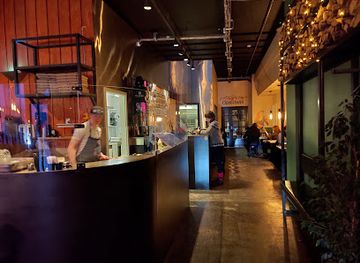
Ölverk Pizza & Brewery
Discover Ölverk Pizza & Brewery in Hveragerði, where handcrafted pizzas meet exceptional craft beers brewed on-site in a cozy, vibrant atmosphere.
7 min walk · 0.6 km from city centre
-
Hotel
Hótel Örk
Experience comfort and convenience at Hótel Örk, the perfect hotel in Hveragerði for exploring Iceland's geothermal wonders and breathtaking landscapes.
6 min walk · 0.4 km from city centre
-
Tourist attraction
The Geothermal Park Hveragerði / Hveragarðurinn
Explore the Geothermal Park Hveragerði, a natural wonder filled with hot springs, mud pots, and stunning landscapes in the heart of Iceland.
8 min walk · 0.6 km from city centre


Explore Hveragerdi on the map
Plan your Hveragerdi trip on one map. See where the top attractions, landmarks, restaurants, bars and hotels are, find what's near where you're staying, and book hotels and experiences in a few clicks.
Best hotels in Hveragerdi
Best restaurants in Hveragerdi
Hveragerði’s food scene reflects its greenhouse culture and its position on the road through South Iceland. Local produce, including vegetables and herbs grown with geothermal heat, appears alongside familiar Icelandic staples such as lamb, fish, dairy products and skyr. The town has small cafés and bakeries suited to a relaxed breakfast or road-trip stop, while casual restaurants provide pizza, burgers and other accessible meals; Ölverk is known for combining pizza with locally brewed beer. Seasonal produce and Icelandic ingredients also feature in more contemporary menus. Visitors should not expect the concentrated restaurant choice of Reykjavík, but the compact centre offers enough variety for an overnight stay, and nearby Selfoss provides a broader dining selection. Grocery shops are useful for hikers preparing food for the Reykjadalur route or for travellers continuing along the South Coast.
-
Restaurant
Ölverk Pizza & Brewery
Experience the perfect blend of gourmet pizzas and craft beers at Ölverk Pizza & Brewery in Hveragerði – where flavor meets Icelandic charm.
7 min walk · 0.6 km from city centre
-
Restaurant
Frost & Fire Boutique Hotel
Discover tranquility at Frost & Fire Boutique Hotel - where luxury meets nature amidst Hveragerði's stunning landscapes.
13 min walk · 1.0 km from city centre
-
Bakery
Almar Bakari
Experience authentic Icelandic flavors at Almar Bakari - your go-to bakery and breakfast spot in Hveragerði.
9 min walk · 0.7 km from city centre
-
Restaurant
Skyrgerðin Restaurant
Experience authentic Icelandic cuisine at Skyrgerðin Restaurant in Hveragerði - where local flavors meet warm hospitality.
9 min walk · 0.8 km from city centre


Best bars in Hveragerdi
Hveragerði has a quiet evening scene rather than a dedicated club district. Social life centres on restaurants, cafés and informal bars, with Ölverk providing one of the town’s better-known places for pizza, beer and a relaxed evening atmosphere. After dinner, the appeal is usually a walk through the small centre, a soak at suitable geothermal bathing facilities or an early night before hiking and driving rather than late-night dancing. The surrounding darkness and open landscape can make clear evenings rewarding for simple stargazing, though cloud and weather are unpredictable. Visitors seeking live music, a larger cocktail selection or nightclubs generally find far more choice in Reykjavík, while Hveragerði suits travellers who prefer a low-key base close to South Iceland’s outdoor attractions.
-
Restaurant
Ölverk Pizza & Brewery
Experience the taste of Iceland with craft beers and gourmet pizzas at Ölverk Pizza & Brewery in Hveragerði.
7 min walk · 0.6 km from city centre
-
Restaurant
Frost & Fire Boutique Hotel
Discover the culinary delights and serene accommodations at Frost & Fire Boutique Hotel in Hveragerði, Iceland's geothermal paradise.
13 min walk · 1.0 km from city centre
-
Bakery
Almar Bakari
Discover the delightful flavors at Almar Bakari, a bakery in Hveragerði known for its fresh pastries and inviting atmosphere.
9 min walk · 0.7 km from city centre
-
Restaurant
Skyrgerðin Restaurant
Indulge in the unique taste of Icelandic skyr and traditional dishes at Skyrgerðin Restaurant in Hveragerði, where every meal is a celebration of local flavors.
9 min walk · 0.8 km from city centre


Best nightclubs in Hveragerdi
Hveragerði has a quiet evening scene rather than a dedicated club district. Social life centres on restaurants, cafés and informal bars, with Ölverk providing one of the town’s better-known places for pizza, beer and a relaxed evening atmosphere. After dinner, the appeal is usually a walk through the small centre, a soak at suitable geothermal bathing facilities or an early night before hiking and driving rather than late-night dancing. The surrounding darkness and open landscape can make clear evenings rewarding for simple stargazing, though cloud and weather are unpredictable. Visitors seeking live music, a larger cocktail selection or nightclubs generally find far more choice in Reykjavík, while Hveragerði suits travellers who prefer a low-key base close to South Iceland’s outdoor attractions.
-
Restaurant
Ölverk Pizza & Brewery
Discover Ölverk Pizza & Brewery: where exceptional pizzas meet handcrafted beers in a cozy Hveragerði setting.
7 min walk · 0.6 km from city centre
-
Restaurant
Skyrgerðin Restaurant
Experience the essence of Icelandic cuisine at Skyrgerðin Restaurant in Hveragerði, where tradition meets flavor in a cozy atmosphere.
9 min walk · 0.8 km from city centre
-
Restaurant
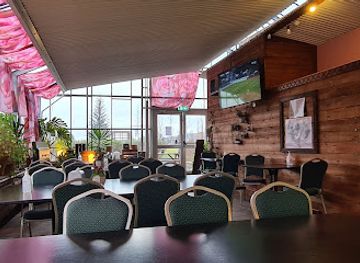
Hofland Eatery
Experience the best of Icelandic cuisine at Hofland Eatery in Hveragerði, where fresh ingredients meet unique flavors in a cozy atmosphere.
9 min walk · 0.7 km from city centre
-
Grill
Rósakaffi
Discover Rósakaffi in Hveragerði: A delightful blend of café charm and grill flavors, perfect for a memorable dining experience.
7 min walk · 0.5 km from city centre


Best shops in Hveragerdi
Shopping in Hveragerði is modest in scale but closely linked to its geothermal and horticultural character. Local shops and cafés provide everyday provisions, outdoor essentials and Icelandic food products, while greenhouse businesses and garden-oriented outlets reflect the town’s long association with flowers, vegetables and warm-soil cultivation. Travellers may find locally produced goods, small gifts and practical supplies for onward journeys, though the selection is not comparable with Reykjavík’s design shops or major shopping centres. The central area is easy to explore on foot, and nearby Selfoss offers a wider range of supermarkets and retail services. For distinctive purchases, look for Icelandic wool, locally made food products and small-scale craft items rather than mass-produced souvenirs. Weatherproof clothing and hiking equipment are particularly useful acquisitions for visitors planning Reykjadalur or other South Iceland walks.
-
Supermarket
Bónus
Discover Bónus in Hveragerði, a discount supermarket offering a wide range of groceries and local Icelandic products at unbeatable prices.
9 min walk · 0.7 km from city centre
-
Bakery
Almar Bakari
Experience the taste of Iceland at Almar Bakari, a charming bakery in Hveragerði offering delicious pastries and breakfast delights.
9 min walk · 0.7 km from city centre
-
Extended stay hotel
Inni - Boutique Apartments
Discover the perfect blend of comfort and nature at Inni - Boutique Apartments, your ideal extended stay in the heart of Hveragerði, Iceland.
4 min walk · 0.4 km from city centre
-
Ice Cream
Ísbúðin Okkar
Discover the delightful flavors of Ísbúðin Okkar, where quality ice cream and sweet treats meet a welcoming atmosphere in Hveragerði, Iceland.
9 min walk · 0.7 km from city centre


Get your free copy of our complete guide to Hveragerdi, delivered straight to you.
Everything on this page, from attractions and restaurants to essentials and local phrases, in one PDF you can read offline, print or share.
Already have an account? Sign in
Your Hveragerdi guide is ready.
We'll send it to · Not you? Sign out

Getting your guide ready…
We are putting together a fresh copy of the Hveragerdi guide. This can take up to a minute.
This can take a few moments. If your browser asks, choose Allow so the download can start. You'll find the guide in your Downloads folder.
Nothing happened? Download it again
Sorry, the guide is taking longer than usual. Please try again in a minute, or get it by email instead.
Hveragerdi essentials
Currency and Payment
Safety
Emergency Situations
Do's and Don'ts
Local Tips
From Eve
Local phrases worth knowing
You don't need to get them perfect. A few words go a long way, and locals appreciate the effort.
Basics
| English | Local | Say it |
|---|---|---|
| Hello | Halló | [Ha-lo] |
| Goodbye | Bless | [Bless] |
| Yes | Já | [Yow] |
| No | Nei | [Nay] |
| Please/You're welcome | Gjörðu svo vel | [Gi-your-thu-svo-vel] |
| Thank you | Takk fyrir | [Tak-fear-ear] |
| Excuse me/Sorry | Fyrirgefðu | [Fear-ear-gef-thu] |
| How are you? | Hvernig hefur þú það? | [Kver-nig-hev-ur-thu-thath] |
| Fine. And you? | Fínt. Og þú? | [Feent. Og-thu] |
| Do you speak English? | Talar þú ensku? | [Ta-lar-thu-ens-koo] |
| I don't understand | Ég skil ekki | [Yeh-skil-ek-ki] |
Eating & Drinking
| English | Local | Say it |
|---|---|---|
| I'd like to see the menu, please | Ég ætla að sjá matsedilinn, værið svo góð | [Yeh-eyt-la-ad-sya-mat-se-dil-inn-vay-rith-svo-goth] |
| I don't eat meat | Ég borða ekki kjöt | [Yeh-bor-tha-ek-ki-k-yot] |
| Cheers! | Skál! | [Skowl] |
| I would like to pay, please | Ég ætla að borga, værið svo góð | [Yeh-eyt-la-ad-bor-ga-vay-rith-svo-goth] |
Emergencies
| English | Local | Say it |
|---|---|---|
| Help! | Hjálp! | [Hyawlp] |
| Go away! | Farðu í burtu! | [Far-thu-ee-burthu] |
| Call the Police! | Hringdu í lögregluna! | [Hring-doo-ee-log-reg-luna] |
| Call a doctor! | Hringdu í lækninn! | [Hring-doo-ee-layk-nin] |
| I'm lost | Ég er týndur | [Yeh-er-teenth-ur] |
| I'm ill | Ég er veikur | [Yeh-er-vay-kur] |
Shopping
| English | Local | Say it |
|---|---|---|
| I'd like to buy... | Ég ætla að kaupa... | [Yeh-eyt-la-ad-koy-pa] |
| I'm just looking | Ég er bara að skoða | [Yeh-er-bara-ad-skotha] |
| How much is it? | Hvað kostar það? | [Kvath-kos-tar-thath] |
| That's too expensive | Það er of dýrt | [Thath-er-of-deert] |
| Can you lower the price? | Getur þú lækkað verðið? | [Get-ur-thu-lay-kath-ver-thith] |
Time & Numbers
| English | Local | Say it |
|---|---|---|
| What time is it? | Hvað er klukkan? | [Kvath-er-kloo-kan] |
| It's one o'clock | Klukkan er eitt | [Kloo-kan-er-eyt] |
| Half past (10) | Hálftíu | [Halt-tee-oo] |
| Morning | Morgunn | [Mor-gun] |
| Afternoon | Eftirmiðdagur | [Eft-er-mith-da-gur] |
| Evening | Kvöld | [Kv-ould] |
| Yesterday | Í gær | [Ee-guyr] |
| Today | Í dag | [Ee-dahg] |
| Tomorrow | Á morgun | [Ow-mor-gun] |
| 1 | Eitt | [Ey-t] |
| 2 | Tvö | [T-vuh] |
| 3 | Þrír | [Th-ree-r] |
| 4 | Fjórir | [F-yor-ir] |
| 5 | Fimm | [F-im] |
| 6 | Sex | [S-ehx] |
| 7 | Sjö | [S-yaw] |
| 8 | Átta | [Ow-tah] |
| 9 | Níu | [Nee-u] |
| 10 | Tíu | [Tee-oo] |
Transport & Directions
| English | Local | Say it |
|---|---|---|
| Where's a/the...? | Hvar er...? | [Kvar-er] |
| What's the address? | Hvað er heimilisfangið? | [Kvath-er-hay-mil-is-fang-ith] |
| Can you show me (on the map)? | Getur þú sýnt mér (á kortinu)? | [Get-ur-thu-sownt-mayr-a-kor-thinu] |
| When's the next (bus)? | Hvenær kemur næsti (strætisvagn)? | [Kver-nayr-kaym-ur-nice-tee-str-ay-tis-vagn] |
| A ticket (to ....) | Miða (til ....) | [Mee-tha-til] |
History of Hveragerdi
Settlement and the South Iceland Landscape
Hveragerði stands in a region settled during Iceland’s early Settlement Age, when Norse farmers and their households occupied the fertile lowlands of Árnessýsla. The town itself did not begin as a major medieval centre; its later development was shaped by the valley’s unusual geology, abundant water and proximity to the routes linking Reykjavík with the agricultural communities of southern Iceland. The surrounding landscape reflects the active tectonic setting of the South Iceland Seismic Zone, where the Eurasian and North American plates pull apart across the country. Farming remained central for centuries, while the warm springs and volcanic ground that would later define Hveragerði were initially features of the landscape rather than an organised urban resource.
The Rise of a Geothermal Community
Modern Hveragerði emerged in the early twentieth century as people began to recognise the possibilities of its geothermal heat. Warm soil and hot water created conditions for horticulture that were otherwise difficult in Iceland’s cool climate, encouraging the growth of greenhouses and a specialist gardening economy. The town’s name is associated with a hot-spring garden, reflecting this relationship between cultivation and geothermal energy. Heated greenhouses allowed flowers, vegetables and other crops to be produced locally, and over time Hveragerði acquired its distinctive reputation as an Icelandic garden town. This development also influenced the town’s public identity, with geothermal parks, horticultural businesses and visitor facilities becoming part of its cultural landscape.
Roads, Horticulture and Town Formation
Hveragerði expanded as roads improved across South Iceland and connections between Reykjavík, Selfoss and the south-coast farming districts became more dependable. Its position on the main eastward route brought passing traffic as well as residents, while greenhouse cultivation provided employment and gave the settlement an economic profile distinct from nearby agricultural communities. Public buildings, local services and civic spaces gradually formed around the road and the geothermal areas. The town’s development belongs to a wider twentieth-century transformation in Iceland, when improved transport, electrification and new agricultural methods encouraged people to move from scattered farmsteads into more concentrated settlements. Geothermal energy was especially important here because it linked local geology directly to food production and everyday livelihoods.
The 2008 South Iceland Earthquake
On 29 May 2008, a powerful earthquake struck South Iceland, with an epicentre in the vicinity of Ölfus and strong effects across the region, including Hveragerði. Buildings and infrastructure were damaged, and the event became a significant part of the town’s recent history. The Earthquake Exhibition at Sunnumörk preserves and explains the experience through displays about seismic forces, local damage and the science of earthquakes. The exhibition gives visitors useful context for understanding why cracks, faults and seismic awareness are such tangible parts of life in southern Iceland. Hveragerði’s story after 2008 is therefore not only one of recovery but also of living intelligently in a landscape that remains geologically active.
Hveragerði in Contemporary Iceland
Today Hveragerði combines its horticultural heritage with tourism, outdoor recreation and cultural activity. The Geothermal Park interprets the hot springs that underpin the town’s identity, while the LÁ Art Museum provides a venue for Icelandic visual art. Hiking in Reykjadalur has brought wider attention to the valley’s steam vents and warm river, although the town remains smaller and calmer than Reykjavík or Selfoss. Hveragerði’s contemporary character rests on continuity rather than spectacle: geothermal heat still supports cultivation, the surrounding hills remain active natural spaces, and local exhibitions connect visitors with both the 2008 earthquake and Iceland’s artistic life. Its history is visible in the way geology, agriculture and community have developed together.
Travel experiences inspired by this city
-
 9 Day Trip
Solo Geothermal Escape to Hveragerði, Iceland
Solo eco-adventure in Hveragerði, Iceland, with hot-spring hikes, greenhouse cuisine, waterfall day trips, and cozy self-catering at Matkráin Apartments.
 16 Aug 2026
By Hendrik Smit -
 9 Day Trip
Exploring Reykjavik: A Family Adventure in Iceland
Join us as we explore Reykjavik's rich cultural heritage, taste local Icelandic cuisine, and embark on outdoor adventures with family.
 20 May 2025
By Aigerim Omarova -
 7 Day Trip
Solo Adventure to Þingvellir: Embracing Iceland's Natural Wonders
Join Jessica Tremblay on a solo journey to Þingvellir National Park, exploring Iceland's breathtaking landscapes and sustainable travel practices.
 15 May 2025
By Jessica Tremblay -
 8 Day Trip
Icelandic Adventure: Exploring Reykjavik with Family
Discover Reykjavik's charm with family: an 8-day journey through stunning landscapes, local culture, and cozy accommodations in Iceland.
 25 Feb 2025
By Kirsten Nielsen
Swipe for more travel diaries
Hveragerdi in Photos
Browse through our photo collection highlighting the charm and character of the destination.
Cities near Hveragerdi
The closest cities to Hveragerdi, if you have time for more than one stop.
-
-

-

-

-


Swipe for more cities
Explore more

Explore more of Iceland
Discover Iceland, where glaciers meet volcanoes, Northern Lights dance in the skies, and natural wonders await at every turn.
Explore Iceland