

Grandi (Reykjavik) Travel Guide - Free
Explore Grandi in Reykjavik with Evendo's free guide. Find the best shops, historic streets, restaurants, and gems on web or mobile.


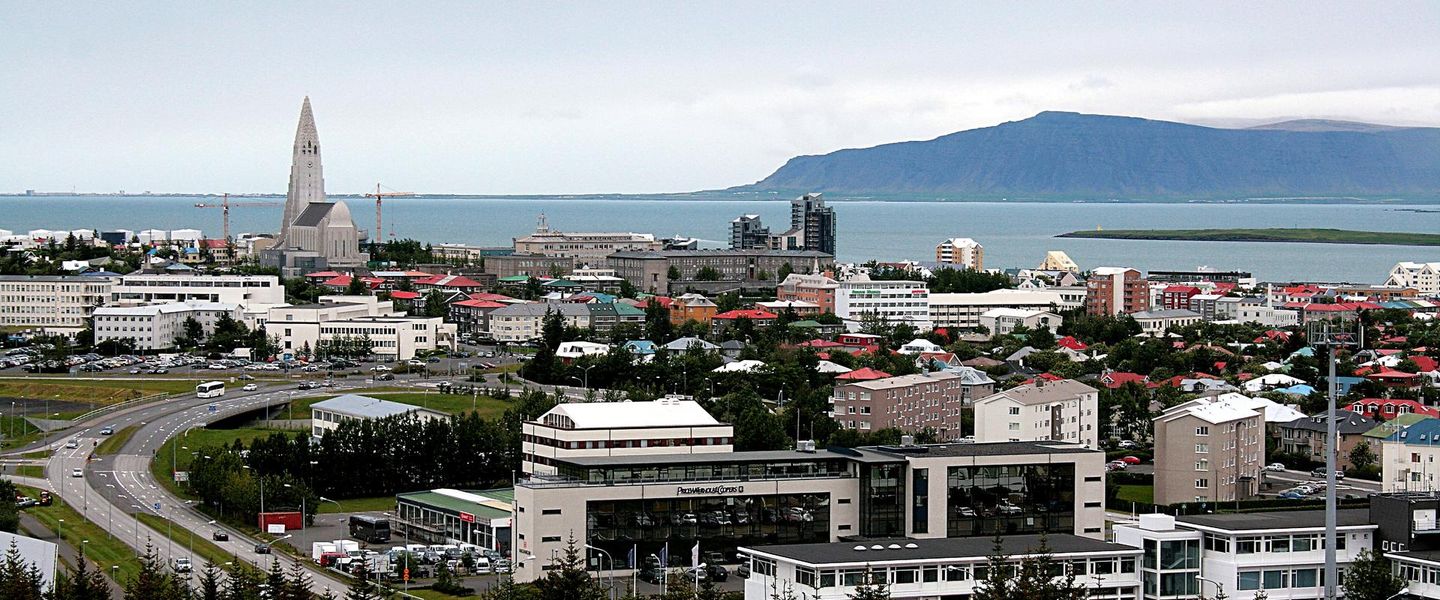


Grandi Reykjavik brings Iceland’s fishing history to life through harbour walks, maritime museums, creative food, design shops and waterfront views.
From Fishing Port to Waterfront Quarter
Grandi occupies the western edge of Reykjavik’s harbour, where broad quays, former fish-processing buildings and the open water of Faxaflói meet. The district grew around maritime work rather than grand civic architecture, and its industrial character remains visible in the long sheds, working harbour infrastructure and utilitarian streets of Grandagarður and Norðurslóð. At the same time, old industrial premises now accommodate museums, restaurants, creative businesses and food producers, giving Grandi a considered, contemporary feel without erasing its working past.Read more about Grandi
Museums, Food and Harbour Life
A Spacious Edge of the City
Best attractions in Grandi
Grandi’s attractions are concentrated along the waterfront and in the former industrial buildings of Grandagarður. The Reykjavík Maritime Museum explains how fishing, boatbuilding and seafaring shaped the city, while the Saga Museum uses reconstructed scenes and figures to interpret Iceland’s medieval sagas and settlement history. Whales of Iceland presents life-sized models and educational displays, and Aurora Reykjavík focuses on the science and folklore of the northern lights. The Marshall House, once associated with harbour industry, now houses contemporary art spaces including the Living Art Museum and Kling & Bang. Visitors can also simply follow the quays, watch vessels in the harbour and look across Faxaflói towards Esja. Boat excursions and whale-watching trips commonly depart from the wider Old Harbour area nearby, linking Grandi’s museums and waterfront walks with Reykjavik’s active maritime life.
-
Tourist attraction
FlyOver Iceland
Soar high above Iceland's stunning landscapes at FlyOver Iceland, an immersive flight simulation experience showcasing the country's natural beauty and culture.
14 min walk · 1.1 km from neighbourhood centre
-
Tourist attraction
Lava Show
Experience the thrill of Iceland's volcanic power at the Lava Show, an educational and entertaining attraction in Reykjavik.
13 min walk · 1.1 km from neighbourhood centre
-
Tourist attraction
Aurora Reykjavík - The Northern Lights Center
Explore the enchanting world of the northern lights at Aurora Reykjavik, where science meets the spectacular in a captivating experience.
13 min walk · 1.0 km from neighbourhood centre
-
Tourist attraction
Ingólfur Square
Explore Ingólfur Square, Reykjavik's vibrant park that blends history, culture, and relaxation in the heart of Iceland's capital city.
1 min walk · 0.1 km from neighbourhood centre


Best landmarks in Grandi
Grandi’s most important landmarks are functional buildings and harbour structures rather than monumental civic architecture. Grandagarður forms the district’s principal waterfront street, lined with former industrial premises whose scale recalls the importance of fishing and fish processing to Reykjavik. The Reykjavík Maritime Museum is housed in a former fish-freezing building, making its architecture part of the historical interpretation. Marshall House is another significant industrial conversion, retaining the character of a harbour structure while serving as a contemporary art venue. The long quays, working sheds and marine infrastructure are themselves part of Grandi’s identity, showing how the shoreline was organised around boats, storage and production. The area’s value lies in this combination of tangible industrial form and continuing harbour use, rather than in a single isolated monument.
-
Church
Hallgrimskirkja
Explore Hallgrimskirkja, Reykjavik's towering church that combines stunning architecture with breathtaking views, a cultural landmark not to be missed.
11 min walk · 0.9 km from neighbourhood centre
-
 Natural history museum
Perlan
Explore Iceland's natural history and enjoy breathtaking views at Perlan, Reykjavik's iconic museum and cultural landmark.
7 min drive · 2.3 km from neighbourhood centre
-
Sculpture
Sun Voyager
Explore the Sun Voyager, a stunning sculpture in Reykjavik that celebrates Iceland's maritime heritage and offers breathtaking views of the ocean and mountains.
11 min walk · 0.9 km from neighbourhood centre
-
Historical landmark
Höfði House
Discover the historical significance of Höfði House, a peaceful retreat in Reykjavik, where diplomacy shaped the course of history.
5 min drive · 1.6 km from neighbourhood centre


Explore Grandi on the map
A handpicked selection of must-see spots in Grandi, mapped for you.
Best hotels in Grandi
Best restaurants in Grandi
Dining in Grandi reflects the district’s conversion from fish-processing quarter to creative waterfront precinct. Former industrial buildings and harbour-side premises contain restaurants, cafés, bakeries and food businesses, with seafood naturally prominent but not exclusive. Matur og Drykkur, on Grandagarður, is associated with modern interpretations of Icelandic cooking and illustrates how local ingredients can be presented in a contemporary setting. Nearby venues provide more informal options, from coffee and baked goods to casual meals and harbour-side drinks, while food producers and specialist shops add to the district’s culinary interest. The setting matters: meals are often accompanied by views of boats, quays and working buildings rather than historic streets. Visitors should distinguish Grandi proper from the Old Harbour immediately to the east, where the dining scene continues but belongs to a neighbouring waterfront area.
-
Icelandic
Old Iceland
Experience authentic Icelandic cuisine in Reykjavík's heart at Old Iceland - where tradition meets taste in every dish.
13 min walk · 1.0 km from neighbourhood centre
-
Icelandic
Grillmarkaðurinn
Experience authentic Icelandic cuisine at Grillmarkaðurinn, where local ingredients meet culinary artistry in Reykjavík's vibrant dining scene.
2 min walk · 0.1 km from neighbourhood centre
-
Icelandic
Kol Restaurant
Experience exquisite Icelandic fine dining at Kol Restaurant in Reykjavik - where fresh seafood meets gourmet cuisine in an elegant setting.
9 min walk · 0.7 km from neighbourhood centre
-
Icelandic
Höfnin Restaurant
Discover Höfnin Restaurant: A Culinary Gem Offering Authentic Icelandic Dishes Made from Fresh Local Ingredients.
5 min walk · 0.4 km from neighbourhood centre


Best bars in Grandi
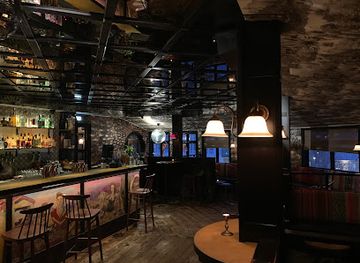
Grandi is not Reykjavik’s principal late-night club district, but it has a sociable evening scene built around restaurants, breweries, cafés and cultural venues in converted harbour buildings. Bryggjan Brugghús brings a brewery-and-restaurant format to Grandagarður, while other waterfront establishments provide places for a drink after visiting the museums or returning from the harbour. The atmosphere is generally more relaxed and spacious than the concentrated bar streets of the city centre, with the water and industrial architecture shaping the setting. Some cultural venues may host evening programmes, but schedules vary and should be checked independently. After dinner, many visitors return towards the Old Harbour or central Reykjavik for a broader choice of bars and clubs, rather than treating Grandi as a dedicated nightlife quarter.
-
Bar
Lebowski Bar
Discover Reykjavík's Lebowski Bar, where American bar culture meets Icelandic hospitality in a unique, laid-back setting.
7 min walk · 0.5 km from neighbourhood centre
-
Grill
American Bar
Discover the American Bar in Reykjavik, where delightful grilled dishes meet a vibrant atmosphere, perfect for tourists seeking taste and fun.
1 min walk · 0.1 km from neighbourhood centre
-
Bar
Bravó
Discover Bravó, Reykjavík's vibrant cocktail and live music bar, where unique decor meets lively nightlife in the heart of Iceland.
7 min walk · 0.6 km from neighbourhood centre
-
Bar
Kaffibarinn
Discover the vibrant nightlife of Reykjavík at Kaffibarinn, a cozy bar where locals and travelers unite over great drinks and eclectic music.
6 min walk · 0.5 km from neighbourhood centre


Best nightclubs in Grandi
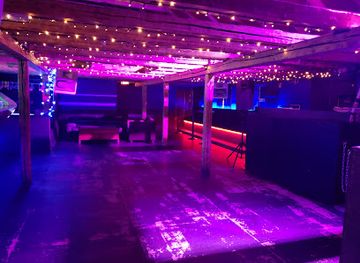
Grandi is not Reykjavik’s principal late-night club district, but it has a sociable evening scene built around restaurants, breweries, cafés and cultural venues in converted harbour buildings. Bryggjan Brugghús brings a brewery-and-restaurant format to Grandagarður, while other waterfront establishments provide places for a drink after visiting the museums or returning from the harbour. The atmosphere is generally more relaxed and spacious than the concentrated bar streets of the city centre, with the water and industrial architecture shaping the setting. Some cultural venues may host evening programmes, but schedules vary and should be checked independently. After dinner, many visitors return towards the Old Harbour or central Reykjavik for a broader choice of bars and clubs, rather than treating Grandi as a dedicated nightlife quarter.
-
Bar
SKY Bar
Experience Reykjavík's nightlife at SKY Bar, where stunning views meet crafted cocktails in a vibrant lounge atmosphere.
6 min walk · 0.5 km from neighbourhood centre
-
Night club
Pablo Discobar
Discover Reykjavik's vibrant nightlife at Pablo Discobar, a chic night club and cocktail bar offering exceptional cocktails and an electric atmosphere.
1 min walk · 0.1 km from neighbourhood centre
-
Gay bar
Kíkí Queer Bar
Experience the vibrant nightlife at Kíkí Queer Bar, Reykjavík's premier gay bar, offering entertainment, cocktails, and a welcoming atmosphere.
7 min walk · 0.6 km from neighbourhood centre
-
Club
Paloma Club
Explore the vibrant nightlife of Reykjavík at Paloma Club, where music, dance, and unforgettable moments await every visitor.
2 min walk · 0.1 km from neighbourhood centre


Best shops in Grandi
Shopping in Grandi is specialist and experience-led rather than concentrated in a conventional retail street. Visitors can browse Icelandic design, clothing, food products and locally made goods in businesses occupying former industrial buildings, with the exact mix changing as the district continues to evolve. Omnom’s presence gives the area a connection to Icelandic chocolate production, while nearby food-oriented businesses and cafés add edible souvenirs and contemporary local products to the browsing experience. The harbour setting also makes Grandi a useful place to look for maritime-themed goods and Icelandic design, although individual stock and opening arrangements vary. For larger high-street shopping, visitors should head back towards central Reykjavik; Grandi’s appeal is the relationship between independent retail, food production, galleries and the architecture of the old fishing quarter.
-
Gift shop
Polarbear Gift Store
Discover authentic Icelandic souvenirs and gifts at Polarbear Gift Store in Reykjavík, where unique treasures await every traveler.
9 min walk · 0.7 km from neighbourhood centre
-
Souvenir store
Old Harbour Souvenirs
Explore Icelandic culture through unique souvenirs and cozy knitwear at Old Harbour Souvenirs in Reykjavík.
5 min walk · 0.4 km from neighbourhood centre
-
Store
MJÚK Iceland ehf
Explore MJÚK Iceland for iconic woolen products and handcrafted treasures that embody the spirit of Icelandic culture.
7 min walk · 0.6 km from neighbourhood centre
-
Clothing store
Farmers & Friends - Farmers Market - flagship store & design studio
Explore unique Icelandic clothing and wool products at Farmers & Friends in Reykjavík, a must-visit store for authentic souvenirs.
13 min walk · 1.0 km from neighbourhood centre


Grandi essentials
Getting There
Getting Around
Safety
Emergency Situations
Do's and Don'ts
Local Tips

From Eve
Local phrases worth knowing
You don't need to get them perfect. A few words go a long way, and locals appreciate the effort.
Basics
| English | Local | Say it |
|---|---|---|
| Hello | Halló | [HAH-loh] |
| Goodbye | Bless | [bless] |
| Yes | Já | [yow] |
| No | Nei | [nay] |
| Please/You're welcome | Gjörðu svo vel | [gyor-thu svoh vel] |
| Thank you | Takk fyrir | [tahk fi-rir] |
| Excuse me/Sorry | Afsakið | [AHV-sah-kith] |
| How are you? | Hvernig hefur þú það? | [KVER-nik heh-vur thoo thahth] |
| Fine. And you? | Í lagi. En þú? | [EE lah-ghi. en thoo] |
| Do you speak English? | Talarðu ensku? | [TAH-lar-thu en-sku] |
| I don't understand | Ég skil ekki | [yeh skil e-kki] |
Eating & Drinking
| English | Local | Say it |
|---|---|---|
| I'd like to see the menu, please | Ég ætla að sjá matsedilinn, takk | [yeh EHT-la ath syauh mat-seh-dil-inn, tahk] |
| I don't eat meat | Ég borða ekki kjöt | [yeh bor-tha e-kki chyot] |
| Cheers! | Skál! | [skowl] |
| I would like to pay, please | Ég vil greiða, takk | [yeh vil gray-tha, tahk] |
Emergencies
| English | Local | Say it |
|---|---|---|
| Help! | Hjálp! | [hyowlp] |
| Go away! | Farðu í burtu! | [far-thu ee bur-thu] |
| Call the Police! | Hringdu í lögregluna! | [hring-thu ee loh-gre-gluna] |
| Call a doctor! | Hringdu í lækninn! | [hring-thu ee lek-nin] |
| I'm lost | Ég er týndur | [yeh er teen-thur] |
| I'm ill | Ég er veikur | [yeh er vay-kur] |
Shopping
| English | Local | Say it |
|---|---|---|
| I'd like to buy... | Ég ætla að kaupa... | [yeh EHT-la ath cow-pah] |
| I'm just looking | Ég er bara að skoða | [yeh er bah-rah ath sko-tha] |
| How much is it? | Hvað kostar það? | [kvahd koh-stahr thahth] |
| That's too expensive | Það er of dýrt | [tha-th er ohf deert] |
| Can you lower the price? | Geturðu lækkað verðið? | [geh-tur-thu ligh-kath ver-thith] |
Time & Numbers
| English | Local | Say it |
|---|---|---|
| What time is it? | Hvað er klukkan? | [kvahd er khluh-kahn] |
| It's one o'clock | Klukkan er eitt | [khluh-kahn er ayt] |
| Half past (10) | Hálf tíu | [howlf tee-oo] |
| Morning | Morgunn | [mohr-gun] |
| Afternoon | Eftir hádegi | [ef-thir how-deh-gee] |
| Evening | Kvöld | [k-vohlt] |
| Yesterday | Í gær | [ee gai-r] |
| Today | Í dag | [ee dhahk] |
| Tomorrow | Á morgun | [auh mohr-gun] |
| 1 | Eitt | [ayt] |
| 2 | Tvö | [tvuh] |
| 3 | Þrjú | [thryoo] |
| 4 | Fjögur | [fyuh-gur] |
| 5 | Fimm | [fim] |
| 6 | Sex | [sehx] |
| 7 | Sjö | [syoh] |
| 8 | Átta | [auh-tha] |
| 9 | Níu | [nee-oo] |
| 10 | Tíu | [tee-oo] |
Transport & Directions
| English | Local | Say it |
|---|---|---|
| Where's a/the...? | Hvar er...? | [kvar er] |
| What's the address? | Hvað er heimilisfangið? | [kvahd er hay-mil-is-fan-gith] |
| Can you show me (on the map)? | Geturðu sýnt mér (á kortinu)? | [geh-tur-thu seent mair (auh kort-inu)] |
| When's the next (bus)? | Hvenær kemur næsti (strætisvagn)? | [kver-nighr kem-ur nay-sti (stray-tis-vahn)] |
| A ticket (to ....) | Miða (til ...) | [MITH-ah (til)] |
History of Grandi
A Shoal on Reykjavik’s Western Shore
The name Grandi refers to a shoal or sandbank, reflecting the low-lying coastal character of the area before its modern industrial transformation. For centuries, the western edge of Reykjavik consisted largely of shoreline, tidal ground and working spaces connected to fishing rather than a dense urban neighbourhood. Its position beside Faxaflói made it useful for boats and marine activity, while the nearby settlement remained concentrated closer to the older centre. The district’s geography, with open water to the north and west, continued to shape its practical identity long after the shoreline was altered and harbour facilities expanded.
The Harbour Transforms the Coast
The development of Reykjavik’s modern harbour, opened in 1913, changed the relationship between the town and its western waterfront. Quays, sheds, roads and marine infrastructure created more dependable conditions for landing fish, moving cargo and servicing vessels. Grandi became part of the city’s expanding fishing economy, with processing, storage and related trades occupying substantial buildings along the shore. The district was not designed primarily for visitors or domestic life; its layout and architecture reflected the rhythms of boats, catches, machinery and industrial transport. That practical origin remains legible in the broad plots and robust harbour buildings still found around Grandagarður.
Fishing Industry and Working Buildings
During the twentieth century, Grandi developed as one of Reykjavik’s important fishing and fish-processing areas. Companies, workshops and cold-storage facilities linked the district to the wider Icelandic fishing economy, while employment and commercial activity centred on the harbour. Some buildings were repeatedly adapted as technology and processing methods changed, producing the mixture of sheds, offices and service structures visible today. The district’s maritime history is interpreted directly at the Reykjavík Maritime Museum, whose setting reinforces the connection between the museum’s collections and the waterfront industries that shaped modern Reykjavik.
Industrial Regeneration and Cultural Reuse
From the late twentieth century onwards, changes in fishing, harbour logistics and the urban economy left parts of Grandi available for new uses. Former industrial premises began to accommodate cultural institutions, food businesses, studios and visitor attractions rather than being cleared entirely. The Marshall House is a notable example of this shift, retaining an industrial building while giving it a role in Reykjavik’s contemporary art scene. The redevelopment has brought more visitors and investment, but Grandi still differs from a fully sanitised heritage quarter: working harbour functions, service traffic and maritime businesses remain part of its contemporary identity.
Grandi in Photos
Browse through our photo collection highlighting the charm and character of the destination.
Neighbourhoods near Grandi
The closest neighbourhoods to Grandi, if you have time for more than one stop.
-

-

-
-

-


Swipe for more neighbourhoods
Explore more

Explore more of Reykjavik
Reykjavík combines Icelandic history, Hallgrímskirkja, coastal walks, museums, geothermal culture and access to dramatic landscapes beyond the capital.
Explore Reykjavik