

Vesturbær (Reykjavik) Travel Guide - Free
Explore Vesturbær in Reykjavik with Evendo's free guide. Find the best shops, historic streets, restaurants, and gems on web or mobile.


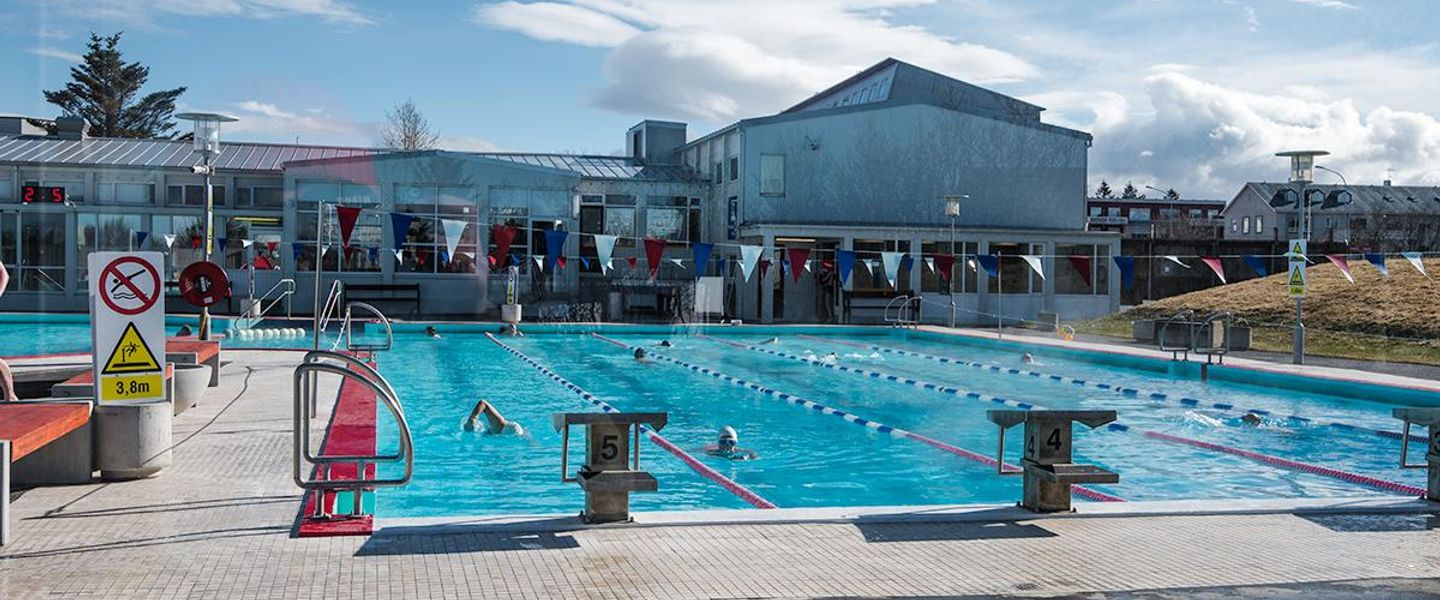


Vesturbær Reykjavik blends coastal walks, geothermal swimming, harbour museums, seafood restaurants and quiet residential streets near the city centre.
Residential Streets by the Atlantic
Vesturbær occupies the western side of central Reykjavik, stretching from the older city centre towards the open water and the neighbouring peninsula of Seltjarnarnes. Its character is predominantly residential: low-rise homes, apartment blocks, schools and local shops line streets that feel removed from the capital’s busiest visitor corridors. The neighbourhood’s western edge is defined by the shore, where the Ægisíða coastal road and footpath open towards Faxaflói Bay, Mount Esja and changing Icelandic skies.Read more about Vesturbær
Harbour History and Local Culture
Swimming, Food and Everyday Reykjavik
Best attractions in Vesturbær
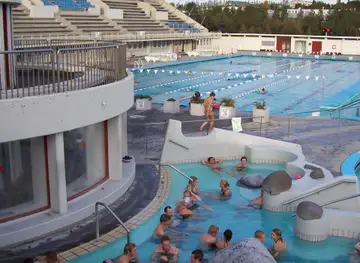
Vesturbær’s attractions are concentrated around its waterfront and everyday public facilities. The Reykjavik Maritime Museum in Grandi explains Iceland’s seafaring and fishing history through vessels, objects and exhibitions, while the Saga Museum presents episodes from the medieval Icelandic sagas in a highly visual setting. Nearby, the Marshall House brings contemporary art into a former industrial building, and the harbour streets retain traces of the district’s working-port past. Vesturbæjarlaug offers a more local form of sightseeing through Iceland’s geothermal bathing culture, with outdoor pools and hot tubs used by residents. For open air, follow Ægisíða along the coast, where the view extends across Faxaflói towards Mount Esja and the Snæfellsnes direction in clear conditions. The area is best explored as a sequence of museums, harbour spaces, swimming facilities and windswept coastal paths rather than as a compact monument circuit.
-
Tourist attraction
The Icelandic Phallological Museum (Hið Íslenzka Reðasafn)
Explore the whimsical and educational world of The Icelandic Phallological Museum in Reykjavik, showcasing the fascinating diversity of nature's reproductive biology.
6 min walk · 0.5 km from neighbourhood centre
-
-
Tourist attraction
Lækjartorg
Explore Lækjartorg, a vibrant park in the heart of Reykjavík, where culture meets relaxation in Iceland's capital city.
5 min walk · 0.4 km from neighbourhood centre
-
Tourist attraction
Hljómskálagarðurinn
Discover the serene beauty and cultural richness of Hljómskálagarðurinn, a picturesque park in Reykjavik, perfect for relaxation and exploration.
5 min walk · 0.4 km from neighbourhood centre


Best landmarks in Vesturbær
Vesturbær’s most important landmarks express its relationship with the sea, public life and the city’s westward growth. The Reykjavik Maritime Museum occupies a former fish-freezing plant in Grandi, making the building itself part of the story of Icelandic fishing and harbour industry. The Marshall House, another adapted industrial structure, is now associated with contemporary art and demonstrates the waterfront’s change of use. Vesturbæjarlaug is less monumental but highly significant as a civic landmark: its pools and hot tubs are part of Reykjavik’s everyday social infrastructure. Along the coast, Ægisíða is a geographical landmark rather than a single building, marking the western edge of the urban fabric with paths, seawalls and broad sea views. Older residential streets behind the harbour, together with churches and institutional buildings near the district’s eastern edge, reveal the twentieth-century neighbourhood that developed around these maritime and civic anchors.
-
Sculpture
Sun Voyager
Discover the Sun Voyager in Reykjavík, a captivating sculpture that embodies adventure and exploration against a breathtaking backdrop of Iceland's natural beauty.
12 min walk · 1.0 km from neighbourhood centre
-
National museum
National Museum of Iceland
Explore Iceland's rich history and cultural heritage at the National Museum of Iceland, a captivating journey through time in the heart of Reykjavik.
6 min walk · 0.5 km from neighbourhood centre
-
Museum
Whales of Iceland
Explore the wonders of marine life at Whales of Iceland, where captivating exhibits and conservation awareness come together in Reykjavik's premier natural history museum.
15 min walk · 1.2 km from neighbourhood centre
-
Tourist attraction
Lava Show
Unleash the power of nature at the Lava Show in Reykjavik, where volcanic eruptions come to life in an unforgettable spectacle.
17 min walk · 1.3 km from neighbourhood centre


Explore Vesturbær on the map
A handpicked selection of must-see spots in Vesturbær, mapped for you.
Best hotels in Vesturbær
Best restaurants in Vesturbær
Vesturbær’s dining scene reflects its maritime setting and the conversion of former harbour buildings into visitor and leisure spaces. Grandi is the principal focus, with seafood restaurants, cafés and informal places to eat around the old port, including established names such as Sægreifinn and Coocoo’s Nest. The district’s food culture is not limited to elaborate tasting menus: fish, soup, coffee, pastries and straightforward lunches suit the waterfront’s practical history. Kaffivagninn, associated with the old harbour area, represents the long connection between working seafarers and simple café food, although visitors should confirm current arrangements before travelling. Residential Vesturbær has a quieter spread of local cafés and everyday eateries than the central streets, so dining is more naturally combined with a museum visit or harbour walk. The neighbourhood’s strongest culinary identity comes from proximity to landing places, fishing history and the sea rather than from a single local speciality.
-
Icelandic
Svarta Kaffið
Discover authentic Icelandic cuisine at Svarta Kaffið - famous for its hearty soups served in bread bowls in Reykjavík's vibrant heart.
11 min walk · 0.9 km from neighbourhood centre
-
Icelandic
Grillmarkaðurinn
Experience authentic Icelandic cuisine at Grillmarkaðurinn, where local flavors meet modern culinary artistry in Reykjavík.
4 min walk · 0.3 km from neighbourhood centre
-
Icelandic
Sjávargrillið
Discover authentic Icelandic seafood at Sjávargrillið in Reykjavík, where tradition meets innovation for an unforgettable dining experience.
6 min walk · 0.5 km from neighbourhood centre
-
Icelandic
Kol Restaurant
Experience culinary artistry at Kol Restaurant in Reykjavík – where Icelandic flavors meet modern elegance in fine dining.
9 min walk · 0.7 km from neighbourhood centre


Best bars in Vesturbær
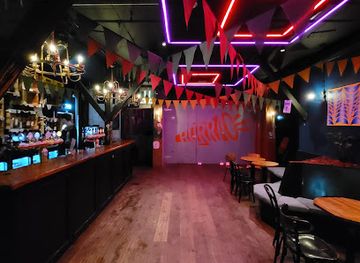
Vesturbær is not one of Reykjavik’s main late-night club districts, and evenings are generally calmer away from the central nightlife streets. Grandi provides the most visitor-oriented after-dark setting, with restaurants, harbour bars and converted industrial spaces that can become convivial without resembling the concentrated party scene around Laugavegur. Some cultural venues host exhibitions, events or performances, but programming changes and should be checked in advance. The neighbourhood’s established evening rhythm is better suited to a drink after seafood, a quiet walk near the port or conversation in a local café than to moving between numerous nightclubs. Residential streets around Vesturbæjarlaug and Ægisíða are lived-in areas, so visitors should keep voices down when returning late. For a broader selection of clubs and late bars, the city centre is nearby, but it should not be presented as part of Vesturbær itself.
-
Bar
Lebowski Bar
Experience a quirky blend of film nostalgia and Icelandic nightlife at Lebowski Bar in Reykjavík, where every drink tells a story.
8 min walk · 0.6 km from neighbourhood centre
-
Bar
Bravó
Discover Bravó, Reykjavík's lively cocktail bar with live music and a vibrant atmosphere, perfect for unwinding after a day of adventure.
8 min walk · 0.6 km from neighbourhood centre
-
Bar
Microbar Reykjavík
Discover the heart of Reykjavík's craft beer scene at Microbar, where local brews and a cozy atmosphere await.
15 min walk · 1.2 km from neighbourhood centre
-
Bar
Kaffibarinn
Experience the vibrant nightlife of Reykjavík at Kaffibarinn, a cozy bar known for its friendly locals, great music, and unique Icelandic charm.
7 min walk · 0.5 km from neighbourhood centre


Best nightclubs in Vesturbær
Vesturbær is not one of Reykjavik’s main late-night club districts, and evenings are generally calmer away from the central nightlife streets. Grandi provides the most visitor-oriented after-dark setting, with restaurants, harbour bars and converted industrial spaces that can become convivial without resembling the concentrated party scene around Laugavegur. Some cultural venues host exhibitions, events or performances, but programming changes and should be checked in advance. The neighbourhood’s established evening rhythm is better suited to a drink after seafood, a quiet walk near the port or conversation in a local café than to moving between numerous nightclubs. Residential streets around Vesturbæjarlaug and Ægisíða are lived-in areas, so visitors should keep voices down when returning late. For a broader selection of clubs and late bars, the city centre is nearby, but it should not be presented as part of Vesturbær itself.
-
Night club
Pablo Discobar
Discover the lively spirit of Reykjavík at Pablo Discobar, a premier night club and cocktail bar perfect for nightlife enthusiasts.
5 min walk · 0.4 km from neighbourhood centre
-
Gay bar
Kíkí Queer Bar
Experience the vibrant LGBTQ+ nightlife of Reykjavík at Kíkí Queer Bar, where inclusivity and entertainment come together in a lively atmosphere.
8 min walk · 0.6 km from neighbourhood centre
-
Club
Paloma Club
Discover the electrifying nightlife at Paloma Club, Reykjavik's top destination for dancing, music, and unforgettable moments.
5 min walk · 0.4 km from neighbourhood centre
-
Night club
RADAR Reykjavík
Discover RADAR Reykjavík - a pulsating night club offering an unforgettable atmosphere of techno and drum and bass in the heart of Iceland's nightlife.
5 min walk · 0.4 km from neighbourhood centre


Best shops in Vesturbær
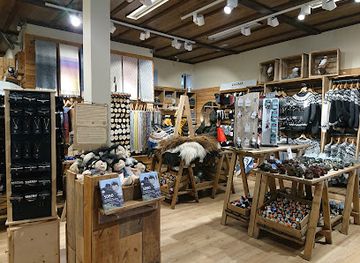
Shopping in Vesturbær is modest and practical rather than concentrated in a large retail district. Small local services and convenience shops are scattered through the residential area, while Grandi offers a more visitor-facing mixture of food, design, cultural and specialist businesses in former industrial surroundings. The harbour museums include shops with books, souvenirs and Iceland-related material, and the area’s restaurants and cafés form part of its commercial appeal. Visitors should not expect the dense chains, fashion stores or department shops found in central Reykjavik; the neighbourhood’s retail character is tied more closely to food, maritime culture, creative reuse and everyday services. For a broader selection of independent boutiques, records, books and Icelandic design, the central shopping streets are within walking distance, but they belong to the city centre rather than Vesturbær. The most distinctive local purchase is often connected to the harbour’s cultural institutions or food businesses.
-
Gift shop
Polarbear Gift Store
Explore the charming Polarbear Gift Store in Reykjavík for unique Icelandic souvenirs and gifts that celebrate local culture and artistry.
10 min walk · 0.8 km from neighbourhood centre
-
Clothing store
Nordic Store
Discover Icelandic culture through unique clothing, handcrafted knitwear, and distinctive souvenirs at Nordic Store in Reykjavik.
4 min walk · 0.4 km from neighbourhood centre
-
Souvenir store
Old Harbour Souvenirs
Discover authentic Icelandic treasures at Old Harbour Souvenirs in Reykjavík, where every gift tells a story of Iceland's rich culture and heritage.
8 min walk · 0.7 km from neighbourhood centre
-
Boutique
Thorvaldsens Bazar
Explore the unique charm of Thorvaldsens Bazar in Reykjavík, where Icelandic craftsmanship meets boutique shopping.
4 min walk · 0.3 km from neighbourhood centre


Vesturbær essentials
Getting There
Getting Around
Safety
Emergency Situations
Do's and Don'ts
Local Tips

From Eve
Local phrases worth knowing
You don't need to get them perfect. A few words go a long way, and locals appreciate the effort.
Basics
| English | Local | Say it |
|---|---|---|
| Hello | Halló | [ha-tloh] |
| Goodbye | Bless | [bless] |
| Yes | Já | [ya] |
| No | Nei | [nay] |
| Please/You're welcome | Gjörðu svo vel | [gyor-thu svo vel] |
| Thank you | Takk fyrir | [tahk fi-rir] |
| Excuse me/Sorry | Fyrirgefðu | [fi-rir-gef-thu] |
| How are you? | Hvernig hefur þú það? | [kver-nig he-vur thoo thah?] |
| Fine. And you? | Fínt. Og þú? | [feent. oh thoo?] |
| Do you speak English? | Talar þú ensku? | [ta-lar thoo ens-koo?] |
| I don't understand | Ég skil ekki | [yeg skil ek-ki] |
Eating & Drinking
| English | Local | Say it |
|---|---|---|
| I'd like to see the menu, please | Ég væri með val á matsedlinum, takk | [yeg vair-ee meth val ow mat-sed-li-num, tahk] |
| I don't eat meat | Ég borða ekki kjöt | [yeg bor-tha ek-ki chot] |
| Cheers! | Skál! | [skowl] |
| I would like to pay, please | Ég væri með að borga, takk | [yeg vair-ee meth ath bor-ga, tahk] |
Emergencies
| English | Local | Say it |
|---|---|---|
| Help! | Hjálp! | [hyowlp] |
| Go away! | Farðu í burtu! | [far-thu ee bur-thu] |
| Call the Police! | Hringdu í lögregluna! | [hring-thu ee leu-gre-gluna] |
| Call a doctor! | Hringdu í lækninn! | [hring-thu ee laik-nin] |
| I'm lost | Ég er týndur | [yeg er teun-thur] |
| I'm ill | Ég er veikur | [yeg er vay-kur] |
Shopping
| English | Local | Say it |
|---|---|---|
| I'd like to buy... | Ég væri með að kaupa... | [yeg vair-ee meth ath cow-pa...] |
| I'm just looking | Ég er bara að skoða | [yeg er bara ath skotha] |
| How much is it? | Hvað kostar þetta? | [kva-th kost-ar thet-ta] |
| That's too expensive | Það er of dýrt | [thath er ov deurt] |
| Can you lower the price? | Getur þú lækkað verðið? | [gethur thoo lai-kath ver-thith] |
Time & Numbers
| English | Local | Say it |
|---|---|---|
| What time is it? | Hvað er klukkan? | [kva-th er kluth-an] |
| It's one o'clock | Klukkan er eitt | [kluth-an er ait] |
| Half past (10) | Hálft á (10) | [howl-ft ow (10)] |
| Morning | Morgunn | [mor-gun] |
| Afternoon | Síðdegis | [seed-de-yis] |
| Evening | Kvöld | [kvoeld] |
| Yesterday | Í gær | [ee gair] |
| Today | Í dag | [ee thahk] |
| Tomorrow | Á morgun | [ow mor-gun] |
| 1 | Eitt | [ait] |
| 2 | Tvö | [tvo] |
| 3 | Þrjú | [thryoo] |
| 4 | Fjögur | [fyo-gur] |
| 5 | Fimm | [fim] |
| 6 | Sex | [seks] |
| 7 | Sjö | [syo] |
| 8 | Átta | [ow-tha] |
| 9 | Níu | [nee-oo] |
| 10 | Tíu | [tee-oo] |
Transport & Directions
| English | Local | Say it |
|---|---|---|
| Where's a/the...? | Hvar er... | [kvar er] |
| What's the address? | Hvað er heimilisfangið? | [kva-th er hay-mi-lis-fan-gith] |
| Can you show me (on the map)? | Getur þú sýnt mér (á kortinu)? | [gethur thoo seunt mair (ow kort-inu)] |
| When's the next (bus)? | Hvenær er næsta (strætisvagn)? | [kve-nair er nai-sta (strai-tis-vagn)] |
| A ticket (to ....) | Einn miða (til ...) | [aitn meetha (til ...)] |
History of Vesturbær
From Outlying Shore to City District
Before modern urban expansion, the western edge of Reykjavik consisted largely of open land, shoreline and scattered rural holdings beyond the compact settlement around Aðalstræti and the old harbour. As Reykjavik expanded in the late nineteenth and early twentieth centuries, streets and homes spread westwards from the historic centre. Vesturbær developed as part of this outward growth rather than as an ancient town of its own, and its identity was shaped by practical proximity to the sea, the harbour and the city’s emerging institutions.
Interwar Homes and Local Institutions
During the early twentieth century, Vesturbær became an established residential quarter as Reykjavik’s population and municipal services grew. Housing, schools and churches gave the area a recognisable community structure, while streets near Túngata and Hringbraut connected it with the older centre. The neighbourhood’s built environment came to include a mixture of detached houses, modest apartment buildings and later infill, reflecting the gradual transition from the city’s historic core to a larger modern capital.
The Harbour and Grandi’s Fishing Economy
The opening of Reykjavik Harbour in 1917 strengthened the economic importance of the waterfront and helped turn Grandi into a major fishing and fish-processing area. Warehouses, workshops, freezing plants and landing facilities occupied the harbour edge, linking Vesturbær to Iceland’s maritime economy even as most of the district remained residential. The industrial landscape shaped employment, traffic and local identity for much of the twentieth century, and surviving port buildings still explain why the neighbourhood’s western waterfront looks different from the domestic streets behind it.
Industrial Waterfront to Cultural Quarter
As fishing and processing practices changed, parts of Grandi lost their former industrial role. During the late twentieth and early twenty-first centuries, some harbour buildings were adapted for museums, galleries, restaurants and creative enterprises rather than demolished outright. The Reykjavik Maritime Museum, the Saga Museum and the Marshall House now sit within this cultural waterfront, while the residential core of Vesturbær has retained its everyday character. The result is a district where working-port history, contemporary cultural use and long-established local life remain visibly layered together.
Vesturbær in Photos
Browse through our photo collection highlighting the charm and character of the destination.
Neighbourhoods near Vesturbær
The closest neighbourhoods to Vesturbær, if you have time for more than one stop.
-
-

-

-
-


Swipe for more neighbourhoods
Explore more

Explore more of Reykjavik
Reykjavík combines Icelandic history, Hallgrímskirkja, coastal walks, museums, geothermal culture and access to dramatic landscapes beyond the capital.
Explore Reykjavik