

Free Champaign Travel Guide & Mobile App
Plan your Champaign trip with Evendo. Get free guides to top attractions, restaurants, hotels, and bars. Web access or download the mobile app.


Champaign, Illinois blends University of Illinois culture, prairie landscapes, museums, live music, local food and easy access to Central Illinois attractions.
A Central Illinois Meeting Point
Champaign lies in the broad, fertile prairie of east-central Illinois, alongside its closely connected neighbour Urbana. Together, the two cities form a lively university community shaped by the University of Illinois Urbana-Champaign, a major research institution whose campus, museums and performance spaces give the area an unusually rich cultural life for a mid-sized American city. Downtown Champaign brings a more independent, urban character, with restored commercial buildings, cafés, restaurants, galleries and venues for live music clustered around streets such as Neil, Main and Walnut.Read more about Champaign
Campus, Culture and Open Space
A City with a Local Rhythm
When is the best time to visit Champaign?
Best: May–June, September · 24–29°C| Month | High (°C) | Rainfall (mm) |
|---|---|---|
| January | 3 | 43 |
| February | 6 | 38 |
| March | 11 | 53 |
| April | 18 | 74 |
| May (best) | 24 | 97 |
| June (best) | 29 | 84 |
| July | 31 | 79 |
| August | 30 | 81 |
| September (best) | 26 | 74 |
| October | 18 | 66 |
| November | 11 | 61 |
| December | 3 | 48 |
Getting to and around Champaign
How to get there
Transportation
Best attractions in Champaign
Champaign's principal attractions are closely tied to the University of Illinois and the shared Champaign-Urbana community. Krannert Art Museum presents collections ranging from European and American art to works from Africa, Asia and the Americas, while the Spurlock Museum explores world cultures through anthropology and archaeology. Japan House offers a tranquil garden and cultural setting on the university campus, and the Alma Mater statue has become a familiar meeting point near historic campus buildings. In downtown Champaign, restored commercial blocks, galleries, independent cafés and public events make the area rewarding to explore on foot. Meadowbrook Park in Urbana adds native prairie, gardens, sculpture and walking paths, while Crystal Lake Park combines woodland, open lawns and recreation beside the Saline Branch. The Champaign County History Museum provides further local context, tracing the people and industries that shaped the region.
-
Tourist attraction
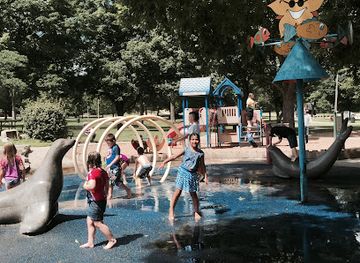
Hessel Park
Discover the tranquil beauty of Hessel Park in Champaign, Illinois—a perfect spot for relaxation, outdoor fun, and family-friendly activities.
6 min drive · 2.0 km from city centre
-
Tourist attraction
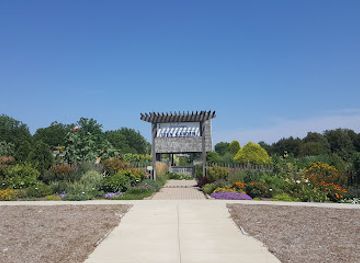
University of Illinois Arboretum
Explore the lush landscapes of the University of Illinois Arboretum, a serene retreat for hiking and nature appreciation in Urbana, Illinois.
10 min drive · 3.3 km from city centre
-
Tourist attraction
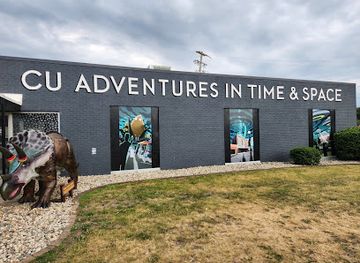
Champaign-Urbana Adventures in Time and Space
Experience immersive escape rooms and thrilling adventures at Champaign-Urbana Adventures in Time and Space, where fun and creativity collide.
9 min drive · 3.2 km from city centre
-
Tourist attraction
Main Quad
Explore the Main Quad in Urbana, Illinois, a beautiful park and cultural hub at the University of Illinois, perfect for relaxation and discovery.
5 min drive · 1.7 km from city centre

Best landmarks in Champaign
Champaign's landmarks express the area's railway, civic and university history. The Illinois Terminal in downtown Champaign remains an important transportation building and a reminder of the city's continuing connection with rail travel. On the University of Illinois campus, the Alma Mater statue stands as a widely recognised symbol of the institution, while Memorial Stadium commemorates Illinois service members and remains a major college-sports venue. Altgeld Hall, with its distinctive historic campus architecture, and the nearby Illini Union help define the university's public face. Downtown's older commercial buildings reveal the scale of the nineteenth- and early twentieth-century railway economy, while the Champaign County History Museum, housed in a former courthouse building, connects local civic development with the people and institutions that shaped the county.
-
Grill
Seven Saints
Discover the vibrant flavors and lively atmosphere of Seven Saints, the top grill and bar destination in Downtown Champaign, perfect for food lovers and social gatherings.
2 min walk · 0.1 km from city centre
-
Chicken
Watson's Shack & Rail
Experience a delightful fusion of flavors at Watson's Shack & Rail in Champaign, where chicken takes center stage and every dish is crafted with passion.
2 min walk · 0.1 km from city centre
-
Pub
Farren's Pub & Eatery
Discover Farren's Pub & Eatery in Champaign, where delightful food and vibrant atmosphere meet for a memorable dining experience.
1 min walk · 0.1 km from city centre
-
Performing arts theater
Krannert Center for the Performing Arts
Discover the artistic heart of Urbana at the Krannert Center for the Performing Arts, where diverse performances captivate and inspire.
6 min drive · 2.0 km from city centre


Explore Champaign on the map
Plan your Champaign trip on one map. See where the top attractions, landmarks, restaurants, bars and hotels are, find what's near where you're staying, and book hotels and experiences in a few clicks.
Best hotels in Champaign
Best restaurants in Champaign
Champaign-Urbana's dining scene reflects both the agricultural setting of east-central Illinois and the international character of a major research university. Downtown Champaign and the campus districts contain independent restaurants, cafés, bakeries and bars, while nearby Urbana adds further choices around its historic centre and Lincoln Square. Menus range from Midwestern comfort food, barbecue and locally sourced produce to Mexican, Indian, Thai, Japanese, Korean and Middle Eastern cooking, with vegetarian and vegan options common in university-facing areas. Farmers' markets and seasonal food events connect restaurants and home cooks with regional fruit, vegetables and prepared foods. Craft beer and contemporary American cooking have a visible presence, but the most characteristic experience is the mixture of student-friendly casual dining, long-established local businesses and an internationally influenced restaurant culture.
-
Barbecue
Black Dog Smoke & Ale House
Discover the best barbecue in Champaign at Black Dog Smoke & Ale House—where smoky flavors meet hearty hospitality.
4 min walk · 0.3 km from city centre
-
Mexican
Dos Reales Mexican Restaurant
Discover the vibrant tastes of Mexico at Dos Reales Mexican Restaurant in Champaign - where every meal is a celebration!
6 min drive · 2.0 km from city centre
-
Breakfast
The Original Pancake House
Discover the charm of The Original Pancake House in Champaign for an unforgettable breakfast experience featuring fluffy pancakes and hearty American dishes.
9 min drive · 3.0 km from city centre
-
Grill
Seven Saints
Discover flavorful dishes and craft brews at Seven Saints in Downtown Champaign – where great taste meets vibrant atmosphere.
2 min walk · 0.1 km from city centre


Best bars in Champaign
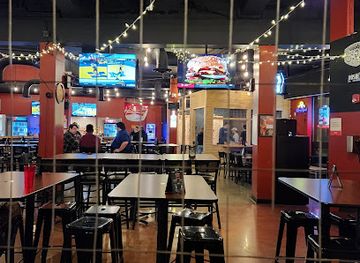
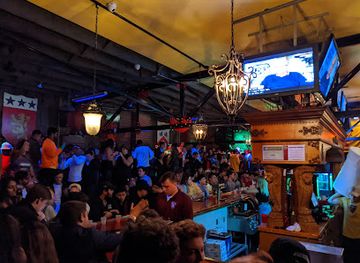
Evenings in Champaign are concentrated around downtown, the university district and connected nightlife areas in Urbana rather than one single club quarter. Downtown Champaign offers pubs, cocktail bars, breweries, late cafés and venues for live music, while Green Street near campus has a younger, student-oriented atmosphere. Established spaces such as Canopy Club host concerts and nightlife programming, and Urbana's Rose Bowl Tavern is associated with live music and a relaxed bar setting. The Krannert Center for the Performing Arts broadens the evening scene with theatre, dance, concerts and visiting artists, making cultural events as important as drinking venues. Activity varies with the academic calendar, and university crowds are especially noticeable during weekends, performances and major sporting fixtures.
-
Sports bar
Aspen Tap House
Discover Aspen Tap House, the ultimate sports bar and brewpub in Champaign, offering delicious food, craft beers, and a lively atmosphere.
8 min drive · 2.7 km from city centre
-
Bar
Esquire Lounge
Discover the vibrant atmosphere of Esquire Lounge, where exquisite drinks and delectable dishes come together in Downtown Champaign.
1 min walk · 0.1 km from city centre
-
Bar
Murphy's Pub
Discover the lively atmosphere of Murphy's Pub in Champaign, where craft beers and delicious pub fare meet friendly faces and local culture.
16 min walk · 1.3 km from city centre
-
American
Big Grove Tavern
Experience the heart of American cuisine at Big Grove Tavern in Downtown Champaign, where local ingredients meet a welcoming atmosphere.
3 min walk · 0.2 km from city centre


Best nightclubs in Champaign
Evenings in Champaign are concentrated around downtown, the university district and connected nightlife areas in Urbana rather than one single club quarter. Downtown Champaign offers pubs, cocktail bars, breweries, late cafés and venues for live music, while Green Street near campus has a younger, student-oriented atmosphere. Established spaces such as Canopy Club host concerts and nightlife programming, and Urbana's Rose Bowl Tavern is associated with live music and a relaxed bar setting. The Krannert Center for the Performing Arts broadens the evening scene with theatre, dance, concerts and visiting artists, making cultural events as important as drinking venues. Activity varies with the academic calendar, and university crowds are especially noticeable during weekends, performances and major sporting fixtures.
-
Bar
Esquire Lounge
Experience the vibrant atmosphere and diverse menu at Esquire Lounge in Downtown Champaign, where great food meets lively nightlife.
1 min walk · 0.1 km from city centre
-
Night club
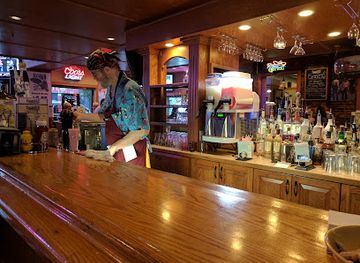
The Axe Bar
Discover the ultimate entertainment experience at The Axe Bar in Champaign, where axe throwing meets a lively sports bar atmosphere.
1 min walk · 0.1 km from city centre
-
Bar
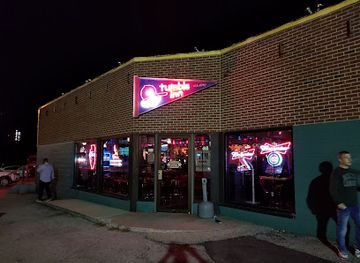
Tumble Inn Tavern
Discover the lively Tumble Inn Tavern in Downtown Champaign, a perfect spot for drinks, live music, and unforgettable memories.
4 min walk · 0.3 km from city centre
-
Night club
The Red Lion
Experience the vibrant nightlife at The Red Lion, Champaign's premier night club and event venue, perfect for dancing and socializing.
12 min walk · 1.0 km from city centre
Best shops in Champaign
Shopping in Champaign combines a walkable independent downtown with university-oriented retail and larger commercial areas beyond the centre. Streets around Neil, Main and Walnut contain boutiques, bookshops, galleries, cafés, specialist retailers and businesses occupying restored older buildings, giving downtown a more local character than a conventional enclosed mall. Around the University of Illinois, shops serve students with books, clothing, food and everyday necessities. Market Place Shopping Center in Champaign provides a broad selection of mainstream retailers, while farmers' markets and seasonal community markets offer produce, baked goods, prepared food and locally made items. Visitors looking for souvenirs may find university memorabilia, regional food products, artwork and practical gifts more distinctive than generic tourist merchandise. Urbana's Lincoln Square and nearby independent shops add another retail area within the connected metropolitan community.
-
Shopping mall
Market Place Shopping Center
Explore the Market Place Shopping Center for a unique shopping experience and delightful dining options in the heart of Champaign, Illinois.
9 min drive · 2.9 km from city centre
-
Craft store
Hobby Lobby
Explore your creativity at Hobby Lobby, a vibrant craft store in Champaign, Illinois, offering a vast selection of supplies for all your crafting needs.
9 min drive · 3.0 km from city centre
-
Department store
T.J. Maxx
Discover unbeatable deals on fashion and home goods at T.J. Maxx, your ultimate shopping destination in Champaign, Illinois.
7 min drive · 2.3 km from city centre
-
Shopping mall
Country Fair Shopping Center
Discover a shopper's paradise at Country Fair Shopping Center, where diverse stores and dining options await in the heart of Champaign, Illinois.
9 min drive · 3.1 km from city centre


Get your free copy of our complete guide to Champaign, delivered straight to you.
Everything on this page, from attractions and restaurants to essentials and local phrases, in one PDF you can read offline, print or share.
Already have an account? Sign in
Your Champaign guide is ready.
We'll send it to · Not you? Sign out

Getting your guide ready…
We are putting together a fresh copy of the Champaign guide. This can take up to a minute.
This can take a few moments. If your browser asks, choose Allow so the download can start. You'll find the guide in your Downloads folder.
Nothing happened? Download it again
Sorry, the guide is taking longer than usual. Please try again in a minute, or get it by email instead.
Champaign essentials
Currency and Payment
Safety
Emergency Situations
Do's and Don'ts
Local Tips
From Eve
Local phrases worth knowing
You don't need to get them perfect. A few words go a long way, and locals appreciate the effort.
Basics
| English | Local | Say it |
|---|---|---|
| Hello | Hey | [hey] |
| Goodbye | Bye | [bai] |
| Yes | Yep | [yep] |
| No | Nope | [nohp] |
| Please/You're welcome | Please/No problem | [pleez/noh prah-bluhm] |
| Thank you | Thanks | [thaynks] |
| Excuse me/Sorry | Excuse me/Sorry | [iks-kyoos mee/sor-ee] |
| How are you? | How are you? | [haw ahr yoo] |
| Fine. And you? | Good. You? | [gud. yoo] |
| Do you speak English? | Ya speak English? | [yah speek ing-glish] |
| I don't understand | Don't get it | [dohnt get it] |
Eating & Drinking
| English | Local | Say it |
|---|---|---|
| I'd like to see the menu, please | Menu, please | [meh-nyoo, pleez] |
| I don't eat meat | No meat for me | [noh meet fohr mee] |
| Cheers! | Cheers! | [cheerz] |
| I would like to pay, please | Check, please | [chek, pleez] |
Emergencies
| English | Local | Say it |
|---|---|---|
| Help! | Help! | [help] |
| Go away! | Go away! | [goh uh-way] |
| Call the Police! | Call the cops! | [kahl thuh cops] |
| Call a doctor! | Get a doc! | [get uh dahk] |
| I'm lost | Lost | [lawst] |
| I'm ill | Sick | [sik] |
Shopping
| English | Local | Say it |
|---|---|---|
| I'd like to buy... | I wanna buy... | [ah wah-nuh buy...] |
| I'm just looking | Just browsing | [juhst brah-zing] |
| How much is it? | How much? | [haw much] |
| That's too expensive | Too pricey | [too prahy-see] |
| Can you lower the price? | Can you do better? | [kan yoo doh bet-ter] |
Time & Numbers
| English | Local | Say it |
|---|---|---|
| What time is it? | What time? | [wut tahym] |
| It's one o'clock | It's one | [its wuhn] |
| Half past (10) | Half ten | [haf ten] |
| Morning | Morning | [mawrn-ing] |
| Afternoon | Afternoon | [af-ter-noon] |
| Evening | Evening | [ee-ven-ing] |
| Yesterday | Yesterday | [yess-ter-day] |
| Today | Today | [toh-day] |
| Tomorrow | Tomorrow | [toh-mah-row] |
| 1 | One | [wuhn] |
| 2 | Two | [too] |
| 3 | Three | [three] |
| 4 | Four | [for] |
| 5 | Five | [fahyv] |
| 6 | Six | [siks] |
| 7 | Seven | [sev-uhn] |
| 8 | Eight | [eyt] |
| 9 | Nine | [nine] |
| 10 | Ten | [ten] |
Transport & Directions
| English | Local | Say it |
|---|---|---|
| Where's a/the...? | Where's the...? | [wheres thuh] |
| What's the address? | Address? | [uh-dres] |
| Can you show me (on the map)? | Show me (on map)? | [sho mee (on map)] |
| When's the next (bus)? | Next (bus)? | [nekst (bus)] |
| A ticket (to ....) | Ticket (to ...) | [tik-it (to)] |
History of Champaign
Prairie Settlement and County Formation
The area that became Champaign developed on the open prairie of east-central Illinois during the nineteenth-century settlement of the state. Champaign County was created in 1833, and the community first known as West Urbana grew as a commercial centre serving farms and emerging settlements. Its location reflected the practical importance of roads, grain production and access to markets rather than an older colonial town plan. The surrounding prairie was later extensively transformed by drainage and agriculture, but its geography still shapes the area's broad horizons, fertile soils and relationship with local parks and restored natural spaces.
The Railroad Creates a City
The Illinois Central Railroad reached the community in the 1850s, decisively altering its prospects. West Urbana stood near the railway and became a point for shipping agricultural produce, receiving goods and attracting businesses, workers and new residents. The settlement was incorporated as a village in 1855 and as a city in 1860, when it adopted the name Champaign, distinguishing it from Urbana, the county seat. Downtown's street pattern and commercial role owe much to this railway-led expansion. The railroad connected the prairie economy with Chicago and the wider national market, helping Champaign grow beyond a local farming service centre.
The University Takes Root
The Illinois Industrial University opened in 1868, following the Morrill Act's creation of land-grant colleges, and was renamed the University of Illinois in 1885. Although the institution's campus is in Urbana, its presence transformed the adjoining cities together. Agricultural and mechanical education answered the needs of the surrounding farming region, while later expansion in science, engineering, the humanities and the arts drew students and researchers from far beyond Illinois. University buildings, quadrangles, museums and performance spaces subsequently became defining features of the Champaign-Urbana landscape, while student life added a younger and more internationally diverse dimension to the community.
Industry, Commerce and Urban Growth
Rail connections and the university supported long-term commercial and industrial growth. Champaign developed a busy downtown of shops, offices, banks and theatres, while neighbourhoods expanded around the original railway and business core. Agriculture remained central to the regional economy, but manufacturing, education, retail and professional services diversified local employment. Twentieth-century automobile travel brought suburban development and new shopping areas, changing the dominance once held by the downtown streets. At the same time, the historic commercial centre retained civic and cultural importance, later benefiting from restoration, independent businesses and investment in public events and arts venues.
Innovation and International Connections
During the twentieth century, the University of Illinois became increasingly associated with research and technological innovation, reinforcing Champaign-Urbana's identity as an academic and scientific community. The region was connected with developments in computing and engineering, while university laboratories, international students and cultural programmes broadened the area's intellectual life. The campus's museums, libraries and performing-arts institutions helped make scholarship publicly accessible rather than confining it to classrooms. This combination of research, education and a growing international population continues to distinguish Champaign from many similarly sized Midwestern cities.
A Contemporary Prairie Community
Today Champaign and Urbana function as a closely linked metropolitan community, even though they remain separate municipalities with different downtowns and civic identities. Champaign retains a lively commercial core, while the university supplies a continuous flow of performances, exhibitions, lectures and sporting events. Historic structures sit beside newer development, and former railway and industrial areas have been adapted for contemporary uses. Conservation work at places such as Meadowbrook Park also reflects a renewed interest in native prairie landscapes. The resulting city is neither a preserved nineteenth-century town nor simply a university suburb, but a working regional centre shaped by education, agriculture, technology and the arts.
Champaign in Photos
Browse through our photo collection highlighting the charm and character of the destination.
Cities near Champaign
The closest cities to Champaign, if you have time for more than one stop.
-

-

-

-

-


Swipe for more cities
Explore more

Explore more of Illinois
Discover Illinois: From Chicago's iconic skyline to the tranquil beauty of its countryside, experience the diverse allure of the Prairie State.
Explore Illinois