

Free Illinois River Valley Travel Guide & Mobile App
Explore Illinois River Valley with free travel guides. Discover regional history, expert tips, proposed trips, and audio guides on web or mobile app.


Explore the Illinois River Valley for Starved Rock bluffs, riverfront museums, wetland wildlife, historic towns and central Illinois landscapes.
Read more about Illinois River Valley
Getting to and around Illinois River Valley
How to get there
Transportation
Top city travel guides in Illinois River Valley
The cities of Illinois River Valley, and the easiest places to base yourself.

Swipe for more cities
Destinations in Illinois River Valley
Resorts, valleys and scenic spots worth a trip of their own.
-

-


Swipe for more destinations
Best attractions in Illinois River Valley
The Illinois River Valley's attractions combine outdoor recreation, river ecology and the history of central Illinois. In the north, Starved Rock State Park near Utica is the principal draw, with sandstone canyons, wooded trails and seasonal waterfalls; nearby Matthiessen State Park adds ravines, streams and prairie-edge scenery. The Illinois and Michigan Canal corridor introduces towpaths, locks and the transport history that shaped Ottawa and LaSalle. Peoria provides the region's broadest cultural offer, including the Peoria Riverfront Museum, public riverfront spaces and museums interpreting art, science and local history. South of the city, the valley opens into quieter floodplain landscapes around Havana, where the Emiquon Preserve and Chautauqua National Wildlife Refuge are important for birdwatching, photography and environmental learning. Fishing, paddling, cycling and scenic driving are available in suitable areas, though access varies with water levels and conservation rules. Historic town centres, agricultural communities and river overlooks add variety between the major parks, making the region more about connecting landscapes and stories than visiting a single concentrated attraction district.
-
Tourist attraction
Starved Rock State Park
Discover the breathtaking beauty and adventure at Starved Rock State Park, a top Illinois destination for nature lovers and outdoor enthusiasts.
-
State park
Matthiessen State Park
Discover the breathtaking landscapes and diverse ecosystems at Matthiessen State Park, a natural oasis in Illinois perfect for outdoor adventures.
-
Visitor center
Starved Rock State Park Visitor Center
Explore the natural beauty and rich history of Starved Rock State Park at the Visitor Center, your gateway to adventure in Illinois.
-
State park
Kankakee River State Park
Explore the scenic beauty and diverse activities at Kankakee River State Park, Illinois' hidden gem for nature lovers and adventure seekers.


Best landmarks in Illinois River Valley
The Illinois River itself is the valley's defining landmark, broadening into backwaters, islands and floodplain wetlands as it passes through central Illinois. Starved Rock's sandstone canyons and forested bluffs near Utica provide its most recognisable natural architecture, while the neighbouring Illinois and Michigan Canal corridor preserves the physical memory of nineteenth-century water transport. Peoria's riverfront and steeply rising western bluffs create the region's most prominent urban setting, with civic and cultural buildings facing a working waterway. In the southern valley, the open wetlands around Havana and the protected landscapes of Emiquon and Chautauqua form a contrasting landmark system shaped by seasonal flooding and wildlife migration. Historic courthouses, commercial blocks, churches and railway-era buildings in towns such as Ottawa, LaSalle, Peru and Pekin express the valley's role in agriculture, trade and transport. These places matter less as isolated monuments than as evidence of how water, railways, industry and prairie settlement have organised the region.
-
State park
Starved Rock State Park
Explore the breathtaking canyons, waterfalls, and wildlife of Starved Rock State Park, a must-see destination in Illinois for nature lovers and adventurers alike.
-
Visitor center
Starved Rock State Park Visitor Center
Your adventure starts here! Discover the history, trails, and natural beauty of Starved Rock State Park at the Visitor Center.
-
Historical landmark
Cahokia Mounds State Historic Site
Explore the ancient metropolis of Cahokia Mounds, a UNESCO World Heritage Site, and discover the fascinating history of the Mississippian culture.
-
Historical place
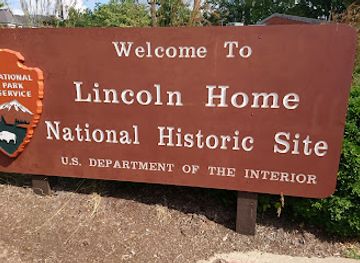
Lincoln Home National Historic Site
Visit the only home Abraham Lincoln ever owned, and step back into the world of the 1860s in this preserved Springfield neighborhood.


Explore Illinois River Valley on the map
Plan your trip on one map. See where the top cities, national parks and sights are, and book hotels and experiences in a few clicks.
Best hotels in Illinois River Valley
Best restaurants in Illinois River Valley
Dining in the Illinois River Valley reflects the foodways of central Illinois: agricultural abundance, practical Midwestern cooking and longstanding river-town hospitality. Peoria and the LaSalle-Peru area offer the widest range, from contemporary restaurants and cafés to traditional taverns, Italian-American cooking, burgers and family dining. In smaller communities, locally owned restaurants, bakeries and rural bars often provide the most direct sense of everyday life. Corn, soy, seasonal vegetables and locally raised meat underpin the surrounding food economy, while fish fries and freshwater fish appear in river communities without being exclusive to the valley. Farmers' markets and farm stands are useful for summer produce, baked goods and preserves, and menus may change with the agricultural season. Craft beer is available in larger towns, while coffee shops and casual breakfast places are practical stops before heading to the parks. Tipping follows customary US practice, and visitors should check whether a service charge has already been added.
-
Italian
Quartino Ristorante
Discover Quartino Ristorante: Authentic Italian flavors and vibrant atmosphere await in the heart of Chicago.
-
Steak
STK Steakhouse
Experience fine dining like never before at STK Steakhouse in Chicago—where exceptional cuisine meets vibrant nightlife.
-
Steak
Wildfire
Discover the exquisite flavors of American cuisine at Wildfire, Schaumburg's top steakhouse offering gluten-free options in a warm atmosphere.
-
Latin American
Carnivale
Experience the vibrant flavors and festive atmosphere of Carnivale in Chicago's West Loop - A must-visit for food lovers.

Best bars in Illinois River Valley
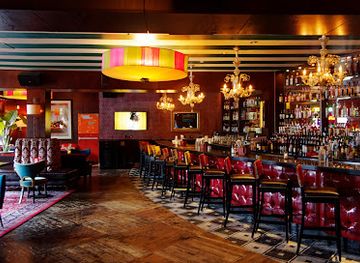
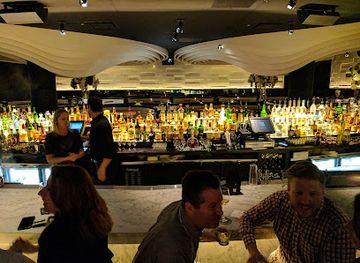
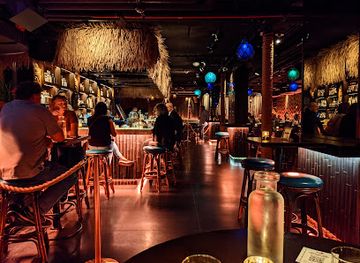
Nightlife is concentrated in Peoria, with additional evening options in Ottawa, LaSalle-Peru, Pekin and other larger communities. Peoria has the region's broadest selection of pubs, breweries, cocktail-oriented bars, live music rooms and restaurants that stay open later, while smaller river towns generally centre their evening life on taverns, historic bars, casual dining and occasional performances. College-related activity contributes to the atmosphere in parts of Peoria, but the valley does not have the dense club scene of a major metropolitan destination. Live music, theatre and cultural events can be more significant than nightclubs, particularly in the smaller communities. Rural evenings are quieter, and distances between towns mean that arranging a designated driver or ride service is important. Opening arrangements and entertainment schedules change, so check locally rather than assuming a venue operates every night.
-
Steak
STK Steakhouse
Experience the ultimate fine dining at STK Steakhouse Chicago, where modern ambiance meets exceptional steak and seafood cuisine.
-
Cocktail bar
Three Dots and a Dash
Discover a tropical escape in Chicago's Three Dots and a Dash, where inventive cocktails and vibrant ambiance await.
-
American
The Dearborn
Discover The Dearborn, a premier American restaurant in Chicago's Loop, serving brunch, lunch, and innovative cocktails in a vibrant setting.
-
New American
River Roast
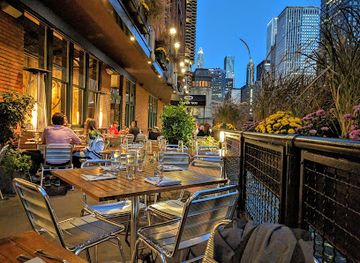
Experience exquisite New American cuisine with breathtaking riverside views at River Roast in Chicago, a perfect blend of taste and ambiance.
Best nightclubs in Illinois River Valley
Nightlife is concentrated in Peoria, with additional evening options in Ottawa, LaSalle-Peru, Pekin and other larger communities. Peoria has the region's broadest selection of pubs, breweries, cocktail-oriented bars, live music rooms and restaurants that stay open later, while smaller river towns generally centre their evening life on taverns, historic bars, casual dining and occasional performances. College-related activity contributes to the atmosphere in parts of Peoria, but the valley does not have the dense club scene of a major metropolitan destination. Live music, theatre and cultural events can be more significant than nightclubs, particularly in the smaller communities. Rural evenings are quieter, and distances between towns mean that arranging a designated driver or ride service is important. Opening arrangements and entertainment schedules change, so check locally rather than assuming a venue operates every night.
-
Grill
Jamie's OutPost
Discover the charm of Jamie's OutPost in North Utica, Illinois—where delicious food meets unique shopping in a vibrant setting.
-
Grill
Skoog's Pub & Grill
Experience the heart of American cuisine at Skoog's Pub & Grill in North Utica, where hearty meals and a friendly atmosphere await!
-
 Hotel
Fairfield Inn & Suites Ottawa Starved Rock Area
Experience ultimate comfort and convenience at Fairfield Inn & Suites, your gateway to the beautiful Starved Rock State Park in Ottawa, Illinois.
-
Hotel
Days Inn by Wyndham Oglesby/ Starved Rock
Experience the perfect blend of comfort and adventure at Days Inn by Wyndham Oglesby, just minutes from Starved Rock State Park.


Best shops in Illinois River Valley
Shopping in the Illinois River Valley is focused on independent town centres, practical retail and locally produced food rather than major luxury districts. Peoria has the region's broadest mix of national retailers, independent boutiques, galleries, bookshops and specialist food stores, while Ottawa, LaSalle, Peru and Pekin offer older commercial streets with antiques, gifts, furnishings and locally owned businesses. Farmers' markets and seasonal farm stands are the best places to look for produce, baked goods, preserves and other Illinois-made foods, though locations and dates vary during the year. Craft shops and galleries may carry pottery, paintings, textiles and photography inspired by the river, prairie and nearby parks. Small-town antique shopping can be rewarding, but opening days are not always consistent, particularly outside the main centres. Regional purchases with a strong sense of place include local food products, artwork depicting the Illinois River and practical outdoor goods for hiking or birdwatching.
-
Department store
Walmart Supercenter
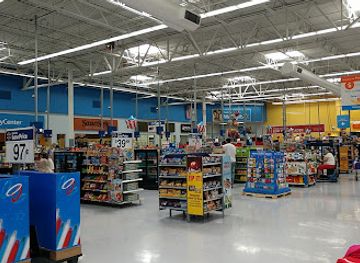
Explore Walmart Supercenter in East Peoria for an extensive selection of groceries, clothes, electronics, and more, all at budget-friendly prices.
-
Doll store
American Girl Place - Chicago
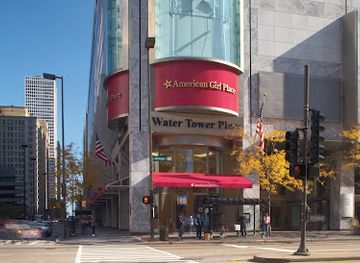
Explore the enchanting world of American Girl Place in Chicago, a doll lover's paradise with shopping, dining, and magical experiences.
-
Gift shop
Jamie's OutPost
Explore the best of North Utica at Jamie's OutPost, where shopping meets dining in a vibrant and welcoming atmosphere.
-
Shopping mall
Peru Mall
Explore Peru Mall: A shopping haven with diverse stores, delightful dining, and lively community events in the heart of Illinois.


Get your free copy of our complete guide to Illinois River Valley, delivered straight to you.
Everything on this page, from attractions and restaurants to essentials and local phrases, in one PDF you can read offline, print or share.
Already have an account? Sign in
Your Illinois River Valley guide is ready.
We'll send it to · Not you? Sign out

Getting your guide ready…
We are putting together a fresh copy of the Illinois River Valley guide. This can take up to a minute.
This can take a few moments. If your browser asks, choose Allow so the download can start. You'll find the guide in your Downloads folder.
Nothing happened? Download it again
Sorry, the guide is taking longer than usual. Please try again in a minute, or get it by email instead.
Illinois River Valley essentials
Currency and Payment
Safety
Emergency Situations
Do's and Don'ts
Local Tips
From Eve
Local phrases worth knowing
You don't need to get them perfect. A few words go a long way, and locals appreciate the effort.
Basics
| English | Local | Say it |
|---|---|---|
| Hello | Howdy | [Haudi] |
| Goodbye | See ya | [See yah] |
| Yes | Yep | [Yep] |
| No | Nah | [Nah] |
| Please/You're welcome | Please/No problem | [Please/No prob] |
| Thank you | Thanks | [Thangs] |
| Excuse me/Sorry | Excuse me/Sorry 'bout that | [Excuse me/Sorry 'bout that] |
| How are you? | How ya doin'? | [How ya doin'?] |
| Fine. And you? | I'm good. And you? | [I'm good. An' you?] |
| Do you speak English? | You speakin' English? | [Ya speakin' English?] |
| I don't understand | I ain't gettin' it | [I ain't gettin' it] |
Eating & Drinking
| English | Local | Say it |
|---|---|---|
| I'd like to see the menu, please | Can I see the menu, please? | [Can I see the menu, please?] |
| I don't eat meat | I don't eat no meat | [I don't eat no meat] |
| Cheers! | Cheers! | [Cheers!] |
| I would like to pay, please | Can I get the check, please? | [Can I get the check, please?] |
Emergencies
| English | Local | Say it |
|---|---|---|
| Help! | Help! | [Help!] |
| Go away! | Get lost! | [Get lost!] |
| Call the Police! | Call the cops! | [Call the cops!] |
| Call a doctor! | Get a doctor! | [Get a doctor!] |
| I'm lost | I’m turned around | [I’m turned around] |
| I'm ill | I ain't feelin' well | [I ain't feelin' well] |
Shopping
| English | Local | Say it |
|---|---|---|
| I'd like to buy... | I wanna buy... | [I wanna buy...] |
| I'm just looking | Just browsin' | [Just browsin'] |
| How much is it? | What’s the price? | [What’s the price?] |
| That's too expensive | That's way too pricey | [That's way too pricey] |
| Can you lower the price? | Can ya knock off the price? | [Can ya knock off the price?] |
Time & Numbers
| English | Local | Say it |
|---|---|---|
| What time is it? | What time we got? | [What time we got?] |
| It's one o'clock | It's one o'clock | [It's one o'clock] |
| Half past (10) | Half past ten | [Half past ten] |
| Morning | Mornin' | [Mornin'] |
| Afternoon | Afternoon | [Afternoon] |
| Evening | Evenin' | [Evenin'] |
| Yesterday | Yesterday | [Yesterday] |
| Today | Today | [Today] |
| Tomorrow | Tomorrow | [Tomorrow] |
| 1 | One | [One] |
| 2 | Two | [Two] |
| 3 | Three | [Three] |
| 4 | Four | [Four] |
| 5 | Five | [Five] |
| 6 | Six | [Six] |
| 7 | Seven | [Seven] |
| 8 | Eight | [Eight] |
| 9 | Nine | [Nine] |
| 10 | Ten | [Ten] |
Transport & Directions
| English | Local | Say it |
|---|---|---|
| Where's a/the...? | Where's the...? | [Where's the...?] |
| What's the address? | What’s the address? | [What’s the address?] |
| Can you show me (on the map)? | Can you point it out? | [Can you point it out?] |
| When's the next (bus)? | When's the next bus? | [When's the next bus?] |
| A ticket (to ....) | A ticket to... | [A ticket to...] |
History of Illinois River Valley
Indigenous Illinois River Basin
The Illinois River basin has supported Indigenous communities for thousands of years, with archaeological evidence of settlement, agriculture, fishing, hunting and long-distance exchange. The river and its tributaries provided transport through a landscape of wetlands, forests and prairie. Peoria and Kaskaskia peoples, among others, were part of the complex Indigenous history encountered by European visitors, while the name Illinois reflects a French rendering associated with the Illinois peoples. Mound sites and archaeological collections across the valley point to societies whose histories long predate the towns and transport routes established after American settlement.
French Exploration and the Illinois Country
French explorers and missionaries entered the Illinois Country through the river systems during the seventeenth and eighteenth centuries, linking the Illinois River with the Mississippi and the Great Lakes. Their activities formed part of a wider network of trade, diplomacy and competition involving Indigenous nations and European powers. French influence remained visible in place names and early settlements even after Britain acquired the territory following the Seven Years' War. The river's strategic position made the valley important not because of one isolated fort, but because it connected several major inland routes.
American Settlement and Illinois Statehood
Following the creation of the Illinois Territory and Illinois statehood in 1818, settlement expanded through the river valley. Towns grew around landings, ferries, mills and agricultural trade, while Indigenous communities faced forced removal and the disruption of established territories. The river supplied water and transport for emerging settlements, but seasonal flooding and shifting channels also shaped where people could build. Peoria, Ottawa, Pekin and other communities developed distinct civic and commercial identities as the surrounding prairie was converted increasingly to farms.
The Illinois and Michigan Canal
The Illinois and Michigan Canal, completed in 1848, linked the Chicago area with the Illinois River and created a navigable connection between the Great Lakes and the Mississippi system. Its route passed through the northern part of the valley, helping towns such as Ottawa and LaSalle become important points in regional commerce. Canal transport supported the movement of grain, timber and other goods before railways assumed the leading role. The corridor's towpaths, locks and canal towns preserve the memory of a period when inland waterways were central to the economic growth of Illinois.
Railways, Grain and Industrial Growth
Railways arrived during the nineteenth century and reorganised the valley's economy. They connected river towns with Chicago, the Mississippi Valley and markets farther east, reducing dependence on seasonal navigation while reinforcing the importance of agricultural shipping. Grain elevators, warehouses, machine works and processing plants appeared beside rail and river corridors. Peoria developed a particularly diverse industrial economy, while other communities combined farming, food processing, manufacturing and commerce. The resulting townscapes, with depots, warehouses and civic buildings, still reveal how transport shaped settlement.
River Engineering and Environmental Change
Levees, drainage works, channel modifications and agricultural expansion altered the Illinois River's floodplain during the nineteenth and twentieth centuries. Wetlands and backwaters were reduced or disconnected in places, affecting fish, birds and other wildlife, while communities and industry gained more predictable land and transport conditions. In recent decades, conservation projects have sought to restore floodplain functions and improve habitat. Preserves such as Emiquon and protected areas near Havana illustrate this changing relationship, combining ecological research with public opportunities for birdwatching and environmental education.
The Valley as a Recreation and Heritage Region
During the twentieth century, the valley's bluffs, forests and waterways became increasingly important for public recreation and conservation. Starved Rock State Park emerged as the region's best-known natural destination, while museums and restored historic areas helped interpret Indigenous, industrial, agricultural and river histories. Communities have also developed riverfront trails, cultural venues and heritage programmes as manufacturing and commercial patterns changed. Contemporary travel through the valley therefore reveals several overlapping stories: an ancient waterway, an agricultural working landscape, an industrial corridor and a growing network of protected natural places.
Illinois River Valley in Photos
Browse through our photo collection highlighting the charm and character of the destination.
Neighbouring regions of Illinois River Valley
The closest regions to Illinois River Valley, if you have time for more than one.
-

-
-

-

-


Swipe for more regions
Explore more

Explore more of Illinois
Discover Illinois: From Chicago's iconic skyline to the tranquil beauty of its countryside, experience the diverse allure of the Prairie State.
Explore Illinois