

Free Driftless Area Travel Guide & Mobile App
Explore Driftless Area with free travel guides. Discover regional history, expert tips, proposed trips, and audio guides on web or mobile app.


Explore Illinois’s Driftless Area for Galena’s heritage streets, Mississippi bluffs, wooded valleys, state parks and scenic rural roads.
Read more about Driftless Area
Getting to and around Driftless Area
How to get there
Transportation
Top city travel guides in Driftless Area
The cities of Driftless Area, and the easiest places to base yourself.

Swipe for more cities
Destinations in Driftless Area
Resorts, valleys and scenic spots worth a trip of their own.

Swipe for more destinations
Best attractions in Driftless Area
The Illinois Driftless Area offers a compact but varied mixture of heritage, scenery and outdoor recreation. Galena’s preserved nineteenth-century centre is the principal cultural attraction, with historic homes, museums, galleries and river-town architecture that explain the area’s mining and commercial growth. The Ulysses S. Grant Home State Historic Site adds a national political and military dimension. Beyond Galena, Apple River Canyon State Park protects a wooded limestone gorge with trails, stream-side scenery and geological interest. Mississippi Palisades State Park, near Savanna, presents a different landscape of high bluffs, forested slopes and broad river views. The countryside around Elizabeth, Hanover and Scales Mound is suited to scenic drives, cycling and seasonal farm visits, while the Mississippi valley provides opportunities for boating, fishing and wildlife observation where conditions and regulations permit. Winter sports and downhill recreation are available at Chestnut Mountain Resort near Galena, subject to seasonal operation. The region’s attractions are dispersed, and their appeal lies in the contrast between an exceptionally well-preserved historic town, working rural landscapes and protected natural corridors.
-
Tourist attraction
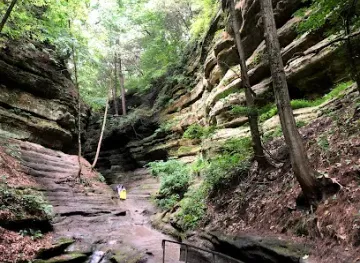
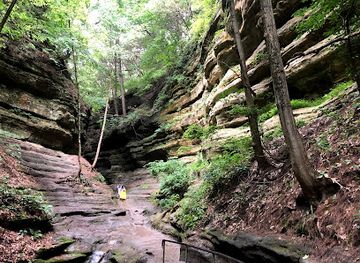
Starved Rock State Park
Experience the breathtaking beauty and adventure at Starved Rock State Park, a natural wonderland in Illinois offering stunning trails, canyons, and waterfalls.
-
Tourist attraction
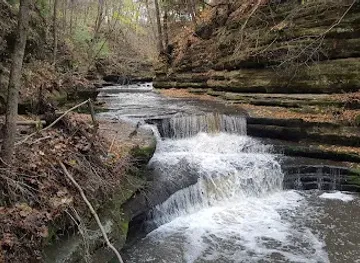
Matthiessen State Park
Explore the breathtaking landscapes and diverse wildlife at Matthiessen State Park, a natural gem in Illinois perfect for outdoor adventures.
-
Tourist attraction
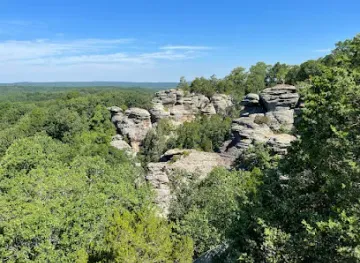
Garden of the Gods
Explore the breathtaking rock formations and scenic vistas of Garden of the Gods in Illinois, an unforgettable outdoor experience for all nature lovers.
-
Tourist attraction
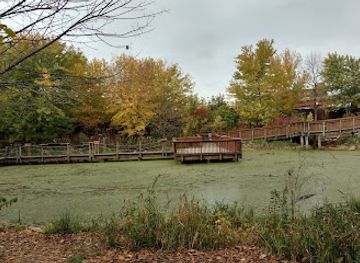
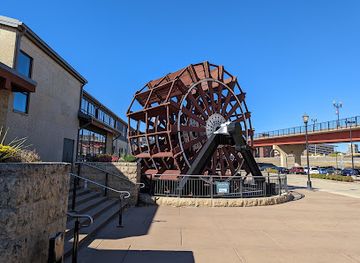
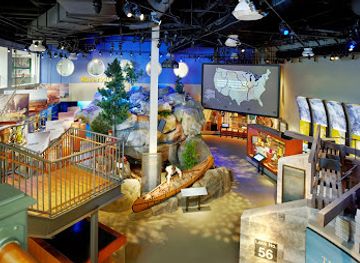
National Mississippi River Museum & Aquarium
Discover the National Mississippi River Museum & Aquarium, where history and nature intertwine along the iconic Mississippi River in Dubuque, Iowa.
Best landmarks in Driftless Area
Galena’s historic Main Street and adjoining streets are the region’s defining architectural landmark, with closely spaced brick and limestone commercial buildings following the contours above the Galena River. The Ulysses S. Grant Home State Historic Site is significant both for its preserved domestic setting and for its association with the Civil War general and US president. In the countryside, the steep limestone gorge of Apple River Canyon is a geological landmark that demonstrates how water has cut through the region’s resistant bedrock. Mississippi Palisades State Park provides the most recognisable natural panorama in the Illinois section of the Driftless Area, where forested bluffs rise above the Mississippi near Savanna. Horseshoe Mound, south of Galena, offers an elevated view over the town and surrounding hills, while the historic settlements of Elizabeth and Hanover add smaller-scale expressions of mining, farming and river-valley development. Together these places define the region through architecture, geology and the powerful visual relationship between upland ridges and the Mississippi.
-
State park
Starved Rock State Park
Explore stunning canyons, waterfalls, and hiking trails at Starved Rock State Park, a historic and scenic natural wonder in Illinois.
-
Tourist attraction
National Mississippi River Museum & Aquarium
Discover the wonders of America's rivers at the National Mississippi River Museum & Aquarium in Dubuque, Iowa. A Smithsonian Affiliate.
-
Historical landmark
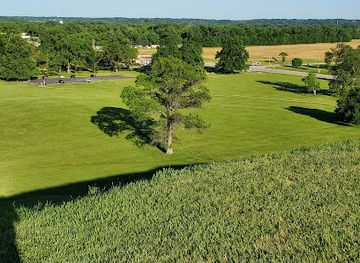
Cahokia Mounds State Historic Site
Explore the ancient metropolis of Cahokia Mounds, a UNESCO World Heritage Site and the largest pre-Columbian settlement north of Mexico, near St. Louis.
-
Tourist attraction
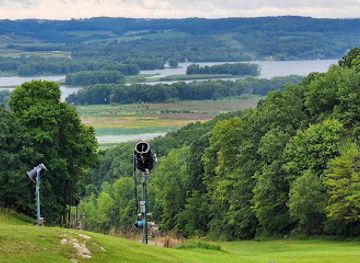
Chestnut Mountain Resort
Discover year-round adventures at Chestnut Mountain Resort, where outdoor thrills meet fine dining amidst breathtaking landscapes in Galena, Illinois.
Explore Driftless Area on the map
Plan your trip on one map. See where the top cities, national parks and sights are, and book hotels and experiences in a few clicks.
Best hotels in Driftless Area
Best restaurants in Driftless Area
Dining in the Illinois Driftless Area reflects north-western Illinois’s mixture of river-town history, farm country and tourism. Galena has the broadest choice, ranging from cafés and bakeries to traditional American restaurants, contemporary dining rooms, breweries and historic inns. Menus commonly draw on Midwestern staples, seasonal vegetables, locally produced meat, soups, sandwiches and baked goods rather than a single dish identified exclusively with the region. Around the smaller towns, rural taverns, family-run restaurants and farm-oriented venues provide a more informal style of eating. Mississippi valley communities may feature fish and other river-associated fare, though availability varies by season and establishment. Farmers’ markets and farm shops are useful places to find regional produce, preserves, honey, cider and other locally made goods. Wine, craft beer and spirits are also part of the visitor economy, but the area’s culinary identity is best understood through its combination of straightforward regional cooking, agricultural ingredients and historic-town hospitality.
-
Latin American
Carnivale
Experience the colorful essence of Latin American cuisine at Carnivale in Chicago's West Loop—where every meal is a celebration.
-
Mediterranean
Aba
Experience the vibrant flavors of Mediterranean cuisine at Aba in Chicago's West Loop - a culinary delight with rooftop views.
-
American
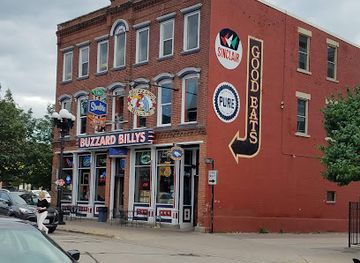
Buzzard Billy's
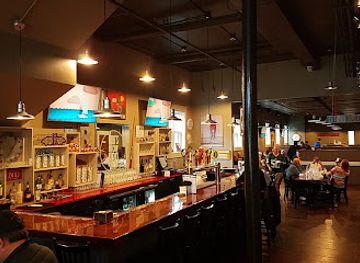
Savor authentic Cajun cuisine in La Crosse at Buzzard Billy's – where Southern flavors meet local charm.
-
Barbecue
Bob's Bitchin' BBQ
Experience mouthwatering barbecue at Bob's Bitchin' BBQ in Dodgeville - where flavor meets friendly service in a vibrant setting.
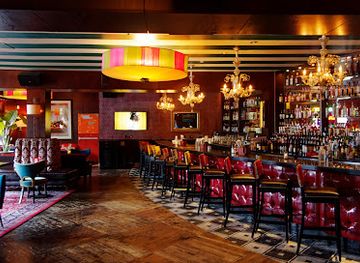
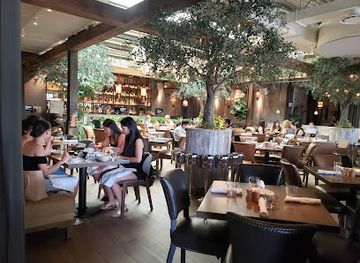
Best bars in Driftless Area
Evenings in the Illinois Driftless Area are centred on pubs, breweries, restaurants and live music rather than a large nightclub scene. Galena has the greatest concentration of bars and evening venues, including historic taverns, modern beer-focused establishments, wine bars and places offering small plates or seasonal drinks. Some venues occupy buildings associated with the town’s nineteenth-century commercial past, giving the evening landscape an architectural dimension. Smaller communities such as Elizabeth, Hanover and Savanna have a more local, low-key pattern of taverns and restaurants, while rural areas become quiet after dinner. Seasonal events can bring additional live entertainment, but schedules change and should be checked locally. Visitors should plan transport carefully if staying outside Galena, since late-night public transport is limited and rural roads can be dark, winding and affected by winter weather.
-
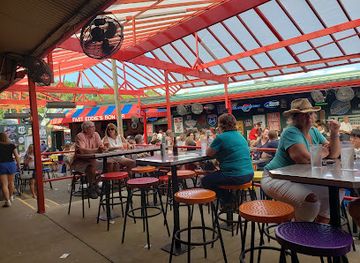
Bar
Fast Eddie's Bon Air
Experience the vibrant atmosphere of Fast Eddie's Bon Air, where great food and drinks meet fun and camaraderie in Alton, Illinois.
-
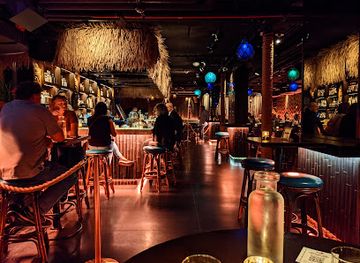
Cocktail bar
Three Dots and a Dash
Discover the enchanting cocktail paradise of Three Dots and a Dash, where exotic drinks and a vibrant atmosphere await in Chicago.
-
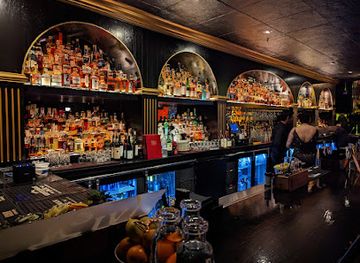
American
Untitled Supper Club
Discover Untitled Supper Club, where American cuisine meets live music in the heart of Chicago's nightlife scene.
-
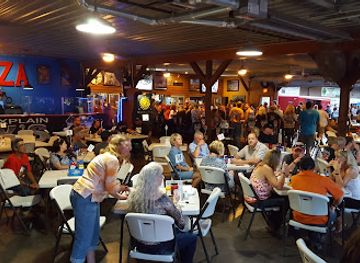
Bar
Poopy's Pub
Discover the unique biker bar experience at Poopy's Pub, where great food, live music, and a welcoming atmosphere await in Savanna, Illinois.
Best nightclubs in Driftless Area
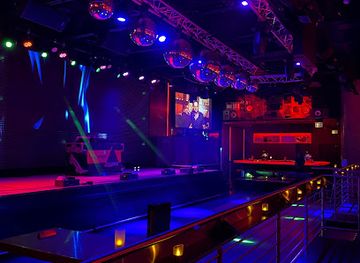
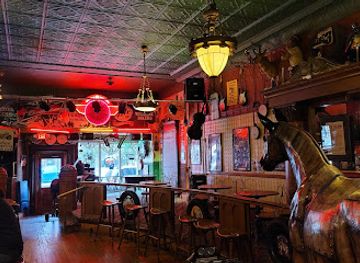
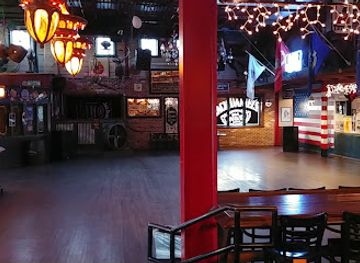
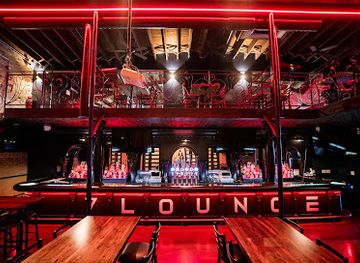
Evenings in the Illinois Driftless Area are centred on pubs, breweries, restaurants and live music rather than a large nightclub scene. Galena has the greatest concentration of bars and evening venues, including historic taverns, modern beer-focused establishments, wine bars and places offering small plates or seasonal drinks. Some venues occupy buildings associated with the town’s nineteenth-century commercial past, giving the evening landscape an architectural dimension. Smaller communities such as Elizabeth, Hanover and Savanna have a more local, low-key pattern of taverns and restaurants, while rural areas become quiet after dinner. Seasonal events can bring additional live entertainment, but schedules change and should be checked locally. Visitors should plan transport carefully if staying outside Galena, since late-night public transport is limited and rural roads can be dark, winding and affected by winter weather.
-
Night club
Stereo Nightclub
Discover the heartbeat of Chicago's nightlife at Stereo Nightclub, where live music meets a vibrant dance atmosphere.
-
Bar
Iron Horse Social Club
Discover the lively spirit of Savanna at Iron Horse Social Club, a vibrant bar offering great drinks, live music, and a friendly atmosphere.
-
Night club
Saddle Up at Q Saloon and Eatery
Experience vibrant nightlife at Saddle Up at Q Saloon and Eatery, where delicious food, live music, and dancing create unforgettable evenings.
-
Night club
Seven Nightclub Chicago
Dive into the electrifying nightlife of Chicago at Seven Nightclub, where music, dance, and unforgettable experiences await.
Best shops in Driftless Area
Shopping is concentrated in Galena, where the historic centre contains independent boutiques, galleries, bookshops, antiques dealers, gift shops and stores selling locally made food and drink. The compact streets make it easy to browse, although the area is hilly and some premises occupy older buildings with steps or narrow interiors. Smaller communities such as Elizabeth, Stockton and Savanna offer a less extensive selection of local shops, farm stands and seasonal markets rather than conventional retail districts. Useful regional purchases include preserves, honey, cider, confectionery, craft beverages, artwork, small-batch gifts and products inspired by the Mississippi landscape. Antique and vintage shopping is a recurring feature of the historic towns, while galleries provide work by artists connected with the wider Upper Mississippi region. Market days and temporary craft events vary by season, so visitors should check current local listings rather than assume a market operates daily.
-
Shopping mall
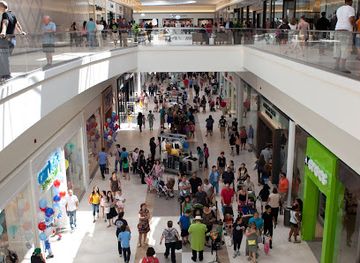
Fashion Outlets of Chicago
Explore the ultimate shopping haven at Fashion Outlets of Chicago, featuring designer brands, delicious dining, and an unforgettable shopping experience.
-
Gift shop
National Mississippi River Museum & Aquarium
Discover the rich history and vibrant ecosystems of the Mississippi River at the National Mississippi River Museum & Aquarium in Dubuque, Iowa.
-
Shopping mall
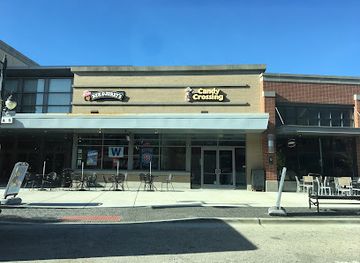
The Glen Town Center
Explore The Glen Town Center in Glenview, Illinois, where shopping, dining, and entertainment come together in a vibrant outdoor setting.
-
Discount store
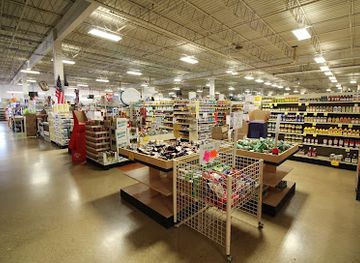
UFS Downtown Outlet Center
Experience incredible savings at UFS Downtown Outlet Center in Peoria, where diverse shopping options meet unbeatable prices.
Get your free copy of our complete guide to Driftless Area, delivered straight to you.
Everything on this page, from attractions and restaurants to essentials and local phrases, in one PDF you can read offline, print or share.
Already have an account? Sign in
Your Driftless Area guide is ready.
We'll send it to · Not you? Sign out

Getting your guide ready…
We are putting together a fresh copy of the Driftless Area guide. This can take up to a minute.
This can take a few moments. If your browser asks, choose Allow so the download can start. You'll find the guide in your Downloads folder.
Nothing happened? Download it again
Sorry, the guide is taking longer than usual. Please try again in a minute, or get it by email instead.
Driftless Area essentials
Currency and Payment
Safety
Emergency Situations
Do's and Don'ts
Local Tips
From Eve
Local phrases worth knowing
You don't need to get them perfect. A few words go a long way, and locals appreciate the effort.
Basics
| English | Local | Say it |
|---|---|---|
| Hello | Howdy | [How-dee] |
| Goodbye | See ya later | [See ya lay-ter] |
| Yes | Yep | [Yep] |
| No | Nope | [Nope] |
| Please/You're welcome | Sure thing | [Shur thing] |
| Thank you | Thanks a bunch | [Thanks a bunch] |
| Excuse me/Sorry | Pardon me | [Pardon me] |
| How are you? | How's it going? | [How's it goin'?] |
| Fine. And you? | Good. And you? | [Good. And you?] |
| Do you speak English? | Do ya speak English? | [Doo ya speak English?] |
| I don't understand | I don’t get it | [I don’t get it] |
Eating & Drinking
| English | Local | Say it |
|---|---|---|
| I'd like to see the menu, please | Can I see the menu? | [Can I see the menu?] |
| I don't eat meat | I'm a vegetarian | [I'm a vege-tarian] |
| Cheers! | Cheers! | [Cheers!] |
| I would like to pay, please | Can I get the check? | [Can I get the check?] |
Emergencies
| English | Local | Say it |
|---|---|---|
| Help! | Help! | [Help!] |
| Go away! | Leave me alone! | [Leave me alone!] |
| Call the Police! | Call 911! | [Call 911!] |
| Call a doctor! | Get a doctor! | [Get a doctor!] |
| I'm lost | I can't find my way | [I can’t find my way] |
| I'm ill | I'm not feeling well | [I'm not feelin' well] |
Shopping
| English | Local | Say it |
|---|---|---|
| I'd like to buy... | I'm looking to buy... | [I'm lookin' to buy...] |
| I'm just looking | Just browsing | [Just browsin'] |
| How much is it? | What’s the price? | [What’s the price?] |
| That's too expensive | That's a bit pricey | [That's a bit price-ee] |
| Can you lower the price? | Can you knock down the price? | [Can you knock down the price?] |
Time & Numbers
| English | Local | Say it |
|---|---|---|
| What time is it? | What time ya got? | [What time ya got?] |
| It's one o'clock | It's one o'clock | [It's one o'clock] |
| Half past (10) | Half past ten | [Half past ten] |
| Morning | Morning | [Mornin'] |
| Afternoon | Afternoon | [Afternoon] |
| Evening | Evenin' | [Evenin'] |
| Yesterday | Yesterday | [Yesterday] |
| Today | Today | [Today] |
| Tomorrow | Tomorrow | [Tomorrow] |
| 1 | One | [One] |
| 2 | Two | [Two] |
| 3 | Three | [Three] |
| 4 | Four | [Four] |
| 5 | Five | [Five] |
| 6 | Six | [Six] |
| 7 | Seven | [Seven] |
| 8 | Eight | [Eight] |
| 9 | Nine | [Nine] |
| 10 | Ten | [Ten] |
Transport & Directions
| English | Local | Say it |
|---|---|---|
| Where's a/the...? | Where's a...? | [Where's a...?] |
| What's the address? | What’s the address? | [What’s the address?] |
| Can you show me (on the map)? | Can ya show me on the map? | [Can ya show me on the map?] |
| When's the next (bus)? | When’s the next bus? | [When’s the next bus?] |
| A ticket (to ....) | A ticket to... | [A ticket to...] |
History of Driftless Area
Indigenous Homelands and River Networks
Long before Euro-American settlement, Indigenous peoples used the Mississippi valley, wooded ridges and river corridors of north-western Illinois for travel, hunting, fishing and exchange. The region has been associated with Ho-Chunk, Meskwaki, Sauk and other Native communities, whose histories continued through periods of increasing American settlement. Archaeological evidence and the enduring geography of the river and its tributaries show why these routes mattered. Visitors should understand the Driftless landscape not as an empty wilderness before mining and farming, but as a lived and managed environment with Indigenous histories that predate the towns preserved today.
Lead Mining and the Galena District, Early Nineteenth Century
Galena developed around abundant lead deposits in the surrounding uplands, particularly during the 1820s and 1830s. The mineral was extracted from shallow workings and transported through the Galena River to the Mississippi, making the settlement an important commercial centre before Illinois’s larger cities had attained comparable regional influence. Mining attracted merchants, labourers and entrepreneurs, while smelting, warehousing and river transport reshaped the countryside. The pattern of hills, mine openings and historic buildings around Galena remains one of the clearest physical expressions of the Driftless Area’s early industrial economy.
River Commerce and the Growth of Galena
During the nineteenth century, the Mississippi and Galena rivers connected north-western Illinois to St Louis, New Orleans and inland markets. Steamboats carried lead, agricultural goods and manufactured supplies, while Galena’s merchants built substantial commercial premises and houses on the proceeds of trade. The river’s importance declined as channels changed and railways and improved roads altered the movement of goods, but the town’s historic core preserves the scale of a once-prominent inland port. The surrounding communities likewise developed around river landings, ferries, mills, farms and road connections across the rugged uplands.
Settlement, Farming and Transportation
As mining declined, farming became increasingly important across the ridges and valleys. German, Irish and other European immigrants joined earlier settlers, establishing farms, churches, businesses and local institutions. Railways reached the region in the nineteenth century, reducing dependence on river navigation and linking market towns with larger Midwestern centres. The terrain limited the size of fields and encouraged a mixed rural landscape of pasture, woodland and cultivated ground. Today’s winding roads, small settlements and isolated farmsteads reflect this gradual transition from a mining and river economy to one based chiefly on agriculture, services and tourism.
Ulysses S. Grant and Galena’s National Connection
Galena is closely associated with Ulysses S. Grant, who lived there with his family before the American Civil War and returned to the town after his military service. His former home, presented to him by local citizens in 1865, is preserved as the Ulysses S. Grant Home State Historic Site. Grant’s connection gives Galena a place in national political and military history, but it also illustrates the town’s wider importance: a commercial community capable of supporting ambitious local networks and producing figures who moved from regional life onto the national stage.
Conservation of the Driftless Landscape
In the twentieth century, attention increasingly turned towards protecting the region’s river bluffs, ravines, woodlands and geological formations. Apple River Canyon State Park and Mississippi Palisades State Park preserve contrasting parts of the Illinois Driftless landscape, while local conservation work protects habitat and scenic corridors beyond state-owned land. Tourism has grown around Galena’s architecture and the area’s outdoor recreation, yet forestry, farming and river activity remain visible. The modern region is therefore the result of both preservation and continued working-landscape traditions rather than a landscape frozen in its mining past.
Driftless Area in Photos
Browse through our photo collection highlighting the charm and character of the destination.
Neighbouring regions of Driftless Area
The closest regions to Driftless Area, if you have time for more than one.
-

-

-

-

-


Swipe for more regions
Explore more

Explore more of Illinois
Discover Illinois: From Chicago's iconic skyline to the tranquil beauty of its countryside, experience the diverse allure of the Prairie State.
Explore Illinois