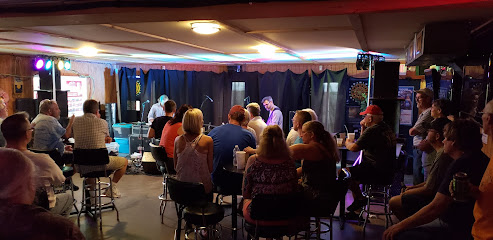
Emiquon National Wildlife Refuge: A Wetland Reborn
Discover a revitalized wetland ecosystem at Emiquon National Wildlife Refuge, a haven for wildlife and a testament to conservation efforts in Illinois.
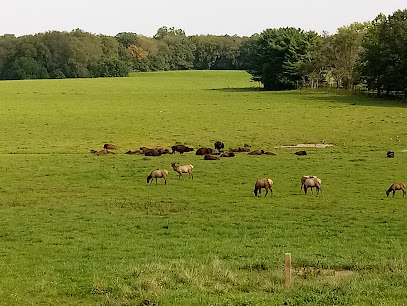
Emiquon National Wildlife Refuge, located near Havana, Illinois, is a restored wetland at the confluence of the Illinois and Spoon Rivers. Once farmland, it has been transformed back into a thriving ecosystem that supports diverse wildlife and offers recreational activities.
A brief summary to Emiquon National Wildlife Refuge
- Lewistown, Illinois, 61542, US
- +1309-535-2290
- Visit website
Local tips
- Visit during sunrise or sunset for picturesque views and active wildlife sightings.
- Check the refuge's website for seasonal closures and hunting regulations before your visit.
- Bring sunscreen and walking footwear, as there are limited facilities on-site.
- Consider visiting the nearby Dickson Mounds Museum to learn about the area's rich history.

Getting There
-
Driving
Emiquon National Wildlife Refuge is located near Havana, Illinois. From Lewistown, follow Route 24 east to the Route 78/97 intersection, then travel one mile south on Route 78/97. From Havana, follow Route 136W over the Illinois River Bridge, then turn north onto Route 78/97. There are multiple parking lots available. Parking is allowed only in designated areas. Note that the staging of vehicles in parking lots or entrance roads prior to one hour before legal shooting time will NOT be allowed. There are no fees for accessing the refuge.
Discover more about Emiquon National Wildlife Refuge
Iconic landmarks you can’t miss

Emiquon National Wildlife Refuge
0.0 km
Explore Emiquon National Wildlife Refuge: A revitalized Illinois River wetland offering birding, hiking, and a glimpse into natural and human history.
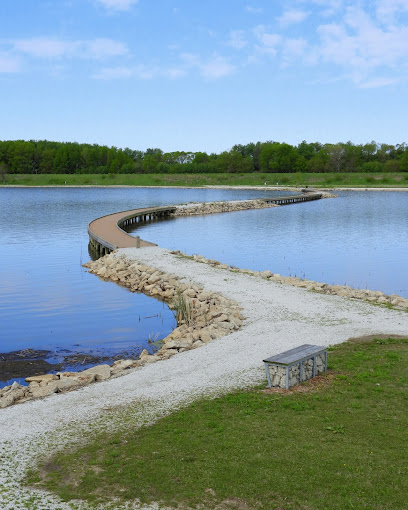
Rockwell Mound Historic Site
3.5 km
Discover the rich cultural heritage at Rockwell Mound Historic Site, a significant Native American burial ground in Havana, Illinois.
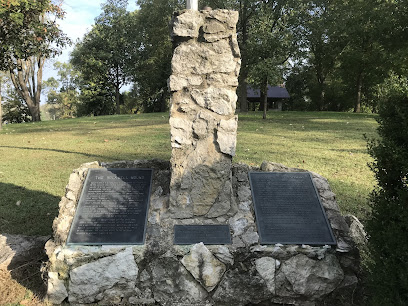
Havana Riverfront Park
3.5 km
Discover scenic beauty and recreation at Havana Riverfront Park, a charming riverside escape in historic Havana, Illinois.
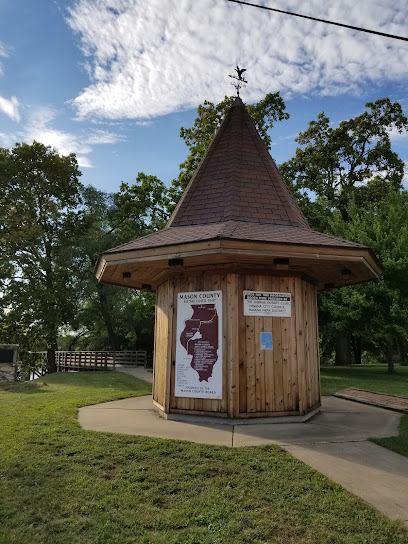
Havana,IL Water Tower
4.1 km
Explore the historic Havana Water Tower, a charming symbol of local heritage and architectural beauty in Havana, Illinois.
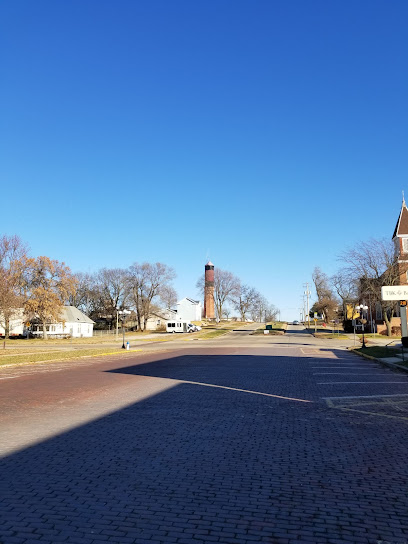
Sleeth Archeological Site
13.9 km
Discover the Sleeth Archeological Site in Lewistown, Illinois, a historical landmark that reveals the rich cultural heritage of the region's early inhabitants.
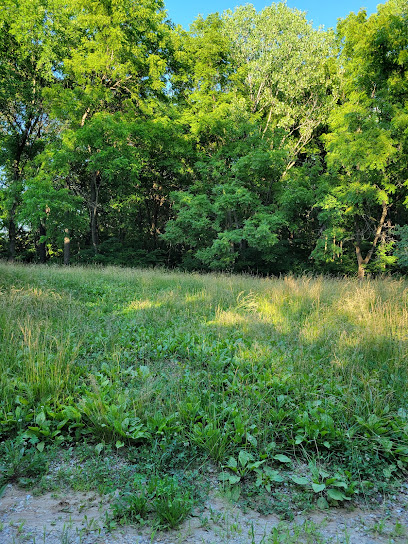
Ulysses G Orendorff House
26.3 km
Explore the rich history of the Ulysses G Orendorff House, a beautifully preserved landmark in Canton, Illinois, offering a glimpse into 19th-century life.
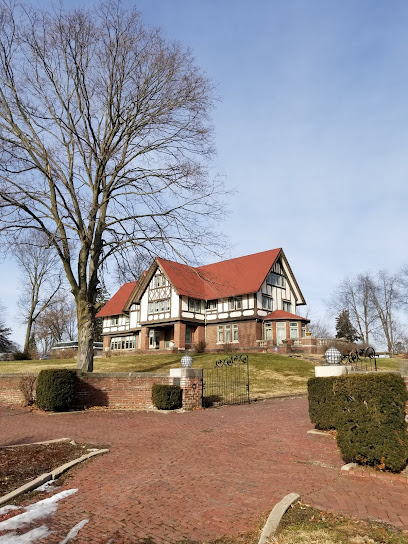
Oldest Building in Oakford
27.0 km
Explore the Oldest Building in Oakford, a historical landmark that embodies the rich cultural heritage of Illinois and offers a unique glimpse into the past.
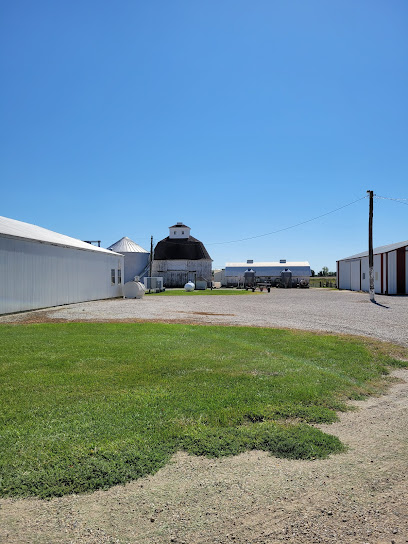
Round Barn
36.4 km
Discover the Round Barn in Farmington, Illinois – a historical landmark showcasing unique architecture and rich agricultural heritage.
Lincoln's New Salem Historical Park
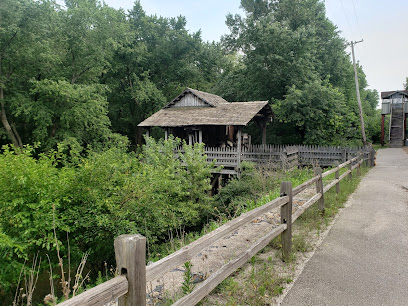
43.9 km
Walk in Lincoln's footsteps at this meticulously recreated 1830s village, where history comes alive in central Illinois.
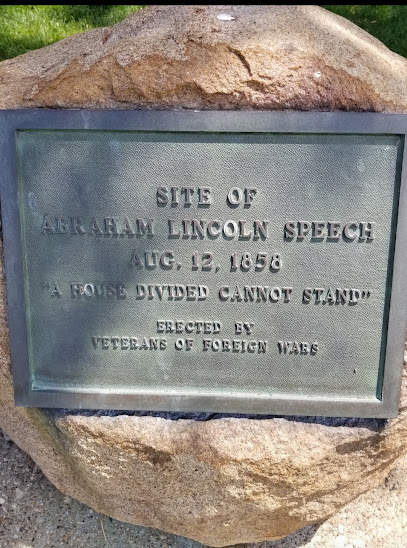
Lincoln Speech Historical Marker
44.5 km
Discover the Lincoln Speech Historical Marker in Beardstown, Illinois, where history comes alive through the words of Abraham Lincoln.
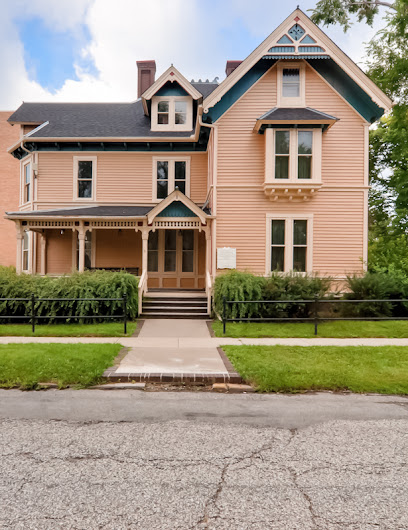
Bailey House
50.7 km
Explore the enchanting Bailey House in Macomb, Illinois - a blend of historical elegance and versatile event space for unforgettable experiences.
Living Lincoln Topiary Monument
50.8 km
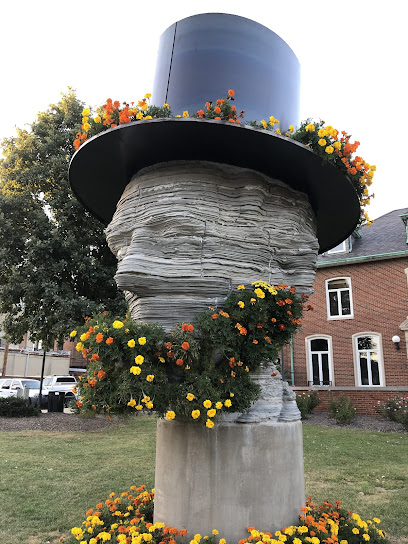
Discover a unique tribute to Abraham Lincoln in Macomb, IL: a 16-foot topiary bust with a living, flowering beard, a world's only sculpture.
Vanna Whitewall
57.2 km
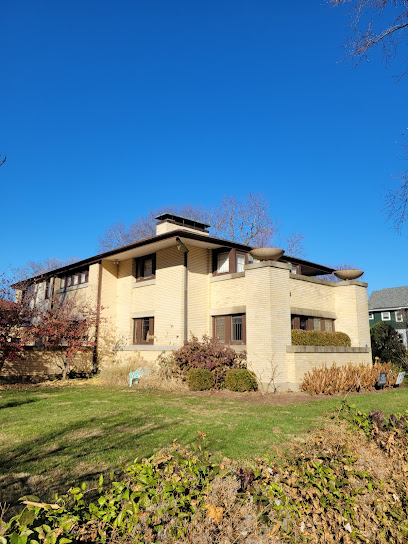
Explore Vanna Whitewall: an architectural gem in Peoria, Illinois, showcasing rich history and unique design for an unforgettable travel experience.
Hello Peoria Building
57.6 km
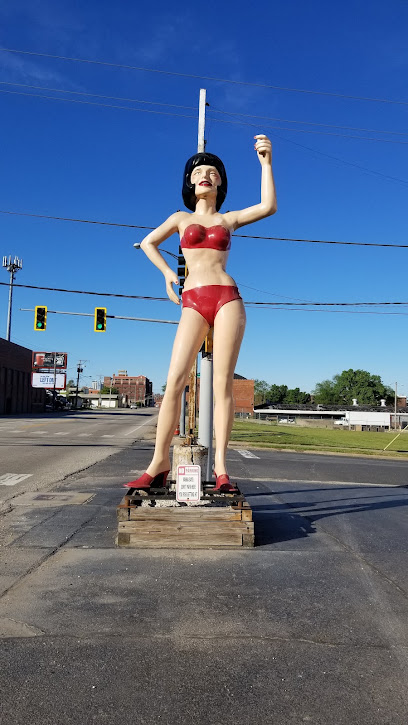
Discover the rich history and architectural beauty of the Hello Peoria Building, a must-see landmark in Peoria, Illinois.

West Bluff Historic District
57.8 km
Discover the architectural beauty and rich history of the West Bluff Historic District in Peoria, Illinois—a must-visit for history lovers and architecture enthusiasts.
Unmissable attractions to see

Illinois River Road National Scenic Byway
3.9 km
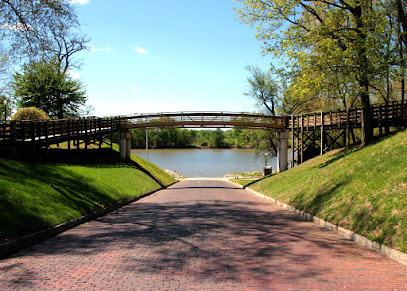
Discover the scenic beauty and rich culture of the Illinois River Road National Scenic Byway, a must-visit destination for nature lovers and history enthusiasts.
Easley Pioneer Museum
19.8 km
Discover the rich history of the pioneers at Easley Pioneer Museum in Ipava, Illinois, where every artifact tells a story of resilience and heritage.
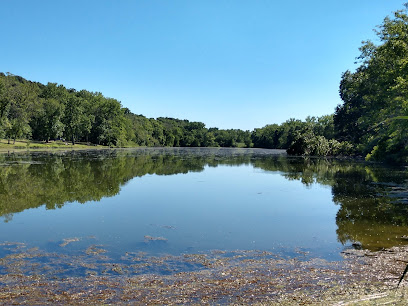
Spring Lake State Fish and Wildlife Area
25.4 km
Experience the tranquility and natural beauty of Spring Lake State Fish and Wildlife Area, a top destination for outdoor enthusiasts in Illinois.
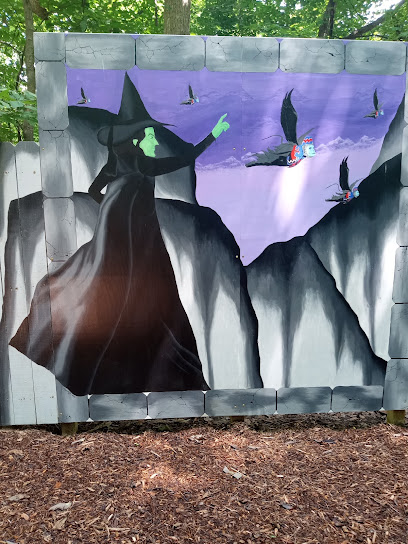
Wizard of Oz Garden
42.6 km
Experience the magic of the Wizard of Oz in this enchanting garden filled with whimsical designs and vibrant flowers, perfect for all ages.
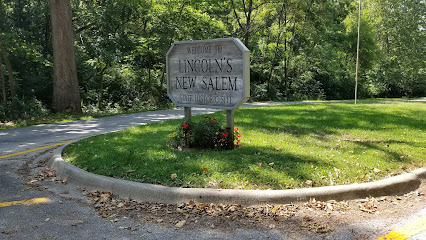
Lincoln's New Salem State Historic Site
43.8 km
Explore the historical significance of Lincoln's early life at Lincoln's New Salem State Historic Site, a captivating park and museum experience.
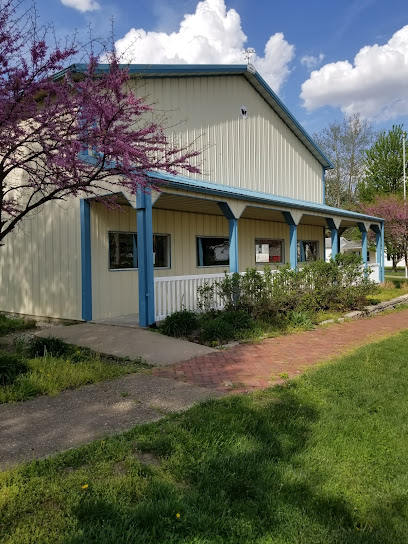
Mineral Springs Park
47.9 km
Explore the natural beauty and recreational delights of Mineral Springs Park in Pekin, Illinois, a family-friendly destination for all.
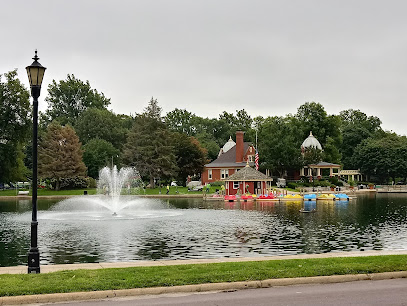
Peoria State Hospital Museum, Home of the Old State Mine Haunted Trail (formerly Haunted Infirmary)
50.8 km
Discover the eerie history and haunted tales at Peoria State Hospital Museum, a unique blend of history and intrigue in Bartonville, Illinois.
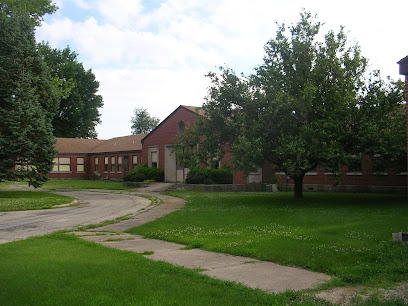
Western Illinois Museum
50.9 km
Explore the rich heritage of Western Illinois at the Western Illinois Museum, where local history comes to life through engaging exhibits and artifacts.
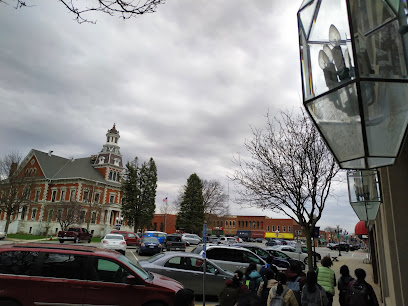
McNaughton Park
51.4 km
Explore the serene beauty of McNaughton Park in Pekin, Illinois, offering scenic trails, picnic spots, and a peaceful lake for nature lovers.
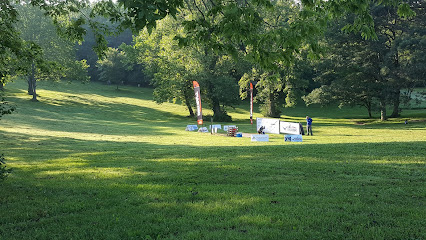
Lorado Taft Museum
51.9 km
Explore the artistic legacy of Lorado Taft at the charming Lorado Taft Museum in Elmwood, Illinois, where art and history come to life.
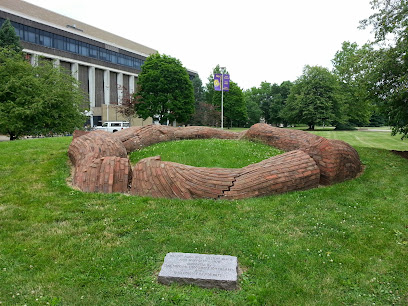
Ancient Hump Ring: Western Berth
52.4 km
Explore the Ancient Hump Ring in Macomb, Illinois – a captivating sculpture blending history, art, and nature in a serene outdoor setting.
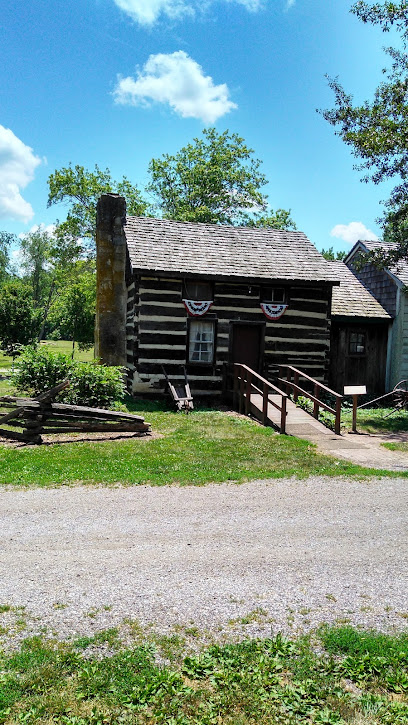
Clayville Town Historic Site
53.6 km
Discover the charm of 1800s America at Clayville Town Historic Site, an engaging open-air museum that showcases history through restored buildings and interactive exhibits.
Wildlife Prairie Park Visitors Center
54.9 km
Explore the diverse wildlife and natural beauty at Wildlife Prairie Park Visitors Center, a captivating destination for nature lovers and families in Illinois.
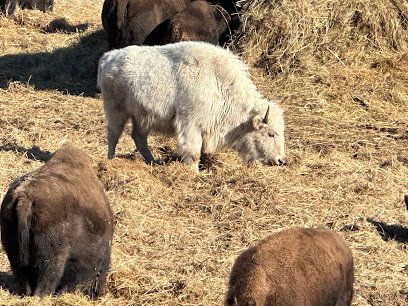
Wildlife Prairie Park
54.9 km
Wildlife Prairie Park: A beautiful animal park in Illinois offering hiking, fishing, and unique wildlife experiences for nature lovers and families.
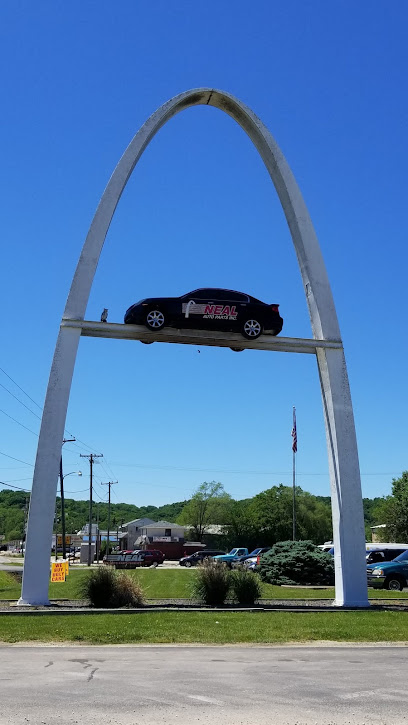
St. Louis Arch Replica
56.9 km
Explore the St. Louis Arch Replica in Peoria, Illinois – a charming tribute to America’s iconic Gateway Arch, perfect for history lovers and photography enthusiasts.
Essential places to dine

Johnny's Italian Steakhouse
58.0 km
Experience the perfect blend of Italian cuisine and prime steaks at Johnny's Italian Steakhouse in East Peoria.
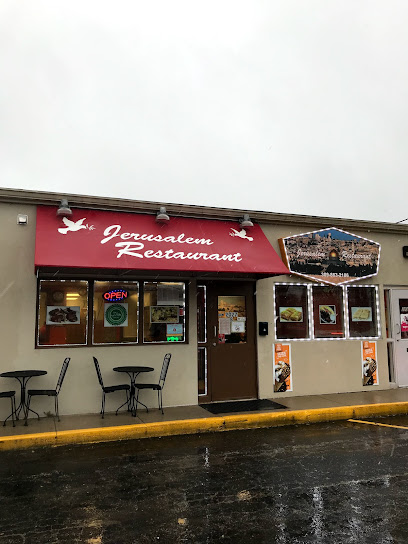
Jerusalem Restaurant
58.0 km
Experience authentic Mediterranean cuisine at Jerusalem Restaurant in Peoria—where Halal meets flavor in an inviting atmosphere.
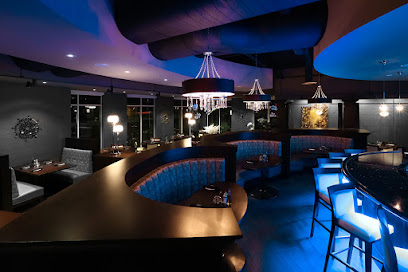
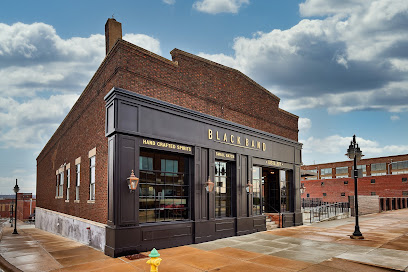
The Bar at BLACK BAND
58.1 km
Discover the vibrant cocktail culture at The Bar at BLACK BAND in Peoria – where innovation meets relaxation in every sip.
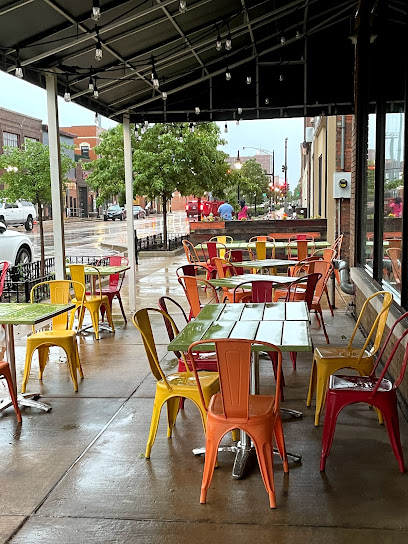
Sugar Wood-Fired Bistro
58.3 km
Experience the rich flavors of wood-fired cuisine at Sugar Wood-Fired Bistro in Peoria - where culinary art meets community spirit.
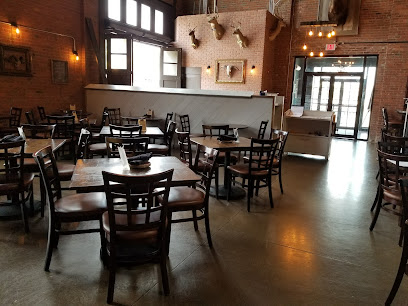
Thyme Kitchen and Craft Beer
58.4 km
Discover Thyme Kitchen and Craft Beer: Peoria's top gastropub offering innovative American cuisine & an extensive craft beer selection.
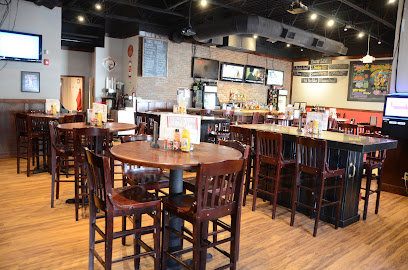
The Fieldhouse Bar & Grill
58.5 km
Discover great food and a lively atmosphere at The Fieldhouse Bar & Grill in Peoria—perfect for sports fans and food lovers alike.
One World
58.5 km
Discover the flavors of America at One World Cafe in Peoria—where every meal is crafted with love and quality ingredients.
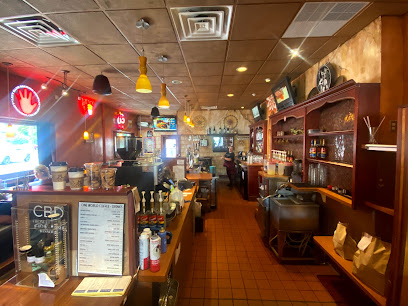
Kelleher's Irish Pub & Eatery
58.5 km
Discover authentic Irish cuisine and vibrant culture at Kelleher's Irish Pub & Eatery in Peoria - where every meal feels like home.
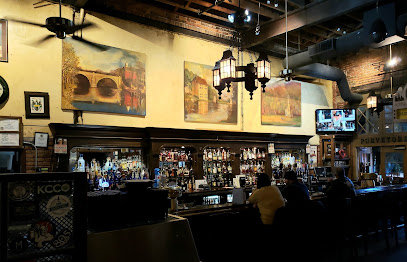
Dang Boba, Poke & Banh Mi - Peoria
58.6 km
Experience authentic Vietnamese flavors at Dang Boba in Peoria—where every bite tells a story.
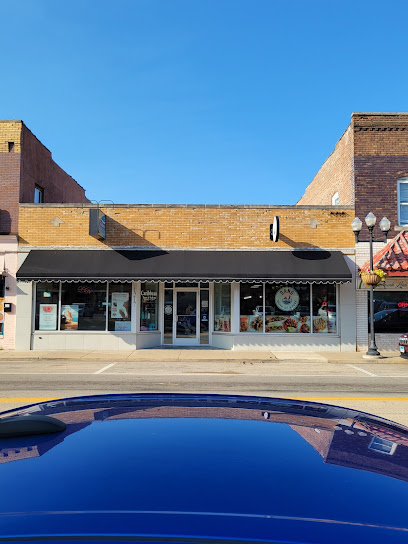
Thanh Linh Vietnamese Restaurant
58.6 km
Discover authentic Vietnamese cuisine at Thanh Linh Restaurant in Peoria – a culinary journey rich in flavors and tradition.
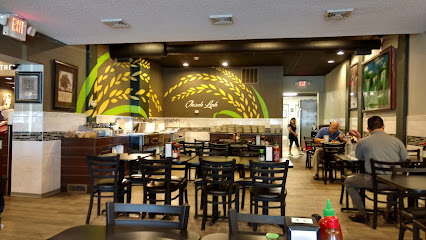
Haddad's Restaurant
58.7 km
Experience authentic Lebanese cuisine at Haddad's Restaurant in Peoria – where every meal tells a story of tradition and flavor.
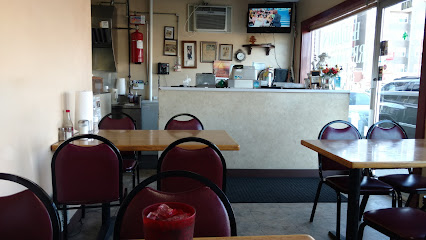
Rhythm Kitchen Music Cafe
59.0 km
Experience vibrant Southern flavors at Rhythm Kitchen Music Cafe in Peoria - where delicious food meets live music for an unforgettable dining experience.
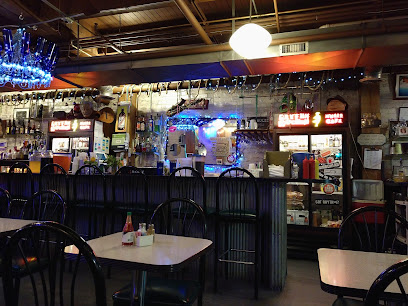
Creve Coeur Club of Peoria
59.1 km
Savor exceptional cuisine and breathtaking river views at Creve Coeur Club in Peoria - where fine dining meets rich tradition.
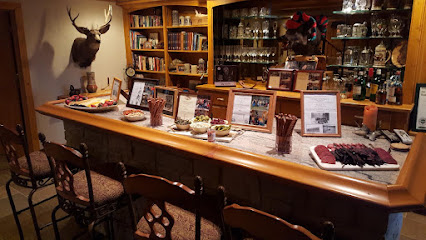
The Blue Duck Barbecue Tavern
59.1 km
Experience mouthwatering smoked meats at The Blue Duck Barbecue Tavern in Peoria - where every bite tells a story.
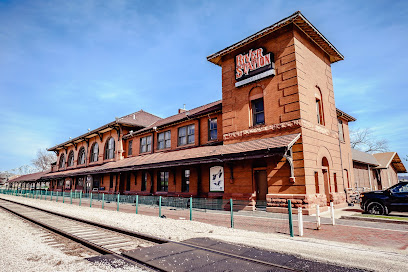
Saffron Social
59.2 km
Discover Saffron Social in Peoria - where global flavors meet local ingredients in an inviting dining experience.
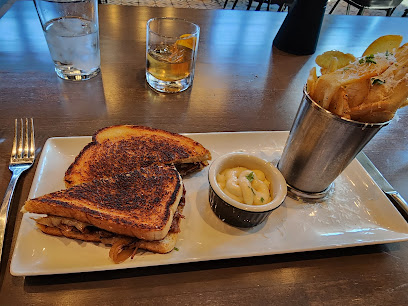
Markets, malls and hidden boutiques

Needful Things Antique Mall
55.3 km
Discover unique antiques and collectibles at Needful Things Antique Mall in Peoria, Illinois, a treasure trove for vintage lovers.
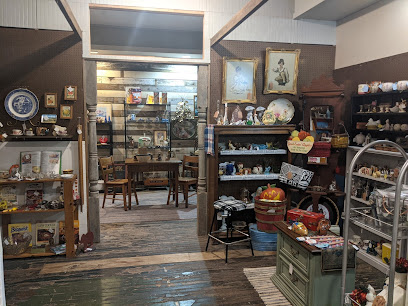
Relics
58.1 km
Explore Relics in East Peoria: A unique boutique featuring exceptional plants and quirky gifts for every nature lover.
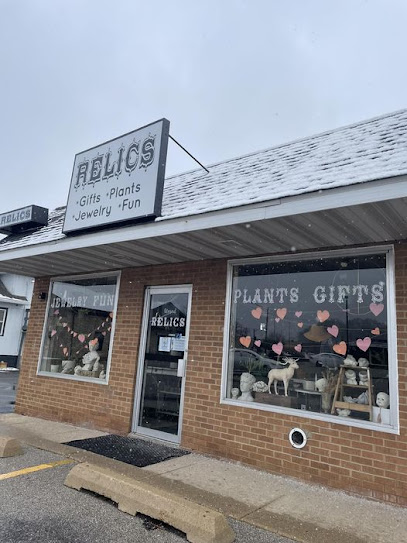
Voodoo, Peoria
58.3 km
Explore Voodoo in Peoria for a unique selection of metaphysical supplies, gift items, and herbal products in a mystical atmosphere.
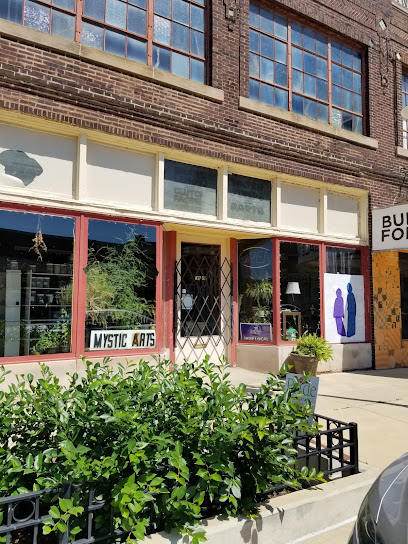
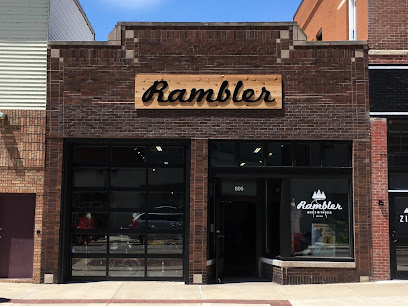
Rambler
58.3 km
Discover unique gifts and stylish men's clothing at Rambler, the charming gift shop in Peoria, Illinois, perfect for your shopping needs.
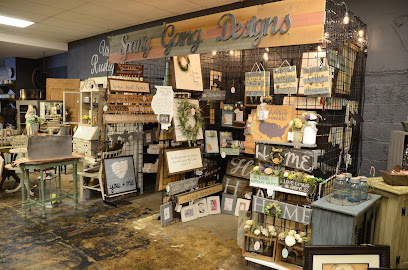
Primitiques Market on Main
58.6 km
Explore unique home goods, clothing, and candles at Primitiques Market on Main, a charming destination in Peoria, Illinois.
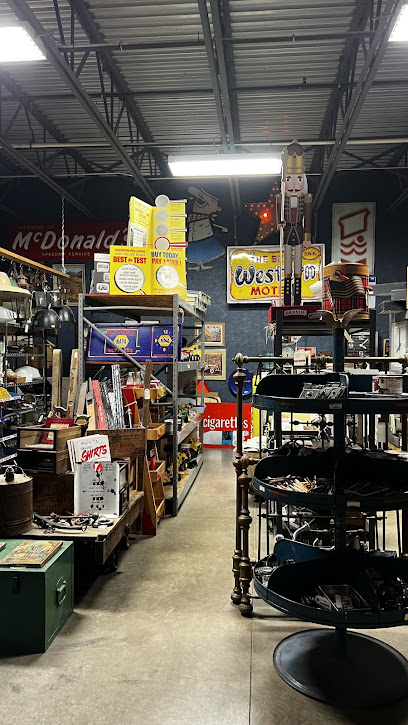
Urban Artifacts
59.0 km
Discover unique treasures at Urban Artifacts, Peoria's premier gift shop and antique store, blending history with contemporary style.
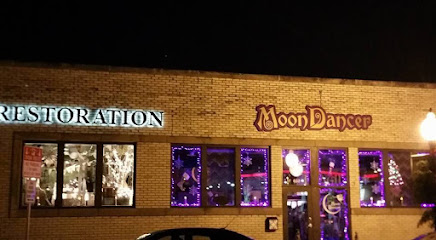
Moon Dancer Boutique
59.0 km
Explore the enchanting Moon Dancer Boutique in Peoria, IL, where art, spirituality, and unique gifts come together in a vibrant shopping experience.
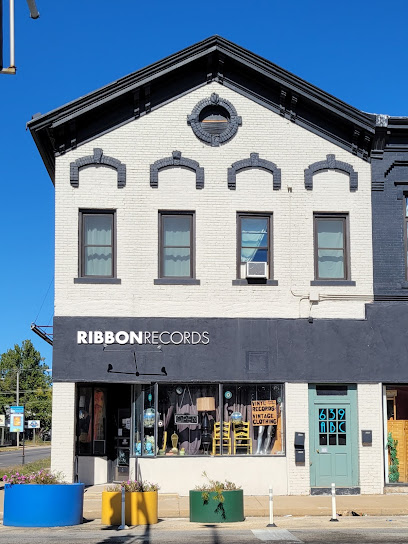
Ribbon Records
59.1 km
Discover an eclectic mix of vinyl records, antiques, and vintage clothing at Ribbon Records in Peoria, IL, where nostalgia meets style.
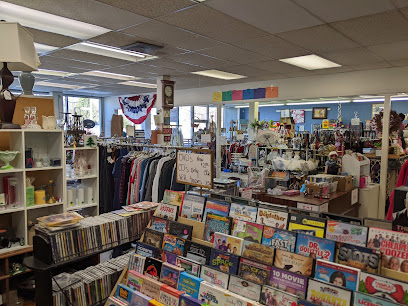
Church Mouse Thrift Shop
59.2 km
Explore the hidden gems of Peoria at Church Mouse Thrift Shop – a vintage treasure trove perfect for bargain hunters and collectors.
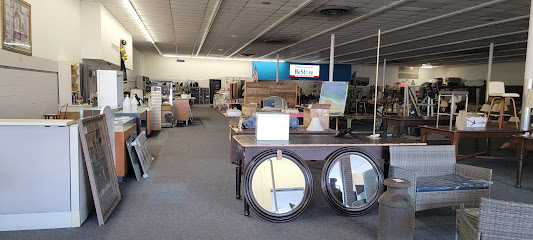
Wardcliffe Shopping Center
59.4 km
Discover the lively Wardcliffe Shopping Center in Peoria, where shopping, dining, and entertainment come together for a perfect day out.
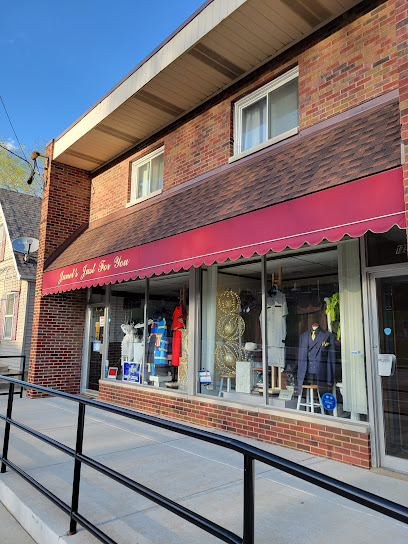
Janet's Just For You
59.9 km
Discover unique treasures and personalized shopping experiences at Janet's Just For You, Peoria's charming boutique for fashion and gifts.
Wishing Star Boutique By Tabatha
61.0 km
Discover unique women's fashion, stunning jewelry, and stylish footwear at Wishing Star Boutique in Peoria, where local charm meets contemporary style.

3D With A Twist
61.0 km
Explore 3D With A Twist, Peoria's premier gift shop for unique collectibles and figurines, showcasing the best of local artistry and culture.
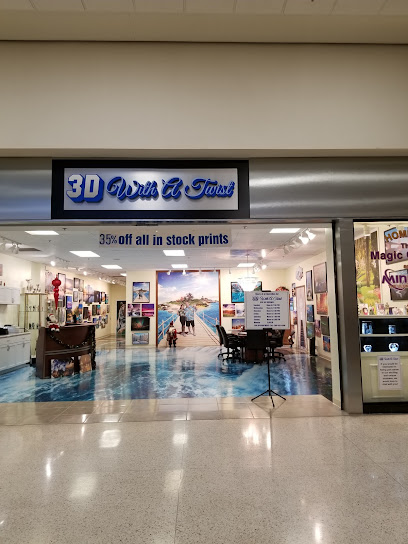
Normandy's Boutique
61.0 km
Discover unique women's clothing and bridal attire at Normandy's Boutique in Peoria, Illinois - a must-visit for fashion lovers.
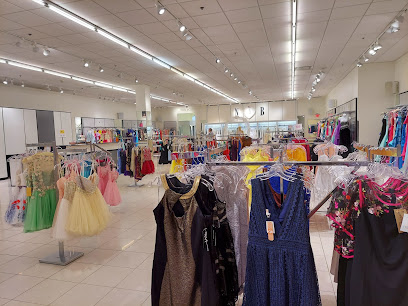
Northwoods Mall
61.0 km
Northwoods Mall: Peoria's Premier Shopping Destination with Diverse Retailers and Dining Options.

Essential bars & hidden hideouts

The9 - Peoria's Premier Lounge, Food & Bar
57.2 km
Discover Peoria's vibrant nightlife at The9, a premier lounge offering exquisite dining and a lively atmosphere for unforgettable evenings.
Tartan Inn
57.2 km
Experience the vibrant local nightlife at Tartan Inn, a cozy bar in West Peoria with a fantastic drink selection and welcoming atmosphere.
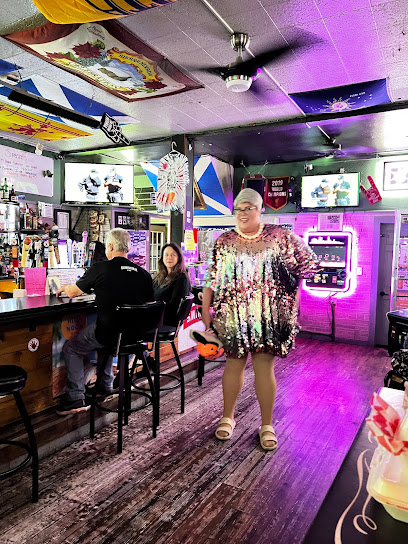
Jimmy's Bar
57.5 km
Discover the lively spirit of West Peoria at Jimmy's Bar, where great drinks and friendly faces await you.
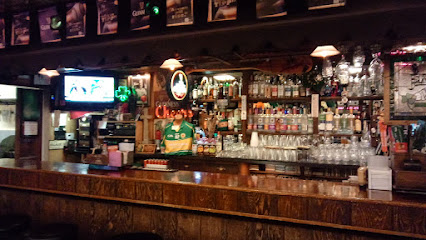
The X Bar at Gone Social
58.1 km
Vibrant bar and restaurant in Peoria, featuring live music and a diverse menu for an unforgettable night out.

Martinis On Water Street
59.1 km
Discover the vibrant atmosphere and stunning riverside views at Martinis On Water Street, Peoria's premier bar for martini lovers.
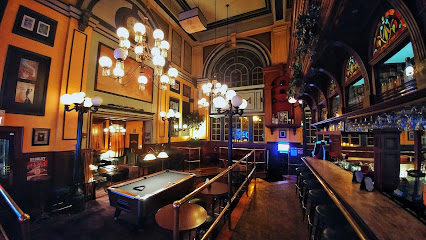
Kenny's Westside Pub
59.3 km
Experience the vibrant atmosphere at Kenny's Westside Pub, Peoria's premier spot for great food, drinks, and live music.
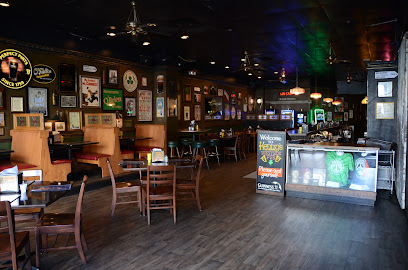
The Neon Bison
59.4 km
Experience the vibrant nightlife of Peoria at The Neon Bison, where craft cocktails and live entertainment create an unforgettable atmosphere.
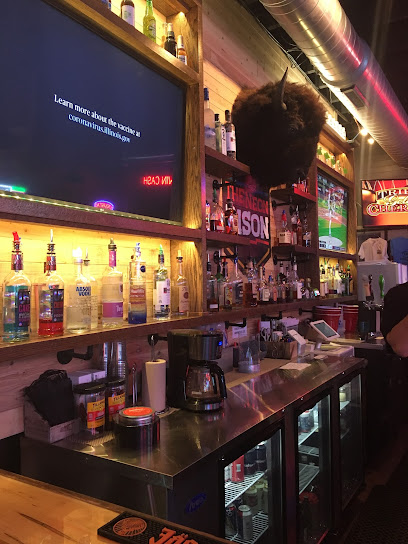
Ron & Ivie's Unique Tavern
59.7 km
Experience the vibrant local culture at Ron & Ivie's Unique Tavern, a beloved East Peoria bar known for its inviting atmosphere and delightful drink selection.
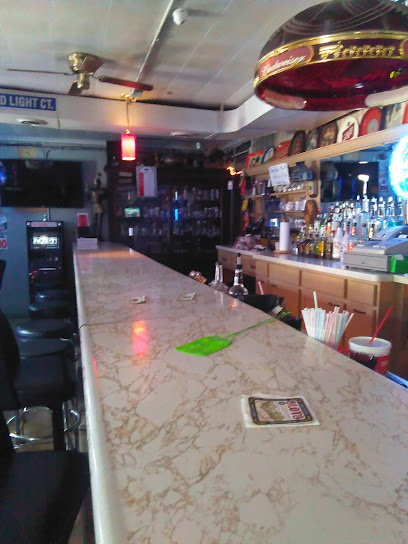
Castle's Patio Inn
60.7 km
Unwind at Castle's Patio Inn, Peoria's go-to bar for a relaxed atmosphere, great drinks, and local entertainment.
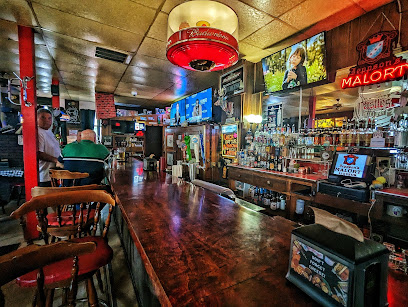
Friendly Valley Tavern
61.0 km
Discover Friendly Valley Tavern in Peoria, Illinois – a cozy bar offering a great selection of drinks, friendly service, and a welcoming outdoor space.
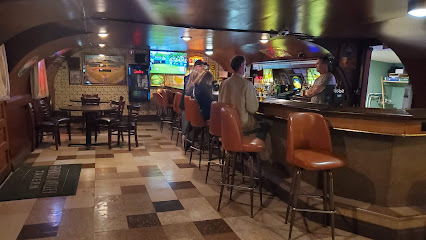
Reba's Mutual Tap
62.9 km
Discover the cozy charm of Reba's Mutual Tap, a local bar in Peoria offering a welcoming atmosphere and a diverse drink selection.
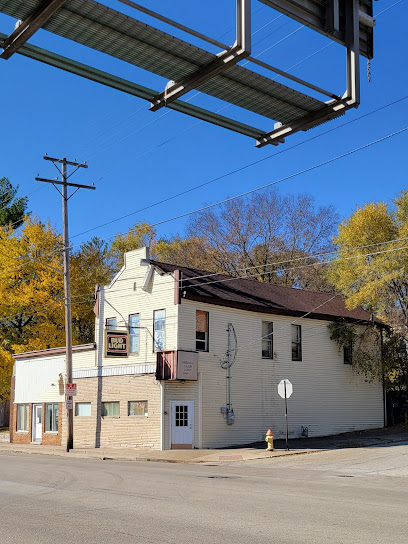
Crow's Nest
63.4 km
Experience Peoria's nightlife at Crow's Nest, a lively bar offering a wide selection of drinks and a welcoming atmosphere for all.
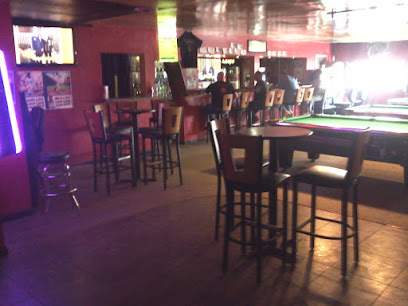
The 33 Room
64.3 km
Experience the vibrant nightlife at The 33 Room, Peoria Heights' premier bar offering a diverse selection of drinks and a lively atmosphere.
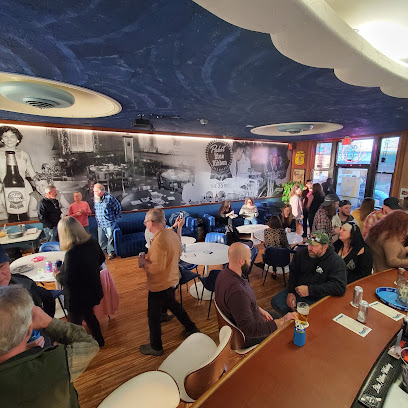
The Twelve Bar Lounge
64.3 km
Experience the perfect blend of bar, gastropub, and lounge at The Twelve Bar Lounge in Peoria Heights, IL, offering delicious food and crafted cocktails.
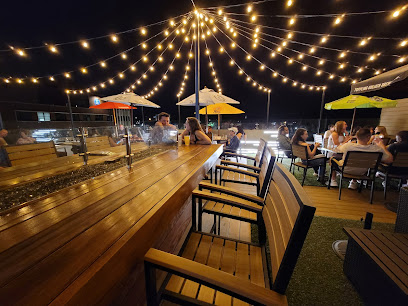
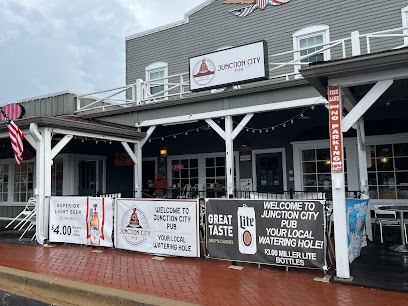
Junction City Pub
64.5 km
Savor the best of grill cuisine and vibrant pub culture at Junction City Pub, a must-visit spot for food lovers in Peoria, Illinois.
Nightclubs & after hour spots

L A Connection
55.9 km
Discover the vibrant nightlife at L A Connection, Peoria's favorite bar, offering an inviting atmosphere and a wide range of drinks for a memorable evening.
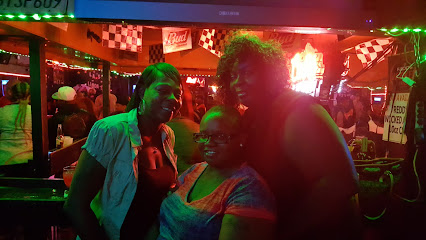
Dream Night Club
56.6 km
Dive into the lively nightlife at Dream Night Club, Peoria's premier destination for music, dancing, and unforgettable memories.
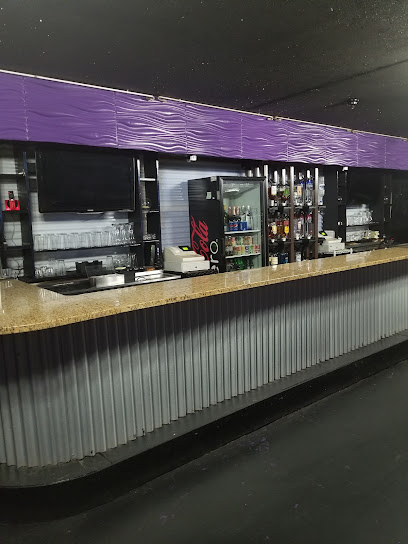
Dixie Rose Country Rock Cabaret
56.7 km
Experience the vibrant nightlife at Dixie Rose Country Rock Cabaret, Peoria's premier destination for live entertainment and unforgettable fun.
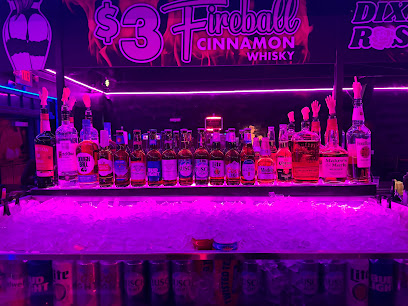
Club Envy
57.6 km
Discover the energetic nightlife of Peoria at Club Envy, where great music and a lively atmosphere promise an unforgettable night out.
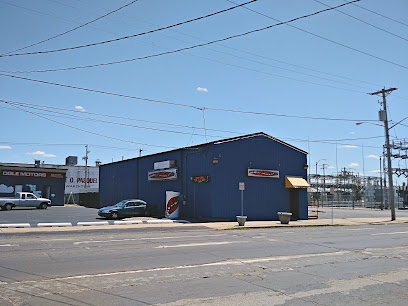
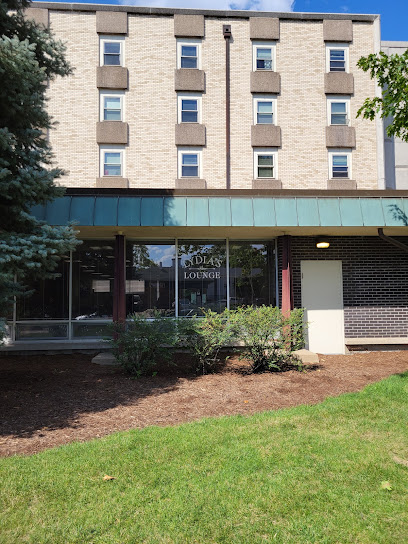
Lydia's Lounge
58.3 km
Experience the vibrant nightlife of Peoria at Lydia's Lounge, where stylish ambiance meets delightful drinks and light bites.
Big Al's - Peoria Strip Club
58.9 km
Discover the excitement of Peoria's nightlife at Big Al's, a vibrant adult entertainment club with captivating performances and a full bar.

Saddle Up Dance Club
59.3 km
Experience the lively atmosphere of Saddle Up Dance Club, a premier night club in Peoria, Illinois, featuring live music and endless dancing.
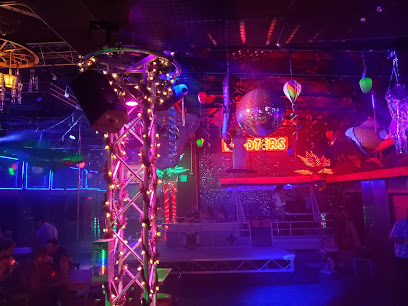
Club Diesel
59.3 km
Experience the vibrant nightlife at Club Diesel, Peoria's premier gay bar and nightclub, known for its energetic atmosphere and inclusive crowd.
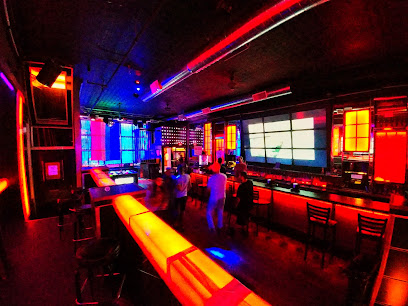
V.I.P. Lounge
63.0 km
Discover the excitement of the V.I.P. Lounge in Peoria, IL – where luxury meets thrill in an unforgettable nightlife experience.
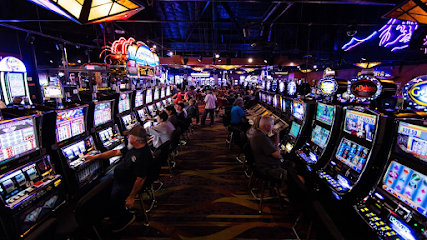
Keeley's Place
67.2 km
Discover the lively atmosphere of Keeley's Place in Springfield, Illinois, a perfect blend of bar vibes and thrilling gambling experiences.
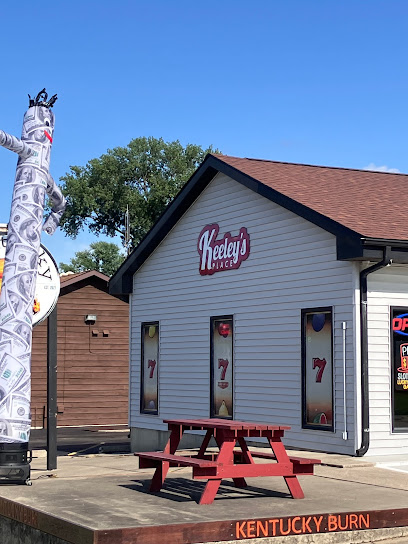
Boondocks
67.6 km
Boondocks: A lively pub and comedy club in Springfield, Illinois, where laughter and delicious food unite for an unforgettable night.
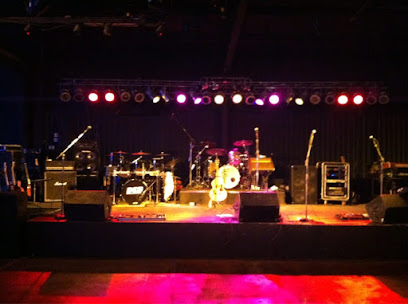
Mac's Lounge
70.5 km
Discover the vibrant nightlife of Springfield at Mac's Lounge—a perfect blend of local culture, drinks, and live entertainment.
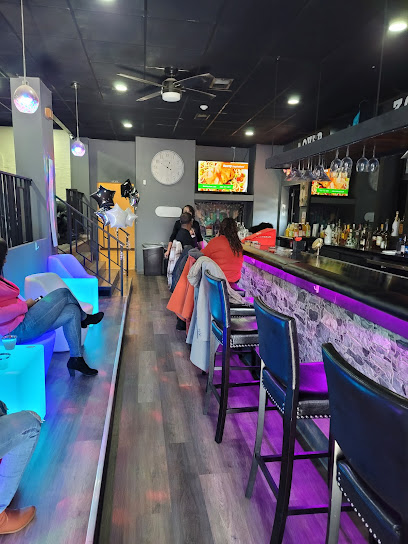
Northern Lights Lounge
71.1 km
Experience vibrant karaoke nights and delicious pizza at Northern Lights Lounge, Springfield's go-to bar for fun and entertainment.
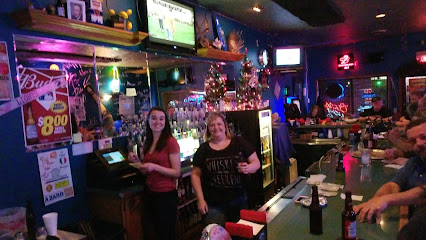
Elks
71.5 km
Discover Elks Bar in Springfield, IL - a vibrant nightlife venue showcasing local culture with great drinks and live entertainment.
Amber's Place
72.1 km
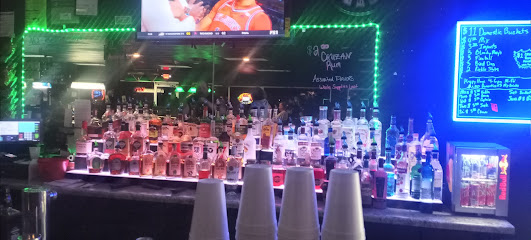
Experience the vibrant nightlife at Amber's Place, a social club in Springfield that offers great drinks, live music, and a friendly atmosphere.