

Free Northeastern Illinois Travel Guide & Mobile App
Explore Northeastern Illinois with free travel guides. Discover regional history, expert tips, proposed trips, and audio guides on web or mobile app.


Northeastern Illinois combines Chicago architecture and culture with Lake Michigan shorelines, river towns, forest preserves and prairie landscapes.
Read more about Northeastern Illinois
When is the best time to visit Northeastern Illinois?
Best: May–June, September · 22–28°C| Month | High (°C) | Rainfall (mm) |
|---|---|---|
| January | 2 | 43 |
| February | 3 | 41 |
| March | 11 | 61 |
| April | 17 | 93 |
| May (best) | 22 | 103 |
| June (best) | 28 | 104 |
| July | 29 | 104 |
| August | 29 | 102 |
| September (best) | 25 | 90 |
| October | 19 | 73 |
| November | 11 | 69 |
| December | 3 | 48 |
Getting to and around Northeastern Illinois
How to get there
Transportation
Top city travel guides in Northeastern Illinois
The cities of Northeastern Illinois, and the easiest places to base yourself.
-

-

-

-

-

-


Swipe for more cities
Destinations in Northeastern Illinois
Resorts, valleys and scenic spots worth a trip of their own.
-

-

-
-


Swipe for more destinations
Best attractions in Northeastern Illinois
Northeastern Illinois offers an unusually broad range of attractions within a large metropolitan setting. Chicago contains major museums such as the Art Institute of Chicago, the Field Museum, the Shedd Aquarium and the Museum of Science and Industry, alongside theatre, public art, architectural tours and an extensive lakefront park system. Millennium Park, Navy Pier and the Riverwalk are prominent visitor areas, while neighbourhoods provide a more local view of the city’s history and food culture. Outside Chicago, Oak Park is important for Frank Lloyd Wright’s early residential work, and the Chicago Botanic Garden in Glencoe and Morton Arboretum in Lisle present cultivated and native landscapes. Forest preserves across the region provide trails, wetlands, prairies and woodlands for walking, cycling and wildlife observation. Geneva, St Charles and Elgin offer Fox River heritage and historic commercial districts, while the northern counties contain glacial lakes, conservation areas and rural scenery. The result is a destination landscape that combines major cultural institutions with accessible nature and suburban heritage.
-
Tourist attraction
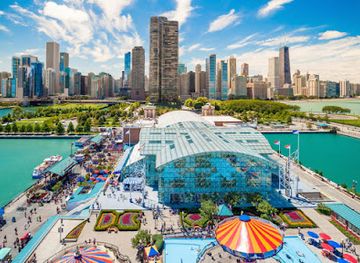
Navy Pier
Explore Navy Pier, a vibrant cultural hub in Chicago featuring attractions, dining, and stunning views of Lake Michigan and the city skyline.
-
State park
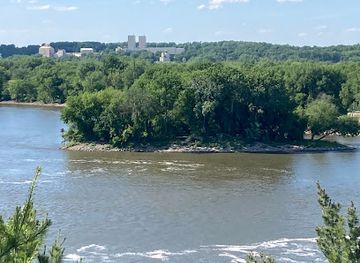
Starved Rock State Park
Discover the breathtaking beauty of Starved Rock State Park, Illinois' premier destination for hiking, wildlife, and stunning natural landscapes.
-
State park
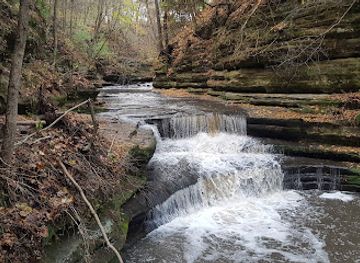
Matthiessen State Park
Explore the stunning landscapes, diverse wildlife, and unforgettable experiences at Matthiessen State Park in Illinois, a true haven for nature lovers.
-
Museum
Chicago Botanic Garden
Discover the breathtaking beauty and tranquility of the Chicago Botanic Garden, a must-visit destination for nature enthusiasts and families alike.

Best landmarks in Northeastern Illinois
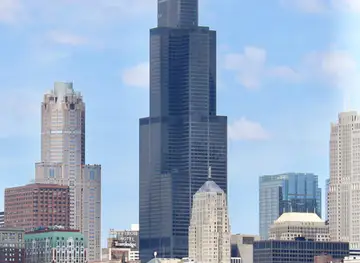
The Chicago skyline, framed by Lake Michigan, is Northeastern Illinois’s most recognisable visual landmark, with the Willis Tower and the historic vertical architecture of the Loop illustrating the city’s role in the development of the skyscraper. The Chicago River and its bridges define another central landscape, linking commercial history with modern riverfront public space. In the South Side, the Museum of Science and Industry occupies the former Palace of Fine Arts from the 1893 World’s Columbian Exposition, while the remaining fairground legacy also shaped Jackson Park. The Bahá’í House of Worship in Wilmette is notable for its elaborate stone ornament and lakeside setting. Oak Park’s Frank Lloyd Wright Home and Studio and nearby Prairie School houses represent a major shift towards an American architectural language. The Illinois and Michigan Canal corridor around Lockport and Lemont preserves evidence of the nineteenth-century waterway that helped make Chicago a national transport hub. Along the Fox River, historic downtowns in Geneva, St Charles and Elgin provide smaller-scale landmarks of commerce, industry and civic development.
-
State park
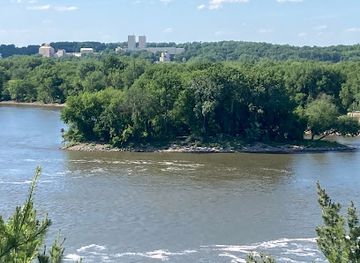
Starved Rock State Park
Explore stunning canyons, waterfalls, and hiking trails at Starved Rock State Park, a historic and scenic natural oasis in Illinois.
-
Historical landmark
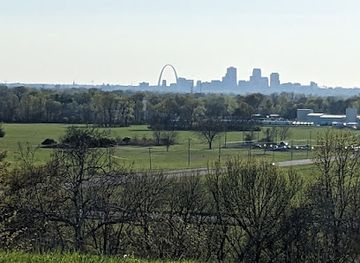
Cahokia Mounds State Historic Site
Explore the ancient metropolis of Cahokia Mounds, a UNESCO World Heritage Site and the largest pre-Columbian settlement north of Mexico, near St. Louis.
-
Historical place
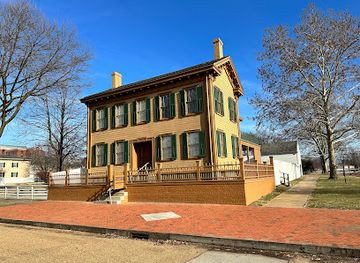
Lincoln Home National Historic Site
Explore the meticulously restored home of Abraham Lincoln and experience life in 1860s Springfield, Illinois.
-
Historical landmark
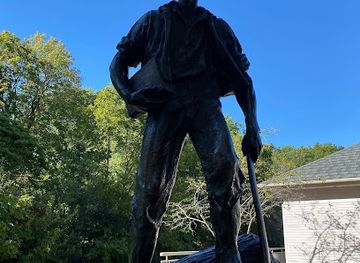
Lincoln's New Salem State Historic Site
Walk in Lincoln's footsteps at this meticulously recreated 1830s village where the future president spent his formative years.
Explore Northeastern Illinois on the map
Plan your trip on one map. See where the top cities, national parks and sights are, and book hotels and experiences in a few clicks.
Best hotels in Northeastern Illinois
Best restaurants in Northeastern Illinois
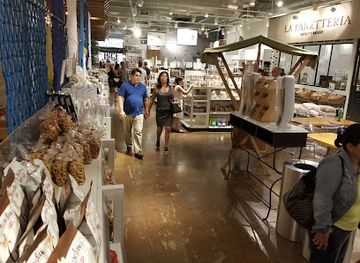
Dining in Northeastern Illinois reflects Chicago’s history as an industrial, immigrant and nationally connected city. Chicago-style deep-dish pizza, tavern-style pizza, Italian beef and the Chicago-style hot dog are familiar local markers, but the region’s food culture is much wider. Pilsen and Little Village are associated with Mexican restaurants and bakeries; Devon Avenue has long been known for South Asian and Middle Eastern food; Chinatown offers Chinese dining and groceries; and neighbourhoods throughout the suburbs add Korean, Japanese, Filipino, Ethiopian, Eastern European and contemporary American options. Steak houses, sandwich shops, diners, brewpubs, cafés and chef-led restaurants cover the metropolitan range. Farmers’ markets and farm shops become more prominent outside the dense urban core, particularly in western and northern counties, where seasonal produce and bakery goods are sold alongside prepared food. Tipping is customary in table-service restaurants, and portions can be generous.
-
Latin American
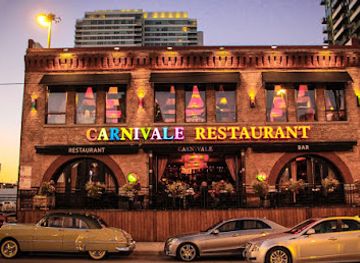
Carnivale
Discover Carnivale: A vibrant Latin American dining experience with exquisite dishes and signature cocktails in Chicago's West Loop.
-
American
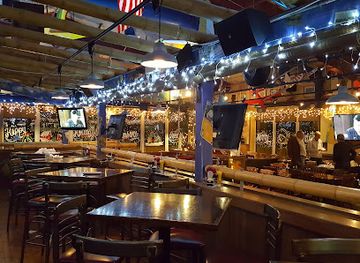
Pilot Pete's
Experience delicious American cuisine at Pilot Pete's in Schaumburg - where great food meets aviation charm.
-
Fine Dining
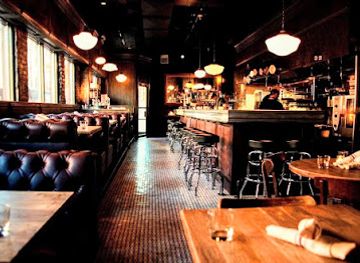
Alinea
Discover Alinea in Chicago: Where Culinary Art Meets Innovation for an Unforgettable Dining Experience.
-
Restaurant
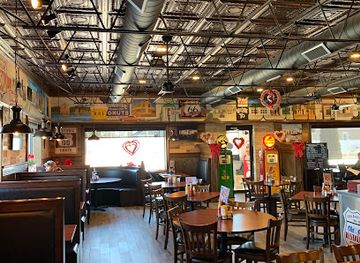
Old Route 66 Family Restaurant
Discover classic American comfort food in a nostalgic setting at Old Route 66 Family Restaurant - a must-visit for every traveler.
Best bars in Northeastern Illinois
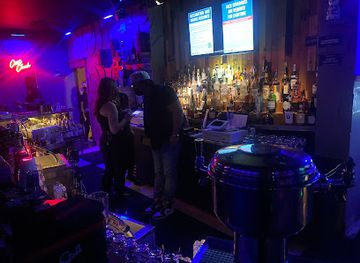
Evening life is concentrated in Chicago but extends through established suburban centres and university communities. The Loop and River North offer theatres, cocktail bars, hotel lounges and late-evening venues, while neighbourhoods such as Wicker Park, Logan Square, Lake View, Andersonville and Pilsen are known for different combinations of pubs, live music, comedy, dance venues and independent bars. Chicago’s jazz, blues and house-music traditions remain important parts of its cultural identity, although individual venues and programmes change. In Evanston, Oak Park, Naperville, Geneva and other larger suburban communities, evenings generally centre on restaurants, breweries, wine bars, cinemas, theatres and pubs rather than a continuous club scene. Farther into the rural edges of the region, nightlife is more likely to involve local taverns, seasonal events or live music. Check current transport arrangements before staying out late, especially when returning from an outer suburb.
-
Cocktail bar
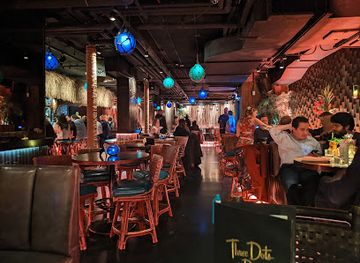
Three Dots and a Dash
Experience the vibrant Tiki culture at Three Dots and a Dash, Chicago's hidden cocktail bar paradise serving exotic drinks and delicious bites.
-
American
Untitled Supper Club
Discover the lively blend of American cuisine and live music at Untitled Supper Club, Chicago's premier dining and nightlife destination.
-
Cocktail bar
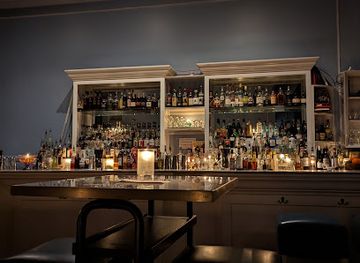
The Violet Hour
Experience the elegance of The Violet Hour, a premier cocktail bar in Chicago's Wicker Park, known for its artisanal drinks and intimate atmosphere.
-
Karaoke bar
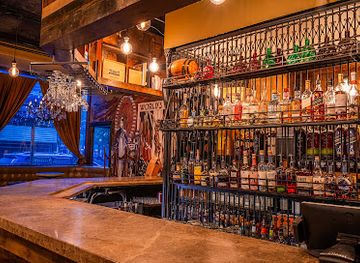
Brando's Speakeasy
Discover Brando's Speakeasy in Chicago for an unforgettable karaoke experience with a vintage vibe, delicious drinks, and an atmosphere that's lively and welcoming.

Best nightclubs in Northeastern Illinois
Evening life is concentrated in Chicago but extends through established suburban centres and university communities. The Loop and River North offer theatres, cocktail bars, hotel lounges and late-evening venues, while neighbourhoods such as Wicker Park, Logan Square, Lake View, Andersonville and Pilsen are known for different combinations of pubs, live music, comedy, dance venues and independent bars. Chicago’s jazz, blues and house-music traditions remain important parts of its cultural identity, although individual venues and programmes change. In Evanston, Oak Park, Naperville, Geneva and other larger suburban communities, evenings generally centre on restaurants, breweries, wine bars, cinemas, theatres and pubs rather than a continuous club scene. Farther into the rural edges of the region, nightlife is more likely to involve local taverns, seasonal events or live music. Check current transport arrangements before staying out late, especially when returning from an outer suburb.
-
Night club
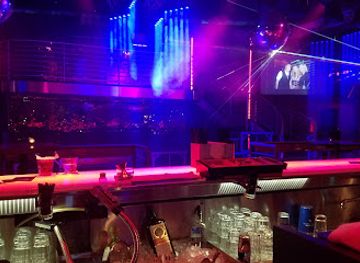
Stereo Nightclub
Dive into Chicago's nightlife at Stereo Nightclub - a vibrant hub for live music, dancing, and unforgettable experiences.
-
Night club
Seven Nightclub Chicago
Discover the electrifying nightlife at Seven Nightclub Chicago with great music, vibrant atmosphere, and a stylish crowd.
-
Night club
Le Nocturne Chicago
Discover the electrifying nightlife at Le Nocturne Chicago, where music, dancing, and unforgettable experiences await in Uptown.
-
Event venue
The Underground
Discover The Underground in Chicago, an upscale event venue blending vibrant nightlife with unique sophistication, perfect for special occasions.


Best shops in Northeastern Illinois
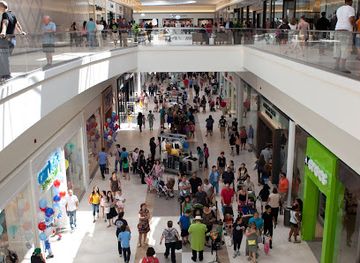
Shopping ranges from major downtown department stores, designer flagships and specialist retailers to neighbourhood commercial streets and suburban town centres. The Magnificent Mile is the region’s best-known luxury and mainstream shopping stretch, while State Street and independent districts across Chicago offer a broader mix of national and local businesses. Neighbourhoods such as Andersonville, Wicker Park, Lincoln Square, Pilsen and Chinatown are useful for independent fashion, books, design, food shops, galleries and culturally specific goods. In the suburbs, historic centres including Geneva, St Charles, Oak Park and Evanston combine boutiques, cafés, antiques and practical local shopping. Farmers’ markets and seasonal markets provide Illinois produce, baked goods, preserves and prepared foods, with availability varying through the year. Good regional purchases include locally made art, Chicago-themed design, books on architecture and food products from the area’s diverse culinary communities. Visitors should distinguish permanent shopping streets from temporary pop-up markets and check current trading arrangements before making a special journey.
-
Shopping mall
Fashion Outlets of Chicago
Explore the Fashion Outlets of Chicago for unbeatable savings, diverse shopping choices, and a unique dining experience in a vibrant setting.
-
Shopping mall
Gurnee Mills
Discover Gurnee Mills, the ultimate shopping destination in the Midwest, featuring over 200 stores, dining options, and entertainment for all ages.
-
Shopping mall
The Shops at North Bridge
Experience the best of shopping and dining at The Shops at North Bridge, Chicago's premier retail destination.
-
Lingerie store
Victoria's Secret
Explore Victoria's Secret in Gurnee for exquisite lingerie, stylish swimwear, and luxurious fragrances that celebrate femininity.


Get your free copy of our complete guide to Northeastern Illinois, delivered straight to you.
Everything on this page, from attractions and restaurants to essentials and local phrases, in one PDF you can read offline, print or share.
Already have an account? Sign in
Your Northeastern Illinois guide is ready.
We'll send it to · Not you? Sign out

Getting your guide ready…
We are putting together a fresh copy of the Northeastern Illinois guide. This can take up to a minute.
This can take a few moments. If your browser asks, choose Allow so the download can start. You'll find the guide in your Downloads folder.
Nothing happened? Download it again
Sorry, the guide is taking longer than usual. Please try again in a minute, or get it by email instead.
Northeastern Illinois essentials
Currency and Payment
Safety
Emergency Situations
Do's and Don'ts
Local Tips
From Eve
Local phrases worth knowing
You don't need to get them perfect. A few words go a long way, and locals appreciate the effort.
Basics
| English | Local | Say it |
|---|---|---|
| Hello | Hey | [Hey] |
| Goodbye | See ya | [See ya] |
| Yes | Yeah | [Yeah] |
| No | Nah | [Nah] |
| Please/You're welcome | No problem | [No problem] |
| Thank you | Thanks | [Thanks] |
| Excuse me/Sorry | Sorry | [Sorry] |
| How are you? | How's it going? | [How's it going?] |
| Fine. And you? | Good. And you? | [Good. And you?] |
| Do you speak English? | You speak English? | [You speak English?] |
| I don't understand | I don't get it | [I don't get it] |
Eating & Drinking
| English | Local | Say it |
|---|---|---|
| I'd like to see the menu, please | Can I see the menu? | [Can I see the menu?] |
| I don't eat meat | I'm a vegetarian | [I'm a vegetarian] |
| Cheers! | Cheers! | [Cheers!] |
| I would like to pay, please | Can I get the check? | [Can I get the check?] |
Emergencies
| English | Local | Say it |
|---|---|---|
| Help! | Help! | [Help!] |
| Go away! | Leave me alone! | [Leave me alone!] |
| Call the Police! | Call 911! | [Call 911!] |
| Call a doctor! | Get a doctor! | [Get a doctor!] |
| I'm lost | I'm lost | [I'm lost] |
| I'm ill | I'm not feeling well | [I'm not feeling well] |
Shopping
| English | Local | Say it |
|---|---|---|
| I'd like to buy... | I want to buy... | [I want to buy...] |
| I'm just looking | Just browsing | [Just browsing] |
| How much is it? | What's the price? | [What's the price?] |
| That's too expensive | That's pricey | [That's pricey] |
| Can you lower the price? | Can you give me a better price? | [Can you give me a better price?] |
Time & Numbers
| English | Local | Say it |
|---|---|---|
| What time is it? | What time is it? | [What time is it?] |
| It's one o'clock | It's 1 o'clock | [It's 1 o'clock] |
| Half past (10) | 10:30 | [10:30] |
| Morning | Morning | [Morning] |
| Afternoon | Afternoon | [Afternoon] |
| Evening | Evening | [Evening] |
| Yesterday | Yesterday | [Yesterday] |
| Today | Today | [Today] |
| Tomorrow | Tomorrow | [Tomorrow] |
| 1 | One | [One] |
| 2 | Two | [Two] |
| 3 | Three | [Three] |
| 4 | Four | [Four] |
| 5 | Five | [Five] |
| 6 | Six | [Six] |
| 7 | Seven | [Seven] |
| 8 | Eight | [Eight] |
| 9 | Nine | [Nine] |
| 10 | Ten | [Ten] |
Transport & Directions
| English | Local | Say it |
|---|---|---|
| Where's a/the...? | Where's the...? | [Where's the...?] |
| What's the address? | What's the address? | [What's the address?] |
| Can you show me (on the map)? | Can you show me on the map? | [Can you show me on the map?] |
| When's the next (bus)? | When's the next bus? | [When's the next bus?] |
| A ticket (to ....) | A ticket to... | [A ticket to...] |
History of Northeastern Illinois
Indigenous Landscapes and Early Trade
Before European settlement, the Chicago region was shaped by Indigenous peoples including the Council of Three Fires—Ojibwe, Odawa and Potawatomi—and by other Native communities connected through trade and diplomacy. The Chicago Portage, where waterways linked the Great Lakes with the Des Plaines and Illinois river systems, gave the area strategic importance. Roads and canals later followed these natural connections. Indigenous history remains important to understanding the region, although much of the modern urban landscape conceals the earlier patterns of movement, settlement and stewardship.
Fort Dearborn and the Early Nineteenth Century
Fort Dearborn was established near the mouth of the Chicago River in 1808, helping the United States assert a military and commercial presence at a strategically significant inland waterway. During the War of 1812, the fort’s evacuation and the associated conflict had devastating consequences for Indigenous people and settlers. A new Fort Dearborn was built in 1816, but the wider region was transformed by federal land policies and treaties that removed Native communities from much of the area.
The Illinois and Michigan Canal
Completed in 1848, the Illinois and Michigan Canal connected the Chicago River with the Illinois River, strengthening Chicago’s role as a link between the Great Lakes and the Mississippi basin. The project required major engineering works through the portage and attracted labour, trade and investment. Canal towns such as Lockport and Lemont retain physical reminders of this era, while the canal’s influence helped establish the transport and commercial foundations on which the later metropolis was built.
Railways, Industry and Urban Growth
Railways expanded rapidly through Northeastern Illinois during the nineteenth century, making Chicago a major interchange for national freight and passenger routes. Grain, timber, meat and manufactured goods moved through the region, while stockyards, factories, warehouses and immigrant neighbourhoods grew around transport corridors. Suburban communities also developed along commuter lines. This industrial geography explains the region’s enduring importance in logistics and manufacturing and remains visible in railway rights of way, historic downtowns and repurposed industrial buildings.
The Great Chicago Fire and Rebuilding
The Great Chicago Fire of October 1871 destroyed much of the central city, but rebuilding quickly turned catastrophe into an opportunity for new planning, construction techniques and architectural experimentation. Chicago became a laboratory for steel-framed buildings and modern skyscraper design, with figures such as Louis Sullivan shaping the emerging Chicago School of architecture. The city’s rebuilding also accelerated investment, population growth and the expansion of civic institutions across the wider metropolitan region.
The World’s Columbian Exposition of 1893
Held in Jackson Park, the World’s Columbian Exposition marked the four-hundredth anniversary of Christopher Columbus’s voyage and presented Chicago as a modern industrial city. Its neoclassical buildings, landscaped grounds and technological displays influenced architecture, urban design and popular culture, although the exposition also reflected the racial and colonial assumptions of its period. The fair’s legacy survives in the planning of the South Side, the Museum of Science and Industry’s building, and the continued prominence of Chicago’s lakefront institutions.
Migration, Industry and Cultural Neighbourhoods
During the late nineteenth and twentieth centuries, migrants from Europe, the American South, Latin America, Asia and many other parts of the world reshaped Northeastern Illinois. Industrial employment, railways, meatpacking and later finance and services drew successive communities to Chicago and its suburbs. Neighbourhoods developed around churches, shops, restaurants, social organisations and family networks. The region’s present cultural diversity, food traditions, festivals and commercial streets are direct legacies of these migrations and of continuing demographic change.
Suburban Expansion and Metropolitan Transformation
After the Second World War, homebuilding, car ownership, expressways and decentralised employment drove rapid suburban growth across DuPage, Lake, Kane, McHenry and Will counties. Older commuter suburbs expanded while new municipalities and commercial corridors appeared farther from Chicago. The region has since moved towards a more complex metropolitan pattern, combining established town centres, corporate districts, logistics hubs, immigrant communities and protected open space. Its contemporary identity is therefore both urban and suburban, with strong connections across county boundaries.
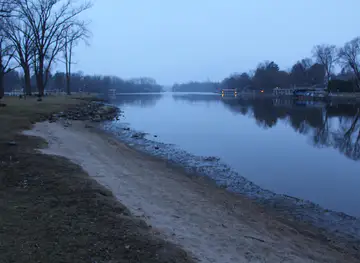
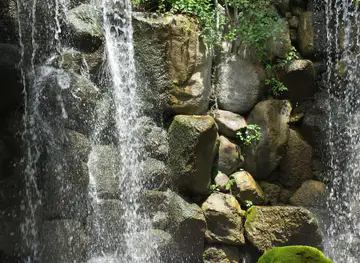
Northeastern Illinois in Photos
Browse through our photo collection highlighting the charm and character of the destination.
Neighbouring regions of Northeastern Illinois
The closest regions to Northeastern Illinois, if you have time for more than one.
-
-
-

-
-


Swipe for more regions
Explore more

Explore more of Illinois
Discover Illinois: From Chicago's iconic skyline to the tranquil beauty of its countryside, experience the diverse allure of the Prairie State.
Explore Illinois