

Rockford, Illinois Travel Guide
Discover Rockford, Illinois: A harmonious blend of lush parks, rich history, and cultural gems, offering a perfect getaway for nature lovers and history buffs alike.
Welcome to Rockford, Illinois, a city steeped in history and natural beauty. Nestled along the banks of the Rock River, Rockford is often referred to as 'The Forest City' for its lush greenery and numerous parks. A paradise for nature lovers, the city boasts the Anderson Japanese Gardens, a tranquil oasis that offers a blend of traditional Japanese design with Midwest flora. The Nicholas Conservatory & Gardens is another gem, providing a tropical escape with its stunning array of plants and flowers. Rockford's rich cultural scene is another draw for tourists. The city's museums, such as the Burpee Museum of Natural History and the Rockford Art Museum, offer a fascinating glimpse into both natural wonders and artistic brilliance. Don't miss the Discovery Center Museum, a family-friendly destination with interactive exhibits that engage visitors of all ages. For those interested in architecture and history, the Tinker Swiss Cottage Museum & Gardens offers a trip back in time. This historic house museum provides a unique look at Victorian-era life in Rockford. Additionally, the city's vibrant downtown area is filled with charming shops, local restaurants, and bustling markets, making it a perfect spot for leisurely strolls and culinary adventures.

Know before you go
Hi, I'm Eve. Here are a few practical things to know before exploring Rockford.
- Visit the Anderson Japanese Gardens early in the morning for a peaceful experience.
- Check the schedule of the Coronado Performing Arts Center for live performances and events.
- Explore the Rock River Recreation Path for a scenic walk or bike ride.
- Take a guided tour at the Tinker Swiss Cottage Museum & Gardens for in-depth historical insights.
- Don't forget to try the local cuisine at Rockford's downtown restaurants and cafes.
Explore Rockford: Things to Do, Places to Eat, Hotels & More
Handpicked recommendations for top attractions, local dining, accommodations, and more

Best attractions in Rockford
Top-rated picks
Best Attractions

Anderson Japanese Gardens
Experience the serene beauty of Anderson Japanese Gardens, a tranquil oasis in Rockford, Illinois, featuring stunning landscapes and traditional Japanese architecture.

Sinnissippi Gardens
Explore Sinnissippi Gardens in Rockford, Illinois: A beautiful park featuring stunning landscapes and vibrant floral displays, perfect for relaxation and leisure.

Nicholas Conservatory & Gardens
Discover the lush beauty of Nicholas Conservatory & Gardens in Rockford, your serene escape into nature with stunning plant displays and tranquil gardens.

Discovery Center Museum
Explore, learn, and play at the Discovery Center Museum in Rockford, Illinois, where science meets fun for all ages.

Best landmarks in Rockford
Top-rated picks
Best Landmarks

Anderson Japanese Gardens
Discover tranquility and cultural beauty at Anderson Japanese Gardens, a top-rated Japanese garden in Rockford, Illinois.

Prairie Street Brewing Co.
Experience craft beer and riverside dining in a historic Rockford brewery, complete with live music and stunning views.

Nicholas Conservatory & Gardens
Discover the breathtaking beauty of nature at Nicholas Conservatory & Gardens in Rockford, Illinois, featuring vibrant floral displays and serene landscapes.

Stockholm Inn
Experience Swedish traditions and hospitality at Rockford's iconic Stockholm Inn, serving world-famous Swedish pancakes since 1968.

Best restaurants in Rockford
Top-rated picks
Best Restaurants

Portillo's Rockford
Experience the best of Chicago-style cuisine at Portillo's Rockford—home to iconic hot dogs and delicious Italian beef sandwiches.

Lino's
Discover authentic Italian cuisine at Lino's in Rockford – perfect for families and special celebrations with delicious food and warm hospitality.

Machine Shed Restaurant
Experience authentic American comfort food at Machine Shed Restaurant in Rockford – where every meal tells a story.

GreenFire
Experience exceptional American cuisine at GreenFire in Rockford—where fresh ingredients meet innovative cooking for an unforgettable dining experience.

Best bars in Rockford
Top-rated picks
Best Bars

Applebee's Grill + Bar
Experience the heart of American cuisine at Applebee's Grill + Bar in Rockford, where delicious meals and a family-friendly atmosphere await.

District Bar and Grill
Discover the lively District Bar and Grill in Rockford, where grilled delights meet live music and vibrant nightlife for an unforgettable experience.

Oscar's Pub & Grill
Discover Oscar's Pub & Grill, Rockford's lively destination for delicious food, craft beer, and a vibrant atmosphere that captures the essence of local dining.

Mary's Place
Discover the charm of Rockford at Mary's Place, a cozy bar offering craft drinks and a welcoming atmosphere for tourists and locals alike.

Best nightclubs in Rockford
Top-rated picks
Best Nightclubs

District Bar and Grill
Discover the heartbeat of Rockford's nightlife at District Bar and Grill, where great food meets live music and sports excitement.

The Top Rooftop Bar & Lounge
Experience breathtaking views and exquisite grilled delights at The Top Rooftop Bar & Lounge in Rockford, Illinois.

3LLL Club
Unleash your night at 3LLL Club in Rockford, IL – a vibrant bar experience perfect for socializing and enjoying nightlife.

The Office Niteclub
Experience the vibrant nightlife at The Office Niteclub, Rockford's premier gay nightclub, offering dance, drinks, and a welcoming atmosphere for all.

Best shops in Rockford
Top-rated picks
Best Shops

Forest Plaza
Explore Forest Plaza in Rockford, Illinois - a vibrant shopping mall with diverse stores, dining options, and entertainment for everyone.

State Street Market
Explore State Street Market in Rockford, IL, for a diverse shopping and dining experience that captures the essence of local culture and commerce.

Edgebrook Shops
Explore Edgebrook Shops in Rockford, Illinois, where unique boutiques meet popular dining in a vibrant shopping experience for all.

Rockford Art Deli
Explore Rockford Art Deli, a boutique showcasing local artistry through unique screen-printed apparel and creative gifts, celebrating the spirit of Rockford.

Explore Rockford on the Map
A handpicked selection of must-see spots in Rockford, mapped for you.
Rockford Essentials
-
Rockford is accessible by various modes of transportation. The nearest major airport is Chicago Rockford International Airport (RFD), located about 10 minutes from downtown Rockford. Alternatively, Chicago O'Hare International Airport (ORD) is approximately 90 miles away, and offers more international and domestic flight options. From Chicago, you can drive to Rockford via Interstate 90, or take a bus service like Van Galder, which operates daily routes between Chicago and Rockford.
-
Rockford offers several transportation options for getting around the city. Public bus services are provided by Rockford Mass Transit District (RMTD), which covers most of the city and some surrounding areas. Taxis and rideshare services like Uber and Lyft are also readily available. For those who prefer to drive, car rental services are available at the airport and various locations throughout the city. Biking is another option, with several bike lanes and trails available.
-
The official currency in Rockford is the US Dollar (USD). Major credit and debit cards are widely accepted in hotels, restaurants, and shops. ATMs are plentiful throughout the city, and many establishments also accept mobile payments like Apple Pay and Google Wallet. It is advisable to carry some cash for use in smaller establishments or markets.
-
Rockford is generally a safe city for tourists, but it is always wise to take standard precautions. Avoid walking alone at night in unfamiliar areas, particularly in neighborhoods such as Midtown and Ellis Heights, which have higher crime rates. Keep an eye on your belongings in crowded places and avoid displaying valuables. Always be aware of your surroundings and trust your instincts.
-
In case of emergency, dial 911 for immediate assistance. Rockford has several hospitals, including Mercyhealth Hospital and SwedishAmerican Hospital, which provide emergency medical care. It is recommended to have travel insurance that covers medical emergencies. For minor health issues, there are numerous pharmacies around the city where you can purchase over-the-counter medications.
-
Fashion: Do dress casually but neatly, especially if dining out or visiting attractions. Avoid overly revealing clothing. Religion: Do respect all religious establishments and customs. Some churches may require modest dress and covered shoulders. Public Transport: Do have exact change or a bus pass when using the local bus system. Don't be loud or disruptive on public transport. Greetings: Do greet people with a smile and a handshake. It's customary to be polite and friendly. Eating & Drinking: Do try local specialties and be open to new culinary experiences. Don't leave a poor tip; the standard is 15-20% of the bill.
-
To experience Rockford like a local, visit the Rockford City Market, held every Friday during the summer, where you can buy fresh produce and local crafts. Spend time at the Nicholas Conservatory & Gardens or the Anderson Japanese Gardens for a peaceful retreat. Engage with locals, as they are often friendly and willing to share recommendations about hidden gems in the city. Don't miss the Rockford Art Museum and the Burpee Museum of Natural History for a taste of the local culture and history.
When is the best time to visit Rockford?
Useful Local Phrases for Rockford
You don't need to speak the language perfectly. Even learning a few simple words can make conversations warmer—and locals usually appreciate the effort.
— Eve

Here are the phrases I use most often in Rockford. Try a few—you'll be surprised how far they go! 😊
❤️
-
- HelloHey
[hey] - GoodbyeSee ya
[see ya] - YesYep
[yep] - NoNah
[nah] - Please/You're welcomePlease/thank you
[please/thank you] - Thank youThanks
[thanks] - Excuse me/SorrySorry
[sorry] - How are you?How are you?
[how are you] - Fine. And you?Good. You?
[good. you] - Do you speak English?Do you speak English?
[do you speak english] - I don't understandI don't get it
[i don't get it]
- HelloHey
-
- I'd like to see the menu, pleaseCan I see the menu?
[can i see the menu] - I don't eat meatI'm vegetarian
[i'm vegetarian] - Cheers!Cheers!
[cheers] - I would like to pay, pleaseI'll pay now
[i'll pay now]
- I'd like to see the menu, pleaseCan I see the menu?
-
- Help!Help!
[help] - Go away!Go away!
[go away] - Call the Police!Call the cops!
[call the cops] - Call a doctor!Call a doctor!
[call a doctor] - I'm lostI'm lost
[i'm lost] - I'm illI'm sick
[i'm sick]
- Help!Help!
-
- I'd like to buy...I want to buy...
[i want to buy] - I'm just lookingI'm just looking
[i'm just looking] - How much is it?How much?
[how much] - That's too expensiveToo much
[too much] - Can you lower the price?Can you lower it?
[can you lower it]
- I'd like to buy...I want to buy...
-
- What time is it?What time is it?
[what time is it] - It's one o'clockIt's one
[it's one] - Half past (10)Half past ten
[half past ten] - MorningMorning
[morning] - AfternoonAfternoon
[afternoon] - EveningEvening
[evening] - YesterdayYesterday
[yesterday] - TodayToday
[today] - TomorrowTomorrow
[tomorrow] - 1One
[one] - 2Two
[two] - 3Three
[three] - 4Four
[four] - 5Five
[five] - 6Six
[six] - 7Seven
[seven] - 8Eight
[eight] - 9Nine
[nine] - 10Ten
[ten]
- What time is it?What time is it?
-
- Where's a/the...?Where's the...?
[where's the] - What's the address?What's the address?
[what's the address] - Can you show me (on the map)?Can you show me (on the map)?
[can you show me on the map] - When's the next (bus)?When's the next bus?
[when's the next bus] - A ticket (to ....)A ticket to...
[a ticket to]
- Where's a/the...?Where's the...?
History of Rockford
-
Rockford was founded in 1834 by Germanicus Kent, Thatcher Blake, and Lewis Lemon. Originally called 'Midway' because of its location between Chicago and Galena, the settlement was later renamed Rockford in 1837 due to the rocky ford across the Rock River.
-
During the late 19th and early 20th centuries, Rockford became a manufacturing powerhouse. The city was known for its production of heavy machinery, hardware, and furniture. Companies like the Rockford Watch Company and National Lock Company played significant roles in the city's industrial growth.
-
Established during World War I, Camp Grant was a major U.S. Army training facility located south of Rockford. During World War II, it served as a training camp and later a prisoner-of-war camp. The camp played a crucial role in the city's military history.
-
In the mid-20th century, Rockford experienced a cultural renaissance. The establishment of the Rockford Symphony Orchestra, the Coronado Performing Arts Center, and various art galleries and museums revitalized the city's cultural landscape, making it a hub for arts and culture in the region.
-
Rockford has a significant Swedish heritage, owing to a large influx of Swedish immigrants in the 19th century. The Erlander Home Museum and the annual Swedish Midsummer Festival celebrate this cultural influence, preserving the traditions and contributions of the Swedish community in Rockford.
-
In recent years, Rockford has undergone significant revitalization efforts. The downtown area has seen the redevelopment of historic buildings, the addition of new parks and public spaces, and the promotion of local businesses. These efforts aim to rejuvenate the city's economy and improve the quality of life for its residents.
Cities near Rockford
The closest cities to Rockford, if you have time for more than one stop.




Your all‑in‑one travel companion app
Explore expert travel guides, compare and book tours, experiences, hotels, and more—all from the palm of your hand. Download now for seamless trip planning wherever your wanderlust takes you.


Rockford in Photos
Browse through our photo collection highlighting the charm and character of the destination.


Rockford: The Forest City of Illinois
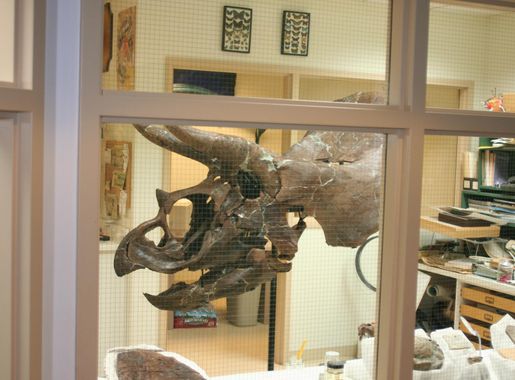
Welcome to Rockford, Illinois, a city steeped in history and natural beauty. Nestled along the banks of the Rock River, Rockford is often referred to as 'The Forest City' for its lush greenery and numerous parks. A paradise for nature lovers, the city boasts the Anderson Japanese Gardens, a tranquil oasis that offers a blend of traditional Japanese design with Midwest flora. The Nicholas Conservatory & Gardens is another gem, providing a tropical escape with its stunning array of plants and flowers. Rockford's rich cultural scene is another draw for tourists. The city's museums, such as the Burpee Museum of Natural History and the Rockford Art Museum, offer a fascinating glimpse into both natural wonders and artistic brilliance. Don't miss the Discovery Center Museum, a family-friendly destination with interactive exhibits that engage visitors of all ages. For those interested in architecture and history, the Tinker Swiss Cottage Museum & Gardens offers a trip back in time. This historic house museum provides a unique look at Victorian-era life in Rockford. Additionally, the city's vibrant downtown area is filled with charming shops, local restaurants, and bustling markets, making it a perfect spot for leisurely strolls and culinary adventures.
Explore More of Illinois

Looking beyond Rockford? Discover Illinois for broader travel guides, local hot-spots, and regional highlights.
Explore Illinois