

Free Palatine Travel Guide & Mobile App
Plan your Palatine trip with Evendo. Get free guides to top attractions, restaurants, hotels, and bars. Web access or download the mobile app.


Palatine, Illinois blends historic downtown streets, forest-preserve trails, local dining and easy Chicago-area culture for curious visitors.
A Historic Northwest Suburb
Palatine occupies a distinctive place in the north-western suburbs of Chicago, combining a compact, walkable downtown with broad residential neighbourhoods and open landscapes shaped by the surrounding prairie. Its story is closely linked to rail travel: the arrival of the Chicago and North Western Railway in the 1850s transformed a rural settlement into a connected village, while the tracks still define the centre of local life. Historic commercial buildings, independent businesses and civic spaces give downtown Palatine a character that differs from the large shopping corridors elsewhere in the region.Read more about Palatine
Heritage and Community Life
Prairie Landscapes and Chicago Connections
When is the best time to visit Palatine?
Best: June, August–September · 23–27°C| Month | High (°C) | Rainfall (mm) |
|---|---|---|
| January | 1 | 43 |
| February | 3 | 43 |
| March | 9 | 58 |
| April | 16 | 79 |
| May | 21 | 104 |
| June (best) | 26 | 109 |
| July | 28 | 107 |
| August (best) | 27 | 112 |
| September (best) | 23 | 91 |
| October | 16 | 74 |
| November | 9 | 65 |
| December | 3 | 50 |
Getting to and around Palatine
How to get there
Transportation
Best attractions in Palatine
Palatine’s attractions are centred on local history, community culture and open space rather than large-scale tourist monuments. The George Clayson House Museum, operated by the Palatine Historical Society, occupies a nineteenth-century home and interprets the village’s early families, civic development and domestic life. Downtown Palatine rewards a slower walk around its railway-oriented streets, where historic commercial buildings sit alongside cafés, restaurants and independent businesses. Deer Grove Forest Preserve is the area’s principal outdoor attraction, with trails through prairie, woodland and wetland landscapes suitable for walking, cycling and nature observation. Cutting Hall Performing Arts Center provides a focus for theatre, music and community productions, while Palatine Park District facilities support seasonal recreation and public programmes. Together these places offer a grounded view of a Chicago suburb shaped by railways, settlement, conservation and local participation.
-
Tourist attraction
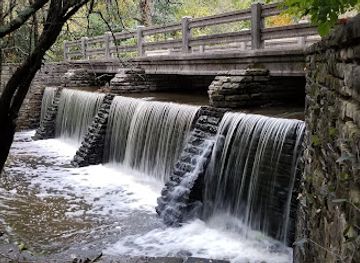
Deer Grove Forest Preserve
Explore the lush trails and diverse wildlife at Deer Grove Forest Preserve, a tranquil escape in Palatine, Illinois for nature enthusiasts and adventure seekers.
16 min drive · 5.2 km from city centre
-
Tourist attraction
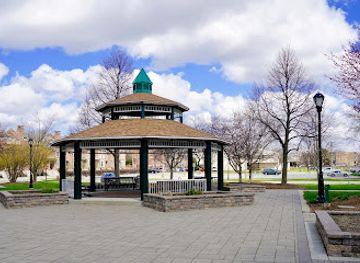
Towne Square
Experience the tranquility and community spirit of Towne Square, a beautiful park in Palatine, Illinois, perfect for family fun and relaxation.
14 min walk · 1.1 km from city centre
-
Tourist attraction
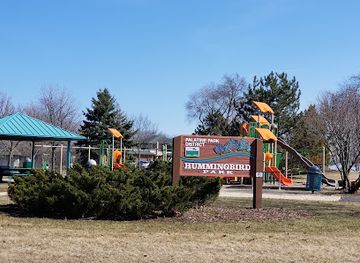
Hummingbird Park
Experience the tranquility of Hummingbird Park, a beautiful outdoor escape in Palatine, Illinois, perfect for families and nature lovers alike.
13 min drive · 4.5 km from city centre
-
Tourist attraction
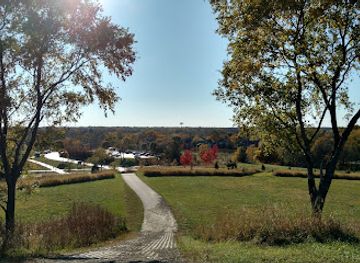
Palatine Prairie
Immerse yourself in the natural beauty of Palatine Prairie, a serene nature preserve in Illinois filled with picturesque trails and diverse wildlife.
7 min drive · 2.2 km from city centre
Best landmarks in Palatine
Palatine’s most meaningful landmarks are closely tied to its development as a railroad village and later Chicago suburb. The George Clayson House, built in the nineteenth century and now home to the Palatine Historical Society’s museum, represents the domestic architecture and civic life of the early settlement. The Metra station and the railway corridor remain defining features of the town centre, recalling the Chicago and North Western Railway connection that helped Palatine grow. Historic downtown commercial buildings, particularly around Brockway Street, preserve the scale of the old business district and include masonry structures associated with rebuilding after the 1893 fire. Civic buildings, churches and established residential streets add further layers, while Deer Grove’s protected prairie and woodland form a natural landmark of regional importance. These sites express Palatine’s identity through continuity rather than monumental grandeur.
-
Donuts
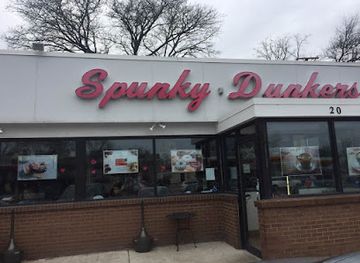
Spunky Dunkers Donuts
Palatine's favorite donut shop, serving fresh, handmade donuts and delicious coffee for over 30 years.
1 min walk · 0.1 km from city centre
-
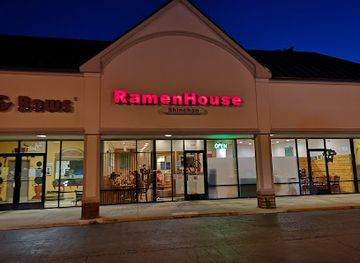
Ramen
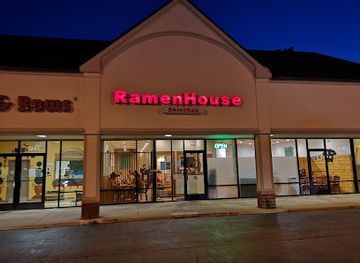
Ramen House Shinchan
Experience authentic Nagoya-style ramen and Japanese cuisine at Ramen House Shinchan in Palatine, Illinois. A local favorite!
7 min drive · 2.5 km from city centre
-
Gastropub
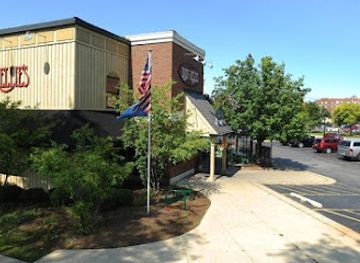
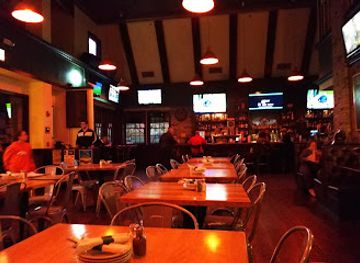
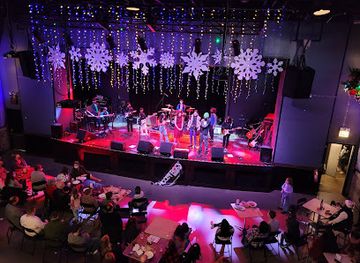
Durty Nellie's Gastropub & Concert Hub
Palatine's lively gastropub and concert hub, offering elevated comfort food, craft beers, and a vibrant music scene for an unforgettable experience.
16 min walk · 1.3 km from city centre
-
American
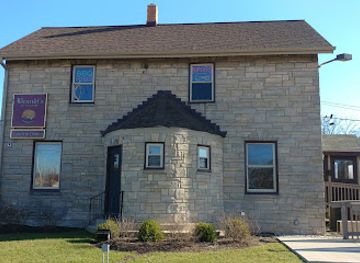
Brandt's of Palatine
Experience classic American cuisine in a historic setting at Brandt's of Palatine, a local favorite with a story to tell.
9 min drive · 2.9 km from city centre
Explore Palatine on the map
Plan your Palatine trip on one map. See where the top attractions, landmarks, restaurants, bars and hotels are, find what's near where you're staying, and book hotels and experiences in a few clicks.
Best hotels in Palatine
Best restaurants in Palatine
Palatine’s dining scene reflects the varied population of the north-western Chicago suburbs, with independent restaurants and casual eateries spread through downtown and along the larger commercial roads. Visitors can find American comfort food, pizza, burgers, cafés and bakeries alongside Asian, Mexican, Mediterranean and other international cuisines, making the village more diverse at the table than its historic railway centre might suggest. Downtown is convenient for combining a meal with a walk around older buildings and the Metra station, while restaurants in the wider village are often easier to reach by car. Breakfast and brunch cafés, family-run establishments and relaxed takeaway counters are particularly characteristic of suburban dining here. Menus change, so local listings are useful for identifying current specialists, dietary options and opening arrangements without assuming that every business follows the same service style.
-
Ramen
Ramen House Shinchan
Experience authentic Japanese flavors at Ramen House Shinchan in Palatine—home to rich broths and deliciously crafted noodles.
7 min drive · 2.5 km from city centre
-
Gastropub
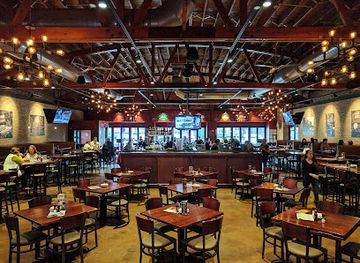
Durty Nellie's Gastropub & Concert Hub
Discover the lively Durty Nellie's Gastropub in Palatine: where gourmet cuisine meets live music in a vibrant atmosphere.
16 min walk · 1.3 km from city centre
-
Gastropub
Tap House Grill
Experience the best of American cuisine at Tap House Grill - where flavor meets fun in Palatine's vibrant gastropub.
12 min walk · 1.0 km from city centre
-
Mediterranean
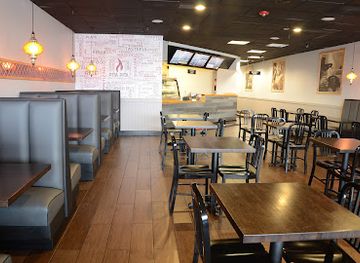
Pita Pita Mediterranean Grill
Experience authentic Mediterranean flavors at Pita Pita Mediterranean Grill – where fresh ingredients meet warm hospitality in Palatine.
11 min drive · 3.7 km from city centre
Best bars in Palatine
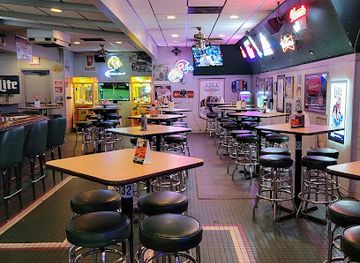
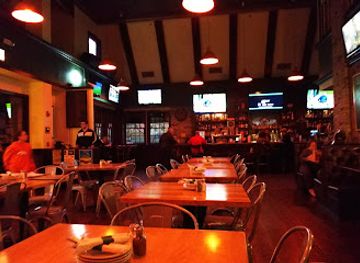
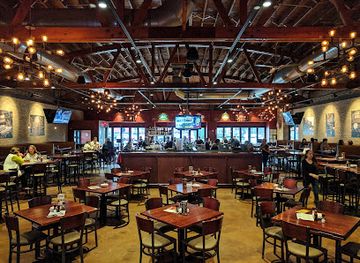
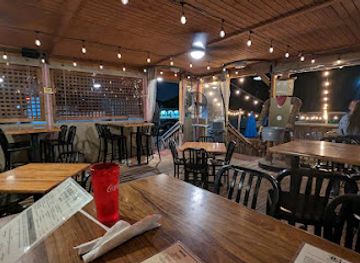
Palatine’s evening life is modest and locally oriented rather than built around a large club district. Downtown bars, restaurants and taverns provide places for informal drinks, televised sport, conversation and live entertainment when scheduled, while cafés and dessert spots offer quieter alternatives. Community performances at Cutting Hall Performing Arts Center add a cultural dimension to the evening calendar, and seasonal village events can bring music and social activity into public spaces. Those seeking late-night dancing or a broader choice of major concerts generally travel by car or rail towards Chicago and the larger suburban entertainment centres. Evening travel should take account of the last convenient Metra service, limited late-night suburban transit and the spread between venues. Restaurant bars may be more prominent than dedicated nightclubs, reflecting Palatine’s residential character.
-
Bar
Gators Wing Shack Grill & Pizzeria
Discover the vibrant flavors of American cuisine at Gators Wing Shack Grill & Pizzeria, famous for wings, burgers, and pizzas in Palatine.
11 min drive · 3.5 km from city centre
-
Gastropub
Durty Nellie's Gastropub & Concert Hub
Durty Nellie's Gastropub: Where Delicious Cuisine Meets Live Music in Palatine, IL.
16 min walk · 1.3 km from city centre
-
Gastropub
Tap House Grill
Experience the best of American cuisine at Tap House Grill, a lively gastropub in Palatine, where flavor meets fun in every dish.
12 min walk · 1.0 km from city centre
-
American
Brandt's of Palatine
Discover the authentic taste of America at Brandt's of Palatine, where delicious meals and a welcoming atmosphere await every visitor.
9 min drive · 2.9 km from city centre
Best nightclubs in Palatine
Palatine’s evening life is modest and locally oriented rather than built around a large club district. Downtown bars, restaurants and taverns provide places for informal drinks, televised sport, conversation and live entertainment when scheduled, while cafés and dessert spots offer quieter alternatives. Community performances at Cutting Hall Performing Arts Center add a cultural dimension to the evening calendar, and seasonal village events can bring music and social activity into public spaces. Those seeking late-night dancing or a broader choice of major concerts generally travel by car or rail towards Chicago and the larger suburban entertainment centres. Evening travel should take account of the last convenient Metra service, limited late-night suburban transit and the spread between venues. Restaurant bars may be more prominent than dedicated nightclubs, reflecting Palatine’s residential character.
-
Gastropub
Durty Nellie's Gastropub & Concert Hub
Experience the perfect blend of mouthwatering gastropub cuisine and vibrant live music at Durty Nellie's in Palatine, Illinois.
16 min walk · 1.3 km from city centre
-
Grill
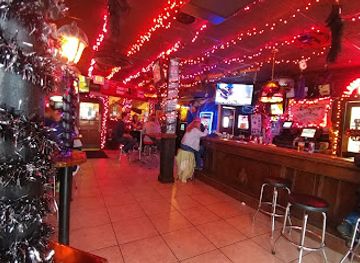
Lamplighter Inn Tavern & Grille
Enjoy a delightful dining experience with mouthwatering dishes and a vibrant atmosphere at Lamplighter Inn Tavern & Grille in Palatine, Illinois.
12 min walk · 0.9 km from city centre
-
Grill
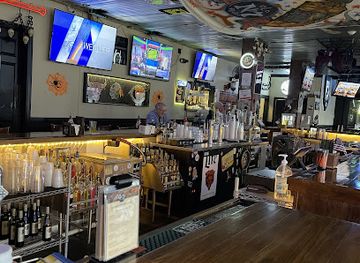
Alley 64 - Palatine
Indulge in delicious American grill cuisine and vibrant sports bar atmosphere at Alley 64 in Palatine, perfect for food lovers and sports fans.
12 min drive · 4.0 km from city centre
-
Sports bar
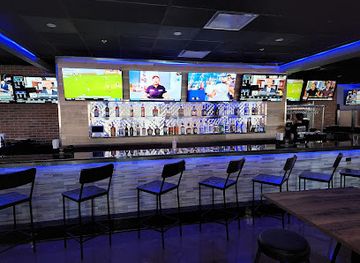
Hot Pockets Sports Bar
Experience the thrill of sports and delicious dining at Hot Pockets Sports Bar in Palatine, Illinois - your go-to spot for fun and flavor.
6 min drive · 2.1 km from city centre
Best shops in Palatine
Shopping in Palatine combines independent downtown businesses with practical suburban retail corridors. Around the central streets near the Metra station, visitors can browse locally owned shops, cafés, personal services and small businesses housed in older commercial buildings, while larger roads lead to broader selections of everyday retail, groceries and dining. The village is not primarily a destination for traditional handicrafts, but local shops and seasonal community events may offer gifts, speciality foods, books, clothing and goods from independent makers. Visitors looking for distinctive purchases should explore the centre at a leisurely pace and check current local listings, as individual retailers change more frequently than the historic streetscape. For major department-store or outlet shopping, the wider Chicago suburbs provide more extensive choices, but Palatine’s retail character is best understood through its small businesses and neighbourhood convenience.
-
Department store
Walmart
Discover Walmart in Palatine, your all-in-one shopping haven for clothing, groceries, electronics, and more during your travels.
10 min drive · 3.3 km from city centre
-
Shopping mall
Deer Grove Centre
Explore Deer Grove Centre in Palatine, IL: A vibrant shopping mall offering diverse stores and dining options for a delightful retail experience.
9 min drive · 3.1 km from city centre
-
Shopping mall
Park Place Shopping Center
Discover the vibrant Park Place Shopping Center in Palatine, Illinois, offering a diverse array of shops, dining, and entertainment for the perfect shopping experience.
10 min drive · 3.4 km from city centre
-
Craft store
Hobby Lobby
Explore Hobby Lobby, your ultimate destination for crafts, home decor, and creative inspiration in Palatine, Illinois.
9 min drive · 3.0 km from city centre

Get your free copy of our complete guide to Palatine, delivered straight to you.
Everything on this page, from attractions and restaurants to essentials and local phrases, in one PDF you can read offline, print or share.
Already have an account? Sign in
Your Palatine guide is ready.
We'll send it to · Not you? Sign out

Getting your guide ready…
We are putting together a fresh copy of the Palatine guide. This can take up to a minute.
This can take a few moments. If your browser asks, choose Allow so the download can start. You'll find the guide in your Downloads folder.
Nothing happened? Download it again
Sorry, the guide is taking longer than usual. Please try again in a minute, or get it by email instead.
Palatine essentials
Currency and Payment
Safety
Emergency Situations
Do's and Don'ts
Local Tips
From Eve
Local phrases worth knowing
You don't need to get them perfect. A few words go a long way, and locals appreciate the effort.
Basics
| English | Local | Say it |
|---|---|---|
| Hello | Hey | [hey] |
| Goodbye | See ya | [see ya] |
| Yes | Yep | [yep] |
| No | Nope | [nope] |
| Please/You're welcome | Please/No problem | [please/no problem] |
| Thank you | Thanks | [thanks] |
| Excuse me/Sorry | Sorry | [sorry] |
| How are you? | How you doin'? | [how you doin'] |
| Fine. And you? | Good. You? | [good. you?] |
| Do you speak English? | Speak English? | [speak english?] |
| I don't understand | I don't get it | [i don't get it] |
Eating & Drinking
| English | Local | Say it |
|---|---|---|
| I'd like to see the menu, please | Can I see the menu? | [can i see the menu?] |
| I don't eat meat | I don't eat meat | [i don't eat meat] |
| Cheers! | Cheers! | [cheers!] |
| I would like to pay, please | Can I pay, please | [can i pay, please] |
Emergencies
| English | Local | Say it |
|---|---|---|
| Help! | Help! | [help!] |
| Go away! | Go away! | [go away!] |
| Call the Police! | Call the cops! | [call the cops!] |
| Call a doctor! | Call a doctor! | [call a doctor!] |
| I'm lost | I'm lost | [i'm lost] |
| I'm ill | I'm sick | [i'm sick] |
Shopping
| English | Local | Say it |
|---|---|---|
| I'd like to buy... | I wanna buy... | [i wanna buy...] |
| I'm just looking | Just browsing | [just browsing] |
| How much is it? | How much? | [how much?] |
| That's too expensive | Too pricey | [too pricey] |
| Can you lower the price? | Can you do a deal? | [can you do a deal?] |
Time & Numbers
| English | Local | Say it |
|---|---|---|
| What time is it? | What time is it? | [what time is it?] |
| It's one o'clock | It's one | [it's one] |
| Half past (10) | Half past ten | [half past ten] |
| Morning | Morning | [morning] |
| Afternoon | Afternoon | [afternoon] |
| Evening | Evening | [evening] |
| Yesterday | Yesterday | [yesterday] |
| Today | Today | [today] |
| Tomorrow | Tomorrow | [tomorrow] |
| 1 | One | [one] |
| 2 | Two | [two] |
| 3 | Three | [three] |
| 4 | Four | [four] |
| 5 | Five | [five] |
| 6 | Six | [six] |
| 7 | Seven | [seven] |
| 8 | Eight | [eight] |
| 9 | Nine | [nine] |
| 10 | Ten | [ten] |
Transport & Directions
| English | Local | Say it |
|---|---|---|
| Where's a/the...? | Where's the...? | [where's the...?] |
| What's the address? | What's the address? | [what's the address?] |
| Can you show me (on the map)? | Show me (on the map) | [show me (on the map)] |
| When's the next (bus)? | When's the next bus? | [when's the next bus?] |
| A ticket (to ....) | A ticket to... | [a ticket to...] |
History of Palatine
Indigenous Lands Before Settlement
The Palatine area lies within the wider landscape historically inhabited and used by Indigenous peoples, including Potawatomi communities and other Algonquian-speaking peoples connected with the northern Illinois region. Wetlands, oak woods and prairie provided routes, food resources and seasonal habitats long before a permanent American village emerged. Nineteenth-century federal policy and treaties, including the Treaty of Chicago of 1833, led to the removal of many Indigenous people from northern Illinois, opening land to increasing non-Indigenous settlement. The landscape that later became Palatine was therefore not empty frontier but part of an existing cultural and ecological world. Today, the forest preserves and surviving natural areas offer only a partial sense of the environment that shaped earlier Indigenous life.
Early Farmsteads and Township Government
Permanent Euro-American settlement expanded in the Palatine area during the 1830s and 1840s, as farmers established homesteads on the prairie and woodland west of Chicago. Palatine Township was organised in 1850, reflecting the growth of local administration and the arrival of families from the eastern United States and Europe. The community’s name is generally associated with settlers of German background and with the Palatinate region of Europe, although the settlement developed through a mixture of immigrant and American influences. Agriculture remained central in these early decades, with roads, small businesses and civic institutions gradually forming around the farms.
The Railway Creates a Village
The arrival of the Chicago and North Western Railway in 1854 changed Palatine’s prospects decisively. Rail connection made it easier to move farm produce, receive goods and travel to Chicago, encouraging commercial activity around the station. Palatine was incorporated as a village in 1866, giving residents a formal civic structure during a period when rail-linked settlements across the Chicago region were expanding. The original centre developed close to the tracks, and the relationship between railway access and local commerce remains visible in the layout of downtown. Buildings such as the George Clayson House, constructed in the nineteenth century, preserve the domestic scale of this formative period.
Growth, Fire and Reconstruction
Palatine’s early commercial district was vulnerable to the fires and building losses that affected many American towns in the nineteenth century. A major fire in 1893 destroyed much of the business centre, after which portions of downtown were rebuilt in more durable masonry. The rebuilding introduced the historic commercial façades that still help define the central streetscape. Rail traffic, agriculture and local trade continued to support the village, while churches, schools and fraternal organisations strengthened community life. The turn of the twentieth century found Palatine still recognisably a small railroad town, but increasingly connected to the expanding economic orbit of Chicago.
From Railroad Town to Suburb
Palatine grew more rapidly during the twentieth century as improved roads, commuter rail and metropolitan expansion brought new residents and businesses. Agricultural land was gradually converted into housing, schools, parks and commercial areas, while the historic centre retained its railway-oriented plan. The expansion of public education and organised recreation helped create the institutions associated with modern village life. Palatine’s development followed the broader pattern of Chicago’s north-western suburbs: a once-rural settlement became a residential community while maintaining links to employment and culture in the city. Older homes, the downtown commercial district and the railway station remain tangible reminders of the earlier village.
A Contemporary Community with Preserved Landscapes
In recent decades, Palatine has combined suburban growth with efforts to preserve local heritage and open space. The George Clayson House Museum interprets the village’s past, while the Palatine Park District supports recreation across a network of facilities and green spaces. Deer Grove Forest Preserve protects a substantial natural area within the urbanised region, maintaining prairie, woodland and wetland habitats that would otherwise have disappeared beneath development. Contemporary Palatine is therefore shaped by several overlapping histories: Indigenous occupation, agricultural settlement, railroad commerce, metropolitan suburbanisation and environmental conservation. Its identity is expressed less through a single monumental site than through the relationship between these layers.
Palatine in Photos
Browse through our photo collection highlighting the charm and character of the destination.
Cities near Palatine
The closest cities to Palatine, if you have time for more than one stop.
-

-

-

-

-


Swipe for more cities
Explore more

Explore more of Illinois
Discover Illinois: From Chicago's iconic skyline to the tranquil beauty of its countryside, experience the diverse allure of the Prairie State.
Explore Illinois