Trail of Tears State Forest: A Place of Remembrance and Recreation
Explore the trails and remember the past in the ruggedly beautiful Trail of Tears State Forest, a natural and historical landmark in Illinois.
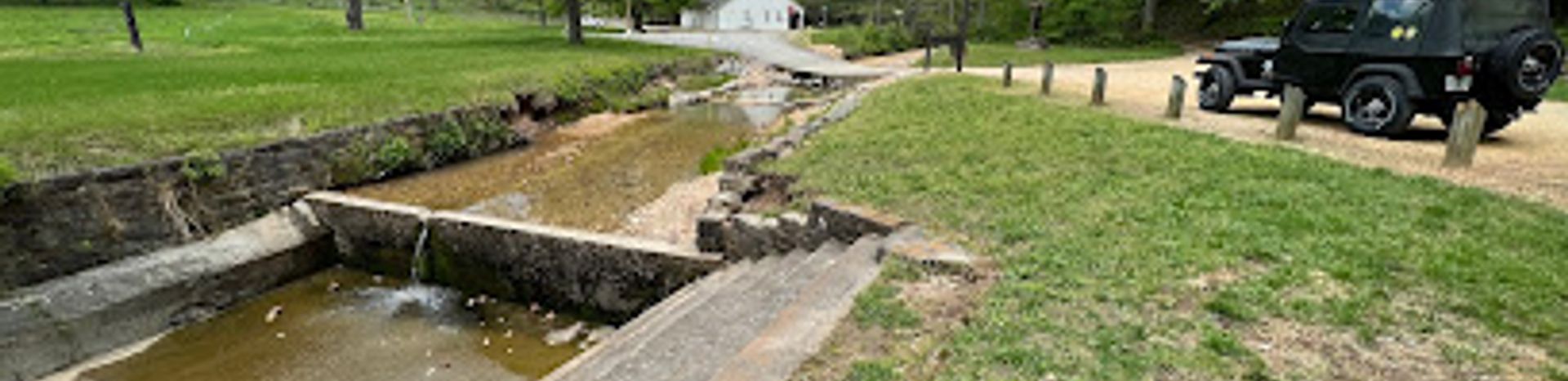
Nestled in the rugged Ozark Hills of Southern Illinois, Trail of Tears State Forest offers a blend of natural beauty and historical significance. Named in remembrance of the Cherokee, Creek, and Chickasaw nations' forced relocation in 1838-39, the forest provides a space for reflection and outdoor activities across its 5,114 acres.
A brief summary to Trail of Tears State Forest
- 3240 State Forest Rd, Jonesboro, Illinois, 62952, US
- +1618-833-4910
- Visit website
Local tips
- Check trail conditions before you go, especially if planning to horseback ride, as trails may close after heavy rains.
- Bring your own water, as there is no water access at the campsites.
- Be aware that cell service is limited within the forest.
- Register at the trailhead sign-in station before embarking on a horseback ride.

Getting There
-
Driving
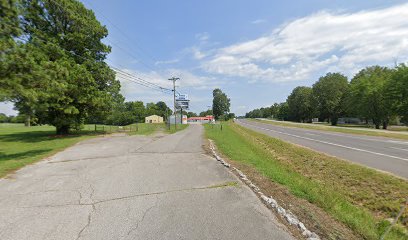
Trail of Tears State Forest is accessible by car via Illinois Route 127 and Route 3. From Murphysboro, take Highway 127 south to State Forest Road, heading east. From Jonesboro, take Highway 127 north to State Forest Road, heading east. From Wolf Lake on Route 3, take State Forest Road west. Follow State Forest Road to the forest entrance. There are no entrance fees. Parking is available at various points throughout the forest.
Discover more about Trail of Tears State Forest
Iconic landmarks you can’t miss

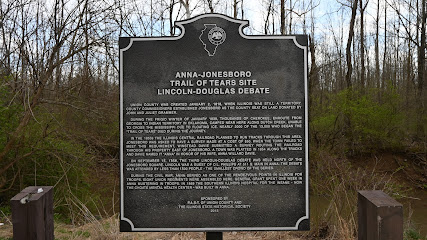
Anna-Jonesboro Trail of Tears and Lincoln-Douglas Debate site
5.3 km
Reflect on history at this site marking the Trail of Tears and a Lincoln-Douglas debate, offering insights into pivotal moments in American history.
Southernmost Illinois Tourism
9.6 km
Discover Southern Illinois: Adventure awaits in the Shawnee National Forest, wine trails, and historic sites. Start your journey here!
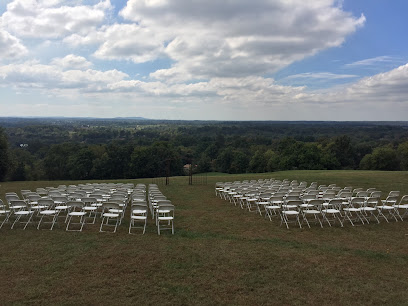
Historic Bell Hill Wedding Venue
9.8 km
A historic Southern Illinois wedding venue with panoramic views, offering a unique and romantic setting for unforgettable celebrations.
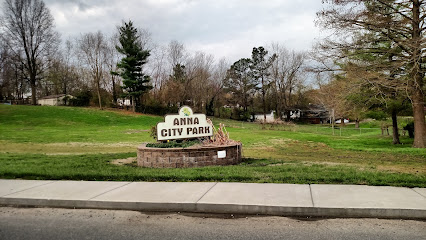
Anna City Park
10.4 km
A vibrant community park in Anna, IL, offering diverse recreational activities, sports facilities, and event spaces for all ages.
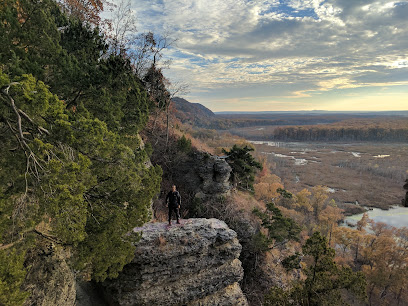
Inspiration Point Trailhead
12.2 km
Hike to breathtaking panoramic views of the Mississippi River Valley from atop limestone cliffs in Shawnee National Forest near Wolf Lake, Illinois.
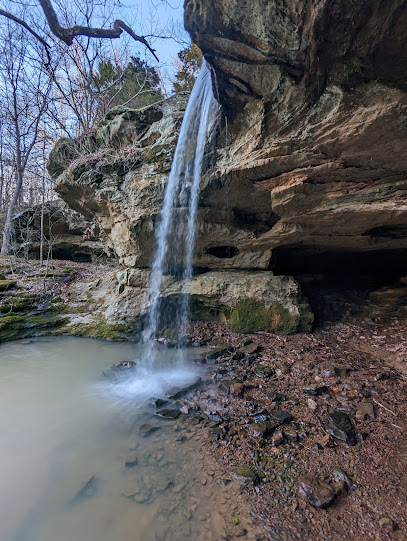
Red Cedar Hiking Trail - Red Cedar Falls
17.2 km
Explore the rugged beauty of Southern Illinois on this 12-mile backpacking trail through diverse landscapes and serene wilderness.
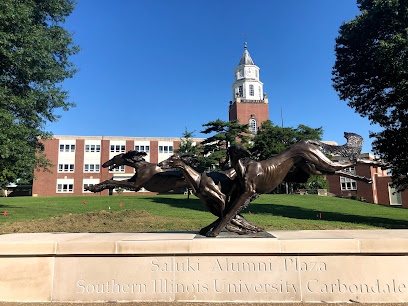
Southern Illinois University
25.5 km
Explore Southern Illinois University Carbondale: A historic campus with diverse programs, research opportunities, and a strong commitment to community engagement.
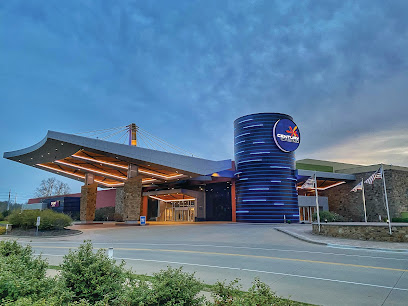
Century Casino Cape Girardeau
25.7 km
Experience thrilling games, live entertainment, and riverside dining at Century Casino Cape Girardeau, the area's premier gaming destination.
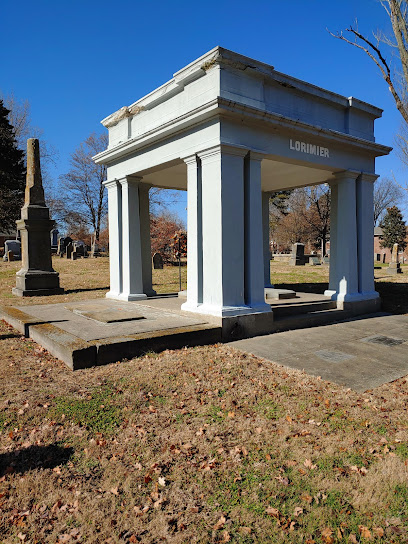
Lorimier Cemetery
26.1 km
Explore Cape Girardeau's history at Lorimier Cemetery, the city's original public burial ground established in 1808. A journey into the past.
The overlook of the Mississippi
26.3 km
Enjoy panoramic views of the Mississippi River from this historic overlook in Cape Girardeau, a charming riverfront town.
Himmelberger and Harrison Building
26.4 km
Explore the historic Himmelberger and Harrison Building in Cape Girardeau, a landmark of early 20th-century architecture and commercial heritage.
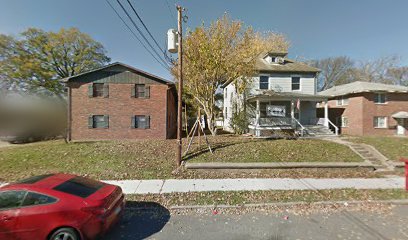
Riverfront park
26.5 km
Experience the beauty and history of the Mississippi River at Cape Girardeau's scenic Riverfront Park.
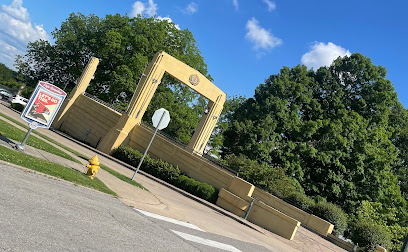
Many Good Things Brewing
26.5 km
Discover your perfect beer at Many Good Things Brewing in Cape Girardeau, MO, a craft brewery with a fun atmosphere and diverse brews.
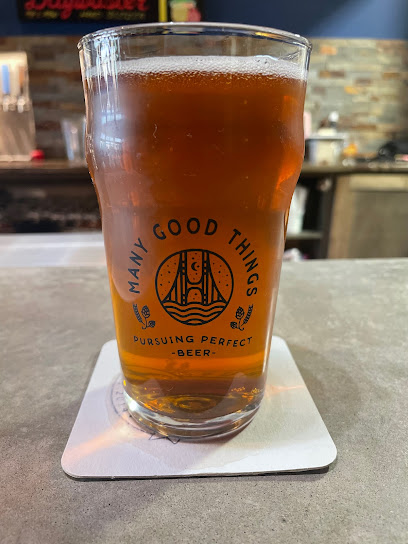
The Boulevard Local Historic District
26.5 km
Explore Cape Girardeau's Boulevard Historic District: A charming neighborhood showcasing early 20th-century architecture and rich history.
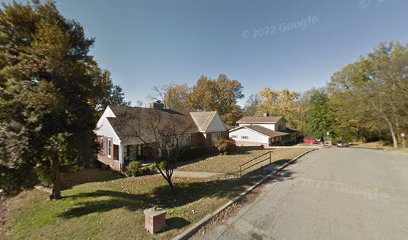
Minglewood Brewery
26.5 km
Experience craft beer and artisan pizza in a historic downtown Cape Girardeau brewpub. A local favorite with a rotating tap list and friendly vibe.
Unmissable attractions to see

Bald Knob Cross of Peace
5.6 km
Discover the serene beauty and spiritual significance of Bald Knob Cross of Peace in Alto Pass, Illinois—a must-visit scenic spot for travelers.
Bald Knob Wilderness
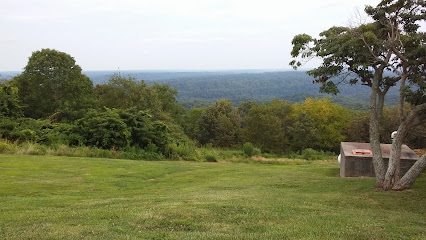
6.1 km
Explore the tranquil Bald Knob Wilderness, a picturesque park in Alto Pass, Illinois, known for its stunning Ozark terrain and abundant wildlife.
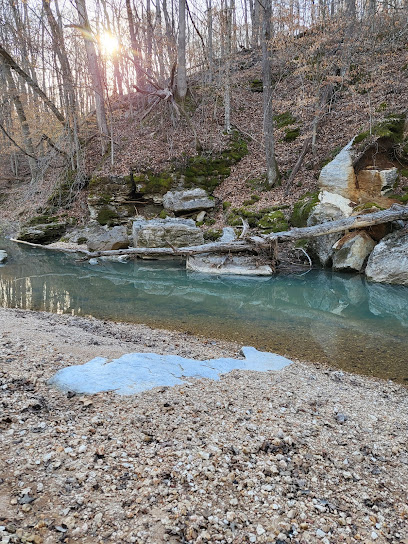
Peachbarn Winery & Café
7.8 km
Experience the delightful blend of exquisite wines and local cuisine at Peachbarn Winery & Café in Alto Pass, Illinois.
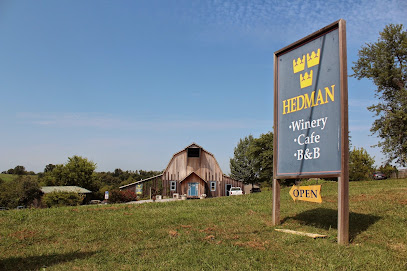
Cliff View Park
8.0 km
Discover the natural beauty of Cliff View Park in Alto Pass, Illinois, with stunning views and serene hiking trails perfect for all nature lovers.
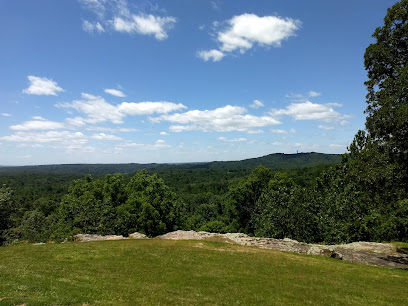
Larue-Pine Hills National Natural Landmark
10.9 km
Explore the breathtaking landscapes and diverse wildlife at Larue-Pine Hills National Natural Landmark, a serene nature preserve perfect for all outdoor enthusiasts.
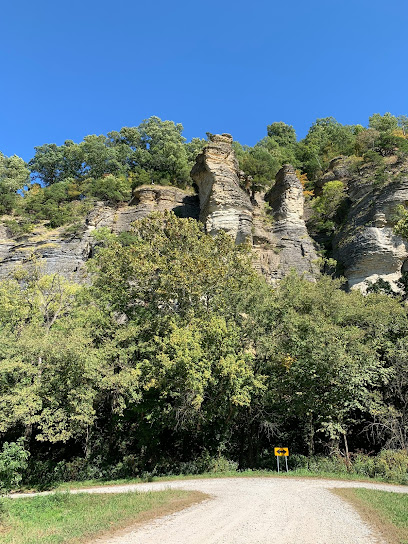
Shawnee National Forest
13.4 km
Discover the natural beauty of Shawnee National Forest, a premier destination for outdoor adventures and breathtaking landscapes in Illinois.

Feather Hills Vineyard and Winery
13.4 km
Explore Feather Hills Vineyard and Winery in Cobden, Illinois—an enchanting destination for wine lovers and nature enthusiasts, offering exquisite wines and breathtaking views.
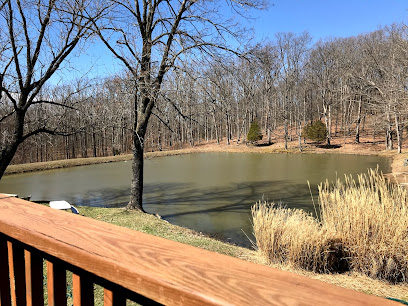
Trail of Tears State Park
13.7 km
Explore the scenic beauty and historical significance of Trail of Tears State Park, a tranquil retreat in Missouri perfect for nature lovers and history enthusiasts.
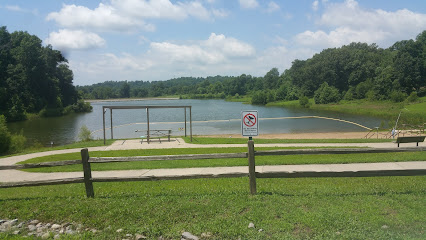
Pomona Natural Bridge
16.4 km
Explore the breathtaking Pomona Natural Bridge, a stunning natural wonder in Illinois' Shawnee National Forest offering scenic views and outdoor adventures.
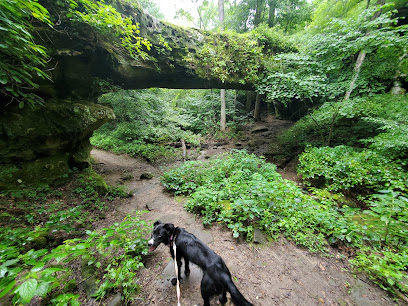
Giant City State Park Equestrian Campground and Trailhead
16.5 km
Explore the scenic beauty of Giant City State Park Equestrian Campground with horseback riding, hiking, and breathtaking landscapes in Southern Illinois.
Shawnee Hills Wine Trail
16.7 km
Explore the enchanting Shawnee Hills Wine Trail, where breathtaking scenery meets exquisite local wines in Southern Illinois.
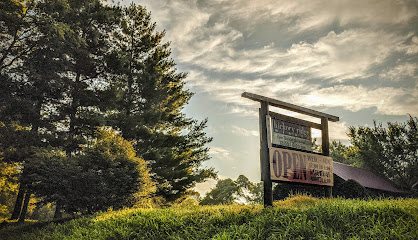
Giant City Nature Trail
17.4 km
Embark on an unforgettable adventure at Giant City Nature Trail, where stunning rock formations and lush trails await your exploration.
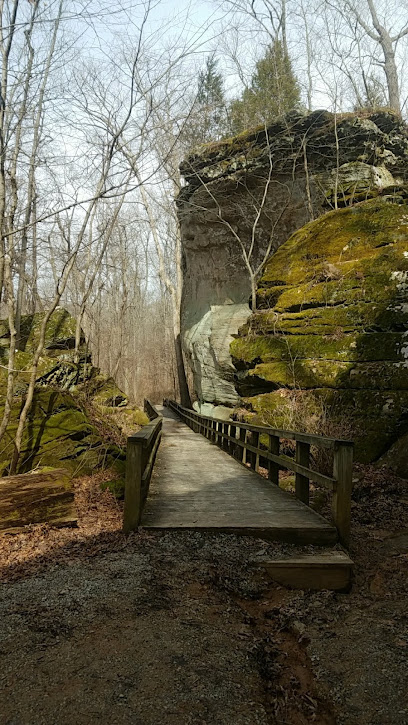
Devil’s Standtable Nature Trail
17.4 km
Devil's Standtable Nature Trail in Makanda, IL offers breathtaking views, diverse ecosystems, and a perfect escape for hiking enthusiasts and nature lovers alike.
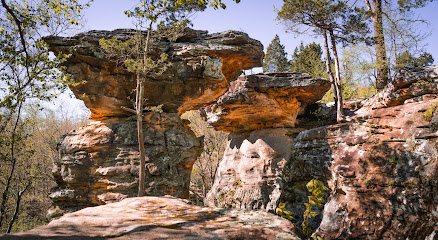
Giant City State Park Lodge & Restaurant
17.6 km
Experience the unique charm of Giant City State Park Lodge & Restaurant, where rustic hospitality meets the beauty of the great outdoors in Southern Illinois.
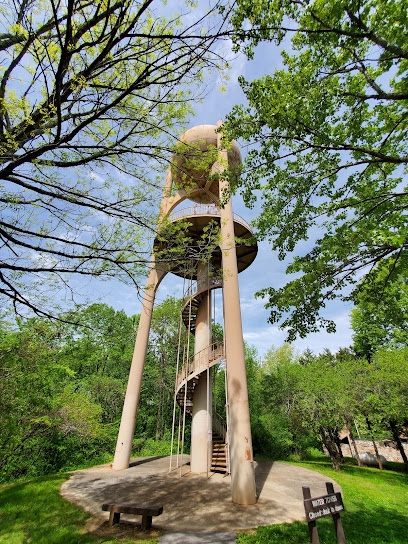
Visions
17.8 km
Explore Visions, a vibrant art gallery in Makanda, Illinois, showcasing unique local talent and captivating artwork for all art lovers.
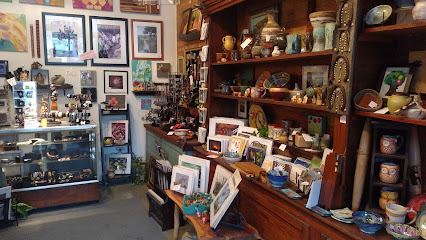
Essential places to dine

Von Jakob Winery & Brewery
11.4 km
Experience exquisite wines and craft beers at Von Jakob Winery & Brewery in Alto Pass—your destination for relaxation amidst stunning vineyard views.
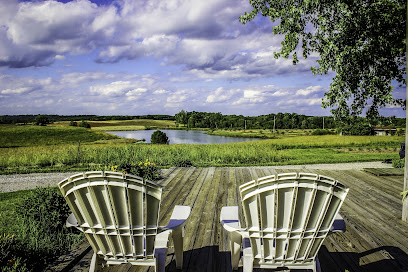
Mase's Place
19.3 km
Discover Mase's Place in Pomona for an unforgettable grilling experience filled with flavor and community spirit.
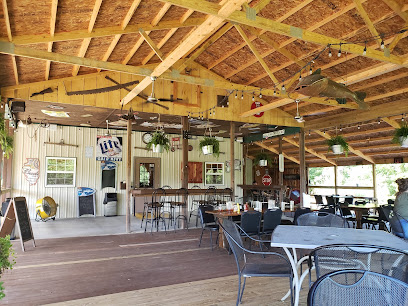
Beacon 53
25.7 km
Discover culinary excellence at Beacon 53, Cape Girardeau's premier fine dining restaurant showcasing seasonal flavors in an elegant setting.
Cafe & Me
26.0 km
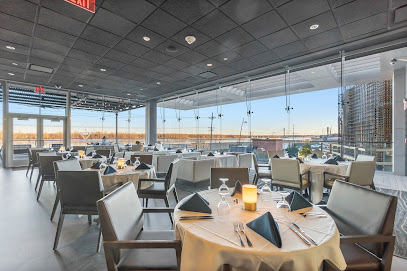
Experience authentic Thai cuisine at Cafe & Me in Cape Girardeau – where flavor meets affordability!
Pasta + Sauce
26.5 km
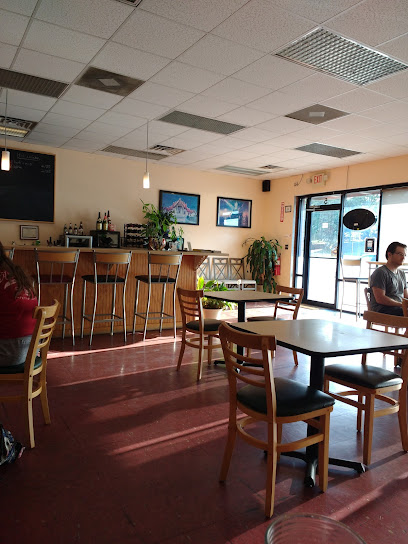
Experience the rich flavors of Italy at Pasta + Sauce in Cape Girardeau - where every dish tells a story.
Chick-fil-A
26.5 km
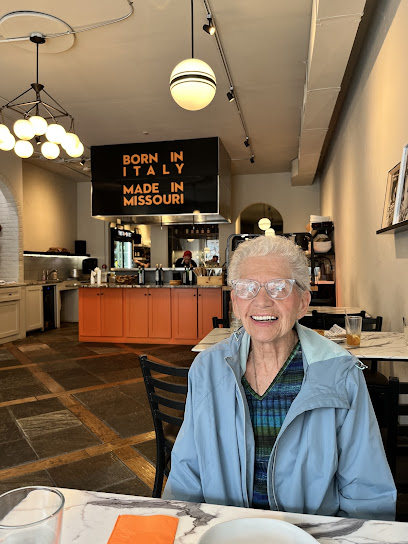
Discover delicious Southern comfort food at Chick-fil-A in Cape Girardeau – where every meal is served with warmth and hospitality.

Broussard's Cajun Cuisine
26.5 km
Savor authentic Cajun dishes at Broussard's Cajun Cuisine in Cape Girardeau—where flavor meets tradition in every bite.
Port Cape Girardeau Restaurant and Lounge
26.6 km
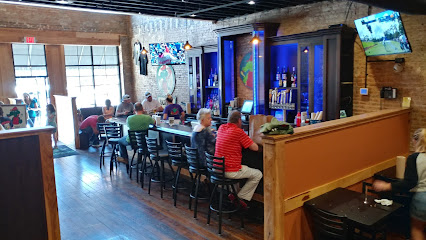
Experience delectable dining at Port Cape Girardeau Restaurant & Lounge - where local flavors meet vibrant nightlife along the Mississippi River.
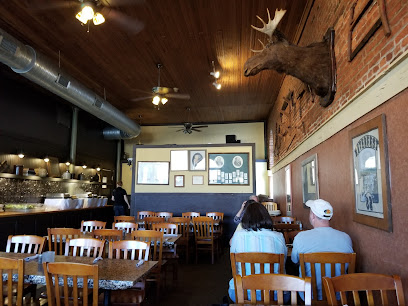
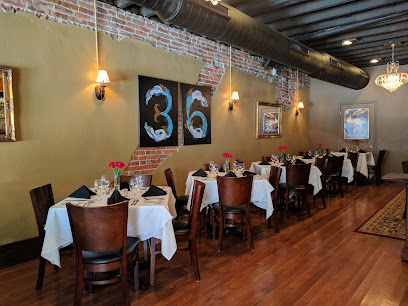
36 Restaurant & Bar
26.6 km
Indulge in fine dining at 36 Restaurant & Bar in Cape Girardeau - where every dish tells a story of culinary artistry.
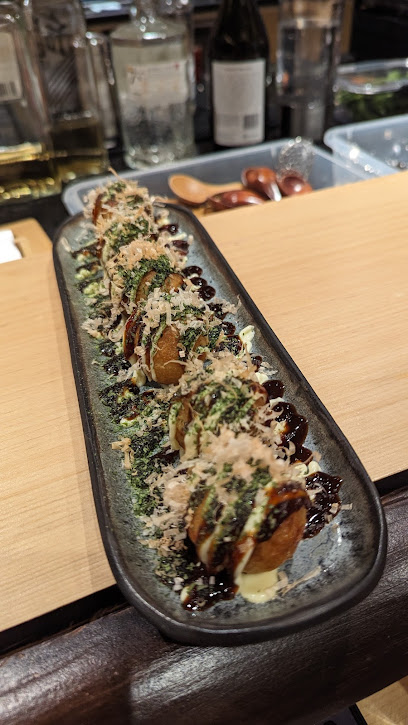
Yuzu
26.6 km
Experience the essence of Japan at Yuzu - where fresh ingredients meet authentic culinary traditions in Cape Girardeau.
Kenny's Flippin Burgers
26.7 km
Discover delicious American burgers at Kenny's Flippin Burgers in Cape Girardeau - where flavor meets fun!
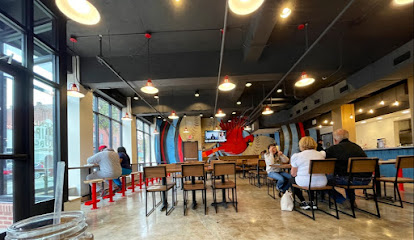
Celebrations Restaurant & Bar
26.7 km
Experience fine dining at Celebrations Restaurant & Bar in Cape Girardeau - where modern European cuisine meets exceptional service in an elegant setting.
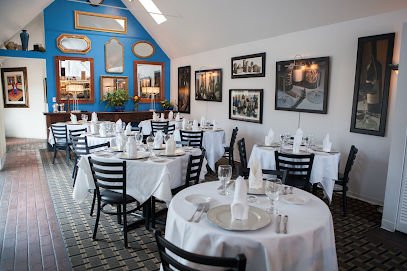
Speck Pizza
26.7 km
Experience the best pizza in Cape Girardeau at Speck Pizza, where fresh ingredients meet creative recipes for an unforgettable dining adventure.
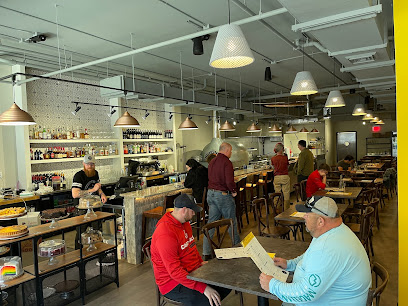
Urban Kitchen and Bar
26.7 km
Experience the best of Asian fusion at Urban Kitchen and Bar in Cape Girardeau—where every dish tells a story.

The Library
26.8 km
Experience the delightful fusion of flavors at The Library in Cape Girardeau – where great food meets a warm atmosphere.
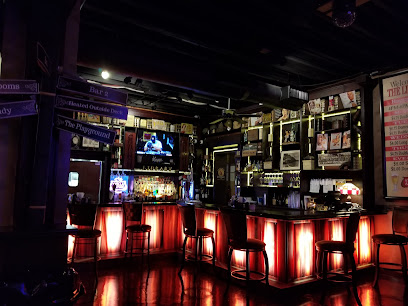
Markets, malls and hidden boutiques

Cobden Village Shops
8.9 km
Explore Cobden Village Shops for unique antiques, vintage clothing, and local handicrafts in the heart of charming Cobden, Illinois.
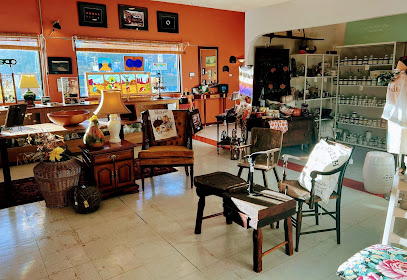
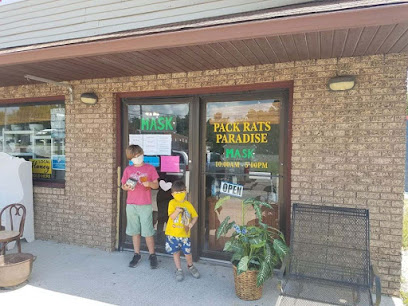
Cobden Village Shops - Packrats Paradise
8.9 km
Explore unique antiques, vintage clothing, and local art at Packrats Paradise in Cobden, Illinois - a treasure trove for every vintage enthusiast.
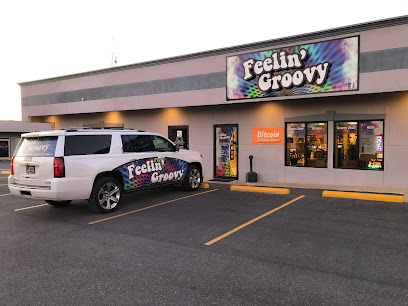
Feelin Groovy
11.0 km
Explore Feelin Groovy, a vibrant gift shop and vaporizer store in Anna, Illinois, offering unique treasures and a welcoming atmosphere for all visitors.
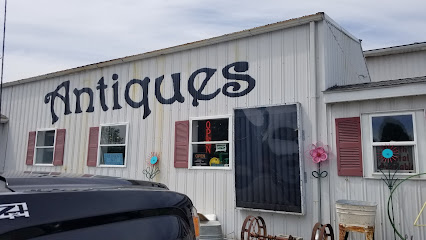
Oldies but Goodies Antiques
12.1 km
Discover vintage treasures and timeless collectibles at Oldies but Goodies Antiques in Anna, Illinois, a must-visit for every antique lover.
Rainmaker Art Studio
17.8 km
Immerse yourself in creativity at Rainmaker Art Studio in Makanda, where local artisans showcase unique art and jewelry in a vibrant atmosphere.
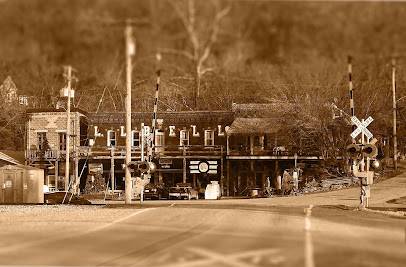
Makanda Country Store
17.8 km
Experience the tranquility of Makanda Country Store, a charming tea house offering an exquisite selection of teas in the heart of scenic Makanda, Illinois.
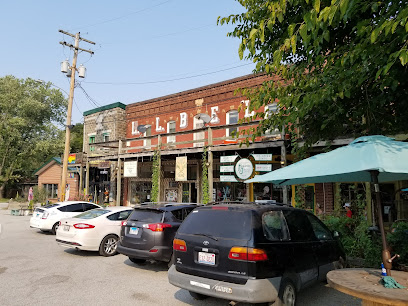
Makanda General Store
17.8 km
Experience local charm at Makanda General Store, where delicious treats and unique finds await you in the heart of Illinois.
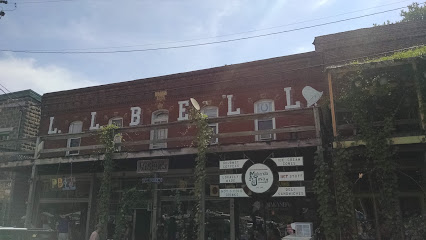
P B & J
17.8 km
Discover unique fashion treasures at P B & J in Makanda, Illinois - a charming clothing store with a local touch.
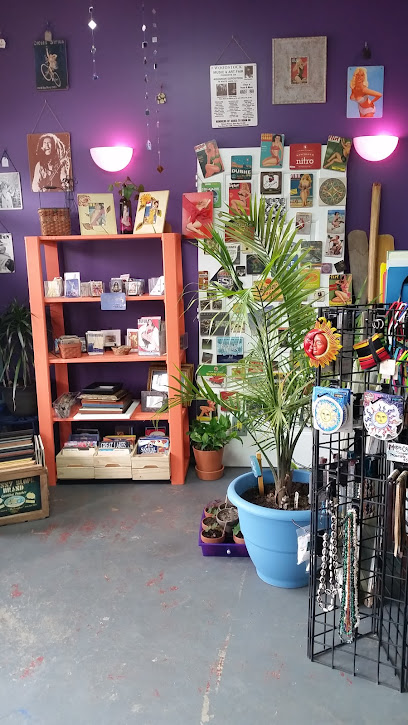
Makanda Trading Company
17.8 km
Discover the eclectic charm of Makanda Trading Company, a haven for unique gifts, jewelry, and metaphysical treasures in the heart of Illinois.
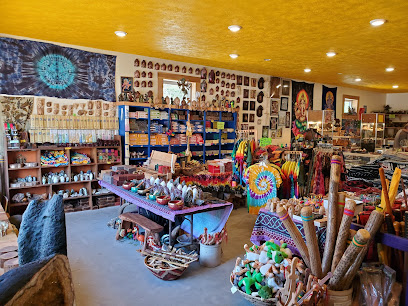
Jinny Pearl's
17.9 km
Explore Jinny Pearl's: A Vintage Junk Store in Makanda, Illinois, Offering Unique Treasures and Eclectic Finds for Every Collector.
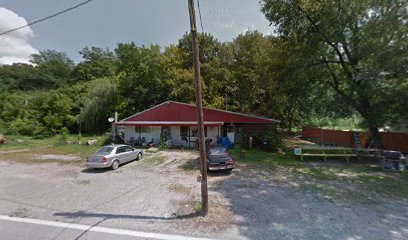
B Boutique
26.5 km
Explore B Boutique in Cape Girardeau for unique gifts and local artisan crafts that capture the spirit of Missouri.
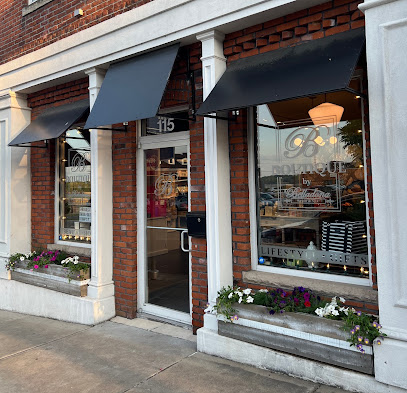
Hempies
26.5 km
Explore Hempies in Cape Girardeau - a boutique gift shop offering unique clothing, glass art, and metaphysical supplies for every taste.
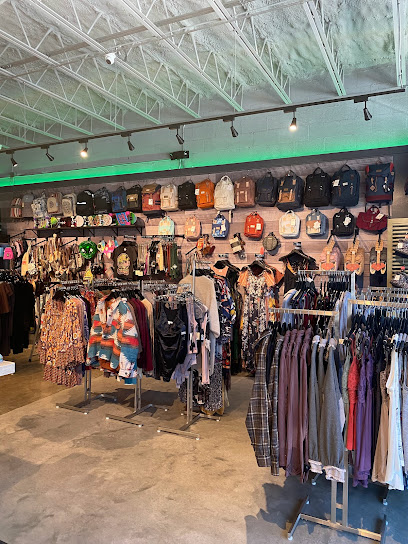
Aesthete Lifestyle Boutique
26.5 km
Explore Aesthete Lifestyle Boutique in Cape Girardeau for unique fashion finds and an unforgettable shopping experience.

Threadz and Treads
26.5 km
Explore a local treasure in Cape Girardeau, Threadz and Treads, where fashion meets creativity with unique clothing and custom screen printing.
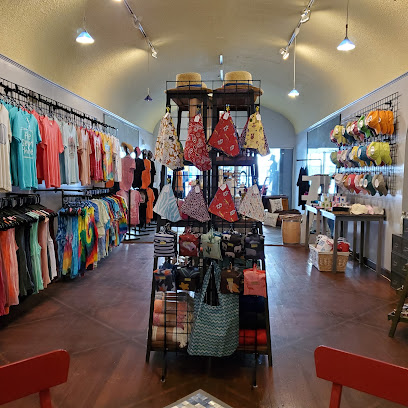
1998 Boutique
26.5 km
Explore the latest women's fashion at 1998 Boutique in Cape Girardeau, a perfect blend of style, quality, and personalized shopping experience.

Essential bars & hidden hideouts

Havisham Bourbon Bar
8.2 km
Discover the exquisite flavors and warm ambiance of Havisham Bourbon Bar in Alto Pass, Illinois - a haven for bourbon lovers and social gatherings.
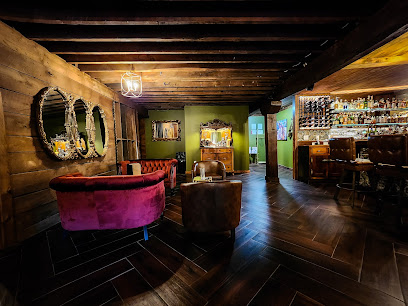
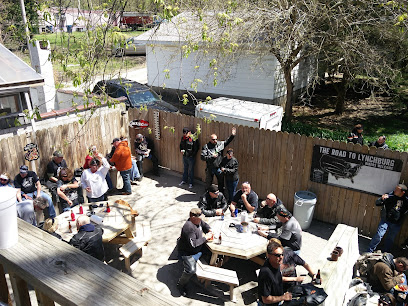
Fuzzy's Tavern
9.0 km
Discover the perfect blend of relaxation and local flavor at Fuzzy's Tavern in Cobden, Illinois, a cozy bar with a welcoming atmosphere.
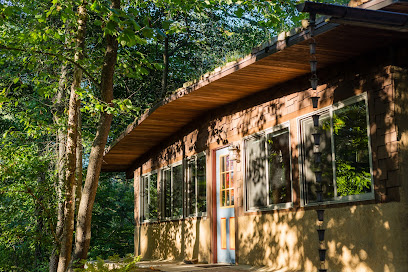
Makanda Inn
17.1 km
Experience the serene charm of Makanda Inn, where cozy accommodations meet the beauty of southern Illinois in a tranquil setting.
Giant City Lodge
17.6 km
Discover the perfect blend of comfort and nature at Giant City Lodge, your gateway to outdoor adventures in Illinois.
Social House Sprigg St.
26.5 km
Dive into Cape Girardeau's nightlife at Social House Sprigg St., where great music, delicious drinks, and vibrant energy await you.
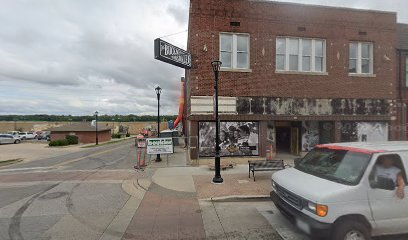
Spectrum Record Lounge
26.5 km
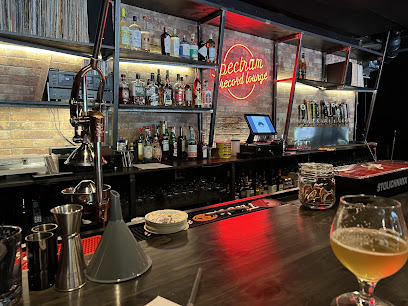
Experience the vibrant blend of music and relaxation at Spectrum Record Lounge, Cape Girardeau's premier bar for vinyl lovers and social gatherings.
Rude Dog Pub
26.5 km
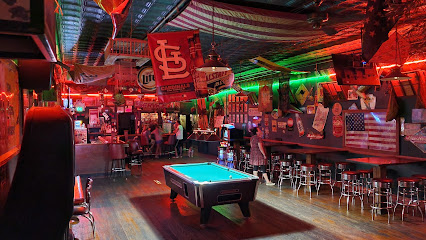
Discover the vibrant nightlife at Rude Dog Pub in Cape Girardeau, a lively bar and nightclub perfect for enjoying live music and great drinks.
Blue Diamond Sports Bar
26.6 km
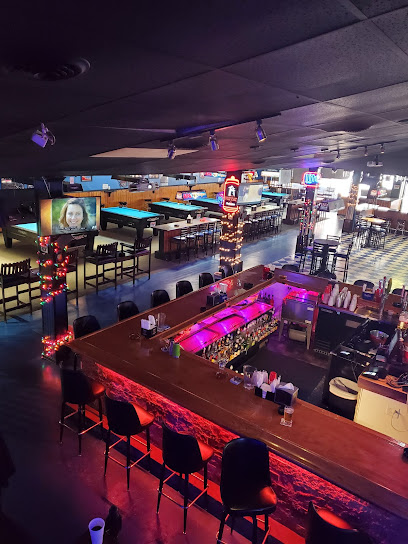
Join the excitement at Blue Diamond Sports Bar in Cape Girardeau, where sports, games, and great company come together for an unforgettable experience.
Blush Ultra Lounge
26.6 km
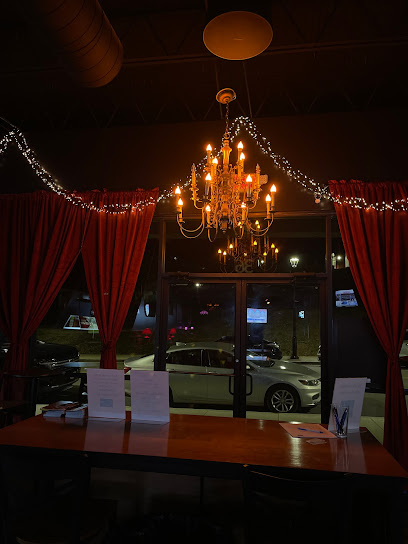
Experience the vibrant nightlife at Blush Ultra Lounge, Cape Girardeau's premier bar with great drinks, music, and a lively atmosphere.
Harbaugh's Cafe
26.8 km
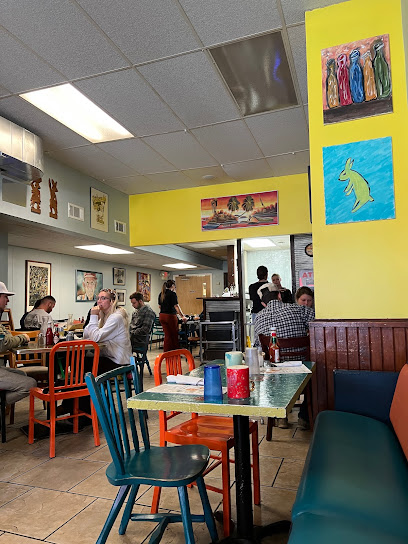
Discover Harbaugh's Cafe, Carbondale's charming spot for delightful breakfasts and aromatic coffee in a cozy atmosphere.
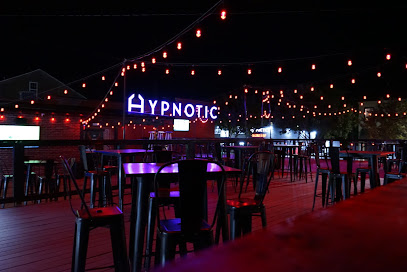
Hypnotic Bar & Nightclub
26.8 km
Discover the electrifying nightlife of Hypnotic Bar & Nightclub in Cape Girardeau, MO, where music, dancing, and great drinks unite for an unforgettable experience.
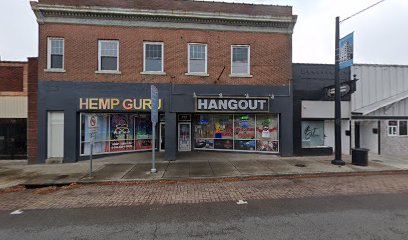
The Hangout
26.9 km
Experience the vibrant nightlife at The Hangout, Cape Girardeau's top bar for great drinks and live music.
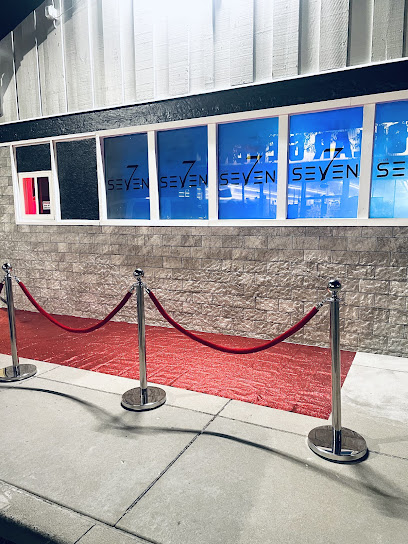
Club Seven 7
26.9 km
Dive into the exhilarating nightlife of Cape Girardeau at Club Seven 7, where every night is a celebration of music and dance.
D'Ladium's Sports Bar
27.0 km
Discover the ultimate sports bar experience at D'Ladium's in Cape Girardeau, where great food, drinks, and live sports come together!
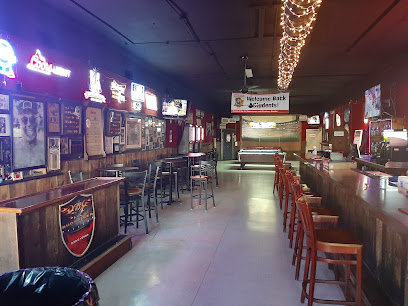
Quatro's Deep Pan Pizza
27.0 km
Experience the best deep-dish pizza in Carbondale at Quatro's Deep Pan Pizza, where family dining meets Italian culinary tradition.
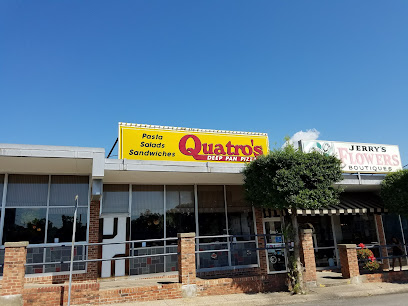
Nightclubs & after hour spots

The Hangar 9
27.2 km
Discover the lively nightlife and vibrant music scene at The Hangar 9, Carbondale's top spot for unforgettable entertainment experiences.
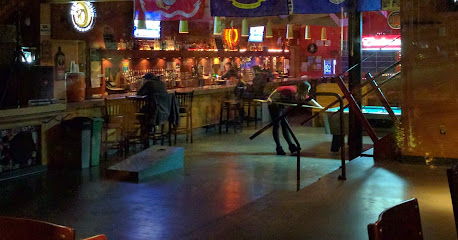
Club 13
27.3 km
Discover the lively atmosphere and exciting events at Club 13, Carbondale's premier event venue for unforgettable nightlife experiences.
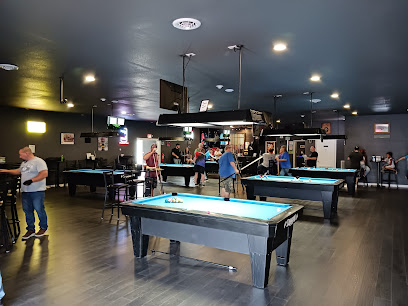
Linemen's Lounge
51.0 km
Visit Linemen's Lounge in Johnston City for a friendly bar atmosphere, great drinks, and lively events that capture the essence of local culture.
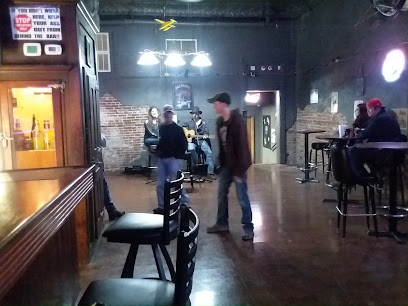
Night Moves
74.3 km
Discover the vibrant nightlife of Paducah at Night Moves, where great drinks and lively ambiance await every visitor.
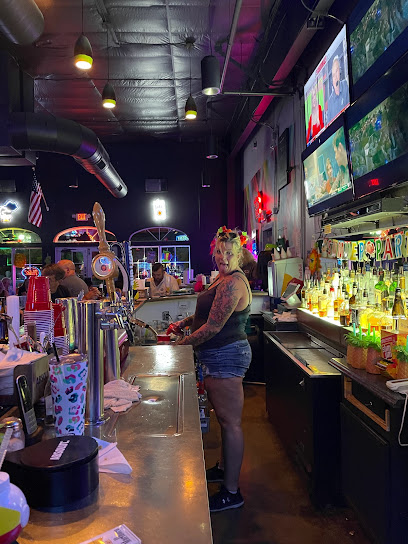
NY Lounge
78.3 km
Discover NY Lounge in Paducah, a lively venue offering delicious pizzas, refreshing drinks, and an unforgettable nightlife experience.
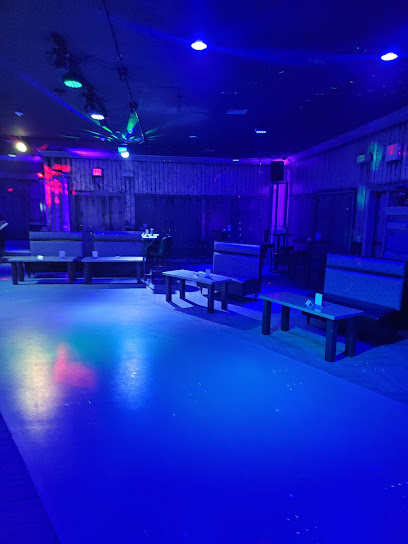
River City Eagles
78.3 km
Discover the lively nightlife at River City Eagles in Paducah, KY – where great music, drinks, and unforgettable memories await.
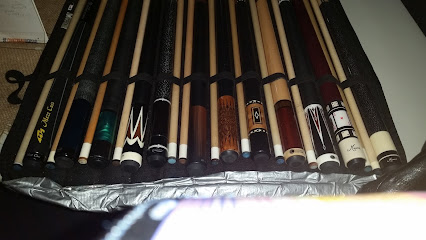
Brickhouse Discotheque
79.5 km
Discover the heart of Paducah's nightlife at Brickhouse Discotheque, a vibrant night club and bar offering unforgettable music and drinks.
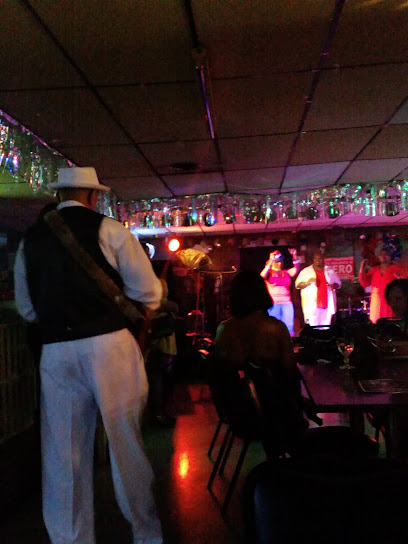
Silver Bullet
80.8 km
Discover the lively ambiance of Silver Bullet Bar in Paducah, Kentucky—your go-to destination for affordable drinks and good company.
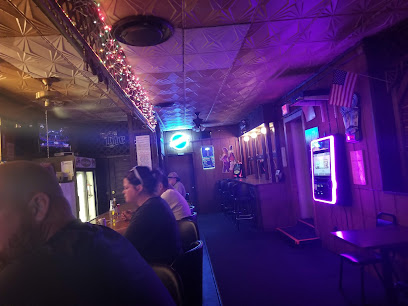
The Bully Gorilla Bar
80.9 km
Experience the vibrant nightlife of Paducah at The Bully Gorilla Bar, renowned for its creative cocktails and inviting atmosphere.
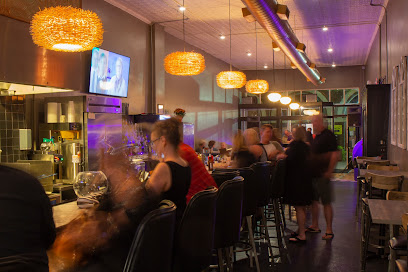
Incognito Gentlemen's Club
85.6 km
Discover the electrifying nightlife at Incognito Gentlemen's Club in Paducah, Kentucky - a premier destination for entertainment and fun.
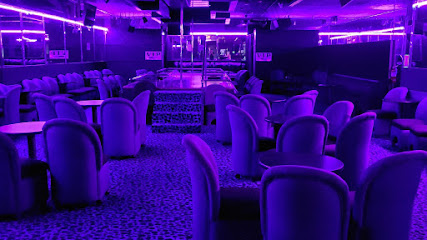
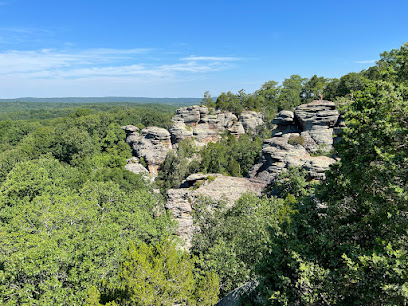
Garden of the Gods
85.7 km
Discover the stunning rock formations and breathtaking views of the Garden of the Gods, a top hiking destination in southern Illinois.
Driftwood Lounge
85.8 km
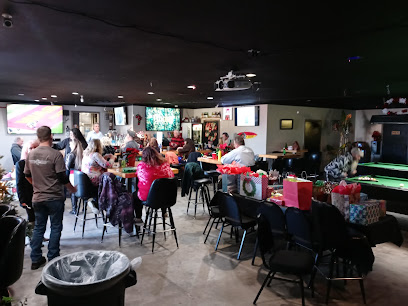
Discover Driftwood Lounge in Paducah, KY: A lively grill and bar offering delicious food, refreshing drinks, and unforgettable live music experiences.
Garden of the Gods Outpost
87.1 km
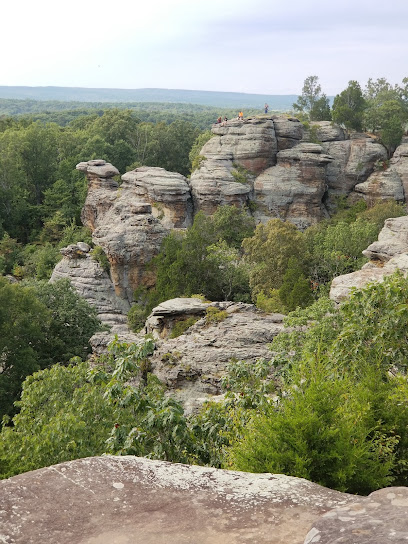
Discover the breathtaking beauty of Garden of the Gods Outpost in Southern Illinois, where stunning landscapes and outdoor adventures await every traveler.
Showtime
87.1 km
Discover the dynamic nightlife of Showtime, a premier bar in Paducah, Kentucky, perfect for drinks, entertainment, and unforgettable memories.
Rumpshakers
87.1 km
Discover the vibrant nightlife at Rumpshakers, Paducah's ultimate night club for dancing, music, and unforgettable experiences.