

Alleppey Travel Guide - Free Web & App
Your ultimate guide to Alleppey. Discover top landmarks, proposed trips, and local tips. Free on the web or via the Evendo companion app.


Alleppey, India, pairs Kerala backwaters, houseboat cruises, paddy fields, beaches and coir heritage with slow, immersive travel and village life.
Waterways and Wetlands
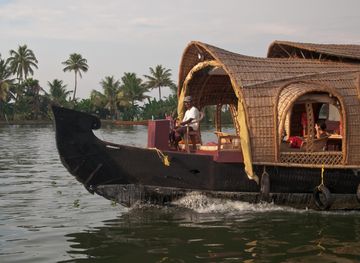
Alleppey, officially known as Alappuzha, lies on Kerala’s Arabian Sea coast between Kochi and Kollam. It is best understood not as a single waterfront attraction but as a low-lying network of lagoons, lakes, canals and rivers extending through the surrounding Kuttanad region. Water shapes everyday life here: narrow channels pass paddy fields, villages, churches, temples, toddy shops and homes reached by boat, while wider stretches of Vembanad Lake open into broad horizons. Traditional kettuvallam houseboats, adapted from rice barges, provide one of the most recognisable ways to experience this landscape, although canoeing and short local boat journeys offer a closer view of canal-side life.Read more about Alleppey
Alleppey and Its Setting
Culture, Craft and Slow Exploration
When is the best time to visit Alleppey?
Best: December–February · 32–33°C| Month | High (°C) | Rainfall (mm) |
|---|---|---|
| January (best) | 32 | 1 |
| February (best) | 33 | 1 |
| March | 34 | 1 |
| April | 35 | 2 |
| May | 34 | 500 |
| June | 33 | 800 |
| July | 32 | 800 |
| August | 32 | 700 |
| September | 33 | 500 |
| October | 33 | 500 |
| November | 32 | 300 |
| December (best) | 32 | 1 |
Getting to and around Alleppey
How to get there
Transportation
Best attractions in Alleppey
Alappuzha’s attractions are spread between the historic town, the coast and the inland waterways. Punnamada Lake is associated with the Nehru Trophy Boat Race and provides an expansive setting for boat journeys, while the narrow canals around Kuttanad reveal paddy fields, coconut palms, churches, temples and daily village traffic at close range. A houseboat offers a slow passage through broader backwater channels, whereas a canoe or small boat can reach quieter waterways and smaller settlements. Alappuzha Beach brings an Arabian Sea perspective, with its broad shoreline and old pier, and the nearby Vijay Beach Park provides a modest recreational setting. The town’s canal network, coir-related businesses and local markets help explain its commercial history. Visitors may also explore the Ambalappuzha area, known for the Sri Krishna Temple and its association with the sweet rice pudding palpayasam, though this lies outside central Alappuzha and should be treated as a nearby excursion.
-
Beach
Alappuzha Beach
Discover Alappuzha Beach: a historic Kerala gem with serene shores, a vintage pier, and stunning sunset views on the Arabian Sea.
-
Tourist attraction
Mullakkal Rajarajeswari Temple
Discover the divine at Mullakkal Rajarajeswari Temple in Alleppey, a 500-year-old spiritual haven with unique Kerala architecture and vibrant festivals.
-
Tourist attraction
Amaze World (Vijay Park Alappuzha)
Discover family fun at Amaze World Alappuzha: thrilling rides, scenic views, and tasty treats await by the beach!
-
Tourist attraction
Revi Karunakaran Memorial Museum
Discover a world of art and heritage at the Revi Karunakaran Memorial Museum in Alappuzha, showcasing exquisite crystals, ivory, and more.


Best landmarks in Alleppey
Vembanad Lake is Alleppey’s defining natural landmark, a large backwater expanse whose shores support fishing, transport, settlements and the water-managed paddy fields of Kuttanad. Punnamada Lake, a connected stretch of the backwater system, is the setting for the Nehru Trophy Boat Race and its long snake boats. Alappuzha Beach marks the meeting of town and Arabian Sea, with a historic pier extending from the shore. The town’s canals are landmarks of planning and commerce as well as waterways, reflecting the port economy that shaped Alappuzha. Inland, the paddy fields and embankments of Kuttanad demonstrate how farming communities have adapted low-lying land to cultivation. The Sri Krishna Temple at Ambalappuzha is a significant nearby religious landmark, while coir workshops and traditional boat forms represent the area’s material and working heritage.
-
Tourist attraction
Alleppey Beach
Experience the allure of Alleppey Beach: golden sands, historic pier, and mesmerizing sunsets on Kerala's captivating coast.
-
Tourist attraction
Alappuzha Light House
Explore Alappuzha's historic lighthouse: a beacon of maritime history with panoramic views of the Arabian Sea and Kerala's stunning coastline.
-
Museum
Revi Karunakaran Memorial Museum
Discover a world of art and heritage at the Revi Karunakaran Memorial Museum in Alappuzha, showcasing diverse collections of crystals, ivory, and paintings.
-
Bridge
Kadal Palam
Explore Kadal Palam, Alappuzha's historic sea bridge: a nostalgic landmark with stunning views, offering a glimpse into Kerala's maritime heritage.


Explore Alleppey on the map
Plan your trip on one map. See where the top attractions, landmarks, restaurants and hotels are, and book hotels and experiences in a few clicks.
Best hotels in Alleppey
Best restaurants in Alleppey
Dining in Alleppey reflects Kerala’s coastal and agrarian setting, with rice, coconut, vegetables, fish and seafood appearing across local cooking. Town restaurants and modest hotels commonly serve Kerala meals on banana leaf or plate, alongside dishes such as appam with stew, puttu, parotta, fish curry and preparations using pearl spot, locally called karimeen, where available. Fresh seafood is more readily found in the town and established visitor areas than in remote canal villages, while houseboats usually provide meals arranged in advance, often with regional flavours. Tea shops, bakeries and small eateries offer practical stops during town visits, and toddy shops form part of Kerala’s traditional food culture, subject to local licensing and opening arrangements. Visitors staying in backwater villages should expect fewer independent dining choices and may rely on their accommodation or boat kitchen.
-
Indian
Halais Restaurant
Experience the authentic taste of India at Halais Restaurant in Alappuzha, offering diverse halal options and delightful local specialties.
-
Vegetarian
Madras Veg Tables Vegetarian Restaurant
Experience authentic vegetarian cuisine at Madras Veg Tables in Alappuzha - A paradise for food lovers with diverse flavors and cozy ambiance.
-
Keralan
THAFF Delicacy Restaurant YMCA Alappuzha
Experience authentic Keralan flavors blended with Chinese cuisine at THAFF Delicacy Restaurant in Alappuzha.
-
Restaurant
BayRoute Bistro
Experience exquisite dining at BayRoute Bistro in Alappuzha - where local flavors meet global cuisine in an inviting atmosphere.


Best bars in Alleppey
Alleppey is not a major nightlife destination, and evening life is generally quieter than in Kerala’s larger cities or resort centres. The town has licensed hotel bars and local restaurants where visitors can spend the evening, while traditional toddy shops offer a distinctly regional setting where permitted and appropriate. Around the backwaters, the atmosphere after sunset is shaped more by still canals, boat lighting and village sounds than by entertainment venues; houseboat operators normally follow rules concerning movement and overnight mooring. Live cultural performances may appear during festivals or at selected hotels, but availability changes. Visitors seeking a broad choice of bars or late-night venues would find more urban options in Kochi, outside the destination.
-
Bar
THE HARBOUR Bar & Beer Parlour, Alappuzha
Discover the lively atmosphere and delicious offerings at THE HARBOUR Bar & Beer Parlour in the heart of Alappuzha, Kerala.
-
Bar
Bevco
Discover the vibrant nightlife at Bevco, a top bar and liquor shop in Alappuzha, Kerala, offering a wide selection of beverages in a lively atmosphere.
-
Cafe
Qainaat The Rooftop
Experience the flavors of North India amidst stunning views at Qainaat The Rooftop in Alappuzha, Kerala.
-
Wine bar
Panoramic Beer & Wine Parlour
Discover the vibrant ambiance and extensive drink selection at Panoramic Beer & Wine Parlour in Alappuzha, a must-visit for wine and beer enthusiasts.


Best nightclubs in Alleppey
Alleppey is not a major nightlife destination, and evening life is generally quieter than in Kerala’s larger cities or resort centres. The town has licensed hotel bars and local restaurants where visitors can spend the evening, while traditional toddy shops offer a distinctly regional setting where permitted and appropriate. Around the backwaters, the atmosphere after sunset is shaped more by still canals, boat lighting and village sounds than by entertainment venues; houseboat operators normally follow rules concerning movement and overnight mooring. Live cultural performances may appear during festivals or at selected hotels, but availability changes. Visitors seeking a broad choice of bars or late-night venues would find more urban options in Kochi, outside the destination.
-
Association / Organization
Rotary Club of Alleppey East,Velimparambu Rd,Chathanadu ward, Alleppey
Experience the vibrant nightlife and community spirit at the Rotary Club of Alleppey East, where entertainment meets philanthropy.
-
Night club
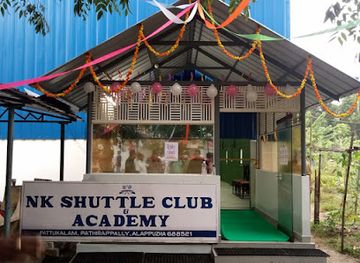
NKS Shuttle Club
Immerse yourself in the vibrant nightlife of Alappuzha at NKS Shuttle Club, where music, drinks, and unforgettable experiences await.
-
 Night club
United Kairali
Unleash your spirit at United Kairali, Alappuzha's premier night club, where vibrant music and lively atmosphere create unforgettable nights.
-
Night club
ബീച്ച് സംരക്ഷണ സമിതി.Alappuzha Beach
Discover the stunning Alappuzha Beach, a serene paradise in Kerala known for its picturesque views, vibrant culture, and unique backwater experiences.


Best shops in Alleppey
Shopping in Alleppey is centred on practical town markets, small independent shops and products associated with Kerala’s coconut culture rather than a large specialist retail district. Coir mats, baskets, rope goods and household articles are among the region’s characteristic purchases, with quality and design varying between workshops and shops. Visitors can also find Kerala spices, tea, coconut-based products, snacks, textiles, handicrafts and souvenirs in Alappuzha’s commercial areas. Markets are useful for observing everyday trade in fruit, vegetables, fish and household goods, although they are working spaces rather than curated tourist attractions. Backwater villages have limited retail facilities, so those staying on boats or in rural accommodation should buy essentials in town. Ask about materials and production methods when purchasing craft goods, particularly where products are described as handmade or locally made.
-
Electronics store
QRS Retail Limited
Discover the latest in electronics at QRS Retail Limited in Alappuzha, Kerala – your go-to destination for cutting-edge technology and top brands.
-
Clothing store
Zudio | Alappuzha
Explore Zudio in Alappuzha for trendy and affordable clothing that suits every style and occasion.
-
Gift shop
Premier Enterprises - Supermarket
Discover the vibrant local culture at Premier Enterprises in Alappuzha, your go-to supermarket for groceries, fresh produce, and unique gifts.
-
Women's clothing store
Kathys clothing store -Alappuzha
Discover unique women's and baby clothing at Kathy's Clothing Store in Alappuzha, where fashion meets quality and exceptional service.


Get your free copy of our complete guide to Alleppey, delivered straight to you.
Everything on this page, from attractions and restaurants to essentials and local phrases, in one PDF you can read offline, print or share.
Already have an account? Sign in
Your Alleppey guide is ready.
We'll send it to · Not you? Sign out

Getting your guide ready…
We are putting together a fresh copy of the Alleppey guide. This can take up to a minute.
This can take a few moments. If your browser asks, choose Allow so the download can start. You'll find the guide in your Downloads folder.
Nothing happened? Download it again
Sorry, the guide is taking longer than usual. Please try again in a minute, or get it by email instead.
Alleppey essentials
Currency and Payment
Safety
Emergency Situations
Do's and Don'ts
Local Tips
From Eve
Local phrases worth knowing
You don't need to get them perfect. A few words go a long way, and locals appreciate the effort.
Basics
| English | Local | Say it |
|---|---|---|
| Hello | ഹലോ | [halō] |
| Goodbye | ബൈ | [bai] |
| Yes | അതെ | [athē] |
| No | ഇല്ല | [illa] |
| Please/You're welcome | ദയവായി | [dayavāyi] |
| Thank you | നന്ദി | [nandi] |
| Excuse me/Sorry | ക്ഷമിക്കണം | [kṣamikkaṇaṁ] |
| How are you? | സുഖമാണോ? | [sukhamāṇō?] |
| Fine. And you? | സുഖമാണ്. നീ? | [sukhamāṇ. nī?] |
| Do you speak English? | നിനക്ക് ഇംഗ്ലീഷ് പറഞ്ഞാലോ? | [ninakku iṁglīṣ paraṇṇālō?] |
| I don't understand | ഞാൻ പരവുകയില്ല | [ñān paravukayilla] |
Eating & Drinking
| English | Local | Say it |
|---|---|---|
| I'd like to see the menu, please | മെനു കാണാനും ആവശ്യപ്പെടുക | [menu kāṇānūṁ āvaśyappetuḍuka] |
| I don't eat meat | ഞാൻ പാനീയം കഴിക്കുന്നില്ല | [ñān pānīyaṁ kaḻikkunnilla] |
| Cheers! | ചീര്സ്! | [cīrs] |
| I would like to pay, please | ദയവായി പണം നൽകുന്നില്ല | [dayavāyi paṇaṁ naḷkunnilla] |
Emergencies
| English | Local | Say it |
|---|---|---|
| Help! | സഹായം! | [sahāyaṁ] |
| Go away! | പോയി! | [pōyi] |
| Call the Police! | പോലീസ് വിളിക്കുക! | [pōlīs viḷikkuka] |
| Call a doctor! | ഡോക്ടർ വിളിക്കുക! | [ḍōkṭar viḷikkuka] |
| I'm lost | ഞാൻ പത്തിച്ചു | [ñān patticcu] |
| I'm ill | ഞാൻ രോഗിയാണ് | [ñān rōgiyāṇu] |
Shopping
| English | Local | Say it |
|---|---|---|
| I'd like to buy... | ഞാൻ ... വാങ്ങണം | [ñān ... vāṅṅaṇaṁ] |
| I'm just looking | ഞാൻ മാത്രം കാണാം | [ñān mātraṁ kāṇāṁ] |
| How much is it? | അത് എത്ര? | [athu etra?] |
| That's too expensive | അത് വലുതാണ് | [athu valuṭāṇu] |
| Can you lower the price? | നിങ്ങൾ വില താഴ്ക്കാംകോ? | [niṅṅaḷ vila tāḻkkaṁkō?] |
Time & Numbers
| English | Local | Say it |
|---|---|---|
| What time is it? | എന്തു സമയം? | [entu samayaṁ?] |
| It's one o'clock | ഒന്നു മണി | [onna maṇi] |
| Half past (10) | പത്ത് അര്ധം | [pattu ardaṁ] |
| Morning | രാവിലെ | [rāvile] |
| Afternoon | ഉച്ചയ്ക്ക് | [uccaykku] |
| Evening | സായമയ്ക്ക് | [sāyamaykku] |
| Yesterday | ഇന്നലെ | [innale] |
| Today | ഇന്ന് | [innu] |
| Tomorrow | നാളെ | [nāḷe] |
| 1 | ഒന്ന് | [onnu] |
| 2 | രണ്ട് | [raṇḍ] |
| 3 | മൂന്ന് | [mūnṇ] |
| 4 | നാല് | [nāl] |
| 5 | അഞ്ച് | [añc] |
| 6 | ആറ് | [āṟ] |
| 7 | ഏഴ് | [ēḻ] |
| 8 | എട്ട് | [eṭṭ] |
| 9 | ഒമ്പത് | [ombat] |
| 10 | പത്ത് | [pattu] |
Transport & Directions
| English | Local | Say it |
|---|---|---|
| Where's a/the...? | ... എവിടെ? | [... eviṭe?] |
| What's the address? | വിലാസം എന്താ? | [vilāsaṁ entā?] |
| Can you show me (on the map)? | നിനക്ക് (മാപ്പിലും) കാണിക്കാംകോ? | [ninakku (māppiluṁ) kāṇikkāṁkō?] |
| When's the next (bus)? | അടുത്തത് (ബസ്സിൽ) എപ്പോ? | [aṭutat (bassisil) eppō?] |
| A ticket (to ....) | ഒരു ടിക്കറ്റ് (.... വരെ) | [oru ṭikkaṟṟ (.... vare)] |
History of Alleppey
A Coast Shaped by Water
Alappuzha’s physical character developed through the interaction of the Arabian Sea, coastal lagoons, rivers and reclaimed lowlands. The neighbouring Kuttanad region contains extensive paddy fields formed and maintained through embankments and water management, including cultivation in areas lying below sea level. This landscape is not simply a natural lake system: generations of engineering, farming and settlement have shaped the relationship between land and water. Canals became both transport routes and agricultural infrastructure, allowing goods and people to move between inland villages, the coast and larger markets.
The Port and Travancore
Alappuzha grew as a planned port town in the eighteenth century under Raja Kesava Das, the able administrator of Travancore ruler Marthanda Varma. Its canals and location on the coast helped develop trade in rice, coir, coconut products and other regional goods, offering Travancore a maritime outlet that complemented older ports. Warehouses, commercial activity and waterways gave the settlement an economic identity distinct from the agrarian villages around it. The historic trading landscape survives more clearly in the town’s canals and industrial traditions than in a single monumental quarter.
Coir and Industrial Alappuzha
The processing of coconut husk into coir became one of Alappuzha’s defining industries. Coir fibre was used for rope, mats and related products, while manufacturing and export connected local labour and raw materials to wider markets. The industry supported a substantial working population and helped establish the town’s reputation as a centre of coir production. Its history is also associated with labour organisation and social change in Kerala, including the broader political traditions of the region. Coir remains visible today through products, workshops and small businesses, even though the sector has changed with mechanisation and modern trade.
Boat Transport and Local Life
Before modern roads became dominant, the backwaters were the principal transport network for many communities in and around Alappuzha. Canoes, ferries and cargo boats connected markets, schools, places of worship and agricultural areas, while rice barges carried produce through the canals. The kettuvallam, traditionally a cargo vessel made from joined wooden planks, was later adapted for tourism as a houseboat. This transformation brought a new visitor economy to the waterways, but boats remain part of everyday transport and working life rather than being solely tourist symbols.
Tourism and Environmental Stewardship
Backwater tourism expanded significantly from the late twentieth century, turning houseboat journeys into one of Kerala’s best-known visitor experiences. Tourism has brought employment and investment but has also increased pressure on the waterways through waste, fuel use, congestion and disturbance to local communities. Alappuzha’s contemporary identity therefore combines hospitality with the need to protect canals, wetlands, paddy cultivation and lake ecology. Responsible boating, careful waste management and respect for village life are important parts of the destination’s continuing relationship with its environment.
Alleppey in Photos
Browse through our photo collection highlighting the charm and character of the destination.
Neighbouring destination travel guides
The closest destinations to Alleppey, if you have time for more than one.
-

-

-

-

-


Swipe for more destinations
Explore more
Explore more of Kerala
Discover the enchanting landscapes, vibrant culture, and serene backwaters of Kerala, India's tropical paradise, known for its rich heritage and lush greenery.
Explore Kerala
Explore more of India
Discover the magic of India, where diverse landscapes, rich heritage, and vibrant culture come together to create an unforgettable travel experience.
Explore India