

Kovalam Travel Guide - Free Web & App
Your ultimate guide to Kovalam. Discover top landmarks, proposed trips, and local tips. Free on the web or via the Evendo companion app.


Kovalam, India blends palm-fringed Arabian Sea beaches, the Vizhinjam lighthouse, Kerala seafood, Ayurveda, yoga and easy access to Thiruvananthapuram.
Beaches and Coastal Landscape
Kovalam is a compact seaside destination on Kerala’s Arabian Sea coast, about 16 kilometres south of Thiruvananthapuram. Its identity is shaped by three adjoining crescent beaches—Lighthouse Beach, Hawah Beach and Samudra Beach—set between rocky promontories and backed by coconut palms, small lanes and a long-established resort area. The coast is visually distinctive rather than completely undeveloped: fishing boats, beachside businesses and hotels share the shoreline with working settlements and broad sands. Lighthouse Beach is the most recognisable stretch, watched over by the striped Vizhinjam lighthouse on a rocky headland, while Samudra generally has a quieter, more spacious character.Read more about Kovalam
Culture and Local Character
Exploring Kovalam
When is the best time to visit Kovalam?
Best: January–March · 32–33°C| Month | High (°C) | Rainfall (mm) |
|---|---|---|
| January (best) | 32 | 30 |
| February (best) | 33 | 25 |
| March (best) | 33 | 20 |
| April | 34 | 20 |
| May | 34 | 25 |
| June | 34 | 35 |
| July | 34 | 55 |
| August | 34 | 55 |
| September | 34 | 50 |
| October | 33 | 35 |
| November | 33 | 30 |
| December | 32 | 30 |
Getting to and around Kovalam
How to get there
Transportation
Best attractions in Kovalam
Kovalam’s principal attractions are its three adjoining beaches: Lighthouse Beach, the busiest and most developed, Hawah Beach, historically associated with visiting travellers and beach activity, and the quieter Samudra Beach, whose rocky edges and open shoreline give it a different atmosphere. The Vizhinjam lighthouse is the coast’s most recognisable built feature, standing above the southern beach area, while nearby Vizhinjam harbour provides a glimpse of the fishing community that predates the resort economy. Inland and north of Kovalam, Thiruvananthapuram adds major cultural sights including the Napier Museum, the Natural History Museum and the nearby Kuthira Malika Palace Museum. Vellayani Lake offers a contrasting freshwater landscape within the wider region, although it is separate from the beaches themselves. Visitors can also explore the coast through short walks, wellness experiences and seasonal water activities where local conditions, safety advice and operating arrangements permit.
-
Tourist attraction
vizhinjam harbour
Discover the enchanting Vizhinjam Harbour in Kerala, where vibrant coastal life meets stunning natural beauty, creating unforgettable memories.
-
Tourist attraction
Kovalam View Point
Discover breathtaking views and serene moments at Kovalam View Point, the perfect escape along the stunning Kerala coastline.
-
Tourist attraction
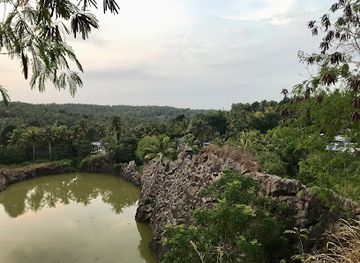
Kovalam Old Quarry
Uncover the geological wonders and serene beauty of Kovalam Old Quarry, a hidden gem on Kerala's stunning coastline.
-
Aquarium
Fish point Aquarium
Discover the enchanting underwater world at Fish Point Aquarium in Kovalam, Kerala, where marine life comes alive in a serene setting.
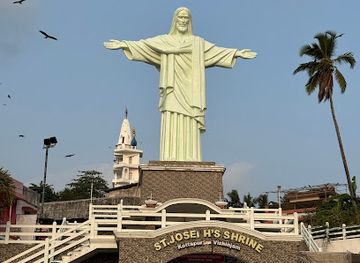
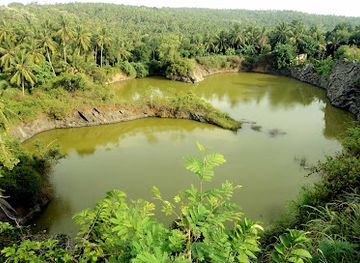
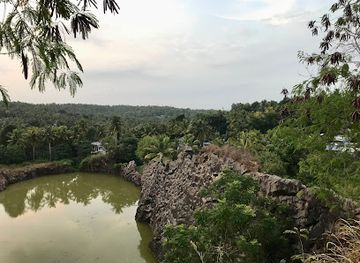
Best landmarks in Kovalam
The Vizhinjam lighthouse is Kovalam’s signature landmark, rising above the southern end of the beach area and providing the visual focus of the coast. Its position on a rocky headland connects the resort’s modern tourism identity with the practical maritime world of Vizhinjam harbour. Lighthouse Beach, Hawah Beach and Samudra Beach are natural landmarks in their own right, defined by curving sands, laterite and rocky edges, coconut palms and the changing Arabian Sea. Halcyon Castle represents another layer of local history, recalling Kovalam’s association with the Travancore royal household and the early development of the coast as a retreat. In the surrounding capital region, Kuthira Malika Palace and the Sri Padmanabhaswamy Temple are significant historical and architectural landmarks, but they lie in Thiruvananthapuram rather than inside Kovalam itself.
-
Tourist attraction
Kovalam Old Quarry
Explore the stunning geological formations and serene landscapes of Kovalam Old Quarry, a hidden gem on Kerala's beautiful coastline.
Explore Kovalam on the map
Plan your trip on one map. See where the top attractions, landmarks, restaurants and hotels are, and book hotels and experiences in a few clicks.
Best hotels in Kovalam
Best restaurants in Kovalam
Kovalam’s dining scene is concentrated around Lighthouse Beach, the main resort streets and the road towards Vizhinjam, with further choices in Thiruvananthapuram. Menus commonly draw on Kerala’s coastal cooking, including rice-based meals, vegetable thalis, coconut, tamarind, curry leaves and carefully spiced seafood, while fish and shellfish availability reflects the nearby fishing economy and seasonal supply. Traditional Kerala dishes sit alongside South Indian breakfasts, vegetarian food and international fare aimed at the resort’s long-standing overseas visitors. Small local eateries can offer a more direct taste of everyday cooking, whereas hotel restaurants provide broader menus and more predictable service. Visitors should ask about the day’s catch rather than assuming a particular seafood dish is available, and should distinguish restaurants within Kovalam from the wider selection found in Thiruvananthapuram.
-
Fine Dining
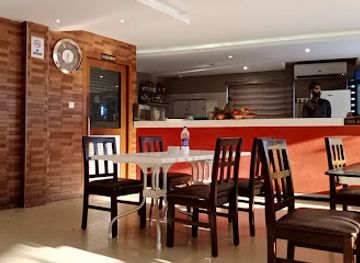
Raahath Fine Dine Restaurant
Discover exquisite flavors at Raahath Fine Dine Restaurant in Kovalam - where fine dining meets culinary artistry.
-
Keralan
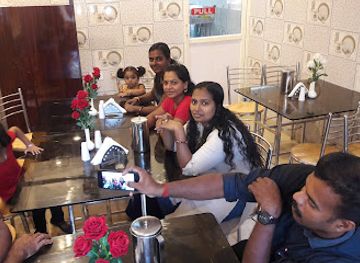
Taste of Kerala
Experience authentic Keralan cuisine at Taste of Kerala, where tradition meets flavor along Kovalam's beautiful coastline.
-
Restaurant
Zion Restaurant
Experience authentic Kerala cuisine with a modern twist at Zion Restaurant in Kovalam - where flavor meets tradition.
-
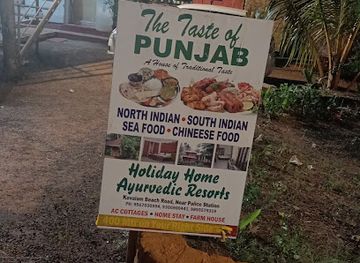
Punjabi
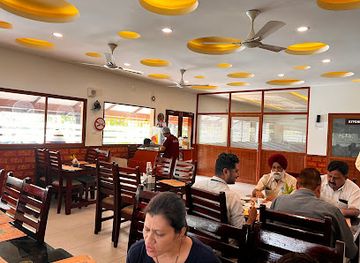
The taste of punjab
Experience authentic Punjabi cuisine at The Taste of Punjab in Kovalam, where tradition meets flavor in every dish.
Best bars in Kovalam
Kovalam’s evening life is relaxed and resort-oriented rather than centred on nightclubs. The area around Lighthouse Beach has the greatest concentration of hotel lounges, casual bars and restaurants where visitors can sit outside, listen to the sea and watch the shoreline after sunset. Some accommodation venues may arrange music or cultural entertainment, but programmes and licensing conditions vary, so availability should be checked locally. Away from the main beach strip, evenings are quieter, with village roads, family-run eateries and hotel settings providing most of the atmosphere. Alcohol service is subject to Indian and Kerala regulations, and it is not appropriate to assume that every restaurant or beach business serves it. Thiruvananthapuram offers a broader urban choice of evening venues, but it is a separate city rather than part of Kovalam’s beach strip.
-
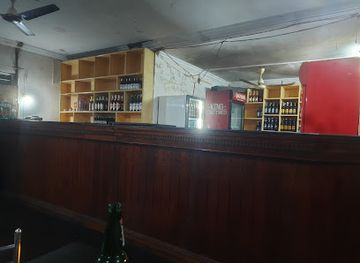
Bar
Hotel Krithikaa International
Experience the lively ambiance and diverse beer selection at Hotel Krithikaa International in Thiruvananthapuram, a must-visit for tourists seeking local flavor.
-
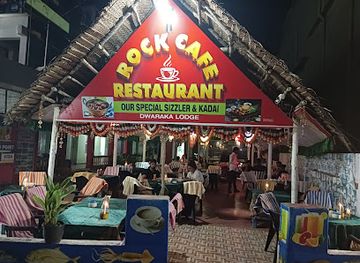
Restaurant
Rock cafe
Savor the freshest seafood along with stunning beach views at Rock Cafe, a hidden gem in Kovalam, Kerala.
-
Restaurant
Rock'n'Beach Hotel Sugar Punjab
Discover the flavors of Kerala at Rock'n'Beach Hotel Sugar Punjab, a beachfront restaurant offering delightful dishes and stunning ocean views.
Best shops in Kovalam
Shopping in Kovalam is concentrated along the Lighthouse Beach approach and the resort streets rather than in a formal commercial district. Small shops and stalls offer beachwear, cotton clothing, jewellery, souvenirs, handicrafts, spices, tea and products associated with Kerala’s wellness culture. Some businesses sell oils and Ayurvedic goods, but visitors should distinguish properly labelled products from unverified claims and seek professional advice before using medicinal preparations. Local art and craft purchases may include textiles, carved items and decorative objects, although stock and quality vary between shops. For a wider selection of Kerala handicrafts, books, clothing and everyday goods, Thiruvananthapuram is the nearest major retail centre. Bargaining may be expected in some informal settings, while fixed prices are more common in established shops and larger stores.
-
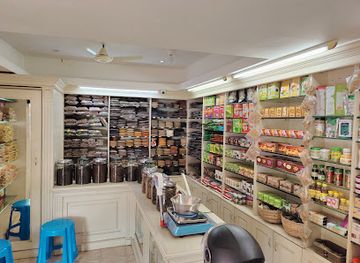
Spice store
Kovalam Spices
Explore Kovalam Spices, where the essence of Kerala's rich culinary tradition comes alive through a vibrant array of aromatic spices and herbs.
-
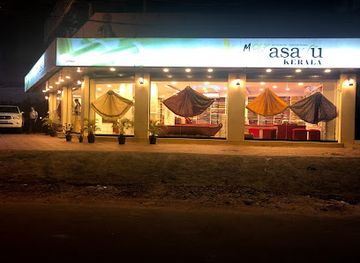
Clothing store
Kasavu Kerala
Explore the vibrant textile traditions of Kerala at Kasavu Kerala, where elegance meets authenticity in traditional clothing.
-
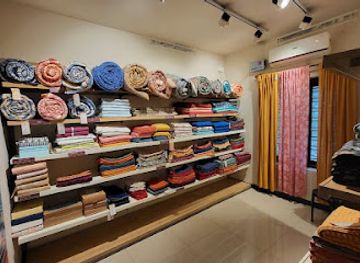
Clothing store
Fabindia, Beach Road, Kovalam
Explore Fabindia on Beach Road, Kovalam for stunning traditional and contemporary clothing that embodies India's rich textile heritage.
-
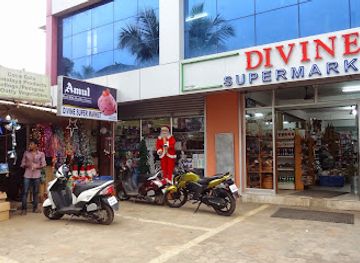
Supermarket
DIVINE SUPERMARKET
Discover local delicacies and essentials at Divine Supermarket in Kovalam, Kerala - your gateway to authentic flavors and cultural experiences.
Get your free copy of our complete guide to Kovalam, delivered straight to you.
Everything on this page, from attractions and restaurants to essentials and local phrases, in one PDF you can read offline, print or share.
Already have an account? Sign in
Your Kovalam guide is ready.
We'll send it to · Not you? Sign out

Getting your guide ready…
We are putting together a fresh copy of the Kovalam guide. This can take up to a minute.
This can take a few moments. If your browser asks, choose Allow so the download can start. You'll find the guide in your Downloads folder.
Nothing happened? Download it again
Sorry, the guide is taking longer than usual. Please try again in a minute, or get it by email instead.
Kovalam essentials
Currency and Payment
Safety
Emergency Situations
Do's and Don'ts
Local Tips
From Eve
Local phrases worth knowing
You don't need to get them perfect. A few words go a long way, and locals appreciate the effort.
Basics
| English | Local | Say it |
|---|---|---|
| Hello | नमस्कार | [Namaskar] |
| Goodbye | अलविदा | [Alvida] |
| Yes | हाँ | [Haan] |
| No | नहीं | [Nahi] |
| Please/You're welcome | कृपया | [Kripaya] |
| Thank you | धन्यवाद | [Dhanyavad] |
| Excuse me/Sorry | क्षमा कीजिए | [Kshama kijiye] |
| How are you? | आप कैसे हैं? | [Aap kaise hain?] |
| Fine. And you? | ठीक हूँ। और आप? | [Theek hoon. Aur aap?] |
| Do you speak English? | क्या आप अंग्रेज़ी बोलते हैं? | [Kya aap angrezi bolte hain?] |
| I don't understand | मुझे समझ में नहीं आया | [Mujhe samajh mein nahi aaya] |
Eating & Drinking
| English | Local | Say it |
|---|---|---|
| I'd like to see the menu, please | कृपया मेनू दिखाना | [Kripaya menu dikhana] |
| I don't eat meat | मैं मांस नहीं खाता | [Main maans nahi khaata] |
| Cheers! | चियर्स! | [Cheers!] |
| I would like to pay, please | कृपया मैं भुगतान करना चाहूँ | [Kripaya main bhugtan karna chaahoon] |
Emergencies
| English | Local | Say it |
|---|---|---|
| Help! | बचाओ! | [Bachao!] |
| Go away! | चले जाओ! | [Chale jao!] |
| Call the Police! | पुलिस को बुलाओ! | [Police ko bulaao!] |
| Call a doctor! | डॉक्टर को बुलाओ! | [Doctor ko bulaao!] |
| I'm lost | मैं खो गया हूँ | [Main kho gaya hoon] |
| I'm ill | मुझे बीमारी है | [Mujhe bimari hai] |
Shopping
| English | Local | Say it |
|---|---|---|
| I'd like to buy... | मैं खरीदना चाहूँगा... | [Main khareedna chaahunga...] |
| I'm just looking | मैं सिर्फ देख रहा हूँ | [Main sirf dekh raha hoon] |
| How much is it? | यह कितने का है? | [Yeh kitne ka hai?] |
| That's too expensive | यह बहुत महंगा है | [Yeh bahut mehnga hai] |
| Can you lower the price? | क्या आप कीमत कम कर सकते हैं? | [Kya aap keemat kam kar sakte hain?] |
Time & Numbers
| English | Local | Say it |
|---|---|---|
| What time is it? | अब कितने बजे हैं? | [Ab kitne baje hain?] |
| It's one o'clock | एक बजे हैं | [Ek baje hain] |
| Half past (10) | दस बजे तक | [Das baje tak] |
| Morning | सुबह | [Subah] |
| Afternoon | दोपहर | [Dopahar] |
| Evening | शाम | [Sham] |
| Yesterday | कल | [Kal] |
| Today | आज | [Aaj] |
| Tomorrow | कल | [Kal] |
| 1 | एक | [Ek] |
| 2 | दो | [Do] |
| 3 | तीन | [Teen] |
| 4 | चार | [Char] |
| 5 | पाँच | [Paanch] |
| 6 | छे | [Che] |
| 7 | सात | [Saath] |
| 8 | आठ | [Aath] |
| 9 | नौ | [Nau] |
| 10 | दस | [Das] |
Transport & Directions
| English | Local | Say it |
|---|---|---|
| Where's a/the...? | ...कहाँ है? | [...Kahaan hai?] |
| What's the address? | पता क्या है? | [Pata kya hai?] |
| Can you show me (on the map)? | क्या आप मुझे दिखा सकते हैं? | [Kya aap mujhe dikha sakte hain?] |
| When's the next (bus)? | अगली (बस) कब है? | [Agli (bus) kab hai?] |
| A ticket (to ....) | एक टिकट (के लिए ....) | [Ek ticket (ke liye ....)] |
History of Kovalam
A Coastal Village in Travancore
Before the rise of modern tourism, Kovalam was part of the coastal landscape of the princely state of Travancore, whose capital was Thiruvananthapuram. The area was shaped by fishing communities, coconut cultivation and links between coastal villages and the capital. Nearby Vizhinjam has a much older maritime identity, with its sheltered harbour and position along the southern Kerala coast connecting local communities to wider Indian Ocean trading networks. Kovalam itself remained primarily a rural and fishing settlement rather than a major urban centre, and much of its original character still survives in the lanes and working areas beyond the beach resorts.
The Halcyon Castle Era
Kovalam entered elite public awareness in the early twentieth century when Maharani Sethu Lakshmi Bayi of Travancore built Halcyon Castle here in 1932. The residence brought attention to the coast as a place of retreat and leisure, although tourism at that stage was very different from the international beach economy that developed later. The castle, now associated with the history of Kovalam’s transformation, reflects the relationship between the Travancore royal household, the capital region and the nearby shoreline. Its presence helped establish Kovalam as a destination valued for its coastal setting rather than solely for fishing and agriculture.
The Lighthouse and Modern Tourism
The lighthouse at Vizhinjam became one of Kovalam’s defining visual landmarks during the period when the coast was being developed for visitors in the second half of the twentieth century. As roads, hotels and guesthouses expanded, the three beaches began attracting travellers from elsewhere in India and from overseas. Kovalam’s international reputation grew particularly during the 1970s, when independent travellers helped popularise Kerala’s beaches, yoga and Ayurvedic traditions. Tourism brought employment and new services, but it also changed the scale and appearance of the coastal settlements, creating an enduring tension between resort development, fishing activity and shoreline management.
Conservation, Wellness and a Working Coast
Contemporary Kovalam combines a mature tourism industry with the continuing presence of Vizhinjam’s fishing harbour and nearby residential communities. Hotels, restaurants, Ayurveda centres and yoga establishments now sit alongside local businesses and traditional coastal livelihoods. The beach environment remains exposed to monsoon weather, erosion and changing sea conditions, making responsible shoreline use important. Modern visitors encounter not a preserved historical enclave but a living coastal settlement whose identity has developed through Travancore history, maritime work, royal patronage, international travel and Kerala’s wider reputation for wellness and cultural tourism.
Kovalam in Photos
Browse through our photo collection highlighting the charm and character of the destination.
Neighbouring destination travel guides
The closest destinations to Kovalam, if you have time for more than one.
-

-

-

-

-


Swipe for more destinations
Explore more
Explore more of Tamil Nadu
Discover Tamil Nadu: A land of ancient temples, bustling cities, serene hill stations, and delectable cuisine, offering a rich cultural and historical experience in southern India.
Explore Tamil Nadu
Explore more of India
Discover the magic of India, where diverse landscapes, rich heritage, and vibrant culture come together to create an unforgettable travel experience.
Explore India