

Free Kerala Travel Guide & Mobile App
Explore Kerala with free travel guides. Discover regional history, expert tips, proposed trips, and audio guides on web or mobile app.


Explore Kerala's backwaters, beaches, spice hills, historic ports, temple arts and richly varied cuisine across India's tropical south-west.
Read more about Kerala
When is the best time to visit Kerala?
Best: December–February · 30–33°C| Month | High (°C) | Rainfall (mm) |
|---|---|---|
| January (best) | 32 | 20 |
| February (best) | 33 | 20 |
| March | 34 | 30 |
| April | 35 | 60 |
| May | 35 | 90 |
| June | 32 | 190 |
| July | 31 | 160 |
| August | 31 | 160 |
| September | 31 | 160 |
| October | 31 | 210 |
| November | 31 | 110 |
| December (best) | 30 | 40 |
Getting to and around Kerala
How to get there
Transportation
Top city travel guides in Kerala
The cities of Kerala, and the easiest places to base yourself.
-

-

-

-

-


Swipe for more cities
Destinations in Kerala
Resorts, valleys and scenic spots worth a trip of their own.
-

-

-

-


Swipe for more destinations
Best attractions in Kerala
Kerala's attractions are defined by the relationship between natural environments and long-settled communities. The backwaters around Alappuzha, Kumarakom and Kuttanad offer journeys through canals, lagoons, paddy fields and riverside villages, with public ferries, canoes and houseboats providing different perspectives. Along the coast, beaches near Thiruvananthapuram and the fishing settlements of central and northern Kerala contrast with the historic port architecture of Fort Kochi. Inland, tea estates and mountain scenery shape the experience around Munnar, while the Periyar region near Thekkady provides forest walks, boating and opportunities for wildlife observation under park regulations. Museums, palaces, churches, mosques, temples and cultural venues add depth in Thiruvananthapuram, Kochi, Thrissur, Kozhikode and Kannur. Visitors can also encounter Kathakali, kalaripayattu demonstrations, temple arts and seasonal ritual performances, although these should be approached with cultural respect rather than treated simply as entertainment. The state offers walking, cycling, birdwatching, plantation visits and village experiences, but its greatest attraction is the varied transition from sea-level waterways to the forested Western Ghats.
-
Tourist attraction
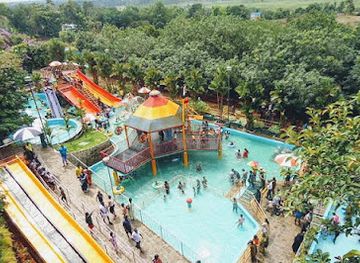
Wonderla Amusement Park, Kochi
Experience the thrill of Wonderla Amusement Park in Kochi, where excitement meets family fun in a vibrant, action-packed atmosphere.
-
 Tourist attraction
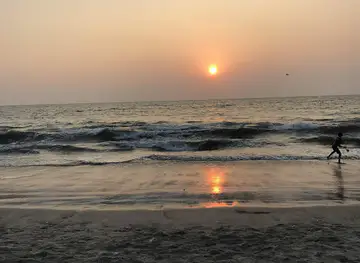
Alleppey Beach
Experience the tranquil beauty and vibrant culture of Alleppey Beach, a must-visit destination in Kerala's picturesque Alappuzha.
-
Tourist attraction
Jatayu Earth's Center
Explore adventure, culture, and nature at Jatayu Earth's Center, a breathtaking destination in Kerala featuring thrilling activities and historical significance.
-
Tourist attraction
Edakkal Caves
Uncover the ancient rock carvings and breathtaking landscapes at Edakkal Caves, a hidden gem in Kerala's lush mountains.

Best landmarks in Kerala
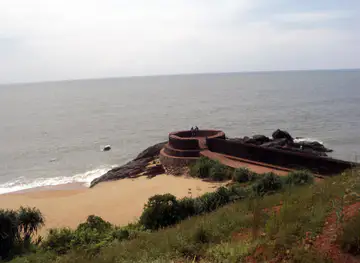
Kerala's landmarks reflect maritime commerce, royal power, religion and distinctive natural geography. The Chinese fishing nets on the waterfront at Fort Kochi are working remnants of a trading seascape and one of the state's most recognisable urban images, while nearby St Francis Church and the Basilica of Santa Cruz illustrate the area's layered European and Indian Christian history. Mattancherry Palace, also known as the Dutch Palace, preserves murals and material associated with the former Cochin royal court. In Thiruvananthapuram, the Sri Padmanabhaswamy Temple is a major religious and architectural landmark, and the city's Napier Museum represents the cultural institutions developed around the former Travancore capital. The Bekal Fort in Kasaragod commands a prominent position above the northern coast, and Palakkad Fort records the strategic importance of the inland Palakkad Gap. Kerala's geographical landmarks are equally important: the extensive backwaters around Vembanad Lake, the tea-clad slopes around Munnar and the forested highlands of the Western Ghats express the environmental structure that has shaped settlement, farming and travel across the state.
-
Amusement park
Wonderla Amusement Park, Kochi
Unleash your inner thrill-seeker at Wonderla Amusement Park in Kochi, where adventure and fun await at every corner of this exciting theme park.
-
Fortress
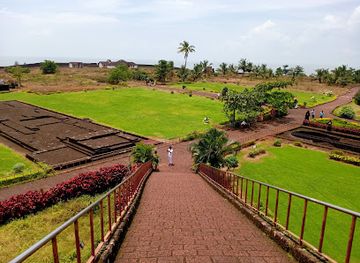
Bekal Fort
Discover the majestic Bekal Fort, a historical fortress in Kerala offering stunning views, rich culture, and a glimpse into India's storied past.
-
Scenic spot
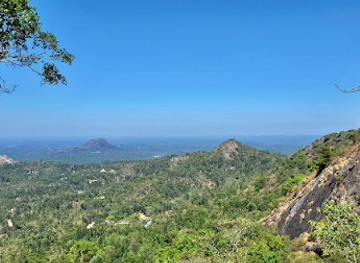
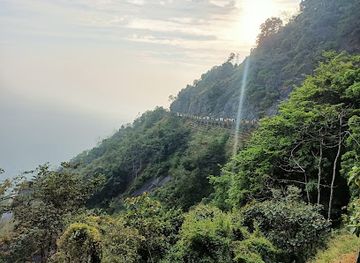
Lakkidi View Point
Discover the breathtaking beauty of Lakkidi View Point, a scenic spot in Kerala offering stunning vistas and a tranquil escape into nature.
-
Tourist attraction
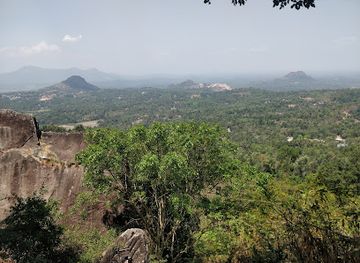
Edakkal Caves
Explore the Edakkal Caves in Kerala, where ancient history meets breathtaking nature, offering an unforgettable adventure for every traveler.

Explore Kerala on the map
Plan your trip on one map. See where the top cities, national parks and sights are, and book hotels and experiences in a few clicks.
Best hotels in Kerala
Best restaurants in Kerala
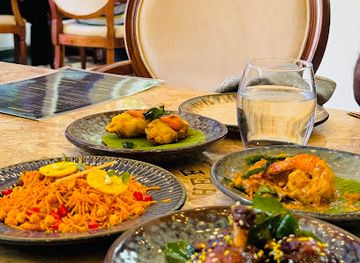
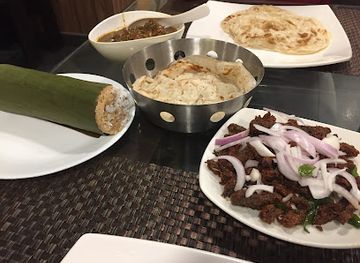
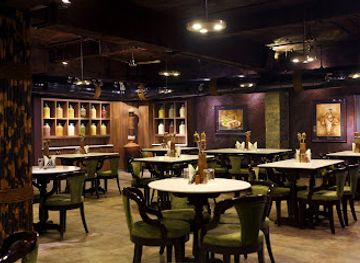
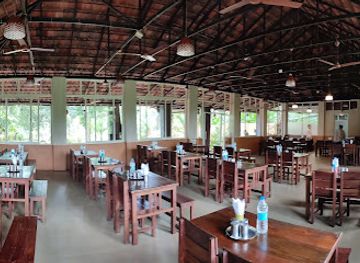
Kerala's food changes noticeably between its coastal, Malabar, central and highland districts. Rice, coconut, curry leaves, tamarind and a wide range of spices underpin much of the cuisine, while the Arabian Sea contributes fish, prawns and other seafood. A traditional sadya, served on a banana leaf and associated especially with festivals and ceremonies, presents numerous vegetarian preparations alongside rice; it is best approached slowly and according to local custom. Malabar cooking is known for dishes such as biryani, pathiri breads and layered pastries, while appam with stew, puttu with savoury accompaniments and fish curries are widely encountered in different forms across the state. Toddy shops serve food alongside locally produced palm drink, though availability and licensing vary. Kochi and Thiruvananthapuram have the broadest range of contemporary restaurants, cafés and international food, while smaller towns offer family-run vegetarian restaurants, seafood eateries, bakeries and tea shops. Seek regional specialities in local markets and ask about spice levels rather than assuming every dish is intensely hot.
-
Keralan
Restaurant Chef Pillai Kochi
Discover authentic Keralan cuisine at Restaurant Chef Pillai Kochi, where rich flavors meet warm hospitality in an enchanting setting.
-
South Indian
Alakapuri Restaurant
Savor authentic South Indian flavors at Alakapuri Restaurant in Kakkanad - famous for fish curry and delicious biryani.
-
South Indian
Dhe Puttu
Discover authentic South Indian flavors at Dhe Puttu, renowned for its delicious puttu dishes and fresh seafood in Ernakulam.
-
Vegetarian
Clay Oven
Experience the authentic flavors of North and South Indian vegetarian cuisine at Clay Oven in Oonukal, Kerala.
Best bars in Kerala
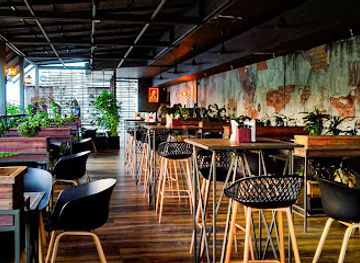
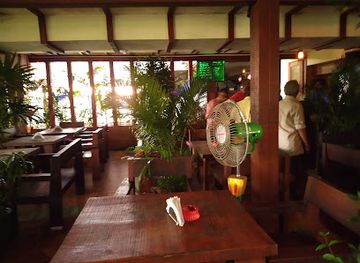
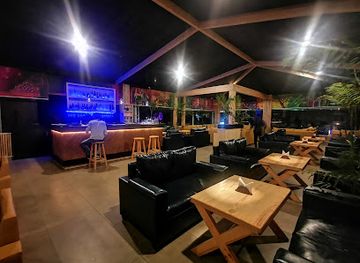
Kerala's evening culture is more varied than a conventional nightclub circuit. Kochi has the broadest selection of contemporary bars, hotel lounges, cafés, live-music settings and cultural venues, while Thiruvananthapuram offers a quieter combination of restaurants, arts events and licensed hotel bars. In many towns, social life centres on restaurants, tea shops and traditional pubs or toddy shops rather than late-night clubs. Beach resorts and larger hotels may provide evening entertainment, but hours and licensing rules can change, and alcohol is not available everywhere. Northern cities such as Kozhikode and Kannur are better known for food, markets and cultural activity than for large-scale clubbing. Rural districts generally become quiet earlier, with evening walks, conversations at local eateries and occasional festival programmes forming the main rhythm. Visitors should dress appropriately for their setting, check local regulations and avoid assuming that drinking is necessary to participate in Kerala's evening life.
-
Grill
Rocks & Brews by Royal Residency
Experience the unique blend of rock-themed decor and delicious grilled dishes at Rocks & Brews, Kochi's ultimate dining destination.
-
Bar
Chandni Park
Experience the vibrant flavors and lively atmosphere at Chandni Park in Kochi, Kerala's bustling bar and restaurant hub.
-
Bar
Polakulath's Karthika Regency
Discover the vibrant dining and drinking experience at Polakulath's Karthika Regency in Edappally, Ernakulam, Kerala.
-
Bar
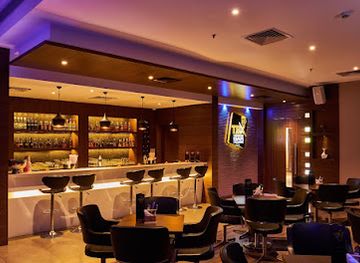
TBX
Experience the vibrant nightlife at TBX in Thiruvananthapuram, a premier bar offering an extensive drink menu and a lively atmosphere for all visitors.
Best nightclubs in Kerala
Kerala's evening culture is more varied than a conventional nightclub circuit. Kochi has the broadest selection of contemporary bars, hotel lounges, cafés, live-music settings and cultural venues, while Thiruvananthapuram offers a quieter combination of restaurants, arts events and licensed hotel bars. In many towns, social life centres on restaurants, tea shops and traditional pubs or toddy shops rather than late-night clubs. Beach resorts and larger hotels may provide evening entertainment, but hours and licensing rules can change, and alcohol is not available everywhere. Northern cities such as Kozhikode and Kannur are better known for food, markets and cultural activity than for large-scale clubbing. Rural districts generally become quiet earlier, with evening walks, conversations at local eateries and occasional festival programmes forming the main rhythm. Visitors should dress appropriately for their setting, check local regulations and avoid assuming that drinking is necessary to participate in Kerala's evening life.
-
Night club
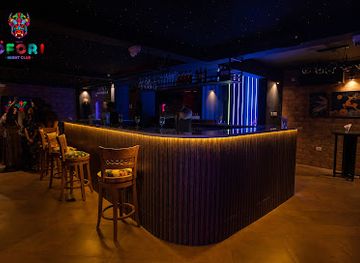
Ofori Club Trivandrum
Experience the vibrant nightlife at Ofori Club Trivandrum, where music, dance, and exquisite drinks come alive.
-
Night club
Varkala Club
Dive into the vibrant nightlife at Varkala Club, where electrifying music, dance, and unforgettable experiences await in the heart of Kerala.
-
Disco club
corner club
Discover the electrifying nightlife at Corner Club, Kerala's premier disco club, where music and joy come alive every night.
-
Night club
Pulse India
Discover the vibrant nightlife at Pulse India, Kerala's premier night club, where music, dance, and a lively atmosphere await you.
Best shops in Kerala
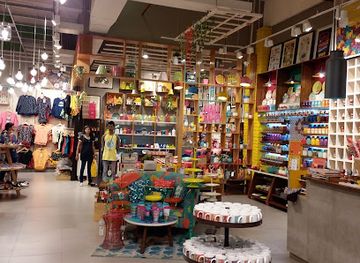
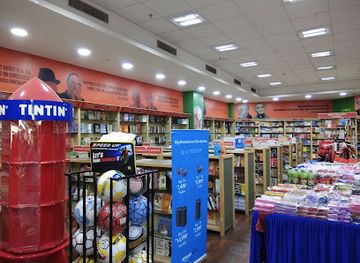
Shopping in Kerala ranges from urban commercial streets to village markets and specialist craft centres. Kochi offers the widest variety of contemporary shops, galleries, antiques and design-led goods, particularly around central commercial areas and the historic quarters of Fort Kochi and Mattancherry, although provenance should be checked carefully when buying antiques. Thiruvananthapuram is useful for handloom textiles, books, jewellery and traditional products, while Kozhikode is known for Malabar food products, sweets and busy trading streets. Across the state, look for coir goods from the Alappuzha area, handloom fabrics, spices, tea, coffee, banana chips, coconut-based products and locally made soaps. Hill districts sell plantation produce through shops and markets, but labels and packaging vary, so sealed products are easier to transport internationally. Handicraft emporia and reputable cooperative outlets can provide more reliable information about materials and production than informal tourist stalls. Bargaining may be acceptable in some markets but is not appropriate in fixed-price shops, department stores or established galleries.
-
Shopping mall
LuLu International Shopping Mall
Experience ultimate shopping and entertainment at LuLu International Shopping Mall, the premier retail destination in Kochi, Kerala.
-
Shopping mall
Centre Square Mall
Discover the ultimate shopping and dining destination in Kochi at Centre Square Mall, where local culture meets modern retail.
-
Shopping mall
Oberon Mall
Experience the vibrant shopping and dining atmosphere at Oberon Mall in Ernakulam, Kerala - a true retail haven for tourists and locals alike.
-
Shopping mall
ABAD Nucleus Mall
Discover the ultimate shopping and entertainment experience at ABAD Nucleus Mall in Kochi, Kerala, where retail meets leisure.
Get your free copy of our complete guide to Kerala, delivered straight to you.
Everything on this page, from attractions and restaurants to essentials and local phrases, in one PDF you can read offline, print or share.
Already have an account? Sign in
Your Kerala guide is ready.
We'll send it to · Not you? Sign out

Getting your guide ready…
We are putting together a fresh copy of the Kerala guide. This can take up to a minute.
This can take a few moments. If your browser asks, choose Allow so the download can start. You'll find the guide in your Downloads folder.
Nothing happened? Download it again
Sorry, the guide is taking longer than usual. Please try again in a minute, or get it by email instead.
Kerala essentials
Currency and Payment
Safety
Emergency Situations
Do's and Don'ts
Local Tips
From Eve
Local phrases worth knowing
You don't need to get them perfect. A few words go a long way, and locals appreciate the effort.
Basics
| English | Local | Say it |
|---|---|---|
| Hello | ഹലോ | [Halo] |
| Goodbye | വിട | [Vida] |
| Yes | അതെ | [Athe] |
| No | ഇല്ല | [Illa] |
| Please/You're welcome | ദയവായി/സ്വാഗതം | [Dayavaayi/Swagatham] |
| Thank you | നന്ദി | [Nandi] |
| Excuse me/Sorry | ക്ഷമിക്കണം/ക്ഷമിക്കുകയോ | [Kshamikkanam/Kshamikukayo] |
| How are you? | സുഖമാണോ? | [Sukhamaano?] |
| Fine. And you? | സുഖമാണ്. നീ? | [Sukhamaanu. Nee?] |
| Do you speak English? | നിങ്ങൾ ഇംഗ്ലീഷ് പറയാമോ? | [Ningal English parayamo?] |
| I don't understand | എനിക്ക് മനസ്സിലാവുന്നില്ല | [Enikku manassilaavunnilla] |
Eating & Drinking
| English | Local | Say it |
|---|---|---|
| I'd like to see the menu, please | ദയവായി മെനു കാണിച്ചോളൂ | [Dayavaayi menu kaanichollu] |
| I don't eat meat | ഞാൻ മാംസം തിന്നുന്നില്ല | [Njaan maamsam thinnunnilla] |
| Cheers! | സ്മരണയ്ക്ക്! | [Smaranaykku!] |
| I would like to pay, please | ദയവായി ഞാൻ പണം നൽകാൻ ആഗ്രഹിക്കുന്നു | [Dayavaayi njan panam nalkaan aagrahikkunnu] |
Emergencies
| English | Local | Say it |
|---|---|---|
| Help! | ഉണ്ടാവുക! | [Undaavuka!] |
| Go away! | കാണാതെയിരിക്കുക! | [Kaanatheirikkuka!] |
| Call the Police! | പോലീസിനെ വിളിക്കൂ! | [Polisine vilikku!] |
| Call a doctor! | ഡോക്ടറെ വിളിക്കൂ! | [Doctorne vilikku!] |
| I'm lost | എനിക്ക് വഴിമുട്ടി | [Enikku vazhimutti] |
| I'm ill | എനിക്ക് രോഗം ഉണ്ടാകും | [Enikku rogam undaakum] |
Shopping
| English | Local | Say it |
|---|---|---|
| I'd like to buy... | ഞാൻ വാങ്ങാൻ ആഗ്രഹിക്കുന്നു... | [Njaan vaangaan aagrahikkunnu...] |
| I'm just looking | ഞാൻ വെറും നോക്കുകയാണ് | [Njaan verum nokkukaayirikkunnu] |
| How much is it? | ഇതിന്റെ വില എത്ര? | [Ithinte vila ethra?] |
| That's too expensive | അത് വളരെ ചെലവേറിയതാണ് | [Athu valare chelavereeyathaanu] |
| Can you lower the price? | നിങ്ങൾ വില കുറയ്ക്കുമോ? | [Ningal vila kuraykumo?] |
Time & Numbers
| English | Local | Say it |
|---|---|---|
| What time is it? | ഇപ്പോൾ എപ്പോഴാണ്? | [Ippol eppozhaan?] |
| It's one o'clock | ഇത് ഒരു മണിയാണ് | [Ith oru maniyaanu] |
| Half past (10) | പത്ത് മണിക്ക് അർദ്ധം | [Pathu manikku ardham] |
| Morning | രാവിലെ | [Raavile] |
| Afternoon | മധ്യാഹ്നം | [Madhyaahnam] |
| Evening | വൈകുന്നേരം | [Vaikunneram] |
| Yesterday | ഇന്നലെ | [Innale] |
| Today | ഇന്നത്തെ | [Innathe] |
| Tomorrow | നാളെ | [Naale] |
| 1 | ഒരു | [Oru] |
| 2 | രണ്ട് | [Rand] |
| 3 | മൂന്ന് | [Moonnu] |
| 4 | നാല് | [Naal] |
| 5 | അഞ്ച് | [Anch] |
| 6 | ആറ് | [Aar] |
| 7 | ഏഴ് | [Ezhu] |
| 8 | എട്ട് | [Ettu] |
| 9 | ഒന്ന് | [Onnu] |
| 10 | പത്ത് | [Pathu] |
Transport & Directions
| English | Local | Say it |
|---|---|---|
| Where's a/the...? | എവിടെയാണ് ...? | [Evideyaanu...?] |
| What's the address? | വിലാസം എന്താണ്? | [Vilaasam enthaan?] |
| Can you show me (on the map)? | നിങ്ങൾ എനിക്ക് (മാപിൽ) കാണിക്കുമോ? | [Ningal enikku (maapil) kaanikkumo?] |
| When's the next (bus)? | അടുത്ത (ബസ്) എപ്പോഴാണ്? | [Adutha (bus) eppozhaan?] |
| A ticket (to ....) | ഒരു ടിക്കറ്റ് (....ക്ക്) | [Oru ticket (....kk)] |
History of Kerala
Early Port Networks and the Spice Trade
Kerala's coast was connected to the wider Indian Ocean world long before European rule. Ports on the Malabar coast traded pepper and other spices with merchants from the Red Sea, Persian Gulf and Mediterranean, as well as with communities across South and Southeast Asia. Muziris, usually associated with the region around Kodungallur, is described in ancient sources as an important trading centre, although its exact location remains debated. These maritime links helped create longstanding Jewish, Christian and Muslim communities alongside Kerala's Hindu traditions, contributing to the cosmopolitan character of coastal settlements.
The Chera Legacy and Early Medieval Kerala
The Chera polity and later regional rulers shaped much of the political and cultural history of present-day Kerala. From the early medieval period, authority was divided among royal houses, temple institutions, landed elites and trading communities rather than concentrated continuously in a single capital. The growth of Malayalam as a literary language, the development of temple-centred settlements and the expansion of agrarian systems all belong to this broad historical formation. Forts, old market towns and religious institutions across the state preserve elements of these layered regional identities.
Zamorin Calicut and the Malabar Coast
From the medieval period into the early modern era, the rulers known as the Zamorins of Calicut controlled or influenced a powerful commercial centre on the northern Malabar coast. Calicut, now Kozhikode, attracted Arab, Persian and other overseas merchants through its pepper trade. The port also became a major setting for diplomatic and commercial encounters between Asian trading networks and later European powers. The city's food, Muslim cultural heritage and historic relationship with maritime commerce remain important parts of northern Kerala's identity.
European Forts and Colonial Rivalry
Portuguese navigators reached the Malabar coast at the end of the fifteenth century, opening a period of conflict and competition involving Portuguese, Dutch, French and English interests. Fort Kochi, Kannur and other coastal locations retain churches, fortifications, warehouses and trading buildings associated with this era. European powers sought control of pepper and maritime routes, but they operated within a world already shaped by established Indian Ocean merchants and local rulers. The later dominance of the British East India Company and the British administration altered the political balance of the region.
Travancore, Cochin and Social Transformation
Before the formation of the modern state, much of southern and central Kerala was organised through princely states including Travancore and Cochin, while the Malabar area was administered by the British. Travancore expanded its influence in the eighteenth century under Marthanda Varma and developed a centralised administration, with Thiruvananthapuram becoming an important royal centre. The nineteenth and early twentieth centuries brought missionary education, print culture, social-reform movements and challenges to caste restrictions. Temple-entry reforms and wider access to education helped reshape public life.
Formation of Kerala and the Modern State
The state of Kerala was established on 1 November 1956 through the reorganisation of Indian territories largely on Malayalam linguistic lines, bringing together Travancore-Cochin, the Malabar district and the Kasaragod area. Since then, Kerala has become known for high literacy, extensive public-health provision and strong traditions of political participation, while also experiencing substantial migration, especially to the Gulf states. Remittances, tourism, education and service industries have transformed the economy, but agriculture, fishing, coir production and plantation work remain important in many districts.
Kerala in Photos
Browse through our photo collection highlighting the charm and character of the destination.
Neighbouring regions of Kerala
The closest regions to Kerala, if you have time for more than one.
-
-

-

-

-


Swipe for more regions
Explore more

Explore more of India
Discover the magic of India, where diverse landscapes, rich heritage, and vibrant culture come together to create an unforgettable travel experience.
Explore India