

Andaman Islands Travel Guide - Free Web & App
Your ultimate guide to Andaman Islands. Discover top landmarks, proposed trips, and local tips. Free on the web or via the Evendo companion app.


Andaman Islands, India, offer coral reefs, island beaches, rainforest, colonial history, diving, wildlife and boat journeys across the Bay of Bengal.
Archipelago of Forest and Sea
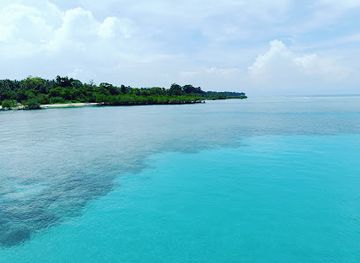
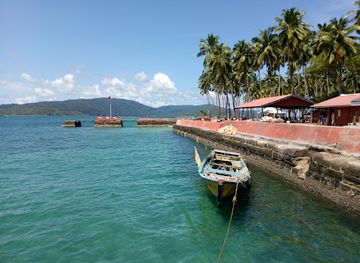
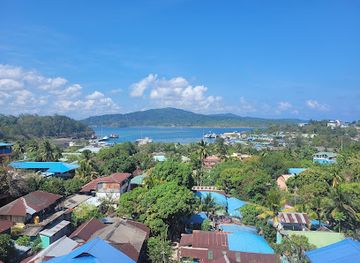
The Andaman Islands form the northern and central part of an Indian archipelago in the Bay of Bengal, between the Indian mainland and Myanmar. Their character is shaped by dense tropical rainforest, mangrove-lined creeks, sandy shores, coral reefs and warm, clear waters. The islands are not a single resort destination but a dispersed group with very different levels of access. Sri Vijaya Puram, formerly Port Blair, is the principal gateway and administrative centre, while Swaraj Dweep, formerly Havelock Island, and Shaheed Dweep, formerly Neil Island, are the best-known visitor bases for beaches, reef excursions and nature-focused holidays.Read more about Andaman Islands
Island Landscapes and Marine Life
History and Island Communities
When is the best time to visit Andaman Islands?
Best: December–February · 30°C| Month | High (°C) | Rainfall (mm) |
|---|---|---|
| January (best) | 30 | 31 |
| February (best) | 30 | 30 |
| March | 31 | 43 |
| April | 32 | 106 |
| May | 32 | 284 |
| June | 32 | 428 |
| July | 32 | 373 |
| August | 32 | 313 |
| September | 32 | 252 |
| October | 32 | 196 |
| November | 31 | 105 |
| December (best) | 30 | 52 |
Getting to and around Andaman Islands
How to get there
Transportation
Best attractions in Andaman Islands
The Andaman Islands' principal attractions range from the heritage sites of Sri Vijaya Puram to beaches, forests and reefs across the settled visitor islands. Cellular Jail is the major historical sight in the capital, while the former colonial headquarters on Netaji Subhas Chandra Bose Dweep retain atmospheric ruins and views across the harbour. Around Wandoor, the islands and coastal waters of Mahatma Gandhi Marine National Park provide access to protected marine landscapes through regulated excursions. Swaraj Dweep is known for Radhanagar Beach, the forested approach to Elephant Beach and a strong diving and snorkelling culture, while Shaheed Dweep offers beaches, shallow reef areas and compact island scenery. Chidiya Tapu, south of the capital, combines coastal forest with sunset views, and Baratang is associated with mangroves, limestone caves and mud-volcano landscapes reached through organised or regulated travel arrangements.
-
Historical place museum
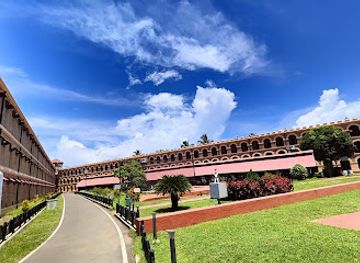
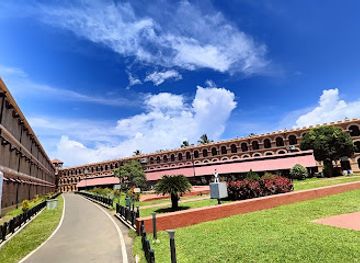
Cellular Jail
Explore Cellular Jail in Port Blair, a poignant national memorial and a symbol of India's freedom struggle, showcasing the sacrifices of freedom fighters.
-
Tourist attraction
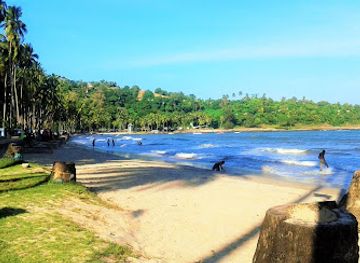
Corbyn’s Cove Beach
Escape to Corbyn's Cove Beach: Sun, sand, and serenity await just minutes from Port Blair, offering relaxation and adventure for everyone.
-
Tourist attraction
Marina Park
Discover tranquility at Marina Park, Port Blair: A scenic waterfront retreat blending nature, history, and recreation for an unforgettable island experience.
-
Tourist attraction
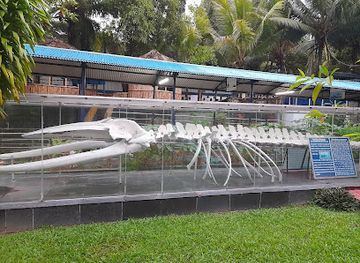
Naval Marine Museum Samudrika
Explore the marine life, tribal cultures, and naval history of the Andaman and Nicobar Islands at this informative museum in Port Blair.
Best landmarks in Andaman Islands
Cellular Jail in Sri Vijaya Puram is the Andamans' defining historic landmark, its surviving prison wings representing the colonial penal system and the imprisonment of Indian freedom fighters. Across the harbour, Netaji Subhas Chandra Bose Dweep contains the remains of the former British administrative settlement on Ross Island, including abandoned colonial-era structures gradually being reclaimed by vegetation. Natural landmarks are equally central: Radhanagar Beach is a broad forest-backed shore on Swaraj Dweep, while Chidiya Tapu marks a scenic coastal area south of the capital. The limestone caves and mud-volcano formations of Baratang illustrate the geological variety of the wider island region, although access is regulated and travel arrangements are more involved. Coral reefs, mangrove creeks and forested islands within Mahatma Gandhi Marine National Park form a protected marine landmark system rather than a single monument.
-
Historical place museum
Cellular Jail
Explore the profound history of the Cellular Jail in Port Blair, a poignant reminder of India's struggle for freedom and resilience against colonial rule.
-
Public beach
Corbyn’s Cove Beach
Discover the beauty of Corbyn’s Cove Beach in Port Blair, a stunning public beach perfect for relaxation, adventure, and breathtaking sunsets.
-
Park
Marina Park
Experience the lush beauty and recreational wonders of Marina Park, a premier destination in Port Blair for nature lovers and adventure seekers alike.
-
Public beach
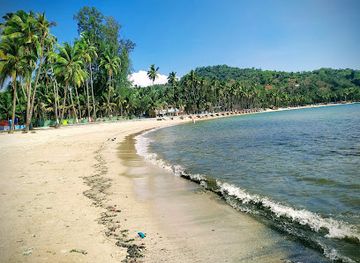
Bharatpur Beach, Neil Island
Discover the idyllic Bharatpur Beach on Neil Island, where pristine sands meet crystal waters, perfect for relaxation and thrilling water sports.
Explore Andaman Islands on the map
Plan your trip on one map. See where the top attractions, landmarks, restaurants and hotels are, and book hotels and experiences in a few clicks.
Best hotels in Andaman Islands
Best restaurants in Andaman Islands
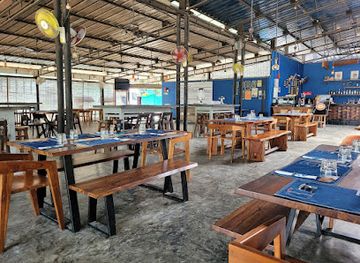
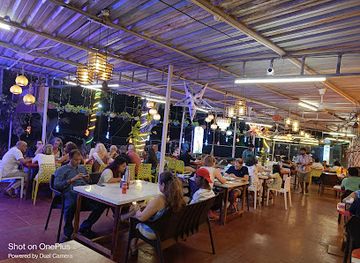
Dining in the Andaman Islands is concentrated in Sri Vijaya Puram and the principal visitor settlements of Swaraj Dweep and Shaheed Dweep rather than at remote beaches or protected natural sites. Menus commonly reflect Bengali, North Indian, South Indian and broader coastal Indian influences, with rice, fish, prawns, crab and coconut appearing where local supply and regulations permit. Vegetarian food is widely available, and cafés in tourism areas cater to visitors seeking simple breakfasts, seafood, Indian meals and familiar international dishes. In smaller villages, choices may be modest and meal times can depend on deliveries and electricity. Seafood should be sourced responsibly, and visitors should not assume that every restaurant serves locally caught produce. Farm shops, markets and small food outlets provide a more everyday view of island provisioning than resort-style dining.
-
Restaurant
Something Different - A Beachside Cafe
Experience culinary bliss at Something Different - A Beachside Cafe, where stunning ocean views meet diverse flavors on Havelock Island.
-
Seafood
New Lighthouse Restaurant
Experience exquisite seafood dining with breathtaking views at New Lighthouse Restaurant in Port Blair's picturesque Andaman Islands.
-
Seafood
Famous Seafood Restaurant
Savor fresh seafood delights at Famous Seafood Restaurant on Vijay Nagar Beach - where taste meets paradise.
-
Seafood
Seafood Delights Andaman
Discover Seafood Delights Andaman – where fresh catches meet local flavors in Port Blair's culinary haven.
Best bars in Andaman Islands
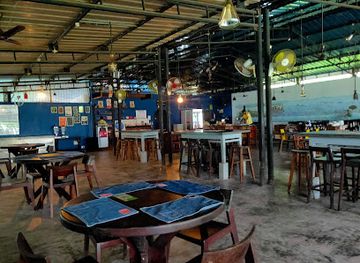
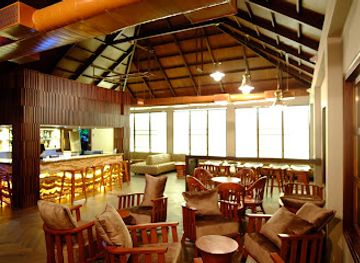
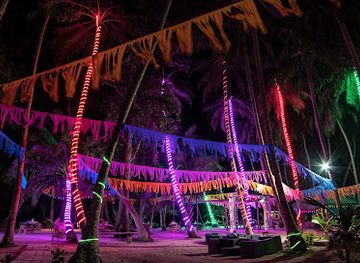
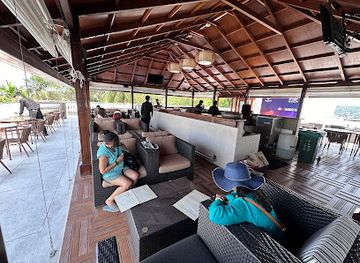
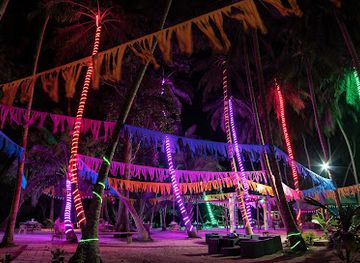
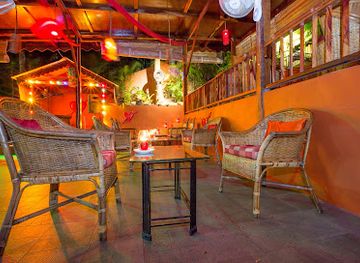
Evening life in the Andaman Islands is generally quiet and informal rather than club-focused. Sri Vijaya Puram has the widest choice of restaurants, hotel bars and local evening venues, while Swaraj Dweep and Shaheed Dweep offer a relaxed holiday atmosphere around guesthouses, cafés and selected licensed establishments. Some accommodation areas may arrange occasional music, beach gatherings or cultural programmes, but these are not guaranteed and should never be treated as a permanent nightlife schedule. Alcohol licensing and service arrangements vary, particularly outside the capital, and public drinking or loud behaviour is inappropriate in villages and near religious or protected sites. In remote parts of the archipelago, evenings are shaped more by darkness, forest sounds and the sea than by commercial entertainment.
-
Bar
Something Different - A Beachside Cafe
Experience the flavors of Havelock Island at Something Different, a beachside cafe offering diverse cuisines in a serene setting.
-
Restaurant
Bonova Cafe And Pub
Experience the vibrant nightlife and exquisite seafood at Bonova Cafe And Pub on Havelock Island, a true gem of the Andaman Islands.
-
Grill
Nemo Cafe - The Beach Bar & Nightlife( Party Zone )
Experience the best of Havelock Island at Nemo Cafe, where beachside relaxation meets vibrant nightlife and delicious culinary delights.
-
Pub
Nimbu Pani Pub
Nimbu Pani Pub: A lively pub experience in the heart of the Andaman and Nicobar Islands, offering refreshing drinks and vibrant nightlife.
Best nightclubs in Andaman Islands
Evening life in the Andaman Islands is generally quiet and informal rather than club-focused. Sri Vijaya Puram has the widest choice of restaurants, hotel bars and local evening venues, while Swaraj Dweep and Shaheed Dweep offer a relaxed holiday atmosphere around guesthouses, cafés and selected licensed establishments. Some accommodation areas may arrange occasional music, beach gatherings or cultural programmes, but these are not guaranteed and should never be treated as a permanent nightlife schedule. Alcohol licensing and service arrangements vary, particularly outside the capital, and public drinking or loud behaviour is inappropriate in villages and near religious or protected sites. In remote parts of the archipelago, evenings are shaped more by darkness, forest sounds and the sea than by commercial entertainment.
-
Restaurant
AMAYA
Experience the vibrant flavors and rhythms of Port Blair at AMAYA, where seafood delicacies meet live music in a lively ambiance.
-
Night club
Nemo Cafe - The Beach Bar & Nightlife( Party Zone )
Experience the vibrant nightlife and delicious seafood at Nemo Cafe, Havelock Island's premier beach bar and nightclub.
-
Bar
Venom Bar
Venom Bar on Havelock Island: Savor exotic cocktails and vibrant nightlife by the beach in a tropical paradise.
-
Disco club
The love garden (open air lounge and nightclub)
Experience the vibrant nightlife of Port Blair at The Love Garden, an open-air disco club with lively music and a welcoming atmosphere.
Best shops in Andaman Islands
Shopping is modest and practical in the Andaman Islands, with the broadest choice in Sri Vijaya Puram and smaller ranges in the settled centres of Swaraj Dweep and Shaheed Dweep. Visitors may find shell-free souvenir crafts, locally made decorative items, textiles, bamboo or wood products, artwork and packaged island foods, but coral, shells and wildlife products should not be purchased or removed. Markets and small shops in the capital provide everyday provisions, while tourism settlements sell beachwear, basic equipment and gifts rather than supporting an extensive retail scene. Handicrafts associated with Indigenous communities require particular care: visitors should avoid products of doubtful origin and never seek items connected with protected peoples or restricted cultural material. Retail availability on outlying islands can be limited, so essential supplies are best obtained before leaving the capital.
-
Souvenir store
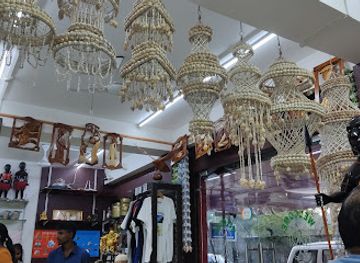
Sagarika Emporium, Government Emporium
Discover the rich cultural heritage of the Andaman Islands at Sagarika Emporium, your go-to souvenir store in Port Blair.
-
Shopping mall
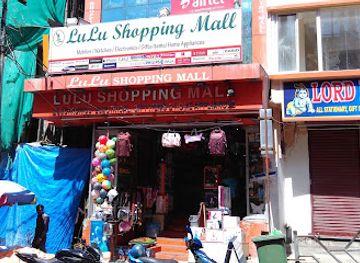
Lulu Shopping Mall
Discover the vibrant shopping experience at Lulu Shopping Mall in Port Blair, where local charm meets international brands and delightful dining options.
-
Souvenir store
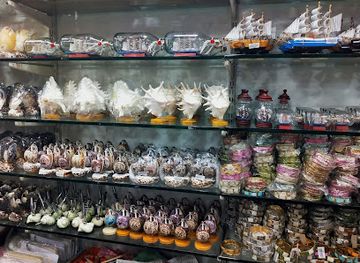
Meena sea shell products - Pearl | Handicraft
Explore unique sea shell handicrafts and exquisite jewelry at Meena Sea Shell Products in Port Blair, a must-visit for every traveler.
-
Grocery store
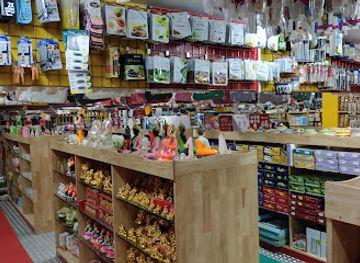
Annachi Chennai Store
Discover local flavors at Annachi Chennai Store, a premier grocery destination in Port Blair offering fresh produce and exotic spices.
Get your free copy of our complete guide to Andaman Islands, delivered straight to you.
Everything on this page, from attractions and restaurants to essentials and local phrases, in one PDF you can read offline, print or share.
Already have an account? Sign in
Your Andaman Islands guide is ready.
We'll send it to · Not you? Sign out

Getting your guide ready…
We are putting together a fresh copy of the Andaman Islands guide. This can take up to a minute.
This can take a few moments. If your browser asks, choose Allow so the download can start. You'll find the guide in your Downloads folder.
Nothing happened? Download it again
Sorry, the guide is taking longer than usual. Please try again in a minute, or get it by email instead.
Andaman Islands essentials
Currency and Payment
Safety
Emergency Situations
Do's and Don'ts
Local Tips
From Eve
Local phrases worth knowing
You don't need to get them perfect. A few words go a long way, and locals appreciate the effort.
Basics
| English | Local | Say it |
|---|---|---|
| Hello | नमस्कार | [Namaskar] |
| Goodbye | अलविदा | [Alvida] |
| Yes | हाँ | [Haan] |
| No | नहीं | [Nahi] |
| Please/You're welcome | कृपया | [Kripaya] |
| Thank you | धन्यवाद | [Dhanyavaad] |
| Excuse me/Sorry | माफ़ कीजिए | [Maaf kijiye] |
| How are you? | आप कैसे हैं? | [Aap kaise hain?] |
| Fine. And you? | ठीक हूँ। और आप? | [Theek hoon. Aur aap?] |
| Do you speak English? | क्या आप अंग्रेज़ी बोलते हैं? | [Kya aap Angrezi bolte hain?] |
| I don't understand | मुझे समझ में नहीं आया | [Mujhe samajh mein nahi aaya] |
Eating & Drinking
| English | Local | Say it |
|---|---|---|
| I'd like to see the menu, please | कृपया मेनू दिखाएं | [Kripaya menu dikhayein] |
| I don't eat meat | मैं मांस नहीं खाता | [Main maans nahi khaata] |
| Cheers! | चियर्स! | [Cheers!] |
| I would like to pay, please | कृपया मैं भुगतान करना चाहूं | [Kripaya main bhugtan karna chahoon] |
Emergencies
| English | Local | Say it |
|---|---|---|
| Help! | मदद! | [Madad!] |
| Go away! | चले जाओ! | [Chale jao!] |
| Call the Police! | पुलिस को बुलाओ! | [Police ko bulao!] |
| Call a doctor! | डॉक्टर को बुलाओ! | [Doctor ko bulao!] |
| I'm lost | मैं खो गया हूँ | [Main kho gaya hoon] |
| I'm ill | मुझे बीमारी है | [Mujhe bimari hai] |
Shopping
| English | Local | Say it |
|---|---|---|
| I'd like to buy... | मैं खरीदना चाहूंगा... | [Main khareedna chahunga...] |
| I'm just looking | मैं बस देख रहा हूँ | [Main bas dekh raha hoon] |
| How much is it? | यह कितने का है? | [Yeh kitne ka hai?] |
| That's too expensive | यह बहुत महंगा है | [Yeh bahut mehnga hai] |
| Can you lower the price? | क्या आप कीमत कम कर सकते हैं? | [Kya aap keemat kam kar sakte hain?] |
Time & Numbers
| English | Local | Say it |
|---|---|---|
| What time is it? | अभी कितने बजे हैं? | [Abhi kitne baje hain?] |
| It's one o'clock | यह एक बजे का है | [Yeh ek baje ka hai] |
| Half past (10) | दस बजे तकिया गया है | [Das baje takiya gaya hai] |
| Morning | सुबह | [Subah] |
| Afternoon | दोपहर | [Dopahar] |
| Evening | शाम | [Shaam] |
| Yesterday | कल | [Kal] |
| Today | आज | [Aaj] |
| Tomorrow | कल | [Kal] |
| 1 | एक | [Ek] |
| 2 | दो | [Do] |
| 3 | तीन | [Teen] |
| 4 | चार | [Char] |
| 5 | पाँच | [Paanch] |
| 6 | छह | [Chhah] |
| 7 | सात | [Saath] |
| 8 | आठ | [Aath] |
| 9 | नौ | [Nau] |
| 10 | दस | [Das] |
Transport & Directions
| English | Local | Say it |
|---|---|---|
| Where's a/the...? | ...कहाँ है? | [...kahan hai?] |
| What's the address? | पता क्या है? | [Pata kya hai?] |
| Can you show me (on the map)? | (नक्शे पर) मुझे दिखा सकते हैं? | [(Nakshe par) Mujhe dikha sakte hain?] |
| When's the next (bus)? | अगला (बस) कब है? | [Agla (bus) kab hai?] |
| A ticket (to ....) | एक टिकट (....के लिए) | [Ek ticket (...ke liye)] |
History of Andaman Islands
An Ancient Island World
The Andaman Islands are part of an island arc formed by complex geological processes at the meeting of tectonic plates in the eastern Indian Ocean. Their separated landmasses, forested interiors, coastal wetlands and surrounding reefs developed in relative isolation. Human history extends far beyond written records: the Great Andamanese, Onge, Jarawa and Sentinelese peoples have longstanding relationships with different parts of the archipelago. Their histories, languages and customary territories are distinct, and modern visitors encounter strict legal and ethical boundaries around access, photography and contact.
Early Maritime Connections
The islands occupied a position along maritime routes crossing the Bay of Bengal, although their dense forests, reefs and limited natural harbours made them difficult to control. European navigators recorded the Andamans from the age of oceanic exploration, while outside accounts often misunderstood or sensationalised their Indigenous inhabitants. In the eighteenth century, Danish attempts to establish a presence at the Nicobars formed part of a wider colonial interest in the island region, but the Andamans remained largely beyond sustained European settlement until the British established a penal colony.
The Penal Colony and Port Blair
After the uprising of 1857, the British established a penal settlement at Port Blair in 1858, using the remote islands to imprison convicts and political prisoners. The Cellular Jail was built between 1896 and 1906 as a major prison complex designed for solitary confinement. Its inmates included Indian freedom fighters, and the surviving buildings and museum spaces in present-day Sri Vijaya Puram preserve an important, often difficult chapter of colonial rule. Roads, administrative buildings and settlements also transformed parts of the surrounding landscape.
Japanese Occupation and the Freedom Struggle
Japanese forces occupied the Andaman Islands from 1942 until 1945 during the Second World War. The period brought military rule, hardship and disruption to the island population. In December 1943, Subhas Chandra Bose visited the islands, and the Indian National Army's association with the episode later shaped the renaming of Ross Island as Netaji Subhas Chandra Bose Dweep and Port Blair as Sri Vijaya Puram. These names sit alongside surviving colonial structures and the Cellular Jail, giving the capital area a layered political and military history.
From Union Territory to Protected Destination
After Indian independence, the Andaman and Nicobar Islands became a Union Territory, with Sri Vijaya Puram developing as its administrative and transport centre. Independence brought new settlement, infrastructure and connections with mainland India, while also increasing pressure on forests, coasts and Indigenous territories. Marine national parks, wildlife sanctuaries and other protected areas now shape access to many islands and reefs. Tourism has grown around beaches, diving and heritage, but conservation rules, restricted zones and the protection of Indigenous peoples remain fundamental to the islands' contemporary identity.
Andaman Islands in Photos
Browse through our photo collection highlighting the charm and character of the destination.
Neighbouring destination travel guides
The closest destinations to Andaman Islands, if you have time for more than one.
-

-

-

-

-


Swipe for more destinations
Explore more

Explore more of Andaman and Nicobar Islands
Explore the Andaman and Nicobar Islands: pristine beaches, vibrant marine life, and rich history await in this tropical paradise in India.
Explore Andaman and Nicobar Islands
Explore more of India
Discover the magic of India, where diverse landscapes, rich heritage, and vibrant culture come together to create an unforgettable travel experience.
Explore India