

Free Hpa-An Travel Guide & Mobile App
Plan your Hpa-An trip with Evendo. Get free guides to top attractions, restaurants, hotels, and bars. Web access or download the mobile app.


Hpa-An, Myanmar, pairs Kayin culture and river scenery with Zwegabin Mountain, limestone caves, monasteries and memorable countryside sightseeing.
River City and Limestone Country
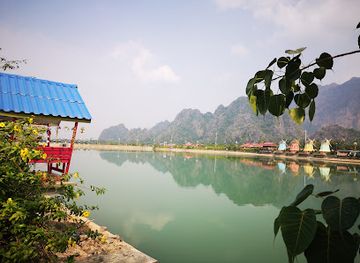
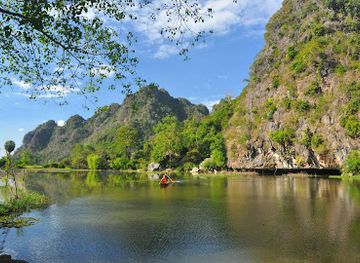
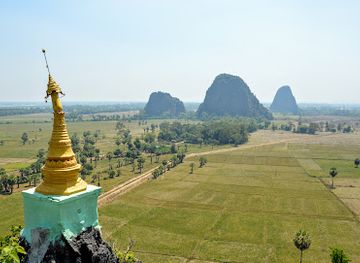
Hpa-An, the capital of Myanmar’s Kayin State, lies beside the broad Thanlwin, or Salween, River in a landscape of rice fields, limestone outcrops and forested hills. The city itself is relaxed and relatively low-rise, with a modest commercial centre, riverside streets and a daily rhythm shaped by markets, monasteries and movement along the water. Its most recognisable natural landmark is Mount Zwegabin, a steep limestone massif that rises dramatically from the surrounding plain.Read more about Hpa-An
Caves, Monasteries and Sacred Landscapes
Kayin Culture and Everyday Life
When is the best time to visit Hpa-An?
Best: December–February · 31–33°C| Month | High (°C) | Rainfall (mm) |
|---|---|---|
| January (best) | 31 | 7 |
| February (best) | 32 | 8 |
| March | 35 | 11 |
| April | 38 | 20 |
| May | 39 | 44 |
| June | 39 | 65 |
| July | 39 | 70 |
| August | 39 | 67 |
| September | 38 | 65 |
| October | 38 | 42 |
| November | 36 | 15 |
| December (best) | 33 | 10 |
Getting to and around Hpa-An
How to get there
Transportation
Best attractions in Hpa-An
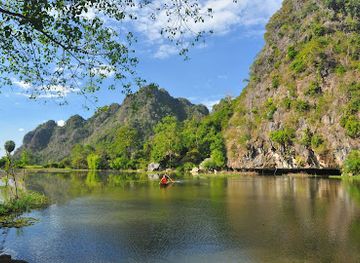
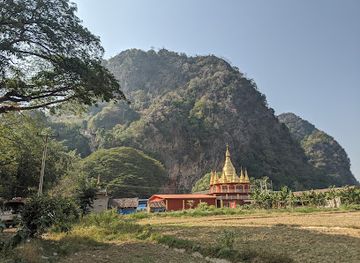
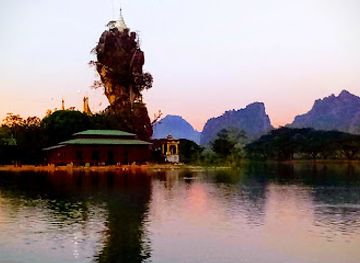
Hpa-An’s principal attractions lie in the countryside surrounding the city, where limestone hills rise abruptly from rice fields and villages. Kawgun Cave is both a geological chamber and a long-established Buddhist sanctuary, filled with images and inscriptions on its rock surfaces. Nearby Saddan Cave offers a more adventurous passage through the mountain, sometimes followed by a boat journey across a sheltered waterway when conditions permit. At Kyauk Kalap, a narrow rock formation and religious shrine stand beside a lake, while Lumbini Garden presents rows of Buddha images beneath Mount Zwegabin. The Thanlwin riverfront provides a quieter introduction to local life, with boats, markets and changing evening light. Mount Zwegabin itself dominates the regional horizon and attracts walkers, though trails can be steep, exposed and affected by weather. The combination of sacred sites, rural scenery and unusual karst formations gives Hpa-An a distinctive sightseeing character.
-
Tourist attraction
Chit Thu Myaing Resort
Discover tranquility at Chit Thu Myaing Resort, a scenic retreat in Hpa-An, perfect for nature lovers and adventure seekers alike.
28 min drive · 9.2 km from city centre
-
Historical landmark
Mahar Sadan Cave
Explore the breathtaking Mahar Sadan Cave in Hpa-An, a historical landmark filled with stunning natural formations and rich cultural heritage.
39 min drive · 19 km from city centre
-
Tourist attraction
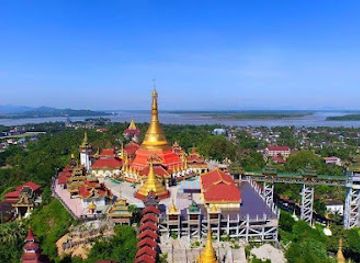
Kyaik Tha Lan Pagoda
Discover the spiritual and architectural beauty of Kyaik Tha Lan Pagoda in Mawlamyine, where culture and tranquility meet against breathtaking backdrops.
1 h 5 min drive · 45 km from city centre
-
Tourist attraction
Kaw Gon Cave
Discover the enchanting beauty and rich history of Kaw Gon Cave, a sacred site adorned with thousands of Buddha statues in Hpa-An, Myanmar.
27 min drive · 9.1 km from city centre

Best landmarks in Hpa-An
Mount Zwegabin is Hpa-An’s defining natural landmark, a steep, isolated limestone massif that shapes views across Kayin State and carries strong religious significance. Kyauk Kalap offers a more delicate architectural and geological symbol: a small shrine occupies a slender rock pinnacle above a lake, producing an extraordinary balance of stone, water and sky. Kawgun Cave is important not only for its scale but also for the Buddhist sculptures, votive images and inscriptions attached to its walls over successive periods. Lumbini Garden’s orderly rows of Buddha figures create a devotional landscape at the foot of the mountain. The Thanlwin River is another essential landmark of place, historically supporting movement and trade while still defining Hpa-An’s relationship with its surrounding villages and agricultural plain.
-
Park
Chit Thu Myaing Resort
Discover the tranquil beauty of Chit Thu Myaing Resort in Hpa-An, where nature's splendor meets local culture for an unforgettable experience.
28 min drive · 9.2 km from city centre
-
Historical landmark
Mahar Sadan Cave
Explore the breathtaking Mahar Sadan Cave, a historical landmark in Hpa-An, Myanmar, renowned for its stunning landscapes and rich cultural heritage.
39 min drive · 19 km from city centre
-
Pagoda
Kyaik Tha Lan Pagoda
Experience the spiritual heart of Myanmar at Kyaik Tha Lan Pagoda, a breathtaking Buddhist temple in Mawlamyine with stunning views and rich cultural heritage.
1 h 5 min drive · 45 km from city centre
-
Historical place
Kaw Gon Cave
Discover the spiritual serenity and historical significance of Kaw Gon Cave, home to thousands of Buddha images and breathtaking natural beauty in Hpa-An.
27 min drive · 9.1 km from city centre
Explore Hpa-An on the map
Plan your Hpa-An trip on one map. See where the top attractions, landmarks, restaurants, bars and hotels are, find what's near where you're staying, and book hotels and experiences in a few clicks.
Best hotels in Hpa-An
Best restaurants in Hpa-An
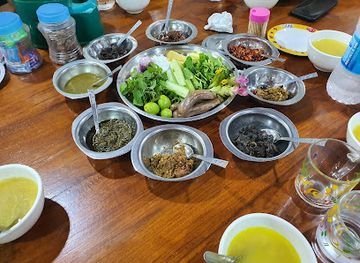
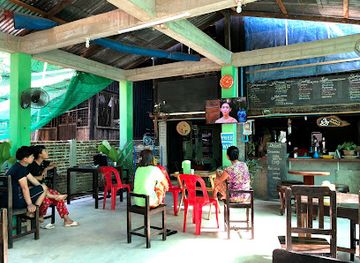
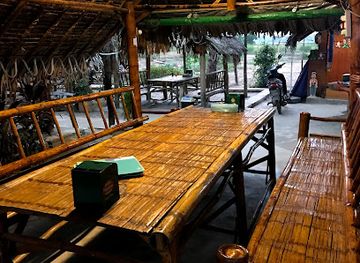
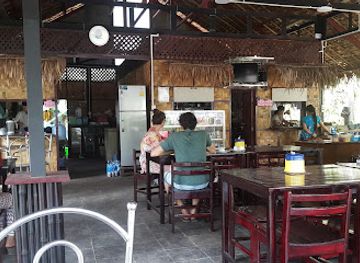
Hpa-An’s food reflects Kayin cooking alongside Mon, Bamar and broader lower-Myanmar influences. Rice is central, accompanied by fish, vegetables, fermented flavours, curries and chilli-based relishes, while noodle dishes and simple soups are common at informal eateries. Restaurants and tea shops in the town centre provide practical places to try local meals, and markets offer fruit, snacks, fried foods and prepared dishes suited to an early start in the countryside. Betel stalls and tea shops are part of the everyday streetscape, while dishes using freshwater fish and seasonal produce reflect the riverine and agricultural setting. Kayin communities are also associated with distinctive textiles and food traditions, although menus vary between households and restaurants. Hygiene and refrigeration standards can differ, so busy establishments with a steady local clientele are generally more reassuring for visitors seeking freshly prepared food.
-
Burmese
San Ma Tau Myanmar Restaurant
Discover authentic Burmese cuisine at San Ma Tau Myanmar Restaurant in Hpa An – where every dish tells a story.
10 min walk · 0.8 km from city centre
-
Restaurant
Wadee Restaurant
Experience the authentic taste of Myanmar at Wadee Restaurant in Hpa-An – where every dish tells a story.
4 min walk · 0.3 km from city centre
-
Thai
Thai Village Restaurant (Hpagat)
Experience the vibrant tastes of Thailand at Thai Village Restaurant in Hpa-An – where authentic cuisine meets warm hospitality.
19 min drive · 6.3 km from city centre
-
Restaurant
Mya Kan Thar Food Centre
Experience the vibrant flavors of Myanmar at Mya Kan Thar Food Centre in Hpa-An – where every dish tells a story.
16 min walk · 1.3 km from city centre
Best bars in Hpa-An
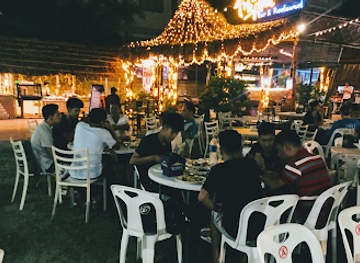
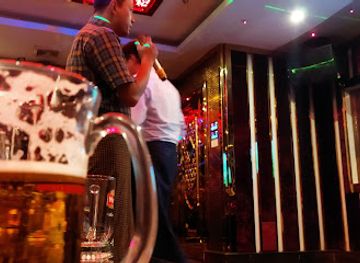
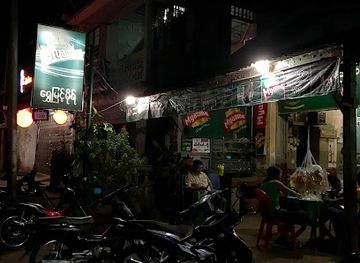
Hpa-An has a restrained evening scene rather than a concentrated nightlife district. After dark, activity centres on tea shops, small restaurants, beer stations and casual local meeting places, with the riverfront and central streets offering opportunities to observe everyday life rather than a programme of clubs. Some hotels and larger restaurants may serve beer or spirits, but opening arrangements and availability can change, and late-night entertainment is limited compared with Yangon or Mandalay. Evenings are often better suited to a meal, a quiet drink or a walk through busy commercial streets than to large-scale live music or dancing. Visitors should dress and behave discreetly near monasteries and residential areas, avoid drinking and driving, and return from rural attractions before roads become poorly lit and transport options diminish.
-
Restaurant
My Hat Bar & Restaurant
Experience local flavors and a cozy atmosphere at My Hat Bar & Restaurant in beautiful Hpa-An, Myanmar.
7 min drive · 2.4 km from city centre
-
Karaoke bar
Smile World KTV
Discover the vibrant karaoke scene at Smile World KTV in Hpa-An, where music and joy come together for an unforgettable experience.
12 min drive · 4.0 km from city centre
-
Karaoke bar
Oasis 3
Experience the vibrant nightlife at Oasis 3 in Hpa-An - the ultimate karaoke destination for music lovers and tourists alike.
12 min drive · 4.2 km from city centre
-
Grill
Local Bar With Proper Dark Beer
Experience the charm of Hpa-An at this local bar, known for its exceptional dark beer and inviting atmosphere, perfect for unwinding after a day of exploration.
4 min walk · 0.3 km from city centre

Best nightclubs in Hpa-An
Hpa-An has a restrained evening scene rather than a concentrated nightlife district. After dark, activity centres on tea shops, small restaurants, beer stations and casual local meeting places, with the riverfront and central streets offering opportunities to observe everyday life rather than a programme of clubs. Some hotels and larger restaurants may serve beer or spirits, but opening arrangements and availability can change, and late-night entertainment is limited compared with Yangon or Mandalay. Evenings are often better suited to a meal, a quiet drink or a walk through busy commercial streets than to large-scale live music or dancing. Visitors should dress and behave discreetly near monasteries and residential areas, avoid drinking and driving, and return from rural attractions before roads become poorly lit and transport options diminish.
-
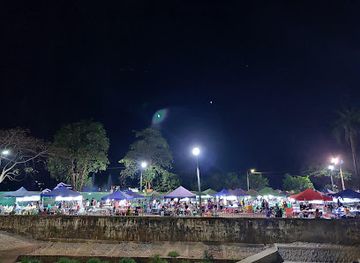
Night market
Night Market
Explore Hpa-An's Night Market: A vibrant blend of delicious street food, local crafts, and cultural experiences in the heart of Myanmar.
10 min walk · 0.8 km from city centre
-
Tourist attraction
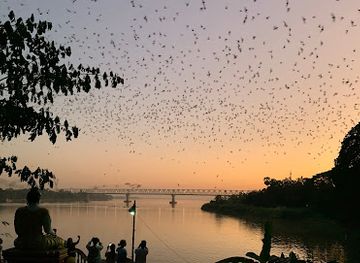
Bat Cave (လင်းနို့ဂူ)
Discover the enchanting Bat Cave in Hpa-An, Myanmar, where stunning limestone formations and mesmerizing bat flights create an unforgettable natural spectacle.
16 min drive · 5.2 km from city centre
-
Restaurant
Wadee Restaurant
Discover authentic Myanmar cuisine at Wadee Restaurant in Hpa-An, where delightful flavors and a welcoming atmosphere await every visitor.
4 min walk · 0.3 km from city centre
-
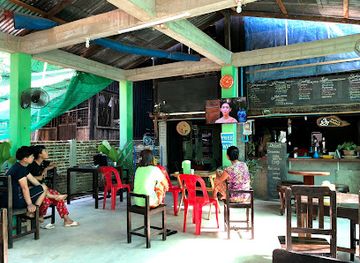
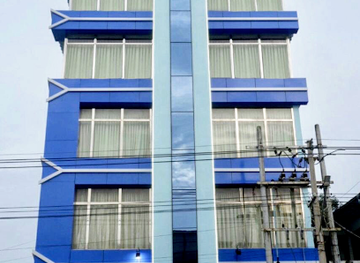
Hotel
Hpa-an River View Hotel & Sky Bar
Discover stunning river views and modern comforts at Hpa-an River View Hotel & Sky Bar, the perfect retreat for travelers in Myanmar.
11 min walk · 0.9 km from city centre
Best shops in Hpa-An
Shopping in Hpa-An is concentrated around local markets, small-town commercial streets and neighbourhood shops rather than major retail centres. Fresh produce, cooked snacks, betel, household goods and inexpensive clothing reveal more about daily life than conventional souvenir outlets. Visitors may find Kayin textiles, woven bags and locally made garments, although designs, quality and availability vary and purchases should be made from established sellers rather than assumed to be museum-quality craftwork. Packaged foods, jaggery, dried ingredients and regional snacks can make practical gifts, subject to customs rules and transport conditions. The market is also the best place to see the exchange between town and countryside, as farmers, traders and food vendors bring together products from the Thanlwin plain and nearby villages. Bargaining may occur, but it should remain courteous and proportionate.
-
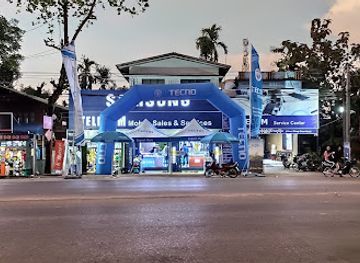
Cell phone store
KM Mobile Store
Explore the latest mobile technology at KM Mobile Store in Hpa-An for all your connectivity needs while traveling.
9 min walk · 0.7 km from city centre
-
Cell phone store
Telecom Mobile
Explore Hpa-An with ease by visiting Telecom Mobile for all your connectivity needs, from smartphones to accessories.
5 min drive · 1.5 km from city centre
-
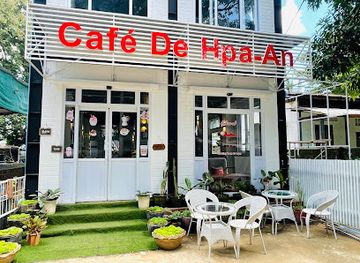
Coffee shop
Cafe' De Hpa-an ( Coffee & Bakery )
Experience the perfect blend of quality coffee and local charm at Cafe' De Hpa-an, your cozy retreat in the heart of Hpa-An.
7 min drive · 2.3 km from city centre
-
Cell phone store
Phyo Phyo Mobile Phone Shop
Explore Hpa-An with confidence by connecting at Phyo Phyo Mobile Phone Shop, your trusted source for mobile devices and accessories.
7 min drive · 2.5 km from city centre

Get your free copy of our complete guide to Hpa-An, delivered straight to you.
Everything on this page, from attractions and restaurants to essentials and local phrases, in one PDF you can read offline, print or share.
Already have an account? Sign in
Your Hpa-An guide is ready.
We'll send it to · Not you? Sign out

Getting your guide ready…
We are putting together a fresh copy of the Hpa-An guide. This can take up to a minute.
This can take a few moments. If your browser asks, choose Allow so the download can start. You'll find the guide in your Downloads folder.
Nothing happened? Download it again
Sorry, the guide is taking longer than usual. Please try again in a minute, or get it by email instead.
Hpa-An essentials
Currency and Payment
Safety
Emergency Situations
Do's and Don'ts
Local Tips
From Eve
Local phrases worth knowing
You don't need to get them perfect. A few words go a long way, and locals appreciate the effort.
Basics
| English | Local | Say it |
|---|---|---|
| Hello | ဟယ်လို | [haleo] |
| Goodbye | ဘာရိန် | [bah-rihn] |
| Yes | ဟယ် | [hae] |
| No | မဟာ | [ma-ha] |
| Please/You're welcome | ကျေးဇူးတင်ပါသည် | [chote-tan-par-ta-nye] |
| Thank you | ကျေးဇူးတင်ပါသည် | [chote-tan-par-ta-nye] |
| Excuse me/Sorry | စော်လေးလို့ | [saw-lae-loh] |
| How are you? | နောက်ဆုံးလဲ | [naokh-sohn-lae] |
| Fine. And you? | ကောင်းတယ်။ နောက်ဆုံးလဲ | [kawng-tae, naokh-sohn-lae] |
| Do you speak English? | အဂၤလိပ် စကားရိုက်နော်လဲ | [a-ga-lip sa-ka-lae-ne-lae] |
| I don't understand | နောက်တော့မဲ့လဲ | [nao-daw-mae-lae] |
Eating & Drinking
| English | Local | Say it |
|---|---|---|
| I'd like to see the menu, please | မီနီ ကြည့်ရှုပါသည် | [mi-ni jyuh-shu-par-nye] |
| I don't eat meat | မိုက်ခဲ့ရင်တော့မဲ့ | [mok-hkai-yan-daw-mae] |
| Cheers! | ကျေးဇူးတင်ပါသည် | [chote-tan-par-nye] |
| I would like to pay, please | ငွေ ေပးမဲ့လဲ | [ngwe-pay-mae-lae] |
Emergencies
| English | Local | Say it |
|---|---|---|
| Help! | ကူဗုတ်လုံး | [ku-bu-loan] |
| Go away! | သွားပါ | [swa-pa] |
| Call the Police! | အရှောင်းရေးလုံး | [a-shaung-yae-loan] |
| Call a doctor! | ဆရာလုံး | [sha-ya-loan] |
| I'm lost | သွားတယ် | [swa-tae] |
| I'm ill | ကြားတယ် | [kraw-tae] |
Shopping
| English | Local | Say it |
|---|---|---|
| I'd like to buy... | ဝယ်ပါသည် | [wai-par-nye] |
| I'm just looking | အားလုံးကြည့်ရှုပါသည် | [a-lone-jyuh-shu-par-nye] |
| How much is it? | ဘယ်ဘက်မဲ့လဲ | [bah-hkay-mae-lae] |
| That's too expensive | အရမ်းတော့မဲ့လဲ | [a-yam-daw-mae-lae] |
| Can you lower the price? | စျော်းလဲ့လဲ | [cho-lae-lae] |
Time & Numbers
| English | Local | Say it |
|---|---|---|
| What time is it? | ဘယ်အချိန်လဲ | [bah-a-chin-lae] |
| It's one o'clock | တစ်စက္ကပါသည် | [tah-sa-ka-pa-nye] |
| Half past (10) | ဆယ်လေး | [sa-lae] |
| Morning | နန်းတယ် | [nun-tae] |
| Afternoon | ညနေ | [nyan-ne] |
| Evening | ညနေ | [nyan-ne] |
| Yesterday | မနေ့က | [ma-nyae-ka] |
| Today | ယနေ့ | [ya-nyae] |
| Tomorrow | မနက်က | [ma-na-ka] |
| 1 | တစ် | [tah] |
| 2 | နှစ် | [na-chae] |
| 3 | သုံး | [sohn] |
| 4 | လေး | [lae] |
| 5 | ငါး | [nga] |
| 6 | ခြောက် | [hkrwak] |
| 7 | ခုန် | [kun] |
| 8 | ရှစ် | [hrae] |
| 9 | ကိုက် | [koak] |
| 10 | တန်း | [tan] |
Transport & Directions
| English | Local | Say it |
|---|---|---|
| Where's a/the...? | အဘယ်ကြည့်ရှုလဲ | [a-bah-jyuh-shu-lae] |
| What's the address? | လိုက်ချေးလဲ | [loi-chae-lae] |
| Can you show me (on the map)? | မြောက်နဲ့ပြသလဲ | [yauk-ne-pya-sa-lae] |
| When's the next (bus)? | နောက်ဆုံးလဲ | [naokh-sohn-lae] |
| A ticket (to ....) | လက်ဆွဲလဲ့ | [lak-shwe-lae] |
History of Hpa-An
An Ancient Mon and Kayin Region
The Hpa-An area belongs to a wider cultural zone shaped by Mon and Kayin communities and by the waterways of the Thanlwin basin. Limestone caves, river crossings and fertile plains supported settlement and religious activity long before the modern city developed. Kawgun Cave preserves Buddhist images, inscriptions and donated sculptures that demonstrate the importance of the limestone hills as sacred places. The region’s history cannot be reduced to a single urban foundation: Hpa-An grew within a landscape of villages, monasteries, agricultural land and routes linking the lower Thanlwin with Mon country and the interior.
The Rise of Hpa-An
Hpa-An became an important administrative and commercial centre because of its position on the Thanlwin and its connections with the surrounding Kayin countryside. River transport helped move rice, forest products and other goods, while roads and ferries connected the settlement with Mawlamyine and communities farther inland. The city’s identity remained closely tied to the rural plain and to the sacred mountains and caves nearby. Rather than developing as a monumental royal capital, Hpa-An emerged as a regional centre whose importance came from administration, trade and access to the river.
Colonial Administration and Trade
The area entered the sphere of British colonial rule during the nineteenth century as British control expanded across lower Myanmar after the Anglo-Burmese wars. Mawlamyine became the principal colonial port in the region, while Hpa-An developed within the administrative geography of British Burma rather than as an isolated settlement. Colonial roads, river routes and commercial networks altered the movement of people and goods, but religious sites and village institutions continued to organise local life. The period also intensified the region’s ethnic and political complexity, with Mon, Kayin and Bamar communities experiencing colonial administration in different ways.
War, Independence and Kayin Politics
The transition to independence in 1948 brought major political and military upheaval to Kayin State. The Karen National Union and its armed wing, the Karen National Liberation Army, became central to a long-running conflict with the Myanmar state, and parts of the wider region experienced displacement, insecurity and restricted movement. Hpa-An’s role as the state capital placed it within this contested political landscape. The conflict has fluctuated through ceasefires and renewed fighting, making current conditions uneven across Kayin State and requiring visitors to distinguish the relatively accessible city from more sensitive border and rural areas.
Contemporary Hpa-An
Modern Hpa-An combines regional administration and commerce with a growing reputation for landscape-based travel. Roads have made the caves, pagodas and viewpoints around the city easier to reach, while social media has brought wider attention to Mount Zwegabin, Kyauk Kalap and Saddan Cave. Tourism remains less developed than in Yangon, Bagan or Mandalay, and local livelihoods continue to centre on agriculture, trading and small businesses. Contemporary Hpa-An is therefore best understood as a living Kayin regional capital, where religious landscapes and everyday community life remain more prominent than purpose-built visitor infrastructure.
Hpa-An in Photos
Browse through our photo collection highlighting the charm and character of the destination.
Cities near Hpa-An
The closest cities to Hpa-An, if you have time for more than one stop.
-

-

-

-

-


Swipe for more cities
Explore more

Explore more of Myanmar (Burma)
Discover Myanmar: A land of golden pagodas, ancient temples, and breathtaking natural beauty, where warm hospitality and rich culture await every traveler.
Explore Myanmar (Burma)