

Free Kyaiktiyo Travel Guide & Mobile App
Plan your Kyaiktiyo trip with Evendo. Get free guides to top attractions, restaurants, hotels, and bars. Web access or download the mobile app.


Kyaiktiyo in Myanmar draws pilgrims to the Golden Rock, a sacred Buddhist shrine on Mount Kyaiktiyo, with forested trails and Mon State traditions.
A Mountain Pilgrimage
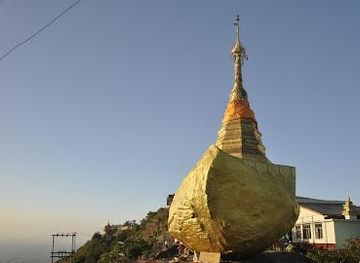
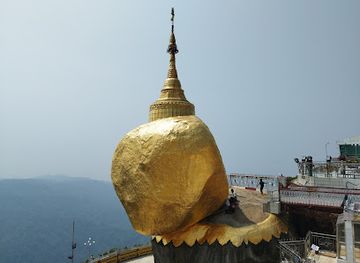
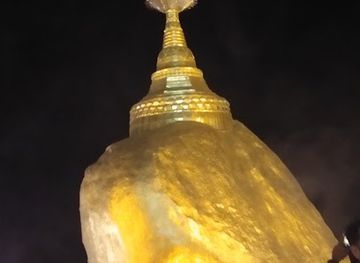
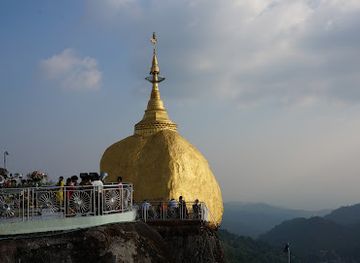
Kyaiktiyo is a small pilgrimage centre in Mon State, southeastern Myanmar, best known as the gateway to the Golden Rock, or Kyaiktiyo Pagoda. Perched on a granite boulder high on Mount Kyaiktiyo, the shrine is one of Myanmar’s most revered Buddhist sites. The rock appears to balance on the edge of a steep precipice, its gilded surface glowing above forested slopes and distant ridges. According to local Buddhist tradition, the boulder is held in place by a hair relic of the Buddha, a sacred story that explains its extraordinary position and draws pilgrims from throughout the country.Read more about Kyaiktiyo
Kinpun and the Ascent
When is the best time to visit Kyaiktiyo?
Best: December–February · 24–25°C| Month | High (°C) | Rainfall (mm) |
|---|---|---|
| January (best) | 24 | 1 |
| February (best) | 25 | 1 |
| March | 28 | 1 |
| April | 32 | 1 |
| May | 33 | 18 |
| June | 32 | 160 |
| July | 31 | 571 |
| August | 31 | 423 |
| September | 31 | 297 |
| October | 30 | 112 |
| November | 26 | 7 |
| December (best) | 24 | 1 |
Getting to and around Kyaiktiyo
How to get there
Transportation
Best attractions in Kyaiktiyo
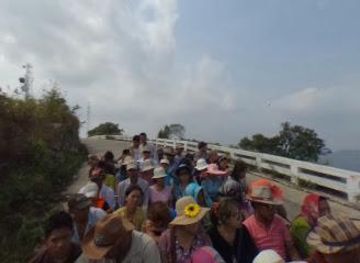
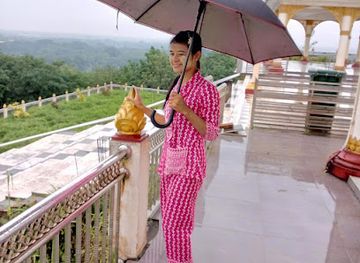
Kyaiktiyo’s principal attraction is the Golden Rock, a gilded boulder balanced on the summit of Mount Kyaiktiyo and crowned by a small pagoda. The approach itself is part of the experience: from Kinpun, the steep lorry ride climbs through forest before a pedestrian route reaches the summit precinct. Around the rock, visitors encounter shrines, monasteries, offering stalls and terraces where pilgrims pray, meditate and watch the changing light over Mon State. The mountain setting provides misty ridgeline views and a strong sense of pilgrimage, especially in the early morning or after dusk when lamps illuminate the devotional area. The settlement of Kinpun offers a more everyday view of the destination, with food stalls, simple shops and transport activity serving worshippers. Kyaikto, farther below, is useful for observing the railway-linked gateway and the transition from lowland town to sacred mountain.
-
Tourist attraction
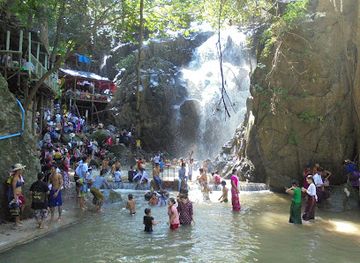
Kyaik Htee Yoe Waterfall
Experience the breathtaking beauty of Kyaik Htee Yoe Waterfall, a hidden paradise in Myanmar that enchants every visitor with its serene ambiance and stunning vistas.
16 min walk · 1.2 km from city centre
-
Kin Pun Sakhan
Explore Kin Pun Sakhan, the gateway to Golden Rock Pagoda, where spirituality meets breathtaking landscapes in Myanmar.
28 min drive · 9.4 km from city centre
-
Kyaiktiyo Pagoda Rd
Explore Kyaiktiyo Pagoda, the iconic Golden Rock, a breathtaking Buddhist pilgrimage site in Kin Pun Sakhan, Myanmar, offering stunning views and spiritual significance.
27 min drive · 9.1 km from city centre
Best landmarks in Kyaiktiyo
The Golden Rock is Kyaiktiyo’s defining landmark: a large granite boulder covered in gold leaf and poised at the edge of Mount Kyaiktiyo, with the Kyaiktiyo Pagoda placed above it. Its importance comes not only from its unusual physical position but from the Buddhist tradition that attributes its stability to a relic of the Buddha. The summit precinct contains associated shrines, monasteries, prayer spaces and terraces that together form a functioning religious complex. At the mountain’s base, Kinpun’s transport staging area is a practical landmark of the pilgrimage route, marking the change from ordinary road travel to the mountain ascent. The railway station at nearby Kyaikto represents a different layer of the landscape, linking the sacred destination with the wider transport history of lower Myanmar.
-
Pagoda
Kyaik Htee Yoe Pagoda
Explore the breathtaking Kyaik Htee Yoe Pagoda, a sacred landmark perched on a granite boulder, offering spiritual solace and stunning panoramic views.
1 min walk · 0.1 km from city centre
-
Tourist attraction
Kyaik Htee Yoe Waterfall
Discover the enchanting beauty of Kyaik Htee Yoe Waterfall, a serene escape into nature's masterpiece in Ka Dai Dutt, Myanmar.
16 min walk · 1.2 km from city centre
-
Monastery
Kyaiktiyo Monastery
Discover the breathtaking views and spiritual serenity at Kyaiktiyo Monastery, home to the legendary Golden Rock in Myanmar.
1 min walk · 0.1 km from city centre
-
Nature preserve
Kyaikhtiyo Wildlife Sanctuary
Explore the lush landscapes and rich biodiversity of Kyaikhtiyo Wildlife Sanctuary, a serene nature preserve in Myanmar perfect for nature lovers.
7 min drive · 2.4 km from city centre
Explore Kyaiktiyo on the map
Plan your Kyaiktiyo trip on one map. See where the top attractions, landmarks, restaurants, bars and hotels are, find what's near where you're staying, and book hotels and experiences in a few clicks.
Best hotels in Kyaiktiyo
Best restaurants in Kyaiktiyo
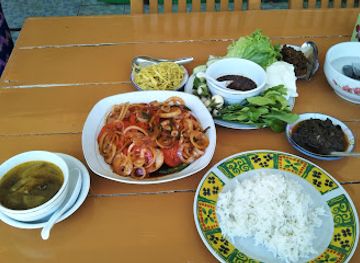
Kyaiktiyo’s food scene is modest and closely tied to pilgrimage traffic, with the greatest concentration of practical places to eat in Kinpun and around the approach to the mountain. Small eateries commonly serve Myanmar staples such as rice with curries, noodle dishes, soup, fried snacks and tea, while Mon State’s culinary influence can be felt in the use of fish, herbs, fermented ingredients and fresh produce. Street-side stalls provide quick meals for pilgrims, including steamed or fried snacks and fruit, although menus and standards vary. Tea shops are useful social spaces for a simple breakfast or drink, while accommodation dining rooms may offer more predictable meals. Vegetarian food is often available near religious sites, but ingredients should be checked clearly when dietary requirements are important.
-
Burmese
Myint Myint Win မြင့်မြင့်ဝင်း
Experience authentic Burmese cuisine at Myint Myint Win in Ka Dai Dutt—where tradition meets comfort in every dish.
3 min walk · 0.3 km from city centre
Get your free copy of our complete guide to Kyaiktiyo, delivered straight to you.
Everything on this page, from attractions and restaurants to essentials and local phrases, in one PDF you can read offline, print or share.
Already have an account? Sign in
Your Kyaiktiyo guide is ready.
We'll send it to · Not you? Sign out

Getting your guide ready…
We are putting together a fresh copy of the Kyaiktiyo guide. This can take up to a minute.
This can take a few moments. If your browser asks, choose Allow so the download can start. You'll find the guide in your Downloads folder.
Nothing happened? Download it again
Sorry, the guide is taking longer than usual. Please try again in a minute, or get it by email instead.
Kyaiktiyo essentials
Currency and Payment
Safety
Emergency Situations
Do's and Don'ts
Local Tips
From Eve
Local phrases worth knowing
You don't need to get them perfect. A few words go a long way, and locals appreciate the effort.
Basics
| English | Local | Say it |
|---|---|---|
| Hello | မင်္ဂလာပါ | [mingala ba] |
| Goodbye | သွားပါ | [swa ba] |
| Yes | ဟုတ်ပါ | [hote ba] |
| No | မဟုတ်ပါ | [ma hote ba] |
| Please/You're welcome | ကျေးဇူးတင်ပါ | [chay zu tin ba] |
| Thank you | ကျေးဇူးပါပါ့ | [chay zu ba ba] |
| Excuse me/Sorry | အားလုံးချင်းပါ | [a lom chit ba] |
| How are you? | ဘယ်ဘက်လဲ | [be ba lae] |
| Fine. And you? | ကျေးဇူးပါရဲ့ ဘယ်ဘက်လဲ | [chay zu ba ye be ba lae] |
| Do you speak English? | အင်္ဂလိပ်ပြီးရင်းလဲ | [in gale pyi yan lae] |
| I don't understand | မဟုတ်ဘူးပါ | [ma hote bu ba] |
Eating & Drinking
| English | Local | Say it |
|---|---|---|
| I'd like to see the menu, please | မီနုပြီးရေးကို၊ ကျေးဇူးပါ | [mi nu pyi re ko, chay zu ba] |
| I don't eat meat | ဆီဇွန်ကိုမဟုတ်ပါ | [hsi zwam ko ma hote ba] |
| Cheers! | လျှပ်စစ်ရှင့်! | [hlut sae shang] |
| I would like to pay, please | ငါကျေးဇူးပါ။ ငါလက်ခံရမှာ | [nga chay zu ba. nga lakkhan yama] |
Emergencies
| English | Local | Say it |
|---|---|---|
| Help! | အကူအညီ! | [a ku a ni] |
| Go away! | နောက်သွား! | [naw swa] |
| Call the Police! | ရုံးတီးကိုဆက်ပါ | [yone ti ko hkat ba] |
| Call a doctor! | ဆရာဝန်ကိုဆက်ပါ | [sha wan ko hkat ba] |
| I'm lost | ငါမှားလားပါ | [nga hmar la ba] |
| I'm ill | ငါအမှားနေပါ | [nga amhar ne ba] |
Shopping
| English | Local | Say it |
|---|---|---|
| I'd like to buy... | ငါဝယ်ယူပါရေးကို | [nga yae yu pyi re ko] |
| I'm just looking | ကျော်သွားပါ | [chaw swa ba] |
| How much is it? | အစားဘွဲလေးဟာရင်းလဲ | [a sa bho lei ha yan lae] |
| That's too expensive | ဒီလို့အစားဘွဲလေးညိုးရမှာ | [di lo a sa bho lei nu ma] |
| Can you lower the price? | စစ်ရေးစားပါအစားဘွဲလေးကို | [saer sei ba a sa bho lei ko] |
Time & Numbers
| English | Local | Say it |
|---|---|---|
| What time is it? | ဘယ်ဘက်လဲပါ | [be ba lae ba] |
| It's one o'clock | တစ်နှစ်ရာ့ပါ | [ta nhote ra ba] |
| Half past (10) | တစ်ဆယ်ရာ့ | [ta hsa ra] |
| Morning | မနက် | [ma neik] |
| Afternoon | နောက် | [naw] |
| Evening | ည | [ye] |
| Yesterday | မနေ | [ma ne] |
| Today | ယနေ | [ya ne] |
| Tomorrow | မနက် | [ma neik] |
| 1 | တစ် | [ta nhote] |
| 2 | နှစ် | [nhote] |
| 3 | သုံး | [sohn] |
| 4 | လေး | [lei] |
| 5 | ငါး | [nga] |
| 6 | ခြောက် | [chaw] |
| 7 | ရှစ် | [shet] |
| 8 | ရှစ်သုံး | [shet sohn] |
| 9 | ကိုး | [kaw] |
| 10 | တဆယ | [tat hsa] |
Transport & Directions
| English | Local | Say it |
|---|---|---|
| Where's a/the...? | ဘယ်ဘက်တော်၊ | [be ba tau,] |
| What's the address? | လိုချင်တော်၊ | [lo chit tau,] |
| Can you show me (on the map)? | ဘယ်ဘက်ကိုပြသလို၊ | [be ba ko pya lae,] |
| When's the next (bus)? | ဘယ်ဘက်ညီမှာ၊ | [be ba ni ma,] |
| A ticket (to ....) | လက်ခံရမှာ | [lakkhan yama] |
History of Kyaiktiyo
Mon Sacred Landscape and Local Tradition
Kyaiktiyo lies within the historic cultural sphere of the Mon people, whose communities have shaped the religious and artistic traditions of lower Myanmar for centuries. The mountain became important as a Buddhist pilgrimage landscape rather than as a major urban settlement. Local tradition connects the Golden Rock with a hair relic of the Buddha entrusted to a hermit and placed within the small shrine above the boulder. The story belongs to the devotional culture surrounding the site and has helped define its spiritual importance, although the rock’s geological formation and the origins of the earliest shrine are separate historical questions. Mon religious customs, Buddhist merit-making and reverence for mountain sanctuaries remain central to Kyaiktiyo’s identity.
The Rise of Kyaiktiyo Pilgrimage
Over time, the shrine on Mount Kyaiktiyo developed from a remote religious site into one of Myanmar’s most prominent pilgrimage destinations. Monks, hermits and lay worshippers travelled through forested terrain to make offerings and receive religious merit, particularly during the dry-season pilgrimage months. The summit became a complex of pagoda structures, monasteries, rest areas and devotional spaces rather than a single isolated monument. As the pilgrimage grew, Kinpun emerged as the principal staging point below the mountain. The distinction between Kyaiktiyo, the mountain sanctuary, and Kinpun, the settlement serving pilgrims, remains important for understanding the destination’s historical geography.
Colonial Roads and Railway Connections
British colonial rule altered access to the wider region by expanding roads, administration and railway connections through lower Burma. The railway station at Kyaikto, below the mountain, helped link the pilgrimage area with routes between Yangon and the southern towns of Mon State. Improved transport did not turn Kyaiktiyo into a conventional colonial town, but it made the shrine more reachable for travellers and pilgrims from distant parts of the country. The journey continued to involve a distinct change of scale: rail or road travel to Kyaikto, onward movement to Kinpun, and then the steep ascent towards the summit. That layered approach still shapes the visitor experience.
Pilgrimage in Independent Myanmar
After Myanmar gained independence in 1948, Kyaiktiyo retained its position as one of the country’s most important Buddhist pilgrimage centres. Religious travel expanded alongside improvements to roads, mountain transport and accommodation around Kinpun. The Golden Rock became familiar not only to devotees but also to domestic visitors and international travellers interested in Myanmar’s sacred architecture and landscapes. Festivals and periods of heightened pilgrimage bring together families, monks, vendors and caretakers, creating a temporary population much larger than the permanent settlement. The site’s continuing importance reflects the strength of Theravada Buddhist practice in Myanmar, while the surrounding Mon cultural setting gives the pilgrimage its regional character.
A Living Religious Heritage
Today, Kyaiktiyo remains defined by pilgrimage rather than by urban expansion. The Golden Rock, summit shrines and mountain paths form a living religious environment in which prayer, offerings, meditation and merit-making continue alongside visitor activity. Access arrangements and visitor facilities have evolved, but the central experience remains a journey towards a sacred summit rather than a visit to a static archaeological monument. The site also illustrates how Myanmar’s religious heritage is sustained through everyday use: worshippers return, monasteries operate, caretakers maintain the shrine and seasonal crowds reshape the mountain. Its modern history is therefore best understood through continuity as well as change.
Kyaiktiyo in Photos
Browse through our photo collection highlighting the charm and character of the destination.
Cities near Kyaiktiyo
The closest cities to Kyaiktiyo, if you have time for more than one stop.
-

-

-

-

-


Swipe for more cities
Explore more

Explore more of Myanmar (Burma)
Discover Myanmar: A land of golden pagodas, ancient temples, and breathtaking natural beauty, where warm hospitality and rich culture await every traveler.
Explore Myanmar (Burma)