

CIDCO Colony (Aurangabad) Travel Guide - Free
Explore CIDCO Colony in Aurangabad with Evendo's free guide. Find the best shops, historic streets, restaurants, and gems on web or mobile.


CIDCO Colony in Aurangabad offers planned streets, local markets, modern dining and easy access to the city’s historic caves and monuments.
A Planned Extension of Aurangabad
CIDCO Colony occupies a broad, carefully laid-out part of Aurangabad, the city now officially known as Chhatrapati Sambhajinagar. Its name comes from the City and Industrial Development Corporation of Maharashtra, whose planned development created a substantial urban extension beyond the older walled city. Rather than a compact historic quarter, CIDCO is a collection of numbered sectors, residential streets, commercial strips, schools, offices, small parks and busy transport corridors. The result is a practical, modern city environment that reveals how Aurangabad expanded during the late twentieth century.Read more about CIDCO Colony
Everyday Streets and Local Life
A Base for Exploring the Region
Best attractions in CIDCO Colony
CIDCO Colony’s attractions are primarily urban and local rather than monumental. Visitors can explore the numbered sectors, planned residential streets and small green spaces to see how Aurangabad’s late-twentieth-century expansion was organised, then follow the main commercial corridors for everyday shopping, tea stalls, bakeries and neighbourhood businesses. Local markets are more revealing than formal sightseeing venues, particularly in the morning and early evening when residents are buying produce and household goods. The area also provides a practical starting point for excursions to the city’s better-known heritage places, including Bibi Ka Maqbara and the old-city monuments, although these are outside CIDCO Colony and should not be presented as local attractions. Retail and leisure development around the wider CIDCO area adds contemporary urban interest, but the neighbourhood’s strongest appeal lies in observing planned city life and using it as a base for the region’s historical sights.
-
Shopping mall
Prozone Mall -Sambhajinagar
Experience world-class shopping, dining, and entertainment at Prozone Mall, Chhatrapati Sambhajinagar's premier retail destination.
12 min walk · 0.9 km from neighbourhood centre
-
Garden
Nehru Udyan
Discover tranquility at Nehru Udyan, Aurangabad's premier garden sanctuary with lush greenery and vibrant floral displays for the perfect getaway.
16 min walk · 1.3 km from neighbourhood centre
-
Garden
Samai Garden
Discover a serene escape in Aurangabad's Samai Garden: lush greenery, peaceful walks, and a tranquil retreat from the city bustle.
15 min walk · 1.2 km from neighbourhood centre
-
Garden
Maharana Pratap Udyan
Find tranquility and recreation at Aurangabad's Maharana Pratap Udyan, a green escape in the city's heart.
1 min walk · 0.1 km from neighbourhood centre


Best landmarks in CIDCO Colony
CIDCO Colony’s principal landmarks are the planning features that give the district its identity: numbered sectors, broad connecting roads, residential blocks, civic institutions and commercial junctions rather than ancient monuments. This urban framework distinguishes the area from Aurangabad’s historic core and records the city’s expansion under Maharashtra’s planned-development programme. Sector markets and well-used bus stops function as everyday reference points, while apartment compounds, schools and public-service buildings show how the original residential plan acquired a denser, mixed-use life. The neighbourhood should not be confused with the city’s celebrated Mughal and medieval landmarks, many of which lie elsewhere. Its significance is architectural and social at a more ordinary scale, representing the modern city’s accommodation of housing, commerce and movement beyond the old walls.
-
Park
Cannought Garden
Explore the lush landscapes and serene ambiance of Cannought Garden, a perfect retreat in Aurangabad for nature lovers and families.
1 min walk · 0.1 km from neighbourhood centre
-
Historical landmark
Noor Darwaza Aurangabad
Explore the majestic Noor Darwaza in Aurangabad, a historical landmark that reflects the grandeur of India's rich cultural heritage.
5 min drive · 1.5 km from neighbourhood centre
-
 Historical landmark
Kansa corner
Explore Kansa Corner in Aurangabad, a historical landmark that showcases the region's rich heritage and architectural beauty, perfect for culture enthusiasts.
2 min walk · 0.1 km from neighbourhood centre


Explore CIDCO Colony on the map
A handpicked selection of must-see spots in CIDCO Colony, mapped for you.
Best hotels in CIDCO Colony
Best restaurants in CIDCO Colony
Dining in CIDCO Colony reflects the everyday scale of a large residential district, with street-side tea, breakfast stalls, bakeries, vegetarian cafés, family restaurants and casual places serving familiar Maharashtrian and broader Indian dishes. The main roads and sector markets are the most useful areas for finding food, while newer commercial developments in and around CIDCO offer more formal dining and takeaway choices. Menus vary considerably, but visitors will commonly encounter thalis, snacks, breads, rice dishes and regional preparations alongside North Indian, South Indian and Chinese-Indian options. The neighbourhood is also a practical place to try local sweets and quick evening snacks without treating the area as a specialised food quarter. Specific outlets change, so asking hotel staff or residents about currently operating places is more reliable than relying on old listings.
-
Indian
Shahi Bhoj Thali Restaurant
Experience authentic Indian vegetarian cuisine at Shahi Bhoj Thali Restaurant in Aurangabad - a flavorful journey awaits!
4 min walk · 0.3 km from neighbourhood centre
-
South Indian
Hotel Laadli veg-Restaurant
Experience the rich flavors of South Indian and Punjabi cuisine at Hotel Laadli Veg-Restaurant in Aurangabad - a vegetarian delight!
8 min walk · 0.7 km from neighbourhood centre
-
Mughlai
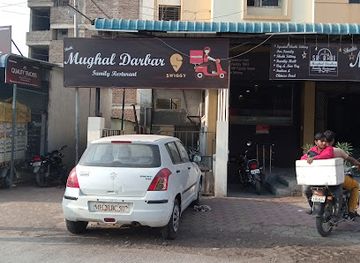
Mughal Darbar Family Restaurant
Discover the authentic taste of Mughlai cuisine at Mughal Darbar Family Restaurant in Aurangabad – where tradition meets flavor.
7 min drive · 2.4 km from neighbourhood centre
-
Fast Food
Sakhis Kitchen
Discover a vegetarian paradise at Sakhis Kitchen in Aurangabad, where delicious fast food meets healthy eating!
12 min walk · 0.9 km from neighbourhood centre



Best bars in CIDCO Colony
CIDCO Colony is not principally a concentrated nightlife district, and its evenings are shaped more by family restaurants, cafés, tea stalls, neighbourhood shopping and traffic along the main roads than by a dense sequence of clubs. Some licensed restaurants and hotel-linked venues in the wider area may serve alcohol, but availability and opening arrangements can change, and visitors should check locally rather than assume that a particular venue remains open. The most characteristic evening experience is a walk through a busy commercial sector, followed by casual food or dessert, while quieter residential streets settle earlier. Visitors seeking a larger entertainment scene may need to travel to other parts of Aurangabad, keeping the return journey and local transport arrangements in mind.
-
Bar
Annapurna's 540 WEST Rest 'O' Bar
Discover the vibrant dining and nightlife scene at Annapurna's 540 WEST Rest 'O' Bar in Aurangabad, where flavor meets fun in a lively setting.
5 min walk · 0.4 km from neighbourhood centre
-
Bar
Swara Executive Restro & Bar
Experience the vibrant culinary scene at Swara Executive Restro & Bar, Aurangabad's premier destination for dining and relaxation.
8 min walk · 0.6 km from neighbourhood centre
-
Bar
NEW WINE BAR & RESTAURANT
Discover the lively New Wine Bar & Restaurant in Aurangabad, a vibrant spot for drinks and dining, perfect for relaxing after a day of exploration.
11 min walk · 0.9 km from neighbourhood centre
-
Bar
Player sports Bar
Experience the thrill of live sports at Player Sports Bar in Aurangabad, where great drinks and a vibrant atmosphere await.
9 min walk · 0.7 km from neighbourhood centre


Best nightclubs in CIDCO Colony
CIDCO Colony is not principally a concentrated nightlife district, and its evenings are shaped more by family restaurants, cafés, tea stalls, neighbourhood shopping and traffic along the main roads than by a dense sequence of clubs. Some licensed restaurants and hotel-linked venues in the wider area may serve alcohol, but availability and opening arrangements can change, and visitors should check locally rather than assume that a particular venue remains open. The most characteristic evening experience is a walk through a busy commercial sector, followed by casual food or dessert, while quieter residential streets settle earlier. Visitors seeking a larger entertainment scene may need to travel to other parts of Aurangabad, keeping the return journey and local transport arrangements in mind.
-
Hotel
Aurangabad Gymkhana Club Hotel
Experience luxury and comfort at Aurangabad Gymkhana Club Hotel, your gateway to exploring Maharashtra's rich heritage and vibrant culture.
5 min drive · 1.6 km from neighbourhood centre
-
Bar
Swara Executive Restro & Bar
Experience the flavors of Aurangabad at Swara Executive Restro & Bar, where exquisite cuisine meets a vibrant atmosphere perfect for every occasion.
8 min walk · 0.6 km from neighbourhood centre
-
Bar
Hotel Angoor
Discover the vibrant atmosphere of Hotel Angoor, a perfect blend of bar and restaurant in Aurangabad for food lovers and travelers alike.
5 min drive · 1.6 km from neighbourhood centre
-
Bar
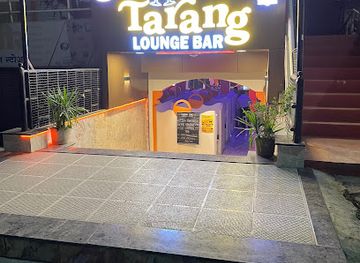
Hotel Tarang Lounge Bar
Discover the vibrant nightlife at Hotel Tarang Lounge Bar in Aurangabad, where local flavors meet a lively atmosphere for an unforgettable experience.
5 min drive · 1.7 km from neighbourhood centre


Best shops in CIDCO Colony
Shopping in CIDCO Colony is centred on practical local commerce: vegetable and grocery markets, pharmacies, clothing shops, mobile retailers, bakeries, household stores and small businesses serving the numbered sectors. The principal roads and market clusters are more useful for everyday purchases than for a single destination shopping street, and their character changes through the day as residents shop, commute and collect food. Larger contemporary retail and entertainment developments in the wider CIDCO area provide a different experience, but their exact relationship to the neighbourhood should be checked locally. Visitors interested in regional products can look for Maharashtrian snacks, sweets and textiles, although CIDCO is not primarily an artisan bazaar. The value of shopping here lies in observing ordinary urban life and finding practical goods rather than browsing a historic market quarter.
-
Clothing store
fashion point
Explore the latest trends at Fashion Point, Aurangabad's premier destination for casual and western apparel, perfect for the style-savvy traveler.
13 min walk · 1.1 km from neighbourhood centre
-
Clothing store
Roop Collections- Best Traditional Wear In Cidco
Experience the rich heritage of Indian fashion at Roop Collections, the premier destination for exquisite traditional wear in Aurangabad.
7 min walk · 0.6 km from neighbourhood centre
-
Clothing store
Akarshan Elite
Explore the vibrant fashion scene at Akarshan Elite, Aurangabad's premier clothing store offering a variety of styles for every occasion.
4 min walk · 0.3 km from neighbourhood centre
-
Gift shop
Rangoli Collection
Explore Rangoli Collection in Aurangabad for unique gifts, chic women's clothing, delightful toys, and exquisite cosmetics that embody local artistry.
6 min walk · 0.5 km from neighbourhood centre


CIDCO Colony essentials
Getting There
Getting Around
Safety
Emergency Situations
Do's and Don'ts
Local Tips

From Eve
Local phrases worth knowing
You don't need to get them perfect. A few words go a long way, and locals appreciate the effort.
Basics
| English | Local | Say it |
|---|---|---|
| Hello | नमस्ते | [Namaste] |
| Goodbye | अलविदा | [Alvida] |
| Yes | हाँ | [Haan] |
| No | नहीं | [Nahi] |
| Please/You're welcome | कृपया | [Kripya] |
| Thank you | धन्यवाद | [Dhanyavad] |
| Excuse me/Sorry | माफ़ कीजिए | [Maaf kijiye] |
| How are you? | आप कैसे हैं? | [Aap kaise hain?] |
| Fine. And you? | ठीक हूँ। आप सुनाएं? | [Theek hoon. Aap sunayein?] |
| Do you speak English? | क्या आप अंग्रेज़ी बोलते हैं? | [Kya aap angrezi bolte hain?] |
| I don't understand | मैं समझ नहीं पाया | [Main samajh nahi paya] |
Eating & Drinking
| English | Local | Say it |
|---|---|---|
| I'd like to see the menu, please | कृपया मेन्यू दिखाएं | [Kripya menu dikhayein] |
| I don't eat meat | मैं मांस नहीं खाता | [Main maans nahi khaata] |
| Cheers! | चियर्स! | [Cheers!] |
| I would like to pay, please | कृपया मैं भुगतान करना चाहता हूँ | [Kripya main bhugtan karna chahta hoon] |
Emergencies
| English | Local | Say it |
|---|---|---|
| Help! | बचाओ! | [Bachao!] |
| Go away! | चले जाओ! | [Chale jao!] |
| Call the Police! | पुलिस को बुलाओ! | [Police ko bulao!] |
| Call a doctor! | डॉक्टर को बुलाओ! | [Doctor ko bulao!] |
| I'm lost | मैं खो गया हूँ | [Main kho gaya hoon] |
| I'm ill | मुझे बीमारी है | [Mujhe bimari hai] |
Shopping
| English | Local | Say it |
|---|---|---|
| I'd like to buy... | मैं खरीदना चाहता हूँ... | [Main khareedna chahta hoon...] |
| I'm just looking | मैं बस देख रहा हूँ | [Main bas dekh raha hoon] |
| How much is it? | यह कितने का है? | [Yeh kitne ka hai?] |
| That's too expensive | यह बहुत महंगा है | [Yeh bahut mehnga hai] |
| Can you lower the price? | क्या आप कीमत कम कर सकते हैं? | [Kya aap keemat kam kar sakte hain?] |
Time & Numbers
| English | Local | Say it |
|---|---|---|
| What time is it? | अब कितने बजे हैं? | [Ab kitne baje hain?] |
| It's one o'clock | एक बजे हैं | [Ek baje hain] |
| Half past (10) | दस बजे तक | [Das baje tak] |
| Morning | सुबह | [Subah] |
| Afternoon | दोपहर | [Dopahar] |
| Evening | शाम | [Shaam] |
| Yesterday | कल | [Kal] |
| Today | आज | [Aaj] |
| Tomorrow | कल | [Kal] |
| 1 | एक | [Ek] |
| 2 | दो | [Do] |
| 3 | तीन | [Teen] |
| 4 | चार | [Char] |
| 5 | पांच | [Paanch] |
| 6 | छह | [Chheh] |
| 7 | सात | [Saath] |
| 8 | आठ | [Aath] |
| 9 | नौ | [Nau] |
| 10 | दस | [Das] |
Transport & Directions
| English | Local | Say it |
|---|---|---|
| Where's a/the...? | ...कहाँ है? | [...Kahan hai?] |
| What's the address? | पता क्या है? | [Pata kya hai?] |
| Can you show me (on the map)? | क्या आप मुझे दिखा सकते हैं (नक्शे पर)? | [Kya aap mujhe dikhha sakte hain (naksha par)?] |
| When's the next (bus)? | अगली (बस) कब है? | [Agli (bus) kab hai?] |
| A ticket (to ....) | एक टिकट (.....के लिए) | [Ek ticket (.....ke liye)] |
History of CIDCO Colony
The CIDCO Planning Vision
CIDCO Colony emerged from Maharashtra’s post-independence programme of planned urban development. The City and Industrial Development Corporation of Maharashtra was established in 1970 to create and manage new urban areas, and its work in Aurangabad formed a modern extension beyond the historic core. The neighbourhood was laid out through sectors, planned roads, residential plots, public facilities and commercial areas, reflecting an effort to accommodate population growth in an organised way rather than allowing all expansion to concentrate around the old city. Its physical character therefore belongs mainly to the later twentieth century, not to the medieval history associated with Aurangabad’s monuments.
Expansion Beyond the Old City
As Aurangabad developed as an industrial and administrative centre, new housing became necessary for workers, families and public-sector employees. CIDCO Colony provided a planned setting for this expansion, with neighbourhood units connected by broad roads and supported by schools, shops and civic services. The area’s numbered sectors became part of everyday local geography, while nearby industrial growth and improving road connections strengthened its role within the wider city. This development also shifted the experience of Aurangabad from a largely old-city-centred settlement towards a more dispersed urban form.
A Growing Residential Landscape
During the late twentieth and early twenty-first centuries, CIDCO Colony matured from a planned extension into an established urban district. Original houses and apartment developments were joined by additional commercial construction, educational institutions, offices, clinics and informal roadside businesses. Families who had moved into the new sectors created a settled residential community, while later arrivals added to the area’s social and linguistic variety. The neighbourhood’s history is consequently visible less through preserved monuments than through changing building types, busy local markets and the gradual conversion of planned spaces into a dense, multifunctional part of Aurangabad.
Contemporary Aurangabad Connection
Today, CIDCO Colony forms part of the modern city that is officially named Chhatrapati Sambhajinagar, while Aurangabad remains widely used by residents, businesses and visitors. Its planned roads and proximity to major routes make it an important base for movement around the metropolitan area, even though the neighbourhood is not itself the principal location of the city’s celebrated heritage monuments. Commercial growth around the sectors has brought newer retail and dining uses, but the area continues to function primarily as a residential and service district shaped by the needs of local residents.
CIDCO Colony in Photos
Browse through our photo collection highlighting the charm and character of the destination.
Neighbourhoods near CIDCO Colony
The closest neighbourhoods to CIDCO Colony, if you have time for more than one stop.
-

-

-

-

-


Swipe for more neighbourhoods
Explore more

Explore more of Aurangabad
Aurangabad, India: explore Mughal-era monuments, Buddhist caves, Deccan cuisine and gateways to UNESCO-listed Ajanta and Ellora heritage today.
Explore Aurangabad