

Garkheda (Aurangabad) Travel Guide - Free
Explore Garkheda in Aurangabad with Evendo's free guide. Find the best shops, historic streets, restaurants, and gems on web or mobile.


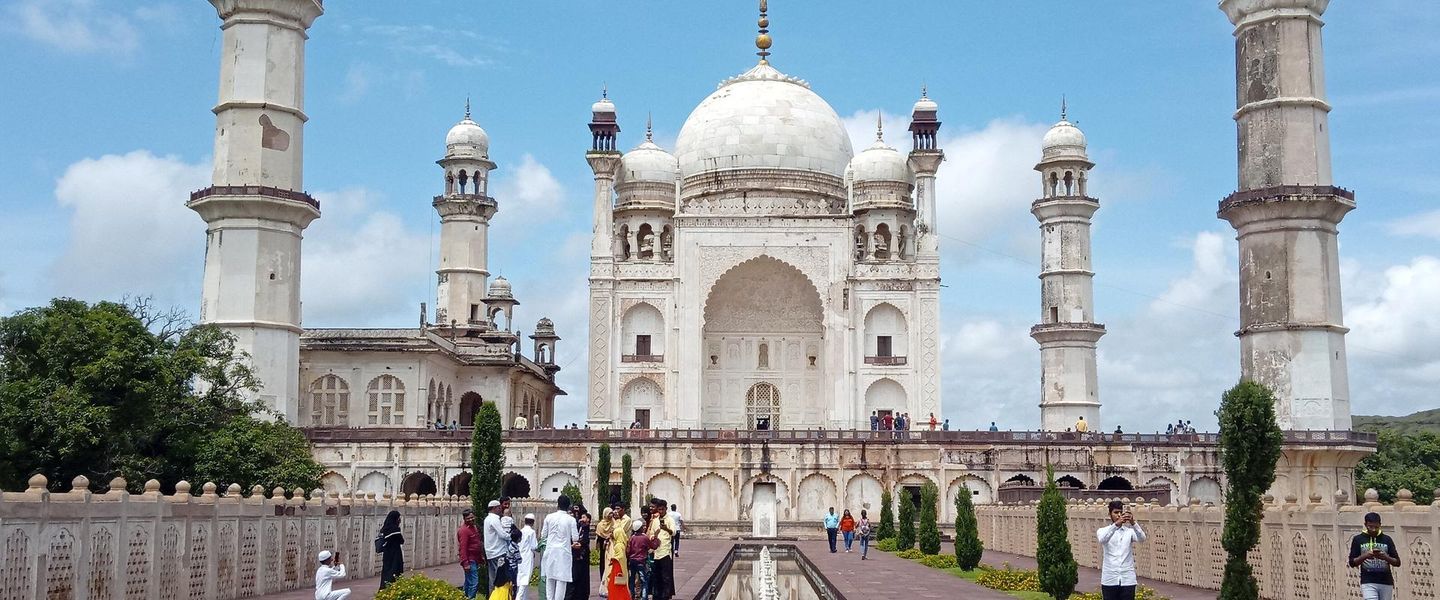


Garkheda in Aurangabad offers local markets, Maharashtrian food, residential streets and easy access to the city’s historic monuments and caves.
A Residential Quarter with Local Rhythm
Garkheda lies in the built-up southern part of Aurangabad, now officially known as Chhatrapati Sambhajinagar, and presents a very different face from the city’s celebrated Mughal-era monuments. It is a practical, populous urban locality shaped by apartment blocks, independent houses, schools, clinics, small offices and busy commercial stretches around Garkheda Chowk and Jawahar Colony. The neighbourhood is best understood as a place of everyday city life rather than a concentrated sightseeing district.Read more about Garkheda
Streets, Markets and Daily Life
A Base for Exploring the City
Best attractions in Garkheda
Garkheda does not contain a concentrated group of major monuments, but its attractions lie in observing an established residential district and its everyday commercial life. Garkheda Chowk provides a useful introduction to the movement of buses, auto-rickshaws, two-wheelers and pedestrians, while Jawahar Colony and the surrounding streets reveal the mixture of apartment buildings, independent houses, small businesses and local services that characterises southern Aurangabad. Visitors interested in contemporary urban life can browse neighbourhood shops, sample snacks and walk through the quieter lanes between the main roads. The celebrated heritage attractions associated with Aurangabad, including Bibi-ka-Maqbara and the city’s rock-cut caves, are outside Garkheda and should be visited as separate excursions. The neighbourhood’s appeal is therefore observational and local: it offers a grounded view of the expanding city rather than a conventional monument circuit.
-
Tourist attraction
Alamgir Masjid
Discover the serene Alamgir Masjid in Aurangabad, a Mughal-era mosque reflecting Emperor Aurangzeb's austere devotion and architectural style.
16 min walk · 1.3 km from neighbourhood centre

Best landmarks in Garkheda
Garkheda’s landmarks are mainly urban reference points rather than monumental buildings. Garkheda Chowk is the neighbourhood’s clearest civic and commercial marker, a busy junction that helps orient visitors within the southern part of Aurangabad. Jawahar Colony and the principal connecting roads are also significant in local terms because they show how housing, retail and transport have extended the city beyond its historic core. The neighbourhood’s apartment blocks, independent houses, clinics, schools and shopfronts form a representative modern streetscape, but individual buildings should not be assigned architectural or heritage status without specific local documentation. Aurangabad’s most important historic structures, including Bibi-ka-Maqbara and the old city’s gates and monuments, lie elsewhere. Garkheda’s significance is consequently tied to the city’s post-industrial residential expansion and the ordinary infrastructure that supports daily life.
-
Historical landmark
Garkheda Chowk
Explore Garkheda Chowk in Aurangabad, a vibrant historical landmark filled with rich culture, local delicacies, and stunning architecture.
16 min walk · 1.3 km from neighbourhood centre
-
Park
GARKHEDA KABRISTAN
Discover the serene beauty of Garkheda Kabristan, a tranquil park in Aurangabad, where nature meets cultural heritage.
14 min walk · 1.1 km from neighbourhood centre


Explore Garkheda on the map
A handpicked selection of must-see spots in Garkheda, mapped for you.
Best hotels in Garkheda
Best restaurants in Garkheda
Dining in Garkheda is primarily local and practical, with small restaurants, cafés, bakeries, snack counters and takeaway kitchens serving residents, students, office workers and families. Menus commonly draw on Maharashtrian and broader North Indian cooking, alongside familiar vegetarian dishes, breads, rice meals, tea and quick snacks; the exact mix changes from one commercial stretch to another. The area around Garkheda Chowk and Jawahar Colony is a useful place to look for casual eating, while smaller outlets on residential roads may operate on a more limited scale. Visitors should distinguish neighbourhood dining from Aurangabad’s better-known food traditions and heritage-city restaurants elsewhere. Eating here is less about a curated culinary district than about seeing how an ordinary urban locality feeds itself, with busy counters, family-run premises and everyday takeaway culture forming the main experience.
-
Italian
The D Pizza
Experience authentic Italian cuisine at The D Pizza in Aurangabad - where every slice tells a delicious story.
18 min walk · 1.5 km from neighbourhood centre
-
Family-friendly
Mrignayani Restaurant and Bar
Experience authentic modern Indian cuisine at Mrignayani Restaurant and Bar - a family-friendly gem in Aurangabad offering flavorful dishes and refreshing drinks.
12 min walk · 1.0 km from neighbourhood centre
-
Vegetarian
Amantran
Discover the exquisite flavors of vegetarian cuisine at Amantran in Aurangabad – where tradition meets taste.
12 min walk · 1.0 km from neighbourhood centre
-
Takeout restaurant
Green Leaf -2 Online - Take away Unit ulkanagari
Experience the best of vegetarian cuisine at Green Leaf - a delightful takeout restaurant in Aurangabad, offering delicious meals and tempting sweets.
9 min walk · 0.8 km from neighbourhood centre


Best bars in Garkheda
Garkheda is not known as Aurangabad’s principal nightlife quarter, and its evening life is centred more on food, conversation, shopping and routine social activity than on large clubs. Tea stalls, casual cafés, family restaurants and snack shops bring life to the main commercial roads after sunset, while quieter residential lanes become comparatively subdued. Alcohol service and late-night entertainment are subject to local licensing and changing business patterns, so visitors should verify current arrangements rather than assume that a particular venue operates late. Those seeking a broader selection of bars, music venues or hotel-based evening entertainment may need to travel towards other commercial parts of Aurangabad. In Garkheda, the most characteristic evening experience is a short walk around the active junctions followed by a local meal, with attention to traffic and residential noise.
-
Bar
Mrignayani Restaurant and Bar
Discover the flavors of modern Indian cuisine at Mrignayani Restaurant and Bar in Aurangabad, a family-friendly dining experience with a vibrant atmosphere.
12 min walk · 1.0 km from neighbourhood centre
-
Sports bar
Shail
Experience the ultimate sports bar atmosphere at Shail in Aurangabad, where great food and live sports come together for an unforgettable outing.
6 min drive · 1.9 km from neighbourhood centre
-
Bar
Patiala peg -Kitchen & Bar
Experience the vibrant nightlife and delectable cuisine at Patiala Peg - Kitchen & Bar, the perfect spot for a fun evening in Aurangabad.
14 min walk · 1.1 km from neighbourhood centre
-
Bar
Sharveen Executive
Discover the vibrant tastes of Aurangabad at Sharveen Executive, a family-friendly restaurant and bar offering a delightful culinary experience.
12 min walk · 1.0 km from neighbourhood centre


Best nightclubs in Garkheda
Garkheda is not known as Aurangabad’s principal nightlife quarter, and its evening life is centred more on food, conversation, shopping and routine social activity than on large clubs. Tea stalls, casual cafés, family restaurants and snack shops bring life to the main commercial roads after sunset, while quieter residential lanes become comparatively subdued. Alcohol service and late-night entertainment are subject to local licensing and changing business patterns, so visitors should verify current arrangements rather than assume that a particular venue operates late. Those seeking a broader selection of bars, music venues or hotel-based evening entertainment may need to travel towards other commercial parts of Aurangabad. In Garkheda, the most characteristic evening experience is a short walk around the active junctions followed by a local meal, with attention to traffic and residential noise.
-
 Bar
Hotel Droan
Experience the vibrant nightlife of Aurangabad at Hotel Droan, a popular bar offering a diverse drink menu and a lively atmosphere.
6 min drive · 2.0 km from neighbourhood centre
-
Bar
GURU INN’S FLOATING SPIRIT RESTAURANT & BAR
Savor exquisite cuisine and refreshing drinks at Guru Inn’s Floating Spirit Restaurant & Bar, where every meal is a unique experience on the water.
5 min drive · 1.7 km from neighbourhood centre
-
Night club
Chetan Bhau Gaikwad Night club
Unleash your night at Chetan Bhau Gaikwad Night Club, the ultimate nightlife destination in Aurangabad with electrifying music and vibrant atmosphere.
16 min walk · 1.3 km from neighbourhood centre
-
Night club
Hotel
Discover Aurangabad's vibrant nightlife at the premier night club, where music, dance, and unforgettable experiences await every visitor.
5 min drive · 1.6 km from neighbourhood centre


Best shops in Garkheda
Shopping in Garkheda is oriented towards local needs rather than destination retail. The streets around Garkheda Chowk and Jawahar Colony contain the familiar mix of clothing and footwear shops, pharmacies, mobile-phone retailers, salons, bakeries, household stores and small convenience businesses found in a settled Indian urban neighbourhood. Visitors may also encounter sweet shops, snack counters and service outlets that provide a closer look at everyday retail than a large shopping centre does. Stock, opening patterns and the balance between independent shops and branded chains change over time, so the area is better approached as a browsing environment than a source of guaranteed specialist products. For traditional crafts, historic-market browsing and souvenir shopping, other parts of Aurangabad are more relevant; Garkheda’s retail character is practical, dispersed and closely tied to its resident population.
-
Shopping mall
Reliance Mall
Explore the best shopping and dining experiences in Aurangabad at Reliance Mall, where local flavors meet global brands.
18 min walk · 1.4 km from neighbourhood centre
-
Women's clothing store
Stop N Shop Fashion House - best ladies clothing shop in Ch.Sambhajinagar-Aurangabad
Explore the latest trends in women's fashion at Stop N Shop Fashion House, Aurangabad's leading clothing destination for stylish ladies.
13 min walk · 1.0 km from neighbourhood centre
-
Gift shop
Yash Emporium
Explore Yash Emporium in Aurangabad for unique gifts, local art supplies, and beauty products that embody the essence of Maharashtra’s culture.
5 min drive · 1.6 km from neighbourhood centre
-
Gift shop
Aksa Bangles & General Stores
Discover the vibrant world of local craftsmanship at Aksa Bangles & General Stores, your go-to destination for unique gifts and exquisite bangles in Aurangabad.
16 min walk · 1.2 km from neighbourhood centre


Garkheda essentials
Getting There
Getting Around
Safety
Emergency Situations
Do's and Don'ts
Local Tips

From Eve
Local phrases worth knowing
You don't need to get them perfect. A few words go a long way, and locals appreciate the effort.
Basics
| English | Local | Say it |
|---|---|---|
| Hello | नमस्कार | [Namaskar] |
| Goodbye | अलविदा | [Alvida] |
| Yes | हाँ | [Haan] |
| No | नहीं | [Nahi] |
| Please/You're welcome | कृपया/स्वागत है | [Kripya/Swagat hai] |
| Thank you | धन्यवाद | [Dhanyavaad] |
| Excuse me/Sorry | क्षमा कीजिए/माफ़ कीजिए | [Kshama kijiye/Maaf kijiye] |
| How are you? | आप कैसे हैं? | [Aap kaise hain?] |
| Fine. And you? | ठीक हूँ। आप सुना? | [Theek hoon. Aap suna?] |
| Do you speak English? | क्या आप अंग्रेज़ी बोलते हैं? | [Kya aap angrezi bolte hain?] |
| I don't understand | मुझे समझ में नहीं आया | [Mujhe samajh mein nahi aaya] |
Eating & Drinking
| English | Local | Say it |
|---|---|---|
| I'd like to see the menu, please | कृपया मेन्यू दिखाएं | [Kripya menu dikhaayein] |
| I don't eat meat | मैं मांस नहीं खाता/खाती | [Main maans nahi khaata/khaati] |
| Cheers! | चियर्स! | [Cheers!] |
| I would like to pay, please | कृपया मुझे भुगतान करने दीजिए | [Kripya mujhe bhugtaan karne dijiye] |
Emergencies
| English | Local | Say it |
|---|---|---|
| Help! | मदद! | [Madad!] |
| Go away! | चले जाओ! | [Chale jao!] |
| Call the Police! | पुलिस को बुलाओ! | [Police ko bulaao!] |
| Call a doctor! | डॉक्टर को बुलाओ! | [Doctor ko bulaao!] |
| I'm lost | मैं खो गया/गई हूँ | [Main kho gaya/gayi hoon] |
| I'm ill | मुझे बीमारी है | [Mujhe bimari hai] |
Shopping
| English | Local | Say it |
|---|---|---|
| I'd like to buy... | मैं खरीदना चाहूँगा/गी... | [Main khareedna chaahunga/gi...] |
| I'm just looking | मैं सिर्फ देख रहा/रही हूँ | [Main sirf dekh raha/rahi hoon] |
| How much is it? | यह कितने का है? | [Yeh kitne ka hai?] |
| That's too expensive | यह बहुत महंगा है | [Yeh bahut mehnga hai] |
| Can you lower the price? | क्या आप कीमत कम कर सकते हैं? | [Kya aap kimat kam kar sakte hain?] |
Time & Numbers
| English | Local | Say it |
|---|---|---|
| What time is it? | अभी कितने बजे हैं? | [Abhi kitne baje hain?] |
| It's one o'clock | एक बजे हैं | [Ek baje hain] |
| Half past (10) | दस बीस मिनट पहले हैं | [Das bees minut pehle hain] |
| Morning | सुबह | [Subah] |
| Afternoon | दोपहर | [Dopahar] |
| Evening | शाम | [Shaam] |
| Yesterday | कल | [Kal] |
| Today | आज | [Aaj] |
| Tomorrow | कल | [Kal] |
| 1 | एक | [Ek] |
| 2 | दो | [Do] |
| 3 | तीन | [Teen] |
| 4 | चार | [Char] |
| 5 | पाँच | [Paanch] |
| 6 | छह | [Chhah] |
| 7 | सात | [Saat] |
| 8 | आठ | [Aath] |
| 9 | नौ | [Nau] |
| 10 | दस | [Das] |
Transport & Directions
| English | Local | Say it |
|---|---|---|
| Where's a/the...? | कहाँ है...? | [Kahaan hai...?] |
| What's the address? | पता क्या है? | [Pata kya hai?] |
| Can you show me (on the map)? | क्या आप मुझे दिखा सकते हैं (नक्शे पर)? | [Kya aap mujhe dikha sakte hain (nakshay par)?] |
| When's the next (bus)? | अगली (बस) कब है? | [Agli (bus) kab hai?] |
| A ticket (to ....) | एक टिकट (के लिए ....) | [Ek ticket (ke liye ....)] |
History of Garkheda
From Peripheral Land to Locality
Garkheda’s earlier identity was connected to the semi-rural land on the southern edge of Aurangabad rather than to the historic walled city. The locality’s older name and precise early land-use history are not consistently documented in widely available visitor sources, so its development is best understood through the city’s broader outward growth. As Aurangabad expanded beyond its historic core during the twentieth century, agricultural and low-density peripheral land was gradually absorbed into an urban pattern of roads, housing and small commercial premises. This transition left Garkheda with a mixed character: its built environment is predominantly modern, while the scale and informality of some streets still recall its once-outlying position.
Late-Twentieth-Century Urban Expansion
The strongest transformation came during the later twentieth century, when Aurangabad’s expanding population, industrial economy and improving road connections encouraged new residential districts in the south and west of the city. Garkheda developed as part of this outward urbanisation, with plotted homes, apartment buildings and neighbourhood retail replacing or surrounding earlier open land. Roads linking the area with central Aurangabad and newer commercial zones increased its practical importance, while schools, clinics and everyday services made it less dependent on the historic centre. Unlike the old city, Garkheda was not defined by a single monumental complex; its identity formed incrementally through housing, commerce and local institutions.
A Contemporary Residential and Commercial Hub
In the twenty-first century, Garkheda has functioned as an established urban neighbourhood within the expanding city now officially named Chhatrapati Sambhajinagar. Continued construction, changing retail patterns and the spread of service businesses have strengthened the contrast between busy arterial roads and quieter internal lanes. The area’s history is consequently one of urban absorption and consolidation rather than a sequence of famous political events. Its contemporary importance lies in representing the everyday city that surrounds Aurangabad’s better-known heritage sites: a residential district where long-established households, newer apartment living, commuting, education and local commerce meet.
Garkheda in Photos
Browse through our photo collection highlighting the charm and character of the destination.
Neighbourhoods near Garkheda
The closest neighbourhoods to Garkheda, if you have time for more than one stop.
-

-

-

-

-


Swipe for more neighbourhoods
Explore more

Explore more of Aurangabad
Aurangabad, India: explore Mughal-era monuments, Buddhist caves, Deccan cuisine and gateways to UNESCO-listed Ajanta and Ellora heritage today.
Explore Aurangabad