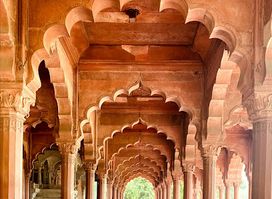
Red Fort, Ganga Yamuna Doab Travel Guide
Explore the Red Fort, Delhi: a majestic Mughal palace, UNESCO World Heritage site, and symbol of India's rich history and Independence.
The Red Fort, or Lal Qila, is a historic Mughal fort in Delhi, India, built in 1648 by Emperor Shah Jahan. Serving as the main residence for Mughal emperors, it stands as a symbol of India's rich history and architectural brilliance.
A brief summary to Red Fort
- Netaji Subhash Marg, New Delhi, Delhi, Lal Qila, Chandni Chowk, Delhi, 110006, IN
- Click to display
- Click to display

Know before you go
Hi, I'm Eve. Here are a few practical things to know before exploring Red Fort.
- Visit between October and February for pleasant weather.
- Book tickets online to avoid queues.
- Allow at least 2-3 hours to explore the fort.
- Hire a licensed guide for in-depth insights.
- Dress modestly and wear comfortable walking shoes.
Do you manage this location?
Take control to get all the benefits, like improved information, better appearance, and stronger visibility across AI-powered discovery. Learn more about listing your business on Evendo
Activate your presenceOther nearby places you may find interesting
The closest places of the same kind, if this one is not quite what you had in mind.
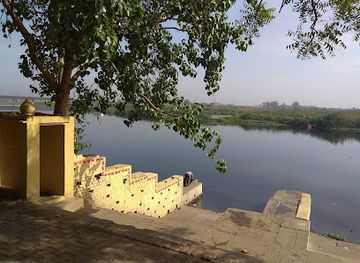
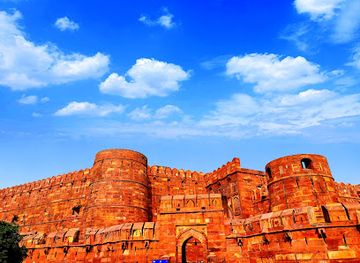
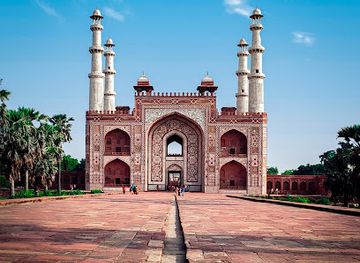
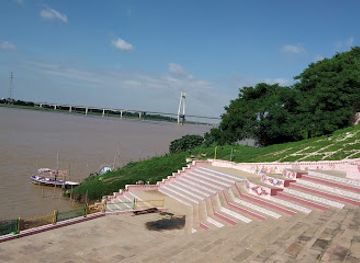
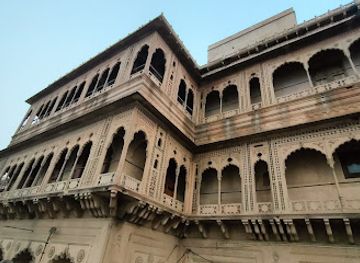
Explore Red Fort on the Map
A handpicked selection of must-see spots near Red Fort, mapped for you.
Unlock the Best of Red Fort
Book tours with entry


Getting There
-
Public Transport
The nearest metro station to Red Fort is Chandni Chowk on the Yellow Line. Exit from Gate 5, and you can hire an auto-rickshaw or walk to the fort, which is about 1.6 km away. Metro fares range from ₹23-₹35.
-
Walking
From the Chandni Chowk metro station, it's a 1.6 km walk to the Red Fort. Head east towards the Red Fort, and you'll find the entrance near the Lahori Gate. Be prepared for crowds and street vendors along the way.
-
Taxi/Ride-share
Taxis and ride-sharing services are readily available in Delhi. A short taxi ride from New Delhi to the Red Fort typically costs between ₹85-₹110 and takes about 5 minutes. Parking is available near Sunehri Masjid. Parking charges are around ₹40 for 4 hours, with an additional ₹20 for each extra hour.
Discover more about Red Fort













Your all‑in‑one travel companion app
Explore expert travel guides, compare and book tours, experiences, hotels, and more—all from the palm of your hand. Download now for seamless trip planning wherever your wanderlust takes you.


Explore More of Ganga Yamuna Doab
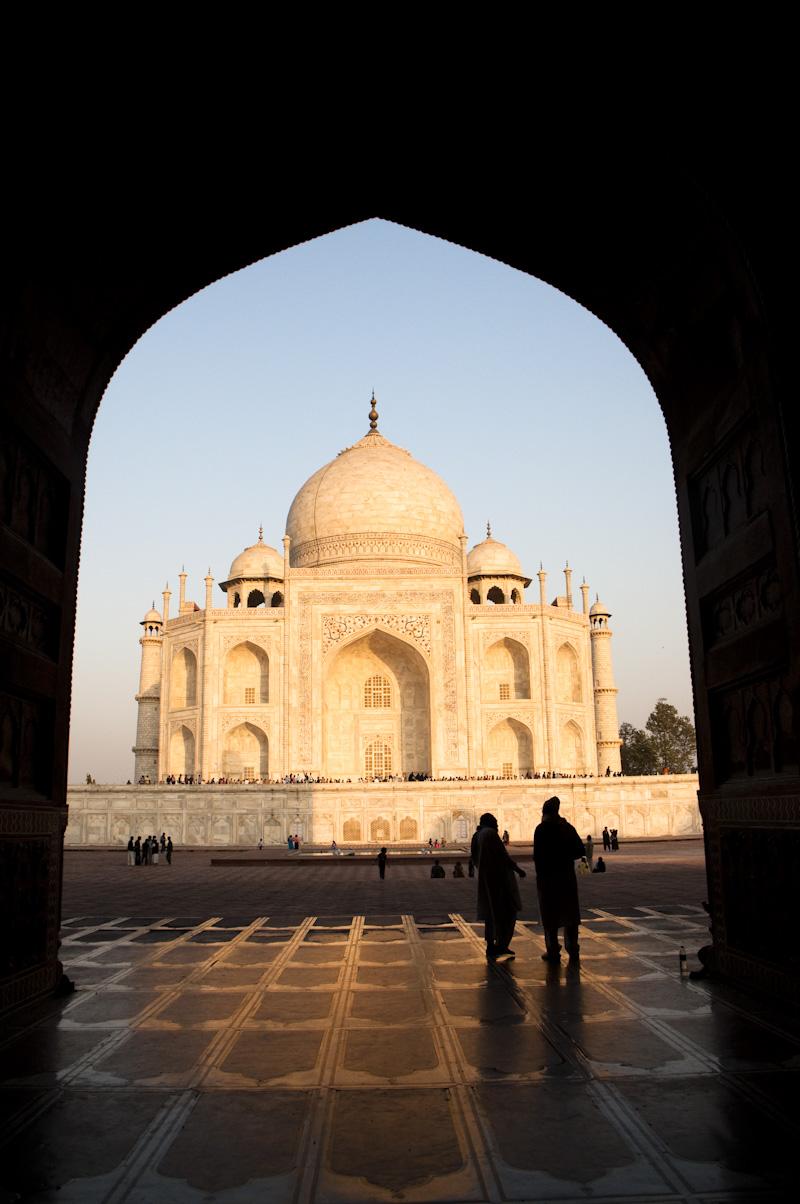
Looking beyond Red Fort? Discover Ganga Yamuna Doab for broader travel guides, local hot-spots, and regional highlights.
Explore Ganga Yamuna Doab