

Free Ganga-Yamuna Doab Travel Guide & Mobile App
Explore Ganga-Yamuna Doab with free travel guides. Discover regional history, expert tips, proposed trips, and audio guides on web or mobile app.


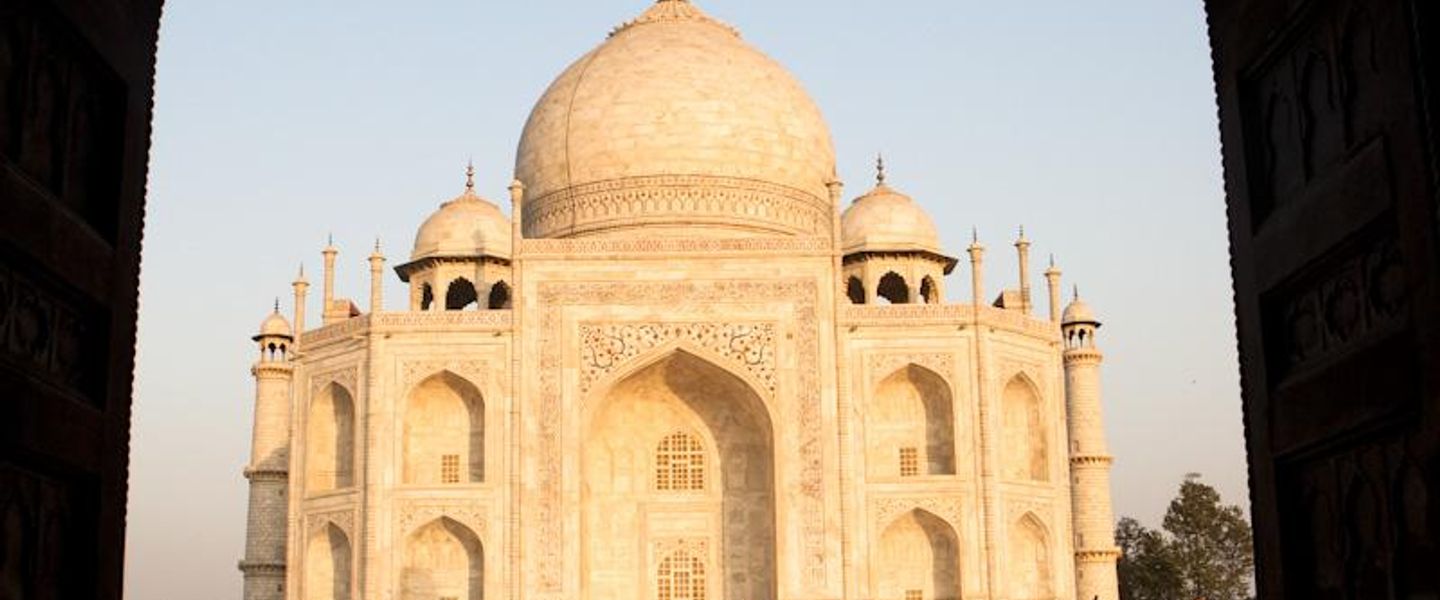


Explore India’s Ganga-Yamuna Doab for ancient settlements, river towns, fertile countryside, pilgrimage, wildlife and layered north Indian history.
Read more about Ganga-Yamuna Doab
When is the best time to visit Ganga-Yamuna Doab?
Best: February, November–December · 21–26°C| Month | High (°C) | Rainfall (mm) |
|---|---|---|
| January | 20 | 15 |
| February (best) | 24 | 20 |
| March | 29 | 20 |
| April | 35 | 15 |
| May | 39 | 20 |
| June | 38 | 100 |
| July | 35 | 200 |
| August | 33 | 180 |
| September | 33 | 120 |
| October | 30 | 15 |
| November (best) | 26 | 10 |
| December (best) | 21 | 10 |
Getting to and around Ganga-Yamuna Doab
How to get there
Transportation
Top city travel guides in Ganga-Yamuna Doab
The cities of Ganga-Yamuna Doab, and the easiest places to base yourself.
-

-

-

-

-
-


Swipe for more cities
Best attractions in Ganga-Yamuna Doab
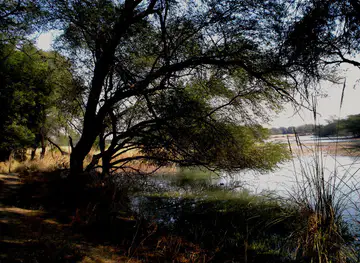
The Doab's attractions are distributed across a working agricultural landscape rather than concentrated in one tourist city. Hastinapur combines archaeological associations, important Jain temples, Hindu religious sites and access to the Hastinapur Wildlife Sanctuary, whose wetlands and riverine habitats support birdlife and other wildlife. Meerut offers museums, colonial-era sites and places connected with the uprising of 1857, while nearby rural districts provide a view of canal-irrigated farming and north Indian market-town life. Aligarh is known for its university environment and historic fort, although visitors should allow time for local traffic and access arrangements. Kanpur contributes industrial, religious and riverside history, with museums and civic sites reflecting its role in colonial and modern India. At the eastern end, Prayagraj's Sangam, where the Ganges and Yamuna meet, is the region's most important pilgrimage landscape and a focal point during major religious gatherings. Smaller attractions include old mosques, churches, temples, Jain complexes, local museums, wetlands and traditional bazaars. The strongest itineraries balance major urban sites with carefully planned excursions into the river plains, where seasonal scenery, bird habitats and irrigation landscapes reveal the geographical character of the Doab.
-
Monument
Taj Mahal
Experience the timeless beauty of the Taj Mahal, a symbol of eternal love and architectural brilliance in Agra, India.
-
Fortress
Red Fort
Explore the Red Fort, Delhi: a majestic Mughal palace, UNESCO World Heritage site, and symbol of India's rich history and Independence.
-
Fortress
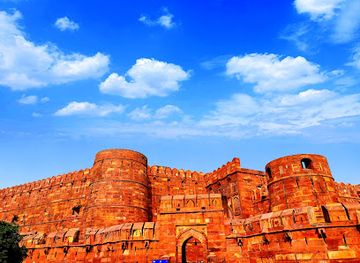
Agra Fort
Explore Agra Fort, a majestic Mughal fortress blending red sandstone architecture with rich historical significance near the Taj Mahal.
-
Historical landmark
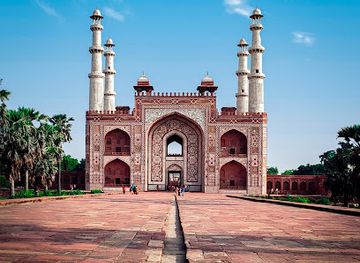
Tomb of Akbar
Explore the Tomb of Akbar, a stunning Mughal-era mausoleum in Agra, blending diverse architectural styles in a serene garden setting.


Best landmarks in Ganga-Yamuna Doab
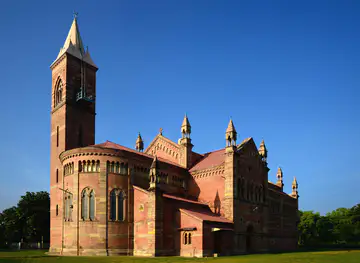
The Sangam at Prayagraj is the Doab's defining natural landmark: the visible meeting of the Ganges and Yamuna has shaped pilgrimage, ritual and urban identity for centuries. At its edge stands the massive Allahabad Fort, built under the Mughal emperor Akbar; access to parts of the complex can be restricted because of its continuing military use, but its position beside the confluence remains historically significant. Hastinapur's older settlement mounds and religious complexes mark a place where archaeology, epic tradition and Jain history overlap. In Meerut, the cantonment landscape, St. John's Church and memorials associated with 1857 recall the city's colonial and military importance. The Basilica of Our Lady of Graces at Sardhana, north of Meerut, is a distinctive eighteenth-century Catholic landmark linked with Begum Samru and the area's complex political history. Across the plain, the Ganges and Yamuna themselves remain important geographical markers, while canals, embankments and broad floodplains express the engineered and agricultural character that has shaped the modern Doab.
-
Monument
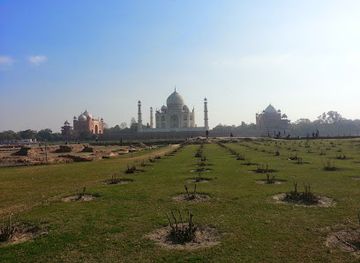
Taj Mahal
Discover the magnificent Taj Mahal, a UNESCO World Heritage Site, and a symbol of love and architectural beauty in Agra, India.
-
Nature preserve
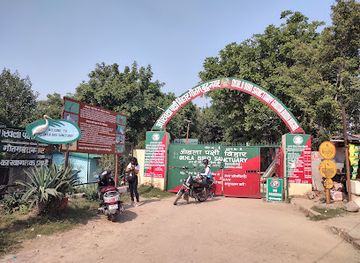
Okhla Bird Sanctuary
Explore the tranquil Okhla Bird Sanctuary, a nature preserve in Noida, home to diverse bird species and stunning landscapes.
-
Religious destination
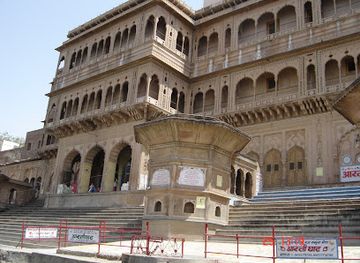
Keshi Ghat, Vrindavan
Immerse yourself in the spiritual serenity of Keshi Ghat, a must-visit destination in Vrindavan that offers a unique blend of culture, devotion, and natural beauty.
-
Historical landmark
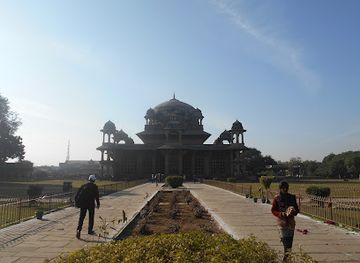
Tansen Memorial Temple
Discover the Tansen Memorial Temple, a historical landmark in Gwalior, celebrating the legacy of India's legendary musician with stunning architecture and serene landscapes.
Explore Ganga-Yamuna Doab on the map
Plan your trip on one map. See where the top cities, national parks and sights are, and book hotels and experiences in a few clicks.
Best hotels in Ganga-Yamuna Doab
Best restaurants in Ganga-Yamuna Doab
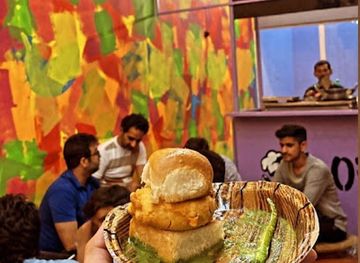
Food in the Doab reflects the wheat-growing plains of western and central Uttar Pradesh, with breads such as roti and paratha accompanied by pulses, seasonal vegetables, potatoes, dairy and richly seasoned meat dishes. Sugarcane is an important agricultural crop, while milk, yoghurt, paneer and sweets are widely available. Meerut, Aligarh, Kanpur and Prayagraj offer the broadest choice of established restaurants, vegetarian dining rooms, cafés and street-food stalls; smaller towns are more likely to centre on simple eateries, tea shops and market snacks. Chaat, kachori, samosa, jalebi and stuffed breads are familiar across north India, so they should be understood as regional expressions within a wider culinary tradition rather than exclusive Doab inventions. Mughlai and north Indian cooking are common in urban areas, while rural meals may be simpler and more closely tied to seasonal produce. Busy stalls with a high turnover are generally preferable for street food, and visitors should choose sealed or treated drinking water.
-
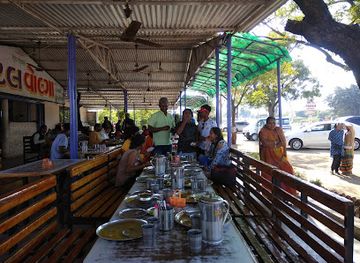
Gujarati
Hotel Volga
Experience authentic Gujarati vegetarian cuisine at Hotel Volga in Idar – where every meal tells a story.
-
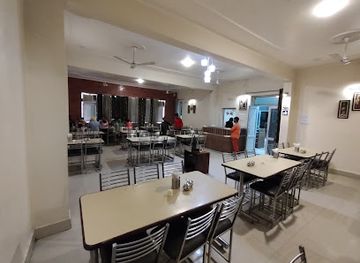
South Indian
Sagar Ratna
Discover authentic South Indian flavors at Sagar Ratna in New Delhi – a must-visit for food enthusiasts seeking variety and vegetarian delights.
-
Indian
National Highway Greens Restaurant
Discover authentic vegetarian Indian cuisine at National Highway Greens Restaurant in Sri Ganganagar – a must-visit destination for food lovers.
-
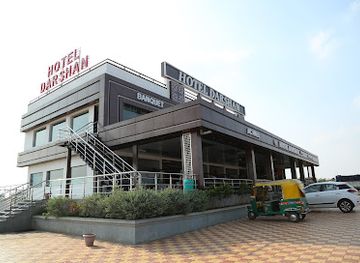
Hotel
Darshan Hotel & Restaurant
Discover the perfect blend of comfort and taste at Darshan Hotel & Restaurant in Dhansura, Gujarat.

Best bars in Ganga-Yamuna Doab
Evening life in the Doab is generally based on restaurants, tea stalls, sweet shops, family-oriented markets and traditional gathering places rather than a large, region-wide club circuit. Meerut, Aligarh, Kanpur and Prayagraj have the widest selection of hotel bars, contemporary cafés, restaurants and occasional live-entertainment venues, while smaller towns tend to become quiet earlier. Alcohol availability varies by establishment and local regulation, and it is not central to the region's cultural life. Religious cities and pilgrimage areas often have a more restrained evening atmosphere, with activity focused on worship, riverside ceremonies and food markets. In rural districts, plan evening transport in advance because public services may thin out after dark. Visitors seeking nightlife should check current local arrangements directly with reputable hotels, since venues and licensing conditions can change.
-
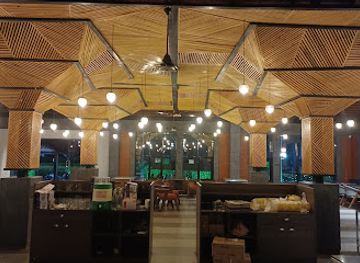
Bar
JALSA BAR & RESTAURANT
Discover the vibrant flavors and lively ambiance at Jalsa Bar & Restaurant in Lakkad Kot, Maharashtra, perfect for an unforgettable dining experience.
-
Bar
Abhi Bar & Restaurant
Discover a culinary gem in Lakkad Kot at Abhi Bar & Restaurant, offering a blend of vibrant atmosphere, diverse menu, and refreshing drinks.
-
Restaurant
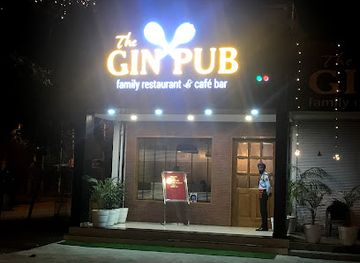
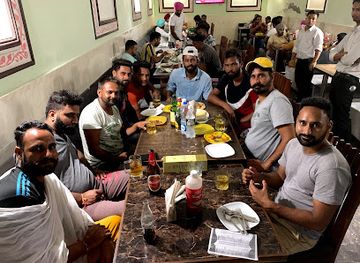
The Gin Pub
Discover the vibrant flavors of Punjab at The Gin Pub, a must-visit restaurant in Bathinda's Model Town.
-
Bar
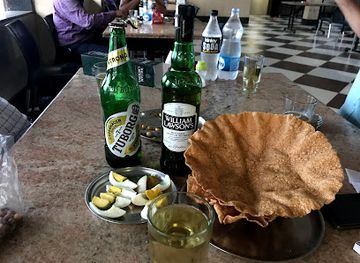
kwality restaurant and beer bar
Discover the vibrant flavors of Punjab at Kwality Restaurant and Beer Bar, where delicious cuisine meets a lively atmosphere in Talwandi Bhai.
Best nightclubs in Ganga-Yamuna Doab
Evening life in the Doab is generally based on restaurants, tea stalls, sweet shops, family-oriented markets and traditional gathering places rather than a large, region-wide club circuit. Meerut, Aligarh, Kanpur and Prayagraj have the widest selection of hotel bars, contemporary cafés, restaurants and occasional live-entertainment venues, while smaller towns tend to become quiet earlier. Alcohol availability varies by establishment and local regulation, and it is not central to the region's cultural life. Religious cities and pilgrimage areas often have a more restrained evening atmosphere, with activity focused on worship, riverside ceremonies and food markets. In rural districts, plan evening transport in advance because public services may thin out after dark. Visitors seeking nightlife should check current local arrangements directly with reputable hotels, since venues and licensing conditions can change.
-
Night club
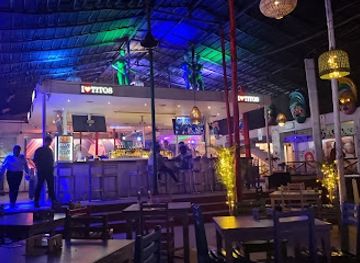
Club Titos
Dive into the vibrant nightlife of Goa at Club Titos, where unforgettable music, dancing, and an electric atmosphere await you.
-
Disco club
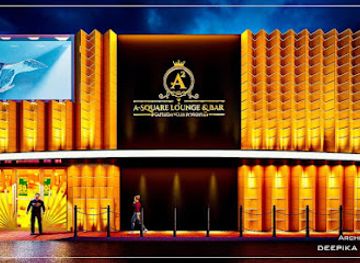
A Square Lounge & Bar
Experience the vibrant nightlife at A Square Lounge & Bar in Sri Ganganagar, where delicious food meets lively entertainment.
-
Night club
Russian Night Lounge
Discover the exhilarating nightlife at Russian Night Lounge in Goa, where vibrant music and dancing come together for an unforgettable experience.
-
Disco club
THADI
Thadi in Sri Ganganagar is the ultimate disco experience, blending vibrant music, lively atmosphere, and unforgettable nights out in Rajasthan.

Best shops in Ganga-Yamuna Doab
Shopping in the Doab is strongest in traditional bazaars and busy city high streets, where visitors can find clothing, household goods, religious items, sweets, spices and inexpensive handicrafts alongside everyday shopping. Meerut is associated with sports-goods manufacturing and has extensive commercial areas, while Aligarh is well known for its lock-making tradition and metalware. Kanpur offers larger urban markets and leather-related goods, although visitors should check quality, sourcing and any current restrictions before purchasing. Prayagraj combines pilgrimage shopping with bookshops, textiles, religious articles and food specialities. Market towns and agricultural mandis are especially useful for seeing the movement of grain, vegetables, sugarcane and dairy products, though they are working places rather than curated tourist attractions. Regional sweets, packaged spices, cotton textiles, brass or metal objects and small religious souvenirs are practical purchases. Bargaining is common in informal markets but less appropriate in fixed-price shops, modern retailers and established stores.
-
Store
UNIQUE ENTERPRISES
Explore Unique Enterprises in Jaijon Doaba for a memorable shopping experience filled with local crafts, souvenirs, and Punjabi culture.

Get your free copy of our complete guide to Ganga-Yamuna Doab, delivered straight to you.
Everything on this page, from attractions and restaurants to essentials and local phrases, in one PDF you can read offline, print or share.
Already have an account? Sign in
Your Ganga-Yamuna Doab guide is ready.
We'll send it to · Not you? Sign out

Getting your guide ready…
We are putting together a fresh copy of the Ganga-Yamuna Doab guide. This can take up to a minute.
This can take a few moments. If your browser asks, choose Allow so the download can start. You'll find the guide in your Downloads folder.
Nothing happened? Download it again
Sorry, the guide is taking longer than usual. Please try again in a minute, or get it by email instead.
Ganga-Yamuna Doab essentials
Currency and Payment
Safety
Emergency Situations
Do's and Don'ts
Local Tips
From Eve
Local phrases worth knowing
You don't need to get them perfect. A few words go a long way, and locals appreciate the effort.
Basics
| English | Local | Say it |
|---|---|---|
| Hello | नमस्ते | [Namaste] |
| Goodbye | अलविदा | [Alvida] |
| Yes | हाँ | [Haan] |
| No | नहीं | [Nahin] |
| Please/You're welcome | कृपया/स्वागत है | [Kripya/Swaagat hai] |
| Thank you | धन्यवाद | [Dhanyavaad] |
| Excuse me/Sorry | माफ कीजिए/क्षमा करें | [Maaf kijiye/Kshama karein] |
| How are you? | आप कैसे हैं? | [Aap kaise hain?] |
| Fine. And you? | ठीक है। और आप? | [Theek hai. Aur aap?] |
| Do you speak English? | क्या आप अंग्रेजी बोलते हैं? | [Kya aap Angrezi bolte hain?] |
| I don't understand | मुझे समझ नहीं आया | [Mujhe samajh nahin aaya] |
Eating & Drinking
| English | Local | Say it |
|---|---|---|
| I'd like to see the menu, please | कृपया मेनू दिखाइए | [Kripya menu dikhaiye] |
| I don't eat meat | मैं मांस नहीं खाता/खाती | [Main maans nahin khata/khati] |
| Cheers! | जय हो! | [Jai ho!] |
| I would like to pay, please | कृपया, मैं भुगतान करना चाहूंगा/चाहूंगी | [Kripya, main bhugtaan karna chahunga/chahungi] |
Emergencies
| English | Local | Say it |
|---|---|---|
| Help! | बचाओ! | [Bachao!] |
| Go away! | दूर जाओ! | [Door jaao!] |
| Call the Police! | पुलिस को बुलाओ! | [Police ko bulaao!] |
| Call a doctor! | डॉक्टर को बुलाओ! | [Doctor ko bulaao!] |
| I'm lost | मैं खो गया हूँ | [Main kho gaya hoon] |
| I'm ill | मैं बीमार हूँ | [Main beemar hoon] |
Shopping
| English | Local | Say it |
|---|---|---|
| I'd like to buy... | मैं खरीदना चाहूंगा... | [Main kharidna chahunga...] |
| I'm just looking | मैं बस देख रहा/रही हूँ | [Main bas dekh raha/rahi hoon] |
| How much is it? | यह कितने का है? | [Yeh kitne ka hai?] |
| That's too expensive | यह बहुत महंगा है | [Yeh bahut mehnga hai] |
| Can you lower the price? | क्या आप कीमत कम कर सकते हैं? | [Kya aap keemat kam kar sakte hain?] |
Time & Numbers
| English | Local | Say it |
|---|---|---|
| What time is it? | क्या समय हुआ है? | [Kya samay hua hai?] |
| It's one o'clock | यह एक बजा है | [Yeh ek baja hai] |
| Half past (10) | साढ़े दस | [Saade das] |
| Morning | सुबह | [Subah] |
| Afternoon | दोपहर | [Dopahar] |
| Evening | शाम | [Shaam] |
| Yesterday | कल | [Kal] |
| Today | आज | [Aaj] |
| Tomorrow | कल | [Kal] |
| 1 | एक | [Ek] |
| 2 | दो | [Do] |
| 3 | तीन | [Teen] |
| 4 | चार | [Chaar] |
| 5 | पाँच | [Paanch] |
| 6 | छह | [Chhah] |
| 7 | सात | [Saat] |
| 8 | आठ | [Aath] |
| 9 | नौ | [Nau] |
| 10 | दस | [Das] |
Transport & Directions
| English | Local | Say it |
|---|---|---|
| Where's a/the...? | कहाँ है ...? | [Kahan hai...?] |
| What's the address? | पता क्या है? | [Pata kya hai?] |
| Can you show me (on the map)? | क्या आप मुझे (मानचित्र पर) दिखा सकते हैं? | [Kya aap mujhe (maanchitra par) dikha sakte hain?] |
| When's the next (bus)? | अगली (बस) कब है? | [Agli (bus) kab hai?] |
| A ticket (to ....) | एक टिकट (.... के लिए) | [Ek ticket (... ke liye)] |
History of Ganga-Yamuna Doab
Early farming and the Harappan horizon
The western Doab contains some of the earliest evidence of settled farming and urban influence in the upper Ganges basin. Alamgirpur, near Meerut, is widely recognised as an eastern settlement associated with the later phase of the Indus or Harappan cultural tradition. Its remains demonstrate that communities, crops, craft practices and exchange networks extended eastwards beyond the civilisation's better-known centres. The site is not a monumental city for visitors today, but its archaeological importance helps explain why the Doab became a long-term corridor of settlement.
The Kuru heartland and early cities
During the later second and early first millennium BCE, the upper Doab became associated with the Kuru realm and the spread of Painted Grey Ware communities. Hastinapur, on the Ganges near Meerut, is linked in literary tradition with the Kuru dynasty and the Mahabharata, although archaeological evidence and epic narratives must be treated as different kinds of history. The settlement's excavated levels, riverine setting and later religious importance illustrate the transition from early iron-age communities to more organised states in the northern plains.
Buddhist, Jain and imperial networks
From the age of the Mahajanapadas through the Mauryan, Kushan and Gupta periods, the Doab formed part of wider political and commercial systems connecting the Ganges basin with north-western India. Roads and rivers carried merchants, officials, pilgrims and religious teachers, while Buddhism and Jainism established enduring communities. The region's exact political boundaries changed repeatedly, but its agricultural surplus and position between major river routes gave it continuing strategic importance. Later Jain traditions remain especially visible at Hastinapur and in other towns across western Uttar Pradesh.
Sultanate and Mughal rule
The Doab became a central zone of power under the Delhi Sultanate, whose rulers relied on the fertile tract to support the capital and to control routes towards eastern India. Mughal administration subsequently organised revenue collection, agriculture and road communications across the plain. Existing settlements expanded, market towns grew, and imperial routes connected Delhi with cities farther east. The region's later towns and old road alignments preserve fragments of this period, even where successive urban development has obscured the original structures.
Canals, roads and colonial transformation
British rule brought major changes to the Doab through revenue administration, new roads, railways and irrigation engineering. The Upper Ganges Canal, opened in the nineteenth century, extended reliable water supplies across parts of the western Doab and helped intensify cultivation. Commercial crops, especially sugarcane, became increasingly important alongside cereals. Railway connections strengthened the position of Meerut, Aligarh, Kanpur and other towns, while colonial institutions reshaped education, policing, manufacturing and urban form.
Meerut and the uprising of 1857
Meerut was the starting point of the armed uprising commonly known as the Indian Rebellion of 1857. On 10 May, Indian soldiers of the Bengal Army rebelled after tensions over military service and cartridge practices, then marched towards Delhi. The uprising spread widely across north India and exposed deep opposition to the East India Company's rule. Meerut's cantonment, churches, cemeteries and commemorative sites form part of a wider historical landscape associated with the rebellion, although the events themselves unfolded across many regions.
Industry, independence and the modern Doab
After Indian independence, the Doab experienced rapid agricultural intensification, population growth and urban expansion. The spread of high-yielding crops, fertiliser, tube-well irrigation and improved roads contributed to the region's importance in India's food economy, while cities such as Kanpur and Meerut developed strong industrial and educational identities. These changes also brought pressure on rivers, groundwater, wetlands and air quality. Today the Doab combines highly productive farmland with expanding cities, religious centres, manufacturing districts and a growing need to protect its riverine environment.
Ganga-Yamuna Doab in Photos
Browse through our photo collection highlighting the charm and character of the destination.
Neighbouring regions of Ganga-Yamuna Doab
The closest regions to Ganga-Yamuna Doab, if you have time for more than one.
-

-

-

-
-


Swipe for more regions
Explore more

Explore more of India
Discover the magic of India, where diverse landscapes, rich heritage, and vibrant culture come together to create an unforgettable travel experience.
Explore India