

Free Chennai Travel Guide & Mobile App
Plan your Chennai trip with Evendo. Get free guides to top attractions, restaurants, hotels, and bars. Web access or download the mobile app.


Chennai, India blends Dravidian temple architecture, Carnatic music, Marina Beach, colonial heritage and South Indian cuisine in a compelling coastal city.
A Coastal Capital with Deep Roots
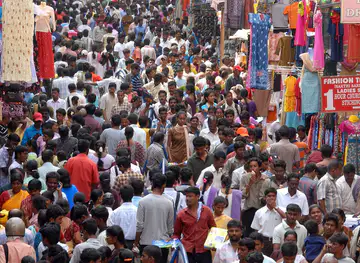
Chennai stretches along the Bay of Bengal on India's southeastern Coromandel Coast, combining a fast-growing modern economy with a strong Tamil identity. Formerly known as Madras, the city developed around the colonial trading settlement of Fort St George, yet its cultural foundations reach much further back through the temple streets of Mylapore, the devotional traditions of Tamil Nadu and the maritime networks of the coast. Its broad avenues and crowded markets can feel expansive, but many of its most revealing experiences are found on foot: a morning at a flower stall in Mylapore, a devotional visit to Kapaleeshwarar Temple or the sound of Carnatic music drifting from a concert hall during the December music season.Read more about Chennai
Architecture, Arts and Everyday Life
The Sea and the Southern Suburbs
When is the best time to visit Chennai?
Best: January–March · 30–32°C| Month | High (°C) | Rainfall (mm) |
|---|---|---|
| January (best) | 30 | 25 |
| February (best) | 30 | 15 |
| March (best) | 32 | 10 |
| April | 33 | 10 |
| May | 34 | 15 |
| June | 34 | 75 |
| July | 33 | 125 |
| August | 33 | 125 |
| September | 33 | 125 |
| October | 32 | 225 |
| November | 31 | 275 |
| December | 30 | 175 |
Getting to and around Chennai
How to get there
Transportation
Best attractions in Chennai
Chennai's sightseeing unfolds through contrasting districts and city experiences. Fort St George introduces the colonial foundations of Madras, with the Secretariat, St Mary's Church and the Fort Museum within its historic precinct. The Government Museum in Egmore is particularly rewarding for its archaeological holdings and Chola bronzes, while nearby galleries and public institutions add context to Tamil art and history. In Mylapore, Kapaleeshwarar Temple, its tank and surrounding streets reveal the rhythms of a living religious neighbourhood rather than a preserved monument alone. Marina Beach offers a vast urban seafront for morning walks and evening gatherings, and San Thome Basilica brings a distinct Christian architectural presence near the coast. Further south, Guindy National Park provides a rare protected landscape within the metropolis, while Elliot's Beach and Besant Nagar have a more local seaside character. Chennai's attractions are best understood as a sequence of neighbourhoods, shrines, museums and shorelines rather than a compact sightseeing circuit.
-
Beach
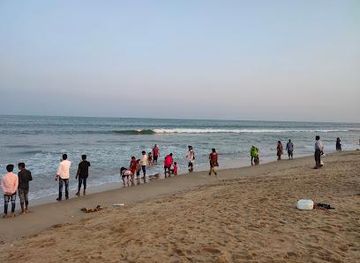
Marina Beach
Experience Chennai's vibrant culture and stunning seaside views at Marina Beach, India's longest urban beach and a beloved landmark.
13 min drive · 4.2 km from city centre
-
Zoo
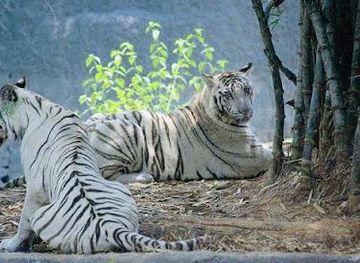
Arignar Anna Zoological Park
Explore diverse wildlife at Chennai's Arignar Anna Zoological Park, one of South Asia's largest zoos, offering conservation and recreation.
52 min drive · 32 km from city centre
-
Train station
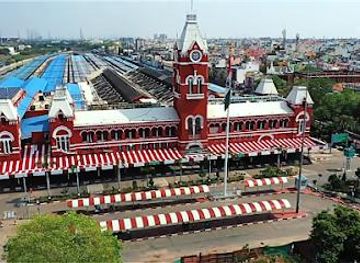
Puratchi Thalaivar Dr. M.G. Ramachandran Central Railway Station (Chennai)
Experience the grandeur of Chennai's central railway hub, a historic gateway connecting South India with the rest of the nation.
8 min walk · 0.6 km from city centre
-
Hindu temple
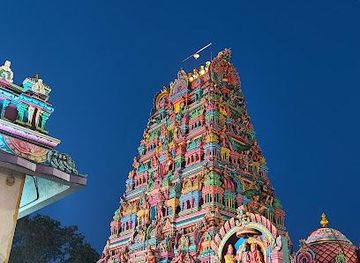
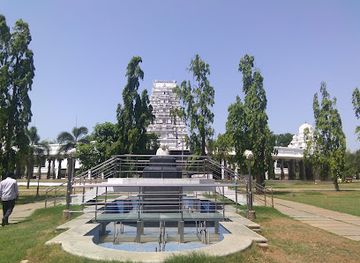
Arulmigu Vadapalani Murugan Temple
Experience the divine at Chennai's Vadapalani Murugan Temple, a vibrant center of faith, culture, and architectural splendor.
24 min drive · 8.0 km from city centre
Best landmarks in Chennai
Chennai's landmarks express several layers of religious, colonial and civic history. Kapaleeshwarar Temple in Mylapore is recognised for its colourful Dravidian gopuram and its continuing role in local worship, while the Parthasarathy Temple in Triplicane is an important Vaishnavite shrine with an older devotional history. Fort St George marks the centre of the English East India Company's settlement and contains St Mary's Church, often noted as one of the oldest Anglican churches east of Suez. The Indo-Saracenic buildings of the Madras High Court and nearby George Town represent the architectural language of the late colonial presidency. San Thome Basilica, associated with the Christian tradition concerning St Thomas, stands near the coast in a later Gothic Revival form. The Napier Bridge and Chennai Central station add civic and transport landmarks to the city's architectural record, while Marina's memorials reflect the political importance of Tamil public life.
-
Memorial park
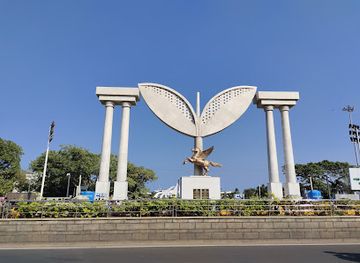
Dr. M.G.R. and Dr. J.Jayalalitha Memorial
Explore the Dr. M.G.R. and Dr. J.Jayalalitha Memorial, a serene tribute to Tamil Nadu's iconic leaders amidst lush landscapes and rich history.
8 min drive · 2.6 km from city centre
-
Hindu temple
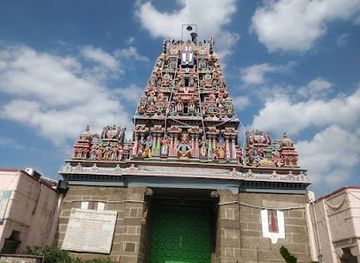
Arulmigu Sri Parthasarathy Perumal Temple Tiruvallikeni
Experience the rich heritage and spiritual ambiance of Arulmigu Sri Parthasarathy Perumal Temple, an iconic Hindu temple in Chennai.
11 min drive · 3.8 km from city centre
-
National park
Guindy National Park
Discover the natural beauty and wildlife of Guindy National Park in Chennai, a peaceful escape in the heart of the city.
30 min drive · 10 km from city centre
-
Tourist attraction
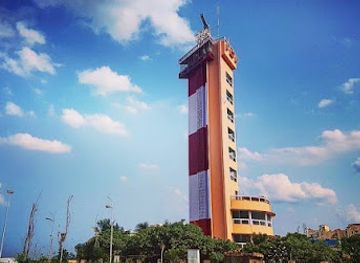
Chennai Lighthouse
Explore Chennai Lighthouse, a historic gem on Marina Beach offering panoramic ocean views and insights into maritime heritage.
16 min drive · 5.3 km from city centre
Explore Chennai on the map
Plan your Chennai trip on one map. See where the top attractions, landmarks, restaurants, bars and hotels are, find what's near where you're staying, and book hotels and experiences in a few clicks.
Neighbourhoods in Chennai
-

-

-

-
-


Swipe for more neighbourhoods
Best hotels in Chennai
Best restaurants in Chennai
Chennai's food culture is rooted in Tamil cooking and the wider culinary traditions of South India. Breakfasts of idli, dosa, vada and pongal are commonly served with sambar and chutneys, while a traditional vegetarian meals platter may include rice, vegetable preparations, rasam, curd and pickles. Filter coffee is an everyday ritual, and tiffin restaurants provide quick, affordable meals throughout the city. Mylapore, T Nagar, Triplicane, Royapettah and Besant Nagar contain a broad range of established eateries, cafés and contemporary restaurants. Seafood reflects Chennai's coastal setting, while biryani, Chettinad-influenced dishes and Tamil Muslim cooking add further depth without defining the whole scene. Street-side stalls, bakeries and food counters offer snacks such as sundal and bhajji, particularly around the beaches, though visitors should choose busy outlets with good turnover and sensible hygiene practices.
-
Vegetarian
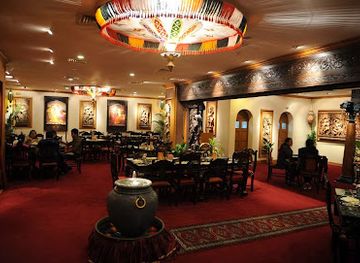
Annalakshmi Restaurant
Experience the vibrant flavors of India at Annalakshmi Restaurant - where fine dining meets authentic vegetarian cuisine in Chennai.
10 min drive · 3.4 km from city centre
-
Family-friendly
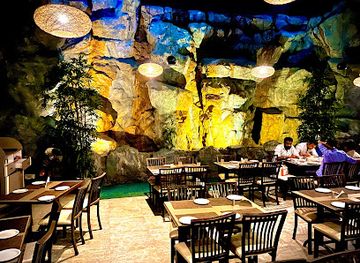
The Waterfall Restaurant
Experience the perfect blend of Indian and Chinese cuisine at The Waterfall Restaurant in Chennai - a family-friendly dining oasis.
26 min drive · 8.7 km from city centre
-
North Indian
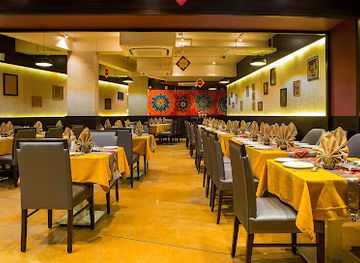
Pakwan Chennai
Experience the vibrant flavors of North Indian, Chinese, and Italian cuisines at Pakwan Chennai – a culinary haven in T. Nagar.
19 min drive · 6.4 km from city centre
-
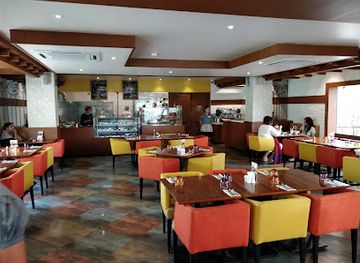
Restaurant
Pumpkin Tales - Restaurant, Bakery & Catering
Discover culinary excellence at Pumpkin Tales - Chennai's premier restaurant featuring gourmet dining, artisanal bakery delights & exceptional catering services.
20 min drive · 6.5 km from city centre
Best bars in Chennai
Chennai's evening life is varied but generally more restrained than that of India's largest party centres. Hotel bars and lounges provide much of the formal nightlife, particularly in central business districts and along the OMR corridor, while newer cocktail bars, breweries and live-music venues are concentrated in areas such as Alwarpet, Nungambakkam, Teynampet and Besant Nagar. The city's cultural calendar is equally important: Carnatic concerts, Bharatanatyam performances, cinema screenings and theatre productions offer established ways to spend an evening, especially during the December music and dance season. Marina Beach and Elliot's Beach become social spaces after sunset, although they are not nightclub districts. Alcohol service and venue hours are affected by Tamil Nadu regulations, so current arrangements should be checked locally, and quieter neighbourhoods are best treated with respect at night.
-
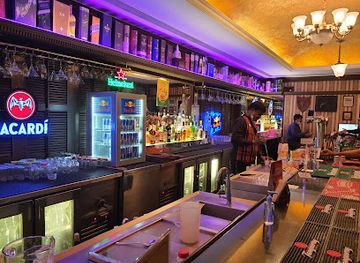
Pub
10 Downing Street - T Nagar
Discover the vibrant atmosphere and delightful flavors at 10 Downing Street - T Nagar, the ultimate pub experience in Chennai.
19 min drive · 6.2 km from city centre
-
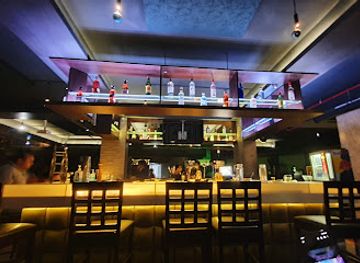
Bar
Diff 42 Velachery
Experience vibrant nightlife at Diff 42 Velachery, a chic bar and lounge in the heart of Chennai, serving delightful drinks and delicious cuisine.
34 min drive · 14 km from city centre
-
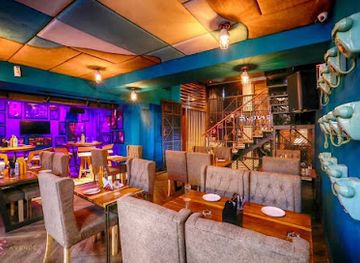
Pub
6th Avenue Resto Bar
Experience the vibrant nightlife of Chennai at 6th Avenue Resto Bar, where exquisite dining meets energetic entertainment.
22 min drive · 7.2 km from city centre
-
Pub
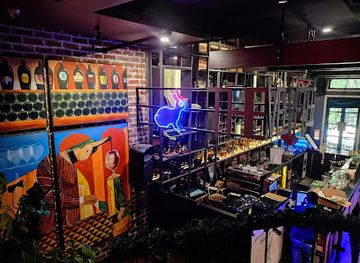
The Velveteen Rabbit
Experience the vibrant culinary scene of Chennai at The Velveteen Rabbit, where delightful dishes and a lively atmosphere await.
22 min drive · 7.2 km from city centre
Best nightclubs in Chennai
Chennai's evening life is varied but generally more restrained than that of India's largest party centres. Hotel bars and lounges provide much of the formal nightlife, particularly in central business districts and along the OMR corridor, while newer cocktail bars, breweries and live-music venues are concentrated in areas such as Alwarpet, Nungambakkam, Teynampet and Besant Nagar. The city's cultural calendar is equally important: Carnatic concerts, Bharatanatyam performances, cinema screenings and theatre productions offer established ways to spend an evening, especially during the December music and dance season. Marina Beach and Elliot's Beach become social spaces after sunset, although they are not nightclub districts. Alcohol service and venue hours are affected by Tamil Nadu regulations, so current arrangements should be checked locally, and quieter neighbourhoods are best treated with respect at night.
-
Lounge
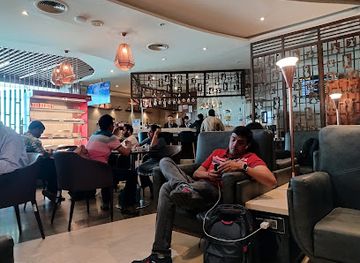
Travel Club Premium Travellers Lounge
Experience unparalleled comfort and exquisite service at the Travel Club Premium Travellers Lounge in Chennai's airport.
37 min drive · 17 km from city centre
-
Night club
Pasha
Experience the electrifying nightlife at Pasha, Chennai's premier night club with top DJs, vibrant atmosphere, and unforgettable nights out.
15 min drive · 4.9 km from city centre
-
Night club
Ministry of Drinks (MOD) | Chennai | Pub | Restobar | Nightclub
Experience the vibrant nightlife of Chennai at Ministry of Drinks, a premier pub and nightclub offering exquisite drinks, delicious food, and a lively atmosphere.
23 min drive · 7.6 km from city centre
-
Night club
Lower Deck Bar & Nightclub
Discover the vibrant nightlife of Chennai at Lower Deck Bar & Nightclub, where great music, delicious food, and an energetic crowd await you.
16 min drive · 5.2 km from city centre


Best shops in Chennai
Shopping in Chennai ranges from crowded traditional bazaars to air-conditioned contemporary retail. T Nagar is the city's best-known commercial district for silk sarees, jewellery and textiles, with Pondy Bazaar and Ranganathan Street offering a dense mix of established shops and everyday merchandise. Mylapore has smaller stores selling puja goods, brassware, books, flowers and traditional household items, while George Town and Parry's Corner retain the atmosphere of a major wholesale and trading quarter. Burma Bazaar near the harbour is known for imported goods and electronics, though buyers should check authenticity and warranties carefully. Chennai is a practical place to look for Kanchipuram silk, Tamil handicrafts, bronze or stone devotional objects, filter-coffee equipment and regional snacks, but provenance matters for antiques and protected cultural objects. Modern malls provide international and national brands, creating a clear contrast with the street markets.
-
Shopping mall
Phoenix Marketcity
Explore the vibrant shopping and dining experience at Phoenix Marketcity, Chennai's premier shopping destination with international brands and local delights.
33 min drive · 13 km from city centre
-
Shopping mall
Spencer Plaza
Explore the vibrant shopping scene at Spencer Plaza, Chennai's iconic destination for fashion, food, and cultural experiences.
10 min drive · 3.4 km from city centre
-
Clothing store
Pothys Hyper
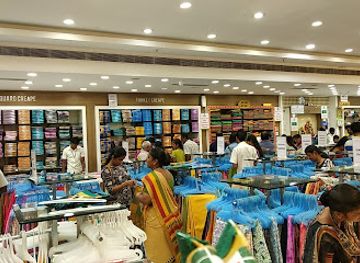
Discover Pothys Hyper in Chennai for an incredible shopping experience featuring traditional sarees, designer clothing, and local groceries.
23 min drive · 7.8 km from city centre
-
Shopping mall
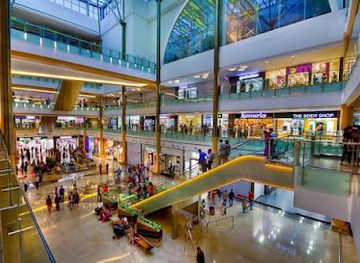
CHENNAI CITI CENTRE
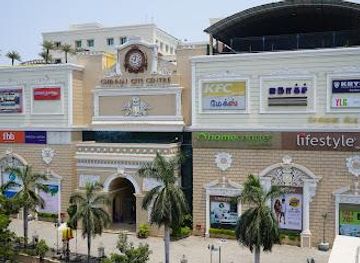
Explore Chennai Citi Centre, a vibrant shopping mall in Mylapore, blending culture, shopping, and gastronomy in one delightful destination.
15 min drive · 5.0 km from city centre
Get your free copy of our complete guide to Chennai, delivered straight to you.
Everything on this page, from attractions and restaurants to essentials and local phrases, in one PDF you can read offline, print or share.
Already have an account? Sign in
Your Chennai guide is ready.
We'll send it to · Not you? Sign out

Getting your guide ready…
We are putting together a fresh copy of the Chennai guide. This can take up to a minute.
This can take a few moments. If your browser asks, choose Allow so the download can start. You'll find the guide in your Downloads folder.
Nothing happened? Download it again
Sorry, the guide is taking longer than usual. Please try again in a minute, or get it by email instead.
Chennai essentials
Currency and Payment
Safety
Emergency Situations
Do's and Don'ts
Local Tips
From Eve
Local phrases worth knowing
You don't need to get them perfect. A few words go a long way, and locals appreciate the effort.
Basics
| English | Local | Say it |
|---|---|---|
| Hello | வணக்கம் | [Vanakkam] |
| Goodbye | வாழ்க வளமுடன் | [Vazhga Valamudan] |
| Yes | ஆம் | [Aam] |
| No | இல்லை | [Illai] |
| Please/You're welcome | தயவு செய்து/நன்றி | [Thayavu Seythu/Nandri] |
| Thank you | நன்றி | [Nandri] |
| Excuse me/Sorry | மன்னிக்கவும் | [Mannikkavum] |
| How are you? | எப்படி இருக்கிறீர்கள்? | [Eppadi Irukkireergal?] |
| Fine. And you? | நல்லது. நீங்கள் எப்படி? | [Nalladhu. Neengal Eppadi?] |
| Do you speak English? | நீங்கள் ஆங்கிலம் பேசுகிறீர்களா? | [Neengal Aangilam Pesukireergala?] |
| I don't understand | புரிகின்றதில்லை | [Purikindradhillai] |
Eating & Drinking
| English | Local | Say it |
|---|---|---|
| I'd like to see the menu, please | தயவுசெய்து மெனுவை காண வேண்டும் | [Thayavu Seythu Menuvai Kaana Vendam] |
| I don't eat meat | நான் பசும்பு உண்ணவில்லை | [Naan Pasumpu Unnavillai] |
| Cheers! | காஞ்சியம்! | [Kaanjiyam!] |
| I would like to pay, please | தயவுசெய்து பணம் செலுத்த வேண்டும் | [Thayavu Seythu Panam Selutha Vendam] |
Emergencies
| English | Local | Say it |
|---|---|---|
| Help! | உதவி! | [Udhavi!] |
| Go away! | விடு! | [Vidu!] |
| Call the Police! | காவல் அலுவலகத்தை அழைக்கவும்! | [Kaaval Aluvalagathai Azhaikkavum!] |
| Call a doctor! | ஒரு மருத்துவரை அழைக்கவும்! | [Oru Maruthuvarai Azhaikkavum!] |
| I'm lost | நான் காணப்படவில்லை | [Naan Kaanappadavillai] |
| I'm ill | எனக்கு நோய் இருக்கிறது | [Enakku Noy Irukkindradhu] |
Shopping
| English | Local | Say it |
|---|---|---|
| I'd like to buy... | வாங்க வேண்டும்... | [Vaanga Vendam...] |
| I'm just looking | நான் பார்க்கிறேன் | [Naan Paarkireen] |
| How much is it? | அது எவ்வளவு? | [Athu Evvalavu?] |
| That's too expensive | அது மிகவும் முற்பட்டது | [Athu Migavum Murpattadhu] |
| Can you lower the price? | விலையை குறைக்கலாமா? | [Vilaiyai Kurikaalamah?] |
Time & Numbers
| English | Local | Say it |
|---|---|---|
| What time is it? | எந்த நேரம்? | [Endha Neram?] |
| It's one o'clock | ஒரு மணி | [Oru Mani] |
| Half past (10) | பத்துக்கு பிறகு | [Pathukku Piragu] |
| Morning | காலை | [Kaalaai] |
| Afternoon | மதியம் | [Mathiyam] |
| Evening | மாலை | [Maalai] |
| Yesterday | நேற்று | [Nettru] |
| Today | இன்று | [Indru] |
| Tomorrow | நாளை | [Naalai] |
| 1 | ஒன்று | [Onru] |
| 2 | இரண்டு | [Irandu] |
| 3 | மூன்று | [Moonru] |
| 4 | நான்கு | [Naanku] |
| 5 | ஐந்து | [Aindhu] |
| 6 | ஆறு | [Aaru] |
| 7 | ஏழு | [Ezhu] |
| 8 | எட்டு | [Ettu] |
| 9 | ஒன்பது | [Onpathu] |
| 10 | பத்து | [Pathu] |
Transport & Directions
| English | Local | Say it |
|---|---|---|
| Where's a/the...? | எங்கே உள்ளது...? | [Enge Ulladhu...?] |
| What's the address? | முகவரி என்ன? | [Mugavari Enna?] |
| Can you show me (on the map)? | நீங்கள் கார்ட்டில் காண்கின்றீர்களா? | [Neengal Cardil Kaankinreergala?] |
| When's the next (bus)? | அடுத்தது எப்போது? | [Aduthadhu Eppothu?] |
| A ticket (to ....) | ஒரு டிக்கெட் (அல்லது ....) | [Oru Ticket (allathu ....)] |
History of Chennai
Early Settlements and Mylapore
The area now occupied by Chennai contains settlements with long associations with fishing, farming, pilgrimage and maritime trade. Mylapore, on the coast south of the later colonial centre, was an established Tamil settlement and religious centre before European rule. It became associated with the Kapaleeshwarar Temple tradition and, in Christian accounts, with the apostle Thomas, though the historical details of that connection are debated. Nearby Triplicane also developed around the Parthasarathy Temple, a major Vaishnavite shrine. These older communities formed a cultural landscape of temple streets, tanks, markets and coastal exchange that continued to shape the city after the appearance of European trading powers.
The Founding of Madras
In 1639, the English East India Company acquired rights to establish a trading settlement on the Coromandel Coast from local Nayak authorities acting under the rulers of the Vijayanagara successor state. Construction of Fort St George began soon afterwards, and the fortified post became the nucleus of Madras. Merchants, weavers, artisans and officials gathered around it, creating a settlement that expanded beyond the fort's walls. The company's interest lay particularly in the region's cotton textiles and its position within Indian Ocean trade. Madras therefore emerged not as a city created from empty land, but as a colonial enclave connected to existing villages, temple communities and commercial networks.
Company Rule and Colonial Expansion
During the eighteenth century, Madras became one of the East India Company's principal bases in India. It was drawn into conflicts involving the French, the Nawabs of the Carnatic and the expanding British power centred on the presidency towns. Fort St George served as an administrative and military headquarters, while Black Town, later associated with George Town, grew as a densely occupied commercial district outside the fort. British authority expanded substantially after the Carnatic Wars and the consolidation of Company rule. The city developed new administrative institutions, churches, warehouses and civic buildings, although its economy remained closely tied to Indian merchants, textile production and the wider hinterland.
Institutions, Railways and the Presidency
In the nineteenth century, Madras became the capital of the Madras Presidency, a large administrative territory under British rule. Roads, railways, the harbour and civic institutions strengthened its role as a regional centre. The University of Madras was established in 1857, while institutions such as the Government Museum and the Madras High Court reflected the city's administrative and intellectual importance. Indo-Saracenic public architecture appeared alongside earlier colonial buildings, producing much of the visual character associated with central Chennai today. Expansion also brought sharper social divisions, as new suburbs and European residential areas developed alongside crowded Indian neighbourhoods and long-established commercial quarters.
Nationalism and the Madras Presidency
Madras participated in the political movements that challenged colonial rule, including the growth of Indian associations, the Swadeshi movement and the Indian National Congress. The city was also important to the Justice Party and the non-Brahmin movement, which questioned the distribution of education, employment and political power within the presidency. Tamil linguistic and cultural identity became increasingly prominent during the twentieth century, while labour organisations and print culture widened political participation. The social reformer Periyar E. V. Ramasamy's Self-Respect Movement, though rooted in the wider Tamil region, profoundly influenced political debate in Madras. These currents helped shape the later dominance of Dravidian parties in Tamil Nadu.
From Madras to Chennai
After Indian independence in 1947, Madras remained the capital of Madras State and later became the capital of Tamil Nadu when the state was reorganised along linguistic lines. Tamil cinema, popular music and Dravidian politics became central to public culture, while industrialisation and education encouraged rapid urban growth. The city's official name changed from Madras to Chennai in 1996, reflecting Tamil usage and a broader effort to foreground regional identity. Since the late twentieth century, Chennai has expanded into a major centre for automobiles, information technology, healthcare and higher education. Its present form consequently combines colonial institutions, ancient religious traditions, post-independence political culture and a substantial modern metropolitan economy.
Chennai in Photos
Browse through our photo collection highlighting the charm and character of the destination.
Cities near Chennai
The closest cities to Chennai, if you have time for more than one stop.
-

-

-

-

-


Swipe for more cities
Explore more

Explore more of India
Discover the magic of India, where diverse landscapes, rich heritage, and vibrant culture come together to create an unforgettable travel experience.
Explore India