

Free Trivandrum Travel Guide & Mobile App
Plan your Trivandrum trip with Evendo. Get free guides to top attractions, restaurants, hotels, and bars. Web access or download the mobile app.


Trivandrum blends Kerala history, Padmanabhaswamy Temple, museums, green avenues and coastal culture with memorable food and thoughtful sightseeing.
A Capital Shaped by Travancore
Trivandrum, officially Thiruvananthapuram, rises across low hills in southern Kerala, where temple towers, colonial-era institutions and leafy residential avenues form a city with a distinctly ceremonial character. Its modern identity is closely tied to the former princely state of Travancore, whose rulers made the settlement their capital and endowed it with palaces, museums, libraries and public buildings. At the centre of the old quarter, the richly ornamented Sree Padmanabhaswamy Temple remains the city's defining religious landmark, while the surrounding Fort area preserves the atmosphere of the historic royal precinct.Read more about Trivandrum
Museums, Markets and Cultural Life
Green Hills and the Arabian Sea
When is the best time to visit Trivandrum?
Best: January–March · 31–32°C| Month | High (°C) | Rainfall (mm) |
|---|---|---|
| January (best) | 31 | 22 |
| February (best) | 32 | 22 |
| March (best) | 32 | 30 |
| April | 33 | 110 |
| May | 32 | 210 |
| June | 31 | 280 |
| July | 30 | 220 |
| August | 30 | 180 |
| September | 30 | 170 |
| October | 31 | 270 |
| November | 31 | 240 |
| December | 31 | 90 |
Getting to and around Trivandrum
How to get there
Transportation
Best attractions in Trivandrum
Thiruvananthapuram's principal attractions range from the sacred Fort quarter to museums and landscaped cultural spaces. Sree Padmanabhaswamy Temple dominates the historic centre with its monumental gopuram and powerful connection to Travancore, although entry rules apply. Nearby Kuthira Malika, the former palace of Swathi Thirunal, displays carved woodwork, courtyards and royal collections in an intimate setting. The Napier Museum, with its distinctive nineteenth-century architecture, introduces Kerala's art, archaeology and natural history, while the Sree Chitra Art Gallery presents Indian paintings alongside works linked to the region. Kanakakunnu Palace grounds and the surrounding museum compound offer open-air respite, and the Kerala State Science and Technology Museum adds an accessible educational dimension. For a change of landscape, Shanghumukham Beach lies beside the Arabian Sea, while the city's elevated neighbourhoods provide glimpses of wooded hills and broad civic avenues.
-
 Hindu temple
Sree Padmanabhaswamy Temple
Explore the magnificent Sree Padmanabhaswamy Temple in Thiruvananthapuram, a stunning blend of spirituality and artistry in the heart of Kerala.
14 min drive · 4.7 km from city centre
-
Tourist attraction
Attukal Bhagavathy Temple
Explore the divine aura of Attukal Bhagavathy Temple in Thiruvananthapuram - a spiritual and cultural gem of Kerala.
19 min drive · 6.4 km from city centre
-
Tourist attraction
Attukal Bhagavathy Temple
Explore the divine beauty of Attukal Bhagavathy Temple, a spiritual landmark in Thiruvananthapuram known for its stunning architecture and vibrant festivals.
19 min drive · 6.4 km from city centre
-
Archaeological museum
Napier Museum
Explore the cultural treasures of Kerala at Napier Museum, Thiruvananthapuram's premier archaeological museum showcasing ancient art and history.
8 min drive · 2.6 km from city centre


Best landmarks in Trivandrum
The city's landmarks reflect the religious authority and ceremonial culture of Travancore. Sree Padmanabhaswamy Temple is the foremost, its tall entrance tower and enclosed complex anchoring the Fort district and expressing the kingdom's dedication to the deity. Kuthira Malika, also known as the Puthen Malika Palace, is distinguished by carved wooden horses, sloping roofs and a carefully preserved royal setting associated with the Travancore court. Napier Museum represents a different period, combining local design references with nineteenth-century institutional architecture, while the nearby Sree Chitra Art Gallery records the region's artistic patronage. The Kerala Government Secretariat on Mahatma Gandhi Road remains a major civic building, and Kanakakunnu Palace recalls the capital's royal landscape through its grounds and cultural use. Together these sites show how temple, court, colonial administration and the modern state shaped the city's physical identity.
-
Public beach
Kovalam Beach
Explore the breathtaking beauty of Kovalam Beach, where golden sands meet azure waters in Kerala's tropical paradise.
36 min drive · 16 km from city centre
-
Historical landmark
Kanakakkunnu Palace
Explore the rich history and stunning architecture of Kanakakkunnu Palace, a must-visit historical landmark in Thiruvananthapuram, Kerala.
8 min drive · 2.8 km from city centre
-
Archaeological museum
Napier Museum
Explore the exquisite collection of Napier Museum, Thiruvananthapuram – a treasure trove of Kerala's rich history and culture.
8 min drive · 2.6 km from city centre
-
Zoo
The Thiruvananthapuram Zoological Park - Thiruvananthapuram, Kerala, India
Discover the rich diversity of wildlife at Thiruvananthapuram Zoological Park, a family-friendly destination in Kerala, India.
8 min drive · 2.5 km from city centre


Explore Trivandrum on the map
Plan your Trivandrum trip on one map. See where the top attractions, landmarks, restaurants, bars and hotels are, find what's near where you're staying, and book hotels and experiences in a few clicks.
Best hotels in Trivandrum
Best restaurants in Trivandrum
Thiruvananthapuram's food culture is grounded in southern Kerala cooking, with rice, coconut, curry leaves, tamarind and seafood shaping much of the local table. A traditional sadya presents numerous vegetarian preparations on a banana leaf, while everyday favourites include puttu with kadala curry, appam with stew, dosa, idli and Kerala-style fish curry. Fort and East Fort contain restaurants serving familiar regional dishes, while Chalai and the city's older commercial streets are useful for simple meals, snacks and fresh produce. Tea shops and bakeries add banana fritters, savoury pastries and sweet local snacks to the day. Contemporary cafés and restaurants in areas such as Kowdiar and around the main arterial roads broaden the choice, but the city's culinary character remains especially evident in home-style vegetarian meals, seafood and richly spiced breakfasts.
-
Restaurant
Zam Zam Restaurant
Experience authentic Awadhi and Middle Eastern flavors at Zam Zam Restaurant in Thiruvananthapuram - a culinary treasure waiting to be explored.
8 min drive · 2.7 km from city centre
-
Vegetarian
Mothers Veg Plaza
Experience the authentic flavors of South Indian vegetarian cuisine at Mothers Veg Plaza in Thiruvananthapuram.
10 min drive · 3.2 km from city centre
-
Asian
Paragon Restaurant Trivandrum
Discover the best of Asian and Indian cuisine at Paragon Restaurant in Trivandrum – where flavor meets tradition.
8 min walk · 0.6 km from city centre
-
Seafood
Pankayam
Discover authentic Kerala seafood at Pankayam - where flavor meets tradition in Thiruvananthapuram's vibrant dining scene.
9 min drive · 3.0 km from city centre


Best bars in Trivandrum
Thiruvananthapuram has a comparatively restrained nightlife scene, shaped more by restaurants, hotel bars, cultural performances and evening socialising than by a dense club culture. Licensed bars are concentrated largely in larger hotels, while cafés and contemporary restaurants around Mahatma Gandhi Road, Kowdiar and other central commercial areas provide relaxed places to meet after sightseeing. Kerala's classical traditions offer a more distinctive evening option: Kathakali, Koodiyattam, Mohiniyattam and Carnatic music may appear in scheduled performances at cultural venues or during festivals, although programmes vary. The Fort quarter becomes atmospheric after sunset, but visitors should expect busy traffic and quieter streets outside the main commercial areas. Kovalam, outside the city, has a more tourism-oriented evening scene, yet it should be treated as a separate coastal destination rather than an extension of central Trivandrum nightlife.
-
Bar
The Hangar Bar
Discover the vibrant flavors of Kerala at The Hangar Bar, the perfect fusion of a family restaurant and bar located inside Thiruvananthapuram International Airport.
13 min drive · 4.2 km from city centre
-
Bar
BLND Restobar
Experience the vibrant blend of global cuisines and crafted cocktails at BLND Restobar in Thiruvananthapuram, Kerala, the ultimate dining destination.
16 min drive · 5.4 km from city centre
-
Bar
TBX
Experience the vibrant nightlife at TBX, Thiruvananthapuram's premier bar and lounge with an extensive drink menu and lively atmosphere.
12 min drive · 4.0 km from city centre
-
Grill
The Sky Bar
Experience the perfect blend of relaxation and culinary delight at The Sky Bar, where stunning views and exquisite flavors meet in Kovalam.
35 min drive · 15 km from city centre


Best nightclubs in Trivandrum
Thiruvananthapuram has a comparatively restrained nightlife scene, shaped more by restaurants, hotel bars, cultural performances and evening socialising than by a dense club culture. Licensed bars are concentrated largely in larger hotels, while cafés and contemporary restaurants around Mahatma Gandhi Road, Kowdiar and other central commercial areas provide relaxed places to meet after sightseeing. Kerala's classical traditions offer a more distinctive evening option: Kathakali, Koodiyattam, Mohiniyattam and Carnatic music may appear in scheduled performances at cultural venues or during festivals, although programmes vary. The Fort quarter becomes atmospheric after sunset, but visitors should expect busy traffic and quieter streets outside the main commercial areas. Kovalam, outside the city, has a more tourism-oriented evening scene, yet it should be treated as a separate coastal destination rather than an extension of central Trivandrum nightlife.
-
Bar
TBX
Discover TBX: Thiruvananthapuram's premier bar and lounge, where vibrant nightlife and a welcoming atmosphere await every visitor.
12 min drive · 4.0 km from city centre
-
Pub
Ofori Club Trivandrum
Unwind at Ofori Club Trivandrum, a premier pub offering lively nightlife, delicious drinks, and a vibrant atmosphere for an unforgettable experience.
14 min drive · 4.8 km from city centre
-
Lounge
V Bar
Experience the vibrant nightlife at V Bar in Thiruvananthapuram, where cocktails meet great ambiance and sports excitement.
9 min drive · 3.1 km from city centre
-
Club
Trivandrum Club Parking Area
Discover the vibrant nightlife at Trivandrum Club, where music, dance, and energy come together for an unforgettable experience in Kerala's capital.
11 min drive · 3.6 km from city centre



Best shops in Trivandrum
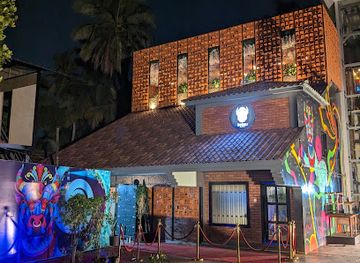
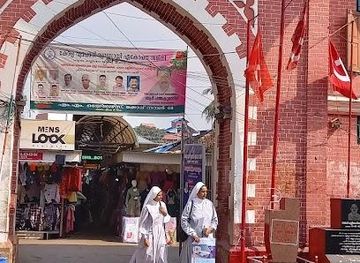
Shopping in Thiruvananthapuram ranges from the close-packed commerce of Chalai Bazaar to modern shops along Mahatma Gandhi Road and the city's larger commercial centres. Chalai is the most characteristic market district, with fruit, vegetables, spices, household goods, textiles and everyday merchandise arranged along busy lanes where small purchases and local observation go together. Around East Fort and the central shopping streets, visitors can find Kerala textiles, books, handicrafts, brassware, lamps and packaged regional foods, while government-supported emporia and craft outlets may offer coir, bamboo work, handloom fabrics and traditional decorative items. Jewellery and clothing are prominent in the central retail areas, but provenance and quality vary, particularly for claimed antiques. The city's shopping culture is more practical and locally rooted than showroom-oriented, with markets revealing daily life as much as providing souvenirs.
-
Shopping mall
Mall of Travancore
Discover a shopping haven at Mall of Travancore, where style meets culture in the heart of Thiruvananthapuram.
13 min drive · 4.2 km from city centre
-
Clothing store
Pothys Textiles
Explore Pothys Textiles in Thiruvananthapuram for a remarkable shopping experience of exquisite sarees, designer wear, and children's clothing.
12 min drive · 3.9 km from city centre
-
Department store
Style Plus
Discover the ultimate shopping experience at Style Plus in Thiruvananthapuram, Kerala, featuring a wide range of clothing, electronics, and home goods.
8 min drive · 2.5 km from city centre
-
Market
Connemara Market, Palayam
Discover local culture and vibrant flavors at Connemara Market, Thiruvananthapuram's premier shopping destination for unique handicrafts and fresh produce.
9 min drive · 2.8 km from city centre


Get your free copy of our complete guide to Trivandrum, delivered straight to you.
Everything on this page, from attractions and restaurants to essentials and local phrases, in one PDF you can read offline, print or share.
Already have an account? Sign in
Your Trivandrum guide is ready.
We'll send it to · Not you? Sign out

Getting your guide ready…
We are putting together a fresh copy of the Trivandrum guide. This can take up to a minute.
This can take a few moments. If your browser asks, choose Allow so the download can start. You'll find the guide in your Downloads folder.
Nothing happened? Download it again
Sorry, the guide is taking longer than usual. Please try again in a minute, or get it by email instead.
Trivandrum essentials
Currency and Payment
Safety
Emergency Situations
Do's and Don'ts
Local Tips
From Eve
Local phrases worth knowing
You don't need to get them perfect. A few words go a long way, and locals appreciate the effort.
Basics
| English | Local | Say it |
|---|---|---|
| Hello | ഹലോ | [halo] |
| Goodbye | ബൈ | [bai] |
| Yes | അതെ | [athe] |
| No | ഇല്ല | [illa] |
| Please/You're welcome | ദയവായി | [dayavayi] |
| Thank you | നന്ദി | [nandi] |
| Excuse me/Sorry | ക്ഷമിക്കണം | [kshamikkam] |
| How are you? | സുഖമാണോ? | [sukhamaano?] |
| Fine. And you? | നന്ദി. നിന്നെ? | [nandi. ninne?] |
| Do you speak English? | നിനക്ക് ഇംഗ്ലീഷ് അറിയുക? | [ninakku english ariyuka?] |
| I don't understand | എനിക്ക് അറിയില്ല | [enikku ariyilla] |
Eating & Drinking
| English | Local | Say it |
|---|---|---|
| I'd like to see the menu, please | ദയവായി മെനു കാണാമോ | [dayavayi menu kaanamo] |
| I don't eat meat | ഞാൻ പശുവില്ലാത്തതും വെച്ചുകൊള്ളും | [naan pashuvillathathum vechu kollum] |
| Cheers! | ചീർസ്! | [cheers!] |
| I would like to pay, please | ദയവായി പെയ്യാനും | [dayavayi peyyanum] |
Emergencies
| English | Local | Say it |
|---|---|---|
| Help! | സഹായം! | [sahaayam!] |
| Go away! | പോയിയെടോ! | [poyiedo!] |
| Call the Police! | പോലീസിനെ വിളിക്കുക! | [policeine vilikkuka!] |
| Call a doctor! | ഡോക്ടറെ വിളിക്കുക! | [doctorae vilikkuka!] |
| I'm lost | ഞാൻ താഴ്ന്നിരിക്കുന്നു | [naan thaazhnnirikkunn] |
| I'm ill | ഞാൻ അസുഖി | [naan asukhi] |
Shopping
| English | Local | Say it |
|---|---|---|
| I'd like to buy... | എനിക്ക് ... വാങ്ങണം | [enikku ... vaangannam] |
| I'm just looking | ഞാൻ കാണാനാണ് | [naan kaananaanu] |
| How much is it? | ഇത് എത്ര? | [ithu ethra?] |
| That's too expensive | അത് അതിവലിയാണ് | [athu athivaliyano] |
| Can you lower the price? | വില കുറയ്ക്കാംകോ? | [vila kuraykkaamko?] |
Time & Numbers
| English | Local | Say it |
|---|---|---|
| What time is it? | ഏത് സമയം? | [ethu samayam?] |
| It's one o'clock | ഒന്ന് സമയം | [onnu samayam] |
| Half past (10) | (10) ന്ന് അര്ധം | [(10) onnu ardham] |
| Morning | രാവിലെ | [raavile] |
| Afternoon | ഉച്ചയിലെ | [ucchayile] |
| Evening | വൈകാരിക | [vaikaarika] |
| Yesterday | ഇന്നലെ | [innale] |
| Today | ഇന്ന് | [innu] |
| Tomorrow | നാളെ | [naale] |
| 1 | ഒന്ന് | [onnu] |
| 2 | രണ്ട് | [randu] |
| 3 | മൂന്ന് | [moonn] |
| 4 | നാല് | [naal] |
| 5 | അഞ്ച് | [anch] |
| 6 | ആറ് | [aaru] |
| 7 | ഏഴ് | [eel] |
| 8 | എട്ട് | [ett] |
| 9 | ഒമ്പത് | [ombath] |
| 10 | പത്ത് | [path] |
Transport & Directions
| English | Local | Say it |
|---|---|---|
| Where's a/the...? | ...എങ്ങനെ? | [... engane?] |
| What's the address? | വിലാസം എന്താണ്? | [vilaasam enthaano?] |
| Can you show me (on the map)? | എനിക്ക് കാർട്ടിൽ കാണിക്കാമോ? | [enikku kaarttil kaanikkamo?] |
| When's the next (bus)? | അടുത്ത ബസ്സ് എപ്പോഴാണ്? | [adutha buss eppozhaano?] |
| A ticket (to ....) | ഒരു ടിക്കറ്റ് (...നോട്) | [oru ticket (...note)] |
History of Trivandrum
Early Settlements and Sacred Traditions
The area now occupied by Thiruvananthapuram developed among settlements connected to the fertile plains, forests and coast of southern Kerala. Its name refers to Anantha, the serpent associated with Vishnu, reflecting the long religious importance of the site. The Sree Padmanabhaswamy Temple became the spiritual focus of the settlement, drawing ritual, artistic and economic activity into what is now the Fort district. Before the rise of the Travancore kingdom, power in the region was distributed among local chieftains and ruling houses. Trade along the Kerala coast brought contact with merchants from across the Indian Ocean, while temple institutions helped shape patterns of landholding, patronage and social life.
The Rise of Travancore
The political history of modern Thiruvananthapuram changed decisively under Marthanda Varma, who ruled Travancore from 1729 to 1758. Through military campaigns and strategic alliances, he consolidated territories across much of southern Kerala and strengthened the kingdom as a major regional power. In 1750, he dedicated the kingdom to Sree Padmanabha, a theological act that presented the ruler as the deity's servant and gave the temple an even more central role in state identity. The royal court and administration expanded around the temple, laying the foundations for the capital's palace precincts, ceremonial traditions and enduring association with the Travancore royal house.
A Princely State Capital
Travancore's capital moved from Padmanabhapuram to Thiruvananthapuram in 1795 during the reign of Dharma Raja's successors, accelerating the city's institutional development. Palaces, roads, administrative offices and religious buildings grew around the Fort, while the royal court supported music, dance, Sanskrit scholarship, painting and craft traditions. Relations with the British East India Company increasingly influenced the kingdom, particularly after the Anglo-Travancore arrangements of the late eighteenth and early nineteenth centuries. British political supervision did not end Travancore's internal rule, and the capital developed a distinctive blend of Kerala architectural forms, courtly patronage and colonial administrative practice.
Reform, Education and Public Institutions
During the nineteenth and early twentieth centuries, Thiruvananthapuram became an important centre for education, public administration and cultural reform. Institutions associated with the Travancore state, Christian missions and emerging civic organisations broadened access to schooling and professional life, while roads and public buildings extended the city beyond the old Fort. Reforms under Travancore's rulers included changes to administration and education, although society remained marked by caste inequalities. The Temple Entry Proclamation of 1936, issued by Maharaja Chithira Thirunal, opened Travancore's Hindu temples to communities previously excluded from them and became a major landmark in the social history of Kerala.
From Travancore to Kerala
Travancore joined Cochin to form Travancore-Cochin in 1949 after Indian independence, with Thiruvananthapuram retaining its role as the administrative capital. The reorganisation of Indian states on linguistic lines created Kerala in 1956 by bringing together Malayalam-speaking regions from Travancore-Cochin, the Madras State and the Malabar area. Thiruvananthapuram became the new state's capital, and government departments, educational institutions and public-sector organisations expanded its urban footprint. The shift from princely capital to state capital changed the city's social and administrative composition, while the Fort, palaces and temple continued to preserve visible traces of the Travancore era.
A Contemporary Cultural and Technology Hub
In the later twentieth century, Thiruvananthapuram developed beyond its administrative role through universities, research centres, hospitals, the film industry and expanding technology sectors. The Technopark campus, established in 1990, helped make the city an important information-technology centre in Kerala, while the Vikram Sarabhai Space Centre at Thumba linked the wider metropolitan area with India's national space programme. Contemporary growth has brought new suburbs and transport pressures, but the city's cultural identity remains rooted in its temples, palaces, museums, performing arts and Malayalam literary traditions. The result is a capital where public institutions and modern industry coexist with a strongly preserved royal and religious heritage.
Trivandrum in Photos
Browse through our photo collection highlighting the charm and character of the destination.
Cities near Trivandrum
The closest cities to Trivandrum, if you have time for more than one stop.
-

-

-

-

-


Swipe for more cities
Explore more

Explore more of India
Discover the magic of India, where diverse landscapes, rich heritage, and vibrant culture come together to create an unforgettable travel experience.
Explore India