

Free Iowa Lakes Region Travel Guide & Mobile App
Explore Iowa Lakes Region with free travel guides. Discover regional history, expert tips, proposed trips, and audio guides on web or mobile app.


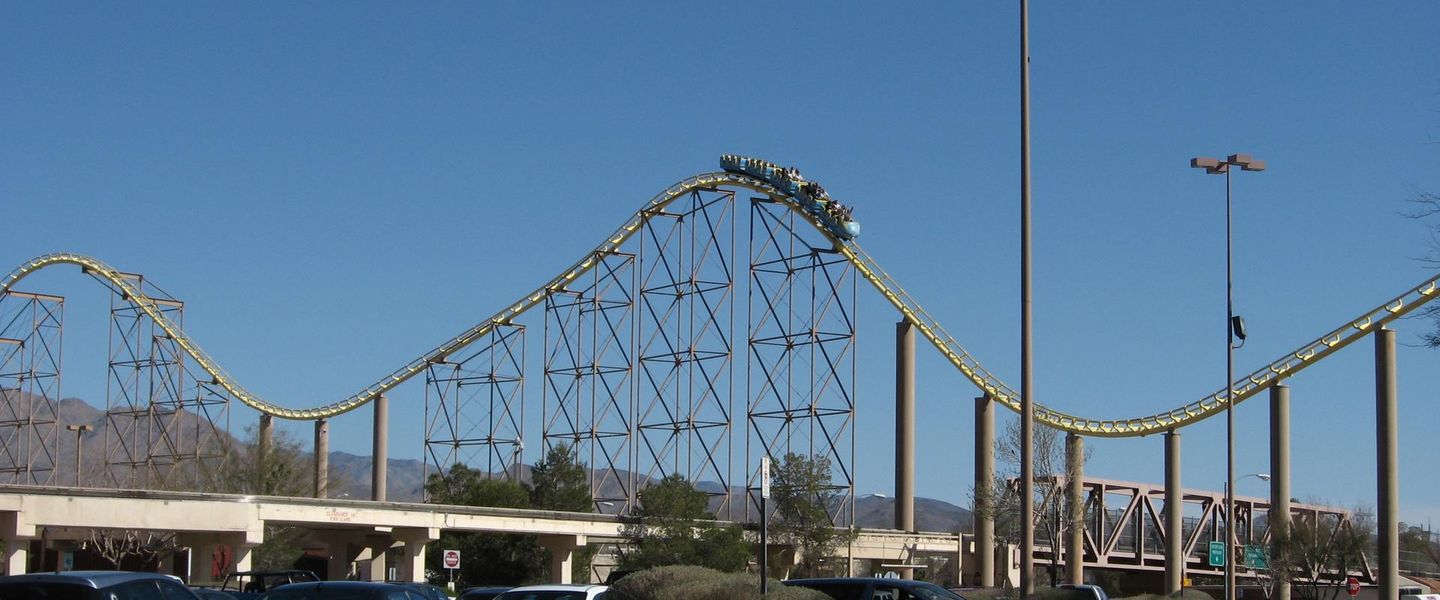


Explore Iowa’s lake country for boating, beaches, family attractions, small-town culture and glacial landscapes around Okoboji and Spirit Lake.
Read more about Iowa Lakes Region
When is the best time to visit Iowa Lakes Region?
Best: June, August–September · 24–28°C| Month | High (°C) | Rainfall (mm) |
|---|---|---|
| January | -2 | 25 |
| February | 1 | 30 |
| March | 8 | 40 |
| April | 15 | 60 |
| May | 21 | 80 |
| June (best) | 26 | 90 |
| July | 29 | 90 |
| August (best) | 28 | 90 |
| September (best) | 24 | 70 |
| October | 17 | 60 |
| November | 8 | 40 |
| December | 1 | 30 |
Getting to and around Iowa Lakes Region
How to get there
Transportation
Destinations in Iowa Lakes Region
Resorts, valleys and scenic spots worth a trip of their own.
-
-

-


Swipe for more destinations
Best attractions in Iowa Lakes Region
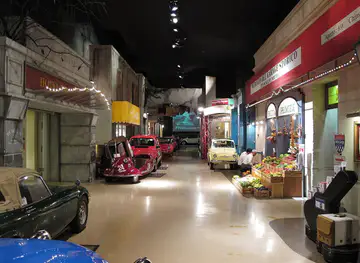
The Iowa Lakes Region offers a concentrated mix of water-based recreation, family entertainment, local history and outdoor spaces. The linked Okoboji waters and Spirit Lake support boating, sailing, kayaking, paddleboarding, swimming and fishing, with marinas, beaches and public access areas distributed among the shoreline communities. Arnolds Park is the region's signature leisure attraction, combining amusement rides, lake views, entertainment and the Queen II excursion boat. Museums provide a deeper sense of place: the Iowa Great Lakes Maritime Museum explores the area's boating heritage, while nature centres interpret prairie, woodland, wetland and lake habitats. Trails and quieter shorelines suit walking, cycling, wildlife observation and photography, although access varies because much of the waterfront is privately owned. Spirit Lake, Milford, Wahpeton and Orleans add small-town shopping, community events and historic context, while the surrounding countryside provides scenic drives and a clear contrast with the busy summer resort areas.
-
State park
Beeds Lake State Park
Discover the serene beauty of Beeds Lake State Park, a perfect outdoor escape featuring fishing, hiking, and stunning natural landscapes in Iowa.
-
Tourist attraction
Terrace Beach Park
Discover the beauty of Terrace Beach Park in Milford, Iowa – a perfect spot for swimming, sunbathing, and family fun on West Lake Okoboji.
-
State park
Emerson Bay State Recreation Area
Discover lakeside bliss at Emerson Bay State Recreation Area: camping, swimming, boating, and scenic views on West Okoboji Lake.
-
State park
Pikes Point State Park
Explore the breathtaking landscapes and outdoor adventures at Pikes Point State Park, a premier destination in Iowa's natural paradise.


Best landmarks in Iowa Lakes Region
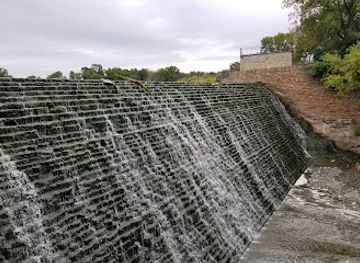
The lakes themselves are the Iowa Lakes Region's defining landmarks, particularly the broad waters of Spirit Lake and the connected profile of West Okoboji and East Okoboji lakes. Their glacial origins explain the unusual concentration of large natural lakes within the surrounding prairie and give the area its visual identity. On the developed shoreline, Arnolds Park's amusement-park structures, promenade and long association with lake excursions represent more than a century of regional tourism. The Queen II, operating as a sightseeing vessel when scheduled, continues the area's maritime tradition. The Iowa Great Lakes Maritime Museum preserves boats, photographs and stories that make the working and recreational history of the waters tangible. In the towns, courthouse-area civic buildings, historic commercial streets and older homes provide quieter architectural landmarks, while the Spirit Lake and Okoboji landscape remains the most recognisable symbol of northwest Iowa's resort culture.
-
Lake
Lost Island Lake
Experience the tranquility of Lost Island Lake in Iowa, a perfect escape for fishing, boating, and enjoying nature's beauty.

Explore Iowa Lakes Region on the map
Plan your trip on one map. See where the top cities, national parks and sights are, and book hotels and experiences in a few clicks.
Best hotels in Iowa Lakes Region
Best restaurants in Iowa Lakes Region
Dining in the Iowa Lakes Region reflects both lake-resort tradition and the broader food culture of the American Midwest. Lakeside restaurants and seasonal patios focus on burgers, sandwiches, steaks, salads and casual meals suited to boating and family holidays, while classic cafés and diners provide breakfasts, baked goods and substantial comfort food. Freshwater fish appears on some menus, but it is best understood as part of a wider regional offering rather than a single defining cuisine. Summer farmers' markets and farm stands can provide sweet corn, tomatoes, fruit, preserves and other Iowa produce, while local restaurants may incorporate ingredients from nearby farms. Arnolds Park and the other developed lake communities offer the broadest choice, including contemporary dining, breweries and ice-cream shops; beyond the resort strip, supper-club traditions, independent cafés and rural restaurants create a more low-key evening meal.
-
Pizza
The Other Place
Discover delicious pizzas made with fresh ingredients at The Other Place in Clear Lake – where locals love to gather!
-
Restaurant
Bennigan's Clear Lake
Experience the delightful fusion of American comfort food and traditional Irish cuisine at Bennigan's Clear Lake – where every meal is a celebration.
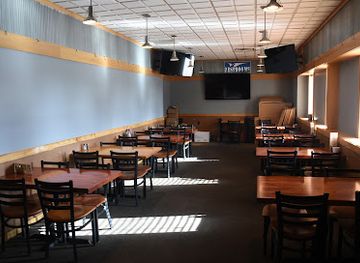
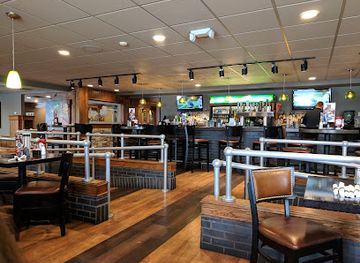
Best bars in Iowa Lakes Region
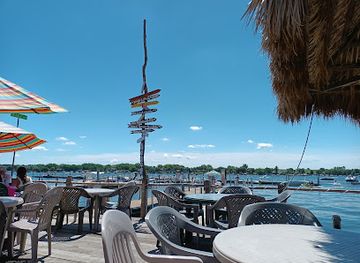
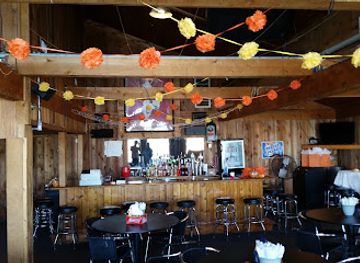
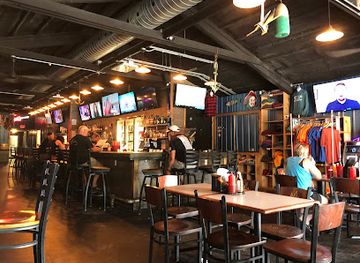
Evening life is concentrated around Arnolds Park, Okoboji and the larger lakeside communities, where restaurants, traditional bars, breweries and seasonal waterfront venues provide more options than the surrounding rural roads. Summer brings live music, outdoor seating and entertainment associated with the resort calendar, while the amusement park area can remain active after daytime recreation. Spirit Lake and Milford offer a more local pattern of pubs, cafés and restaurants rather than a large nightclub scene. The region's nightlife is strongly seasonal: holiday weekends and warm summer evenings are busiest, whereas winter is quieter and more community-oriented. Visitors should not assume that every venue operates year-round or late into the night, and should check current arrangements locally rather than relying on old listings.
-
Grill
The Barefoot Bar at Okoboji
Discover lakeside dining at The Barefoot Bar at Okoboji, where great food meets a vibrant atmosphere overlooking beautiful Lake Okoboji.
-
Restaurant
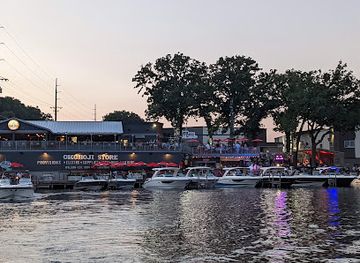
Okoboji Store
Discover the lively dining and entertainment experience at Okoboji Store, where delicious food and live music create unforgettable memories.
-
Grill
The Ritz
Experience the perfect blend of delicious grilled cuisine and breathtaking lake views at The Ritz in Arnolds Park, Iowa.
-
Grill
Nautical Bar and Grill
Experience the perfect blend of delicious grilled cuisine and vibrant atmosphere at Nautical Bar and Grill in Arnolds Park, Iowa.
Best nightclubs in Iowa Lakes Region
Evening life is concentrated around Arnolds Park, Okoboji and the larger lakeside communities, where restaurants, traditional bars, breweries and seasonal waterfront venues provide more options than the surrounding rural roads. Summer brings live music, outdoor seating and entertainment associated with the resort calendar, while the amusement park area can remain active after daytime recreation. Spirit Lake and Milford offer a more local pattern of pubs, cafés and restaurants rather than a large nightclub scene. The region's nightlife is strongly seasonal: holiday weekends and warm summer evenings are busiest, whereas winter is quieter and more community-oriented. Visitors should not assume that every venue operates year-round or late into the night, and should check current arrangements locally rather than relying on old listings.
-
Lake
Clear Lake
Explore Clear Lake, Iowa: A serene destination for fishing, boating, and outdoor adventures amidst stunning natural beauty.

Best shops in Iowa Lakes Region
Shopping in the Iowa Lakes Region centres on the main lake communities rather than on a single large retail district. Arnolds Park and Okoboji have seasonal boutiques, gift shops, apparel retailers, art and homewares businesses aimed partly at visitors, while Spirit Lake and Milford provide practical shops, independent retailers and services for local residents. Farmers' markets and roadside stands are useful places to look for Iowa-grown produce, baked goods, preserves and other regional food products during the warmer months. Souvenirs often feature lake names, nautical themes and local artwork, and galleries and craft businesses can offer more distinctive alternatives to mass-produced gifts. Retail choice becomes more limited outside the resort corridor, so visitors seeking specialist outdoor equipment or a broad range of everyday goods may need to use larger towns beyond the immediate lakes. Check seasonal opening arrangements, as some small businesses operate mainly during the tourism season.
-
Gift shop
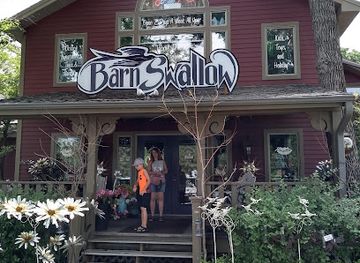
Barn Swallow Gift Shop
Discover unique gifts, books, and toys at Barn Swallow Gift Shop in Okoboji, Iowa—your destination for memorable souvenirs!
-
Shopping mall
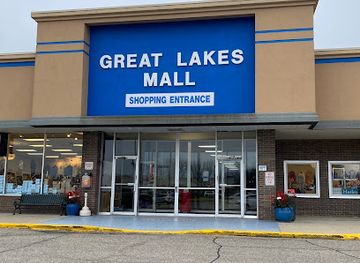
Iowa Great Lakes Mall
Discover the vibrant shopping experience at Iowa Great Lakes Mall, where local charm meets national brands in a delightful atmosphere.
-
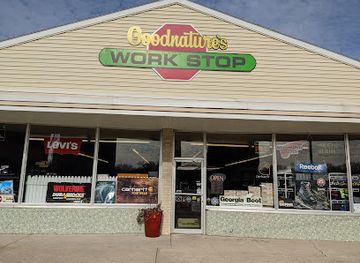
Work clothes store
Goodnature's Work Stop
Explore Goodnature's Work Stop in Clear Lake, Iowa for high-quality workwear and boots, perfect for any outdoor or professional adventure.
-
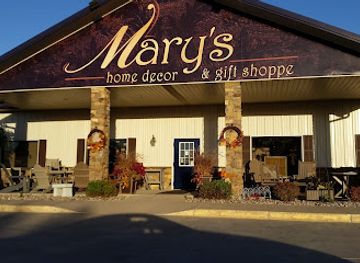
Gift shop
Mary's Gift Shoppe
Discover unique gifts and local crafts at Mary's Gift Shoppe in Spirit Lake, Iowa - a boutique treasure trove for every occasion.
Get your free copy of our complete guide to Iowa Lakes Region, delivered straight to you.
Everything on this page, from attractions and restaurants to essentials and local phrases, in one PDF you can read offline, print or share.
Already have an account? Sign in
Your Iowa Lakes Region guide is ready.
We'll send it to · Not you? Sign out

Getting your guide ready…
We are putting together a fresh copy of the Iowa Lakes Region guide. This can take up to a minute.
This can take a few moments. If your browser asks, choose Allow so the download can start. You'll find the guide in your Downloads folder.
Nothing happened? Download it again
Sorry, the guide is taking longer than usual. Please try again in a minute, or get it by email instead.
Iowa Lakes Region essentials
Currency and Payment
Safety
Emergency Situations
Do's and Don'ts
Local Tips
From Eve
Local phrases worth knowing
You don't need to get them perfect. A few words go a long way, and locals appreciate the effort.
Basics
| English | Local | Say it |
|---|---|---|
| Hello | Howdy | [Ha-dee] |
| Goodbye | See ya later | [See ya lay-ter] |
| Yes | Yep | [Yep] |
| No | Nah | [Nah] |
| Please/You're welcome | Sure thing | [Shoor thing] |
| Thank you | Thanks a lot | [Thanks a lot] |
| Excuse me/Sorry | Pardon me | [Par-don mee] |
| How are you? | How's it going? | [How's it goin'?] |
| Fine. And you? | Good. And you? | [Good. An' you?] |
| Do you speak English? | Can you talk English? | [Can you talk English?] |
| I don't understand | I don’t get it | [I don’t get it] |
Eating & Drinking
| English | Local | Say it |
|---|---|---|
| I'd like to see the menu, please | Can I see the menu? | [Can I see the menu?] |
| I don't eat meat | I’m not a meat eater | [I’m not a meat eater] |
| Cheers! | Cheers! | [Cheers!] |
| I would like to pay, please | Can I get the bill, please? | [Can I get the bill, please?] |
Emergencies
| English | Local | Say it |
|---|---|---|
| Help! | Help! | [Help!] |
| Go away! | Leave me alone! | [Leave me alone!] |
| Call the Police! | Call the cops! | [Call the cops!] |
| Call a doctor! | Get a doctor! | [Get a doctor!] |
| I'm lost | I can’t find my way | [I can’t find my way] |
| I'm ill | I’m not feeling well | [I’m not feeling well] |
Shopping
| English | Local | Say it |
|---|---|---|
| I'd like to buy... | I want to buy... | [I want to buy...] |
| I'm just looking | Just browsing | [Just browsing] |
| How much is it? | What’s the price? | [What’s the price?] |
| That's too expensive | That costs too much | [That costs too much] |
| Can you lower the price? | Can you make it cheaper? | [Can you make it cheaper?] |
Time & Numbers
| English | Local | Say it |
|---|---|---|
| What time is it? | What’s the time? | [What’s the time?] |
| It's one o'clock | It’s one o’clock | [It’s one o’clock] |
| Half past (10) | Ten thirty | [Ten thirty] |
| Morning | Morning | [Morning] |
| Afternoon | Afternoon | [Afternoon] |
| Evening | Evening | [Evening] |
| Yesterday | Yesterday | [Yesterday] |
| Today | Today | [Today] |
| Tomorrow | Tomorrow | [Tomorrow] |
| 1 | One | [One] |
| 2 | Two | [Two] |
| 3 | Three | [Three] |
| 4 | Four | [Four] |
| 5 | Five | [Five] |
| 6 | Six | [Six] |
| 7 | Seven | [Seven] |
| 8 | Eight | [Eight] |
| 9 | Nine | [Nine] |
| 10 | Ten | [Ten] |
Transport & Directions
| English | Local | Say it |
|---|---|---|
| Where's a/the...? | Where's the...? | [Where's the...?] |
| What's the address? | What’s the address? | [What’s the address?] |
| Can you show me (on the map)? | Can you point it out? | [Can you point it out?] |
| When's the next (bus)? | When’s the next bus? | [When’s the next bus?] |
| A ticket (to ....) | A ticket to... | [A ticket to...] |
History of Iowa Lakes Region
Indigenous Homelands and the Glacial Lakes
The Iowa Lakes Region was shaped by the Des Moines Lobe, a glacial formation that left behind the interconnected lakes and wetlands seen today. Before Euro-American settlement, the area was used by Indigenous peoples including Dakota communities and other nations whose homelands extended across the northern Plains and upper Midwest. The lakes were sources of water, fish, wildlife and travel, while the surrounding prairie supported seasonal movement and hunting. Archaeological evidence across northwest Iowa records a much longer human presence than the nineteenth-century settlement history usually associated with the resort towns.
The Dakota Conflict and Forced Dispossession, 1857
In March 1857, a small group of Dakota men attacked settlers in the Spirit Lake and Okoboji area, killing several people and taking others captive. The episode, remembered as the Spirit Lake Massacre, occurred amid intense pressure on Dakota communities, broken agreements, land loss and escalating conflict across the region. A rescue expedition later pursued the attackers, and the event became a defining part of local historical interpretation. Modern museums and memorials place it within the wider history of Indigenous dispossession rather than treating it as an isolated frontier incident.
Settlement and Agricultural Development
After the establishment of United States control and the opening of land to settlers, Euro-American communities developed around the lakes and nearby prairie. Farming became the dominant economic activity, supported by fertile soils, expanding roads and regional trade. Spirit Lake and Milford grew as service and commercial centres, while smaller settlements served farms, lake traffic and emerging tourism. The built environment retains traces of this period in courthouse-town architecture, historic homes, churches and commercial blocks, even as the lakes increasingly acquired a recreational identity.
Railways and the Rise of Resort Tourism
Rail connections in the late nineteenth century made the lakes more accessible to visitors from Iowa and neighbouring states. Improved transport encouraged hotels, cottages, lake excursions, fishing trips and organised recreation, transforming the shoreline from a predominantly local landscape into a regional holiday destination. Arnolds Park emerged as a major entertainment centre, with amusements and waterfront activities that helped establish the commercial pattern still visible today. Tourism developed alongside agriculture rather than replacing it, creating the dual identity of resort district and rural Iowa community.
Arnolds Park and the Amusement Tradition
Arnolds Park began developing as a lakeside recreation site in the late nineteenth century and became one of the best-known amusement destinations in the upper Midwest. Its rides, promenade, entertainment venues and boating activities reflected changing leisure habits, from railway excursions to the automobile-based holidays of the twentieth century. The park's survival and continuing operation give the Iowa Lakes Region a tangible link with the era when lake resorts, dance halls and excursion steamers formed a central part of American summer culture.
Boating, Conservation and Modern Lake Life
During the twentieth century, the Iowa Great Lakes became increasingly associated with recreational boating, fishing, second homes and seasonal tourism. At the same time, development around the shoreline created pressure on water quality, wetlands and wildlife habitat. Local conservation groups, public agencies and environmental organisations have worked to protect shorelines, manage invasive species and improve lake health. Today the region's identity depends on balancing intensive recreation with stewardship of the glacial waters and the habitats that support birds, fish and other wildlife.
Iowa Lakes Region in Photos
Browse through our photo collection highlighting the charm and character of the destination.
Neighbouring regions of Iowa Lakes Region
The closest regions to Iowa Lakes Region, if you have time for more than one.
-

-

-

-
-


Swipe for more regions
Explore more

Explore more of Iowa
Explore Iowa: The American Heartland with its blend of rural charm, vibrant cities, rich cultural experiences, and natural beauty, perfect for nature lovers and cultural enthusiasts.
Explore Iowa