

Tallgrass Prairie, Iowa Travel Guide
Discover the breathtaking beauty and rich heritage of Iowa's Tallgrass Prairie, a haven for diverse wildlife and a rare glimpse into North America's endangered landscapes.
The Tallgrass Prairie in Iowa is a mesmerizing natural landscape that offers visitors a glimpse into the heartland's untamed beauty. Stretching across the state, this prairie is a haven for diverse flora and fauna, making it a must-visit for nature enthusiasts and photographers alike. As one of the most endangered ecosystems in North America, the Tallgrass Prairie provides a unique opportunity to witness a rare and vital part of the continent's natural heritage. During your visit, you'll be captivated by the sea of grasses that sway gently in the breeze, interspersed with vibrant wildflowers that add splashes of color to the landscape. The prairie is home to a variety of wildlife, including bison, foxes, and numerous bird species, offering endless opportunities for wildlife spotting and birdwatching. Hiking trails meander through the prairie, allowing you to explore its beauty up close and at your own pace. The Tallgrass Prairie is not just about natural beauty; it also holds significant cultural and historical value. Native American tribes once thrived in these grasslands, and remnants of their rich history can still be found throughout the area. Visitors can learn about the cultural heritage of the prairie through interpretive programs and guided tours. Whether you're looking to immerse yourself in nature, indulge in photography, or delve into history, the Tallgrass Prairie in Iowa promises an unforgettable experience.

Know before you go
Hi, I'm Eve. Here are a few practical things to know before exploring Tallgrass Prairie.
- Visit during spring or early summer to see the prairie in full bloom with wildflowers.
- Bring binoculars for birdwatching and a camera for capturing the stunning scenery.
- Wear comfortable hiking shoes and bring plenty of water, as trails can be long and the weather can be warm.
- Check out local visitor centers for guided tours and interpretive programs to enhance your understanding of the prairie.
- Respect the natural environment by staying on designated trails and not disturbing wildlife.
Top City Travel Guides in Tallgrass Prairie
The cities of Tallgrass Prairie, and the easiest places to base yourself.


Destinations in Tallgrass Prairie
Resorts, valleys and scenic spots worth a trip of their own.


Explore Tallgrass Prairie: Things to Do, Places to Eat, Hotels & More
Handpicked recommendations for top attractions, local dining, accommodations, and more

Top Attractions & Sightseeing in Tallgrass Prairie
Top-rated picks
Best Attractions

Dubuque Arboretum & Botanical Gardens
Explore the stunning Dubuque Arboretum & Botanical Gardens, a serene oasis of beauty and biodiversity in Iowa, perfect for families and nature lovers.

Herbert Hoover National Historic Site
Discover the legacy of Herbert Hoover at his National Historic Site in Iowa, where history meets nature in an inspiring setting.

Hitchcock Nature Center
Explore Iowa's Loess Hills at Hitchcock Nature Center: hiking, birdwatching, camping, and breathtaking views await!

Tallgrass Prairie National Preserve
Explore the beauty and history of the Tallgrass Prairie National Preserve in Kansas, where the prairie meets the past.

Best landmarks in Tallgrass Prairie
Top-rated picks
Best Landmarks

Ada Hayden Heritage Park Lake
Explore the serene beauty of Ada Hayden Heritage Park Lake, a picturesque destination in Ames, Iowa, perfect for relaxation, outdoor activities, and wildlife watching.

Don Williams Lake
Discover the serene beauty of Don Williams Lake in Iowa, perfect for camping, fishing, and enjoying nature's tranquility.

Best restaurants in Tallgrass Prairie
Top-rated picks
Best Restaurants

Ox Yoke Inn
Experience hearty American and German cuisine at Ox Yoke Inn in Amana - perfect for family gatherings or special celebrations.

Goldie's Ice Cream Shoppe
Experience sweet delights at Goldie's Ice Cream Shoppe - where every scoop brings joy in Prairie City, Iowa.

The Mucky Duck Pub
Experience authentic British cuisine at The Mucky Duck Pub in Ames - a cozy spot for hearty meals and craft brews.

Provisions Lot F
Experience culinary creativity at Provisions Lot F - where American comfort food meets innovative dining in Ames, Iowa.

Best bars in Tallgrass Prairie
Top-rated picks
Best Bars

Angry Goldfish Pub & Eatery
Discover the vibrant atmosphere and delicious menu of Angry Goldfish Pub & Eatery, a must-visit grill in Des Moines, Iowa.

The High Life Lounge
Experience the charm of the 70s at The High Life Lounge, a lively bar and restaurant in Downtown Des Moines serving American classics and creative cocktails.

The Cellar Peanut Pub - Pella
Experience the vibrant atmosphere and unique craft beers at The Cellar Peanut Pub in Pella, a favorite destination for locals and tourists alike.

The Gardens
Experience the perfect blend of grilled cuisine and live music at The Gardens, a lakeside culinary haven in Arnolds Park, Iowa.

Best nightclubs in Tallgrass Prairie
Top-rated picks
Best Nightclubs

Miss Kitty’s Country Bar Dance Nightclub and Honky Tonk
Experience the vibrant nightlife at Miss Kitty’s Country Bar Dance Nightclub, where great music, dancing, and a lively atmosphere await you in Clive, Iowa.

American Outlaws Bar
Discover the lively nightlife of Des Moines at American Outlaws Bar, a favorite among locals for its vibrant atmosphere and live music.

Sips
Experience the vibrant nightlife at Sips, Ames' favorite night club, where fun, music, and affordable drinks create unforgettable nights.

Infinity Bar & Night Club Des Moines
Discover the electrifying nightlife at Infinity Bar & Night Club Des Moines, where dance floors meet sports excitement in a vibrant atmosphere.

Best shops in Tallgrass Prairie
Top-rated picks
Best Shops

Dubuque Arboretum & Botanical Gardens
Explore the lush landscapes and diverse plant collections of Dubuque Arboretum & Botanical Gardens, a tranquil escape in Iowa.

Tallgrass Prairie National Preserve
Discover the breathtaking beauty of Tallgrass Prairie National Preserve, a vital ecosystem home to diverse wildlife and stunning landscapes in Kansas.

Barnes & Noble
Explore a literary treasure at Barnes & Noble in Waterloo, Iowa, where books meet community in a cozy café setting.

Good Earth State Park Visitor Center
Explore nature's beauty and cultural heritage at Good Earth State Park Visitor Center in Sioux Falls, a must-visit destination for outdoor enthusiasts.

Explore Tallgrass Prairie on the Map
A handpicked selection of must-see spots in Tallgrass Prairie, mapped for you.
Tallgrass Prairie Essentials
-
Tallgrass Prairie is located in Iowa, United States. The nearest major airport is Des Moines International Airport, approximately 100 miles away. From Des Moines, you can rent a car and drive to Tallgrass Prairie, which takes around 2 hours. Alternatively, you can take a bus from Des Moines to nearby towns such as Oskaloosa, and then a taxi or rideshare to reach Tallgrass Prairie.
-
Having a car is the most convenient way to explore Tallgrass Prairie, as public transportation options are limited. Rental cars are available at Des Moines International Airport. For those who prefer not to drive, local taxis and rideshare services can be used, but they may be less readily available in more remote areas.
-
The official currency in Iowa is the United States Dollar (USD). Credit and debit cards are widely accepted in most establishments, including hotels, restaurants, and shops. However, it's advisable to carry some cash, especially when visiting more rural areas or smaller businesses. ATMs are available in nearby towns.
-
Tallgrass Prairie is generally a safe destination for tourists. However, it is always wise to take standard precautions such as avoiding isolated areas at night and keeping your belongings secure. There are no specific areas with high crime rates targeting tourists, but always stay vigilant and aware of your surroundings.
-
In case of emergency, dial 911 for immediate assistance. There are local police stations and medical facilities in nearby towns. It is recommended to have travel insurance that covers medical emergencies. For minor health issues, there are pharmacies in the nearby towns where you can purchase over-the-counter medications.
-
Fashion: Do wear comfortable, weather-appropriate clothing and sturdy shoes for hiking. Avoid wearing flashy or expensive jewelry. Religion: Do respect the local customs and traditions, though the area is not particularly religious. Public Transport: Public transport options are limited; do consider renting a car. Greetings: Do greet people with a friendly smile and a nod; locals are generally welcoming. Eating & Drinking: Do try local cuisine and be prepared for hearty, Midwestern meals. Don't litter; always dispose of trash properly.
-
To experience Tallgrass Prairie like a local, visit during the off-peak seasons to enjoy the natural beauty without the crowds. Engage with park rangers who are knowledgeable about the area's history and ecology. Don't miss the opportunity to participate in guided tours and educational programs offered by the park. Bring binoculars for bird-watching and a camera to capture the stunning landscapes.
When is the best time to visit Tallgrass Prairie?
Useful Local Phrases for Tallgrass Prairie
You don't need to speak the language perfectly. Even learning a few simple words can make conversations warmer—and locals usually appreciate the effort.
— Eve

Here are the phrases I use most often in Tallgrass Prairie. Try a few—you'll be surprised how far they go! 😊
❤️
-
- HelloHowdy
[haʊdi] - GoodbyeSee ya
[si jə] - YesYep
[jɛp] - NoNah
[nɑ] - Please/You're welcomeYou're welcome
[jʊr ˈwɛlkəm] - Thank youThanks
[θæŋks] - Excuse me/SorryExcuse me
[ɪkˈskjuːz mi] - How are you?How's it going?
[haʊz ɪt ˈɡoʊɪŋ] - Fine. And you?Good. And you?
[ɡʊd. ənd ju] - Do you speak English?Do you speak English?
[du jʊ spiːk ˈɪŋɡlɪʃ] - I don't understandI don't get it
[aɪ doʊnt ɡɛt ɪt]
- HelloHowdy
-
- I'd like to see the menu, pleaseCan I see the menu?
[kæn aɪ si ðə ˈmɛnju] - I don't eat meatI'm vegetarian
[aɪm ˌvɛdʒəˈtɛriən] - Cheers!Cheers!
[ʧɪrz] - I would like to pay, pleaseCan I get the check?
[kæn aɪ ɡɛt ðə ʧɛk]
- I'd like to see the menu, pleaseCan I see the menu?
-
- Help!Help!
[hɛlp] - Go away!Leave me alone!
[liːv mi əˈloʊn] - Call the Police!Call 911!
[kɔl naɪn wʌn wʌn] - Call a doctor!Get a doctor!
[ɡɛt ə ˈdɑktər] - I'm lostI'm turned around
[aɪm tɜrnd əˈraʊnd] - I'm illI'm not feeling well
[aɪm nɑt ˈfiːlɪŋ wɛl]
- Help!Help!
-
- I'd like to buy...I'm looking to buy...
[aɪm ˈlʊkɪŋ tə baɪ] - I'm just lookingJust browsing
[dʒʌst ˈbraʊzɪŋ] - How much is it?What's the price?
[wʌts ðə praɪs] - That's too expensiveThat's too pricey
[ðæts tu ˈpraɪsi] - Can you lower the price?Can you give me a better deal?
[kæn jʊ ɡɪv mi ə ˈbɛtər diːl]
- I'd like to buy...I'm looking to buy...
-
- What time is it?What time you got?
[wʌt taɪm jʊ ɡɑt] - It's one o'clockIt's one
[ɪts wʌn] - Half past (10)Half past ten
[hæf pæst tɛn] - MorningMorning
[ˈmɔrnɪŋ] - AfternoonAfternoon
[ˌæftərˈnun] - EveningEvening
[ˈiːvənɪŋ] - YesterdayYesterday
[ˈjɛstərdeɪ] - TodayToday
[təˈdeɪ] - TomorrowTomorrow
[təˈmɔroʊ] - 1One
[wʌn] - 2Two
[tu] - 3Three
[θri] - 4Four
[fɔr] - 5Five
[faɪv] - 6Six
[sɪks] - 7Seven
[ˈsɛvən] - 8Eight
[eɪt] - 9Nine
[naɪn] - 10Ten
[tɛn]
- What time is it?What time you got?
-
- Where's a/the...?Where's the...?
[wɛrz ðə] - What's the address?What's the address?
[wʌts ði əˈdrɛs] - Can you show me (on the map)?Can you point it out?
[kæn jʊ pɔɪnt ɪt aʊt] - When's the next (bus)?When's the next bus?
[wɛnʔs ðə nɛkst bʌs] - A ticket (to ....)A ticket to...
[ə ˈtɪkɪt tə]
- Where's a/the...?Where's the...?
History of Tallgrass Prairie
-
Before European settlers arrived, the Tallgrass Prairie in Iowa was home to various Indigenous tribes, including the Meskwaki (Fox), Sauk, and Sioux. These tribes thrived in the prairie ecosystem, relying on its abundant resources for hunting, gathering, and agriculture. The prairie was a vital part of their cultural and spiritual lives.
-
In the early 19th century, European settlers started to arrive in Iowa, dramatically transforming the landscape. The U.S. government encouraged westward expansion through policies like the Homestead Act of 1862, which offered land to settlers willing to cultivate it. As a result, much of the Tallgrass Prairie was converted into farmland, leading to a significant loss of native prairie habitat.
-
The construction of railroads in the mid-19th century further accelerated the transformation of the Tallgrass Prairie. Railroads facilitated the movement of people and goods, making it easier for settlers to transport agricultural products. However, this also led to further fragmentation and degradation of prairie ecosystems.
-
By the early 20th century, less than 1% of the original Tallgrass Prairie remained. Recognizing the urgent need for conservation, efforts began to preserve and restore this unique ecosystem. Organizations like The Nature Conservancy and local conservation groups played a crucial role in protecting remaining prairie remnants and initiating restoration projects.
-
One of the most significant conservation milestones was the establishment of the Neal Smith National Wildlife Refuge in 1990. Named after U.S. Representative Neal Smith, who championed prairie preservation, the refuge aims to restore 8,654 acres of Tallgrass Prairie and oak savanna. It serves as a living laboratory for ecological research and offers educational programs to visitors.
-
Today, the Tallgrass Prairie in Iowa is not only a focus of ecological restoration but also a place of cultural and historical significance. It serves as a reminder of the region's Indigenous heritage and the dramatic changes brought by European settlement. The prairie is also a popular destination for nature enthusiasts, offering opportunities for hiking, bird-watching, and experiencing the beauty of a once vast and vibrant ecosystem.
Neighbouring Regions of Tallgrass Prairie
The closest regions to Tallgrass Prairie, if you have time for more than one.





Your all‑in‑one travel companion app
Explore expert travel guides, compare and book tours, experiences, hotels, and more—all from the palm of your hand. Download now for seamless trip planning wherever your wanderlust takes you.


Explore More of Iowa

Looking beyond Tallgrass Prairie? Discover Iowa for broader travel guides, local hot-spots, and regional highlights.
Explore IowaTallgrass Prairie in Photos
Browse through our photo collection highlighting the charm and character of the destination.


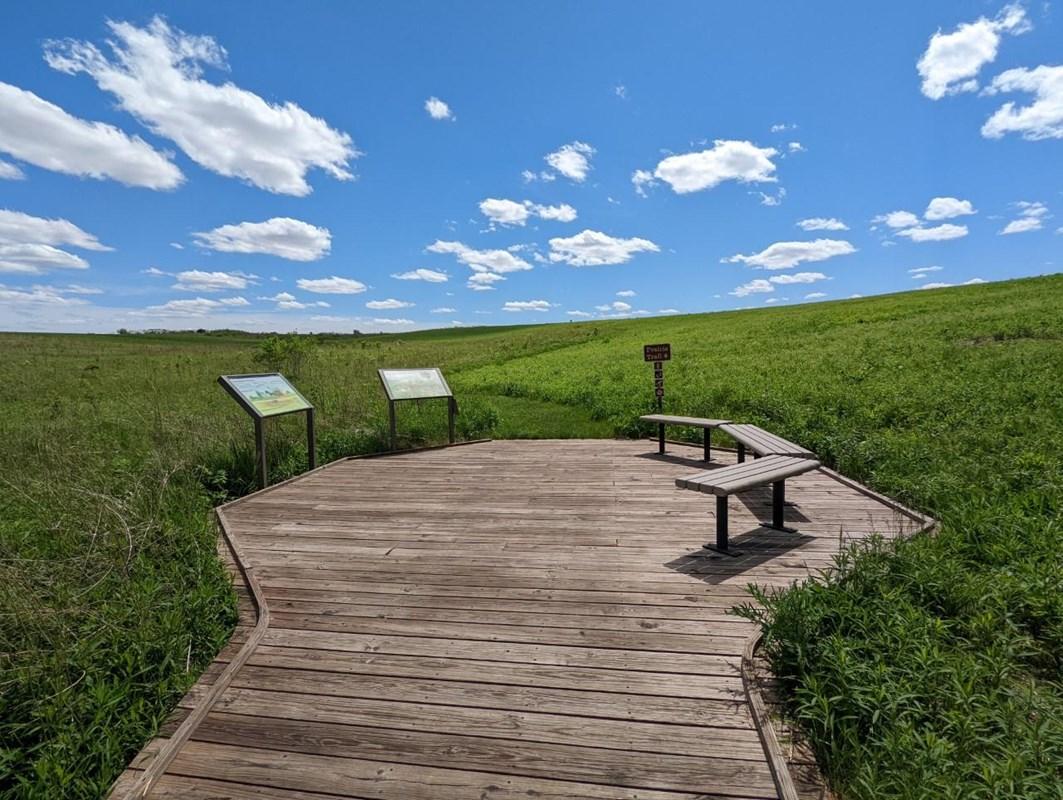


The Enchanting Tallgrass Prairie of Iowa
The Tallgrass Prairie in Iowa is a mesmerizing natural landscape that offers visitors a glimpse into the heartland's untamed beauty. Stretching across the state, this prairie is a haven for diverse flora and fauna, making it a must-visit for nature enthusiasts and photographers alike. As one of the most endangered ecosystems in North America, the Tallgrass Prairie provides a unique opportunity to witness a rare and vital part of the continent's natural heritage. During your visit, you'll be captivated by the sea of grasses that sway gently in the breeze, interspersed with vibrant wildflowers that add splashes of color to the landscape. The prairie is home to a variety of wildlife, including bison, foxes, and numerous bird species, offering endless opportunities for wildlife spotting and birdwatching. Hiking trails meander through the prairie, allowing you to explore its beauty up close and at your own pace. The Tallgrass Prairie is not just about natural beauty; it also holds significant cultural and historical value. Native American tribes once thrived in these grasslands, and remnants of their rich history can still be found throughout the area. Visitors can learn about the cultural heritage of the prairie through interpretive programs and guided tours. Whether you're looking to immerse yourself in nature, indulge in photography, or delve into history, the Tallgrass Prairie in Iowa promises an unforgettable experience.