

Free Prairie Pothole Region Travel Guide & Mobile App
Explore Prairie Pothole Region with free travel guides. Discover regional history, expert tips, proposed trips, and audio guides on web or mobile app.


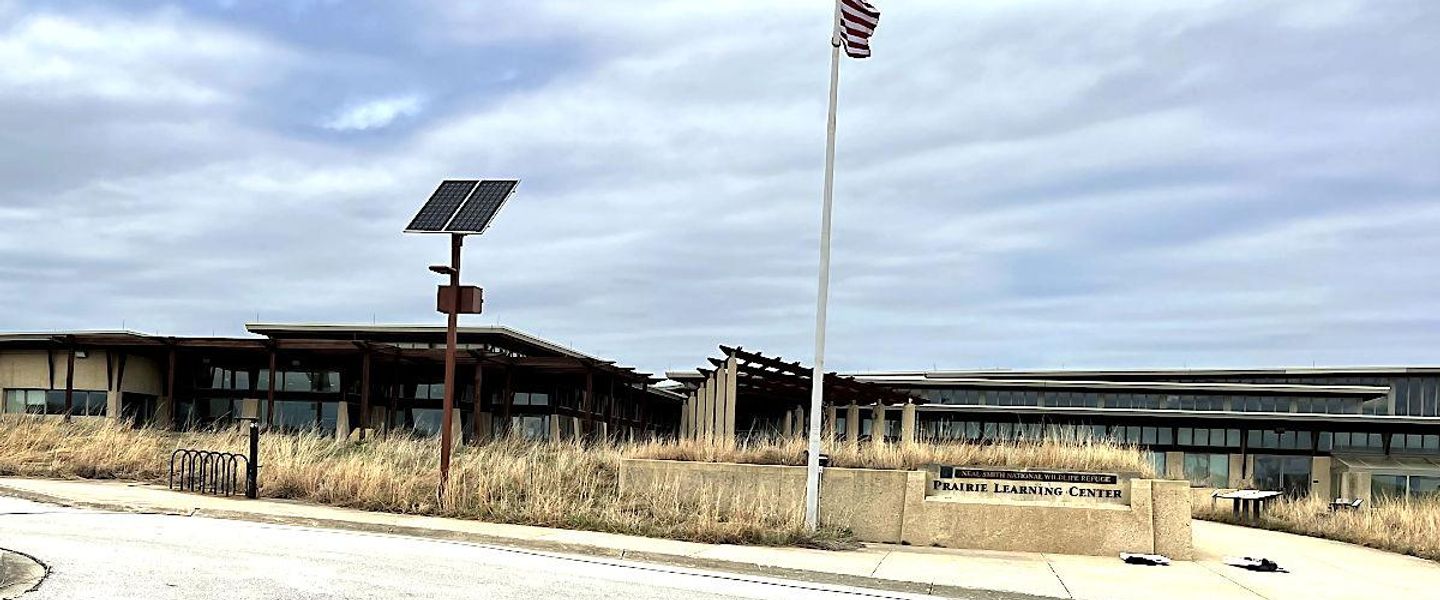


Explore Iowa’s Prairie Pothole Region for glacial lakes, restored wetlands, birdlife, small towns and open northern-Iowa landscapes.
Read more about Prairie Pothole Region
When is the best time to visit Prairie Pothole Region?
Best: May–June, September · 22–27°C| Month | High (°C) | Rainfall (mm) |
|---|---|---|
| January | -1 | 25 |
| February | 2 | 25 |
| March | 9 | 35 |
| April | 16 | 50 |
| May (best) | 22 | 80 |
| June (best) | 27 | 100 |
| July | 30 | 90 |
| August | 28 | 90 |
| September (best) | 24 | 70 |
| October | 17 | 60 |
| November | 9 | 40 |
| December | 2 | 25 |
Getting to and around Prairie Pothole Region
How to get there
Transportation
Top city travel guides in Prairie Pothole Region
The cities of Prairie Pothole Region, and the easiest places to base yourself.
-

-

-

-

-

-


Swipe for more cities
Destinations in Prairie Pothole Region
Resorts, valleys and scenic spots worth a trip of their own.
-
-
-

-

-
-
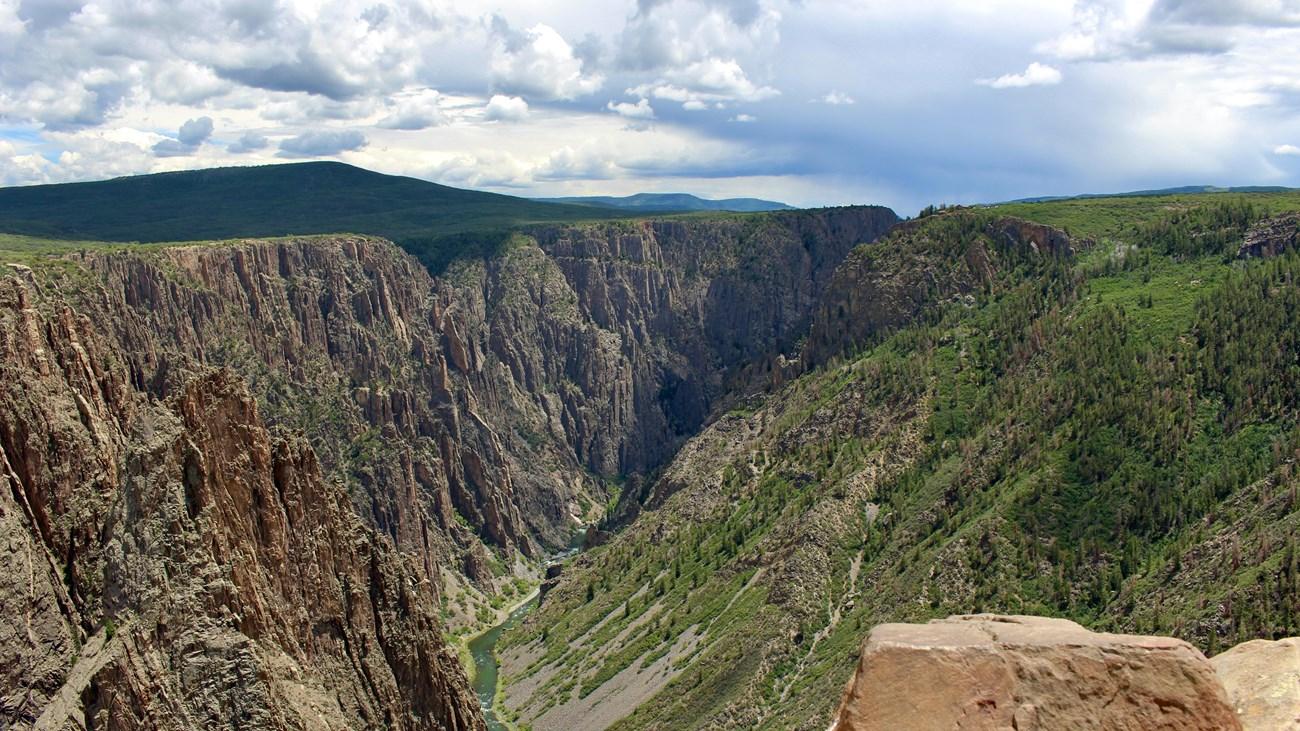 Loess Hills
Discover the Loess Hills in Iowa: A breathtaking landscape of wind-blown silt hills perfect for hiking, bird-watching, and exploring the rich biodiversity and cultural history.


Swipe for more destinations
Best attractions in Prairie Pothole Region
Attractions in Iowa’s Prairie Pothole Region are shaped by water, open country and the practical history of rural settlement. The Iowa Great Lakes provide the strongest concentration of visitor facilities, with boating, fishing, swimming, lakeside walking and family entertainment around Spirit Lake, West Okoboji, East Okoboji and Milford. Arnold’s Park links present-day recreation with the area’s long resort tradition. Clear Lake offers another large-water setting, together with the Surf Ballroom and its music-history interpretation. Beyond the resort centres, county conservation areas and wetland refuges reveal the ecological character of glacial pothole country through trails, observation points, prairie restoration and opportunities for birdwatching. Union Slough National Wildlife Refuge is an important example of protected wetland habitat, while local historical museums, courthouses, farm museums and town centres explain the area’s agricultural development. The attractions are dispersed and generally modest in scale: the reward comes from combining a lake visit with a conservation walk, a small-town museum or a drive through changing prairie and farmland. Autumn bird migration and spring wetland activity can be more rewarding for nature observation than the busy midsummer season.
-
State park
Maquoketa Caves State Park
Discover Iowa's most unique state park, explore fascinating caves, and hike scenic trails at Maquoketa Caves State Park in Maquoketa, Iowa.
-
Tourist attraction
Shrine of the Grotto of the Redemption
Explore the Shrine of the Grotto of the Redemption, a divine blend of art and spirituality nestled in West Bend, Iowa, and experience nature's tranquility.
-
State park
Pikes Peak State Park
Explore Pikes Peak State Park in Iowa, where stunning views, hiking trails, and diverse wildlife offer a perfect escape into nature.
-
State park
Backbone State Park
Experience the breathtaking landscapes and diverse wildlife at Backbone State Park, Iowa's oldest state park, perfect for outdoor adventures.

Best landmarks in Prairie Pothole Region
The Iowa Great Lakes are the region’s defining natural landmarks, with the broad waters of Spirit Lake and the connected landscapes of West Okoboji and East Okoboji marking the country’s glacial origin. Their wooded shorelines, bays and resort communities form a visual contrast with the open agricultural plains surrounding them. Arnold’s Park on West Okoboji is both a recreational landmark and a reminder of the lakes’ long history as an Iowa holiday destination. At Clear Lake, the Surf Ballroom is a nationally recognised music landmark associated with the final concert of Buddy Holly, Ritchie Valens and J. P. Richardson in 1959. Union Slough National Wildlife Refuge represents a different kind of landmark: a protected wetland complex that preserves part of the pothole environment progressively reduced by drainage and cultivation. Historic county courthouses, town squares, rural churches and grain elevators provide smaller but significant markers of settlement, rail transport and agricultural development. Together, these places express the region through geology, memory, recreation and working countryside rather than monumental architecture alone.
-
Park
Kennedy Park
Experience the beauty of nature at Kennedy Park, a family-friendly oasis in Fort Dodge, Iowa, perfect for picnics, recreation, and relaxation.
-
Historical landmark
Buddy Holly Crash Site
Explore the Buddy Holly Crash Site in Clear Lake, Iowa, a poignant historical landmark honoring the legacy of rock and roll legends.
-
Historical landmark
Kate Shelley High Bridge
Visit the Kate Shelley High Bridge near Boone, Iowa, and discover the story of a local heroine and a marvel of engineering.
-
Lake
Clear Lake
Discover Clear Lake, Iowa's serene waterfront paradise, where adventure awaits amidst stunning scenery and vibrant local culture.


Explore Prairie Pothole Region on the map
Plan your trip on one map. See where the top cities, national parks and sights are, and book hotels and experiences in a few clicks.
Best hotels in Prairie Pothole Region
Best restaurants in Prairie Pothole Region
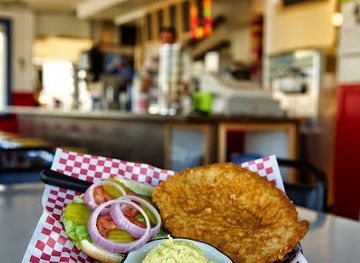
Dining in the region is closely tied to the Iowa Great Lakes, agricultural communities and the informal style of Midwestern small towns. Around Okoboji, Spirit Lake and Milford, visitors find lakeside restaurants, cafés, ice-cream shops, grills and casual venues serving familiar American food, particularly busy during the summer season. Clear Lake adds independent cafés, supper-club traditions and places connected with the town’s resort and music culture. Across northern Iowa, pub menus and family restaurants commonly feature burgers, sandwiches, steaks, fried foods and generous breakfast plates, while bakeries and seasonal stands reflect the surrounding farm economy. Local produce appears most clearly at farmers’ markets and community events rather than as a single formal regional cuisine. Iowa’s wider food culture includes pork, sweet corn, beef, dairy products and baked goods, but these should be understood as state and Midwestern traditions rather than exclusive dishes of the Prairie Pothole Region. Booking ahead is sensible at popular lakeside restaurants on summer weekends.
-
Family-friendly
Ox Yoke Inn
Experience authentic American and German cuisine at Ox Yoke Inn in Amana - where tradition meets taste in a family-friendly atmosphere.
-
American
Goldie's Ice Cream Shoppe
Experience the joy of American-style treats at Goldie's Ice Cream Shoppe in Prairie City—where every scoop is made with love.
-
American
Breitbach's Country Dining
Experience the charm of Breitbach's Country Dining in Sherrill - where traditional American cuisine meets local hospitality.
-
Grill
The Barefoot Bar at Okoboji
Experience lakeside dining at The Barefoot Bar in Okoboji with delicious grills and refreshing drinks in a vibrant atmosphere.

Best bars in Prairie Pothole Region
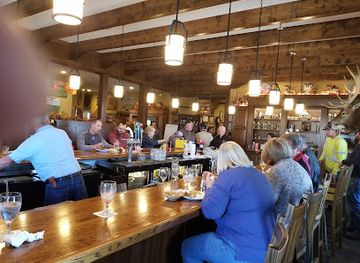
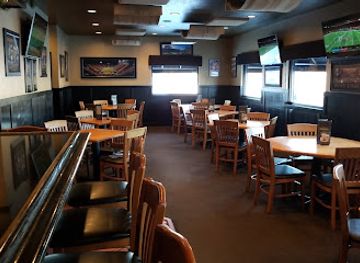
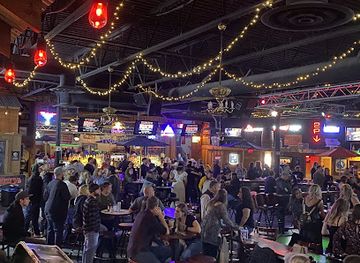
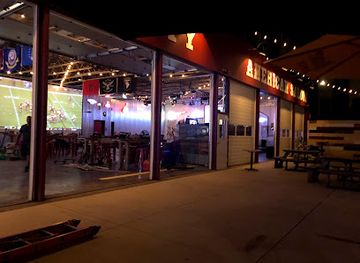
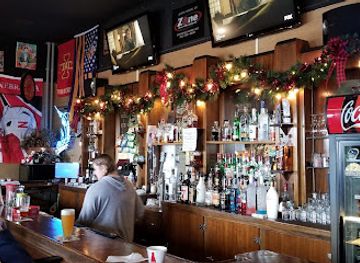
Evening life is concentrated in the Iowa Great Lakes and Clear Lake rather than spread evenly across the rural landscape. Okoboji, Spirit Lake and Arnolds Park have the region’s liveliest seasonal choice of lakeside bars, breweries, casual restaurants, live-music venues and resort-oriented entertainment, with activity increasing during summer. Clear Lake has a more compact evening scene built around bars, restaurants and its association with the Surf Ballroom, which remains an important music venue and historic site. In smaller farming communities, nightlife generally means a traditional pub, tavern, bowling venue, community event or restaurant rather than a large nightclub. Hours and seasonal openings vary, particularly away from the lakes, so visitors should not rely on late-night services in rural areas. Drinking is only one part of the evening culture; sunset walks, live music, local events and quiet lakeside dining are equally characteristic.
-
Pizza
Pickles Pub
Discover the heart of Kamrar at Pickles Pub, where delicious pizzas and a lively atmosphere create unforgettable dining experiences.
-
Grill
Tweeter's Bar & Grill
Discover the perfect blend of delicious grill cuisine and breathtaking lake views at Tweeter's Bar & Grill in Okoboji, Iowa.
-
Bar
Tavern119
Discover Tavern119 in Fonda, Iowa - a cozy bar offering local craft beers and cocktails in a warm, inviting atmosphere.


Best nightclubs in Prairie Pothole Region
Evening life is concentrated in the Iowa Great Lakes and Clear Lake rather than spread evenly across the rural landscape. Okoboji, Spirit Lake and Arnolds Park have the region’s liveliest seasonal choice of lakeside bars, breweries, casual restaurants, live-music venues and resort-oriented entertainment, with activity increasing during summer. Clear Lake has a more compact evening scene built around bars, restaurants and its association with the Surf Ballroom, which remains an important music venue and historic site. In smaller farming communities, nightlife generally means a traditional pub, tavern, bowling venue, community event or restaurant rather than a large nightclub. Hours and seasonal openings vary, particularly away from the lakes, so visitors should not rely on late-night services in rural areas. Drinking is only one part of the evening culture; sunset walks, live music, local events and quiet lakeside dining are equally characteristic.
-
Bar
Miss Kitty’s Country Bar Dance Nightclub and Honky Tonk
Discover the ultimate country music experience at Miss Kitty’s Country Bar, where dancing, live music, and a lively atmosphere await you.
-
Bar
Hazzard County American Saloon
Discover the vibrant nightlife at Hazzard County American Saloon, a bar and nightclub in Cedar Rapids offering live music and a friendly atmosphere.
-
Night club
Sips
Experience the vibrant nightlife at Sips, Ames' favorite night club, where great music and a lively atmosphere await.
-
Bar
Lake Ave. Lounge
Discover the vibrant nightlife at Lake Ave. Lounge, Storm Lake's premier bar and live music venue for unforgettable nights out.

Best shops in Prairie Pothole Region
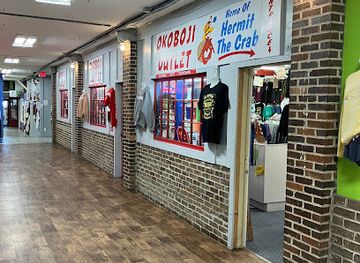
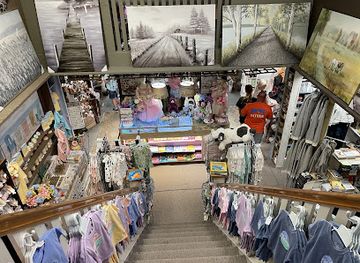
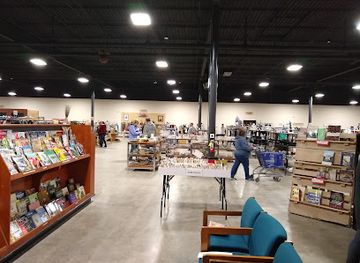
Shopping is centred on the small towns and resort communities rather than on major urban retail districts. Okoboji, Spirit Lake, Milford and Arnolds Park offer a mixture of practical shops, cafés, seasonal clothing stores, galleries, lake-oriented leisure goods and independent retailers serving both residents and summer visitors. Clear Lake has a traditional town-centre feel with local businesses, music-related merchandise and small galleries, while other rural communities provide groceries, hardware, antiques and occasional second-hand or craft shops. Farmers’ markets and community markets are the best places to look for Iowa-grown produce, baked goods, preserves and handmade items when they are operating seasonally. Useful regional purchases may include locally produced food, prairie-themed artwork, pottery, books about Iowa history and lake or music memorabilia. Retail hours can be limited in smaller towns and some lakeside businesses are seasonal, so plan shopping around daytime stops rather than expecting late opening across the countryside.
-
Book store
Prairie Lights Books and Cafe
Experience the perfect blend of literature and coffee at Prairie Lights Books and Cafe in Iowa City, where every book lover feels at home.
-
Department store
Central Emporium
Explore Central Emporium in Arnolds Park - a unique shopping destination with diverse shops and delightful discounts perfect for every visitor.
-
Gift shop
Barn Swallow Gift Shop
Explore the unique and delightful offerings at Barn Swallow Gift Shop in Okoboji, Iowa, where every visit promises a treasure to take home.
-
Thrift store
Crowded Closet Thrift Shop
Explore the charm of Iowa City at Crowded Closet Thrift Shop, where every visit unveils unique treasures and supports local causes.
Get your free copy of our complete guide to Prairie Pothole Region, delivered straight to you.
Everything on this page, from attractions and restaurants to essentials and local phrases, in one PDF you can read offline, print or share.
Already have an account? Sign in
Your Prairie Pothole Region guide is ready.
We'll send it to · Not you? Sign out

Getting your guide ready…
We are putting together a fresh copy of the Prairie Pothole Region guide. This can take up to a minute.
This can take a few moments. If your browser asks, choose Allow so the download can start. You'll find the guide in your Downloads folder.
Nothing happened? Download it again
Sorry, the guide is taking longer than usual. Please try again in a minute, or get it by email instead.
Prairie Pothole Region essentials
Currency and Payment
Safety
Emergency Situations
Do's and Don'ts
Local Tips
From Eve
Local phrases worth knowing
You don't need to get them perfect. A few words go a long way, and locals appreciate the effort.
Basics
| English | Local | Say it |
|---|---|---|
| Hello | Howdy | [Hau-dee] |
| Goodbye | See ya later | [See ya lay-ter] |
| Yes | Yep | [Yep] |
| No | Nope | [Nope] |
| Please/You're welcome | You bet | [Yoo bet] |
| Thank you | Thanks a bunch | [Thanks a bunch] |
| Excuse me/Sorry | Pardon me | [Par-don me] |
| How are you? | How's it goin'? | [How's it goin'?] |
| Fine. And you? | Good. And you? | [Good. And you?] |
| Do you speak English? | Do ya speak English? | [Doo ya speak English?] |
| I don't understand | I don’t get it | [I don’t get it] |
Eating & Drinking
| English | Local | Say it |
|---|---|---|
| I'd like to see the menu, please | Can I see the menu? | [Can I see the menu?] |
| I don't eat meat | I’m a vegetarian | [I’m a ve-ji-tair-ian] |
| Cheers! | Cheers! | [Cheers!] |
| I would like to pay, please | Can I get the bill, please? | [Can I get the bill, please?] |
Emergencies
| English | Local | Say it |
|---|---|---|
| Help! | Help! | [Help!] |
| Go away! | Leave me alone! | [Leave me alone!] |
| Call the Police! | Call the cops! | [Call the cops!] |
| Call a doctor! | Get a doctor! | [Get a doctor!] |
| I'm lost | I can’t find my way | [I can’t find my way] |
| I'm ill | I don’t feel good | [I don’t feel good] |
Shopping
| English | Local | Say it |
|---|---|---|
| I'd like to buy... | I want to buy... | [I want to buy...] |
| I'm just looking | Just browsing, thanks | [Just browsing, thanks] |
| How much is it? | What's the price? | [What's the price?] |
| That's too expensive | That's a bit steep | [That's a bit steep] |
| Can you lower the price? | Can you give me a deal? | [Can you give me a deal?] |
Time & Numbers
| English | Local | Say it |
|---|---|---|
| What time is it? | What time ya got? | [What time ya got?] |
| It's one o'clock | It's one o'clock | [It's one o'clock] |
| Half past (10) | Half past ten | [Half past ten] |
| Morning | Morning | [Morning] |
| Afternoon | Afternoon | [Afternoon] |
| Evening | Evening | [Evening] |
| Yesterday | Yesterday | [Yesterday] |
| Today | Today | [Today] |
| Tomorrow | Tomorrow | [Tomorrow] |
| 1 | One | [One] |
| 2 | Two | [Two] |
| 3 | Three | [Three] |
| 4 | Four | [Four] |
| 5 | Five | [Five] |
| 6 | Six | [Six] |
| 7 | Seven | [Seven] |
| 8 | Eight | [Eight] |
| 9 | Nine | [Nine] |
| 10 | Ten | [Ten] |
Transport & Directions
| English | Local | Say it |
|---|---|---|
| Where's a/the...? | Where's the nearest...? | [Where's the nearest...?] |
| What's the address? | What's the address? | [What's the address?] |
| Can you show me (on the map)? | Can you point it out? | [Can you point it out?] |
| When's the next (bus)? | When's the next bus? | [When's the next bus?] |
| A ticket (to ....) | A ticket to... | [A ticket to... ] |
History of Prairie Pothole Region
Glacial Formation and the Prairie Pothole Landscape
The region’s defining landform was created by repeated advances and retreats of continental ice during the Ice Age. As glacial ice melted, blocks of buried ice left shallow depressions that later filled with water, producing the pothole wetlands characteristic of northern Iowa and the wider Great Plains. Larger glacial features also helped form the Iowa Great Lakes. Although drainage and cultivation have reduced the original wetland network, the surviving basins remain important evidence of the region’s geological past and continue to support waterfowl, amphibians and prairie vegetation.
Indigenous Peoples and Place
Northern Iowa has long been inhabited and travelled by Indigenous peoples, including the Dakota, Iowa and Ho-Chunk, whose histories predate the state and the United States. Lakes, rivers, prairies and wetlands provided routes, food resources and places of cultural significance. The region’s modern landscape must therefore be understood alongside the displacement and political pressures imposed on Indigenous communities during American expansion. Visitors encounter only part of this history in local museums and historical interpretation, while tribal sovereignty and contemporary Indigenous communities remain part of the wider story of Iowa.
Treaties, Removal and American Settlement
During the nineteenth century, federal treaties and policies opened much of Iowa to increasing settlement by Euro-American farmers and land speculators. Surveying, land sales and the arrival of immigrant and domestic settlers transformed prairie and wetland country into a patchwork of farms and emerging towns. Communities developed around county seats, mills, churches and transport routes. Indigenous removal was a major consequence of this process, while the legal and commercial restructuring of the land established the agricultural pattern that still dominates much of the Prairie Pothole Region.
Railways, Agriculture and Wetland Drainage
Railway construction in the later nineteenth century connected northern Iowa’s farm communities with regional markets and encouraged the growth of towns, grain handling and livestock production. At the same time, settlers increasingly drained wetlands to create additional cropland and reduce standing water. Tile drainage, ditches and engineering works reshaped the hydrology of the pothole country. The resulting agricultural productivity became central to the region’s economy, but the loss of wetland habitat also created long-term concerns about flooding, water quality and wildlife conservation.
The Iowa Great Lakes as a Resort Landscape
The Iowa Great Lakes developed into one of the state’s best-known inland holiday areas during the late nineteenth and twentieth centuries. Improved rail and road connections brought visitors to Spirit Lake, West Okoboji and East Okoboji for boating, fishing and lakeside recreation. Resort buildings, seasonal cottages and entertainment facilities created a distinct tourism economy alongside farming. Arnold’s Park, established in the late nineteenth century on West Okoboji, remains a visible link with that long history of amusement and summer travel.
Conservation and Wetland Restoration
By the twentieth century, the ecological cost of large-scale drainage was increasingly recognised. Public agencies, conservation organisations and private landowners began protecting remaining wetlands, restoring prairie and improving habitat for migratory birds. Sites such as Union Slough National Wildlife Refuge illustrate the continuing effort to conserve representative wetland and grassland environments in northern Iowa. Modern conservation does not recreate the pre-settlement landscape in full, but it preserves important remnants and demonstrates how agriculture, flood management and wildlife protection intersect in the Prairie Pothole Region.
Twentieth-Century Culture and Regional Memory
The region has contributed to Iowa’s wider cultural history through music, local publishing, community institutions and agricultural traditions. Clear Lake is associated with the Surf Ballroom and the final performance of Buddy Holly, Ritchie Valens and J. P. Richardson in 1959, an event remembered through the town’s music heritage. Elsewhere, county museums, historic courthouses and preserved farm buildings document the everyday life of rural communities. These places show that the region’s history is not only environmental but also social, commercial and cultural.
Prairie Pothole Region in Photos
Browse through our photo collection highlighting the charm and character of the destination.
Neighbouring regions of Prairie Pothole Region
The closest regions to Prairie Pothole Region, if you have time for more than one.
-

-
-
-

-


Swipe for more regions
Explore more

Explore more of Iowa
Explore Iowa: The American Heartland with its blend of rural charm, vibrant cities, rich cultural experiences, and natural beauty, perfect for nature lovers and cultural enthusiasts.
Explore Iowa