

Western Iowa, Iowa Travel Guide
Discover Western Iowa's charming towns, scenic landscapes, and rich cultural heritage—a perfect blend of nature and tradition in the heart of the Midwest.
Western Iowa is a picturesque region in the heart of the Midwest, offering a tranquil escape from the hustle and bustle of city life. Known for its rolling hills, charming small towns, and rich agricultural heritage, this area provides a perfect blend of natural beauty and cultural experiences. Outdoor enthusiasts will delight in the numerous parks and recreational areas, such as the Loess Hills State Forest. This unique geological formation offers stunning vistas, hiking trails, and opportunities for bird watching. For a more leisurely experience, visitors can explore the scenic byways that wind through the countryside, passing by working farms and historic sites. Western Iowa is also home to a variety of festivals and events that celebrate its local culture and traditions. The annual Danish Villages of Elk Horn and Kimballton host lively celebrations that highlight the region's Scandinavian heritage. Food lovers will appreciate the farm-to-table dining options, where fresh, local ingredients are the star of the show. Whether you're interested in outdoor adventures, cultural festivals, or simply a peaceful retreat, Western Iowa has something to offer every traveler.

Know before you go
Hi, I'm Eve. Here are a few practical things to know before exploring Western Iowa.
- Visit the Loess Hills State Forest in the fall for the best foliage views.
- Check out local farmers' markets for fresh produce and homemade goods.
- Attend the Tivoli Fest in Elk Horn for a taste of Danish culture and cuisine.
- Bring a good pair of hiking boots to fully enjoy the scenic trails.
- Stay at a local bed and breakfast for a more personal and cozy experience.
Top City Travel Guides in Western Iowa
The cities of Western Iowa, and the easiest places to base yourself.


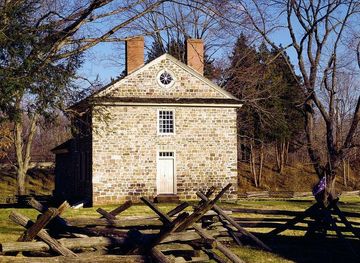
Destinations in Western Iowa
Resorts, valleys and scenic spots worth a trip of their own.


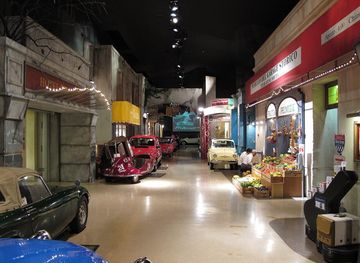


Explore Western Iowa: Things to Do, Places to Eat, Hotels & More
Handpicked recommendations for top attractions, local dining, accommodations, and more

Top Attractions & Sightseeing in Western Iowa
Top-rated picks
Best Attractions

Maquoketa Caves State Park
Explore the breathtaking Maquoketa Caves State Park, a natural wonder in Iowa known for its stunning caves and scenic hiking trails.

Shrine of the Grotto of the Redemption
Discover the world's largest man-made grotto in West Bend, Iowa, a breathtaking display of faith, art, and geological wonders.

Amana Colonies
Discover a unique blend of history, culture, and craftsmanship in Iowa's Amana Colonies, a National Historic Landmark.

Bacon Creek Park
Escape to nature in Sioux City! Discover trails, a dog park, and lakeside fun at Bacon Creek Park, a perfect outdoor retreat.

Best landmarks in Western Iowa
Top-rated picks
Best Landmarks

Amana Colonies
Discover a unique blend of history, craftsmanship, and community in Iowa's Amana Colonies, a National Historic Landmark.

Lake Macbride State Park
Explore Iowa's great outdoors at Lake Macbride State Park: fishing, boating, hiking, camping, and more!

Iowa State Capitol
Discover Iowa's golden-domed Capitol: A landmark of history, architecture, and government in Des Moines.

Palisades-Kepler State Park
Discover dramatic bluffs, scenic trails, and outdoor adventures along the Cedar River at Palisades-Kepler State Park in Iowa.

Best restaurants in Western Iowa
Top-rated picks
Best Restaurants

Ox Yoke Inn
Experience authentic American and German cuisine at Ox Yoke Inn in Amana - where family-friendly dining meets cultural heritage.

30Hop Coralville
Discover 30Hop Coralville: A delightful restaurant and bar serving delicious food and craft beers in a vibrant setting.

Tin Roost
Experience the taste of Iowa at Tin Roost, where delicious American cuisine meets friendly service in a welcoming atmosphere.

Firebirds Wood Fired Grill
Experience the best of American cuisine at Firebirds Wood Fired Grill with its signature steaks and seafood in West Des Moines.

Best bars in Western Iowa
Top-rated picks
Best Bars

Pub 217
Experience the vibrant atmosphere and delectable flavors at Pub 217, the go-to grill in Cedar Rapids, Iowa for tourists and locals alike.
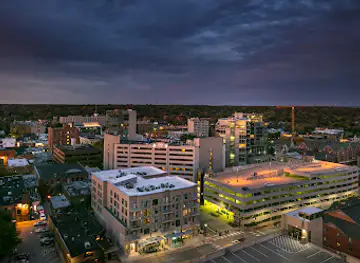
Vue Rooftop
Experience breathtaking views and delicious cuisine at Vue Rooftop, Iowa City's premier dining destination with live music and a vibrant atmosphere.
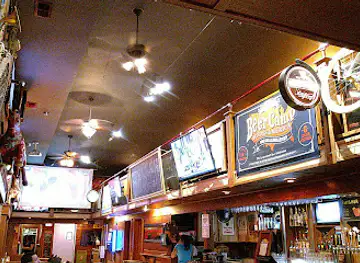
Bricks Bar & Grill
Discover the vibrant flavors of Cedar Rapids at Bricks Bar & Grill, your go-to for grilled delights and a lively bar scene.
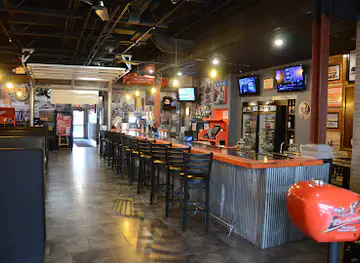
Chrome Horse Saloon
Discover the lively atmosphere of Chrome Horse Saloon, a premier bar and restaurant in Cedar Rapids with great food, live music, and unforgettable experiences.

Best nightclubs in Western Iowa
Top-rated picks
Best Nightclubs

Hard Rock Hotel & Casino Sioux City
Discover the thrill of gaming, live music, and luxurious accommodations at Hard Rock Hotel & Casino Sioux City, Iowa's premier entertainment destination.

Bar Louie - Sioux City
Experience the vibrant atmosphere and diverse American cuisine at Bar Louie - Sioux City, where great food meets lively entertainment.

Miss Kitty’s Country Bar Dance Nightclub and Honky Tonk
Join the fun at Miss Kitty’s Country Bar, where live music and dancing create the perfect atmosphere for a night of country entertainment in Clive, IA.

Jim's Lounge
Experience the vibrant atmosphere of Jim's Lounge, Sioux City's favorite spot for cocktails, socializing, and live entertainment.

Best shops in Western Iowa
Top-rated picks
Best Shops

Coral Ridge Mall
Shop, dine, and unwind at Coral Ridge Mall, the premier shopping destination in Coralville, Iowa, offering a blend of retail, dining, and entertainment options.

Marketplace Shopping Center
Explore the Marketplace Shopping Center in Sioux City for a delightful shopping and dining experience in a vibrant atmosphere.

Palmer's Olde Tyme Candy Shoppe
Discover a world of sweets at Palmer's Olde Tyme Candy Shoppe, a charming candy store in Sioux City, Iowa, offering homemade treats and nostalgic delights.

Cedar Ridge Distillery
Discover Cedar Ridge Distillery, where fine spirits meet gourmet dining in the heart of Iowa's scenic landscape, perfect for a unique getaway.

Explore Western Iowa on the Map
A handpicked selection of must-see spots in Western Iowa, mapped for you.
Western Iowa Essentials
-
Western Iowa is accessible via several major highways, including I-29 and I-80. The nearest major airport is Eppley Airfield in Omaha, Nebraska, which is about an hour's drive from the western border of Iowa. Sioux Gateway Airport in Sioux City also serves the region but has fewer flights. Amtrak trains and Greyhound buses provide service to several cities in Western Iowa, including Council Bluffs and Sioux City.
-
Western Iowa is best explored by car, given its rural nature and the spread-out nature of attractions. Rental cars are available at airports and in larger cities like Council Bluffs and Sioux City. Public transportation options are limited, but local buses operate in larger towns. Biking is a great way to explore smaller towns and rural areas, with several trails available for cyclists.
-
The official currency is the US Dollar (USD). Credit and debit cards are widely accepted in most establishments, including hotels, restaurants, and shops. However, it is advisable to carry some cash, especially when visiting smaller towns and rural areas where card payments may not be accepted. ATMs are available in most towns and cities.
-
Western Iowa is generally a safe destination for tourists. However, it is always wise to take standard precautions. Avoid walking alone at night in unfamiliar areas and keep an eye on your belongings in crowded places. Some areas in larger cities, such as certain neighborhoods in Sioux City, have higher crime rates, so it is best to stay in well-traveled and well-lit areas.
-
In case of emergency, dial 911 for immediate assistance. Hospitals and clinics are available in major towns and cities, including Council Bluffs and Sioux City. It is recommended to have travel insurance that covers medical emergencies. Pharmacies are available in most towns for purchasing over-the-counter medications.
-
Fashion: Do dress comfortably and practically, especially if you plan on outdoor activities. Casual wear is generally acceptable. Religion: Do respect local religious customs if visiting churches or religious sites; modest attire is recommended. Public Transport: Do be patient, as public transport options are limited and may not run frequently. Greetings: Do greet people with a friendly 'hello' or a handshake. Eating & Drinking: Do try local specialties like Maid-Rites and sweet corn. Don’t forget to tip in restaurants; 15-20% is customary.
-
To experience Western Iowa like a local, visit farmers' markets where you can purchase fresh produce and homemade goods. Engage with locals at community events and fairs, which are held frequently, especially in the summer. Don’t miss out on visiting the Loess Hills for breathtaking landscapes and hiking opportunities. For a unique experience, explore the Danish Windmill in Elk Horn or the Lewis and Clark Monument in Council Bluffs.
When is the best time to visit Western Iowa?
Useful Local Phrases for Western Iowa
You don't need to speak the language perfectly. Even learning a few simple words can make conversations warmer—and locals usually appreciate the effort.
— Eve

Here are the phrases I use most often in Western Iowa. Try a few—you'll be surprised how far they go! 😊
❤️
-
- HelloHowdy
[hau-dee] - GoodbyeSee you later
[see yuh lay-ter] - YesYep
[yehp] - NoNope
[nohp] - Please/You're welcomeSure thing
[shur thing] - Thank youThanks a lot
[thanks uh lot] - Excuse me/SorryPardon me
[par-dn mee] - How are you?How's it going?
[how's it goin'?] - Fine. And you?I'm good. And you?
[I'm good. And yuh?] - Do you speak English?Can you speak English?
[can yuh speak English?] - I don't understandI ain't got it
[I ain't got it]
- HelloHowdy
-
- I'd like to see the menu, pleaseCan I see the menu?
[can I see thuh menu?] - I don't eat meatI don't do meat
[I don't do meat] - Cheers!Cheers!
[cheers] - I would like to pay, pleaseCan I get the check?
[can I get thuh check?]
- I'd like to see the menu, pleaseCan I see the menu?
-
- Help!Help!
[help] - Go away!Leave me be!
[leave me bee] - Call the Police!Call the cops!
[call thuh cops] - Call a doctor!Get a doctor!
[get a doctor] - I'm lostI'm turned around
[I'm turned around] - I'm illI'm not feeling well
[I'm not feelin' well]
- Help!Help!
-
- I'd like to buy...I wanna buy...
[I wanna buy...] - I'm just lookingJust browsing
[just browsin'] - How much is it?What's the price?
[what's thuh price?] - That's too expensiveThat's a bit steep
[that's a bit steep] - Can you lower the price?Can you knock down the price?
[can yuh knock down thuh price?]
- I'd like to buy...I wanna buy...
-
- What time is it?What time ya got?
[what time yuh got?] - It's one o'clockIt's one
[it's one] - Half past (10)Half past ten
[half past ten] - MorningMorning
[morning] - AfternoonAfternoon
[afternoon] - EveningEvening
[evening] - YesterdayYesterday
[yesterday] - TodayToday
[today] - TomorrowTomorrow
[tomorrow] - 1One
[one] - 2Two
[two] - 3Three
[three] - 4Four
[four] - 5Five
[five] - 6Six
[six] - 7Seven
[seven] - 8Eight
[eight] - 9Nine
[nine] - 10Ten
[ten]
- What time is it?What time ya got?
-
- Where's a/the...?Where's the...?
[where's thuh...?] - What's the address?What's the address?
[what's thuh address?] - Can you show me (on the map)?Can you point it out?
[can yuh point it out?] - When's the next (bus)?When's the next bus?
[when's thuh next bus?] - A ticket (to ....)A ticket to ...
[a ticket to ...]
- Where's a/the...?Where's the...?
History of Western Iowa
-
The Loess Hills are a unique geological formation that stretches along the western edge of Iowa. These wind-deposited silt formations were created during the last Ice Age, around 12,000 to 15,000 years ago. The hills are notable for their height, steepness, and unique flora and fauna, which are not found anywhere else in the United States. The Loess Hills were crucial for Native American tribes, such as the Oto and Missouri tribes, who found the area rich in resources.
-
In 1804, the Lewis and Clark Expedition passed through Western Iowa as they explored the newly acquired Louisiana Territory. During their journey, they encountered various Native American tribes, documented flora and fauna, and mapped the region. The expedition's passage through Western Iowa is commemorated by numerous historical markers and the Lewis and Clark State Park.
-
Council Bluffs, originally known as Kanesville, played a pivotal role in westward expansion. In the mid-1800s, it was a major outfitting point for pioneers heading westward via the Oregon, Mormon, and California Trails. The town was also a significant site for the Mormon migration, serving as a temporary settlement for thousands of Mormon pioneers on their way to Utah.
-
The arrival of the railroad in the 1860s transformed Western Iowa. Council Bluffs became a key terminus for the Union Pacific Railroad, which was part of the First Transcontinental Railroad. This development facilitated increased migration, commerce, and communication between the eastern United States and the western frontier. The Golden Spike Monument in Council Bluffs commemorates this achievement.
-
Western Iowa has a rich Native American history, with several tribes inhabiting the area before European settlement. The Oto, Iowa, and Missouri tribes were among the prominent groups. Their legacy is preserved in various cultural sites and museums, such as the Hitchcock House and the Western Historic Trails Center. These sites offer insights into the lives, traditions, and struggles of the indigenous people of the region.
-
The Glenwood Culture, a prehistoric Native American culture, thrived in the region from approximately 900 to 1300 AD. This culture is known for its earth lodges, which were circular, semi-subterranean structures. Archaeological sites, such as the Glenwood Archaeological State Preserve, provide valuable information about their way of life, agricultural practices, and social organization.
-
One of the most devastating natural disasters in Western Iowa's history was the Great Flood of 1952. The Missouri River overflowed its banks, inundating towns, farmlands, and infrastructure. The flood caused significant economic and social disruptions, leading to improved flood control measures and the construction of levees and dams in subsequent years.
-
Elk Horn and Kimballton, two small towns in Western Iowa, are known for their rich Danish heritage. Settled by Danish immigrants in the 19th century, these communities have preserved their cultural heritage through museums, festivals, and landmarks. The Danish Windmill in Elk Horn and the Danish Immigrant Museum are prominent attractions that celebrate the contributions of Danish Americans to the region.
Neighbouring Regions of Western Iowa
The closest regions to Western Iowa, if you have time for more than one.





Your all‑in‑one travel companion app
Explore expert travel guides, compare and book tours, experiences, hotels, and more—all from the palm of your hand. Download now for seamless trip planning wherever your wanderlust takes you.


Explore More of Iowa

Looking beyond Western Iowa? Discover Iowa for broader travel guides, local hot-spots, and regional highlights.
Explore IowaWestern Iowa in Photos
Browse through our photo collection highlighting the charm and character of the destination.


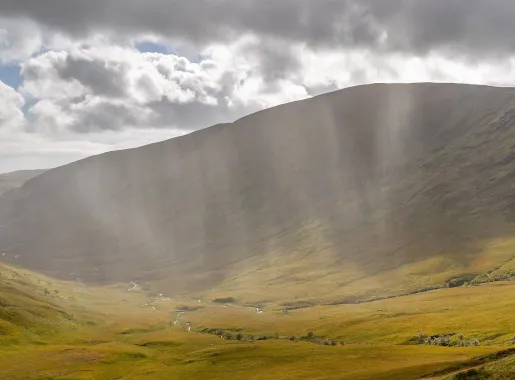


Western Iowa: The Heartland's Hidden Gem
Western Iowa is a picturesque region in the heart of the Midwest, offering a tranquil escape from the hustle and bustle of city life. Known for its rolling hills, charming small towns, and rich agricultural heritage, this area provides a perfect blend of natural beauty and cultural experiences. Outdoor enthusiasts will delight in the numerous parks and recreational areas, such as the Loess Hills State Forest. This unique geological formation offers stunning vistas, hiking trails, and opportunities for bird watching. For a more leisurely experience, visitors can explore the scenic byways that wind through the countryside, passing by working farms and historic sites. Western Iowa is also home to a variety of festivals and events that celebrate its local culture and traditions. The annual Danish Villages of Elk Horn and Kimballton host lively celebrations that highlight the region's Scandinavian heritage. Food lovers will appreciate the farm-to-table dining options, where fresh, local ingredients are the star of the show. Whether you're interested in outdoor adventures, cultural festivals, or simply a peaceful retreat, Western Iowa has something to offer every traveler.