

Northwest Iowa, Iowa Travel Guide
Explore the serene landscapes, rich history, and charming small towns of Northwest Iowa, a hidden gem in the heart of the American Midwest.
Northwest Iowa is a delightful region that offers a unique blend of natural beauty, rich history, and small-town charm. This part of the Hawkeye State is dotted with serene landscapes, from rolling prairies to tranquil lakes, making it an ideal destination for nature lovers and outdoor enthusiasts. The region boasts a variety of parks, including the popular Okoboji Lakes area, where visitors can enjoy boating, fishing, and hiking. Culture and history enthusiasts will find plenty to explore in Northwest Iowa. The region is home to several interesting museums, such as the Sanford Museum and Planetarium in Cherokee and the Clay County Heritage Center in Spencer. These institutions offer a glimpse into the local history and heritage, allowing visitors to immerse themselves in the stories of the past. Additionally, the historic Danish Windmill in Elk Horn provides a fascinating look at the area's Danish roots. Small towns in Northwest Iowa offer a warm and welcoming atmosphere, with charming main streets, local diners, and unique shops. Whether you're exploring the quaint town of Le Mars, known as the Ice Cream Capital of the World, or enjoying a leisurely stroll through Storm Lake's scenic parks, you'll find that each community has its own unique character and charm. Festivals and events throughout the year, such as the Clay County Fair in Spencer, add to the region's vibrant and friendly vibe.

Know before you go
Hi, I'm Eve. Here are a few practical things to know before exploring Northwest Iowa.
- Visit the Okoboji Lakes area early in the morning for the best chances of seeing wildlife and enjoying peaceful scenery.
- Check local calendars for festivals and events; the Clay County Fair is particularly popular and offers a true taste of local culture.
- Try the local ice cream in Le Mars, the Ice Cream Capital of the World, where you can visit the Blue Bunny Ice Cream Parlor.
- Bring comfortable walking shoes to explore the many scenic parks and trails scattered throughout the region.
- Visit the Danish Windmill in Elk Horn for a unique cultural experience and to learn about the area's Danish heritage.
Top City Travel Guides in Northwest Iowa
The cities of Northwest Iowa, and the easiest places to base yourself.

Destinations in Northwest Iowa
Resorts, valleys and scenic spots worth a trip of their own.



Explore Northwest Iowa: Things to Do, Places to Eat, Hotels & More
Handpicked recommendations for top attractions, local dining, accommodations, and more

Top Attractions & Sightseeing in Northwest Iowa
Top-rated picks
Best Attractions

Falls Park
Explore the stunning Falls Park in Sioux Falls, SD, featuring breathtaking waterfalls, scenic trails, and vibrant events amidst nature's beauty.

Adventureland Park
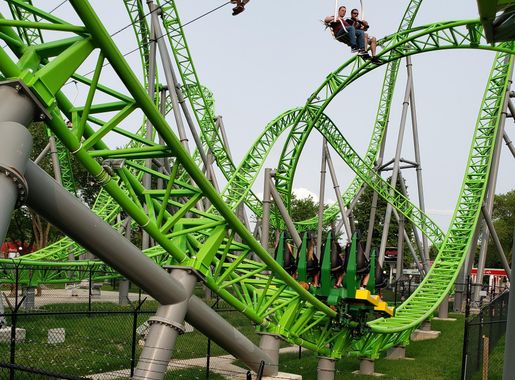
Experience thrill and excitement at Adventureland Park, Iowa's top amusement park featuring rides, entertainment, and family-friendly attractions.

Pappajohn Sculpture Park
Explore over 30 monumental sculptures in the heart of Des Moines at Pappajohn Sculpture Park, a vibrant outdoor art destination.

Maquoketa Caves State Park
Explore the natural beauty and captivating geology of Maquoketa Caves State Park, Iowa's stunning outdoor adventure destination.

Best landmarks in Northwest Iowa
Top-rated picks
Best Landmarks

Pappajohn Sculpture Park
Discover world-class art in an accessible, open-air setting at Des Moines' Pappajohn Sculpture Park. Open daily, sunrise to midnight, free admission.

Maquoketa Caves State Park
Discover the natural wonders of Maquoketa Caves State Park, where adventure meets stunning landscapes in Iowa's premier outdoor destination.

The District: Czech Village & New Bohemia
Discover Cedar Rapids' vibrant Czech Village & New Bohemia: a blend of history, culture, unique shops, and diverse dining in a revitalized urban district.

Amana Colonies
Discover the Amana Colonies: Explore historic villages, traditional crafts, and unique German heritage in the heart of Iowa.

Best restaurants in Northwest Iowa
Top-rated picks
Best Restaurants

Machine Shed Restaurant Davenport
Indulge in authentic American comfort food at Machine Shed Restaurant Davenport – where every meal tells a story.

Jethro’s ‘n Jakes Smokehouse Steaks
Experience the best barbecue and steak dishes at Jethro's 'n Jake's Smokehouse Steaks in Altoona - where flavor meets tradition.

Cobble Hill
Discover exquisite American cuisine at Cobble Hill in Cedar Rapids - where creativity meets culinary excellence.

Best bars in Northwest Iowa
Top-rated picks
Best Bars

Grand Falls Casino & Golf Resort®
Experience the thrill of gaming, relaxation, and fine dining at Grand Falls Casino & Golf Resort® in Larchwood, Iowa.

The High Life Lounge
Experience vintage charm with classic American cuisine and cocktails at The High Life Lounge in downtown Des Moines.

HuHot Mongolian Grill
Discover the culinary charm of HuHot Mongolian Grill in Sioux Falls, where you create your own flavorful stir-fry experience in a vibrant atmosphere.

Wellman's Pub & Rooftop
Discover the lively charm of Wellman's Pub & Rooftop, where delicious grill dishes meet a vibrant nightlife in West Des Moines.

Best nightclubs in Northwest Iowa
Top-rated picks
Best Nightclubs

The Garden Nightclub
Discover the lively atmosphere of The Garden Nightclub in Des Moines, a premier gay bar and live music venue for unforgettable nightlife experiences.

Miss Kitty’s Country Bar Dance Nightclub and Honky Tonk
Discover the lively heart of Clive's nightlife at Miss Kitty’s Country Bar - a premier dance nightclub with live music and a vibrant community atmosphere.

Woodys Show Club
Discover Woodys Show Club, a lively Cedar Rapids night club offering captivating adult entertainment and a vibrant atmosphere for a memorable night out.

PLATFORM
Dive into the heart of Des Moines' nightlife at PLATFORM, a night club known for its electrifying atmosphere and unforgettable music experience.

Best shops in Northwest Iowa
Top-rated picks
Best Shops

Coral Ridge Mall
Discover Coral Ridge Mall: Iowa's premier shopping destination with diverse stores, dining, and entertainment for the whole family.

Grand Falls Casino & Golf Resort®
Experience the ultimate getaway at Grand Falls Casino & Golf Resort® with gaming, golf, dining, and relaxation in beautiful Larchwood, Iowa.

Outlets of Des Moines
Explore the Outlets of Des Moines for unbeatable deals on your favorite brands in a fun and family-friendly shopping environment.

Antique Archaeology
Discover rare antiques and vintage treasures at Antique Archaeology, the iconic store from 'American Pickers' in Le Claire, Iowa.

Explore Northwest Iowa on the Map
A handpicked selection of must-see spots in Northwest Iowa, mapped for you.
Northwest Iowa Essentials
-
Northwest Iowa is accessible via several major highways, including Interstates 29 and 35, and U.S. Highways 20 and 71. The nearest major airports are Sioux Gateway Airport (SUX) in Sioux City and Des Moines International Airport (DSM) in Des Moines. From these airports, you can rent a car or use shuttle services to reach your destination in Northwest Iowa. Amtrak also provides train services to various points in Iowa, with the closest station being in Creston.
-
Northwest Iowa is best explored by car, as public transportation options are limited. Car rentals are available at major airports and in larger towns like Sioux City and Spencer. Local taxis and ride-sharing services like Uber and Lyft are available in more populated areas. For a more scenic route, consider biking along the numerous trails, such as the Sioux City Riverfront Trail.
-
The official currency is the U.S. Dollar (USD). Credit and debit cards are widely accepted, but it is advisable to carry some cash, especially when visiting smaller towns and rural areas. ATMs are readily available in larger towns and cities, but may be scarce in more remote areas.
-
Northwest Iowa is generally considered a safe area for tourists. However, it's important to take standard precautions such as avoiding poorly lit areas at night and keeping an eye on your belongings in crowded places. There are no specific high-crime areas targeting tourists, but always stay vigilant and aware of your surroundings.
-
In case of an emergency, dial 911 for immediate assistance. Major hospitals in Northwest Iowa include UnityPoint Health - St. Luke's in Sioux City and Spencer Hospital in Spencer. It is advisable to have travel insurance that covers medical emergencies. Pharmacies are available in most towns for minor health issues and over-the-counter medications.
-
Fashion: Do dress comfortably and in layers, as weather can be unpredictable. Practical footwear is recommended for outdoor activities. Religion: Do respect local customs and religious sites. Public Transport: Do be patient and courteous to drivers and other passengers. Public transport options are limited, so plan accordingly. Greetings: Do greet people with a friendly 'hello' or a handshake. Locals are generally welcoming and polite. Eating & Drinking: Do try local specialties such as Maid-Rites, pork tenderloin sandwiches, and sweet corn. Don't leave a large tip unless the service was exceptional, as 15-20% is customary.
-
To experience Northwest Iowa like a local, visit the farmers' markets in towns such as Le Mars and Spencer for fresh produce and homemade goods. Engage with locals during community events and county fairs, which are an integral part of life here. Don't miss visiting the Ice Cream Capital of the World in Le Mars and exploring the beautiful Loess Hills for outdoor activities like hiking and bird watching.
When is the best time to visit Northwest Iowa?
Useful Local Phrases for Northwest Iowa
You don't need to speak the language perfectly. Even learning a few simple words can make conversations warmer—and locals usually appreciate the effort.
— Eve

Here are the phrases I use most often in Northwest Iowa. Try a few—you'll be surprised how far they go! 😊
❤️
-
- HelloHowdy
[How-dee] - GoodbyeSee ya later
[See ya lay-ter] - YesYep
[Yep] - NoNah
[Nah] - Please/You're welcomeSure thing
[Shur thing] - Thank youThanks a lot
[Thanks a lot] - Excuse me/SorryPardon me
[Par-don me] - How are you?How's it goin'?
[How's it goin'?] - Fine. And you?Good. And you?
[Good. And you?] - Do you speak English?Do ya speak English?
[Do ya speak English?] - I don't understandI ain't followin'
[I ain't followin']
- HelloHowdy
-
- I'd like to see the menu, pleaseCan I see the menu, please?
[Can I see the menu, please?] - I don't eat meatI don't eat meat
[I don't eat meat] - Cheers!Cheers!
[Cheers!] - I would like to pay, pleaseCan I get the check, please?
[Can I get the check, please?]
- I'd like to see the menu, pleaseCan I see the menu, please?
-
- Help!Help!
[Help!] - Go away!Leave me alone!
[Leave me alone!] - Call the Police!Call the cops!
[Call the cops!] - Call a doctor!Get a doctor!
[Get a doctor!] - I'm lostI can't find my way
[I can't find my way] - I'm illI'm not feelin' well
[I'm not feelin' well]
- Help!Help!
-
- I'd like to buy...I want to buy...
[I want to buy...] - I'm just lookingJust browsing, thanks
[Just browsing, thanks] - How much is it?What's the price?
[What's the price?] - That's too expensiveThat's a bit pricey
[That's a bit pricey] - Can you lower the price?Can ya bring the price down?
[Can ya bring the price down?]
- I'd like to buy...I want to buy...
-
- What time is it?What time ya got?
[What time ya got?] - It's one o'clockIt's one o'clock
[It's one o'clock] - Half past (10)Half past ten
[Half past ten] - MorningMornin'
[Mornin'] - AfternoonAfternoon
[Afternoon] - EveningEvenin'
[Evenin'] - YesterdayYesterday
[Yesterday] - TodayToday
[Today] - TomorrowTomorrow
[Tomorrow] - 1One
[One] - 2Two
[Two] - 3Three
[Three] - 4Four
[Four] - 5Five
[Five] - 6Six
[Six] - 7Seven
[Seven] - 8Eight
[Eight] - 9Nine
[Nine] - 10Ten
[Ten]
- What time is it?What time ya got?
-
- Where's a/the...?Where's a...?
[Where's a...?] - What's the address?What's the address?
[What's the address?] - Can you show me (on the map)?Can ya show me on the map?
[Can ya show me on the map?] - When's the next (bus)?When's the next bus?
[When's the next bus?] - A ticket (to ....)A ticket to...
[A ticket to...]
- Where's a/the...?Where's a...?
History of Northwest Iowa
-
Long before European settlers arrived, Northwest Iowa was home to various Native American tribes, including the Dakota Sioux and the Ioway. These tribes lived off the land, hunting bison, gathering wild plants, and fishing in the region's rivers. Their rich cultural traditions, including storytelling, art, and spirituality, laid the foundation for the region's history.
-
In March 1857, a tragic conflict known as the Spirit Lake Massacre occurred near modern-day Spirit Lake. A group of Santee Sioux, frustrated by broken treaties and encroaching settlers, attacked several homesteads, resulting in the deaths of 35 settlers. This event led to increased military presence in the region and further displaced the Native American tribes.
-
Sioux City, founded in 1854 by Dr. John K. Cook, quickly became a crucial hub for the region. Located at the confluence of the Missouri and Big Sioux Rivers, the city served as a major trade and transportation center. Its strategic location fostered rapid growth and development, attracting settlers, businesses, and even steamboats navigating the Missouri River.
-
The late 19th century saw the arrival of the railroad, which transformed Northwest Iowa's economy. The Illinois Central Railroad and other lines connected the region to major markets, facilitating the export of agricultural products like corn and livestock. This connectivity spurred the growth of towns and the establishment of new communities along the rail lines.
-
In 1862, tensions between settlers and Native American tribes boiled over into the Great Sioux Uprising in Minnesota, which had ripple effects in Northwest Iowa. The uprising led to heightened fears and increased military fortifications. Although the conflict was primarily in Minnesota, its impact reshaped relations and policies concerning Native American tribes in Iowa.
-
The fertile soil of Northwest Iowa made it an agricultural powerhouse by the early 20th century. The region became known for its corn and soybean production, as well as livestock farming. Innovations in farming techniques and machinery, coupled with cooperative farming communities, solidified the area's status as a critical part of the American Midwest's agricultural heartland.
-
Northwest Iowa is renowned for its beautiful lakes, such as Spirit Lake and Okoboji Lake, which became popular vacation destinations in the late 19th and early 20th centuries. The establishment of state parks and recreational facilities around these lakes turned the region into a summer haven, drawing tourists from across the Midwest.
-
Northwest Iowa's culture has been shaped by a diverse mix of settlers, including Germans, Scandinavians, and Dutch immigrants. These communities brought with them unique traditions, languages, and cuisines, which have left a lasting imprint on the region's cultural landscape. Towns like Orange City celebrate this heritage with festivals like the annual Tulip Festival, showcasing traditional Dutch costumes and dances.
Neighbouring Regions of Northwest Iowa
The closest regions to Northwest Iowa, if you have time for more than one.




Your all‑in‑one travel companion app
Explore expert travel guides, compare and book tours, experiences, hotels, and more—all from the palm of your hand. Download now for seamless trip planning wherever your wanderlust takes you.


Explore More of Iowa

Looking beyond Northwest Iowa? Discover Iowa for broader travel guides, local hot-spots, and regional highlights.
Explore IowaNorthwest Iowa in Photos
Browse through our photo collection highlighting the charm and character of the destination.





Discover the Hidden Charms of Northwest Iowa
Northwest Iowa is a delightful region that offers a unique blend of natural beauty, rich history, and small-town charm. This part of the Hawkeye State is dotted with serene landscapes, from rolling prairies to tranquil lakes, making it an ideal destination for nature lovers and outdoor enthusiasts. The region boasts a variety of parks, including the popular Okoboji Lakes area, where visitors can enjoy boating, fishing, and hiking. Culture and history enthusiasts will find plenty to explore in Northwest Iowa. The region is home to several interesting museums, such as the Sanford Museum and Planetarium in Cherokee and the Clay County Heritage Center in Spencer. These institutions offer a glimpse into the local history and heritage, allowing visitors to immerse themselves in the stories of the past. Additionally, the historic Danish Windmill in Elk Horn provides a fascinating look at the area's Danish roots. Small towns in Northwest Iowa offer a warm and welcoming atmosphere, with charming main streets, local diners, and unique shops. Whether you're exploring the quaint town of Le Mars, known as the Ice Cream Capital of the World, or enjoying a leisurely stroll through Storm Lake's scenic parks, you'll find that each community has its own unique character and charm. Festivals and events throughout the year, such as the Clay County Fair in Spencer, add to the region's vibrant and friendly vibe.