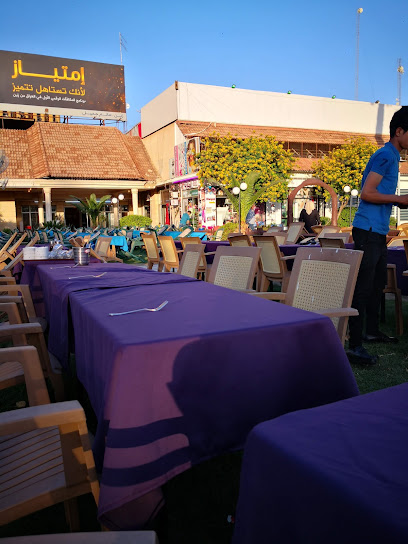
Tahrir Monument: A Symbol of Baghdad
Visit Baghdad's iconic Tahrir Monument, a symbol of Iraq's history, resilience, and the heart of its capital city.
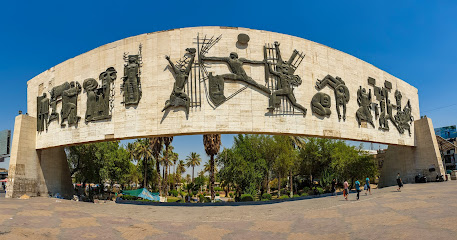
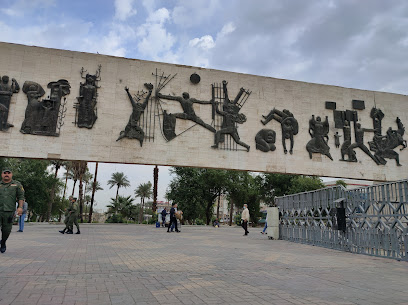
The Tahrir Monument, also known as Liberation Square, stands as Baghdad's central and most iconic public space. It commemorates Iraq's declaration of independence and has been a focal point for social and political movements.
A brief summary to Tahrir Monument
- Baghdad, Shorjah, Baghdad Governorate, IQ
Local tips
- Check local news and travel advisories before visiting due to potential demonstrations or security concerns.
- Dress modestly out of respect for local customs.
- Stay hydrated, especially during the hot summer months.
- Bargain with taxi drivers to agree on a fare before starting your journey.

Getting There
-
Walking
From the nearby Al-Rasheed Street, head east towards the Tigris River. Cross the Al-Jumhuriya Bridge, and Tahrir Square will be immediately visible on the other side. The walk is approximately 15-20 minutes, depending on your starting point on Al-Rasheed Street. No costs involved.
-
Public Transport
Several public buses operate in Baghdad with routes passing near Tahrir Square. Check local bus routes for options that stop at or near the square. Bus tickets can be pre-purchased at kiosks. The cost is approximately IQD 500-1000 per ride.
-
Taxi
Taxis are readily available throughout Baghdad. Negotiate the fare with the driver before starting your journey. From most central locations in Baghdad, a taxi ride to Tahrir Square should cost approximately IQD 10,000-15,000, depending on traffic and distance.
Discover more about Tahrir Monument
Iconic landmarks you can’t miss

Al- Tahrir Square
0.0 km
Experience Baghdad's vibrant heart at Al-Tahrir Square, a historic landmark and symbol of Iraqi resilience, home to the iconic Freedom Monument.
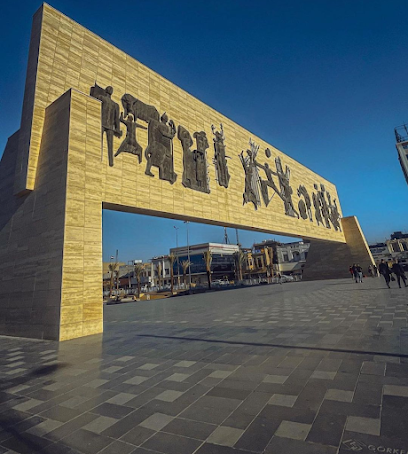
Tower of Babel tourist hotel
0.4 km
Experience comfort and culture at the Tower of Babel Tourist Hotel, your gateway to exploring the historic city of Baghdad.
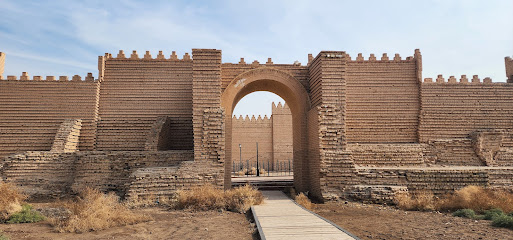
مؤسسة برج بابل Tower of Babel
0.8 km
Discover the legendary Tower of Babel site in Baghdad, a symbol of human ambition and a window into ancient Mesopotamian history.
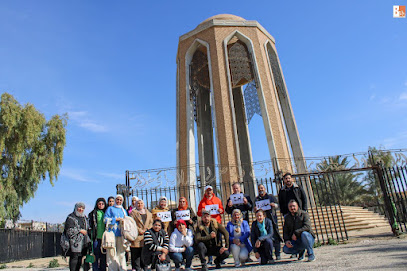
Al Sadeer palace hotel
1.1 km
Experience comfort and convenience at Al Sadeer Palace Hotel, perfectly located on Baghdad's vibrant Al-Saadoon Street.
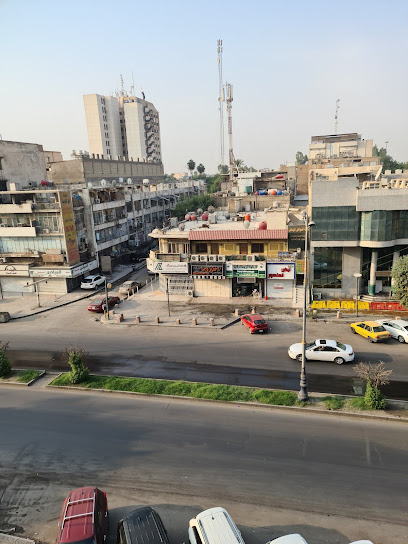
Shanashel Palace Hotel
1.1 km
Experience comfort and Iraqi hospitality at Shanashel Palace Hotel, perfectly located for exploring Baghdad's rich culture and history.
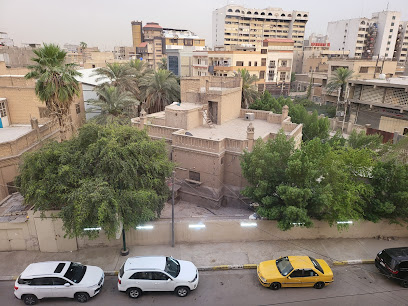
Wathba Square
1.2 km
Experience the vibrant heart of Baghdad at Wathba Square, a hub of culture, history, and community in Iraq's capital city.
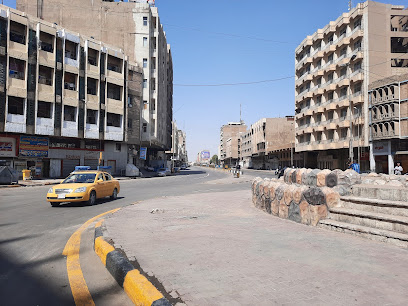
Akad Al-Ajidis
1.2 km
Explore Akad Al-Ajidis, a historical landmark on Baghdad's Al Rasheed Street, reflecting the city's rich cultural heritage.
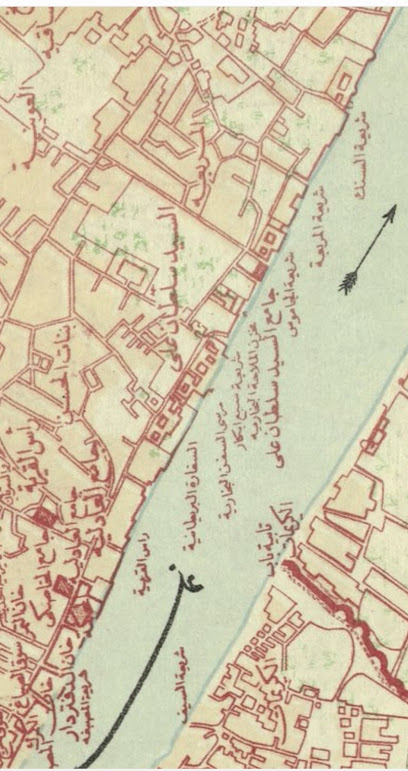
King Faisal I Square
1.6 km
Experience the vibrant heart of Baghdad at King Faisal I Square, a cultural hub rich in history, architecture, and local Iraqi flavor.
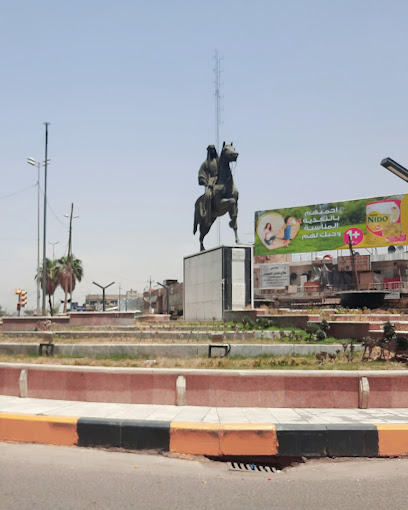
Zaqura Castle
1.6 km
Explore Zaqura Castle in Baghdad, a historical marvel showcasing Iraq's cultural heritage and stunning architecture.
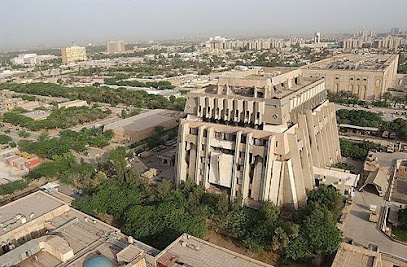
Al-Quds Gate
1.9 km
Explore Al-Quds Gate, an architectural gem in Baghdad that embodies the city's rich history and vibrant culture, perfect for every traveler seeking adventure.
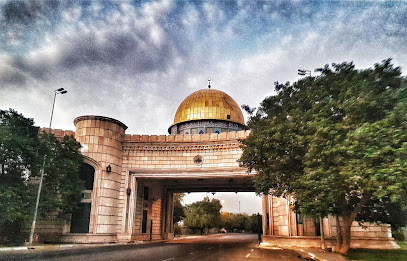
Andalus Square
2.1 km
Experience the vibrant heart of Baghdad at Andalus Square, a cultural hub with lush gardens, local crafts, and lively street performances.
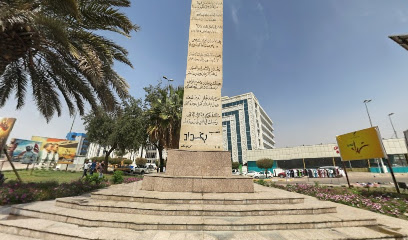
ساحة معروف الرصافي
2.2 km
Visit Al-Rasafi Square in Baghdad, a cultural landmark honoring the life and legacy of the renowned Iraqi poet and social critic, Ma'ruf al-Rasafi.
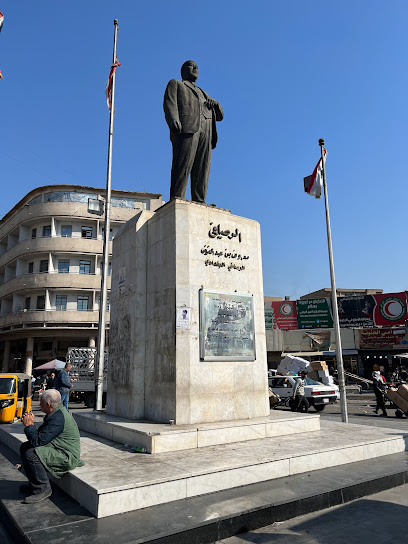
Statue of Ma'rouf Abdul Ghani al Rusafi
2.2 km
Discover the legacy of Iraqi poet Ma'rouf al-Rusafi at this landmark statue in Baghdad, a serene tribute to Arabic literature and culture.
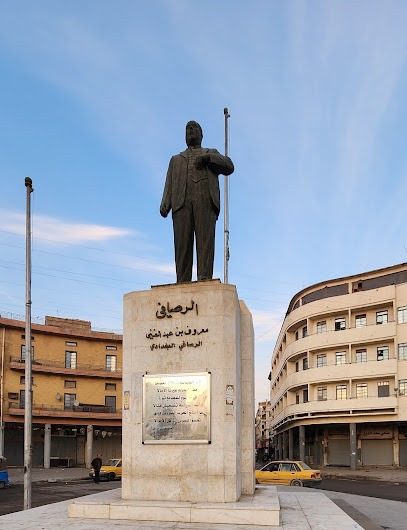
Allawi Southern
2.3 km
Experience the vibrant culture of Baghdad at Allawi Southern, a bustling transit hub connecting locals and tourists alike.
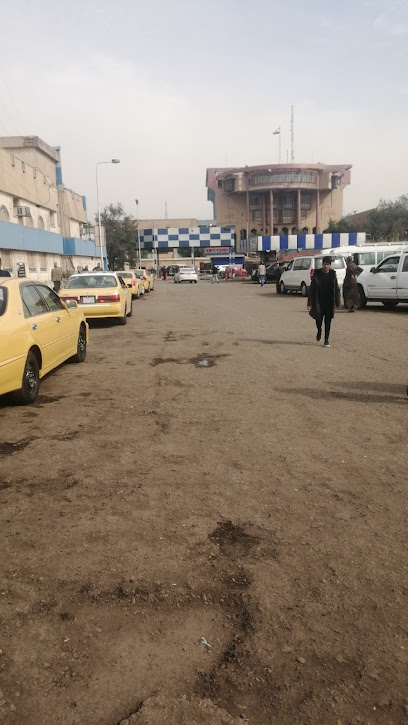
Royal Tulip Al-Rasheed Hotel
2.3 km
Experience Baghdad's history and luxury at the Royal Tulip Al-Rasheed Hotel, a landmark in the Green Zone.

Unmissable attractions to see

Liberation Square, Baghdad
0.1 km
Explore Liberation Square in Baghdad, a vibrant hub of history, culture, and the resilient spirit of Iraq, with the iconic Freedom Monument.
Tahrir Square
0.1 km
Explore Tahrir Square, Baghdad's vibrant town square, a symbol of resilience, culture, and history in the heart of Iraq.
Motherhood Monument
0.2 km
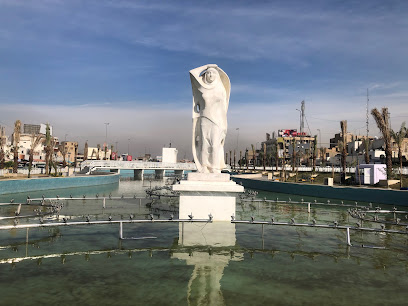
A touching tribute to Iraqi mothers, the Motherhood Monument offers a serene escape in Baghdad, filled with art, history, and community spirit.
عباس الفريداوي
0.3 km
Explore Abbas Al-Firdaus, a captivating tourist attraction in Baghdad that showcases the rich heritage and cultural diversity of Iraq.
Abdel-Karim Kassem Museum
0.4 km
Explore the life and legacy of a pivotal Iraqi leader at the Abdel-Karim Kassem Museum, a window into Iraq's 20th-century history.
Abu Nawas Corniche
0.4 km
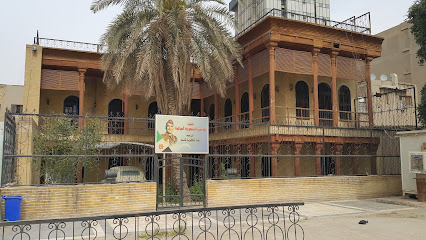
Experience Baghdad's vibrant culture and scenic beauty at Abu Nawas Corniche, a lively waterfront promenade named after a celebrated poet.
الباب الشرقي
0.5 km
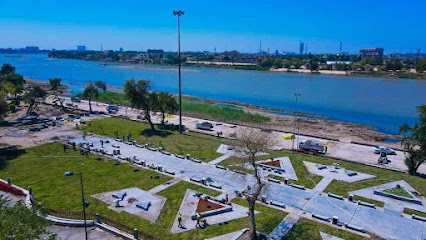
Explore Baghdad's historic heart at Bab Al-Sharqi: vibrant markets, cultural treasures, and a taste of authentic Iraqi life.
قصر عمار
0.9 km
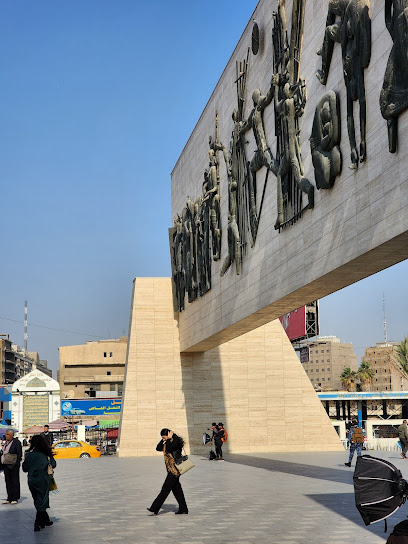
Explore Qasr Ammar on Baghdad's historic Al Rasheed Street, a cultural landmark blending Islamic art and modern influences, reflecting the city's rich heritage.
Ahrar Bridge
1.3 km
Experience Baghdad's enduring spirit at Ahrar Bridge, a historic landmark offering stunning views of the Tigris River and the city skyline.
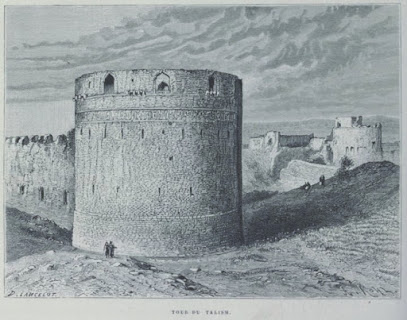
Remains of Talsam gate
1.5 km
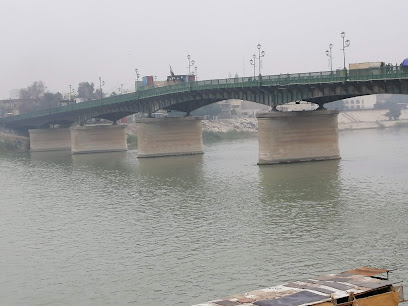
Explore the remnants of Baghdad's historic Talsam Gate, a silent witness to centuries of the city's vibrant past.
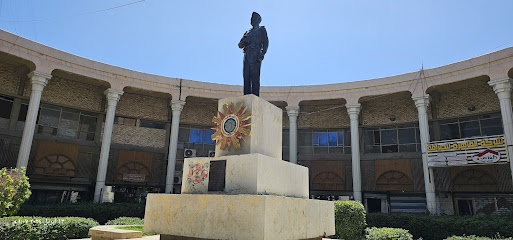
تمثال الزعيم عبدالكريم قاسم Abd Al-Karim Qasim Statue
1.5 km
Explore the Abd Al-Karim Qasim Statue in Baghdad, a tribute to Iraq's history and a vibrant cultural hub in the heart of the city.
Statue of King Faisal I
1.6 km
A tribute to Iraq's first king, this Baghdad landmark embodies unity and resilience, set amidst tranquil gardens.
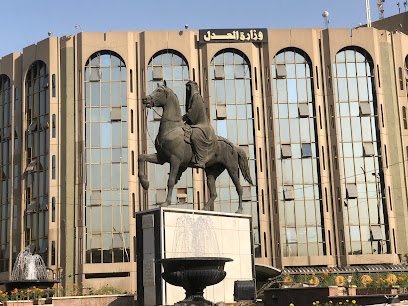
Firdos Square
1.8 km
Explore Firdos Square in Baghdad, a historical landmark reflecting Iraq's journey and resilience, from ancient monuments to modern cultural space.
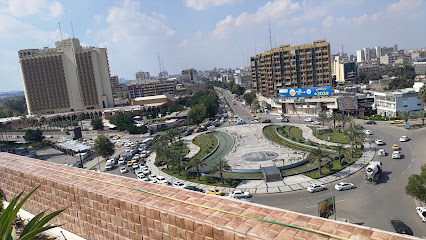
Abu Nuwas Park
1.9 km
Discover tranquility in Baghdad at Abu Nuwas Park, a scenic riverside escape offering lush gardens, peaceful paths, and cultural experiences.
Khan Murjan
1.9 km
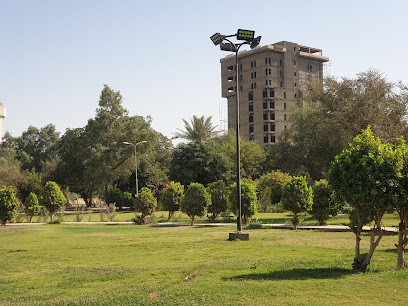
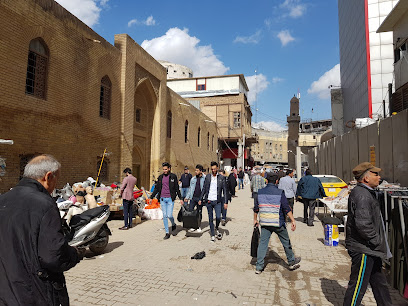
Explore Khan Murjan, a historic caravanserai in Baghdad, where Islamic architecture, Iraqi heritage, and vibrant market traditions converge.
Essential places to dine

Hazhan restaurant
0.1 km
Discover authentic Iraqi flavors at Hazhan Restaurant in Baghdad - a family-friendly haven for food lovers.
Al-Rasafa Restaurant
0.3 km
Discover the heart of Iraqi cuisine at Al-Rasafa Restaurant, where every meal tells a story of tradition and flavor.
باجة الناصر
0.3 km
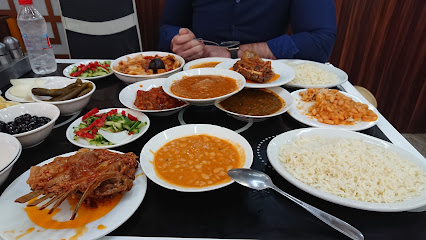
Experience authentic Iraqi cuisine at Baja Al-Nasir in Baghdad – where every dish tells a story of rich traditions and vibrant flavors.
مطعم السندباد Sindbad Restaurant
0.4 km
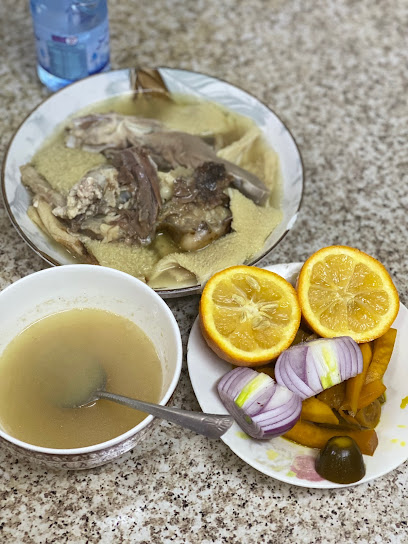
Discover authentic Iraqi flavors at Sindbad Restaurant in Baghdad, where tradition meets hospitality along the Tigris River.
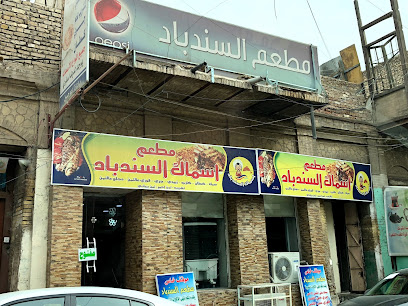
Shanaşil, Baghdad Restaurant
0.8 km
Discover authentic Iraqi barbecue at Shanaşil Restaurant in Baghdad, where tradition meets flavor in every bite.
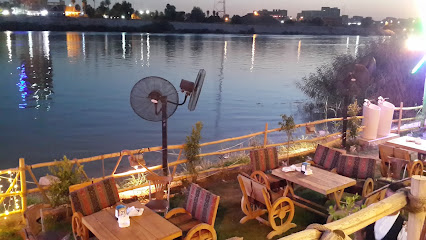
مطعم توتة اكلات شعبية
1.3 km
Discover authentic Iraqi fast food at مطعم توتة اكلات شعبية in Baghdad - a vibrant culinary gem serving delicious local dishes.
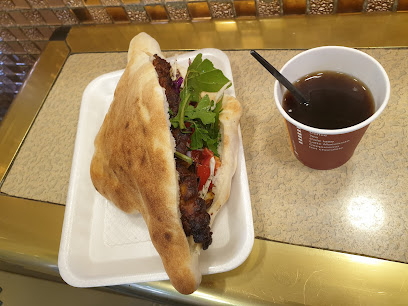
Kebab Hawler (Erbil)
1.3 km
Discover authentic Iraqi barbecue at Kebab Hawler in Erbil – where every bite tells a story.
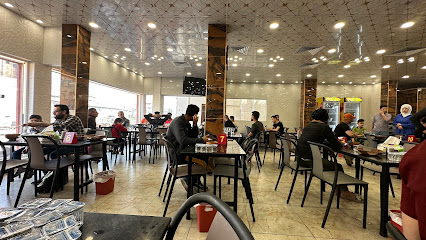
Rasul Kahi Geymar
1.3 km
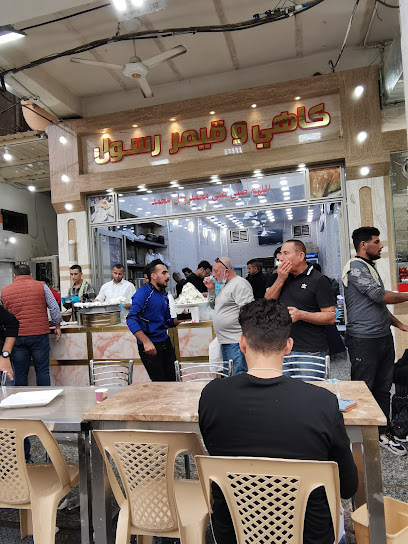
Experience authentic Iraqi cuisine at Rasul Kahi Geymar, known for its delicious kahi and qaimar in the heart of Baghdad.
علي السماج
1.4 km
Experience authentic Iraqi cuisine at Ali Al-Samaj in Baghdad – where tradition meets flavor in every dish.
Rukn Al Mandi Restaurant
1.5 km
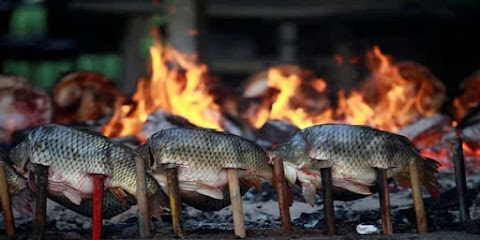
Experience authentic Middle Eastern cuisine at Rukn Al Mandi Restaurant in Baghdad, where every dish tells a story of rich flavors and traditions.
مملوح
1.5 km
Discover Mamlouh in Baghdad: Where Fast Food Meets Local Flavor - A Culinary Experience You Can't Miss!
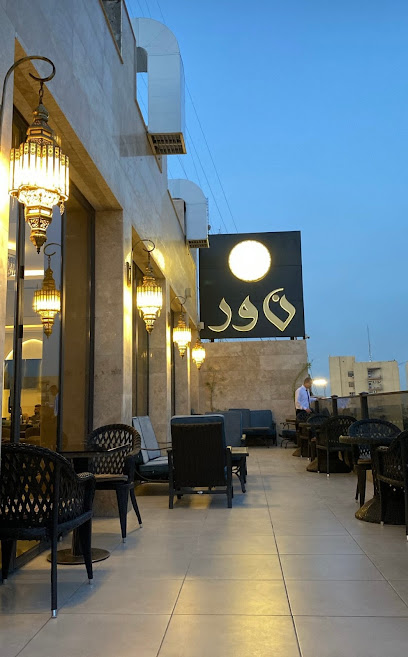
Nur restaurant
1.6 km
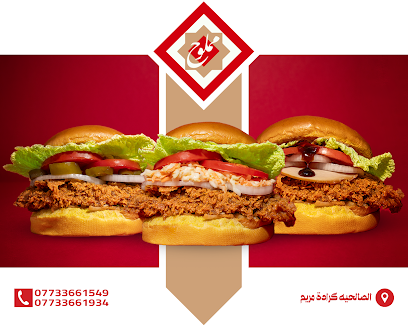
Discover the flavors of Iraq at Nur Restaurant – where family-friendly dining meets authentic cuisine in the heart of Baghdad.
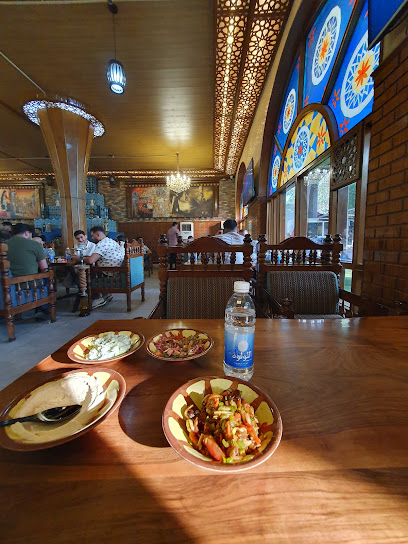
مطعم البغدادي، Baghdadi Restaurant
1.6 km
Experience authentic Iraqi cuisine at Baghdadi Restaurant amidst the serene beauty of Abu Nawas Gardens in Baghdad.
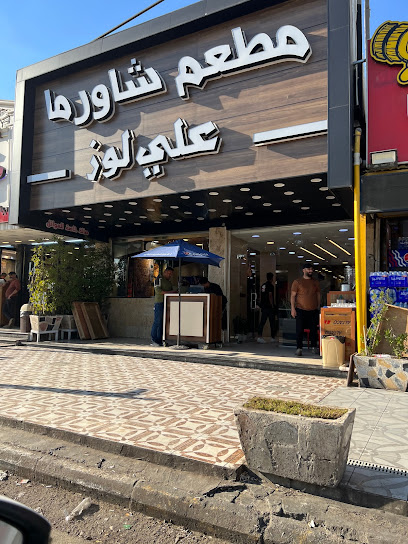
مطعم كص علي لوز
1.7 km
Savor authentic Iraqi fast food flavors at مطعم كص علي لوز in Baghdad - a culinary gem for tourists seeking local delights.
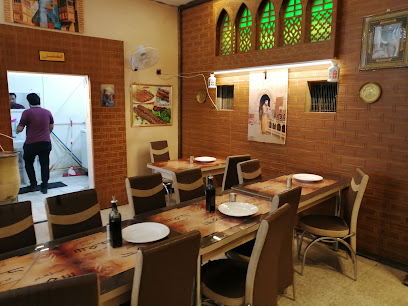
Saad Restaurant for Baghdadi food
2.6 km
Discover authentic Baghdadi flavors at Saad Restaurant - a culinary haven in Baghdad serving traditional Iraqi dishes with warm hospitality.
Markets, malls and hidden boutiques

Deniz Fashion
1.4 km
Discover unique styles at Deniz Fashion, a top clothing store in Baghdad offering a blend of contemporary and traditional fashion.
محل صباح
2.1 km
Discover the rich history of Iraq at محل صباح, Baghdad's treasure trove of exquisite antiques and vintage artifacts.
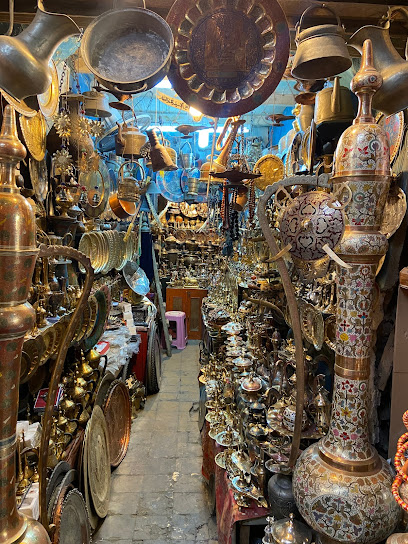
الدرويش بازار
2.3 km
Explore الدرويش بازار in Baghdad for unique gifts and a taste of local craftsmanship, capturing the essence of Iraqi culture in every piece.
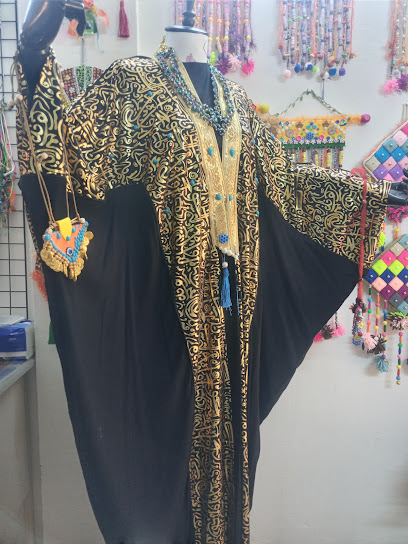
Baghdad, Iraq
2.3 km
Explore the vibrant literary scene of Baghdad on Mutanabbi Street, where history, culture, and books come together in a unique tapestry.
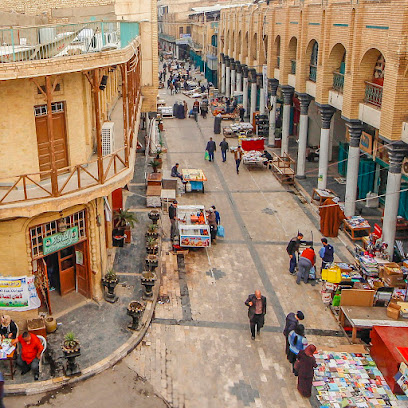
DURAID دريد
2.4 km
Explore the vibrant styles at DURAID دريد, Baghdad's premier clothing store, offering a blend of tradition and modern fashion.
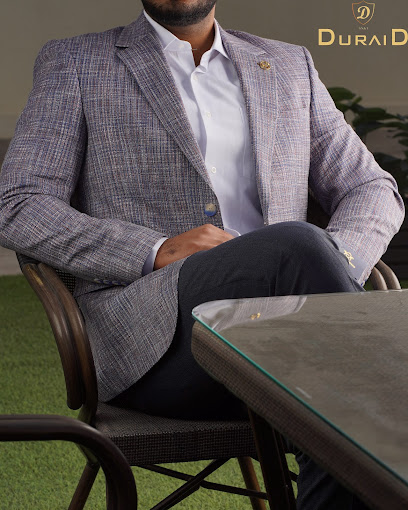
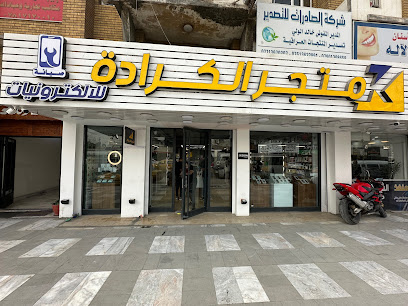
Karada store for electronic
3.1 km
Explore cutting-edge technology and exceptional customer service at Karada store, Baghdad's premier destination for mobile devices and electronics.
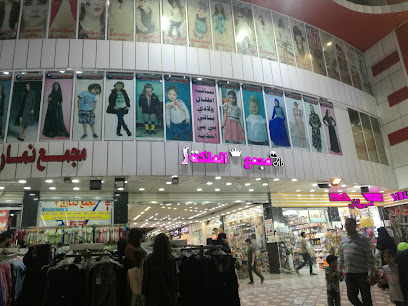
Iraq Mall
3.4 km
Experience the vibrant culture and shopping diversity at Iraq Mall, Baghdad's top destination for shopping and entertainment.
Al-karada
3.5 km
Experience the vibrant culture of Al-Karada, Baghdad, home to traditional tobacco shops and deep-rooted local customs.
CADO outlet
3.5 km
Discover the latest fashion trends at CADO Outlet in Baghdad's Dream City Mall, where style meets affordability.
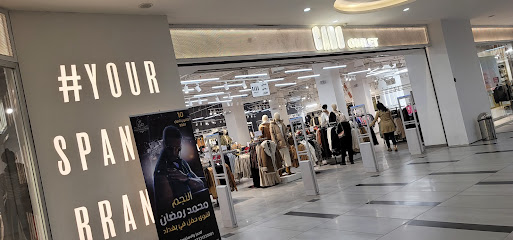
Dream City Mall
3.5 km
Explore the vibrant Dream City Mall in Baghdad, a shopping paradise offering diverse retail, delicious dining, and fun entertainment for all visitors.
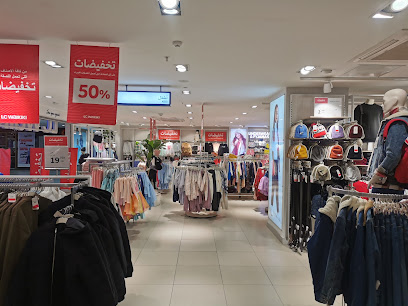
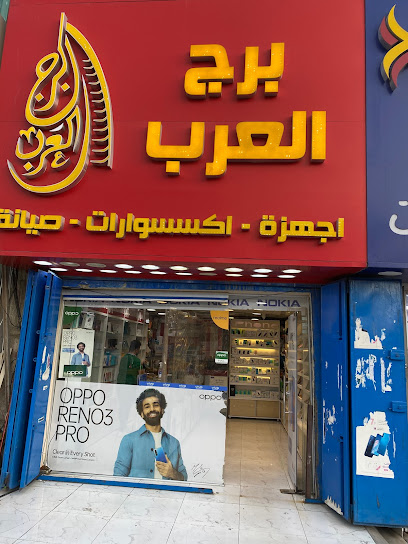
Burj Al Arab store
3.7 km
Explore cutting-edge electronics at Burj Al Arab Store in Baghdad, a top destination for tech enthusiasts seeking the latest gadgets.
Maxi Mall
3.7 km
Discover trendy clothing and local fashion at Maxi Mall, a vibrant shopping destination in Baghdad that caters to every style.
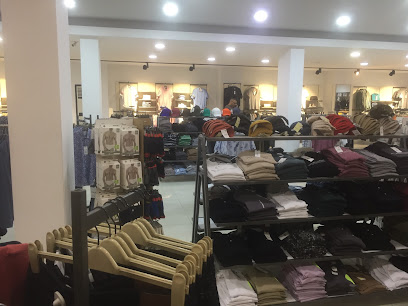
Al-koukh-Rubaie Branch / مجمع الكوخ - فرع الربيعي
3.8 km
Explore Al-koukh-Rubaie Branch in Baghdad for an exceptional shopping experience with a wide range of clothing and accessories for the whole family.
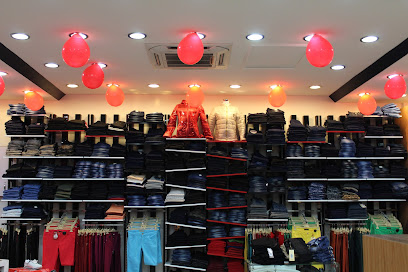
السوق الامريكي في الكراده USA shopping
3.9 km
Explore the USA Shopping Market in Karada, a vibrant hub of retail and culture in Baghdad, offering unique shopping experiences and local flavors.
شارع العطار لأسواق الكرادة
3.9 km
Discover the colorful Attar Street Market in Baghdad, where local fashion meets vibrant culture in a unique shopping experience.
Essential bars & hidden hideouts

مطعم و بار الموعد
0.8 km
Discover the lively atmosphere and diverse drink offerings at مطعم و بار الموعد, a top choice for nightlife in Baghdad.
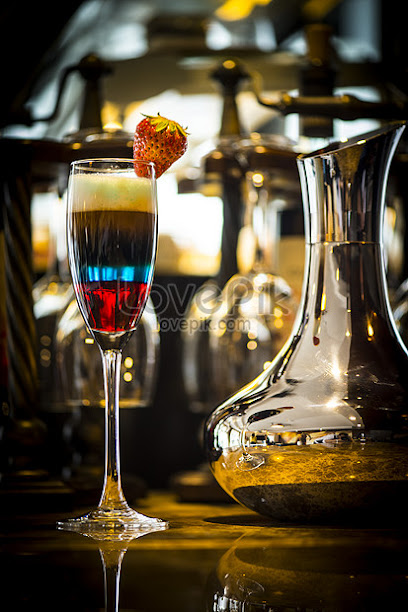
المركز الثقافي بلا اقنعة
0.8 km
Experience the vibrant atmosphere and cultural essence of المركز الثقافي بلا اقنعة, Baghdad's unique bar blending art, music, and community.
كعدة مرتبة
0.8 km
Discover the vibrant atmosphere of Kada Murtafa, a bar in Baghdad where local culture meets a lively nightlife experience.
مربعه
0.9 km
Discover the heartbeat of Baghdad nightlife at مربعة, a lively bar offering drinks, music, and a taste of local culture.
مخزن مشروبات الفهد
1.3 km
Experience the vibrant nightlife of Baghdad at مخزن مشروبات الفهد, where local charm and lively atmosphere meet.
Alqosh Bar
1.4 km
Discover Alqosh Bar, a lively hotspot in Baghdad, blending local culture and vibrant nightlife for an unforgettable experience.
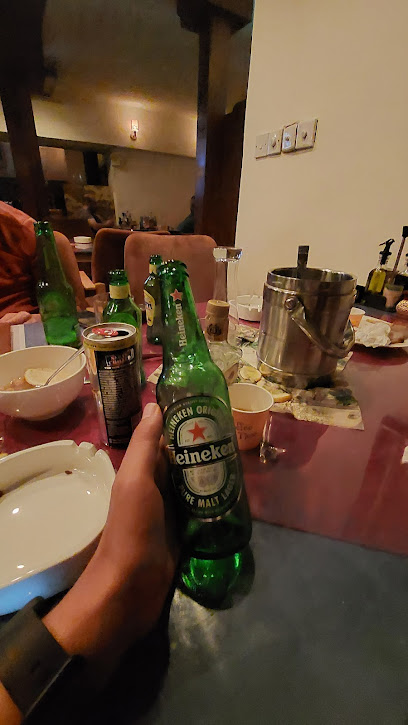
باب العراق الثالث
1.6 km
Discover the vibrant nightlife of Baghdad at باب العراق الثالث, where traditional and modern experiences blend seamlessly in a lively bar atmosphere.
Non 1
1.7 km
Experience the lively bar scene of Baghdad, where tradition meets modern nightlife in a welcoming atmosphere.
Mazen store
2.4 km
Discover Mazen Store, a lively bar in Baghdad, blending local flavors and international drinks in a vibrant atmosphere perfect for socializing.

كرم دوغاتي
2.9 km
Experience the vibrant nightlife of Baghdad at كرم دوغاتي, where traditional charm meets modern flair in a welcoming bar atmosphere.
Solo bar
2.9 km
Experience the vibrant nightlife of Baghdad at Solo Bar, where great drinks and lively entertainment await you.
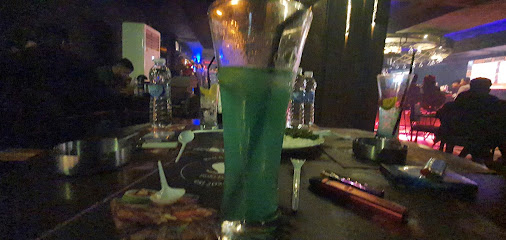
Bar
3.0 km
Experience the vibrant nightlife of Baghdad at this lively bar, perfect for socializing and enjoying a variety of drinks in a welcoming atmosphere.
Cielo Lounge - سيلو لاونج
3.1 km
Experience the vibrant atmosphere of Cielo Lounge in Baghdad, where coffee meets culture in a cozy and stylish setting.
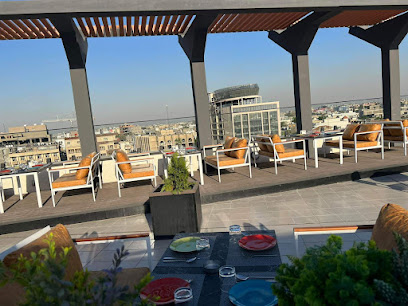
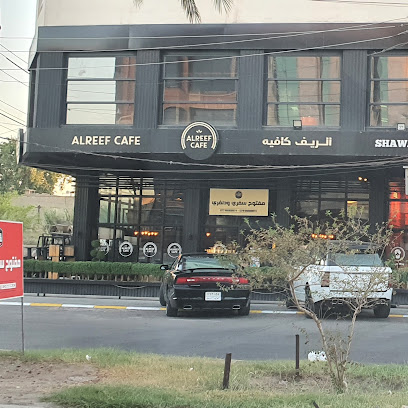
Al Reef Cafe - Baghdad
3.5 km
Discover the flavors of Baghdad at Al Reef Cafe, a cozy spot for traditional cuisine and local favorites in the heart of the city.
Aeoon Baghdad
3.6 km
Experience the vibrant nightlife of Baghdad at Aeoon, where local culture meets contemporary style in a lively bar atmosphere.
Nightclubs & after hour spots

قاعة الخيام
0.6 km
Discover the pulse of Baghdad's nightlife at قاعة الخيام, where music, dance, and culture come alive in an unforgettable experience.
المطعم البغدادي
1.0 km
Experience the vibrant nightlife of Baghdad at المطعم البغدادي, where traditional and modern entertainment come together for an unforgettable evening.
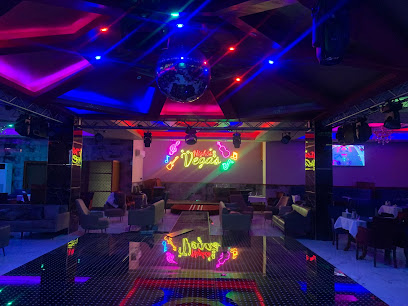
Vegas Nights club
1.3 km
Discover the electrifying nightlife of Baghdad at Vegas Nights Club, where music, dancing, and excitement come together for an unforgettable evening.
مقهى ام السباع الدولية
1.5 km
Experience the vibrant nightlife at مقهى ام السباع الدولية, Baghdad's premier disco club offering a lively atmosphere and eclectic music.
ديسكو ابو نؤاس
1.6 km
Immerse yourself in the heart of Baghdad's nightlife at ديسكو ابو نؤاس, where music, dance, and culture come alive.
Night club
1.7 km
Discover the vibrant nightlife of Baghdad at its top night club, where music, dance, and culture come together for an unforgettable experience.
Alalawya Club
2.0 km
Experience the vibrant nightlife of Baghdad at Alalawya Club, the ultimate social hub for locals and tourists alike.